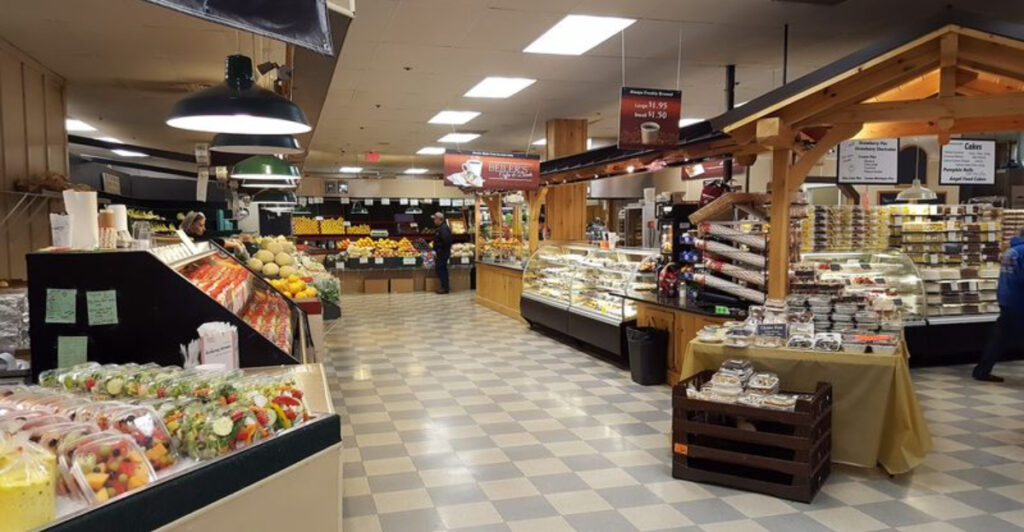
There is a place in Annapolis, Maryland, that does not look like much from the outside but holds something genuinely surprising once you walk through the doors. Tucked along a busy road, this market operates only three days a week, and yet it draws a steady crowd of locals and out-of-towners who keep coming back.
This market is not your average grocery stop. It carries the kind of handcrafted, small-batch, made-from-scratch quality that most people thought had disappeared from everyday shopping.
From baked goods and fresh meats to bulk spices and handmade goods, every corner of this market tells a story rooted in Amish tradition. If you have never experienced an Amish market before, this is one of the most accessible and well-stocked examples in the mid-Atlantic region, and it is hiding in plain sight right off Solomons Island Road.
The Roots of Pennsylvania Dutch Culture in Maryland
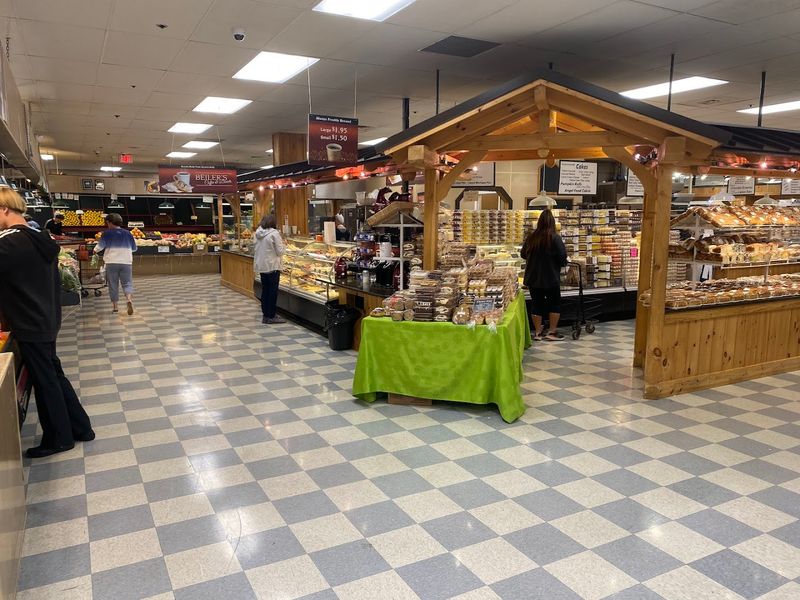
The Amish and Mennonite communities that operate markets like this one trace their heritage back to German-speaking settlers who arrived in Pennsylvania in the 1700s. The term “Pennsylvania Dutch” comes from “Deutsch,” the German word for German, and it reflects a culture built around hard work, faith, and craftsmanship.
These communities have long been known for their rejection of shortcuts. Everything from their baked goods to their butchered meats follows methods passed down through generations, prioritizing quality over convenience.
That philosophy is what separates an Amish market from a standard grocery store.
Bringing that tradition to Annapolis gives Maryland residents direct access to products that are genuinely handmade and carefully sourced. The families who run stalls at this market are not just selling products; they are continuing a way of life that values doing things the right way.
That cultural depth is something you can feel throughout every part of the market.
A Market So Big It Deserves a Map
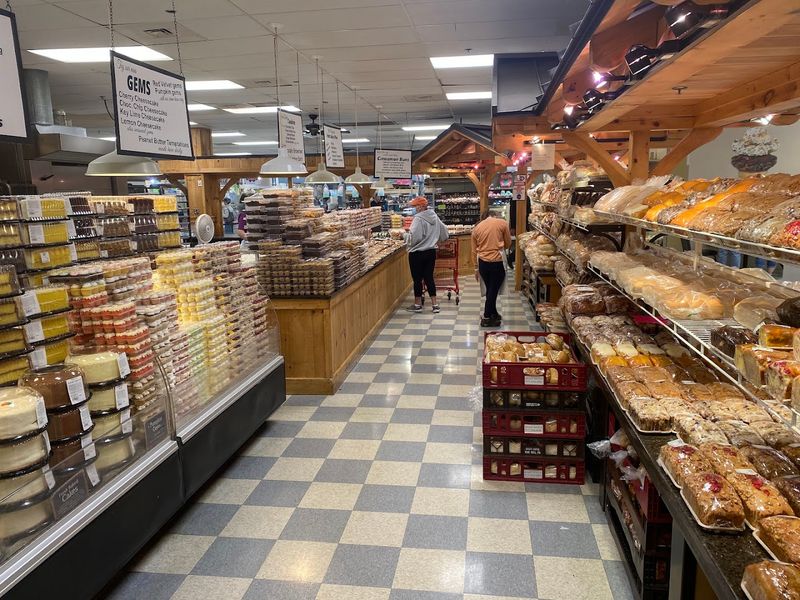
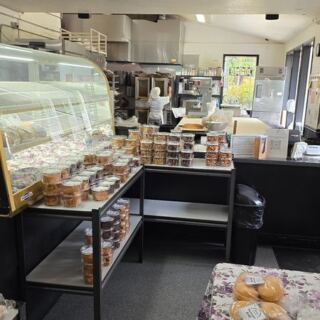
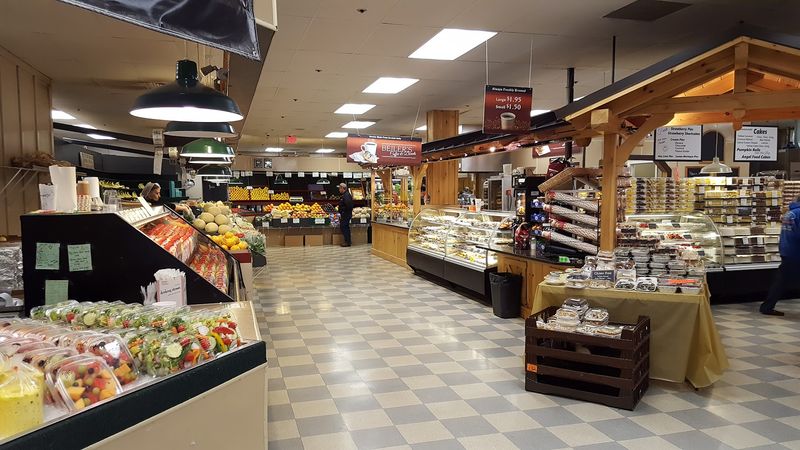
First-time visitors are often caught off guard by the sheer size of the Pennsylvania Dutch Farmer’s Market. What looks like a modest building from the parking lot opens up into a sprawling indoor space packed with independent vendor stalls, each one offering something different.
The layout covers everything from a full-service deli and butcher counter to baked goods, bulk dry goods, produce, candy, and prepared hot foods. Some stalls specialize in a single category, while others carry a wide mix of items.
There is no single checkout line because each vendor operates independently, which means you may end up making several small purchases throughout your visit.
Bringing cash is a smart move since running a debit card at five or six separate stalls can slow things down. A reusable bag or two also comes in handy because the temptation to load up on fresh breads, cheeses, and pantry staples is very real.
Plan for more time than you think you need.
The Baked Goods Section Is the Heart of the Market
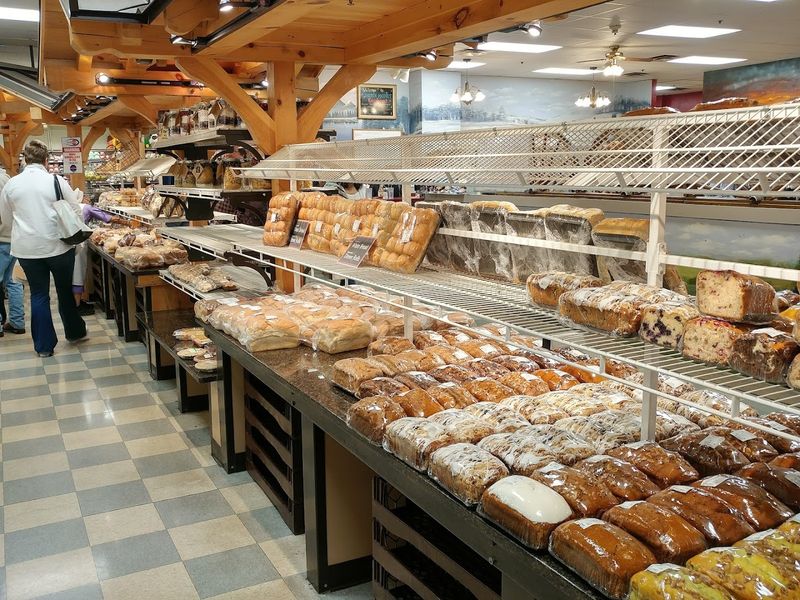
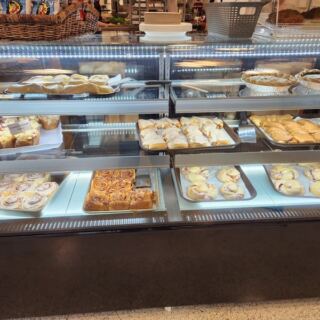
Right in the middle of the market, the baked goods section pulls people in from every direction. Loaves of sourdough bread, soft pretzels, pies, cakes, donuts, and bagels are stacked and displayed with the kind of care that signals genuine pride in the craft.
Nothing here comes from a factory or a frozen package.
The sourdough in particular has developed a reputation among regulars who stock up on it before heading into downtown Annapolis. Freshly baked and cut to order, it pairs well with the deli meats and cheeses available just a few stalls away, making it easy to put together a quality lunch on the go.
Donuts, cakes, and other sweet treats round out the selection in a way that makes it hard to leave empty-handed. The baked goods section is also a great spot to pick up something to bring home to family or friends, since everything travels well and holds its quality for days after purchase.
The Pretzel Logs That People Drive Miles to Get
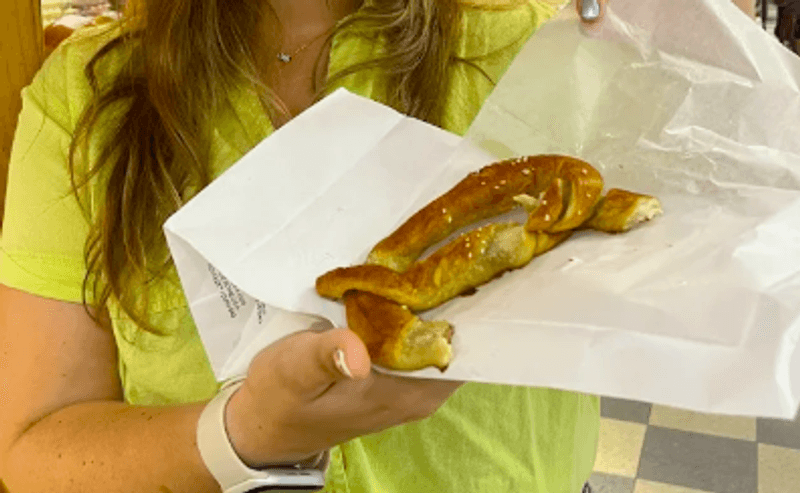
If there is one item that has turned casual visitors into devoted regulars at this market, it is the pretzel logs. These are not standard soft pretzels.
They are thick, golden, and stuffed with a variety of savory fillings that change the whole experience of what a pretzel can be.
The line for pretzel logs can stretch long on busy days, especially Saturday mornings. That line moves, but it is worth factoring into your visit time.
People who arrive early tend to have a shorter wait and a fuller selection of filling options before the most popular varieties sell out.
The pretzel log station has become something of a landmark within the market, with a loyal following that spans decades. Some shoppers have been making the drive specifically for these since the market first opened.
That kind of long-term loyalty says more about quality than any description could. Get one while it is still warm and fresh from the oven.
A Deli Counter That Outshines Most Grocery Stores
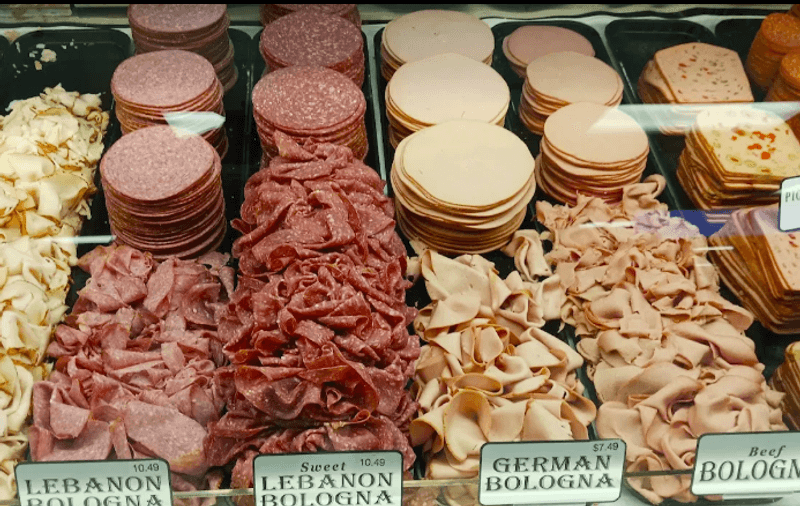
The deli section at the Pennsylvania Dutch Farmer’s Market is a serious operation. Roast beef, cured meats, and a wide selection of cheeses are sliced fresh to order, and the quality is noticeably higher than what most chain grocery stores carry.
The sourcing reflects the Amish commitment to using better ingredients from the start.
Shoppers who come specifically for the deli often leave with enough to last the week. The staff behind the counter are knowledgeable about what they carry and can help you navigate the selection if you are not sure what to try first.
Pairing suggestions come naturally from people who genuinely know their products.
For anyone who has ever stood at a standard supermarket deli counter and felt underwhelmed, this is a different experience entirely. The cuts are thicker, the options are more varied, and the overall quality makes it easy to understand why so many locals treat this market as their primary source for deli staples.
Fresh Produce and Bulk Goods Worth Stocking Up On
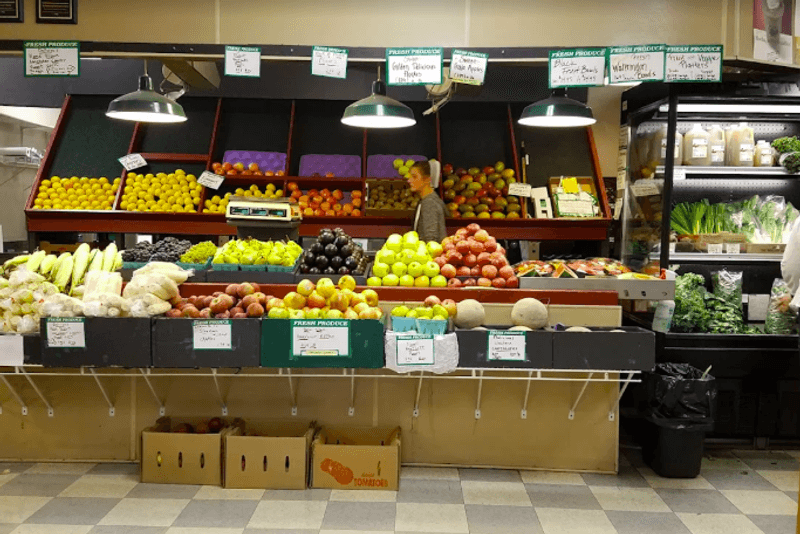
The produce section at this market carries fruits and vegetables that reflect seasonal availability and careful selection. The quality tends to be a step above what you find at large chain stores, and the variety is broad enough to cover most weekly shopping needs without making multiple stops elsewhere.
Bulk dry goods are another highlight that draws in home cooks and bakers. Spices, grains, flours, nuts, and specialty ingredients are available in quantities that make stocking a pantry both practical and affordable.
For people who bake regularly, the selection here covers things that are hard to find in standard grocery aisles.
Jams, jellies, and preserved goods round out the pantry section with a range that goes well beyond what most stores carry. Dozens of varieties line the shelves, and many are made using traditional Pennsylvania Dutch recipes.
Whether you are building a charcuterie board or simply stocking your kitchen, the combination of fresh produce and bulk goods makes this market a genuinely useful weekly resource.
The Meat and Butcher Counter Worth the Extra Mile
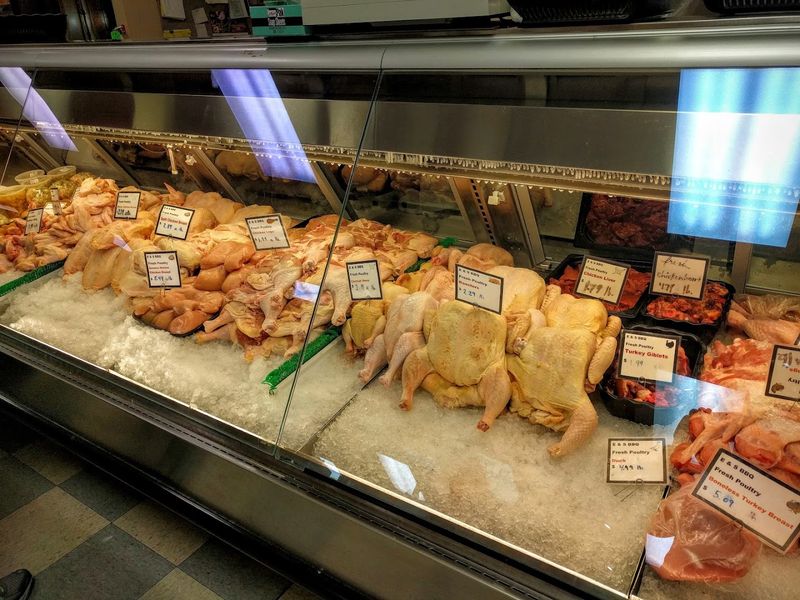
The butcher counter at the Pennsylvania Dutch Farmer’s Market handles fresh cuts of beef, chicken, and specialty meats with the kind of attention that has become rare in modern retail. The selection goes beyond standard supermarket options and includes cuts that require a real butcher to prepare properly.
BBQ take-away options are also available for those who want something ready to eat without the prep work. The quality of the meat used in these prepared items is consistent with what is sold at the raw counter, which means the end product reflects the same sourcing standards throughout.
Prices at the butcher counter are higher than discount grocery chains, but they reflect the quality of the product and the method of preparation. For shoppers who prioritize knowing where their meat comes from and how it was handled, that price difference makes sense.
The butcher counter alone is enough to justify a dedicated trip, and many regular shoppers treat it as their primary source for weekly protein needs.
Candy, Sweets, and That Viral Swedish Selection
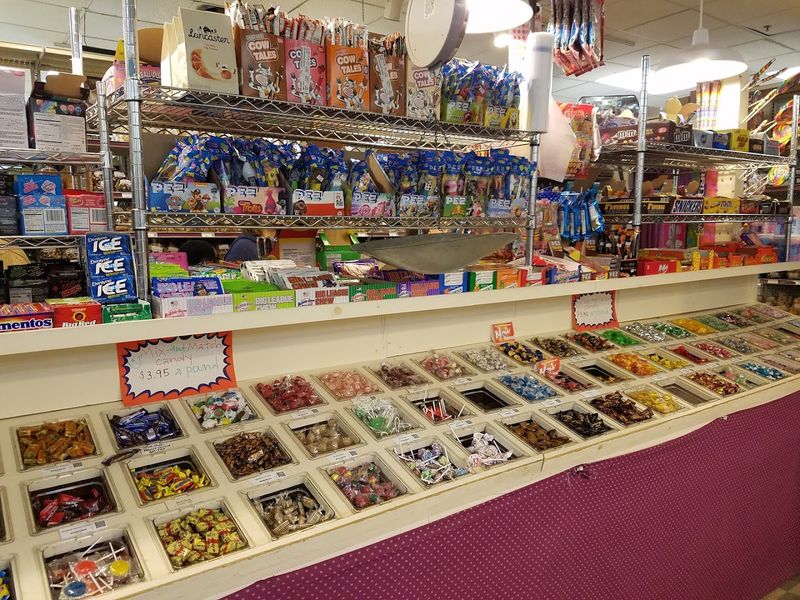
The candy section at this market has taken on a life of its own in recent years, partly because it carries a wide selection of Swedish candy that went viral on social media platforms. Bulk bins filled with colorful gummies and confections from Scandinavia have drawn in a younger crowd that might not have otherwise discovered the market.
Beyond the Swedish candy trend, the traditional sweets section carries toffee pecans, old-fashioned confections, and Pennsylvania Dutch-style treats that have been popular at Amish markets for generations. These are the kinds of sweets that long-time shoppers grew up buying and still return for as adults.
The candy counter is a good spot to bring kids, since the variety and the visual display tend to hold attention longer than most other parts of the market. For parents who want to make the shopping trip more enjoyable for younger children, pointing them toward the candy section first is a reliable strategy.
Just be ready for a long deliberation process.
A Community Hub, Not Just a Shopping Destination
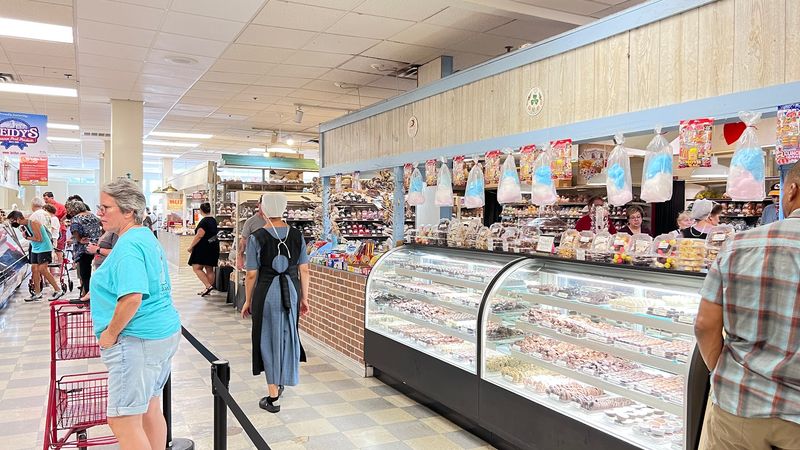
One of the clearest signs that the Pennsylvania Dutch Farmer’s Market is more than a tourist attraction is the crowd it draws on any given Thursday or Saturday. The regulars here are locals who have worked this market into their weekly routine, treating it the way previous generations treated their neighborhood grocery store.
Families come together, older shoppers catch up with vendors they have known for years, and new visitors get absorbed into the energy of a place that has real community roots. The vendors themselves are not anonymous employees; they are members of the Pennsylvania Dutch community who bring personal knowledge and genuine care to what they sell.
That combination of community loyalty and cultural authenticity is what keeps this market relevant in an era when most people default to online ordering or big-box stores for their weekly needs. The market functions as a reminder that shopping can still be a social and meaningful experience, not just a transaction completed as quickly as possible.
Practical Tips Before Your First Visit
A few practical details can make the difference between a smooth first visit and a frustrating one. Bringing cash is strongly recommended since each vendor operates independently and running a card at multiple stalls adds up in both time and transaction fees.
A mix of small bills works best when buying from several different counters.
Arriving early, especially on Saturdays, helps you avoid the longest lines and gives you access to the full selection before popular items sell out. The market opens at 8 AM on Saturdays, and the first hour tends to be the most manageable in terms of crowd size.
By mid-morning, the aisles fill up quickly.
Bringing a cooler in your car is also worth considering if you plan to buy fresh meats, cheeses, or prepared foods that need to stay cold on the drive home. The market is open only three days a week, so planning your visit with intention makes the whole trip more productive and enjoyable from start to finish.
Where to Find This Amish Treasure in Annapolis
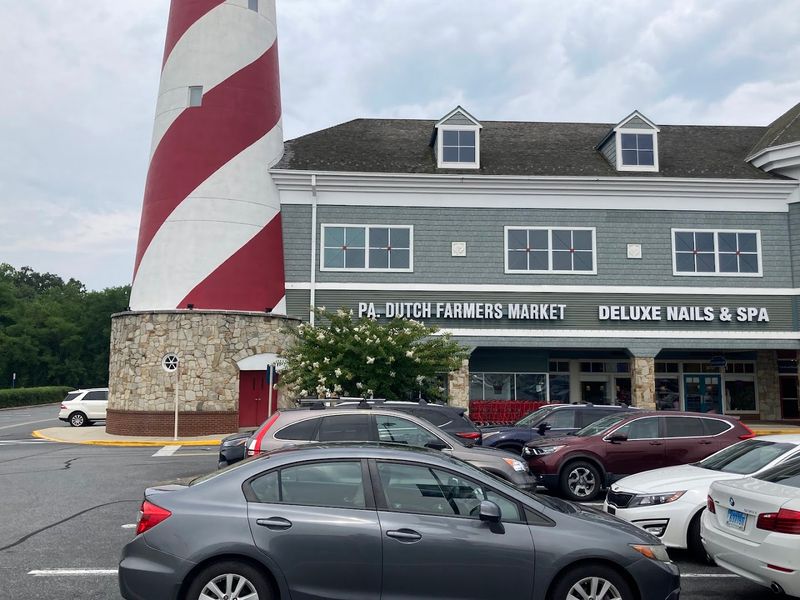
The Pennsylvania Dutch Farmer’s Market sits at 2472 Solomons Island Rd, Annapolis, MD 21401, in Anne Arundel County. The location is easy to reach by car and has plenty of parking, which matters a lot on busy days when the crowd inside is thick.
The market is open Thursday and Friday from 8:30 AM to 6 PM and Saturday from 8 AM to 3 PM. It is closed Sunday through Wednesday, so planning your visit around those three days is essential.
Saturday mornings tend to draw the largest crowds, so arriving early gives you the best experience without long waits.
The building itself is large, far bigger than most people expect from the outside. Multiple vendors operate independently under one roof, each running their own stall with their own specialties.
That setup makes the whole place feel more like a small indoor village than a single store, and that energy is a big part of what makes it worth the trip.
Share this story