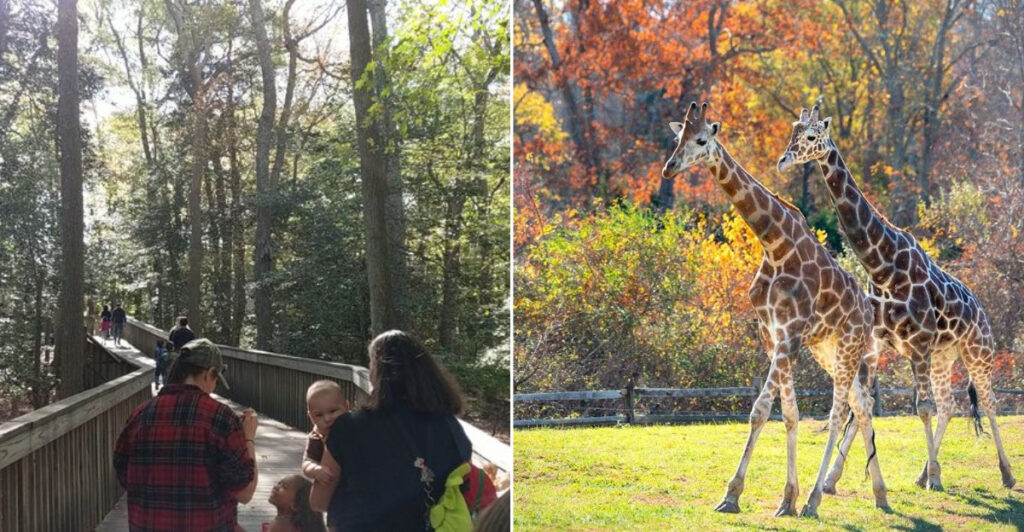
Tucked away along the southern tip of New Jersey, there is a zoo that surprises nearly everyone who visits it. Most people expect a standard animal park, but what they find instead is a wooden boardwalk winding through shaded woods that suddenly opens up to a wide-open prairie filled with giraffes, zebras, and ostriches.
The whole thing feels completely unexpected, especially for a place that charges absolutely nothing for admission. This is not a small roadside attraction or a tired petting zoo.
The African Safari section at Cape May County Zoo is a genuinely impressive experience that draws families, teenagers, and wildlife lovers from across the state, and the hidden boardwalk leading to it might just be the best part of the whole trip.
Where the Boardwalk Begins
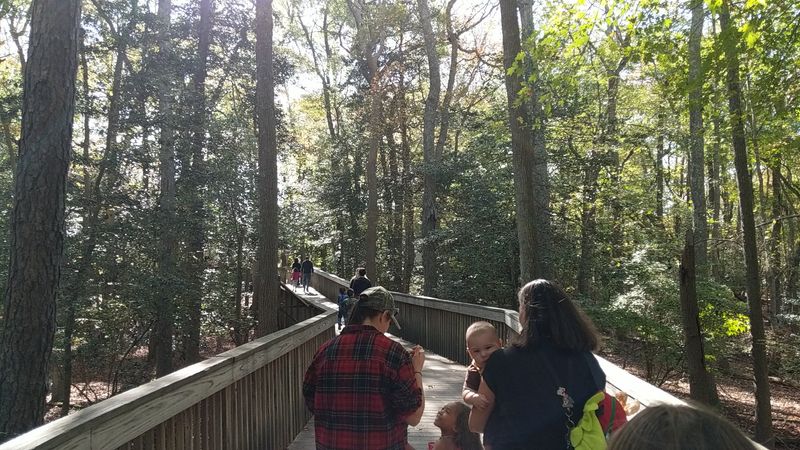
The address is 707 US-9, Cape May Court House, NJ 08210, and the zoo sits right along one of the most traveled corridors of southern New Jersey. Most people driving past would never guess that a boardwalk leading to an African safari scene is just a short walk from the parking lot.
The wooden walkway starts modestly, almost quietly, cutting through a stretch of native woodland that feels more like a nature trail than a zoo path. There are benches placed at regular intervals, which makes the walk comfortable for all ages and fitness levels.
What makes this entrance so effective is the contrast it sets up. The shaded, tree-lined path builds a kind of quiet anticipation before the landscape completely opens up at the other end.
That shift from dense woodland to open prairie is genuinely dramatic and well worth the walk from the parking lot.
The African Safari Section Up Close
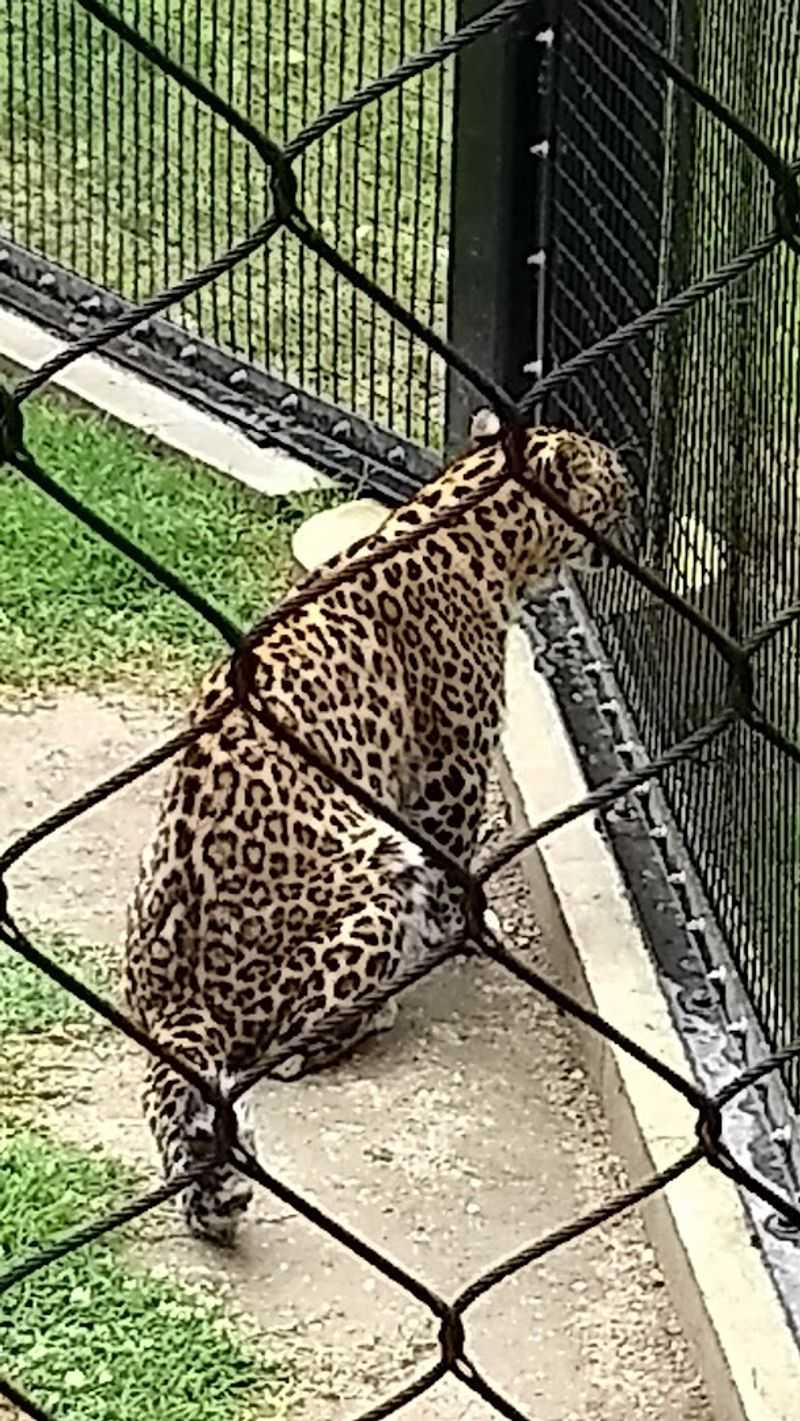
The African Safari section of Cape May County Zoo is the centerpiece that most people come to see, and it delivers on every level. A large open prairie holds giraffes, zebras, and ostriches roaming together in a habitat that looks genuinely spacious compared to what most regional zoos offer.
The raised boardwalk that overlooks this area gives a clear, unobstructed line of sight across the entire exhibit. That elevated perspective makes a real difference when it comes to spotting animals that might otherwise be hard to see from ground level.
There is a covered pavilion at the far end of the boardwalk where people can stop, rest, and take in the full view of the prairie. On a clear day, the sight of a giraffe moving slowly across the open field against a backdrop of blue sky is the kind of moment that makes the whole trip feel worthwhile.
Free Admission, No Catch
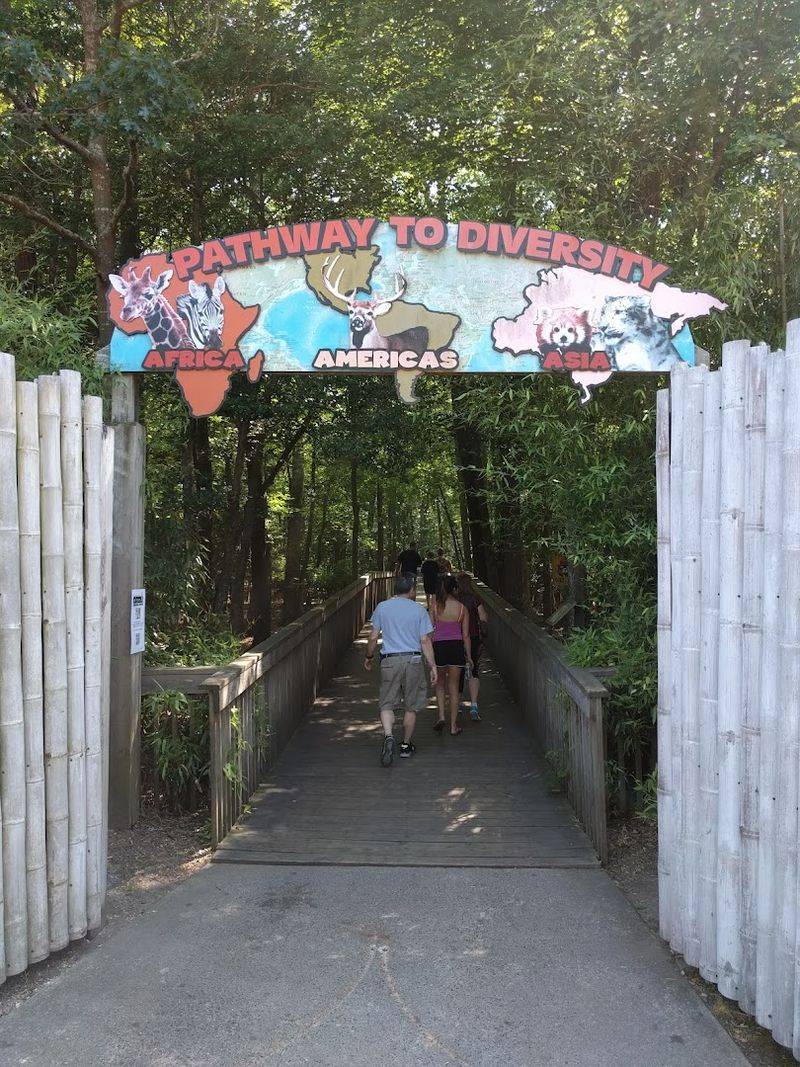
One of the most talked-about things about this zoo is that admission is completely free. There is no ticket booth, no entry fee, and no hidden charge waiting at the gate.
Parking is also free, which puts it in a category that very few zoos in the entire country can claim.
The zoo operates on a donation-based model, which means the quality of the experience depends entirely on the generosity of the people who enjoy it. Donation boxes are placed throughout the grounds, and most visitors are happy to contribute after seeing how well the place is maintained.
For families visiting the Cape May area on a budget, this is an obvious stop. A full day at the zoo costs nothing upfront, which makes it easy to add to any shore trip without rearranging finances.
The value here is hard to argue with, and the quality absolutely justifies leaving something in the donation box.
The Red Panda Habitat
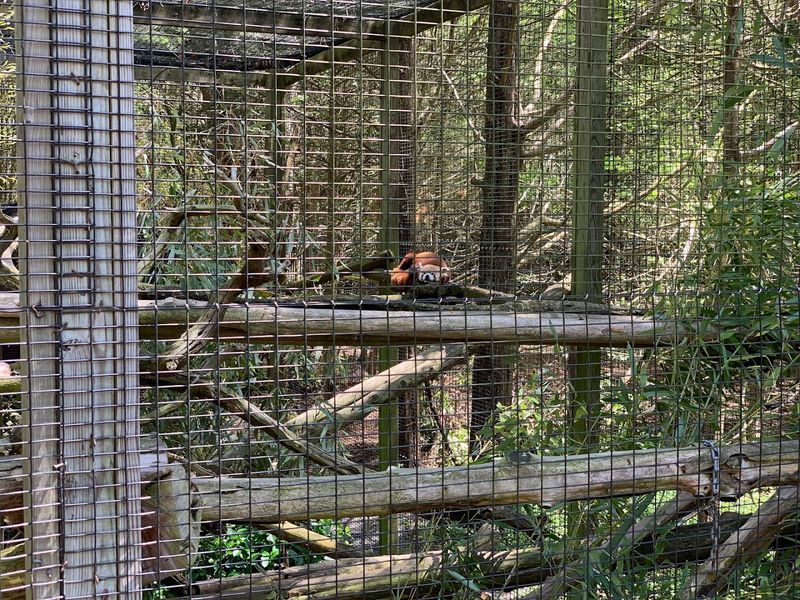
Along the boardwalk, before the prairie opens up, there are several wildlife habitats that deserve their own attention. The red panda enclosure is one of the highlights that tends to stop people in their tracks.
Red pandas are not common zoo animals, and seeing one up close is a genuine treat for both kids and adults.
These small, rust-colored animals move through their enclosure with a calm, deliberate energy that makes them easy to watch for extended periods. The habitat is designed to keep them active and comfortable, with elevated platforms and natural materials throughout.
Red pandas are native to the eastern Himalayas and southwestern China, so seeing one in a New Jersey zoo is a bit of a geographic surprise. The Cape May County Zoo has done a solid job of giving this animal a habitat that supports its natural behaviors.
It is one of those enclosures that regularly draws a crowd, and for good reason.
Snow Leopard and the Wild Side of the Trail
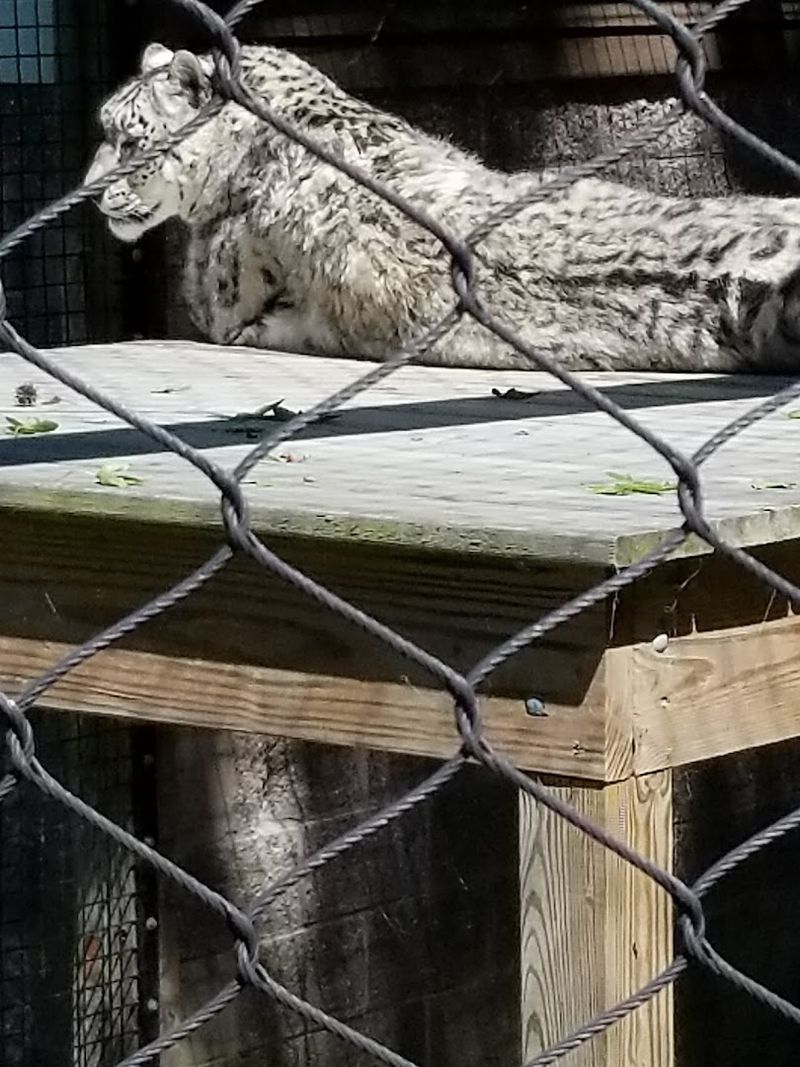
The snow leopard exhibit is another standout along the boardwalk that catches most people off guard. Snow leopards are rare in captivity and even rarer in smaller regional zoos, which makes the Cape May County Zoo a genuinely unusual destination for wildlife enthusiasts.
These large cats are built for high-altitude mountain environments, and their enclosure reflects that with elevated structures and varied terrain. They tend to be active in the cooler parts of the day, so morning visits often offer the best chance of seeing one in motion.
Spotting a snow leopard moving through its habitat is the kind of thing that tends to make a zoo visit memorable for teenagers who might otherwise be hard to impress. The animal is powerful, quiet, and completely unlike anything else on the trail.
It is one of several reasons why the boardwalk section of this zoo rewards slow, unhurried walking rather than rushing toward the safari exhibit.
Lemurs, Owls, and the Woodland Stretch
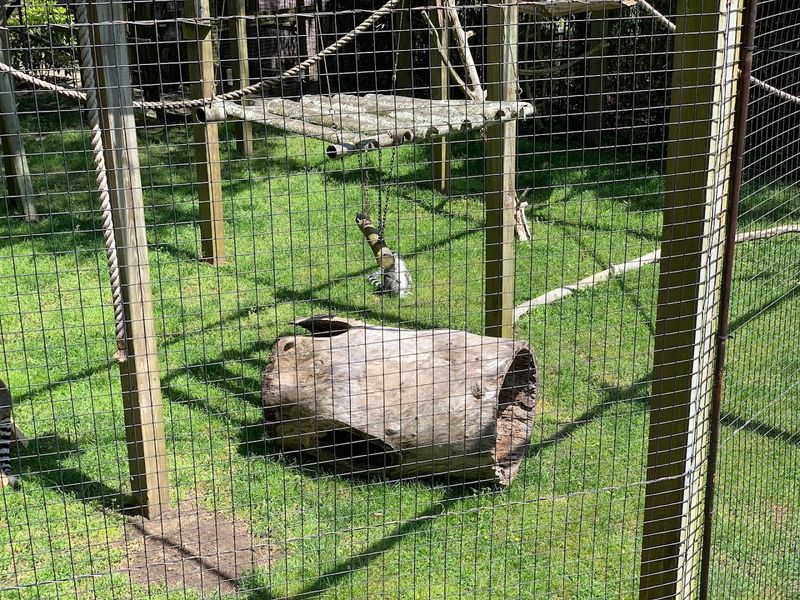
The stretch of boardwalk leading through the wooded section is lined with habitats that cover a surprisingly wide range of species. Lemurs, barred owls, and great horned owls are among the animals housed along this part of the trail, giving it a distinctly different character from the open prairie section at the end.
Lemurs are social and visually striking animals, and their enclosure at Cape May County Zoo gives them room to move and interact. Watching a group of them navigate their habitat is entertaining in a way that holds attention longer than a quick glance.
The owl exhibits add a quieter, more contemplative element to the walk. Both barred owls and great horned owls are native to New Jersey, so there is a local angle to these displays that adds educational value.
The woodland setting of the boardwalk actually complements these exhibits well, making the whole stretch feel cohesive and thoughtfully laid out.
Giraffes: The Prairie Stars
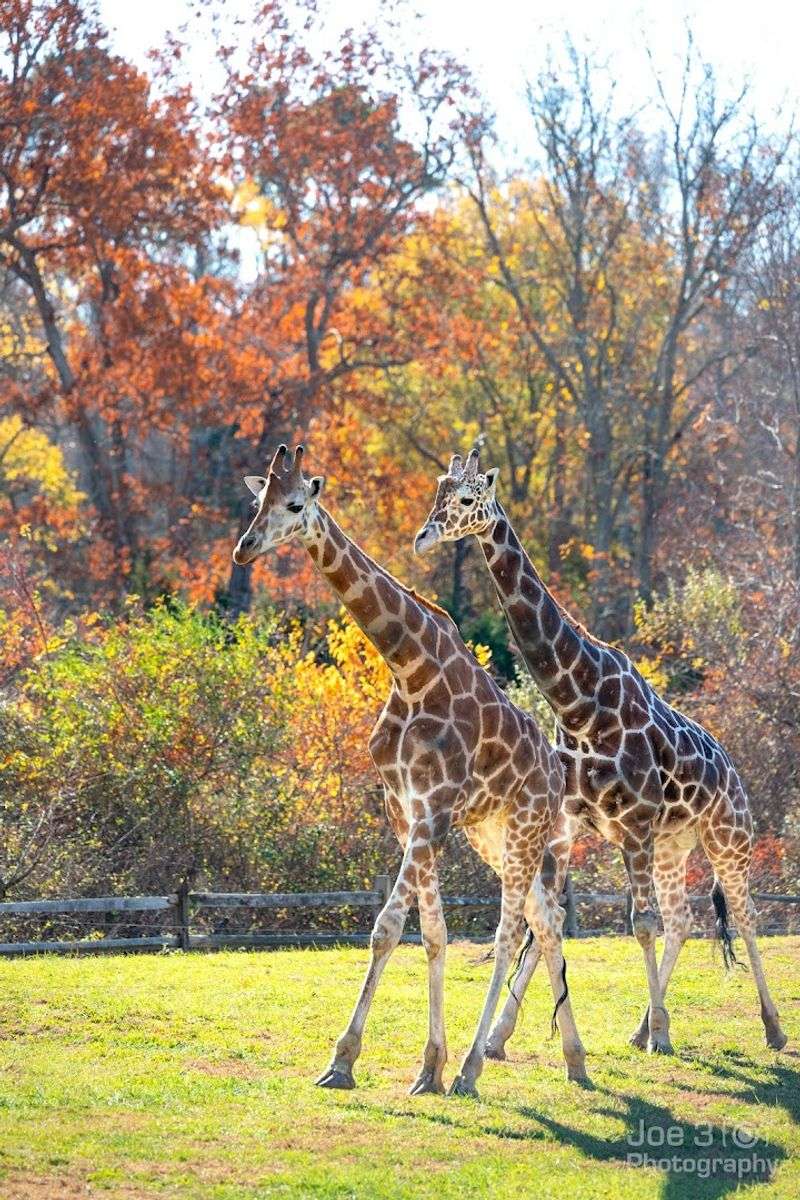
The giraffes are the undisputed headliners of the African Safari section, and they have earned that status. Standing at full height against the open New Jersey sky, they look almost unreal, like something that should not exist this close to the Garden State Parkway.
The prairie habitat gives them room to move naturally, and the elevated boardwalk puts observers at a height that makes the viewing experience feel surprisingly close. There is something genuinely thrilling about watching a giraffe move across open ground from a raised wooden platform.
Giraffes have been a consistent draw at this zoo for years, and they remain a tradition for families who return annually. Children and adults alike tend to stop and stay at the giraffe overlook longer than anywhere else on the trail.
The combination of the animal’s size, the open habitat, and the elevated viewing angle creates a moment that is hard to replicate at most zoos in the region.
Zebras and Ostriches in the Mix
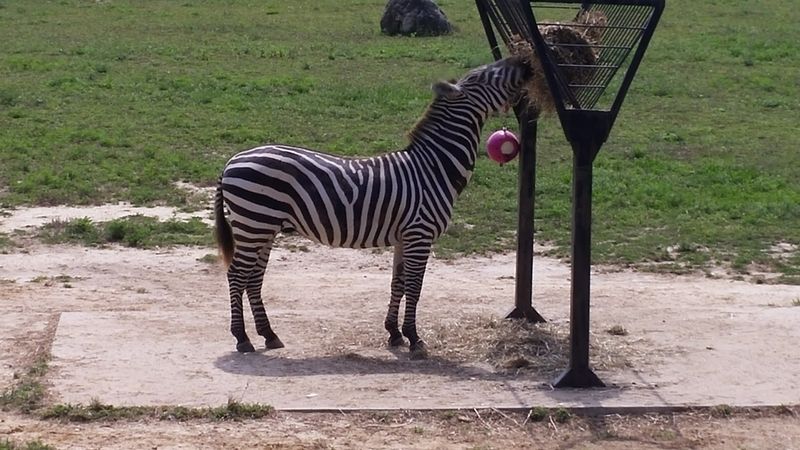
Zebras and ostriches sharing the same open habitat as the giraffes gives the African Safari section a layered, dynamic quality that sets it apart from a single-species exhibit. Watching the two animals navigate the same space adds an element of natural interaction that makes the prairie feel alive.
Ostriches are the largest birds on the planet, and seeing them move across an open field at full stride is genuinely impressive. They are fast, assertive, and visually unlike anything else in the exhibit, which makes them a reliable conversation starter for kids and parents alike.
Zebras, meanwhile, tend to move in ways that are calmer and more predictable, which makes them easier to photograph from the boardwalk overlook. The combination of these three species in one open habitat is the kind of multi-animal display that takes real planning and space to pull off.
Cape May County Zoo does it well, and the result is a safari-style experience that holds up against much larger institutions.
Benches, Shade, and Accessibility
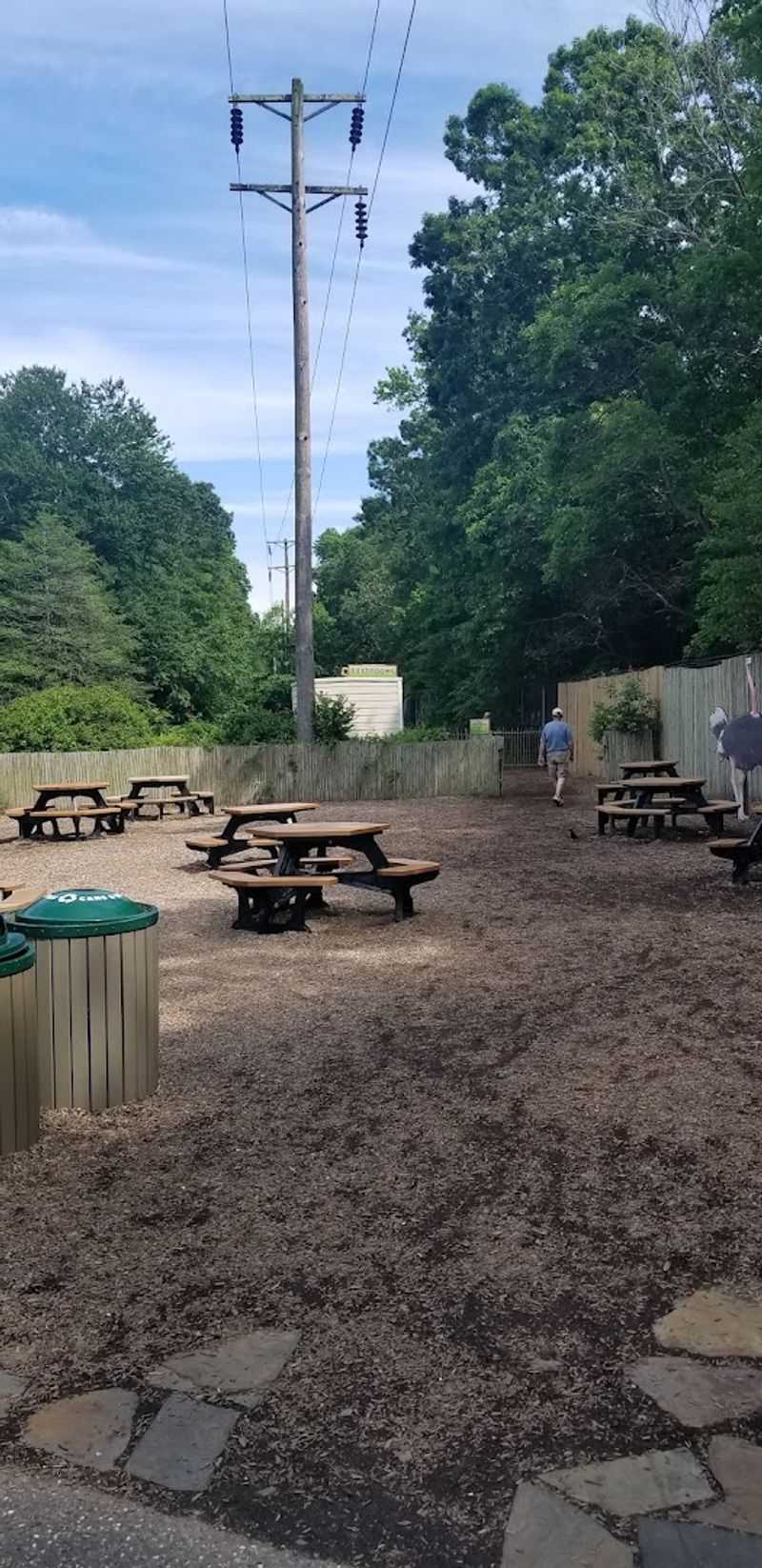
One of the practical strengths of the boardwalk design is how well it handles the needs of a wide range of visitors. Benches are placed at regular intervals throughout the wooded stretch, giving older visitors and younger children a chance to rest without feeling rushed or left behind.
Shade is another consistent feature along the trail. Even the open prairie section has shaded areas built into the viewing platforms, which makes a significant difference on warm summer days when the sun is strong.
The zoo draws a lot of shore traffic during peak summer months, so the shaded design is a practical advantage.
The boardwalk is also well-suited for strollers and wheelchairs, making it accessible to a broader group of visitors than a traditional dirt path would allow. That combination of shade, seating, and a smooth walking surface makes the experience comfortable for multi-generational groups who might otherwise struggle to keep pace with each other throughout a full zoo visit.
A Zoo That Keeps Improving
The Cape May County Zoo has a reputation for continuous improvement, and that shows in the condition of its facilities. The grounds are consistently clean, the habitats look well-maintained, and the overall upkeep reflects a genuine commitment to the animals and the visitors who come to see them.
The African Safari section itself is a relatively recent evolution of what was originally known as the Pathway to Diversity Bridge. The renaming reflects a broader expansion of the zoo’s vision for that section, with the open prairie habitat and elevated boardwalk representing a significant upgrade over earlier designs.
For a county-run zoo that charges no admission, the level of investment in infrastructure and animal care is notable. The zoo operates as part of Cape May County’s parks system, which means public funding plays a role, but donations from the community are what allow improvements to continue at the pace they do.
The results speak clearly through the quality of what is on the ground.
Best Time to Visit and What to Expect
The zoo is open year-round, but the busiest periods fall during summer and holiday weekends when shore traffic peaks. Going on a weekday morning tends to offer a quieter experience with more space on the boardwalk and better chances of catching animals in active states before the heat of the afternoon sets in.
Spring and fall are genuinely underrated seasons for this zoo. The cooler temperatures keep animals more active throughout the day, and the crowds are noticeably thinner than in July and August.
Fall foliage along the wooded boardwalk section also adds a visual layer to the walk that summer visits simply do not offer.
Plan for at least two to three hours to cover the full zoo, including the boardwalk and safari section. Bringing a water bottle and comfortable walking shoes is practical advice for any season.
The zoo does not have a complicated entry process, so arrival is straightforward and the experience gets started quickly once you are on the grounds.
Worth the Stop on Any Shore Trip
The Cape May County Zoo sits roughly 20 minutes from the Wildwood boardwalk and within easy driving distance of several other shore destinations in southern New Jersey. That location makes it a natural addition to any beach trip itinerary, especially for families looking for an activity that does not involve sand or crowds.
The combination of the wooded boardwalk, the diverse wildlife, and the African Safari prairie gives the zoo a range that most day-trippers do not expect to find in a free, county-run facility. The experience genuinely punches above its weight class, and that surprises a lot of first-time visitors.
Whether it is the red panda, the snow leopard, the giraffes, or just the quiet walk through the woods before the prairie opens up, there is something at this zoo that tends to stick with people long after they have left. That is the mark of a destination worth returning to, and many families along the Jersey Shore do exactly that, year after year.
Share this story