Just off Branson’s busy entertainment strip, this 140-acre wilderness area feels completely removed from the crowds. Stone staircases built in 1938 lead through wooded trails, past small waterfalls, bluffside caves, and quiet overlooks above Lake Taneycomo.
The park surprises first-time visitors because it offers a side of Branson most people never expect to find. Some trails are short and easy, while others wind deeper into the forest and down toward the water, making it easy to spend anything from an hour to an entire afternoon exploring.
What makes the area memorable is the mix of natural scenery and history packed into one place. Between the hand-built stonework, hidden caves, and peaceful trails, it feels more like a tucked-away Ozarks retreat than something sitting minutes from one of Missouri’s busiest tourist districts.
A Wilderness Area Right Off the Branson Strip
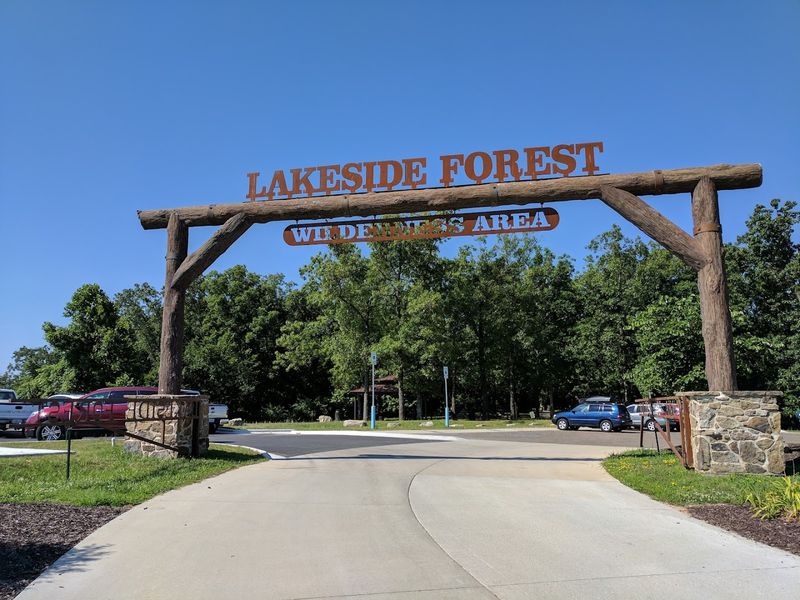
The address is 412 Owens Trail, Branson, MO 65616, and it sits so close to the main strip that you can practically hear the go-karts from the trailhead. That contrast is part of what makes this place so disarming.
One moment you are in traffic, and the next you are standing under a canopy of oak and hickory with no storefront in sight.
Lakeside Forest Wilderness Area covers 140 acres of rugged Ozark hill country, and the park is free to enter. Hours run from 7 AM to 8 PM every day of the week, which gives you plenty of time for a morning hike before the rest of Branson wakes up.
The parking area is spacious, clean restrooms are available near the trailhead, and a nature playground sits at the front for younger visitors. It is the kind of setup that makes you wonder why more people are not talking about it.
The Story Behind This Land and Its Long History
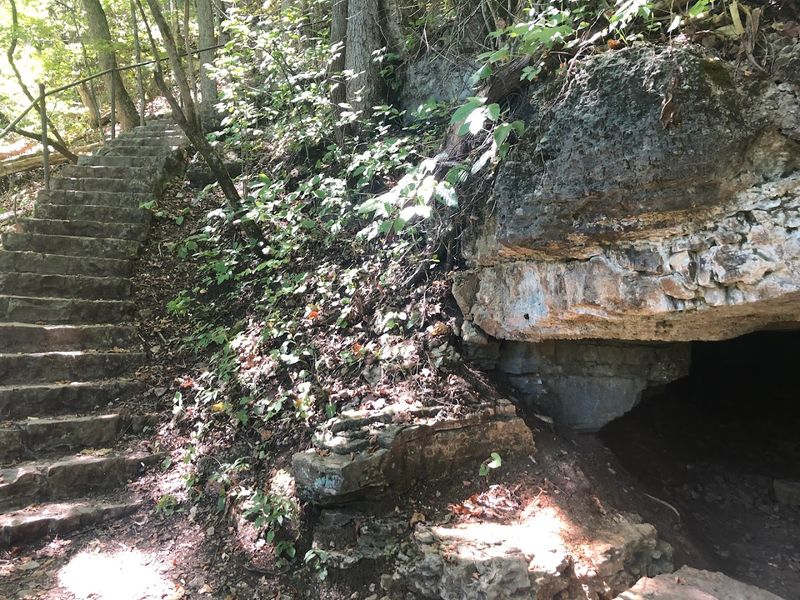
Before this land became a public park, it belonged to a family whose name still marks the trail you walk to reach it. The Owen Homestead once stood on the upper ridge, and while the structure itself was destroyed by fire in 2015, its stone walls and foundation remain as quiet evidence of a life once lived here.
Nearly 2,000 feet of hand-built stone walls wind through the property, constructed with the kind of patience that is hard to imagine in a modern context. These walls were not decorative.
They were functional boundaries built by people who worked this land every day.
The park also preserves the legacy of the Civilian Conservation Corps era through its most iconic feature, which will come up in a later section. What matters here is that the history layered into this landscape gives every hike a sense of depth that goes well beyond a simple walk in the woods.
315 Hand-Laid Stone Steps That Will Test Your Legs
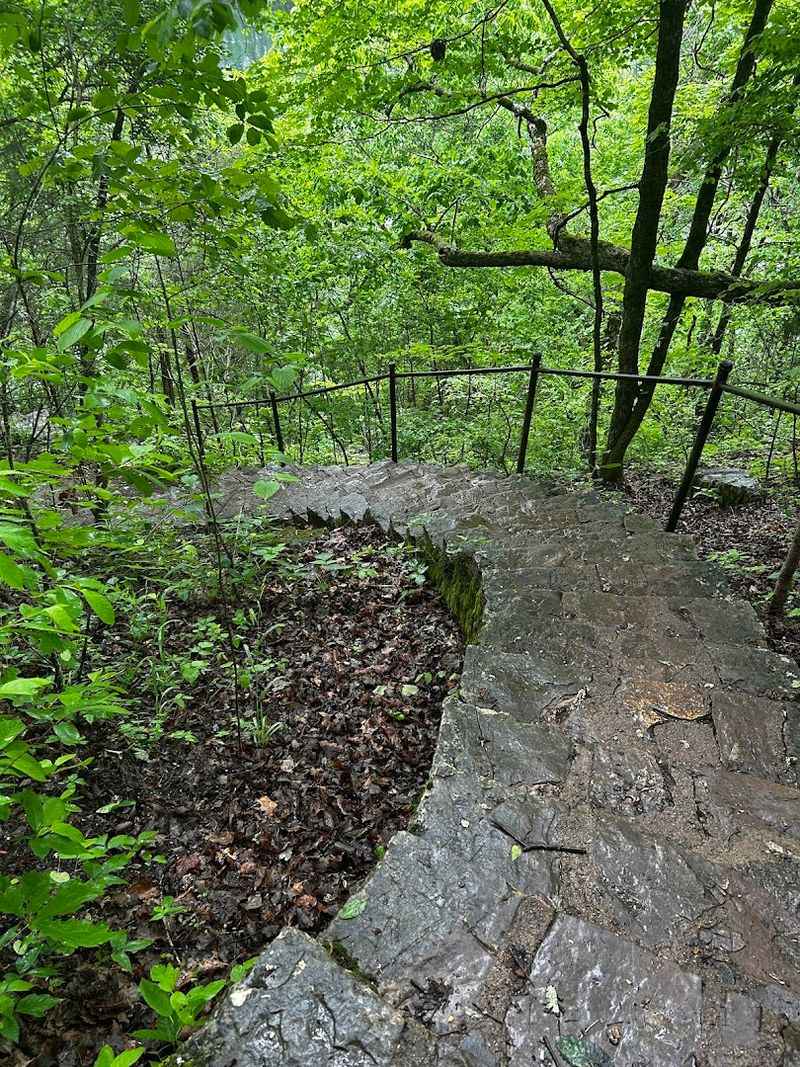
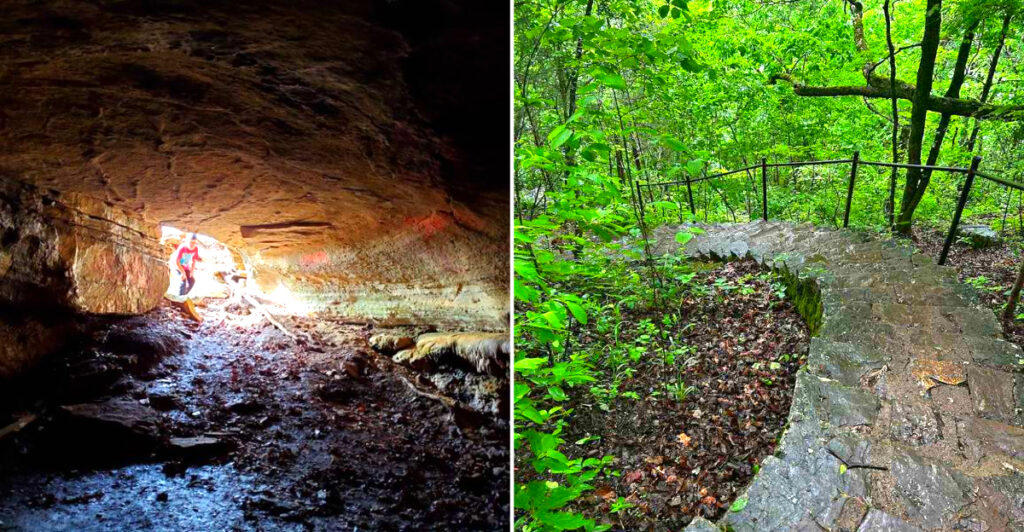
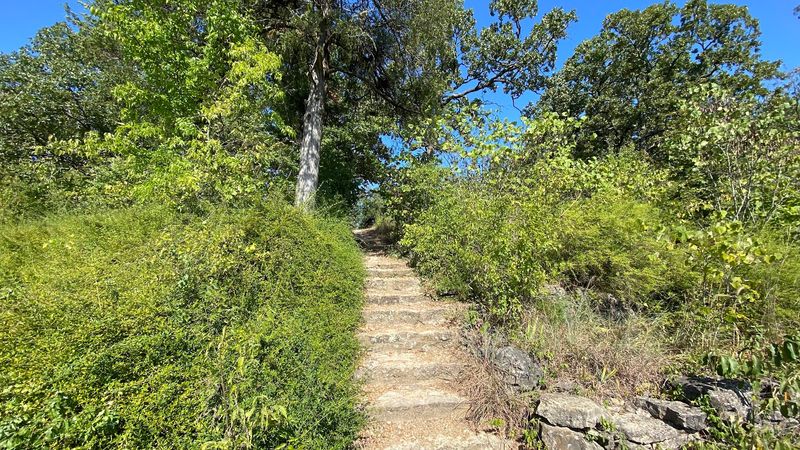
Constructed between 1937 and 1938, the Stonewall Stairway is the kind of feature that stops hikers mid-sentence. Three hundred and fifteen stone steps descend the bluff face in a winding, deliberate path, and some of those stones carry inscriptions that have survived nearly ninety years of Ozark weather.
Going down feels manageable, even exhilarating, with the forest opening up around you as you lose elevation. Coming back up is a different conversation entirely.
Your legs will remind you of every step, and the sections without handrails require steady footing and a bit of focus, especially if the rock is damp.
The effort is genuinely worth it. At the bottom, Lake Taneycomo comes into view, and the perspective from the base of those bluffs is something you simply cannot get from the ridge.
Pack water, wear shoes with grip, and budget more time than you think you need for the return climb.
The Waterfall and Grotto That Reward Patient Visitors
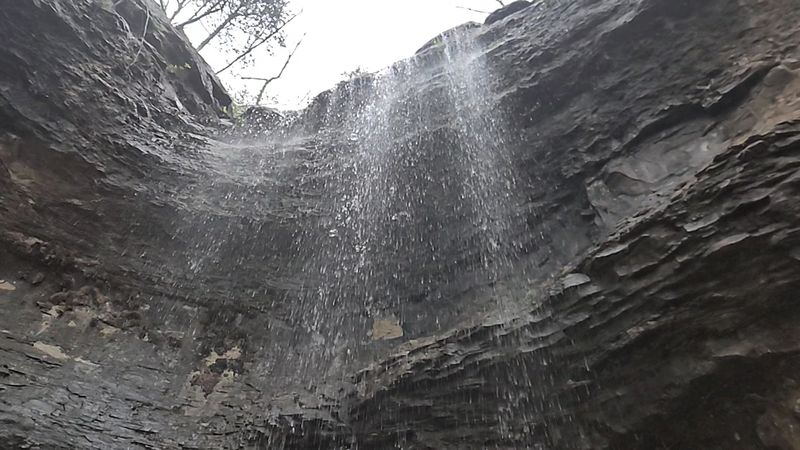
The waterfall here is honest about what it is. It flows when the rain cooperates, and it disappears when the Ozarks run dry.
That seasonal honesty is actually refreshing in a world where most attractions promise more than they deliver.
When water is running, the grotto-like setting is genuinely beautiful. The falls tumble over layered rock into a shaded hollow that feels cooler than the surrounding trail, and the sound of moving water in that quiet forest carries its own kind of reward.
The trail to the grotto runs through the red trail system and requires some effort to reach.
Even without active water flow, the rocky formation and the cave-like alcove surrounding the dry falls are worth the detour. The geology alone tells an interesting story, and the path leading down to the lake beyond the grotto adds another layer of discovery for hikers willing to push a little further past the main attraction.
Old Soldier’s Cave and The Grotto: Underground Surprises
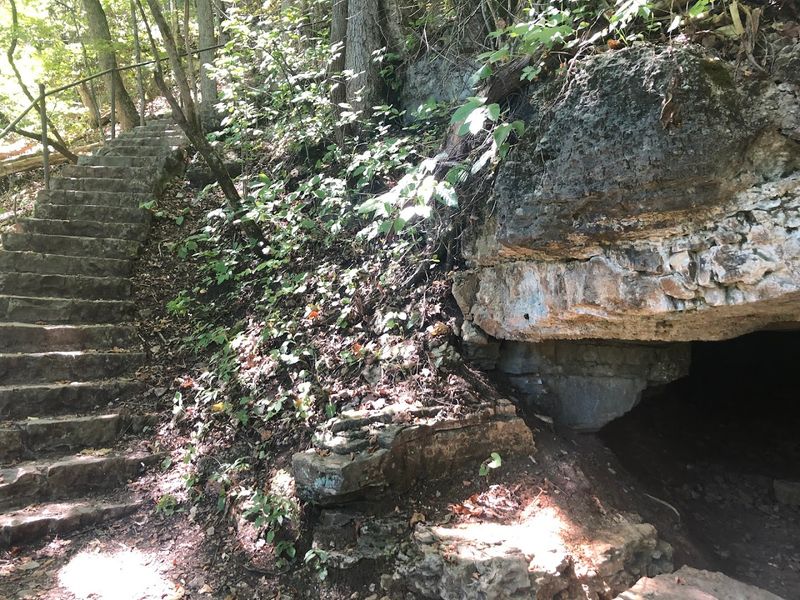
Most visitors come for the trails and the staircase, so the caves tend to catch people off guard in the best possible way. Old Soldier’s Cave sits further up the hill past the waterfall on the red trail, and it is easy to walk right past the entrance if you are not paying attention to the rock face above you.
The cave is compact but memorable. Its cool interior offers a welcome pause on a warm day, and the name alone adds a layer of curiosity that no interpretive sign can fully satisfy.
The Grotto is a separate feature, closer to the waterfall, and its sheltered alcove has a naturally dramatic quality that makes it a favorite photography spot.
Neither cave requires equipment or special access. They are simply there, embedded in the bluffs, waiting to be noticed.
The park does a good job of marking these features on its trail map, but the discovery still feels personal every time.
Trail Options for Every Fitness Level
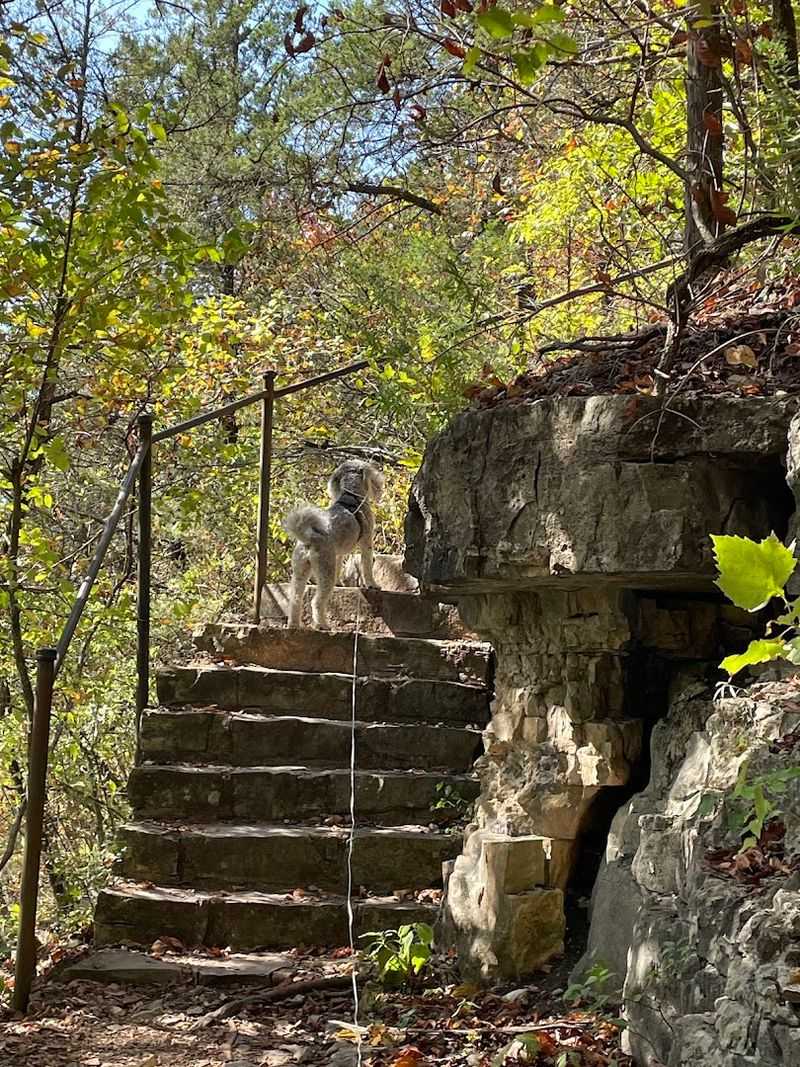
The trail system here covers 5.3 miles total, and the color-coded routes make it easy to choose your own adventure without committing to more than you are ready for. Yellow and green trails stay mostly on the upper ridge, with gentle grades and wide paths that work well for families with young children or anyone who prefers a relaxed pace.
Blue, red, and purple trails move down into the ravine and toward the lake, introducing steeper grades, exposed rock, and the kind of terrain that makes your heart rate climb. The red and purple combination is widely considered the most challenging, especially around the stone steps and the crossing between trail segments.
QR code maps are posted at key points throughout the park, and trail signage is frequent enough that getting truly lost is unlikely. The variety of difficulty levels packed into 140 acres is impressive, and it means the park works equally well for a casual tourist and a seasoned trail hiker.
Lake Taneycomo Views That Catch You Off Guard
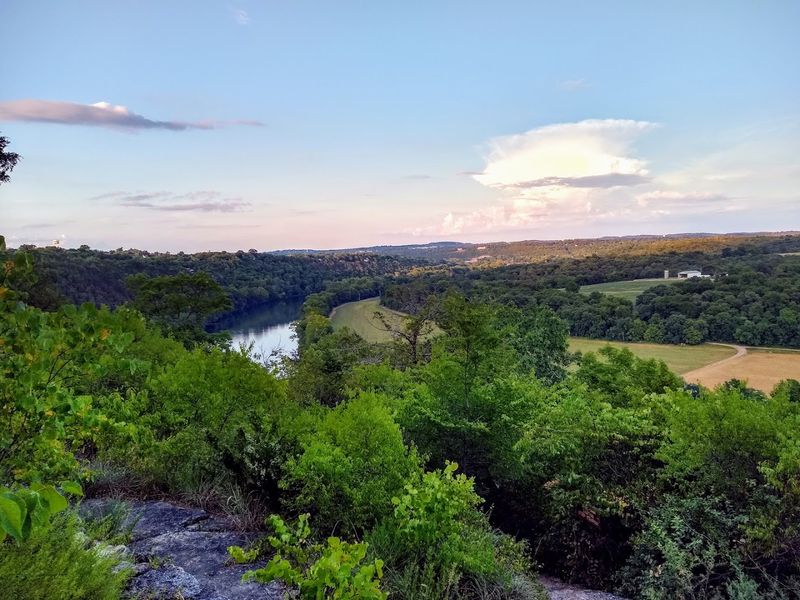
There is a moment on the lower trails when the trees thin just enough and Lake Taneycomo appears below you, wide and still and completely unexpected given that you started your hike in a parking lot next to a donut shop. That visual surprise is one of the park’s quiet superpowers.
From the upper ridge near the old homestead, the view stretches across the lake and toward the Branson downtown airstrip on a clear day. The elevation change between the ridge and the lakeshore is significant enough that these two perspectives feel like entirely different parks.
The lake itself is not accessible for swimming from within the wilderness area, but the visual connection to the water gives every trail a sense of destination. Hikers who push all the way down to the lakeshore after the stone steps describe the cold air near the water as a genuine payoff after the climb.
What to Know Before You Lace Up Your Boots
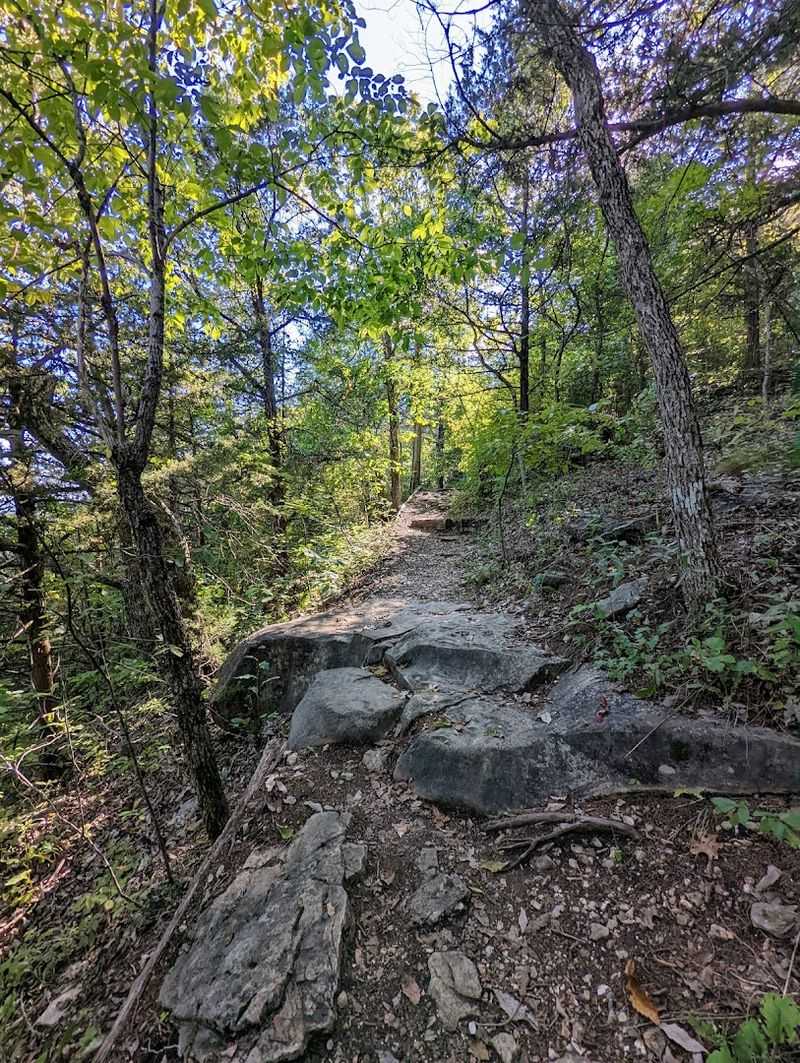
Wet conditions change this park significantly. Several trail sections, particularly around the stone steps and the red-to-purple trail crossing, become slick when damp, and there are no guardrails along certain exposed edges.
Proper hiking footwear is not optional here; it is genuinely the difference between a great experience and a frustrating one.
Water is worth bringing regardless of the season. The descent to the lake can feel manageable, but the climb back up the bluff, especially via the stone staircase, will work muscles that casual walkers rarely notice.
A small daypack with water and a snack makes the whole experience more comfortable.
Restrooms are available at the trailhead, so use them before you head out. Cell service can be inconsistent in the ravine sections, so downloading the trail map in advance is a smart move.
The park is dog-friendly, which means well-behaved leashed pets are welcome on the trails alongside their humans.
The Monarch Butterfly Connection You Might Not Expect
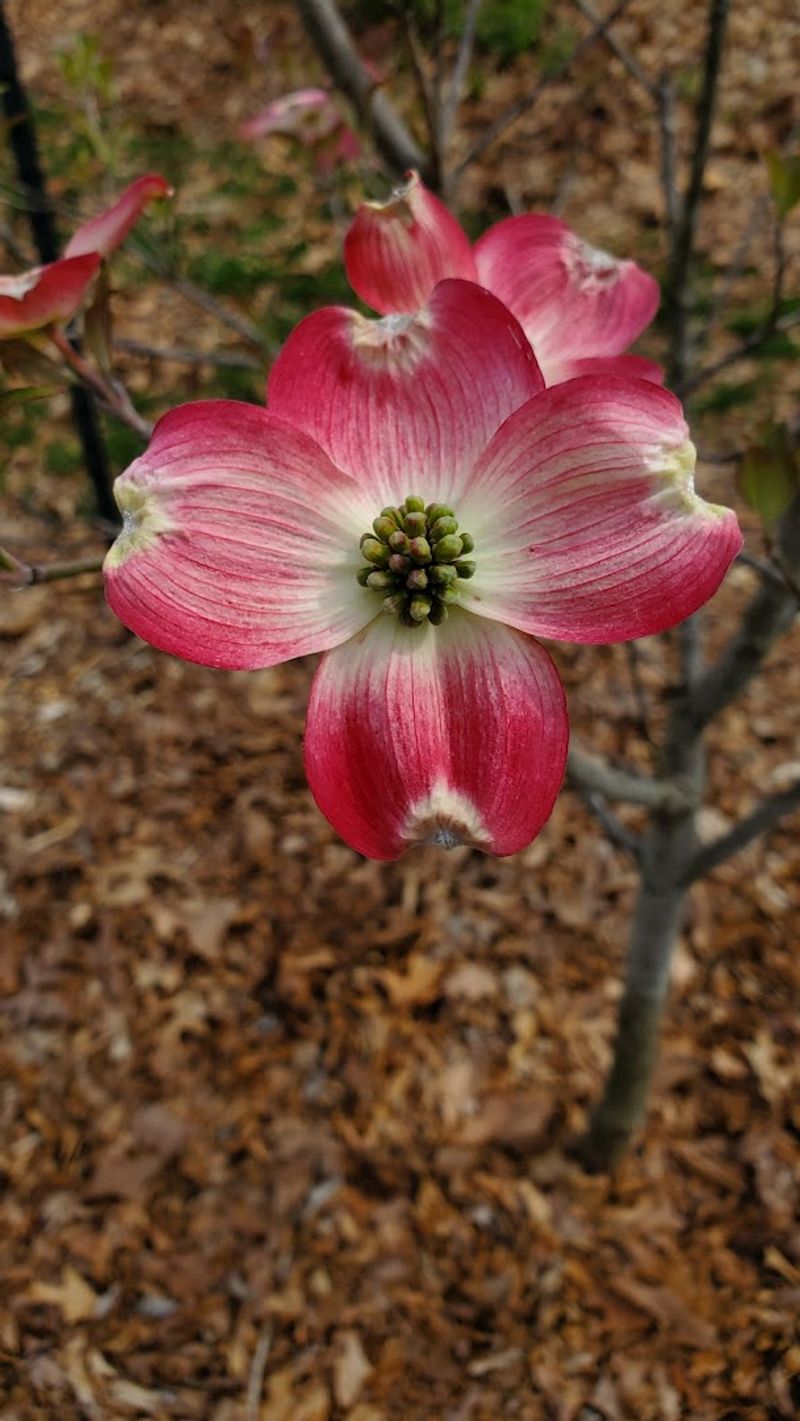
Hidden within the park’s landscaping is a small but meaningful conservation effort. The grounds include plantings specifically chosen to support monarch butterflies during their annual migration, a detail that most visitors walk past without noticing but that adds a quiet ecological layer to the experience.
The Ozarks sit along a key migration corridor for monarchs moving south in late summer and early fall, and native flowering plants like milkweed provide critical fuel for the journey. Seeing a monarch pause on a bloom along a trail you are already enjoying adds something unexpectedly moving to an already pleasant hike.
This kind of intentional habitat support reflects a broader commitment to the natural character of the wilderness area rather than treating it purely as a recreational space. If you visit in September or October, keep an eye on the open glades and meadow edges near the trailhead where the plantings tend to be most concentrated.
The Best Seasons to Visit and What Each One Offers
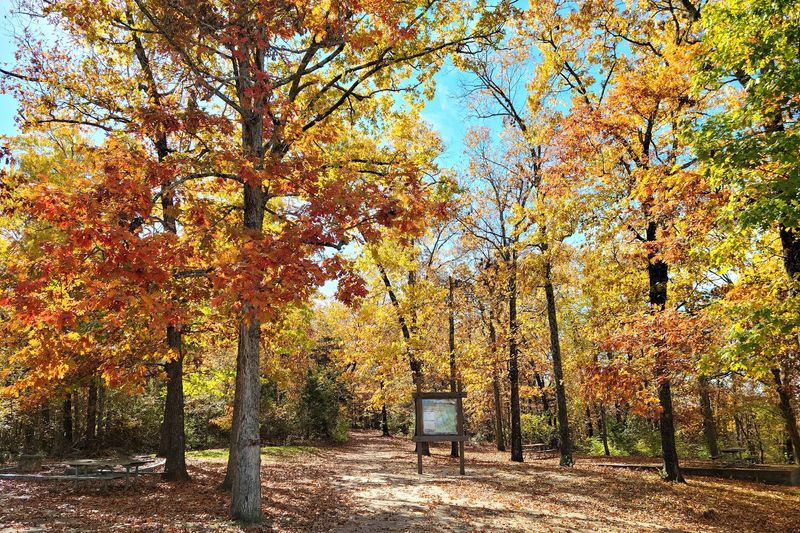
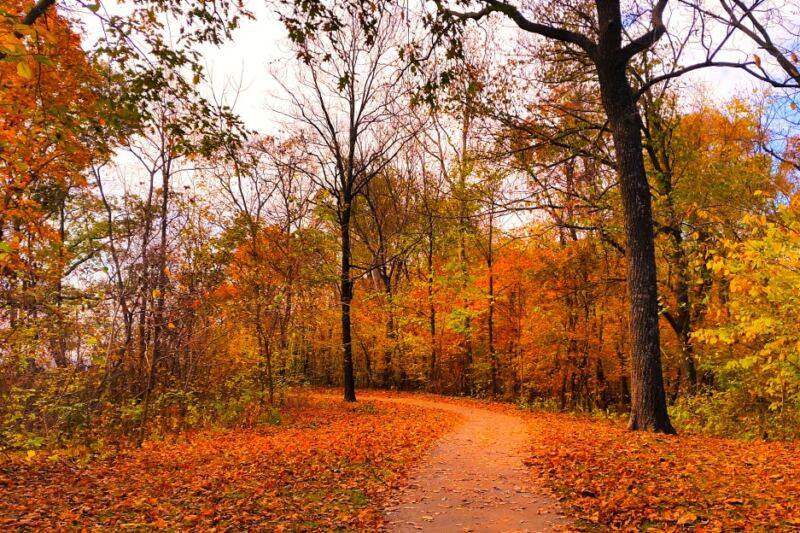
Fall is the season that gets the most attention here, and for good reason. The hardwood forest turns in late October with the kind of color that makes even a short walk feel cinematic.
Leaf coverage also thins enough to open up views that stay hidden during the summer months.
Spring brings green so saturated it almost looks artificial, and the waterfall is most likely to be running after winter snowmelt and spring rains. Wildflowers appear along the trail edges, and the mild temperatures make the steeper sections feel far more approachable than they do in July.
Summer is the most popular time to visit given Branson’s tourism calendar, but the forest canopy provides real shade, and an early morning start keeps the experience comfortable before the heat builds. Winter visits are possible during open hours and offer a stripped-down view of the bluff geology that the foliage normally softens.
Each season genuinely earns its own visit.
A Free Outdoor Experience in a Town Built on Paid Attractions
Branson charges for nearly everything, which makes this park’s price tag genuinely remarkable. Admission is free, parking is free, and the restrooms are clean and maintained without a ticket booth anywhere in sight.
For families navigating a vacation budget, that math is hard to ignore.
The picnic areas and pavilion near the trailhead make it easy to turn a hike into a half-day outing with lunch included. The nature playground at the entrance keeps younger children engaged while older family members plan their trail route or recover from the stone staircase.
The park holds a 4.7-star rating across hundreds of reviews, and the consistent praise centers on two things: the quality of the trails and the surprise of finding something this good without paying for it. Locals who have lived near Branson for years describe discovering trails they never knew existed just steps from the main road, which says a lot about how much this place rewards a curious visitor.
Why This Place Stays With You Long After You Leave
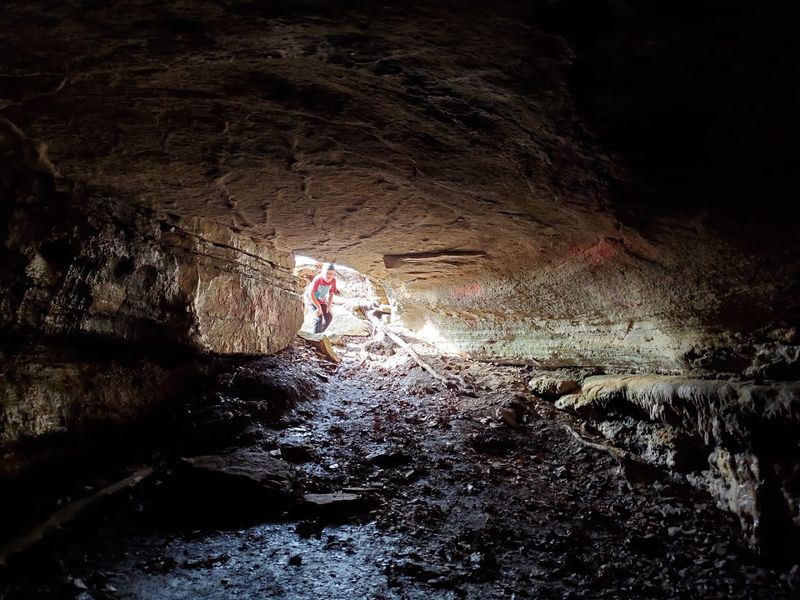
There is something about a place that asks something of you physically and then delivers something unexpected visually that tends to stick in memory longer than passive attractions do. The stone staircase demands effort.
The waterfall requires timing. The cave rewards attention.
None of it is handed to you.
That quality of earned discovery is what separates Lakeside Forest Wilderness Area from a roadside overlook or a manicured garden walk. The terrain is real, the history is layered into the rock itself, and the lake view at the bottom of those bluffs carries a satisfaction that a photograph never quite captures.
Families return here year after year and make it a tradition. Solo hikers find the trail quiet enough to actually think.
And first-time visitors to Branson leave wondering why nobody mentioned this place before they packed their bags. Consider yourself informed, and consider the stone steps a personal challenge worth accepting.
Share this story