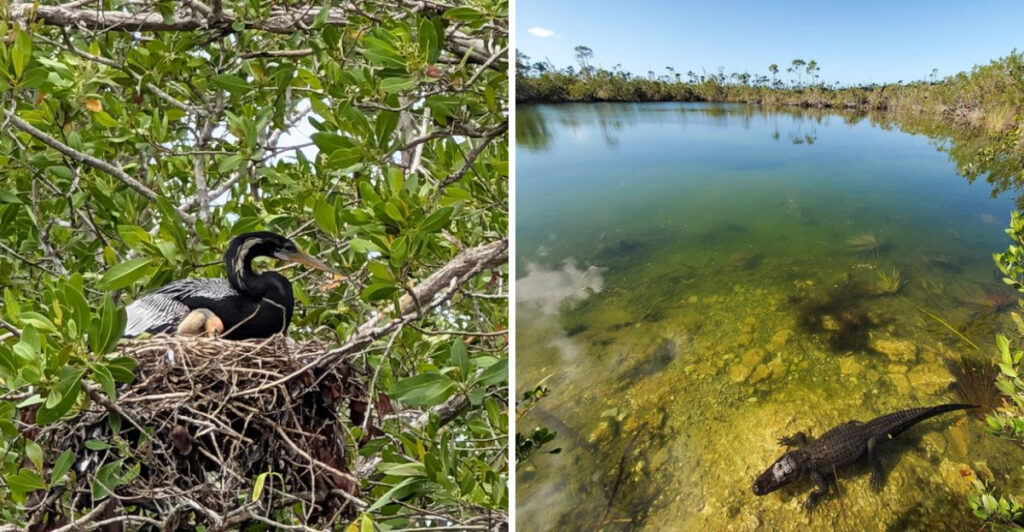
There is a freshwater lake hiding in the Florida Keys that most people drive right past without ever knowing it exists. It sits quietly off the main road, surrounded by native scrub, and it holds something you would never expect to find on a chain of islands surrounded by saltwater: wild alligators.
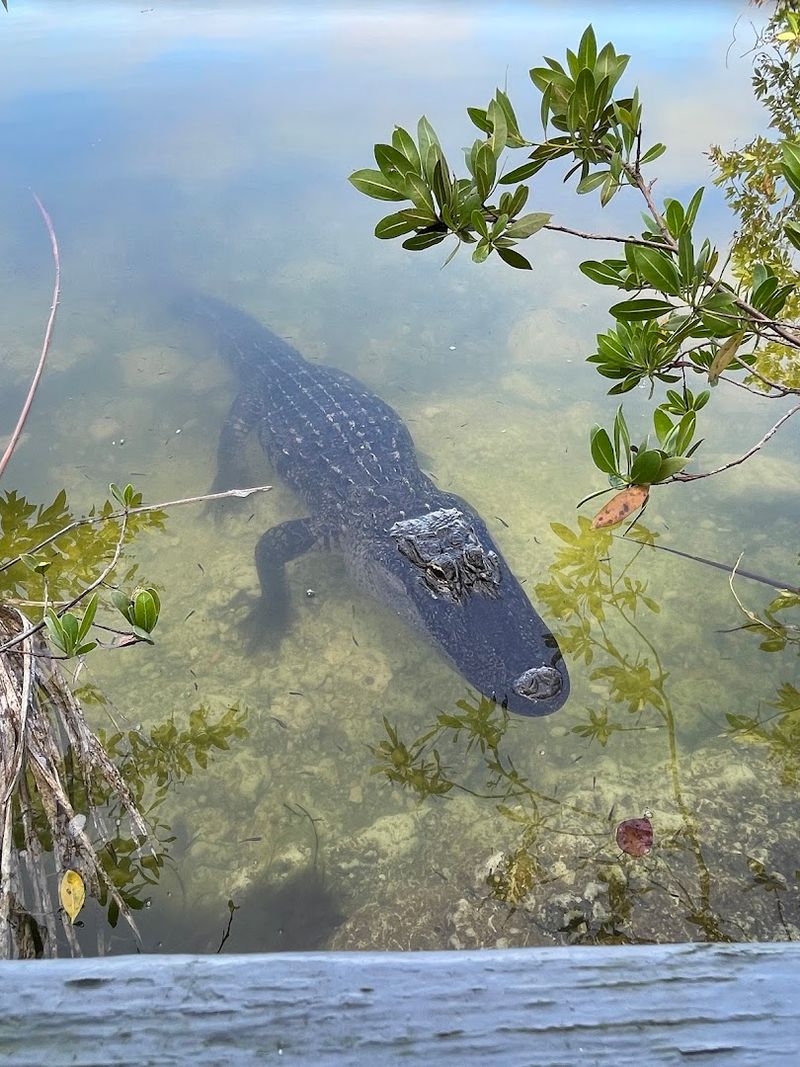
The water is so clear you can spot them lounging just below the surface, completely unbothered by curious visitors on the wooden observation platform above. This is not a theme park or a guided swamp tour with a price tag attached.
It is a free, open-access wildlife spot tucked inside a national wildlife refuge on Big Pine Key, and once you know about it, you will wonder how you ever skipped it on your way to Key West.
Where Exactly You Will Find This Hidden Spot
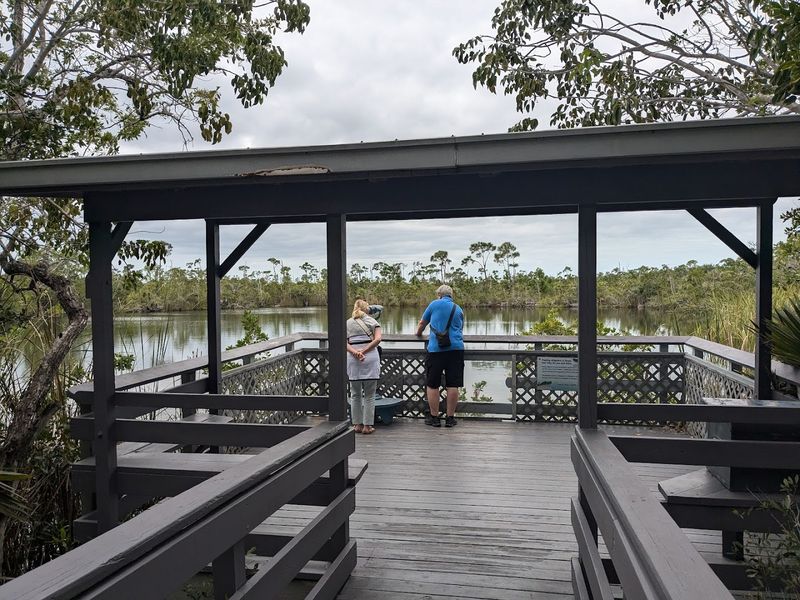
Most people blowing through the Florida Keys on US-1 never even hear about this place, and that is honestly part of its charm. The Blue Hole Observation Platform sits on Key Deer Boulevard in Big Pine Key, about three miles off the main highway, tucked inside the National Key Deer Refuge.
Big Pine Key is roughly 30 miles east of Key West, and it feels like a completely different world from the tourist-packed streets of Duval. The refuge itself is managed by the U.S.
Fish and Wildlife Service, and the Blue Hole is one of its most accessible natural features.
Parking is simple: a small gravel pullout right along the road holds a handful of cars without any fuss. There are no entry fees, no ticket booths, and no reservations required.
Just pull up, get out, and start walking toward one of the most surprisingly wild corners of the Florida Keys.
The Fascinating Story Behind the Water
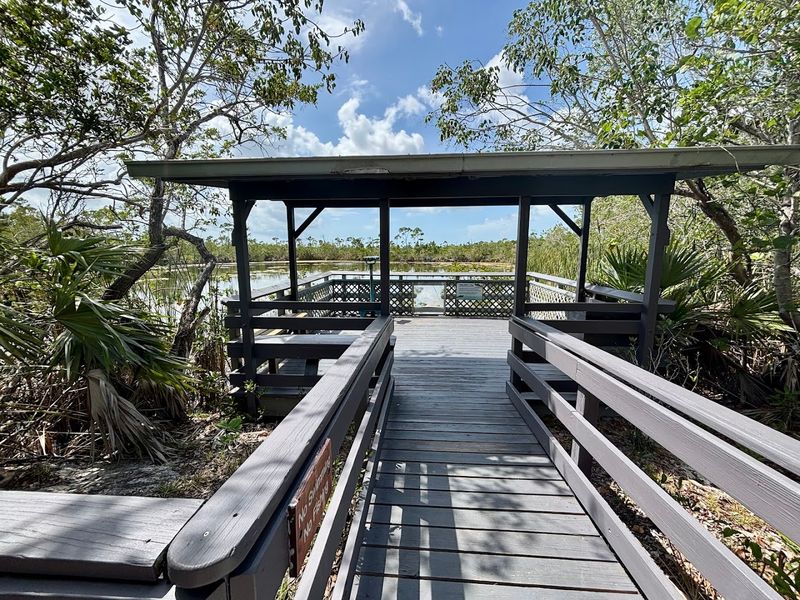
The Blue Hole has a backstory that most visitors never learn, and it makes the place a lot more interesting once you know it. This lake was not formed by nature alone.
It was created when workers mined the area for coral limestone, digging deep enough that the pit eventually filled with rainwater.
Here is the twist: the limestone beneath the Florida Keys is porous, which means ocean water slowly seeps through the rock and mixes with the collected rainwater. The result is a brackish lake that sits right in the middle of a saltwater island chain, which is exactly the kind of quirky Florida geography that makes this state so endlessly surprising.
The water looks almost impossibly blue and clear from the observation platform, which is how the spot earned its name. Beneath that glassy surface, you will find fish, turtles, and yes, alligators, all sharing this one-of-a-kind ecosystem that should not technically exist here.
What It Feels Like to Spot a Wild Alligator Here
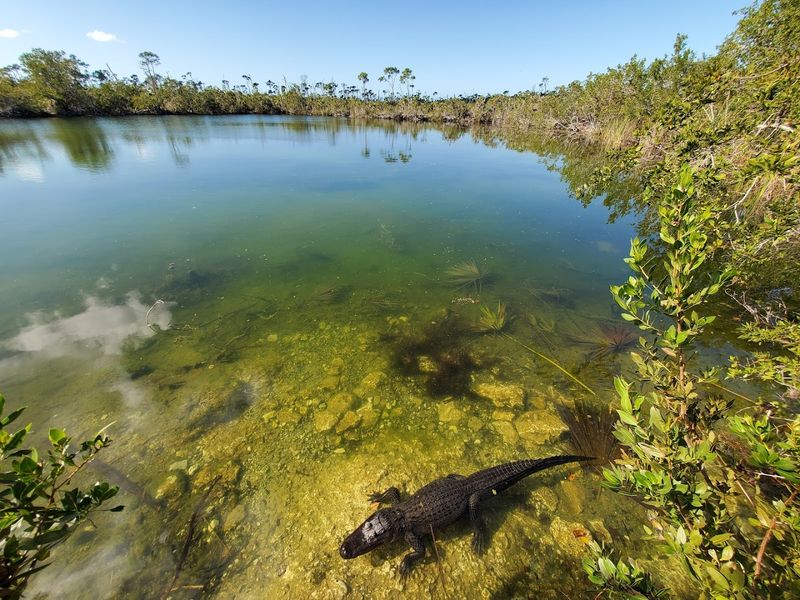
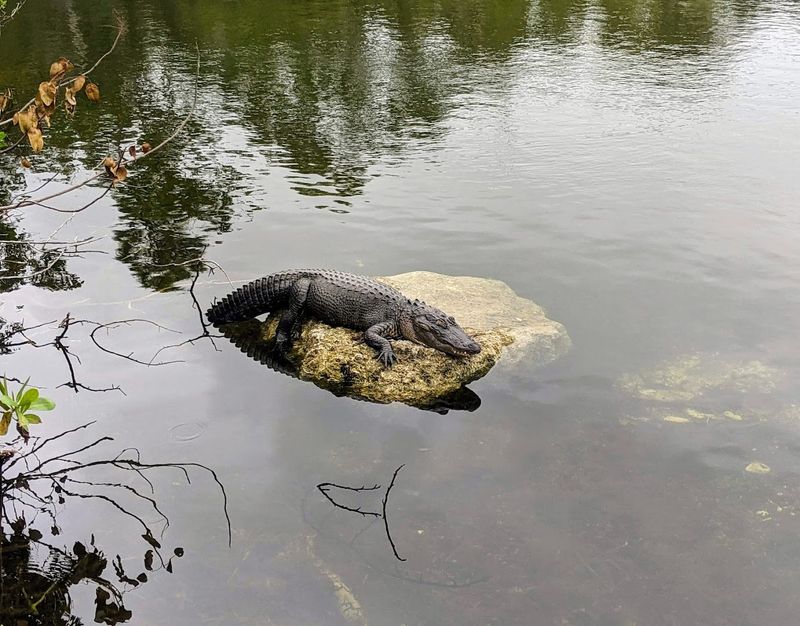
Nothing quite prepares you for the moment you walk up to the railing and realize there is an alligator just a few feet below you, completely still, watching the world go by. At the Blue Hole, alligator sightings are common enough that many visitors see at least one without any effort at all.
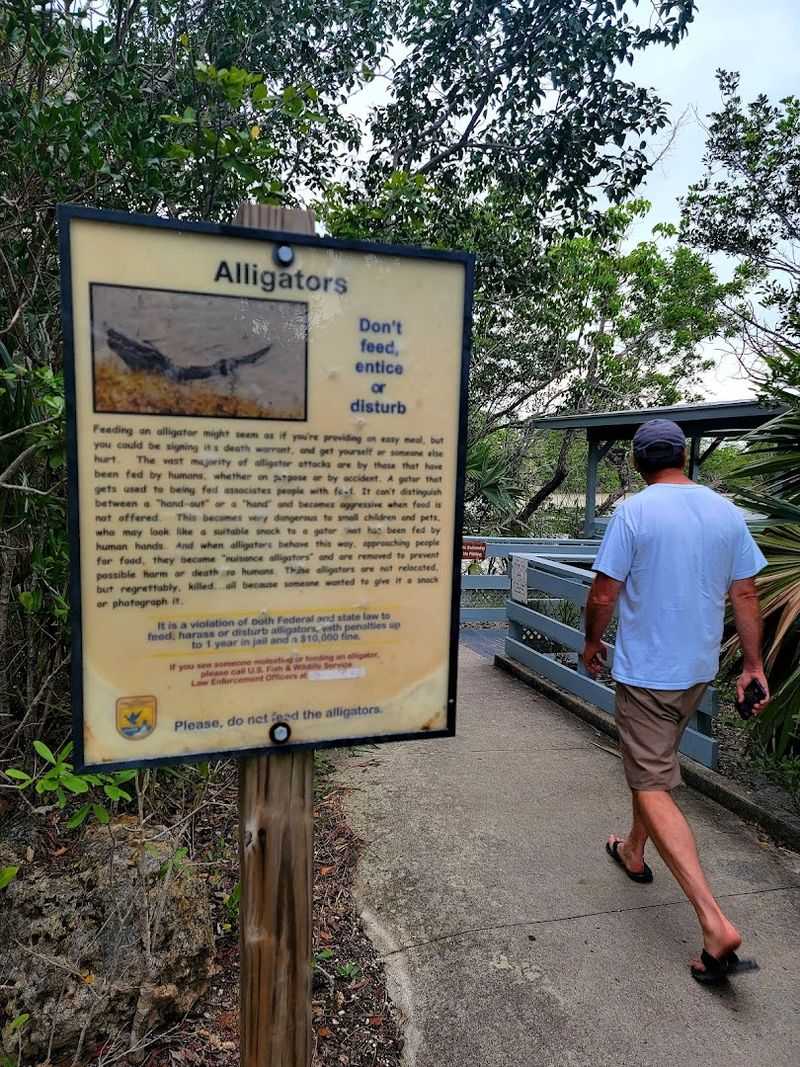
One of the most talked-about moments at this spot involves an alligator that tends to rest directly beneath a sign that reads “Do Not Feed the Wildlife.” The irony is not lost on anyone who spots it there, and it makes for one of the best wildlife photos in the entire Keys.
Keep in mind that these are wild animals, not performers, so sightings are never guaranteed. Early morning visits tend to produce the best results, as the gators are more active before the midday heat sets in.
Still, even on a slow day, the water itself is worth the short walk.
The Short Walk That Packs a Big Punch
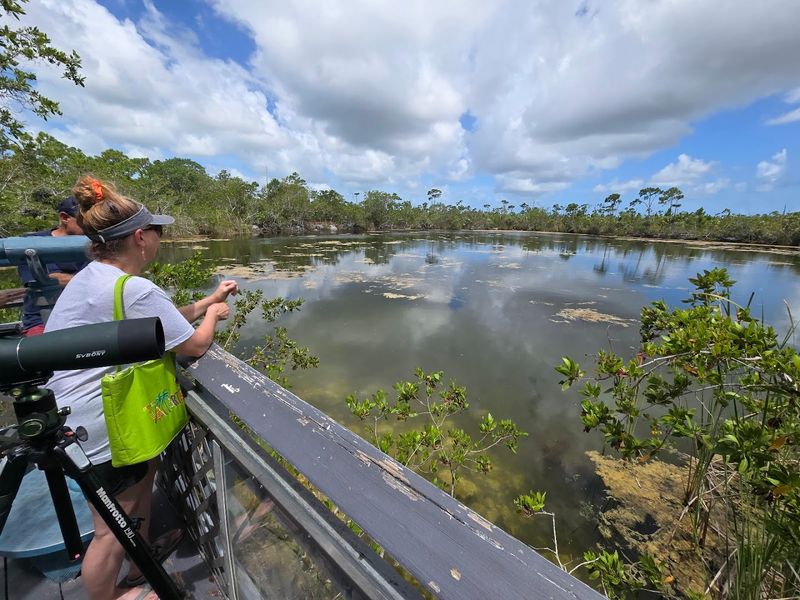
The trail at the Blue Hole is short, flat, and fully paved, which makes it one of the most accessible wildlife walks in the entire Florida Keys. The whole loop takes maybe 15 to 30 minutes at a relaxed pace, and the path winds close enough to the water that you get genuinely good views without needing any special gear.
Wheelchair users and families with strollers will find this trail surprisingly manageable. The surface is smooth, the elevation change is nearly zero, and the shaded sections keep things comfortable even on warm afternoons.
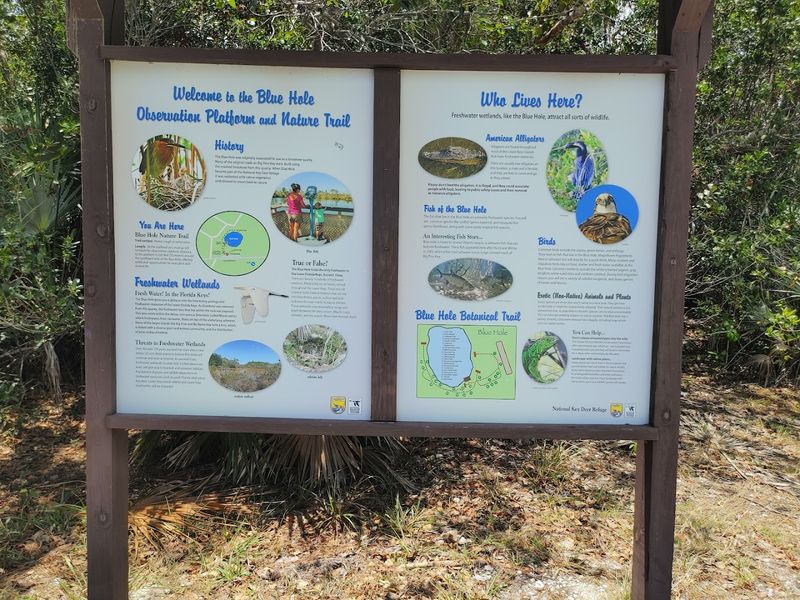
Informative signs are posted along the route, covering everything from local bird species to the history of the refuge itself.
The observation platform at the water’s edge gives you a slightly elevated view over the lake, which is exactly the right angle for spotting alligators resting near the surface. Short does not mean boring here.
Every step of this walk tends to reward your attention.
Birds You Might Actually See Here
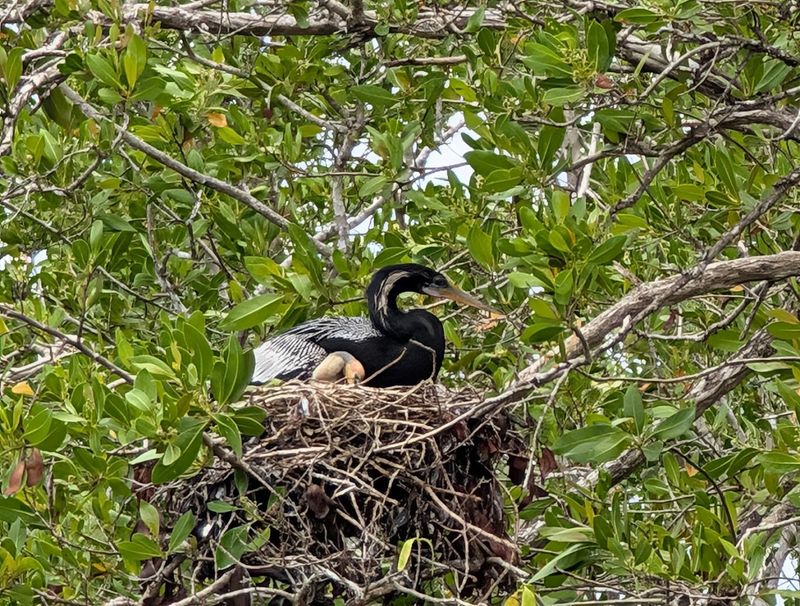
Even on days when the alligators stay hidden, the birdlife at the Blue Hole keeps things entertaining. The lake and surrounding scrub attract a solid variety of species, and some of them are ones even experienced Florida birders do not see every day.
Herons, egrets, and anhingas are regular visitors, often spotted perched right at the water’s edge or drying their wings on low branches. The surrounding scrub habitat also draws smaller songbirds and raptors that are native to the Keys ecosystem specifically, rather than the wider Florida mainland.
Volunteers who staff the platform on certain days will sometimes focus the on-site binoculars directly on active bird nests, pointing out details you would never notice on your own. One visit turned into an impromptu birding lesson when a volunteer identified four different species in under ten minutes just by listening to calls.
Bring binoculars if you have them, and you will not regret it.
The Key Deer: Florida’s Smallest and Most Endearing Resident
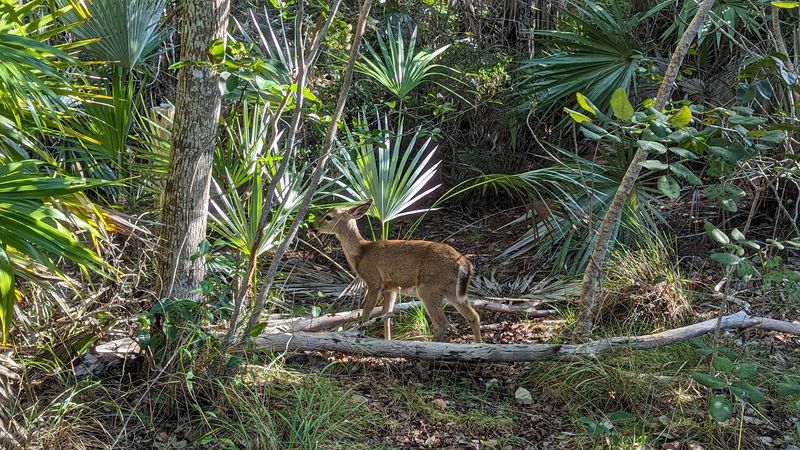
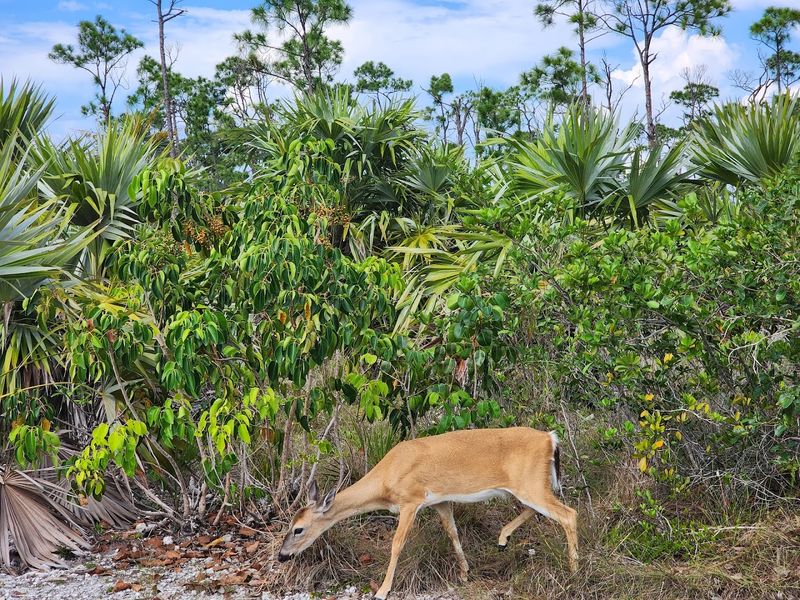
The National Key Deer Refuge was originally created to protect a single species: the Key deer, a miniature subspecies of the white-tailed deer that exists nowhere else on Earth. These deer are remarkably small, roughly the size of a large dog, and they have a gentle curiosity about humans that makes encounters feel almost unreal.
The Blue Hole area is one of the better spots to look for them, particularly at dusk when they come out to graze. If they are not hanging around the lake, a slow drive through the residential neighborhoods of Big Pine Key often turns up a dozen or more wandering through front yards without a care in the world.
Federal law prohibits feeding the Key deer, and the fines are serious. Admiring them from a respectful distance is the right move anyway, since these animals need to stay wild to survive.
Seeing one up close, even briefly, is a genuinely moving experience.
Other Wildlife That Might Surprise You
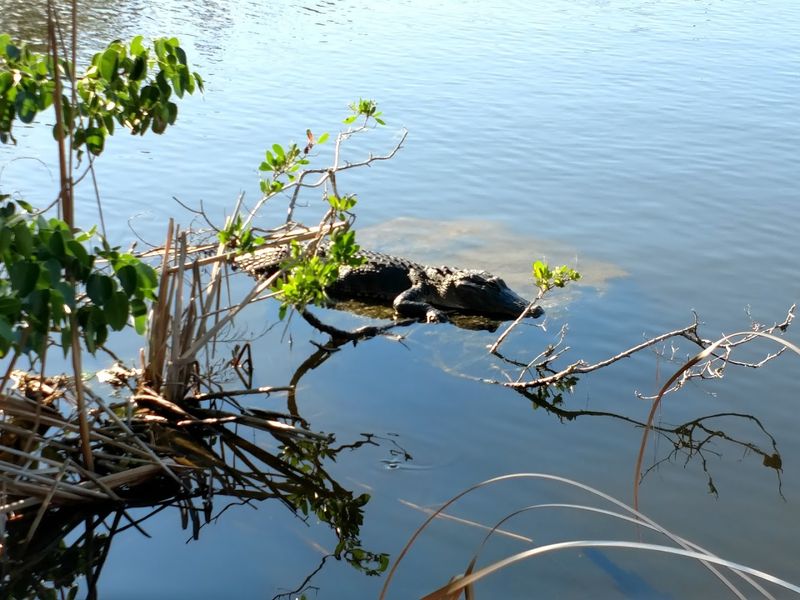
Alligators and Key deer get most of the attention at this spot, but the Blue Hole has a habit of serving up unexpected wildlife encounters that visitors remember just as vividly. Large iguanas have been spotted sunning themselves on the rocks near the water, and some grow to an impressive size that catches first-timers completely off guard.
Big fish cruise visibly through the clear water, and blue crabs have been reported near the shoreline by sharp-eyed visitors who take their time on the trail. Snakes occasionally make an appearance in the surrounding scrub as well, though they tend to disappear quickly once they sense people nearby.
The variety of life packed into this small area reflects just how healthy the refuge ecosystem is. Each visit has the potential to produce something completely different from the last, which is part of why repeat visitors keep coming back.
You genuinely never know what the water will reveal on any given day.
A Word About the Manchineel Trees
Here is something the Blue Hole does not hide: there are poisonous trees on the property, and the refuge takes the warning seriously. The manchineel tree, sometimes called the most dangerous tree in the Americas, grows naturally in the Florida Keys and can be found in the scrub surrounding the Blue Hole trail.
Every manchineel on the property is clearly marked with a sign, so there is no guessing involved. The sap, fruit, and even smoke from burning the wood can cause severe skin irritation, so the rule is straightforward: do not touch, do not eat, and do not stand under one during rain.
This might sound alarming, but the clear labeling makes it easy to stay safe without any anxiety. The refuge staff and volunteers are knowledgeable about the trees and happy to point them out and explain what to look for.
Knowing the manchineel is there actually makes the walk feel more like genuine wilderness, which it absolutely is.
The Volunteers Who Make the Visit Better
On many days, you will find a volunteer stationed at the observation platform, and their presence genuinely elevates the whole experience. These are knowledgeable, enthusiastic people who know the refuge inside and out, and they are happy to share what they know with anyone who stops to listen.
During one visit, a volunteer had the platform’s binoculars trained on an active bird nest and was rattling off facts about nesting behavior, feeding habits, and migration patterns with the kind of casual expertise that comes from years of close observation. Another time, a volunteer couple named Susan and her husband were on duty, and their warmth made the stop feel like running into old friends.
Not every visit will include a volunteer, since they are not always on-site. But when one is there, take a few extra minutes to talk with them.
The stories and details they share tend to be the part of the visit that sticks with you longest after you leave.
Best Time of Day and Year to Visit
Timing your visit makes a real difference at the Blue Hole, and a little planning goes a long way toward getting the most out of the stop. Early morning is consistently the best time to show up, when the air is cooler, the light is softer, and the wildlife is most active before the heat of the day sets in.
Midday visits during summer can be quiet in terms of animal activity, though the birds and fish remain visible in the water even when the gators retreat to shadier spots. Dusk is another productive window, especially for Key deer sightings in the surrounding area after a loop around the lake.
The Blue Hole is open 24 hours a day, seven days a week, all year long, which makes it easy to work into any Keys itinerary at any season. Winter months bring cooler temperatures and lower humidity, making the walk especially pleasant for visitors who prefer their nature experiences without a side of Florida summer sweat.
How the Blue Hole Compares to Paid Wildlife Experiences
One visitor put it plainly: they saw the same number of alligators at the Blue Hole for free as they did during a paid Everglades tour that cost fifty dollars. That kind of value is hard to argue with, and it captures something real about what makes this spot so satisfying.
There are no boat rides, no entrance fees, no gift shops, and no scripted narration. The Blue Hole delivers genuine wildlife encounters in a natural setting without any commercial layer between you and the experience.
That rawness is exactly what makes it feel special compared to more polished attractions.
For travelers on a tight budget, or anyone who simply prefers their wildlife unscripted and unhurried, the Blue Hole is the kind of place that feels like a genuine discovery. The fact that it sits conveniently along the route between Miami and Key West makes it an easy addition to any road trip through the Keys without adding much time to the drive.
Tips for Getting the Most Out of Your Visit
A few simple habits will make your time at the Blue Hole noticeably better. Arrive early, move slowly, and keep your voice low.
Wildlife at this spot is not afraid of people, but sudden noise and fast movement send animals retreating before you get a good look.
Wear closed-toe shoes, even though the trail is paved, since the surrounding scrub can bring surprises underfoot. Sunscreen and insect repellent are worth applying before you get out of the car, especially in warmer months when both the sun and the bugs are working overtime.
Drive the speed limit on Key Deer Boulevard, which is 30 mph, because Key deer cross the road frequently and are easily harmed by vehicles. After your loop around the lake, consider a slow drive through the nearby neighborhoods where the deer roam freely through residential streets.
The whole outing, from parking to driving the neighborhood loop, fits comfortably inside a single hour and earns every minute of it.
Share this story