Most people think of Florida as flat, sandy, and surrounded by theme parks. But tucked deep in the northern part of the state, there is a trail that completely flips that idea on its head.
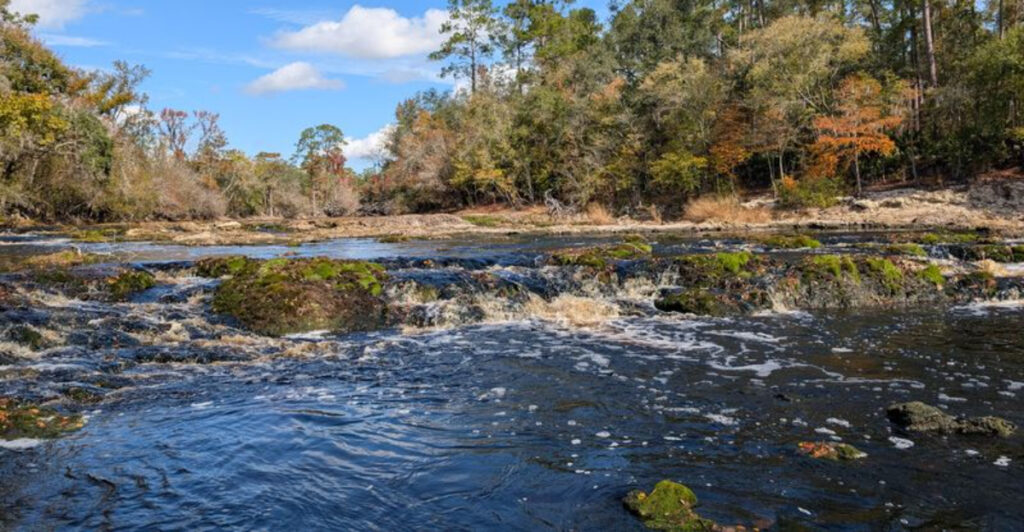
The Suwannee River roars through a stretch of ancient limestone, creating the only Class 3 whitewater rapids in the entire state of Florida. Hardwood canopies, pine forests, bald eagles overhead, and the sound of rushing water make this one of the most surprising outdoor experiences in the South.
Whether you are a hiker, a paddler, a wildlife watcher, or just someone who needs a break from the ordinary, this trail delivers something genuinely rare. Keep reading to find out everything you need to know before you visit one of Florida’s most underrated natural wonders.
Where Exactly You Will Find This Wild Stretch of River
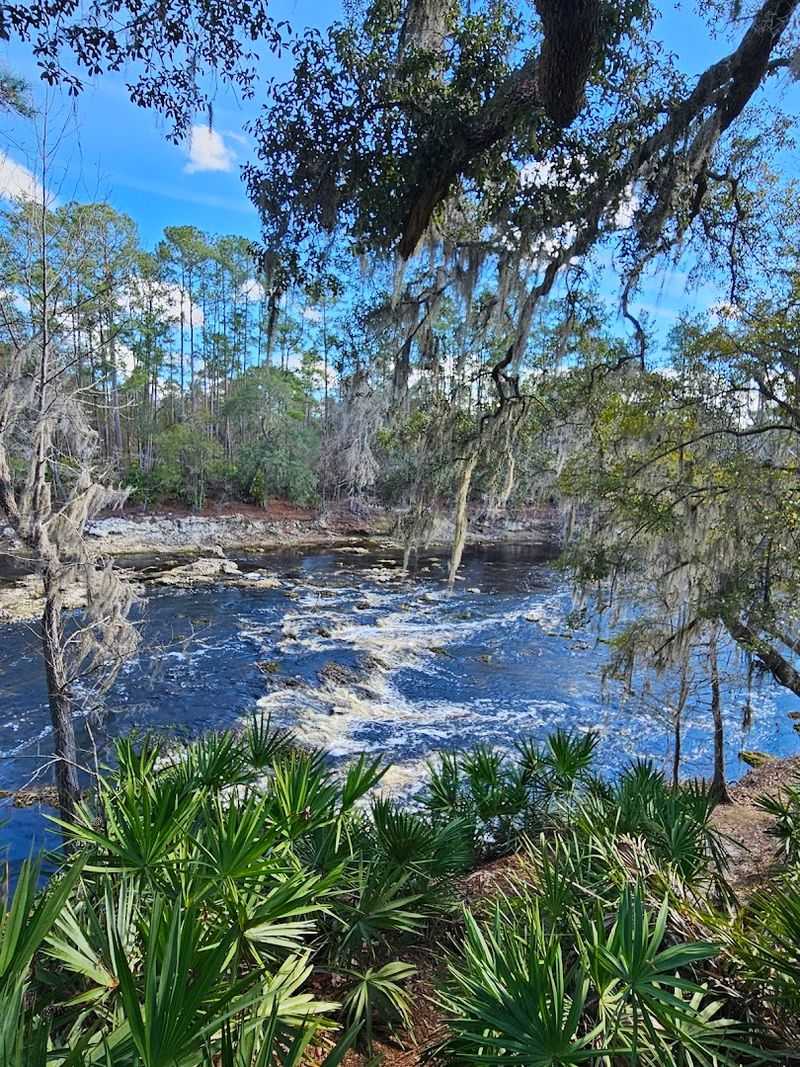
Big Shoals Trail sits inside Big Shoals State Park, located at White Springs, in Hamilton County in the heart of northern Florida. The park is part of the Suwannee River Water Management District lands and is managed by Florida State Parks.
Getting there takes a little patience. Google Maps tends to guide visitors to Little Shoals first, and from there you follow the road roughly 2.2 more miles, with a good portion of that being a packed dirt road.
It is manageable in most vehicles, though a sedan should take it slowly after rain.
At the gate, there is a self-pay deposit box where you drop a modest $4 per vehicle entry fee. That small cost buys you access to one of the most genuinely surprising natural landscapes in all of Florida, and honestly, that is quite the deal.
The Story Behind Florida’s Only Class 3 Rapids
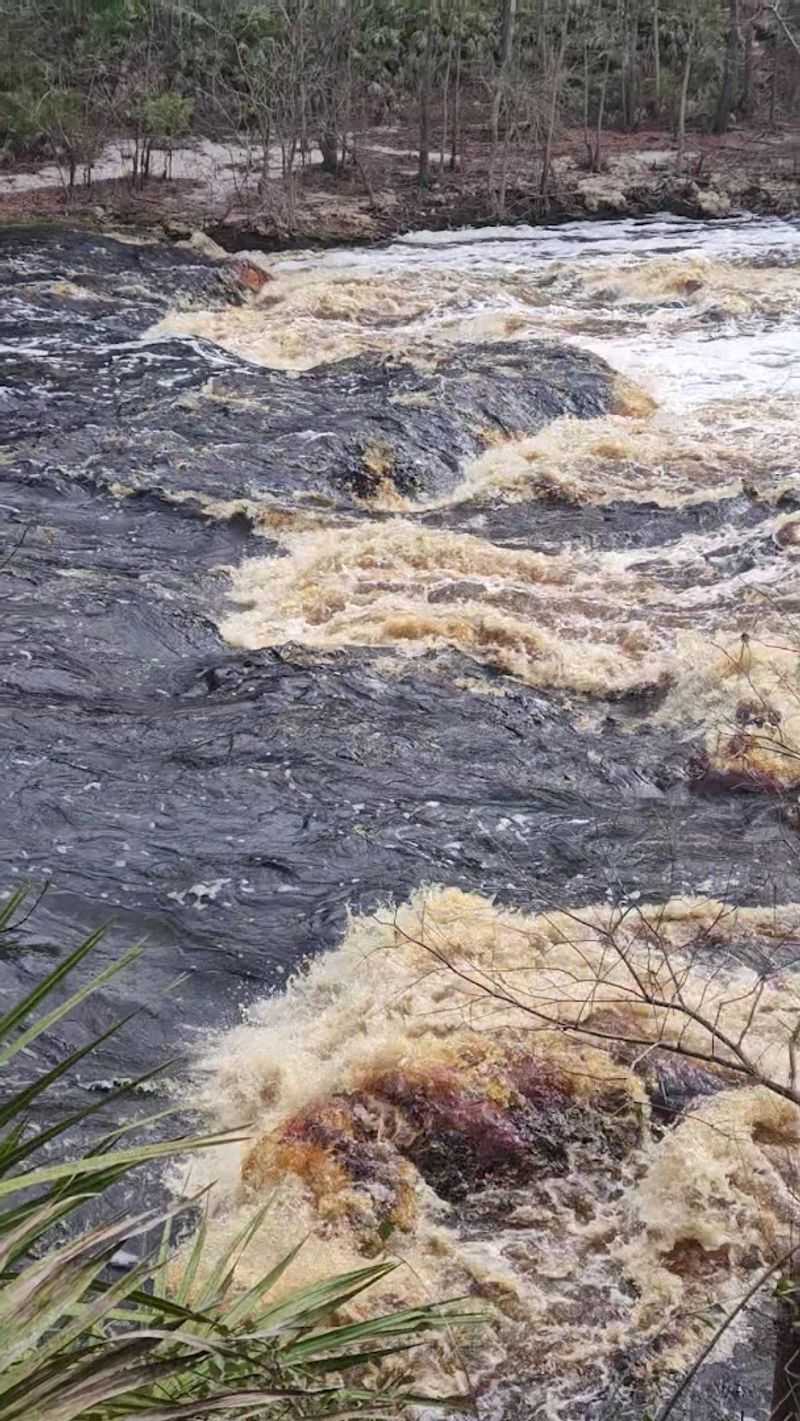
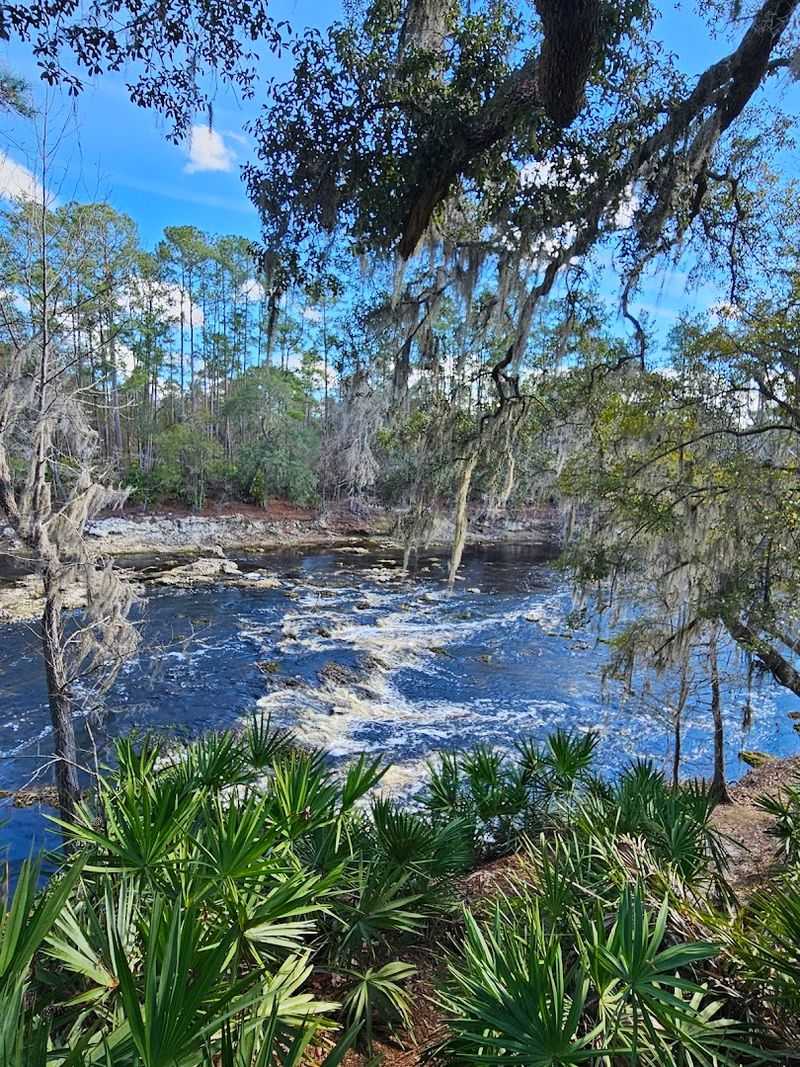
Florida is not exactly famous for dramatic elevation changes, which is exactly what makes Big Shoals so remarkable. The Suwannee River drops over a series of ancient limestone outcroppings here, creating the only Class 3 whitewater rapids in the entire state.
The classification depends on the river’s water level. When the Suwannee sits between 59 and 63 feet, the rapids hit their full Class 3 intensity.
At lower levels, around 51 feet, the limestone rocks become clearly visible and the scene takes on an almost prehistoric look. At higher levels, the power of the water becomes even more dramatic to watch from the bluff above.
These rapids formed because northern Florida sits on a thick layer of karst limestone, the same geology that produces the famous Florida Caverns to the west. The river found its way through the cracks, and the result is genuinely breathtaking.
The Trail Itself: What to Expect Before You Lace Up
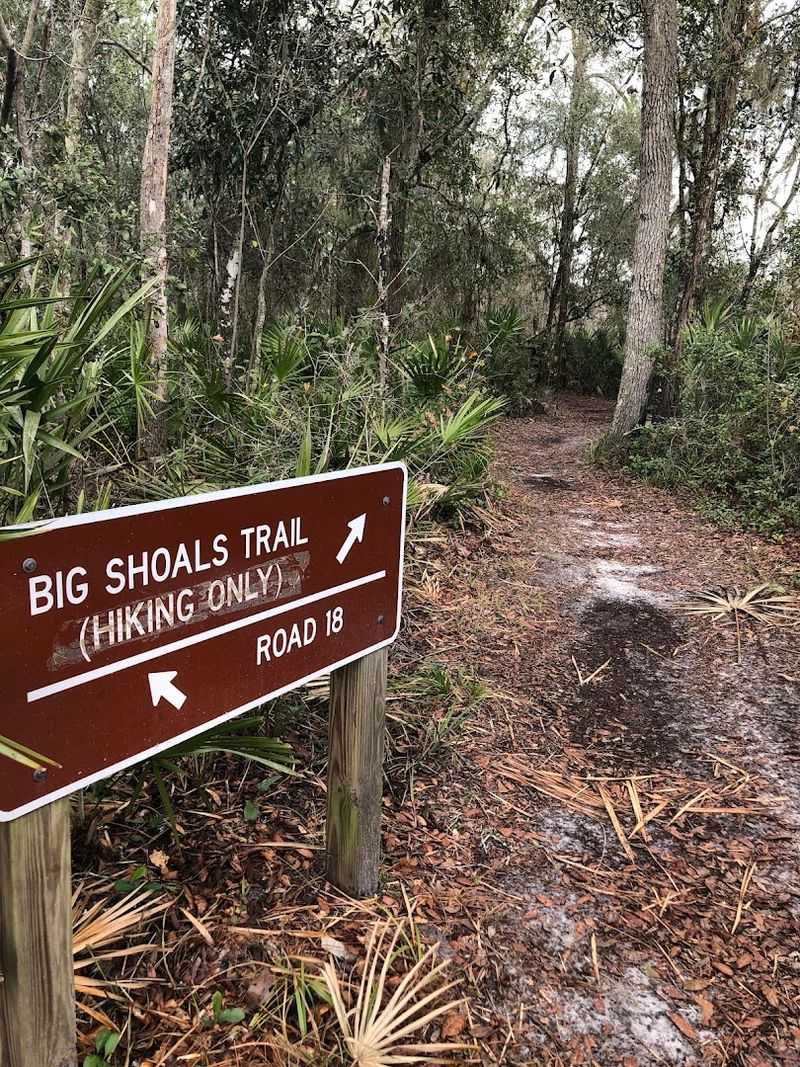
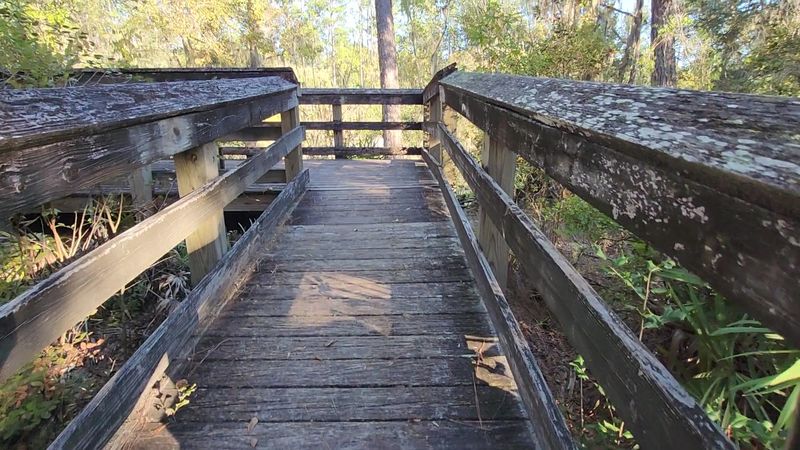
The main trail at Big Shoals runs about 2.5 miles as an out-and-back route along the ridge above the Suwannee River. The terrain is mostly flat with only minor elevation changes, making it accessible to hikers of most fitness levels.
That said, the path does have tree roots and stumps scattered along the way, so keeping your eyes on the ground is genuinely important. The trail has been widened recently, which makes navigation easier, but a few narrow spots still remain where it is easy to stumble.
A northern trail near the restroom area, marked with blue blazes, offers a slightly different experience with more shade and small elevation changes worth exploring. Side trails branch off toward the river’s edge, letting you get a closer look at the water below.
Sturdy shoes and a walking stick are both worth bringing along.
The Hardwood Canopy and Forest Scenery Along the Way
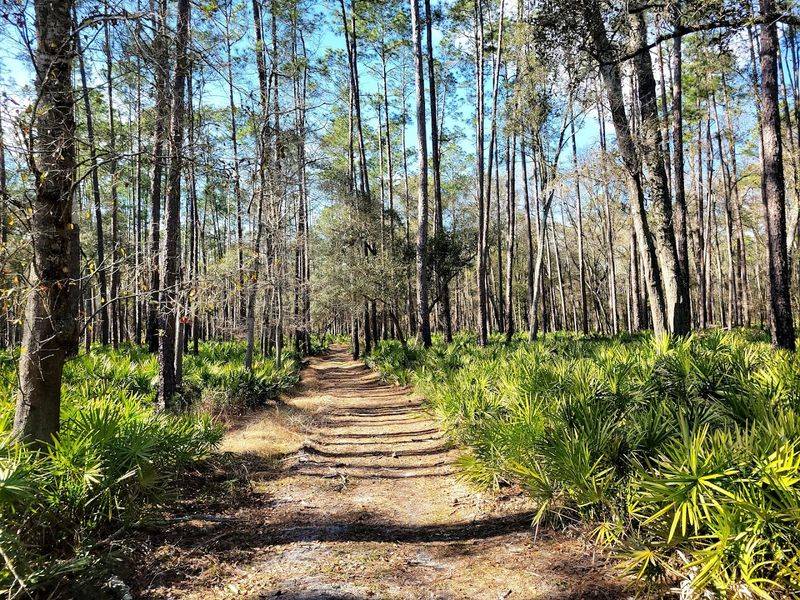
Long before you hear the rapids, the forest itself earns your full attention. The trail passes through a striking mix of hardwood canopy, pine stands, and palmetto undergrowth that feels more like the Appalachian foothills than anything typically associated with Florida.
Charred pines and oaks dot the landscape in certain sections, the result of controlled burns used to maintain the health of the forest ecosystem. Rather than looking harsh, those blackened trunks add a dramatic, almost painterly quality to the scenery.
On one side of the ridge trail, a cypress swamp stretches out at roughly the same elevation as the path itself, which is an unusual sight. On the other side, the bluff drops away toward the river below.
Walking between those two contrasting landscapes gives the whole hike a sense of depth and variety that keeps things interesting from the first step to the last.
Wildlife Watching Opportunities That Will Genuinely Surprise You
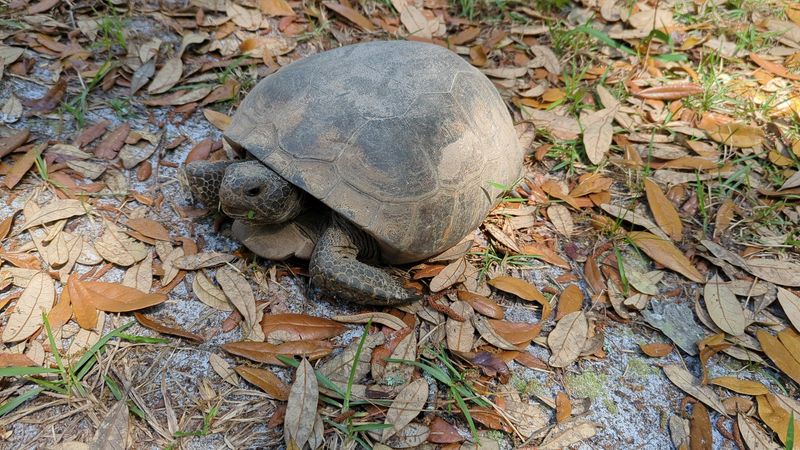
Big Shoals is the kind of place where wildlife shows up without any announcement. Bald eagles have been spotted soaring above the river corridor, and woodpeckers are a reliable presence in the pine sections of the forest.
Keep your eyes up as much as you keep them on the trail.
The Suwannee River corridor supports a wide variety of bird species, and the mix of forest types here creates diverse habitat that attracts everything from wading birds near the water to songbirds deep in the canopy. Bringing binoculars is a genuinely good idea rather than an afterthought.
Bugs are present, as they are everywhere in Florida, but most visitors report that they are not overwhelming, particularly outside of summer. Early morning visits tend to offer the best wildlife activity and the most comfortable temperatures, so setting that alarm a little earlier than usual pays off here.
The Overlook: Your First View of the Shoals
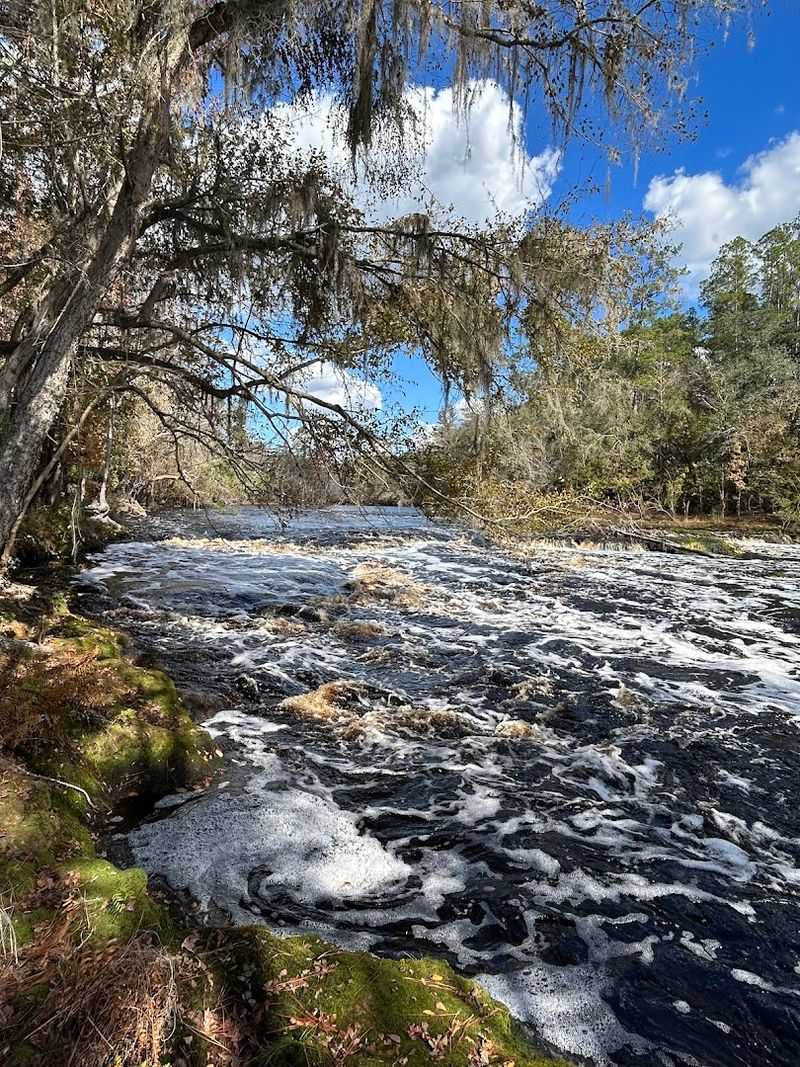
There is a specific moment on the trail where the sound of the river gets noticeably louder, and then suddenly the overlook opens up in front of you. That first view of the shoals from above is the kind of thing that stops a conversation mid-sentence.
From the bluff, you are looking down roughly 50 feet to where the Suwannee churns white and fast over the limestone shelf. The scale of it is hard to process at first, partly because nothing in the surrounding landscape prepares you for it.
The overlook area has benches where you can sit and take it all in without rushing.
Small side trails lead down from the main path for a closer look at the water, though those descents are steep and require careful footing. The view from above is genuinely satisfying on its own and is the clear highlight of the entire trail experience.
Kayaking and Canoeing: Tackling the Rapids from the Water
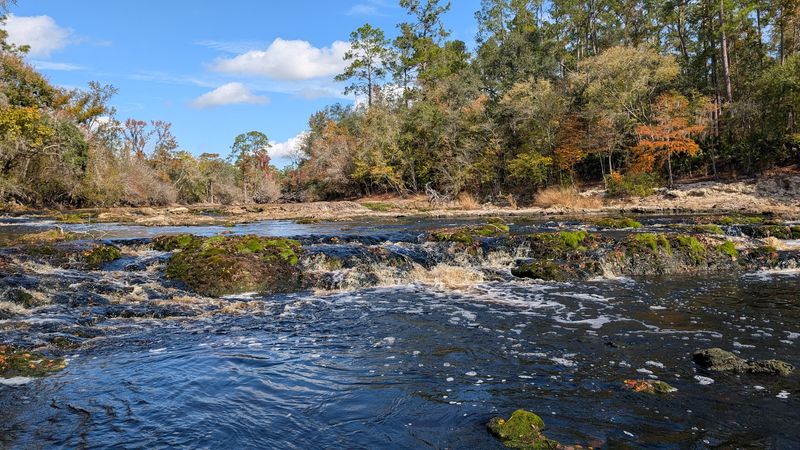
For paddlers, Big Shoals is something of a bucket-list run in Florida. The park provides a canoe and kayak launch, making water access straightforward for those who arrive with their own equipment.
The rapids themselves are a serious challenge when the river is at the right level.
At full Class 3 intensity, the drop over the limestone shelf produces fast-moving water with technical obstacles that demand real paddling skill. This is not a casual float trip section, and first-time paddlers should research the river level carefully before committing to a run through the shoals.
Watching kayakers navigate the rapids from the overlook above is an experience in itself, and the combination of the natural amphitheater formed by the bluff and the roar of the water below makes for a genuinely electric atmosphere. The park’s canoe launch also serves as a great starting point for calmer sections of the Suwannee upstream.
Picnic Areas and Facilities That Make a Full Day Easy
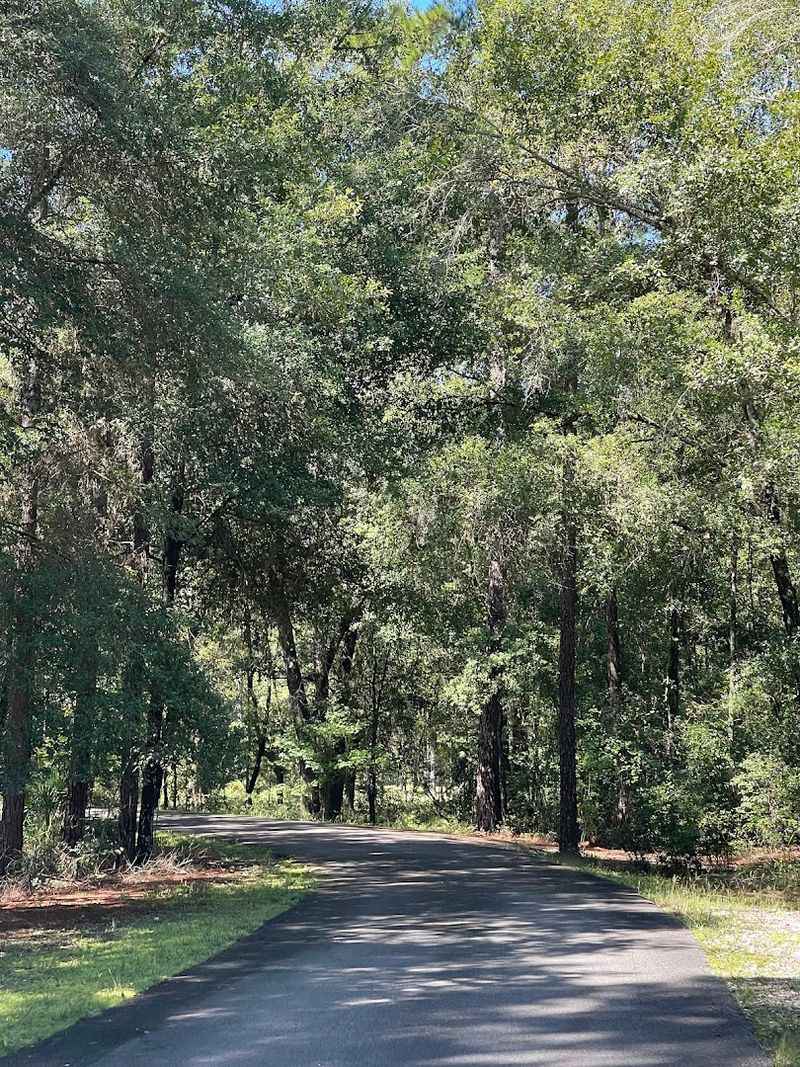
Big Shoals State Park has put genuine thought into its visitor facilities, and it shows. Multiple picnic tables are spread throughout the park, including some positioned along the trail with partial river views.
Benches appear at regular intervals along the path, which is a small but meaningful touch on a warm day.
The restrooms have earned consistent praise for being exceptionally clean and well-maintained, which matters more than most people admit when planning an outdoor trip. A bike repair station near the trailhead is a practical addition that cyclists will appreciate.
The park also has a camping area, which many casual day visitors are surprised to discover. Spending a night here means waking up to birdsong and the distant sound of the river before the day-use crowds arrive.
For a $4 entry fee, the full range of amenities on offer is honestly remarkable and makes planning a longer visit an easy choice.
Biking the Trail: A Newer Option Worth Knowing About
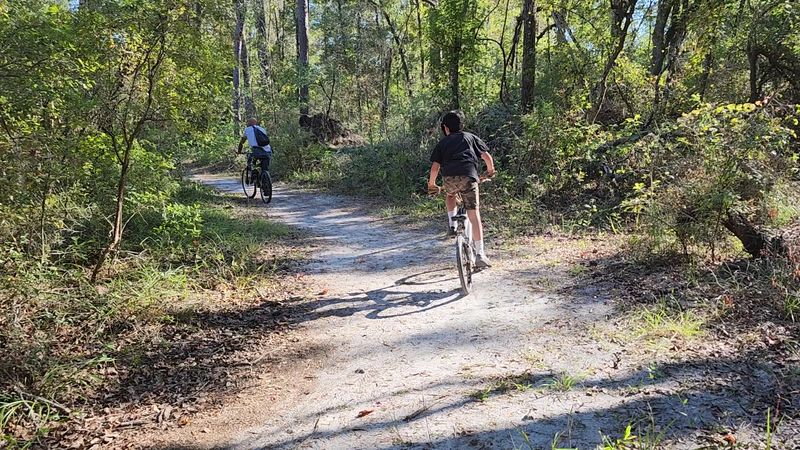
Bikes are now permitted on the main trail at Big Shoals, which opens up the experience for a whole different group of outdoor enthusiasts. The relatively flat terrain makes it a comfortable ride for most cyclists, though the roots and occasional narrow sections require attention and some bike-handling skill.
The trail’s recent widening has made cycling more practical, and the combination of forest scenery and river views gives the ride a quality that is hard to match on a paved path. Mountain bikes or hybrid bikes with some grip on the tires are the most sensible choice given the natural surface.
The bike repair station near the parking area is a reassuring presence, especially for anyone who has ever had a minor mechanical issue at the worst possible moment miles from the trailhead. Arriving early on weekends helps avoid foot traffic on the trail and makes the ride smoother and more enjoyable for everyone.
The Geology Underneath It All: Limestone and Karst Country
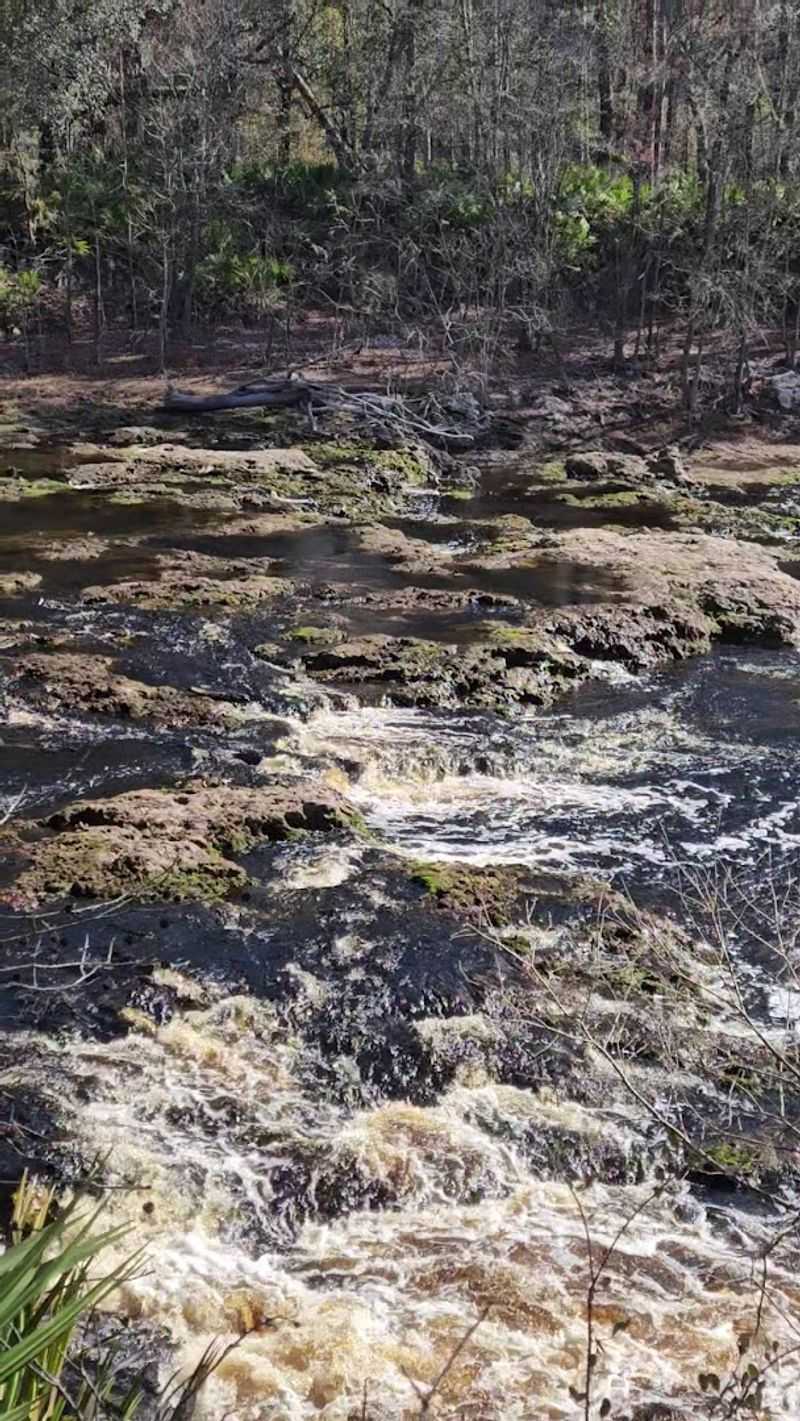
The dramatic scenery at Big Shoals exists because of what lies beneath the surface. Northern Florida sits on a thick platform of ancient limestone, and where the Suwannee River cuts through it, the rock is exposed in spectacular fashion.
The shoals themselves are essentially a natural dam formed by this resistant limestone shelf.
This same karst geology produces sinkholes, springs, and caves throughout the region. Florida Caverns State Park, located to the west, is a direct product of the same underground limestone system.
At Big Shoals, you are seeing the exposed, surface-level version of that same ancient rock.
At lower river levels, the limestone becomes highly visible, with flat shelves and jagged edges breaking the surface. The pale gray color of the rock against the dark tannin-stained water of the Suwannee creates a visual contrast that feels almost otherworldly.
It is a reminder that Florida’s geology is far more dramatic than its flat reputation suggests.
Best Times to Visit and What the Seasons Actually Feel Like
Spring and fall are the sweet spots for visiting Big Shoals. Temperatures are comfortable, bugs are manageable, and the river levels after winter rains often produce impressive rapids.
Spring wildflowers add color to the forest floor, and wildlife activity is at its peak during those transitional months.
Summer brings heat and humidity that are genuinely intense in northern Florida, and the insects become a more significant factor. Early morning summer visits are possible and even enjoyable if you start before 9 AM, but midday hikes in July or August are a test of endurance rather than pleasure.
Winter is surprisingly pleasant here, with cooler temperatures and almost no bugs. The forest takes on a quieter, more open quality as some of the deciduous trees lose their leaves, and the reduced canopy actually improves views of the river from the trail.
Crowds are minimal in winter, which adds to the appeal considerably.
Practical Tips That Will Save You Frustration on the Day
A few practical notes can make the difference between a smooth visit and an avoidable headache. First, bring cash for the $4 per vehicle fee, since the entry point uses an honor-system deposit box with no card reader.
Second, bring your own water because there is no refill station on the trail itself.
Arrive early on weekends, particularly in spring. The trail is not enormous, and when it gets crowded the narrow sections can create awkward passing situations.
Weekday mornings offer the most peaceful experience by a significant margin.
Cell service in the area can be inconsistent, so downloading an offline map before you leave home is a sensible precaution. Checking the Suwannee River level before visiting helps set expectations for what the rapids will look like when you arrive.
Camping at Big Shoals: Sleeping Next to the River
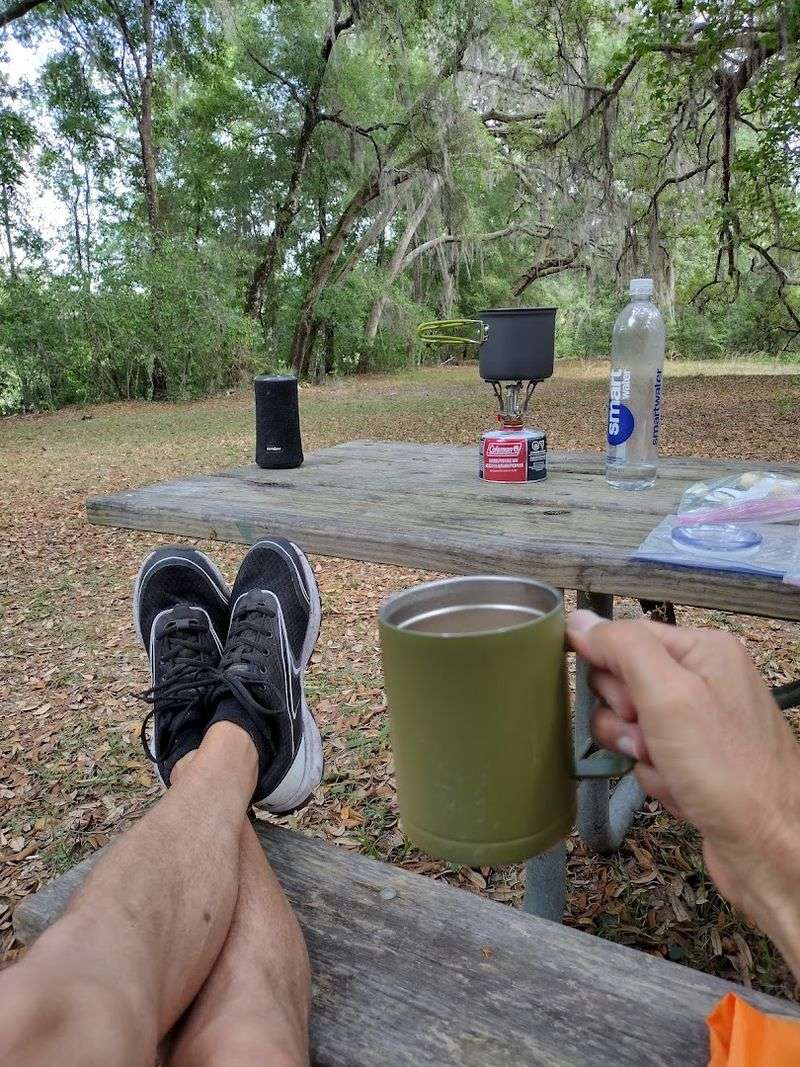
Many visitors are genuinely surprised to discover that Big Shoals State Park offers camping. The option to spend a night here transforms a day trip into a proper outdoor adventure, and the setting more than justifies the extra planning involved.
Waking up in the forest before the day-use visitors arrive means you have the trail to yourself in those early morning hours. The sounds of the river and the birds replace the usual morning alarm, and that alone makes the camping experience feel worthwhile.
Night skies in this part of northern Florida are considerably darker than in most of the state, which makes stargazing a genuine bonus.
Booking in advance through the Florida State Parks reservation system is strongly recommended, especially for spring weekends when the park sees its highest demand. Arriving with a full kit, including insect repellent and a headlamp, will make your overnight stay comfortable and genuinely memorable.
How Big Shoals Compares to the Bell Springs Trail Across the River
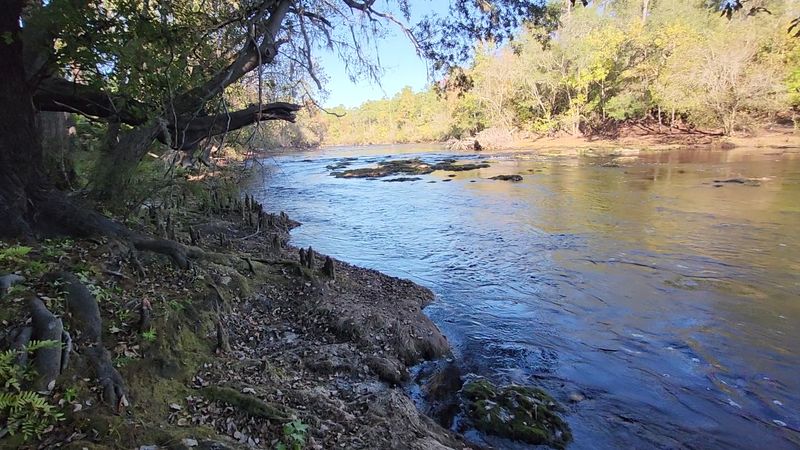
The Bell Springs to Big Shoals trail on the opposite side of the Suwannee offers a different perspective on the same rapids and is worth knowing about if you plan to make a full day of exploring the area. That trail covers roughly four miles and involves more elevation change than the Big Shoals Trail side.
Many people who have hiked both routes describe the view from the Bell Springs side as even more dramatic, since you approach the shoals at a lower angle and feel closer to the actual water. The Big Shoals Trail side, by contrast, offers the elevated bluff view and a shorter, easier walk of about 2.5 miles total.
Both trails reward the effort in their own way, and choosing between them really comes down to how much time and energy you have on a given day. Doing both on separate visits is a completely reasonable plan and gives you a genuine reason to come back.
Why Big Shoals Deserves a Spot on Every Florida Outdoor Bucket List
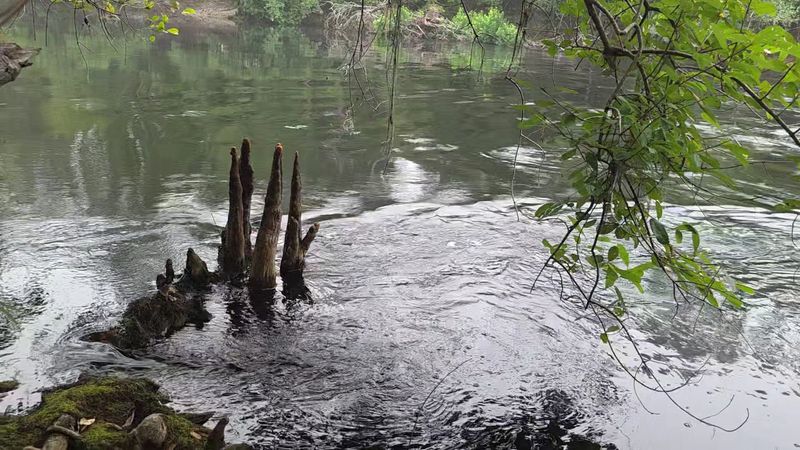
Florida has no shortage of natural beauty, but most of it comes in the form of beaches, springs, and flat wetlands. Big Shoals sits in a completely different category, offering terrain and drama that feels borrowed from a different state entirely.
The combination of accessible hiking, genuine whitewater spectacle, excellent facilities, wildlife diversity, and a price point of just $4 per vehicle makes this one of the best outdoor value experiences in Florida, full stop. Few places in the state deliver this much variety and visual impact for this little effort or expense.
The trail is also a reminder that northern Florida rewards curiosity. The further you drive from the coasts and the theme parks, the more the landscape starts to reveal its real character.
Big Shoals is that character distilled into a single trail, and anyone who makes the trip will leave with a completely different idea of what Florida is capable of showing you.
Share this story