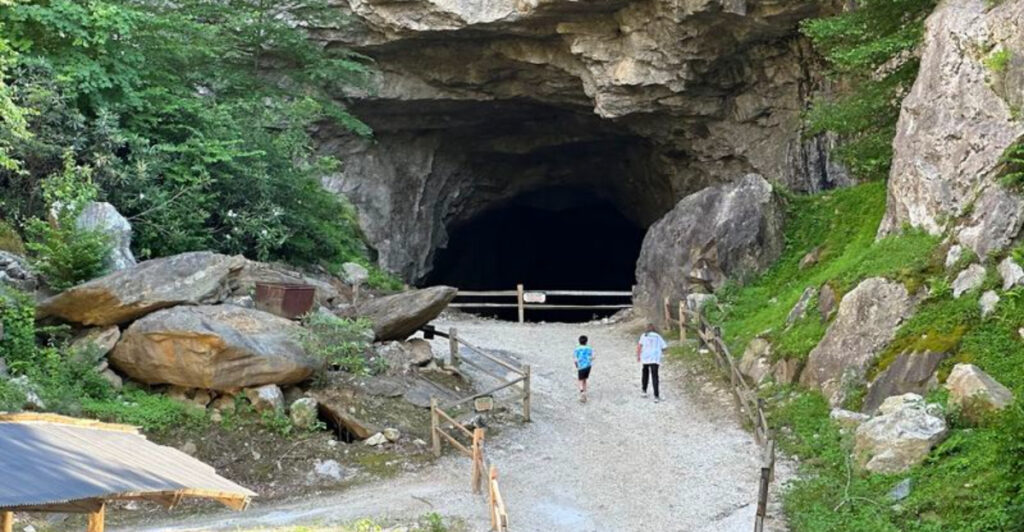
There is a place tucked into the Blue Ridge Mountains of North Carolina where you can crawl through tunnels carved by miners over a century ago, crack open rocks with a hammer, and walk away with real gemstones in your pocket. No special skills required, no geology degree needed.
The history here runs deep, literally, and the excitement of finding something sparkling in the dirt never gets old. Whether you are eight or eighty, the thrill of discovery hits the same way every single time, and that is exactly what makes this mountain destination worth the drive.
Where Exactly You Will Find This Mountain Treasure
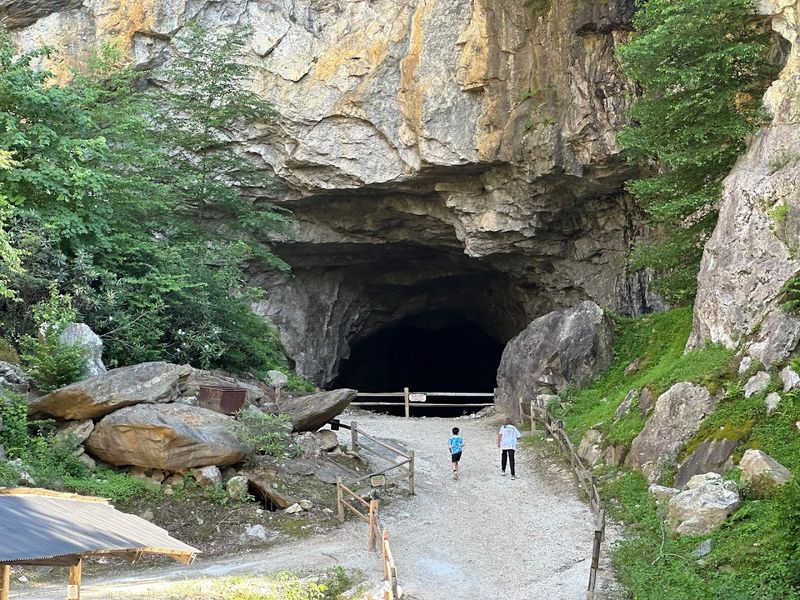
Emerald Village sits at 331 McKinney Mine Road in Little Switzerland, North Carolina, nestled high in the Blue Ridge Mountains of Mitchell County. The elevation here hovers around 3,000 feet, which means the air feels noticeably cooler and crisper than the lowlands below, even on a warm summer afternoon.
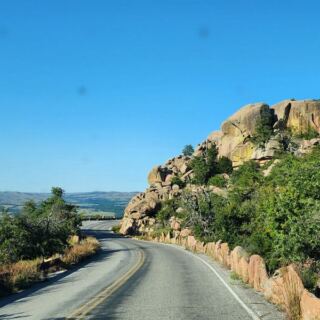
Getting there is part of the experience. The winding mountain roads offer sweeping views of forested ridges before you even set foot on the property.
The drive alone signals that you are heading somewhere genuinely off the beaten path.
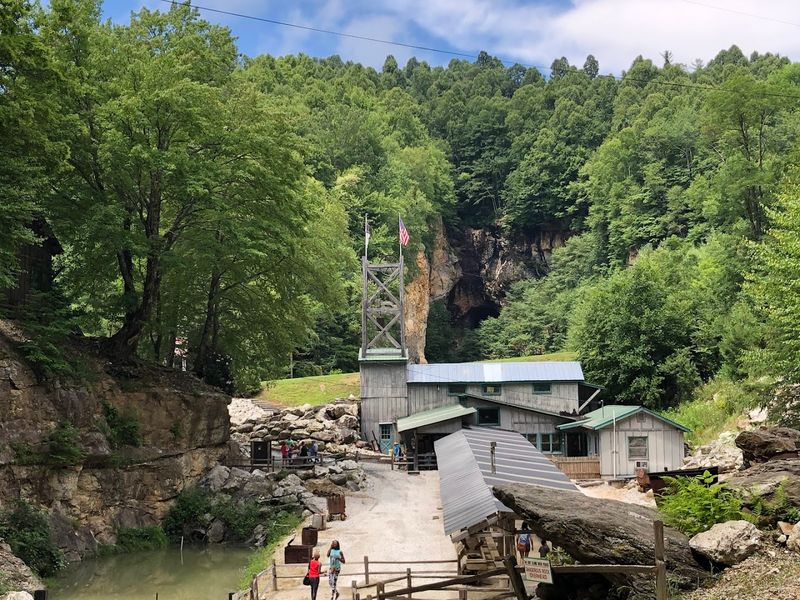
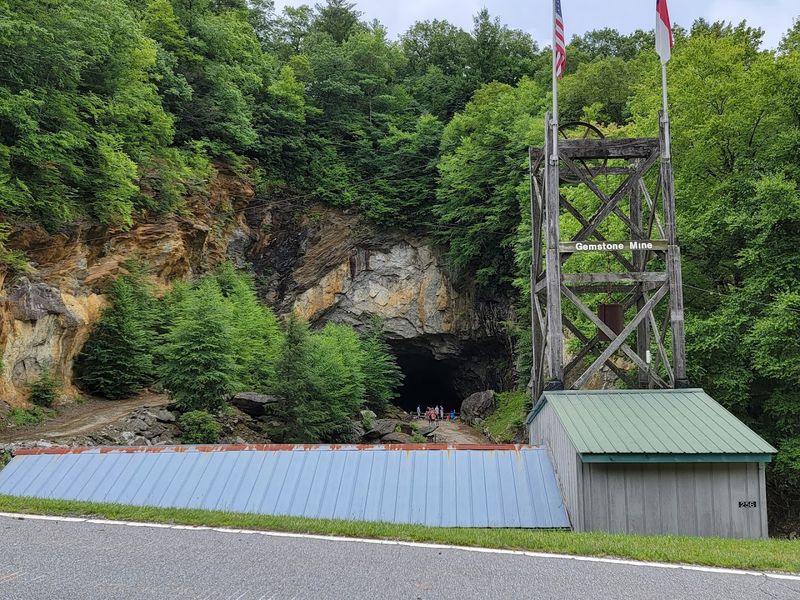
The area around Little Switzerland has a long history tied to mining and mountain life, and Emerald Village honors that heritage by preserving the actual mine shafts and tunnels that workers once relied on for their livelihood. It is not a replica or a recreation.
These are the real tunnels, the real history, and the real landscape that shaped this corner of North Carolina for generations.
The Remarkable Mining History Behind the Site
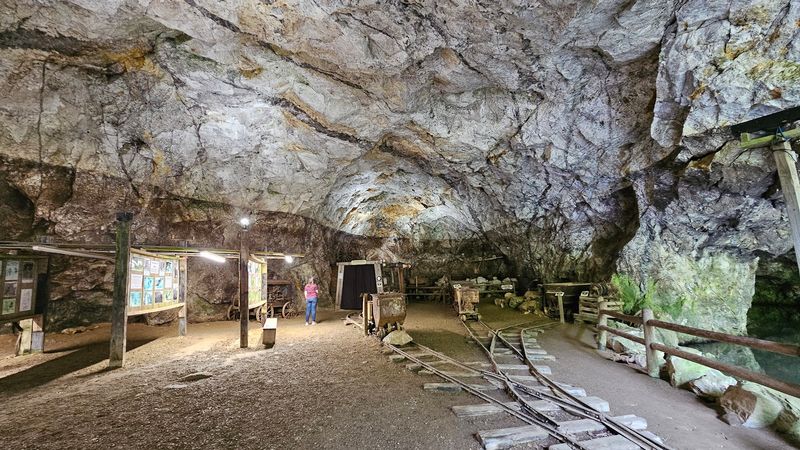
The mines at what is now Emerald Village date back to the late 1800s, when prospectors discovered that the mountains of Mitchell County were loaded with valuable minerals. The McKinney Mine, the centerpiece of the property, was actively worked for feldspar and mica, materials that were in high demand for industrial use during that era.
Over the decades, the operation changed hands and purposes multiple times. At various points, miners here pulled out not just industrial minerals but also spectacular gemstones, including emeralds, aquamarines, and other beryl varieties that formed naturally in the region’s unique geology.
By the time Emerald Village opened as a heritage attraction, the goal shifted from extraction to education and exploration. The site now preserves the tunnels, tools, and stories of the workers who spent their lives underground in these mountains.
Standing inside one of those original shafts and feeling the cool, damp air on your face makes the history feel immediate and real rather than distant and textbook-dry.
Going Underground in the Historic Mine Tunnels
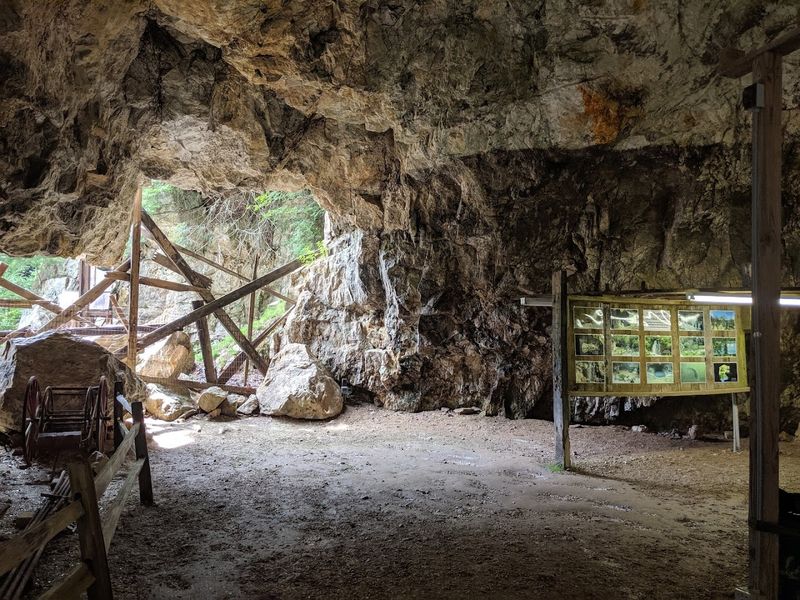
One of the biggest draws at Emerald Village is the guided underground mine tour, which takes you through tunnels that real miners carved out by hand over many decades. The ceilings are low in places, the walls are rough-hewn rock, and the temperature drops noticeably as you move deeper inside.
Guides lead small groups through the passages, explaining how miners worked, what tools they used, and what conditions they endured day after day. The storytelling is conversational and engaging, never dry or lecture-like, which keeps both kids and adults genuinely interested throughout.
You do not need any special physical fitness level to complete the tour, though comfortable shoes are strongly recommended since the ground is uneven in spots. The experience lasts long enough to feel immersive without becoming exhausting.
Most visitors come out of the tunnel talking about how the weight of the mountain above them felt both humbling and quietly thrilling, a sensation that no museum exhibit could replicate with any accuracy.
Mining for Gemstones and Keeping What You Find
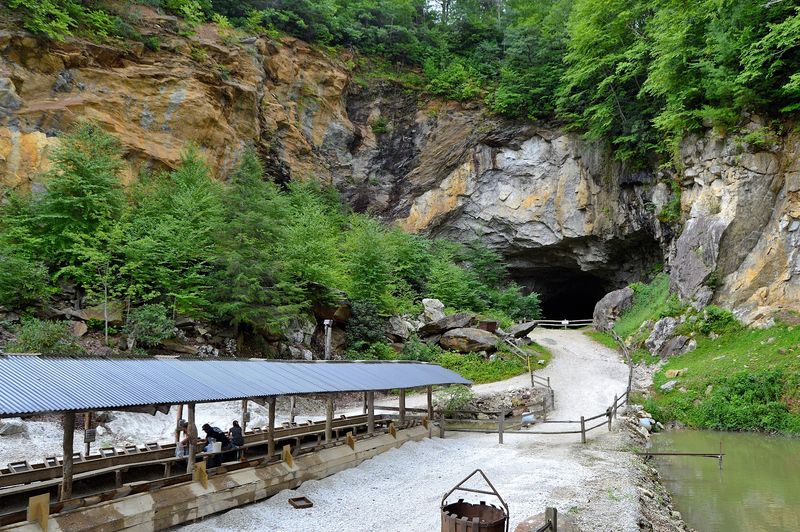
The gem mining activity at Emerald Village is the part that hooks most visitors from the very first scoop of gravel. You purchase a bucket of gem-bearing material, take it to the sluice, and start washing it through a screen with running water to reveal whatever is hiding inside.
The buckets contain real minerals and gemstones sourced from the region, not artificially salted samples from somewhere else. Common finds include rubies, sapphires, garnets, emeralds, aquamarines, and various quartz crystals.
Staff members at the identification station will help you figure out exactly what you found, which adds a satisfying educational layer to what already feels like treasure hunting.
Everything you find goes home with you. That simple policy turns a casual afternoon activity into something that families talk about for years afterward.
Kids who spend most of their day glued to screens suddenly cannot put down a rough garnet they pulled from the gravel themselves, and that shift in attention is something genuinely worth watching.
The Spectacular Minerals Museum on the Property
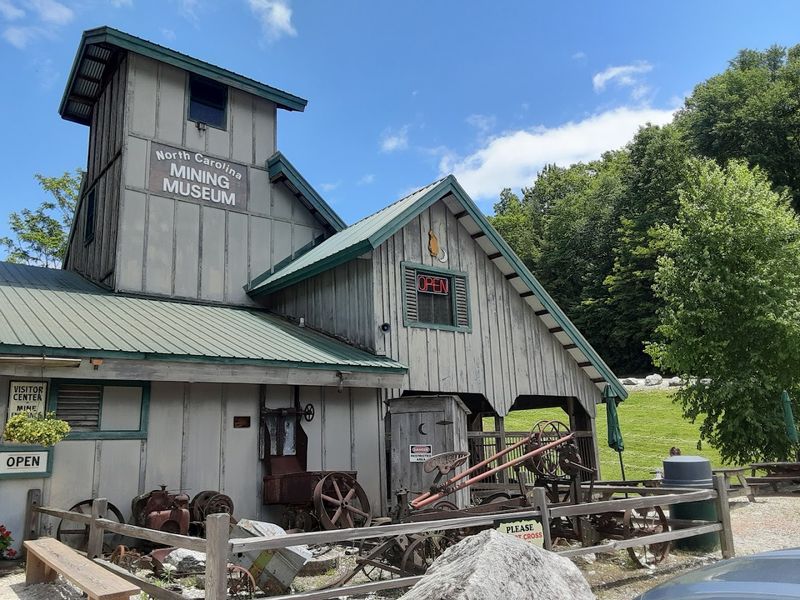
Beyond the tunnels and the sluice, Emerald Village is home to the Museum of North Carolina Minerals, which houses an impressive collection of specimens pulled from the region’s mountains over many decades. The displays cover everything from massive feldspar crystals to delicate emerald formations that shimmer under the exhibit lighting.
The collection is genuinely worth slowing down for, even if your main goal was the mining activity. North Carolina sits in one of the most geologically diverse areas of the eastern United States, and the museum does an excellent job of explaining why so many different gem varieties occur naturally in such a concentrated area.
Interactive elements throughout the space make it accessible for younger visitors, while the depth of information satisfies adults who want more than surface-level explanations. Spending twenty or thirty minutes here before heading to the sluice gives context that makes the gem mining feel more meaningful, because you understand what you are actually looking for and why it formed in these particular mountains.
The Stunning Mountain Setting That Surrounds Everything
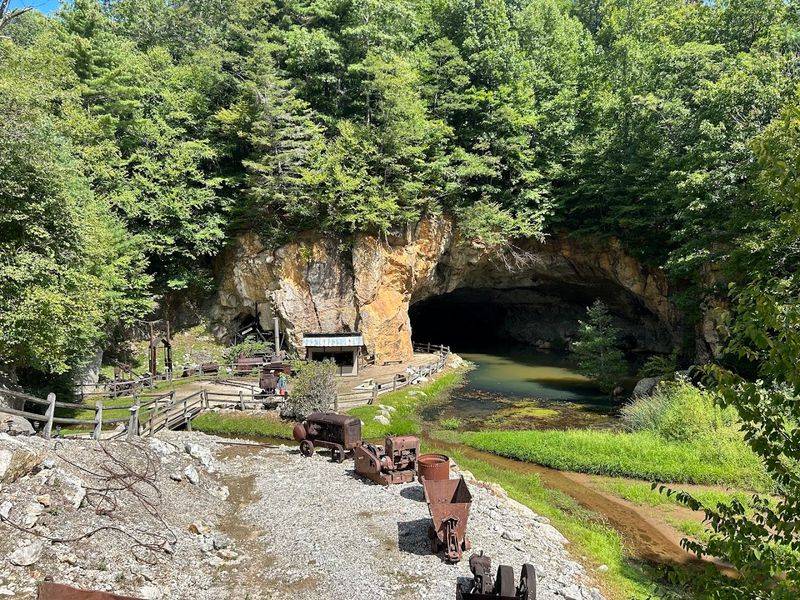
The physical setting of Emerald Village adds an entirely separate layer of appeal that has nothing to do with gemstones or history. The property sits high enough in the Blue Ridge Mountains that the views from certain vantage points stretch across multiple ridgelines, fading into a soft blue haze in the distance.
The surrounding forest is thick with hardwoods and conifers, and the sound of wind moving through the trees is a constant, pleasant backdrop to whatever activity you are focused on at any given moment. There is a quietness here that feels earned, the kind that only comes when you have driven far enough up a mountain to leave the noise of ordinary life behind.
Photographers will find no shortage of compositions worth capturing, from the weathered wooden structures of the mining operation to the rocky outcrops and tree lines that frame the sky. Even visitors who come purely for the gem mining often find themselves stopping repeatedly just to take in the scenery, which has a way of demanding your attention whether you planned for it or not.
Tips for Planning Your Visit and Getting the Most Out of It
Emerald Village is open seasonally, generally from May through October, so checking the current schedule before making the trip is worth a few minutes of your time. The site tends to get busier on summer weekends, so arriving earlier in the day gives you better access to the sluice stations and a more relaxed pace overall.
Wear clothes you do not mind getting wet or dirty, especially if gem mining is on your agenda. The sluice involves water, and kids in particular will almost certainly end up soaked from the elbows down within the first five minutes.
Closed-toe shoes are a practical necessity for the mine tour, and a light jacket is useful even in summer given the higher elevation and cooler temperatures inside the tunnels.
Bring a small container or bag for your gemstone finds, since loose stones can scatter easily in a pocket. The on-site staff are friendly and knowledgeable, so asking questions freely will only improve your experience.
Budget a minimum of two to three hours if you want to do the tour, the mining, and the museum without rushing any of it.
Why This North Carolina Spot Deserves a Spot on Your Travel List
Very few places manage to combine genuine historical depth, hands-on outdoor activity, and natural beauty in a package that works equally well for solo travelers, couples, and families with young kids. Emerald Village pulls it off without feeling manufactured or overly commercialized, which is increasingly rare for any attraction that has been around as long as this one has.
The experience of holding a rough emerald or sapphire that you personally pulled from a bucket of gravel is hard to describe to someone who has not done it. There is a quiet satisfaction in it that outlasts the day, the kind of thing you find yourself mentioning to people weeks later when travel conversations come up.
North Carolina’s mountains have no shortage of beautiful places to visit, but not many of them hand you a piece of geological history to take home as a souvenir. That combination of learning, doing, and keeping makes Emerald Village the sort of place that earns a return visit before you have even finished the drive back down the mountain.
Share this story