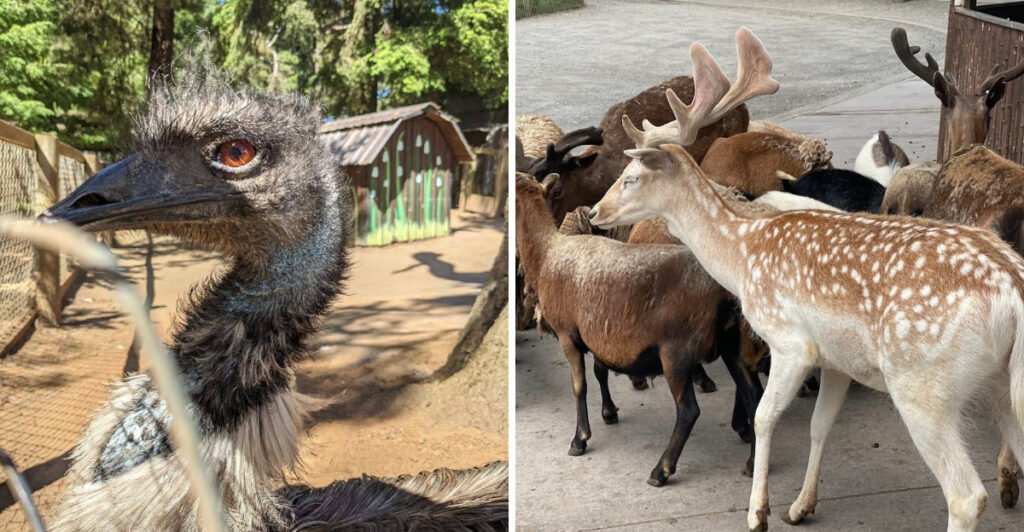
There is a place along the Oregon coast where deer walk right up to you, goats practically climb into your pockets, and Bengal tigers lounge just a few feet away behind the fence. Most people drive past it on Highway 101 without a second glance, which means those who do stop get something rare: a wildlife experience that feels personal, chaotic in the best way, and genuinely surprising.
This is not a polished theme park with scripted moments. West Coast Game Park Safari in Bandon, Oregon, is a 21-acre walk-through zoo where the animals set the pace, and visitors are very much guests in their world.
Where It All Begins: Address, Location, and First Impressions
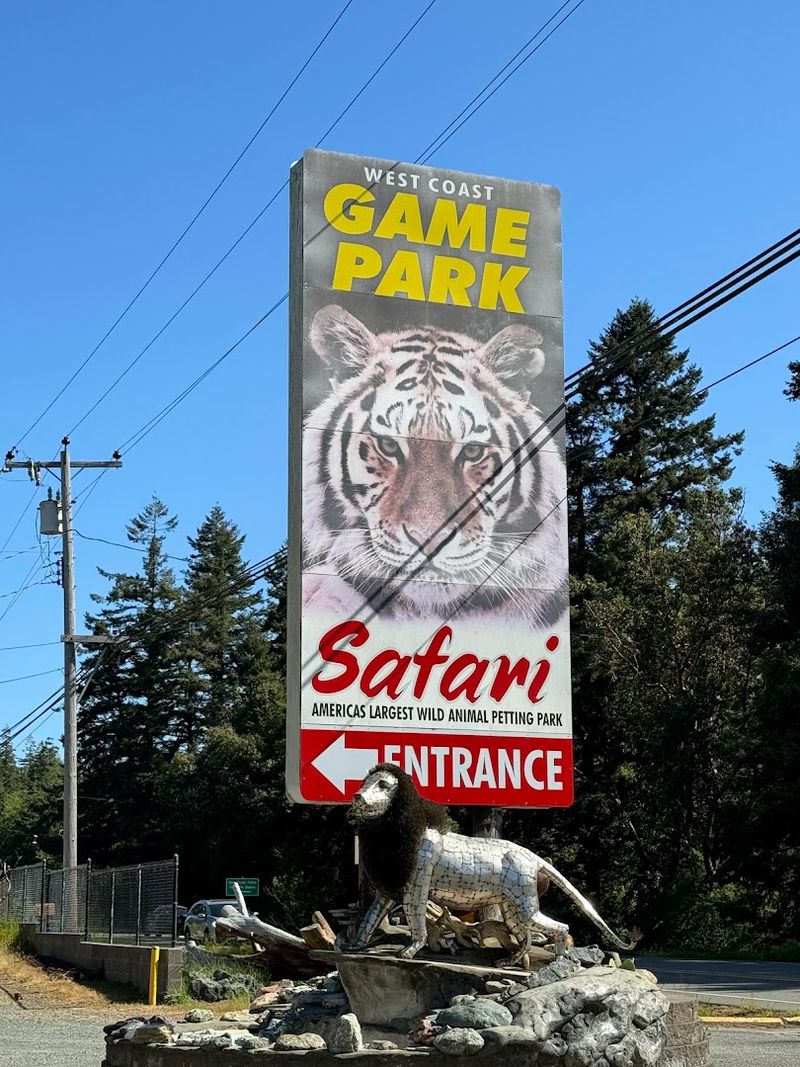
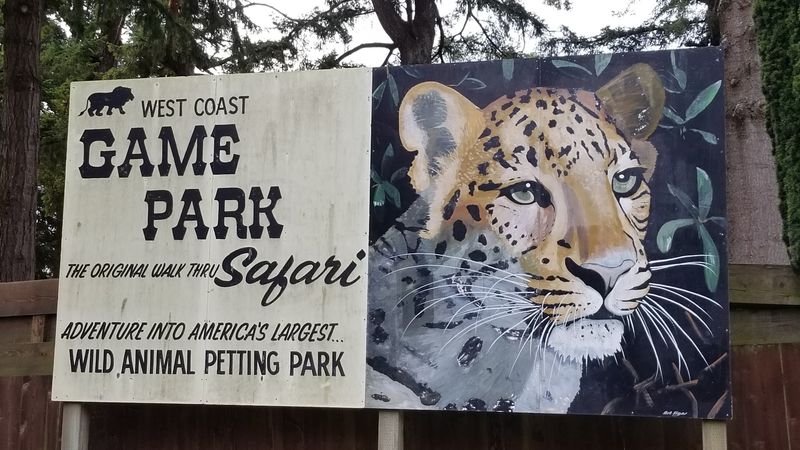
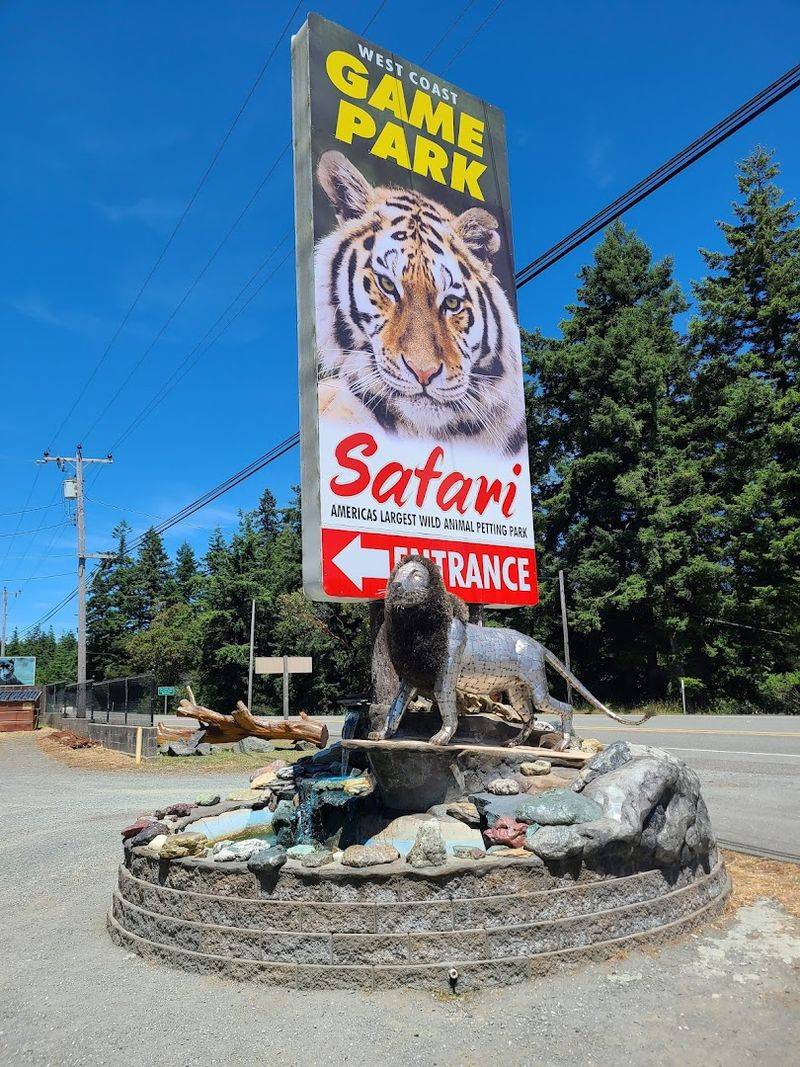
The sign appears almost without warning as you head south on US-101 through the Oregon coast. West Coast Game Park Safari sits at 46914 US-101, Bandon, OR 97411, a stretch of highway better known for its dramatic sea stacks and misty ocean views than for wildlife encounters.
What makes the arrival memorable is how understated it feels. There is no grand plaza or towering gate.
You pull into a gravel lot, hear something that sounds suspiciously like a roar in the distance, and realize this is not your average roadside stop.
The park covers 21 acres, which sounds modest until you are actually walking through it. The landscape is wooded and informal, with winding paths that lead you from one surprise to the next.
First-timers often describe feeling genuinely unsure what will come around the corner, and that uncertainty is part of the charm.
You can reach the park by phone at +1 541-347-3106, and more details are available at westcoastgameparksafari.com. Arriving early on weekdays tends to mean smaller crowds and calmer animals.
The Free-Roaming Animals That Will Absolutely Follow You Around
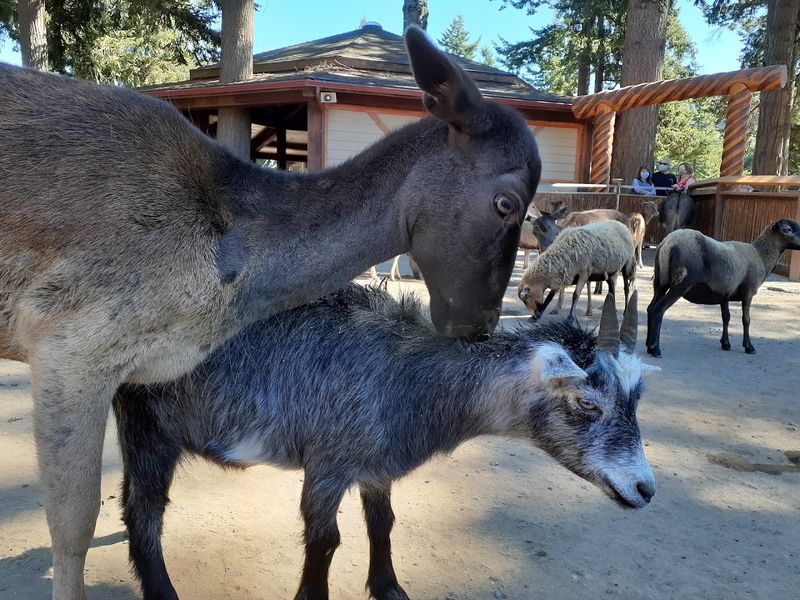
Before you even reach the first enclosure, something soft and persistent bumps against your leg. That would be a goat, and it has already decided you are its best friend, especially if you bought a food cone at the entrance.
The free-roaming section of the park is where most visitors spend a surprisingly large chunk of their time. Deer, sheep, alpacas, donkeys, peacocks, and chickens wander the main paths with zero concern for personal space.
Kids and adults alike find this part of the experience genuinely delightful, if occasionally overwhelming.
The goats in particular have a reputation for boldness. They will nudge, circle, and occasionally bump each other out of the way to get closer to anyone holding food.
It is funny until you realize you have been completely surrounded, and then it becomes funnier.
A practical note worth mentioning: wear shoes you do not mind getting dirty. The roaming animals leave evidence of their presence all along the paths, and sandals are a decision you will regret almost immediately.
Closed-toe shoes are the unofficial dress code of the park.
Bengal Tigers and Big Cats Up Close
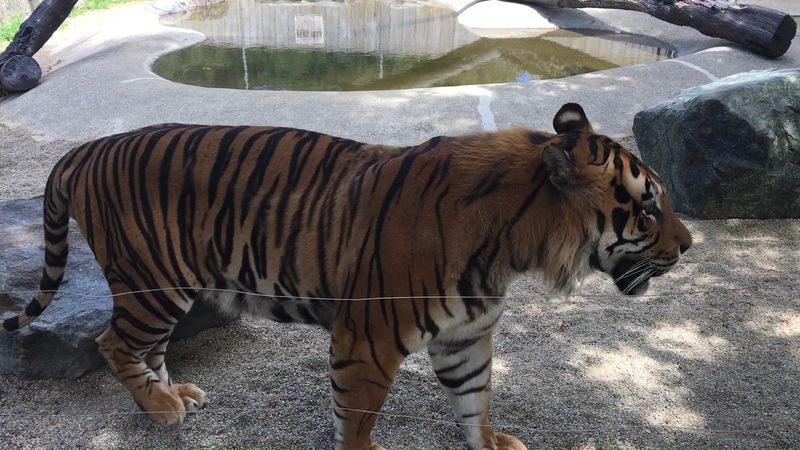
Few moments in everyday life put you within a few yards of a Bengal tiger, and West Coast Game Park Safari offers exactly that. The big cat enclosures are positioned along the park’s main route, and the proximity is genuinely striking compared to what you experience at a standard zoo.
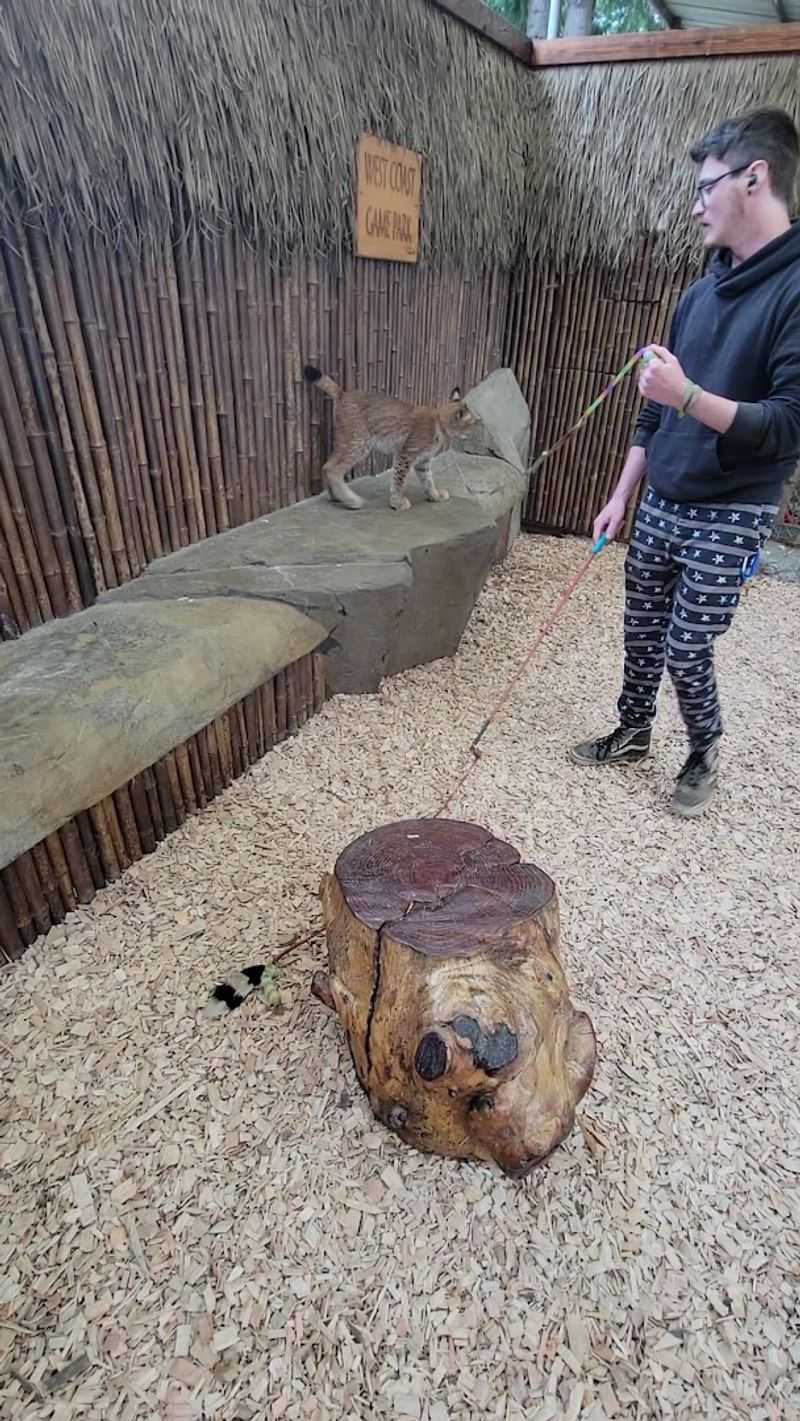
The park is home to Bengal tigers, snow leopards, and a black jaguar, among other large felines. On a good visit, the handlers bring some of these animals out for closer interaction, and guests sometimes get the chance to pet big cats under staff supervision.
That is not something most people can say they have done on a Tuesday afternoon in Oregon.
The cats tend to be most active in the cooler parts of the day, so morning visits often yield better viewing. In warmer weather, the tigers in particular tend to find a shady spot and stay there, which, honestly, is a very relatable life choice.
Staff members who handle the big cats are knowledgeable and clearly passionate about the animals in their care, and they are usually happy to answer questions from curious visitors of any age.
The Nursery Animals and Baby Wildlife Encounters
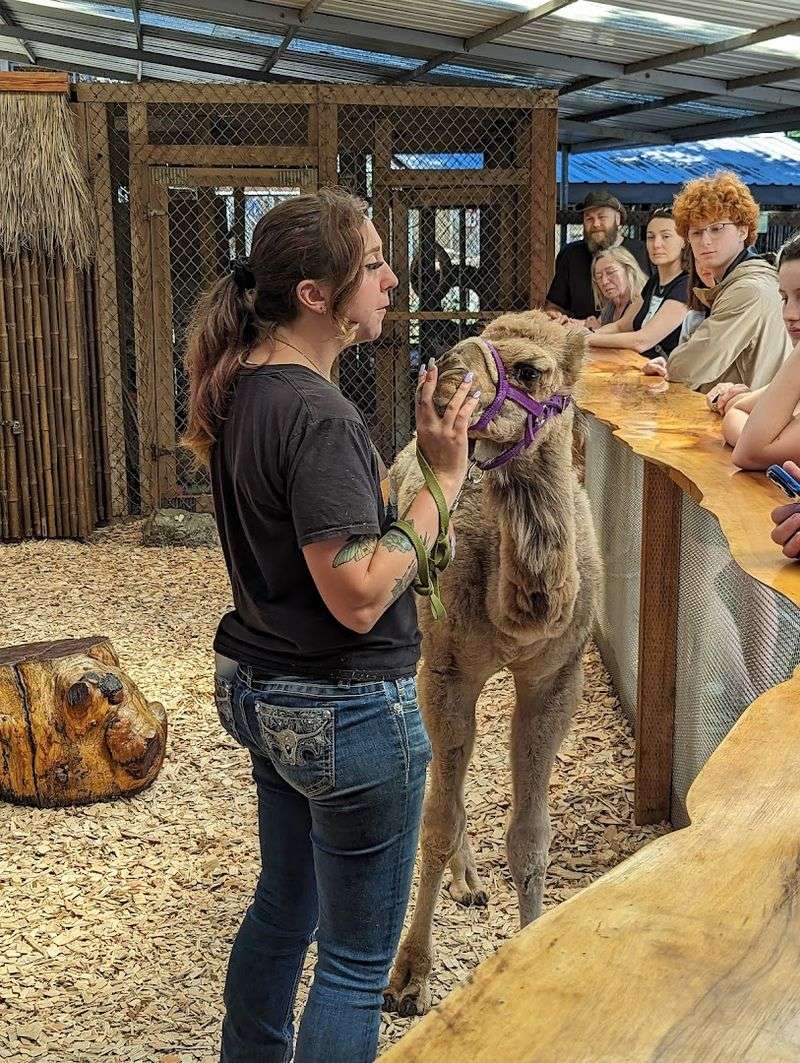
One of the most talked-about features at the park is the nursery animal program, where very young animals are brought out for hands-on encounters with guests. Baby camels, serval kittens, fox cubs, and bear cubs have all made appearances, depending on the season and what has recently been born at the park.
These encounters happen on a rotating schedule and are not always guaranteed, which makes them feel like a genuine bonus when they do happen. Visitors who time their arrival right sometimes get to hold or pet animals that most people only ever see in nature documentaries.
The experience of holding a two-month-old camel, for example, is oddly moving. They are all long legs and curious eyes, and they have absolutely no concept of how unusual the moment is for the humans around them.
It is worth calling ahead or checking the website before your visit if the nursery animals are a priority for your group. The park staff can usually give a general sense of what is available on a given day, and planning around that can make the whole trip feel more intentional and rewarding.
George the Chimpanzee and Other Memorable Residents
Ask a long-time visitor what they remember most about the park, and there is a good chance the answer involves George. The chimpanzee has been a fixture at West Coast Game Park Safari for years and has developed something of a fan base among repeat visitors who make the trip specifically to see him.
Primates are remarkably good at recognizing individual people, and George apparently lives up to that reputation. Some guests who have visited multiple times report that he seems to react differently to familiar faces, which is both endearing and slightly humbling when a chimpanzee appears to know you better than some of your coworkers do.
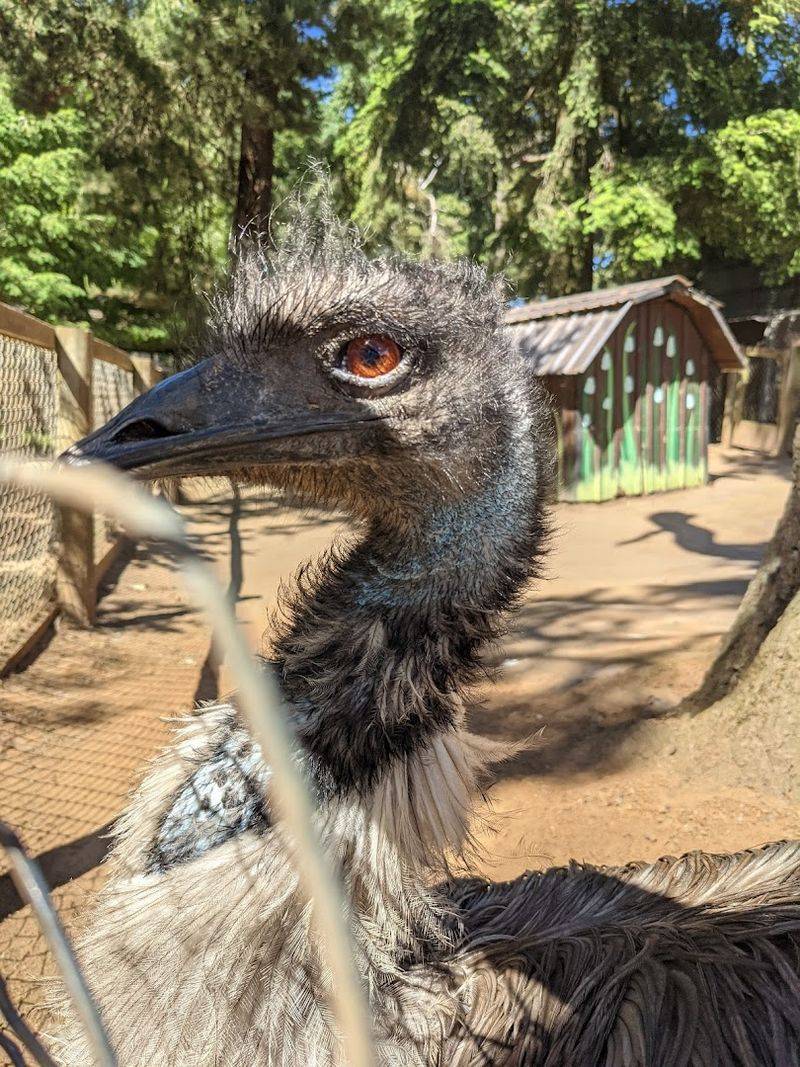
Beyond George, the park houses capybaras, emus, raccoons, foxes, and a variety of birds that add texture and diversity to the overall experience. The capybaras, which are the world’s largest rodents, tend to draw equal parts fascination and confusion from visitors who have never seen one before.
Every animal at the park has its own personality, and the staff members who work with them daily are often the best source of stories. A quick conversation with a handler can turn an ordinary stop into something genuinely memorable.
Feeding Time: The Food Cones and What to Expect
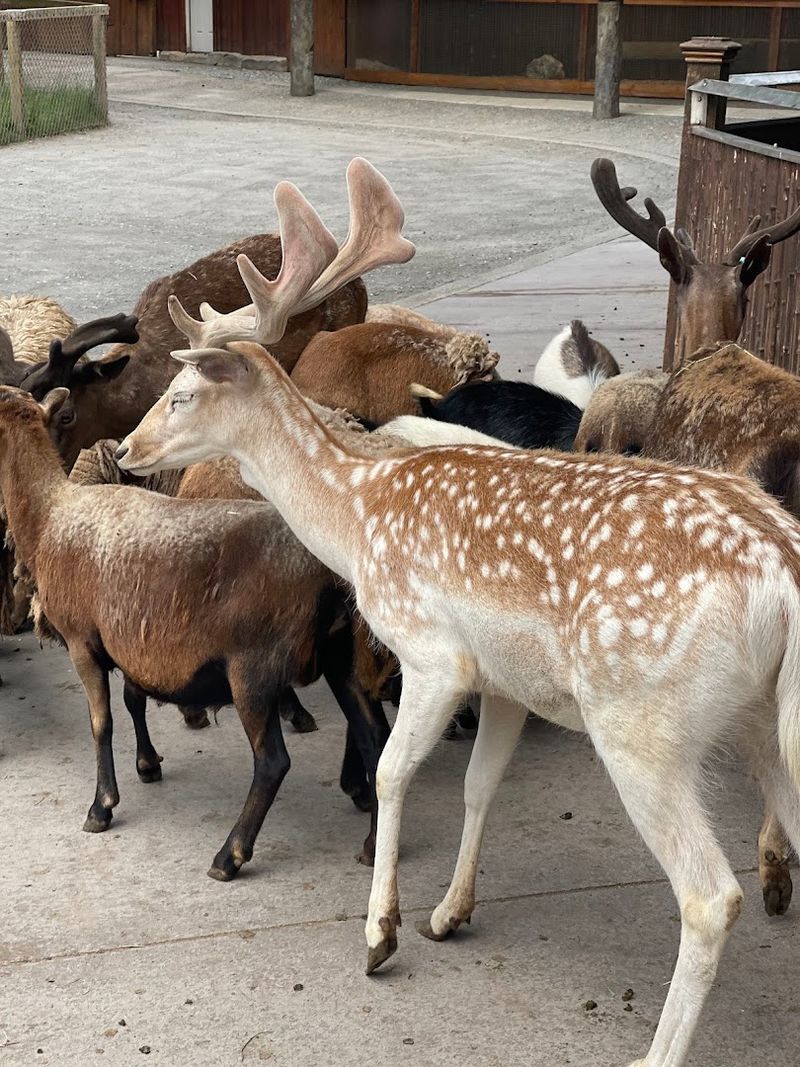
The food cones sold near the park entrance are small cardboard containers filled with feed pellets, and they are essentially a golden ticket to becoming the most popular person in any given section of the park. Animals that have been living here their whole lives know exactly what those cones mean.
The deer are enthusiastic but relatively polite about it. The goats are a different story.
They operate with the kind of focused energy that suggests they have a strategy, and that strategy involves getting to the food before anyone else does.
For young children, the experience of being surrounded by animals eager to eat from their hands is thrilling and occasionally a little chaotic. Parents should be ready to step in if the crowd of animals gets too intense, though most kids find it hilarious once the initial surprise wears off.
Buying one cone per person tends to work well for families. Having food makes the roaming animals far more interactive and gives kids a tangible way to connect with the experience.
Running out of food does not mean the animals lose interest immediately, but it does speed up the transition to polite indifference.
The Bears and Their Surprisingly Entertaining Personalities
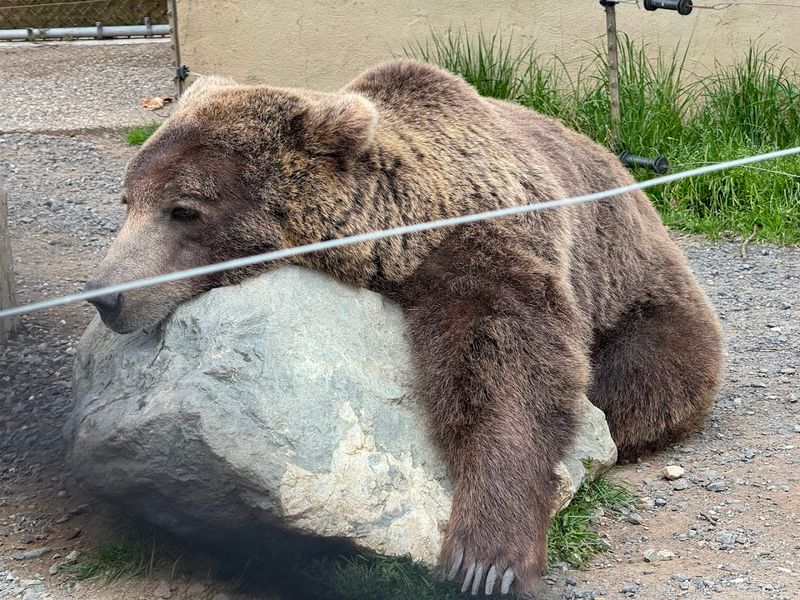
Bears have a way of commanding attention even when they are doing very little, and the bears at West Coast Game Park Safari have apparently figured this out. During feeding demonstrations, they perform tricks in exchange for treats, and the combination of their size and their enthusiasm for snacks makes for a genuinely entertaining show.
The demonstrations are informal and feel more like a conversation between the handler and the bear than a rehearsed performance. Staff members explain the animal’s background, its habits, and what it takes to care for a bear in a park setting, which adds an educational layer to what is already a visually impressive experience.
Outside of feeding time, the bears tend to patrol their enclosures with a purposeful energy. They are curious animals, and they often react to visitors in ways that feel almost interactive, turning their heads, sitting up, or pressing close to the fence when something catches their attention.
Watching a bear do tricks for a piece of food is one of those moments that lands differently in person than it does in a video. The scale of the animal, the sounds it makes, and the casual confidence of the handler all combine into something worth seeing.
A Word on the Park’s Setting and Overall Atmosphere
The park does not feel like a zoo in the conventional sense. There is no sleek architecture or manicured landscaping.
The paths are informal, the signage is practical rather than decorative, and the whole place has a lived-in quality that reflects decades of continuous operation.
That informality is part of what makes it feel different from larger, more polished wildlife attractions. There is a sense that the animals are genuinely at home here, and that the humans are visitors in their space rather than the other way around.
The coastal Oregon setting adds its own character. The air tends to be cool and slightly damp even in summer, the trees are dense, and the light filters through in a way that makes the whole property feel a little otherworldly.
It is not uncommon to hear the distant sound of the ocean while a peacock struts past you on a gravel path.
The gift shop near the exit carries a solid selection of animal-themed souvenirs, toys, and clothing, and it is a reliable last stop for families who want to bring something home from the experience. The staff throughout the park tend to be friendly and willing to share information.
Tips for Planning Your Visit
A few practical details can make a meaningful difference in how the visit goes. The park is open most days, but hours can vary by season, so checking the website at westcoastgameparksafari.com or calling ahead at +1 541-347-3106 before making the drive is a smart move, especially if you are traveling from a distance.
Morning arrivals tend to work better for families with younger children. The animals are more active, the crowds are thinner, and there is more time to catch any scheduled animal encounters without feeling rushed.
Midday on weekends can get busier, particularly during the summer travel season along the Oregon coast.
Ticket prices have increased over the years, and the cost for a family can add up, so checking the current pricing directly with the park rather than relying on third-party listings is recommended. The website has occasionally had outdated pricing, so a quick phone call removes any uncertainty before you arrive.
Bring layers regardless of the season. The Oregon coast has a habit of shifting from warm and sunny to cool and overcast within an hour, and being comfortable makes the difference between a leisurely walk and a rushed one.
Comfortable, closed-toe shoes are genuinely non-negotiable.
Why This Place Stays With You Long After You Leave
There is something about being physically close to wild animals that no photograph or documentary fully captures. The warmth of a deer pressing its nose into your hand, the sound of a tiger moving in its enclosure just a few feet away, the completely unhinged energy of a goat that has spotted your food cone from across the path: these are sensory experiences that stay with people for years.
Many visitors to West Coast Game Park Safari are repeat guests who first came as children and now bring their own families. That generational pull says something real about what the park offers.
It is not a perfect place, and it comes with the honest imperfections of any small, independently operated wildlife facility.
What it does offer is access. Access to animals, to information, to moments of connection that feel rare in ordinary life.
A child who gets to pet a baby fox or watch a bear stand up for a treat walks away with something that no classroom lesson quite replicates.
The drive along Highway 101 is beautiful on its own, but stopping at this particular address on the Oregon coast turns a road trip into something that earns its own chapter in the story of the journey.
Share this story