There is a place in Iowa where you can walk across the floor of an ancient ocean that vanished 375 million years ago. No passport required, no long flight, and no expensive tour guide needed.
A short drive from downtown Iowa City leads you to a rocky gorge where coral reefs, shells, and sea creatures are frozen in stone right beneath your feet. The whole experience feels like cracking open a time capsule that nature buried long before humans ever existed, and the best part is that it is completely free and open every single day of the year.
Finding the Gorge: Location and Access
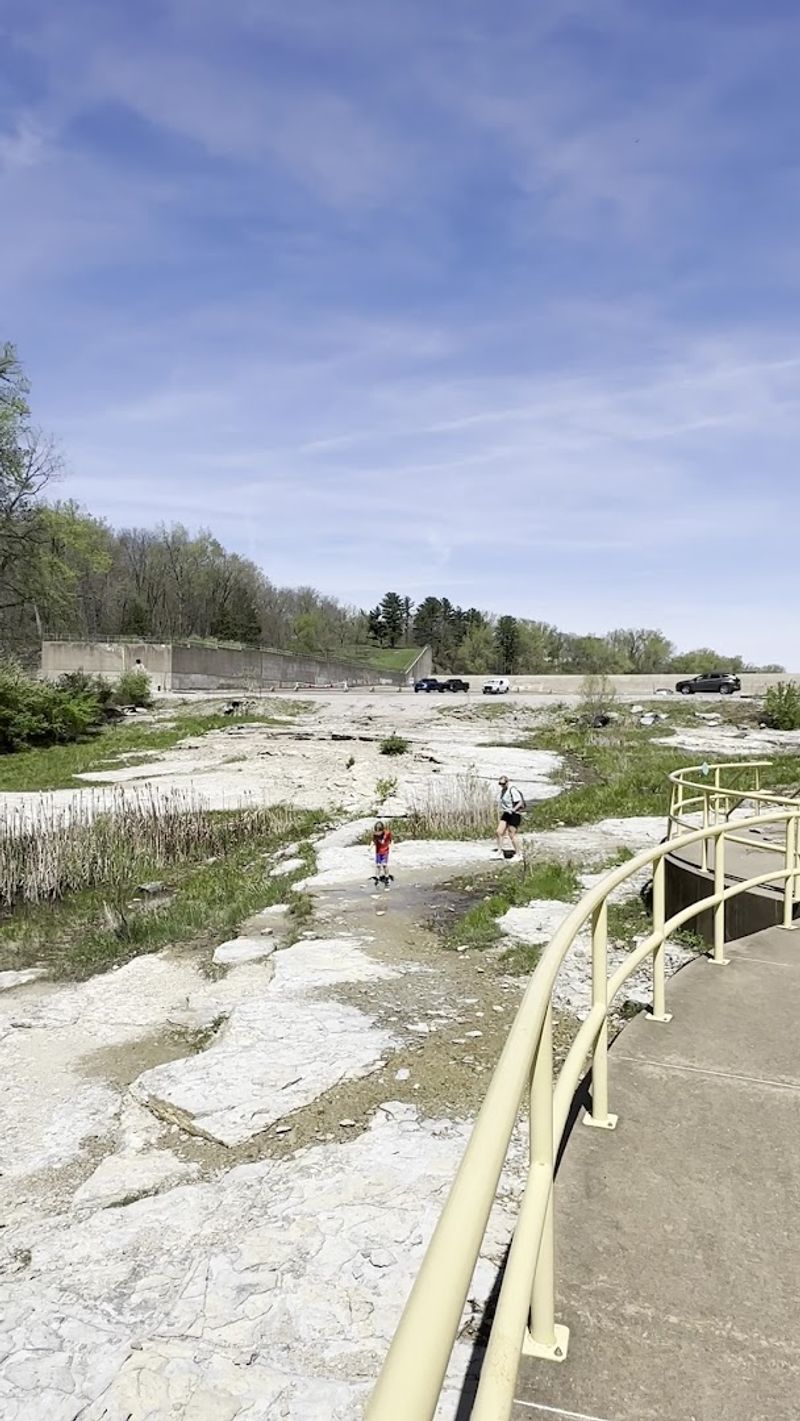
Right off Prairie Du Chien Road NE in Iowa City, Iowa, the address 2850 Prairie Du Chien Rd NE, Iowa City, puts you right at one of the most geologically remarkable free attractions in the entire Midwest.
The gorge sits just below the Coralville Lake spillway, managed by the U.S. Army Corps of Engineers.
Getting there is straightforward, and the parking area is spacious enough to accommodate cars, trucks, and even larger rigs without much trouble.
The site is open 24 hours a day, seven days a week, every single day of the year. Whether you show up on a warm summer afternoon or a crisp November morning, the ancient rocks are always waiting.
Leashed dogs are welcome, making it a great outing for the whole family, four-legged members included.
375 Million Years of History Under Your Feet
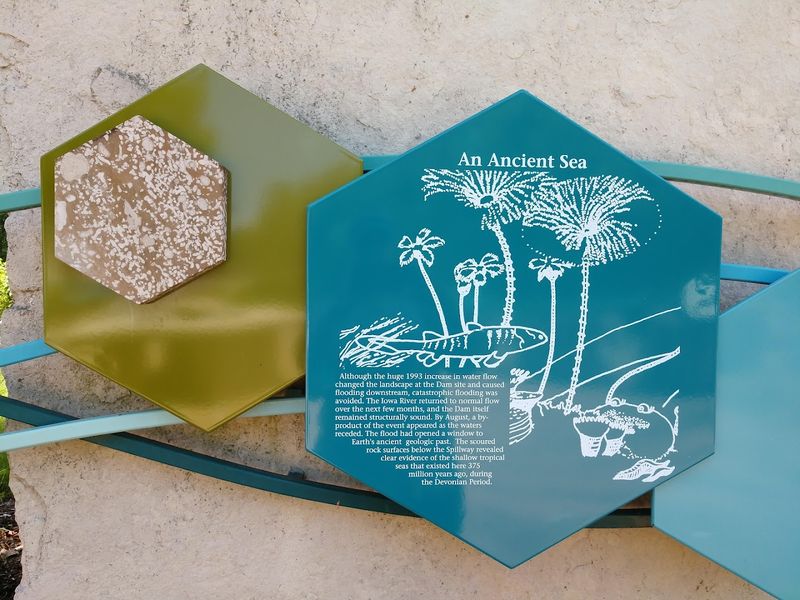
Long before Iowa was farmland, it sat beneath a warm, shallow tropical sea teeming with marine life. That was during the Devonian Period, roughly 375 million years ago, when the region we now call the Midwest was located near the equator.
The creatures that lived in that ancient ocean, corals, brachiopods, crinoids, and bryozoans, sank to the seafloor when they passed on and were slowly preserved in layers of sediment that hardened into rock over millions of years.
What makes this gorge so special is that those rock layers are now exposed at the surface, completely accessible to anyone willing to crouch down and take a closer look. You are not looking at a museum replica or an artist’s reconstruction.
These are the real, original remains of an ocean world that existed before dinosaurs ever roamed the earth.
How the Floods Uncovered the Ancient Ocean Floor
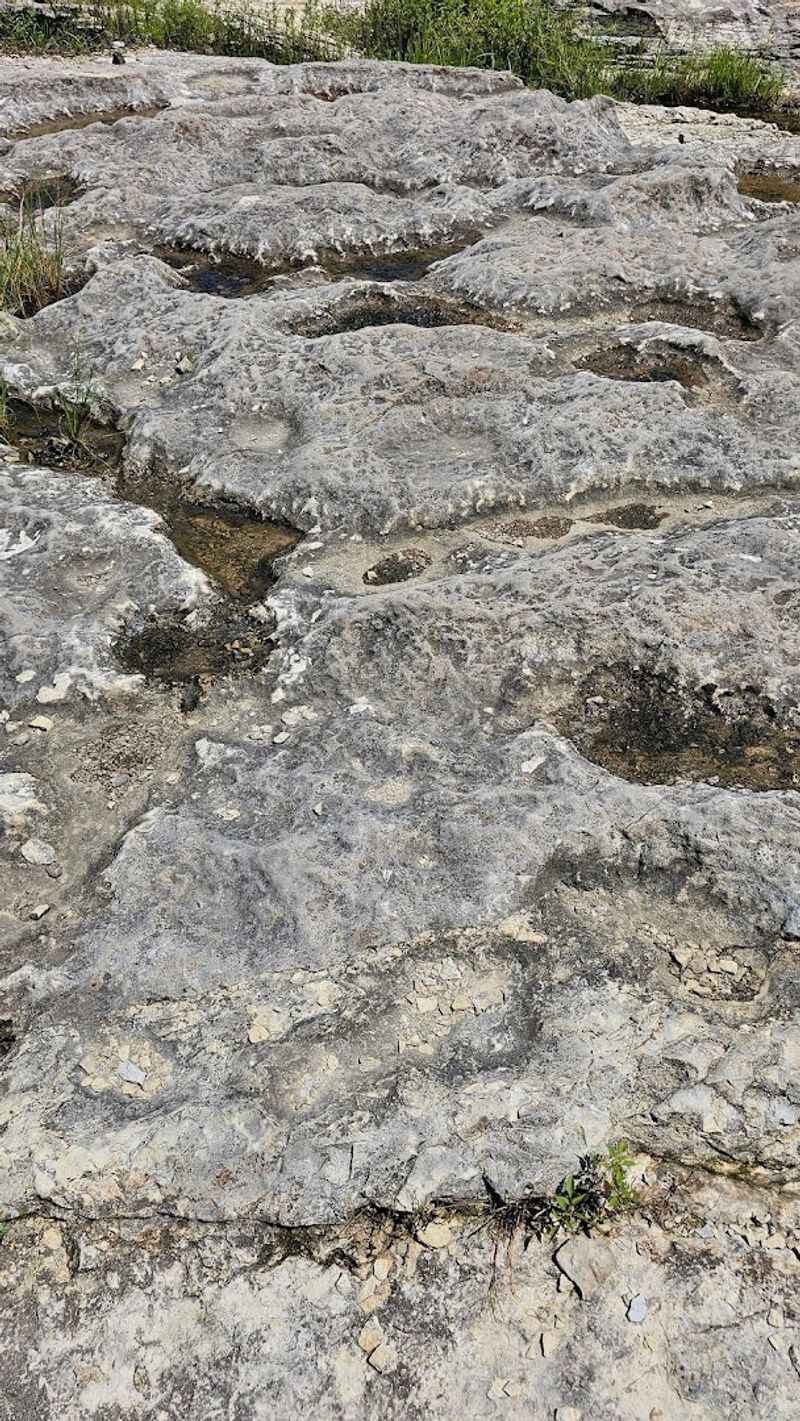
Nature did the excavating work here, and it did so dramatically. The major floods of 1993 and 2008 sent enormous volumes of water rushing over the Coralville Lake spillway, stripping away layers of soil and softer rock that had covered the fossil bed for centuries.
What the floodwaters left behind was a broad, flat expanse of ancient limestone packed with marine fossils sitting right at the surface. Before those floods, most of this prehistoric ocean floor was buried and invisible.
The 1993 flood was particularly powerful, and the 2008 event deepened and widened the exposed area even further.
It is genuinely remarkable to think that a natural disaster ended up creating one of Iowa’s most fascinating outdoor attractions. The gorge stands as a reminder that the earth is always reshaping itself, sometimes slowly over millions of years, and sometimes in a single catastrophic weekend of rain.
What Fossils You Can Actually See
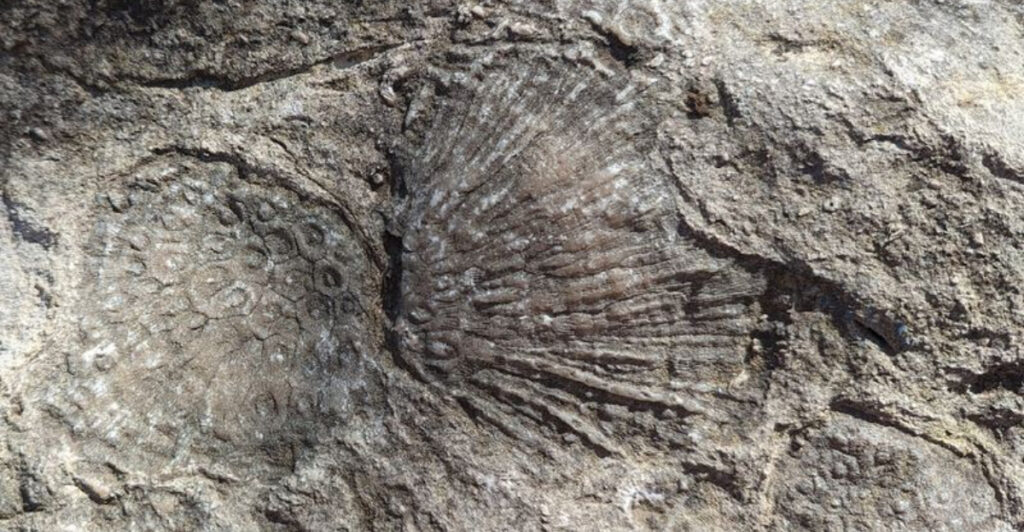
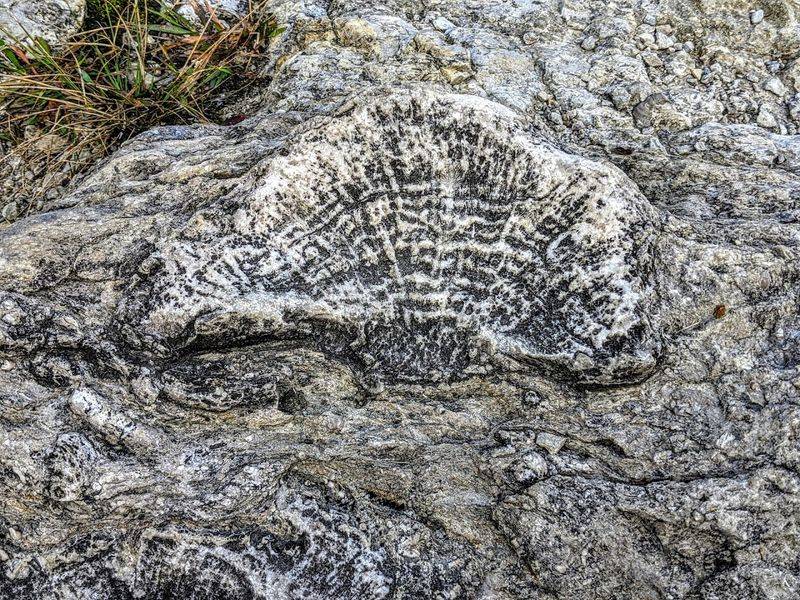
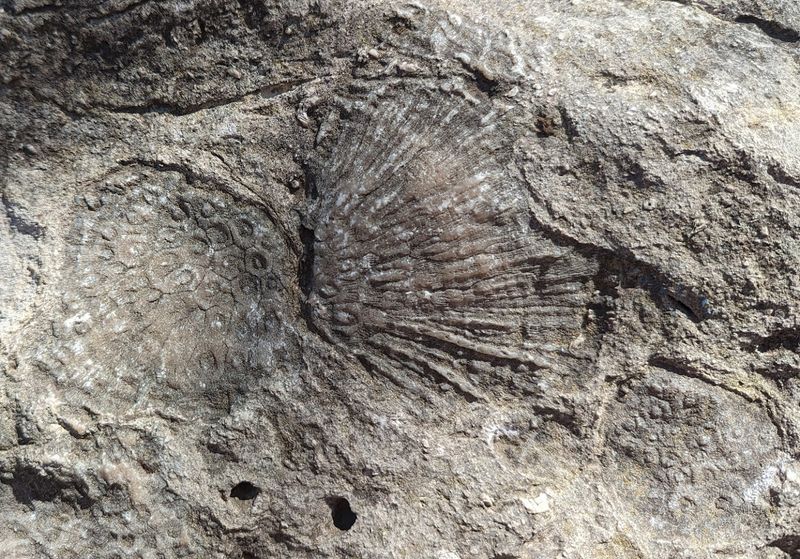
The fossils at this gorge are not the giant dramatic skeletons you might picture from a natural history museum. These are the remains of a tropical sea ecosystem, so you are looking at corals, brachiopods, crinoids, and bryozoans preserved in the rock surface.
Corals appear as rounded, circular patterns in the stone, sometimes resembling honeycomb shapes. Brachiopods look like small, ribbed clamshells.
Crinoids, sometimes called sea lilies, leave behind disc-shaped segments that look almost like stacked coins pressed into the rock.
The key to spotting them is getting close. Walking casually across the gorge surface, you might miss most of what is there.
But once you crouch down and really study the rock, the fossils seem to multiply before your eyes. The deeper into the gorge you venture, the more concentrated and impressive the fossil displays tend to become.
The Guided Trail and Numbered Markers
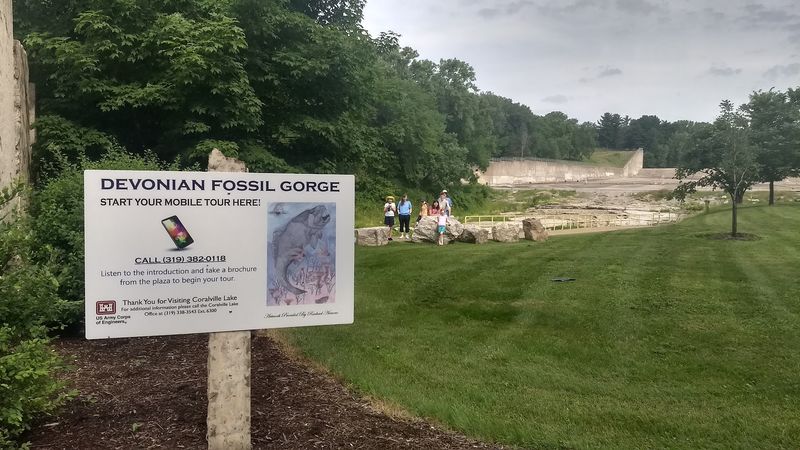
A self-guided trail with numbered markers winds through the gorge, giving visitors a structured way to explore the site without needing a tour guide or a geology degree. Each marker corresponds to a specific feature or fossil type, helping you understand exactly what you are looking at.
Informative placards are placed throughout the area, explaining the Devonian Period, the types of marine creatures preserved in the rock, and the geological forces that shaped the gorge over time. These signs are written clearly enough for kids to follow along, which makes the trail genuinely educational rather than just a scenic walk.
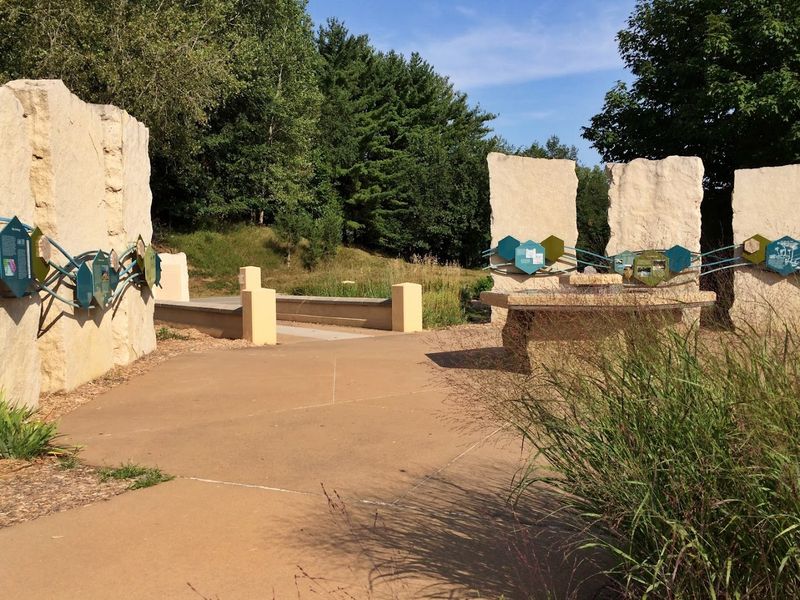
There are also viewing plazas with seating areas where you can sit, rest, and take in the surroundings at a comfortable pace. The trail is not long or physically demanding, making it accessible for most ages and fitness levels, though the rocky terrain does require solid footwear.
Tips for Visiting With Kids
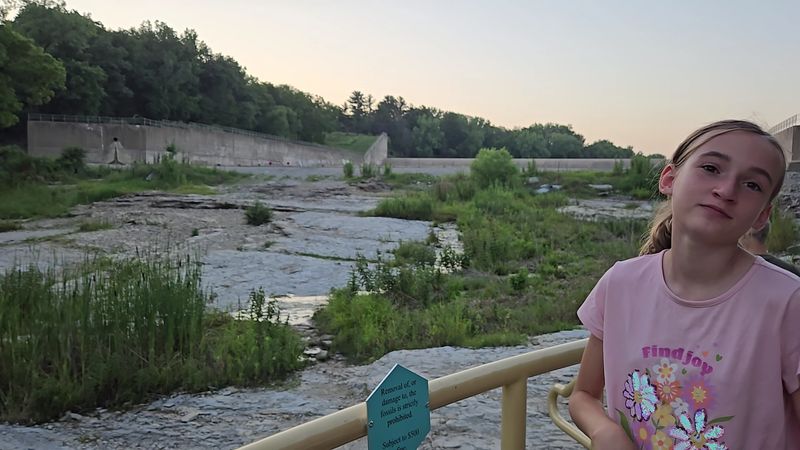
Few outdoor spots in Iowa keep kids genuinely engaged the way this gorge does. There is a natural treasure-hunt quality to scanning the rock surface for fossils, and children tend to get completely absorbed in the search once they spot their first coral or shell impression.
Bringing a sketchbook and pencils is a clever idea that many families have enjoyed. Kids can sketch the fossil shapes they find, which turns the visit into a hands-on art and science activity at the same time.
Even adults find themselves happily sketching along.
Toddlers and young children manage the terrain surprisingly well, since much of the gorge surface is relatively flat. Little puddles that form in the rocky depressions are an added bonus for the splash-happy crowd.
The most important rule to pass along to kids is simple: look at everything, but take nothing home with you.
Leave the Fossils Where They Belong
Every fossil at this gorge has been sitting in that exact spot for hundreds of millions of years, and the site depends on every visitor choosing to leave it that way. Removing fossils is not just frowned upon here, it is prohibited, and for very good reason.
When people take fossils home, the site loses a little more of its character with each visit. Over time, the removal of even small pieces adds up to a significant loss for future visitors, including children and grandchildren who have not been born yet.
The gorge only works as a public treasure if everyone treats it as one.
The most respectful and rewarding way to remember what you saw is through photographs, sketches, or simply the memory of crouching down and recognizing a 375-million-year-old coral for the very first time. That experience is yours to keep, and it does not weigh down your backpack either.
Accessibility Features at the Site
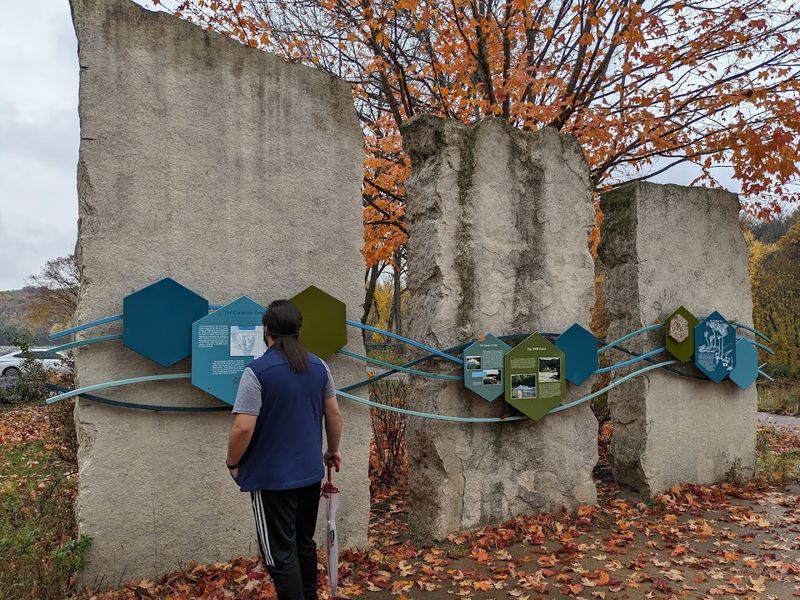
Accessibility at this site is worth knowing about before you plan your visit. Near the parking lot, there is a dedicated accessible section featuring shale that can be reached without navigating the uneven rocky terrain of the main gorge.
This area includes informational displays and a few large boulders along the walkway where fossils are visible without requiring visitors to step down onto the gorge floor. It is a thoughtful feature that ensures the site’s educational value is available to people with mobility limitations.
Beyond the accessible section, the gorge itself involves walking across uneven rock surfaces that can be slippery when wet, so sturdy shoes with good grip are genuinely important. There is also a wide, paved path along the river at the far end of the site that offers a smooth, pleasant walk with scenic views and is easy for most visitors to enjoy comfortably.
Wildlife You Might Spot Along the Way
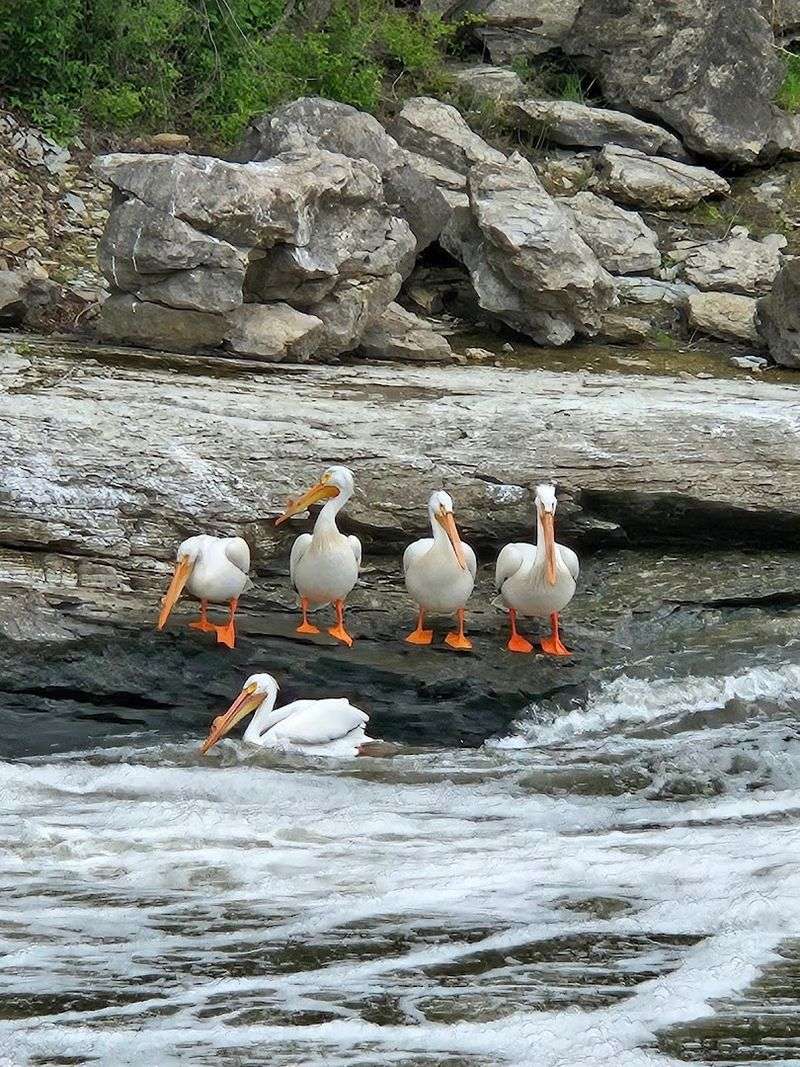
The fossils are the headline act here, but the living wildlife at the site adds a whole extra layer of enjoyment to any visit. The area around the gorge and the adjacent river trail is surprisingly rich with animals going about their daily routines.
Deer are commonly spotted near the entrance road, especially in the early morning or late afternoon. Cardinals, woodpeckers, and various songbirds move through the trees along the trail.
Painted turtles sun themselves on rocks near the water, and frogs can be found hopping through the small puddles and ponds that form in the rocky depressions of the gorge itself.
The wildflowers along the river path are genuinely beautiful during warmer months, adding bursts of color to an already scenic setting. Keep your eyes moving in all directions here, because the gorge rewards curiosity whether you are looking down at 375-million-year-old rock or up at a passing red-tailed hawk.
Best Times to Visit the Gorge
The gorge is open around the clock every day of the year, which means you have a lot of flexibility when planning your visit. That said, some times are noticeably better than others depending on what kind of experience you are after.
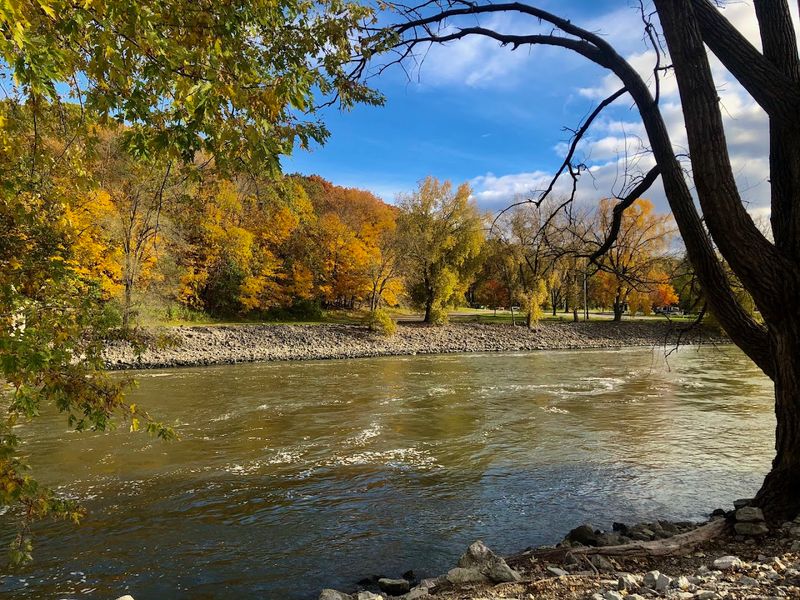
Spring and early summer bring lush greenery and active wildlife, though the gorge surface can be wet and slippery after rain. Late summer and fall tend to offer drier rock surfaces that are easier to walk across, and the autumn foliage along the river trail is genuinely worth the trip on its own.
Winter visits are possible and can actually be quite peaceful, with fewer crowds and a quiet, almost otherworldly atmosphere across the rocky terrain. One visitor made the trip on an unseasonably warm February Sunday and ended up staying for an hour and a half longer than originally planned.
Good boots and dry conditions are the main things to watch for year-round.
The River Trail and Scenic Views
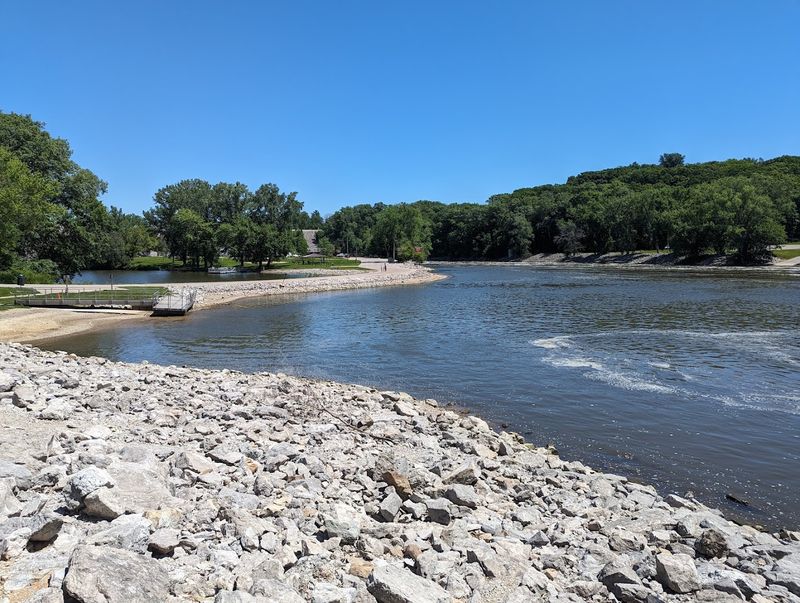
At the far end of the gorge, the terrain opens up into a wide, paved path that runs alongside the Iowa River. This section of the visit feels like a completely different experience from the rocky fossil hunting area, and it is a welcome change of pace after spending time crouching and scanning stone surfaces.
The river views here are genuinely calming. The path is smooth and easy to walk, lined with trees that provide good shade on warm days.
It connects the fossil area to the broader natural landscape of the Coralville Lake recreation zone, giving the whole visit a sense of flow from ancient geology to living wilderness.
The combination of the gorge and the river trail means a visit here can easily fill two hours without anyone running out of things to look at. Bring water, comfortable shoes, and a willingness to slow down and notice small details along the way.
Nearby Campground and Overnight Options
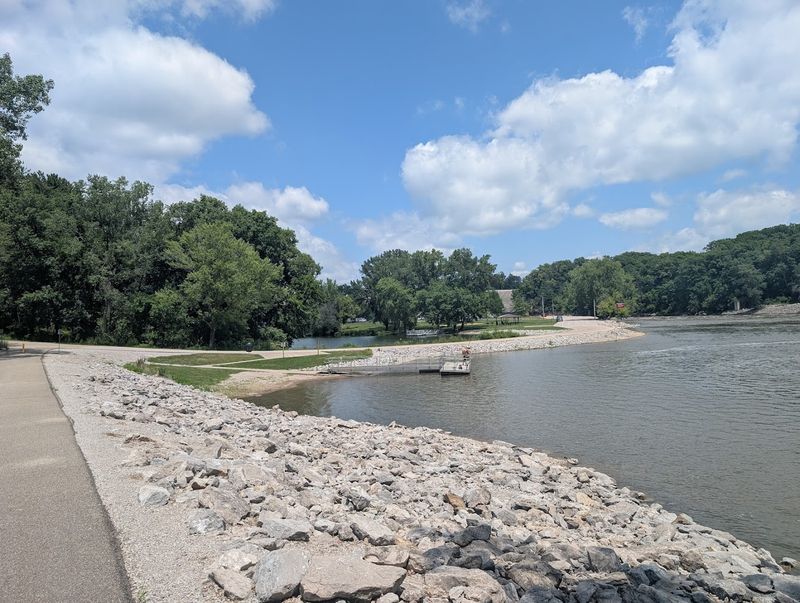
The Devonian Fossil Gorge sits right next to a campground that is part of the broader Coralville Lake recreation area managed by the U.S. Army Corps of Engineers.
For visitors who want more than just a quick afternoon stop, spending the night nearby is a genuinely appealing option.
The campground puts you within easy walking distance of the gorge, which means you can visit at quieter times like early morning or just before sunset when the lighting is softer and the crowds are thinner. Larger vehicles and RVs have plenty of parking space at the gorge itself, and the campground accommodates overnight stays for those with rigs of various sizes.
Bathroom facilities near the campground vary by season, so it is worth checking conditions before your visit, particularly in late fall when water is sometimes turned off. Planning a full weekend around the gorge, the river trail, and the campground makes for a well-rounded outdoor adventure.
Pairing Your Visit With the University of Iowa Museum of Natural History
Before heading out to the gorge, a stop at the University of Iowa Museum of Natural History in Iowa City is one of the best ways to set the scene for what you are about to see. The museum is free to visit and houses exhibits on prehistoric life, Iowa geology, and the Devonian Period specifically.
One of the highlights currently undergoing renovation is the skull of a large prehistoric fish that once swam in the same ancient sea whose floor you can walk across at the gorge. Seeing that fossil skull in a museum context and then standing on the actual seafloor where similar creatures lived makes for a genuinely powerful back-to-back experience.
The museum visit is especially valuable for kids who might otherwise struggle to connect the rocky gorge surface to a living ocean ecosystem. A little context goes a long way, and the museum provides it in an engaging, easy-to-follow format that works for all ages.
Share this story