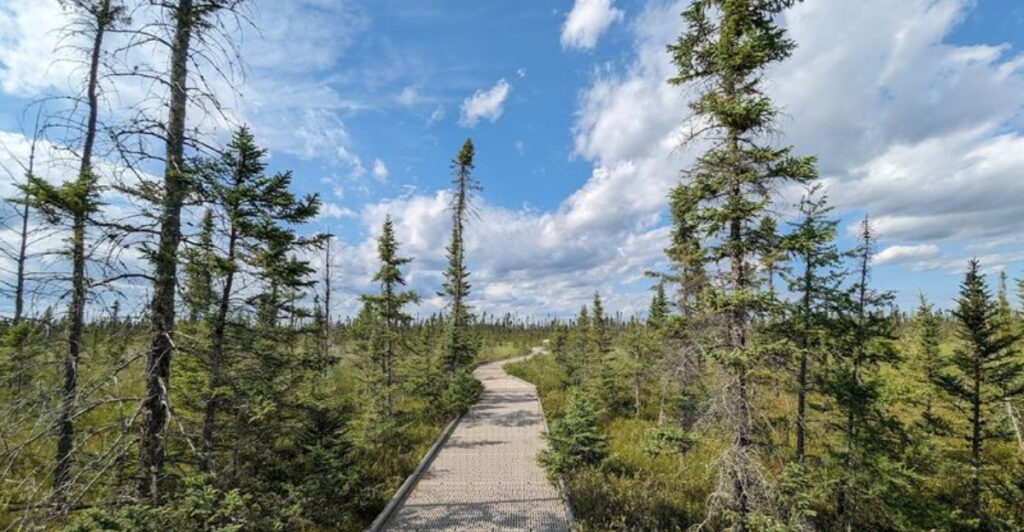
There is a place in northern Minnesota where the landscape looks like it belongs on another planet. A mile-long boardwalk floats above the largest peat bog in the lower 48 states, surrounded by spindly tamarack trees, carnivorous plants, and red moss that seems to glow.
The air is different here, the silence is real, and the whole experience feels completely unlike anything else in the Midwest. From canoeing a slow river to climbing a historic fire tower with sweeping views of Red Lake, this recreation area packs in far more than most people expect.
Whether you are a first-time visitor or someone who has been coming back for years, the Southern Unit of this remarkable state park rewards every trip with something new to discover, and this article will walk you through exactly what makes it so worth the drive.
What Makes This Place Feel So Unusual
Most state parks feel familiar. You get trees, trails, maybe a lake, and a campground.
Big Bog State Recreation Area Southern Unit, at 55716 MN-72 in Waskish, Minnesota, breaks that pattern in the best way possible.
The Southern Unit serves as the base camp for the whole experience, and it sits right along the Tamarac River with access to Upper Red Lake just across the road. The campground, visitor center, fire tower, and canoe rentals are all here.
About nine miles north, the Northern Unit holds the famous bog boardwalk, which is the feature that truly sets this place apart from every other park in the state. The two units work together to create one of the most varied and genuinely surprising outdoor experiences in Minnesota, and the Southern Unit is where the adventure begins.
The Campground Along the Tamarac River
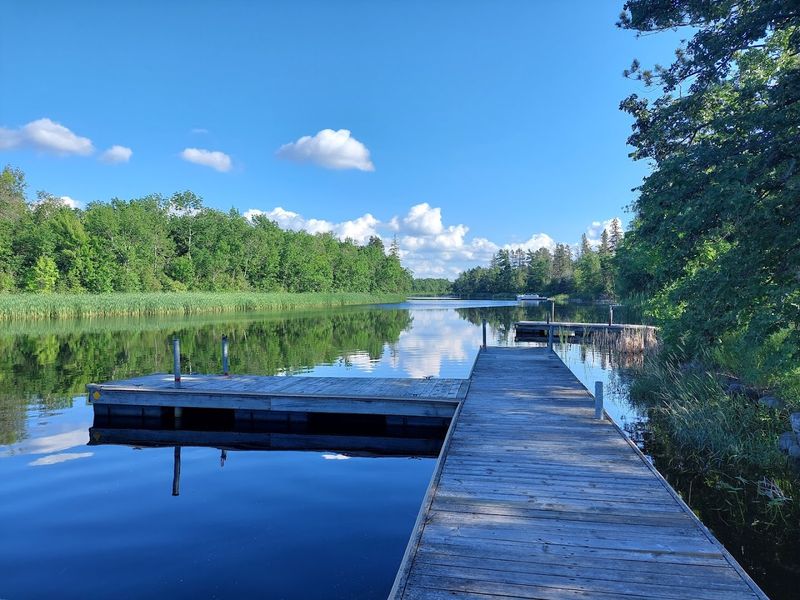
Pulling a camp chair up next to the Tamarac River at dusk is one of those low-key pleasures that sneaks up on you. The campground at the Southern Unit has a mix of electric sites, riverfront spots with boat docks, and a few camper cabins that sleep up to six people comfortably.
The riverfront sites are compact and close together, so if privacy is your top priority, they may not be the right fit, especially on a busy summer weekend. The electric sites away from the water tend to offer a bit more breathing room.
One unexpected highlight: a doe has been spotted wandering through campsites, calmly snacking on acorns like she owns the place. The bathrooms are kept very clean, the showers are small but functional, and there is a fish cleaning station on site for anyone who has had a good day on the water.
The Camper Cabins Worth Booking Early
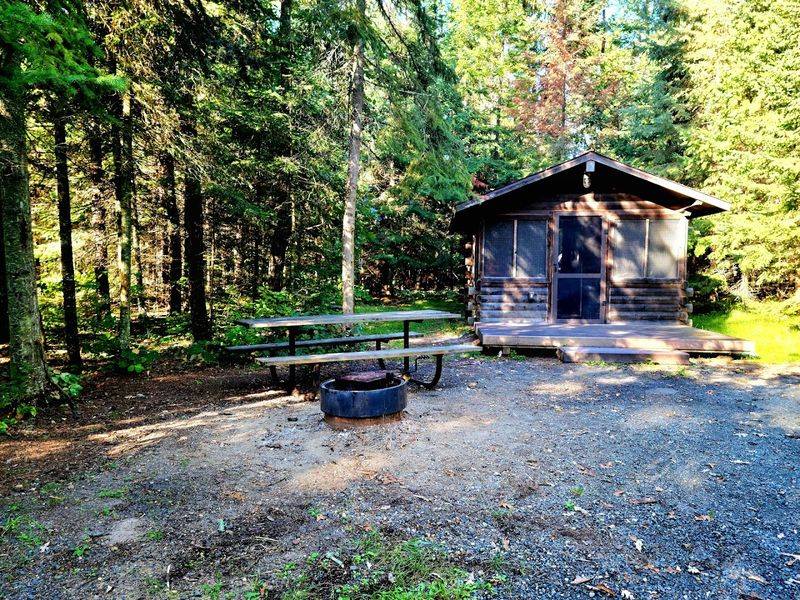
The camper cabins at the Southern Unit have a loyal following, and it is easy to understand why. They are clean, well-maintained, and spaced far enough apart to give each group a sense of their own space, which is a real contrast to the tent sites nearby.
Each cabin sleeps up to six people and comes with an efficient heater that handles cold Minnesota nights without a problem. Visitors have stayed here in November and even over Thanksgiving weekend, finding the setup warm and surprisingly comfortable for a late-season trip.
The cabins sit within easy walking distance of Upper Red Lake, so a morning stroll to the water before breakfast is completely doable. Booking early is smart because these cabins fill up fast, particularly during summer weekends and fall foliage season when the whole park takes on a golden, otherworldly glow.
Upper Red Lake and the Sandy Beach
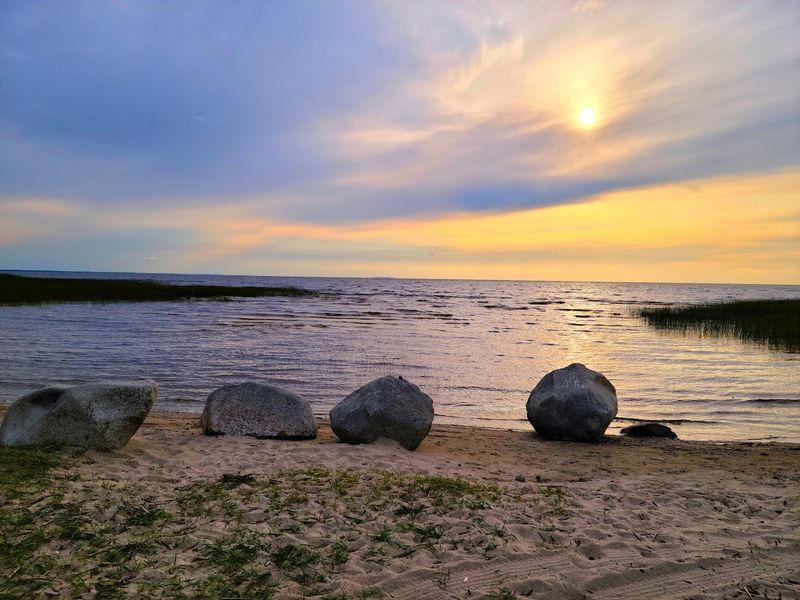
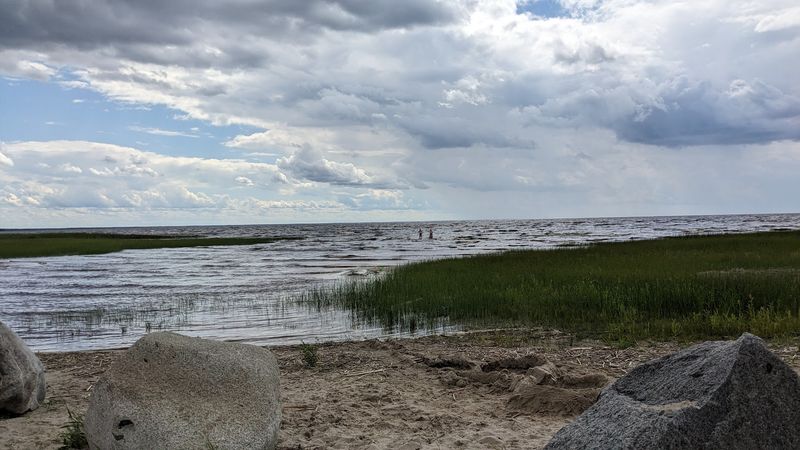
Right across the road from the visitor center, Upper Red Lake stretches out like a small inland sea. The beach area features soft sand that is genuinely pleasant underfoot, and the water is famously clear and calm on most days.
Wading in is easy because the shoreline stays shallow for a good distance, making it a comfortable spot for families with younger kids. The lake itself is massive, and on a clear day the far shore disappears into the horizon in a way that feels more like an ocean view than a Minnesota lake.
Fishing on Upper Red Lake is a big draw for the campground crowd, and a boat launch sits right inside the campground for easy access. The beach day use area across from the visitor center is perfect for a relaxed afternoon when you need a break from hiking or paddling.
The Fire Tower and Its Breathtaking Views
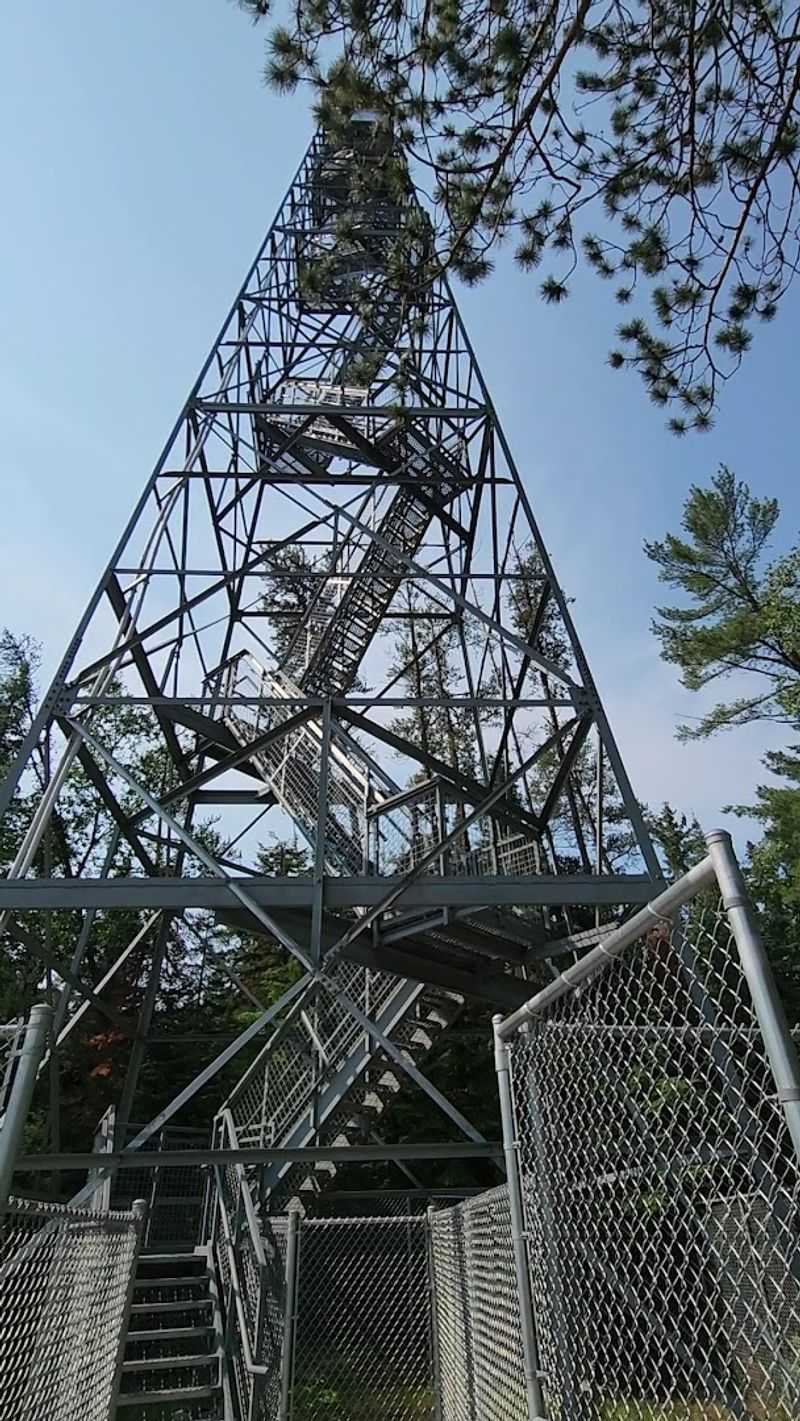
Climbing the fire tower at the Southern Unit is one of those experiences that sounds simple and turns out to be genuinely memorable. The tower stands about 100 feet tall and has 135 steps, which is a solid workout but absolutely worth every one of them.
From the top, the view opens up over Red Lake in a way that stops most people mid-sentence. The water spreads out below, the forest rolls on in every direction, and on a clear day the horizon seems impossibly far away.
The tower is free to climb and open to the public during park hours. Going up at dusk, when the light turns golden and the lake surface catches the last of the sun, makes for a moment that is hard to describe without sounding like you are overselling it.
Trust the process and climb the tower.
Canoeing and Kayaking on the Tamarac River
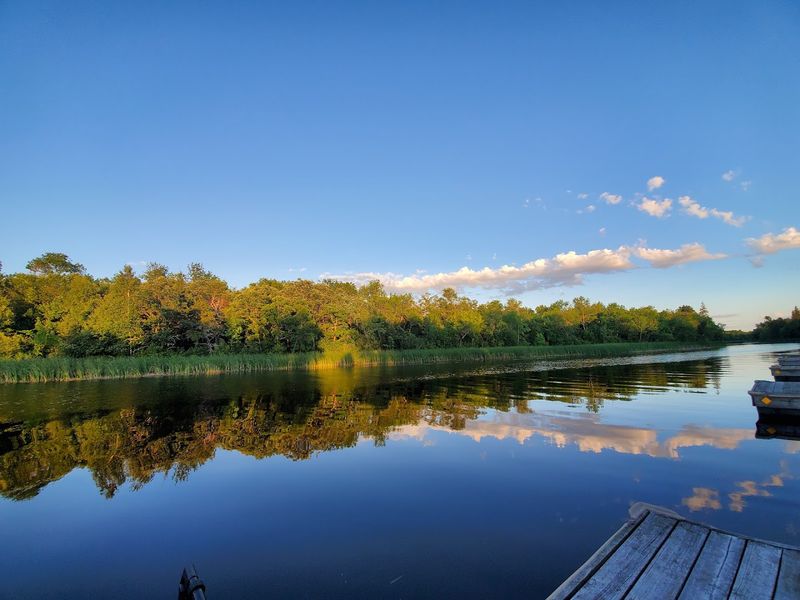
The Tamarac River moves slowly, which makes it ideal for beginners and for anyone who wants a peaceful float rather than a high-adrenaline paddle. Canoe rentals have been available through the park for around $15 for half a day, with paddles and life jackets included in that price.
The tamarack trees lining the riverbanks are a big part of the charm here. These unusual conifers turn bright gold in the fall before dropping their needles, which makes an autumn paddle especially striking.
Spring and summer paddles have their own appeal, with green reflections on the dark water and the occasional turtle sunning on a log.
First-timers who have never tried canoeing often find the Tamarac River to be a great introduction. The current is gentle, the scenery is quiet, and the whole experience has a slow, unhurried rhythm that feels like a genuine escape from the noise of everyday life.
The Mile-Long Bog Boardwalk Experience
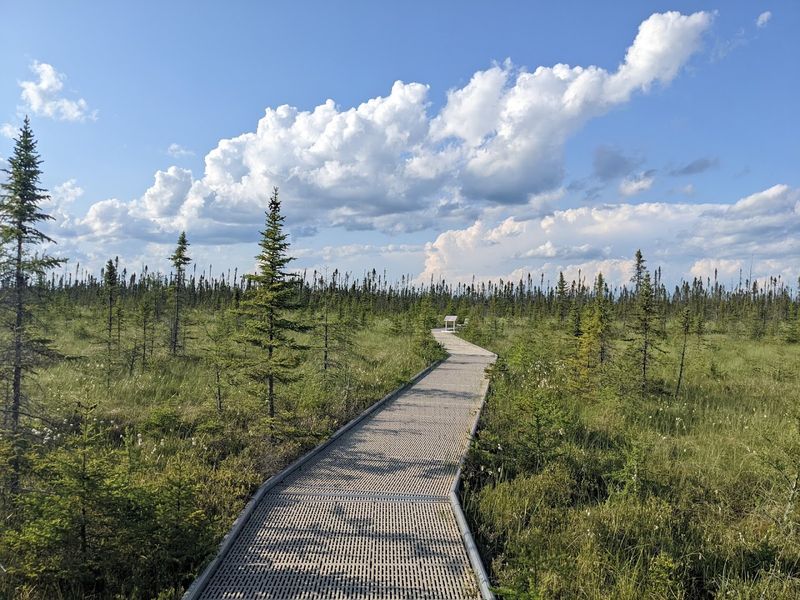
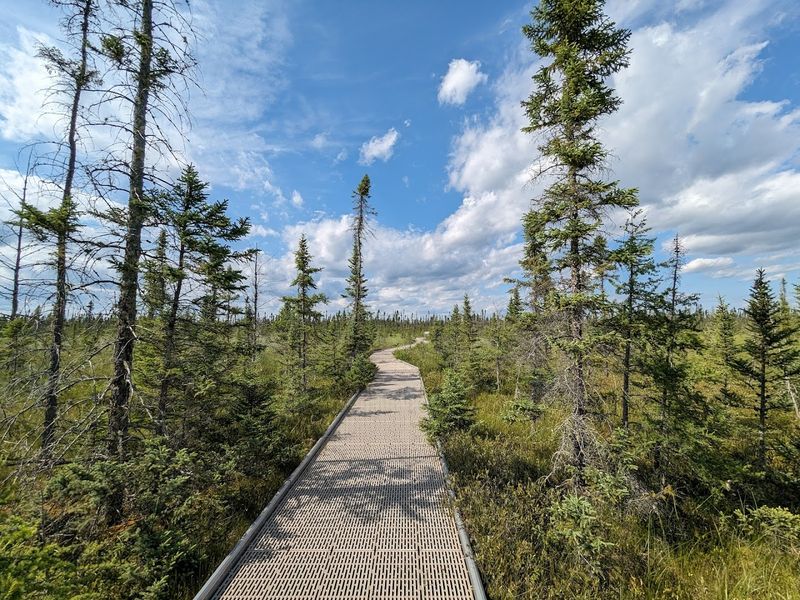
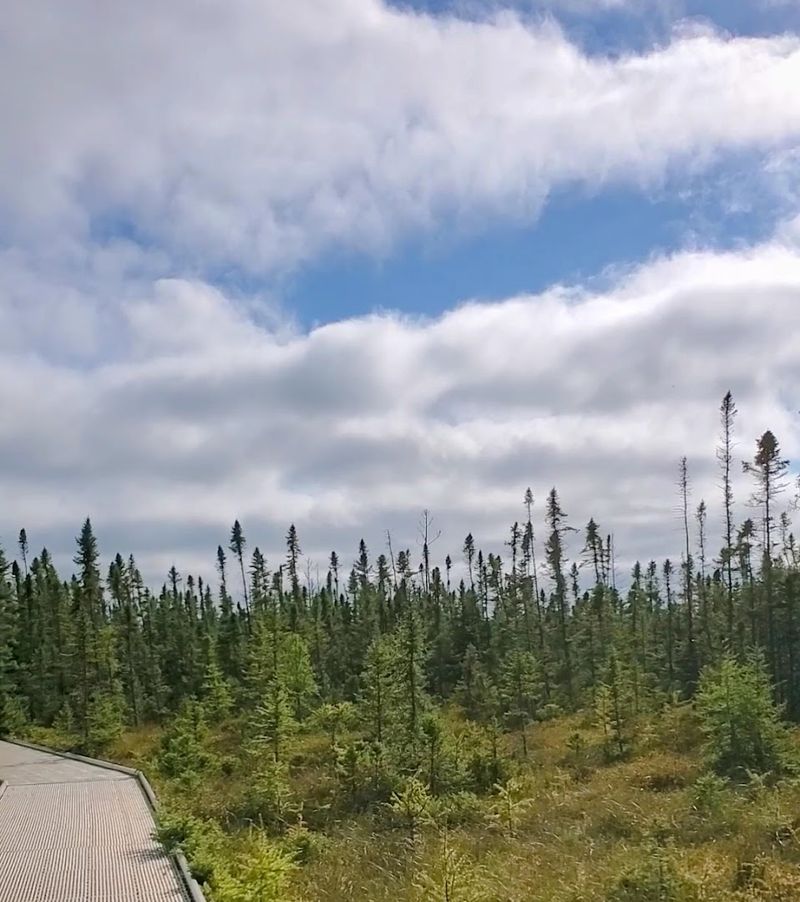
The boardwalk at the Northern Unit, about nine miles north of the Southern Unit, is the reason most people make the drive to this corner of Minnesota in the first place. It stretches for a full mile across the surface of the largest peat bog in the contiguous United States, and the landscape it crosses looks like nothing else in the country.
The bog is broken into sections by the boardwalk, which is elevated above the soft, spongy ground below. As the trees thin out toward the middle of the walk, the sky opens up and the whole environment takes on a quiet, almost eerie quality that visitors consistently describe as otherworldly.
The boardwalk itself is well-constructed and easy to walk, though the open sections offer very little shade. Bringing water and wearing sun protection is a genuinely good idea, not just a polite suggestion.
Carnivorous Plants and Rare Flora Along the Walk
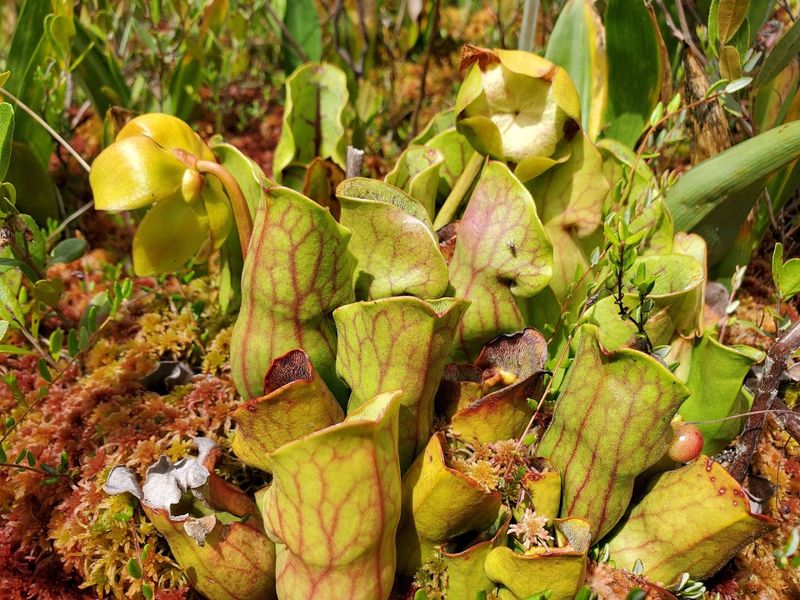
One of the most surprising things about the bog boardwalk is the plant life. The peat bog supports species that simply cannot survive in ordinary soil, and several of them are genuinely strange and fascinating up close.
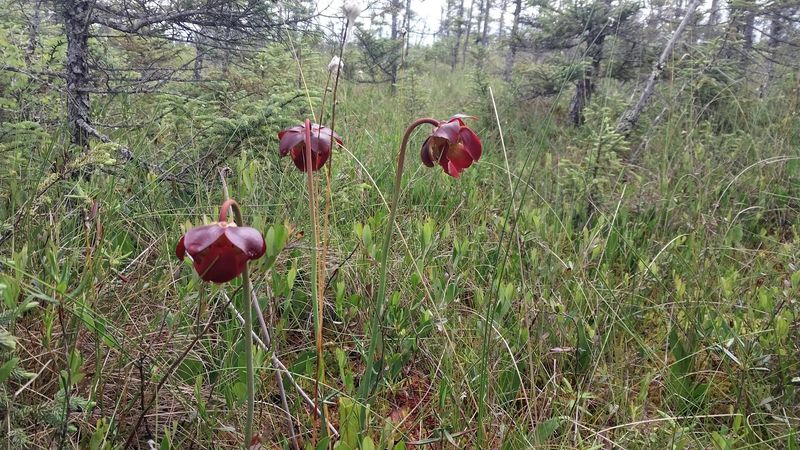
Pitcher plants are among the most talked-about residents of the bog. Their deep red tubular leaves collect rainwater and trap insects, making them one of the few carnivorous plants native to Minnesota.
Sundews are also present, though they require a close look to spot since they grow low to the ground and are easy to walk past without noticing.
Early spring is a particularly rewarding time to visit because the pitcher plants are just waking up and the sphagnum moss is at its most vivid green. Wild orchids have also been spotted along the boardwalk in season, adding a surprising elegance to an already remarkable landscape.
Best Time of Year to Visit
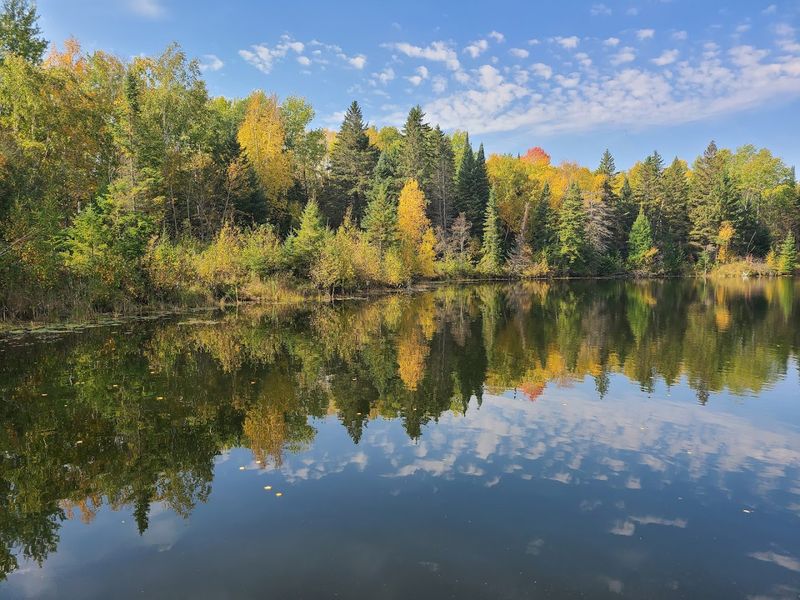
Timing a trip to Big Bog State Recreation Area takes a bit of thought because each season brings a very different experience. Fall is widely considered the best time for the boardwalk, and for good reason.
The tamarack trees turn a warm golden yellow in October before dropping their needles, and the mosquito and biting fly populations have dropped significantly by then. The combination of color, quiet, and manageable bugs makes autumn the most comfortable and visually rewarding time for the bog walk.
Early spring offers a different kind of reward: the pitcher plants are fresh and vivid, the moss is lush, and the park has not yet filled up with summer crowds. Summer visits are absolutely worthwhile but come with a serious bug warning, particularly near the boardwalk entrance where biting flies can be intense.
Covering exposed skin and bringing strong repellent is essential from June through August.
Bug Prep and What to Bring on the Boardwalk
The bog boardwalk is one of the most memorable walks in Minnesota, and a little preparation goes a long way toward making it enjoyable rather than miserable. The biting flies near the entrance can be relentless in summer, and they are not the kind of thing you can just ignore and push through.
Long sleeves, long pants, and a solid insect repellent are the three non-negotiables for a summer visit. Once the trees thin out and the open bog begins, the wind picks up and the flies tend to ease off, but that first stretch near the trailhead is genuinely rough without protection.
Beyond bug prep, bringing water is important because shade disappears quickly once you are out on the open boardwalk. Sunscreen matters too.
A camera or phone with a good zoom lens helps with spotting pitcher plants and sundews without leaving the boardwalk to get closer.
Fishing on Upper Red Lake
Upper Red Lake has a serious reputation among Minnesota anglers, and the campground at the Southern Unit is set up to make fishing as easy as possible. A boat launch sits right inside the campground, and several riverfront sites include individual boat docks, so you can tie up your vessel just steps from your tent or RV.
Walleye is the primary target on Upper Red Lake, and the lake has historically been one of the better walleye fisheries in the state. The fish cleaning station at the campground is a welcome practical touch for anyone who plans to keep their catch.
The Tamarac River also runs through the campground, though the fishing there is generally slower than on the lake. For a full fishing-focused trip, the combination of river access, lake proximity, and on-site boat launch makes this one of the most convenient setups in northern Minnesota.
Hiking Trails and Nature Walks in the Area
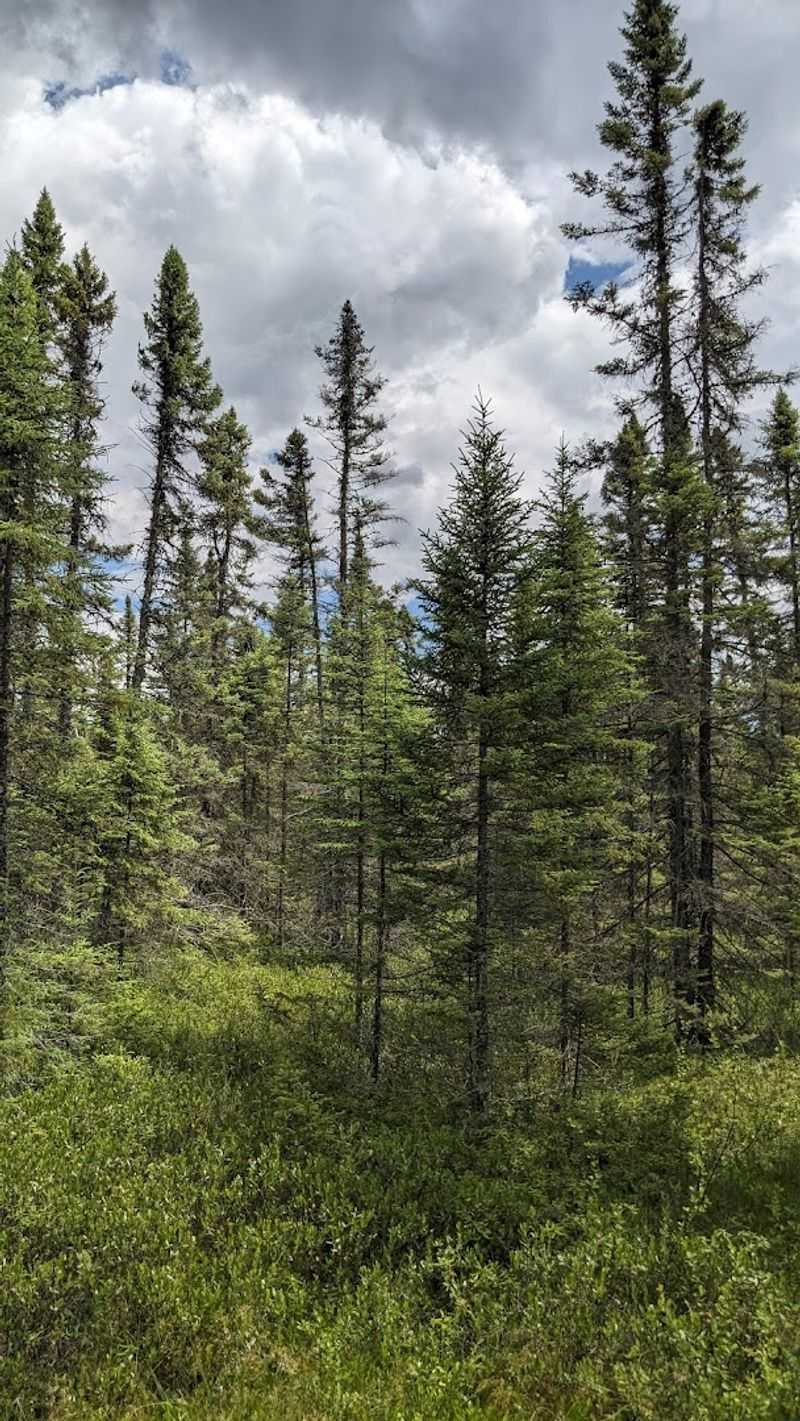
Beyond the famous boardwalk, the recreation area has a handful of hiking trails that wind through the surrounding forest. The trails are not particularly long or technical, but they offer a quieter, more shaded experience than the open bog walk.
Lady slipper orchids bloom along some of the trails in June, which is a genuinely special sight for anyone who has never seen Minnesota’s state flower growing wild in a forest setting. The pink and yellow varieties both appear in the area depending on the habitat.
The trails near the Southern Unit pass through a mix of forest types, giving hikers a sense of how the landscape transitions from the riverside habitat near the campground to the drier upland forest further in. It is not a destination hike in the dramatic sense, but it is a pleasant and grounding way to spend a morning before heading north to the bog.
The Visitor Center and What You Learn There
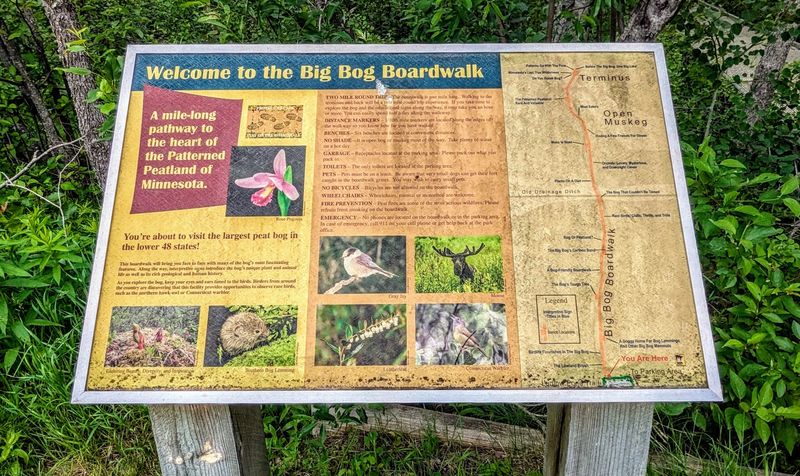
The visitor center at the Southern Unit is compact but genuinely well done. It covers the ecology of the peat bog, the history of the region, and the unique plant and animal life that depends on this unusual landscape, and it does so in a way that holds attention rather than inducing a glazed-over stare.
Stopping here before heading north to the boardwalk makes the walk significantly richer. Knowing what a pitcher plant is before you see one, or understanding why the tamarack is the only conifer in North America that drops its needles in fall, adds a layer of appreciation that transforms a pleasant hike into something more like a real discovery.
Kayak and canoe rentals have also been handled through the visitor center, so it is worth checking in early in the day if paddling is on your agenda. Hours can vary by season, so confirming in advance saves a trip.
A Closing Word on Why This Place Stays With You
Some places are easy to describe and easy to forget. Big Bog State Recreation Area is neither of those things.
The combination of a one-of-a-kind bog ecosystem, a fire tower with lake views that genuinely take your breath away, a quiet river for paddling, and a sandy beach on one of Minnesota’s largest lakes creates an experience that covers a lot of ground in a single trip.
The Southern Unit anchors everything with practical comfort: clean facilities, electric campsites, cozy cabins, and easy lake access. The Northern Unit delivers the wow factor with the boardwalk and its alien-looking landscape of moss, carnivorous plants, and skeletal trees.
Together, they make a case for why northern Minnesota deserves more credit than it usually gets. This is not a place you visit once and check off a list.
Most people who make the drive end up planning their return before they have even left the parking lot.
Share this story