Just six miles north of Anaconda, this Montana state park packs an extraordinary amount of scenery into 502 acres. Towering limestone cliffs, waterfalls, forested trails, and rugged canyon views create a landscape that feels far larger than its footprint suggests, making it one of the most rewarding outdoor destinations in southwestern Montana.
The park’s centerpiece is a dramatic canyon where cliffs rise more than 1,000 feet above the valley floor. Visitors can hike to waterfalls, spot wildlife on the rocky slopes, explore miles of trails, and enjoy easy access to camping, fishing, and scenic overlooks.
It is the kind of place where a short walk can lead to a surprisingly memorable view.
What makes this park stand out is how much variety it offers in a relatively compact area. Whether you are looking for a quick stop, a day of hiking, or a weekend camping trip, there is always another trail, viewpoint, or natural feature waiting to be discovered.
Here’s why this Montana gem deserves a spot on every outdoor lover’s itinerary.
Where the Park Actually Is and How to Get There
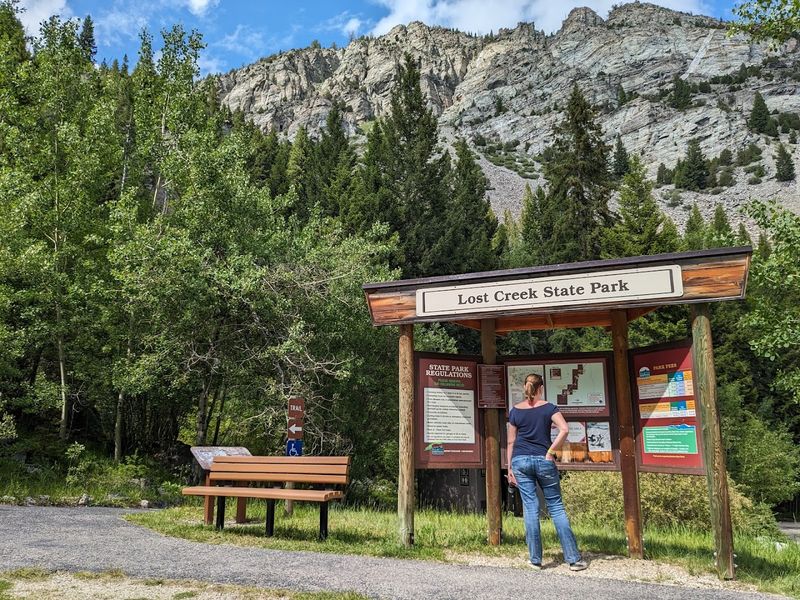
The address that gets you here is 5750 Lost Creek Rd, Anaconda, MT 59711, and the drive itself is part of the experience. From Anaconda, you head north on a paved road that gradually narrows as the canyon walls close in around you.
The park sits about six miles from town, which sounds close, but the road adds a sense of real remoteness. Highway noise disappears almost immediately, replaced by the sound of Lost Creek running alongside the road.
At an elevation of 6,211 feet, the air feels noticeably crisp even in summer. The park encompasses 502 acres, and the moment you pass through the entrance, the scale of the surrounding cliffs makes the whole place feel much bigger than that number suggests.
Non-residents pay an entrance fee, so bring cash or a card. The park phone number is +1 406-287-3541 if you want to check conditions before making the trip.
First-timers are often surprised by just how tucked away and quiet this canyon really is.
The Geology That Makes This Canyon Look Almost Unreal
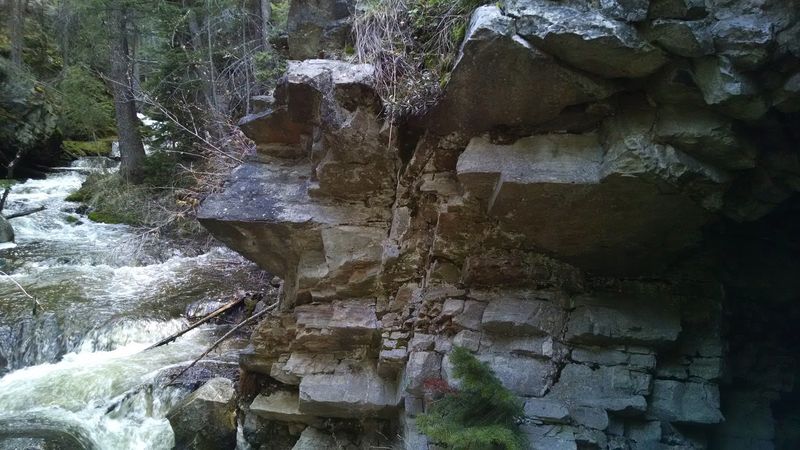
Few state parks in Montana announce themselves the way this one does. The canyon walls are made up of spectacular grey limestone cliffs and pink and white granite formations that rise approximately 1,200 feet above the canyon floor.
These are not subtle hills. They are vertical, dramatic, and genuinely impressive in a way that photographs struggle to capture.
The contrast between the pale rock faces and the dark green pine forest below creates a visual that stops most visitors in their tracks.
The granite formations have a warm, almost rosy color in afternoon light, and the limestone sections take on a silver-grey tone that shifts throughout the day depending on cloud cover. Interpretive displays along the trail explain the geological history behind these formations, which adds real context to what you are seeing.
The batholith rock structures are particularly striking in autumn, when golden aspen leaves frame the cliffs in a way that feels almost theatrical. The geology here is not background scenery; it is the main event, and it rewards anyone who takes a moment to actually look up.
Lost Creek Falls and the Short Trail That Leads to It
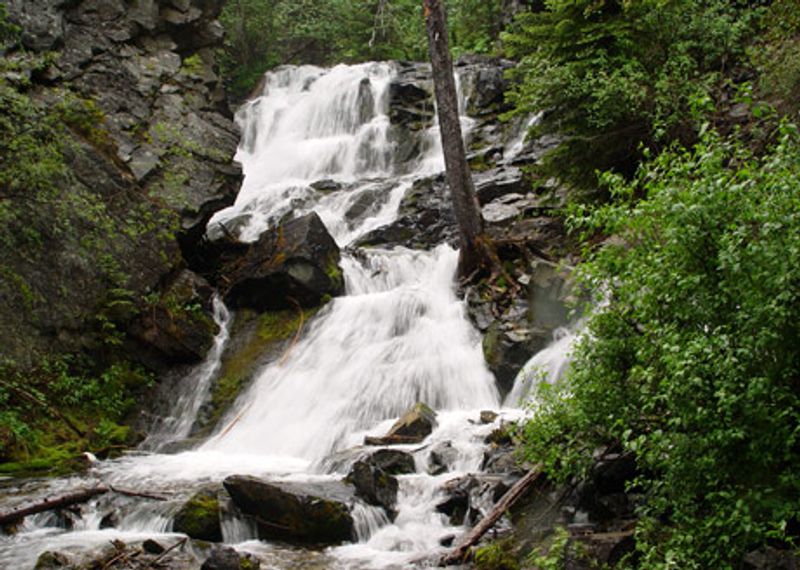
A 50-foot waterfall accessible via a paved, wheelchair-accessible trail just 125 yards from the trailhead is not something you expect to find tucked into a quiet Montana canyon, yet here it is. Lost Creek Falls is the centerpiece of the park, and the short walk to reach it is genuinely easy for visitors of almost any fitness level.
The trail is smooth, the signage is clear, and the payoff at the end is a full, crashing waterfall that throws mist into the air and fills the canyon with sound. The viewing area gives you a straight-on perspective of the falls, but if you walk just a little past the platform, you can get even closer and feel the spray on your face.
In winter, ice builds up around the edges of the falls in dramatic formations that make the whole scene look completely different from the summer version. The paved access means families with strollers and visitors with mobility limitations can reach the falls without any difficulty, which is a detail worth knowing before you plan your visit.
What the Forest Trail Looks Like Beyond the Waterfall
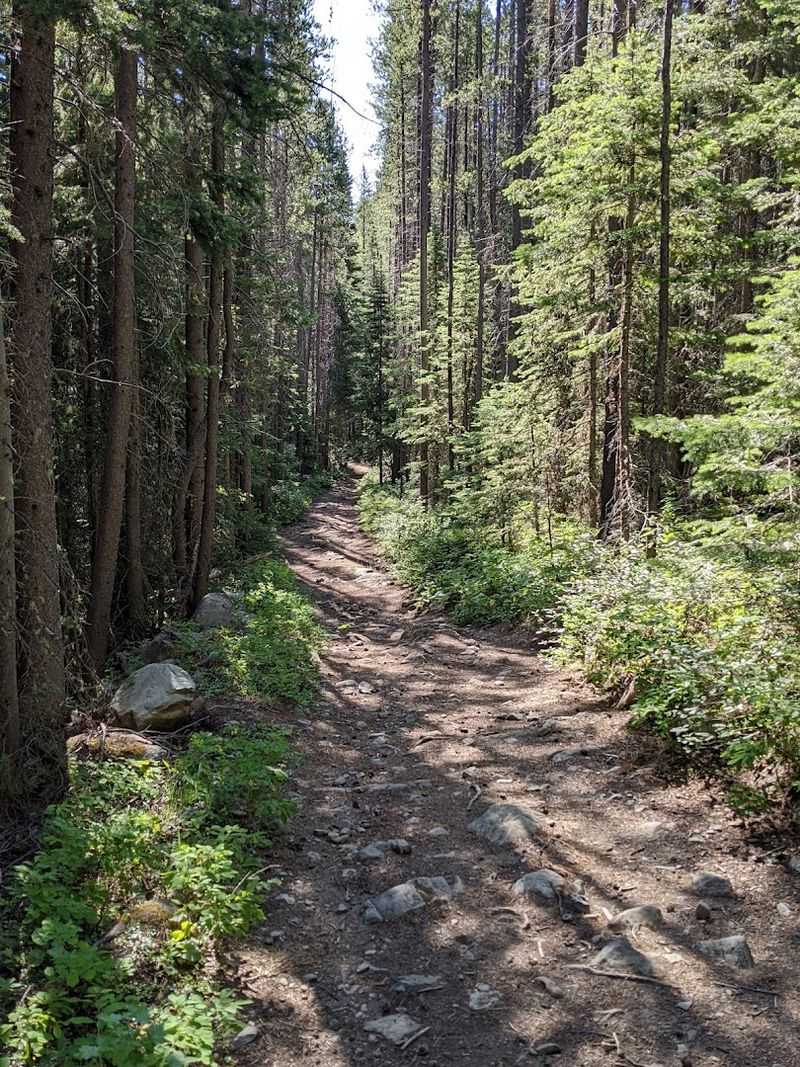
Most visitors stop at the waterfall and call it a day, which means the trail beyond it is often wonderfully quiet. The Lost Creek Trail starts near the falls and follows an abandoned, rocky roadbed for the first three miles, wide enough at 8 to 10 feet for both hikers and mountain bikers to share the path comfortably.
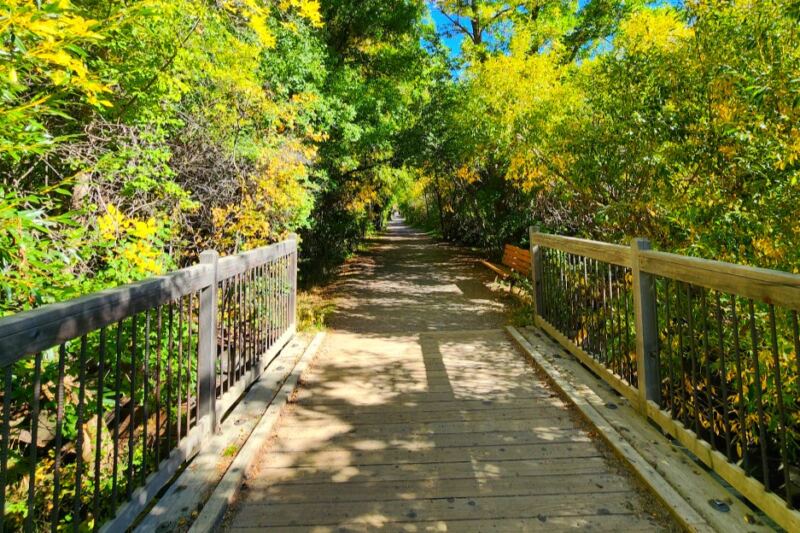
The trail passes through a mix of pine forest and open meadows, with the creek visible and audible for much of the route. Around the one-mile mark, you reach the first bridge, which makes a natural rest stop and a satisfying turnaround for shorter hikes.
Just a quarter mile past that bridge sits a service crossing with a small side-stream waterfall that most people miss entirely. At the three-mile mark, the trail transitions from the wide roadbed to a narrow singletrack about 2 to 3 feet wide, and the terrain becomes noticeably more rugged.
An old cabin ruin marks that transition point and adds a layer of historical curiosity to the hike. Beyond that ruin, the trail connects to U.S.
Forest Service routes that extend for miles into the Beaverhead-Deerlodge National Forest, turning a casual day hike into something much more ambitious if you want it to be.
Wildlife You Might Actually See Here
Mountain goats and bighorn sheep are not rare sightings at this park. Both species navigate the limestone cliffs above the canyon with a casual confidence that makes watching them genuinely entertaining, especially when you realize how vertical those rock faces actually are.
Golden eagles circle the canyon thermals on a regular basis, and if you sit quietly near the rocky talus slopes, you have a reasonable chance of spotting a pika, the small round-eared relative of the rabbit that lives in high-elevation rocky areas and has an almost comically loud call for its size.
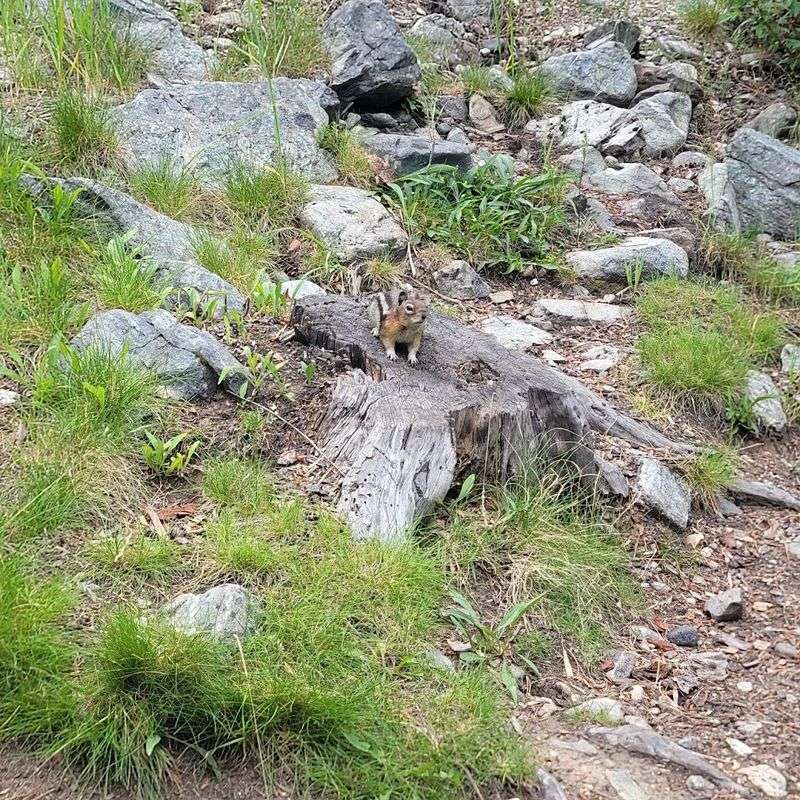
Chipmunks near the campground are bold and entertaining, and deer move through the meadows in the early morning and evening hours. The creek itself supports fish, making this a spot where wildlife watching and fishing can happen in the same afternoon without much effort.
Carrying bear spray is a sensible precaution on the longer trails, not because encounters are common, but because the terrain extends deep into national forest land where bears are part of the ecosystem. Binoculars make a real difference here; the cliffs are tall enough that naked-eye spotting of goats and sheep is hit-or-miss.
The Campground Tucked Into the Trees Along the Creek
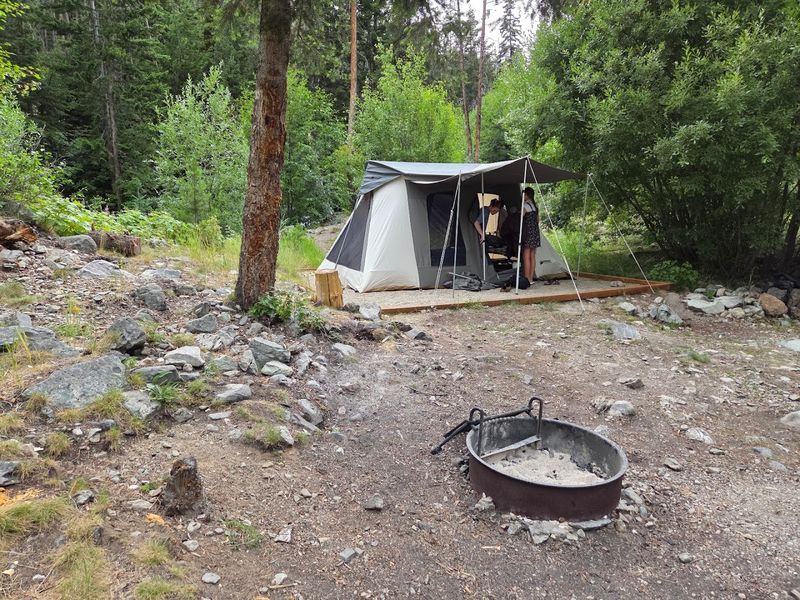
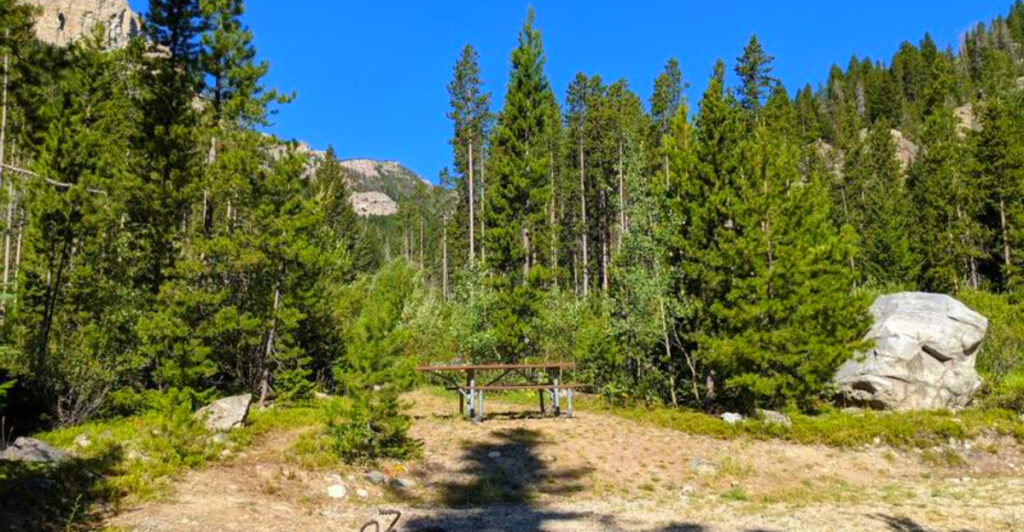
Twenty-five first-come, first-served campsites sit tucked among the trees along the creek, and the sound of running water is audible from nearly every one of them. The sites feel genuinely private compared to most campgrounds, separated by enough vegetation that neighbors are present but not intrusive.
RV and trailer length is capped at 23 feet, which keeps the campground free of the large rigs that can make some sites feel like parking lots. Tents and smaller campers fit perfectly, and the shaded spots close to the creek are particularly pleasant on warm summer nights.
Amenities include vault toilets that are consistently well-maintained, grills and fire rings, picnic tables, and drinking water. The pit toilets are ADA-accessible and clean, which is worth mentioning because backcountry facilities vary wildly and these are genuinely well cared for.
Camping fees run around $36 per night for non-residents, which some visitors find steep for a primitive site, though the setting more than compensates for the price. Weekday stays are notably less crowded than weekends, and arriving early on a Friday gives you the best pick of sites before the weekend rush begins.
Fall Color Season and Why the Aspen Groves Are Worth the Timing
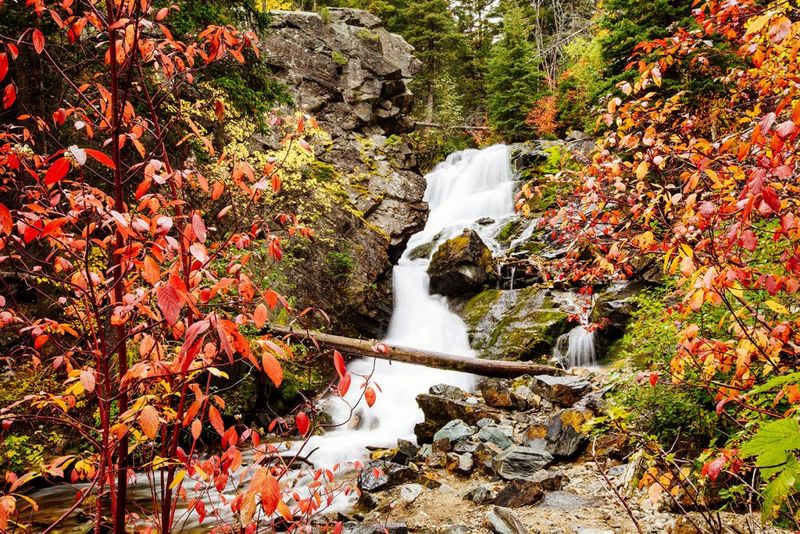
Autumn transforms this canyon into something that feels almost too good to be true. The aspen groves that line the road and trail corridors turn a deep, saturated gold in late September and early October, and the contrast against the grey limestone and pink granite cliffs creates a color combination that photographers chase for hours.
The drive into the park through the aspen grove is genuinely one of the best short scenic drives in the Anaconda area, and the light in the late afternoon catches the leaves in a way that makes even a phone camera produce impressive results.
Fall weekends draw more visitors than other times of year, so arriving early in the morning gives you the best combination of good light and manageable crowds. The campground in autumn has a quiet, almost meditative quality that is different from the busier summer season.
Overnight temperatures drop significantly by mid-October, so layering is essential if you plan to camp during peak color. The reward for that extra preparation is waking up to frost-edged leaves catching the morning sun, with the waterfall audible from your sleeping bag, which is a combination that is hard to beat anywhere in Montana.
Picnicking, Day Use, and the Creek That Runs Through Everything
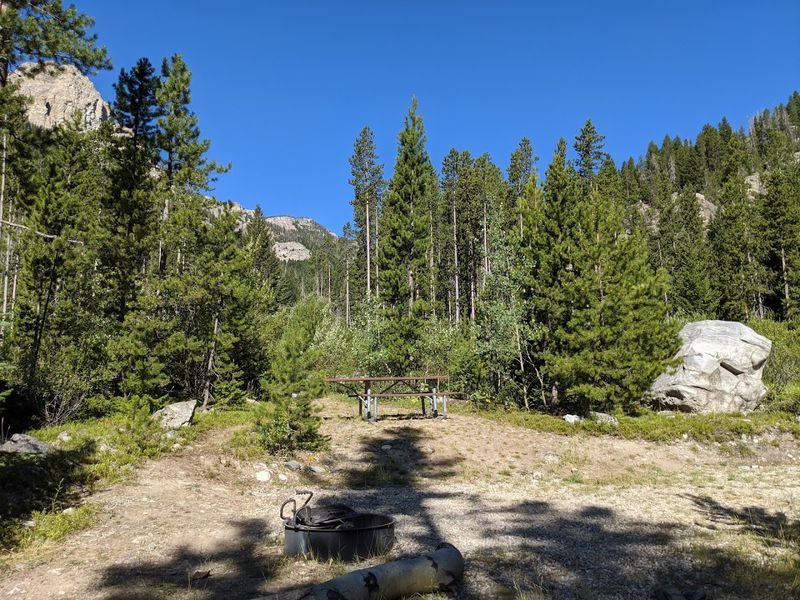
Day visitors have access to a well-maintained picnic area with shaded spots right along the creek, and the sound of moving water makes even a simple lunch feel like an occasion. The picnic tables are in good condition, the grills are usable, and the whole area has a clean, cared-for quality that reflects consistent park maintenance.
The creek itself is accessible from multiple points along the trail, and on a warm day, wading in the cold water is a straightforward pleasure that costs nothing extra. Kids find the large boulders near the creek particularly entertaining, and a smooth rock formation near the campground has earned a reputation as a natural slide for younger visitors.
Fishing is permitted throughout the park, and the creek holds fish that reward patient anglers willing to work the quieter pools away from the main day-use area. The combination of picnic facilities, creek access, and the short waterfall walk makes this a genuinely complete day-use destination that does not require an overnight stay to feel worthwhile.
The park is open year-round, though facilities and water availability vary by season, so a quick call to the park office at +1 406-287-3541 before a winter visit is a practical step that saves unnecessary surprises.
Winter Visits and What the Park Looks Like Under Snow
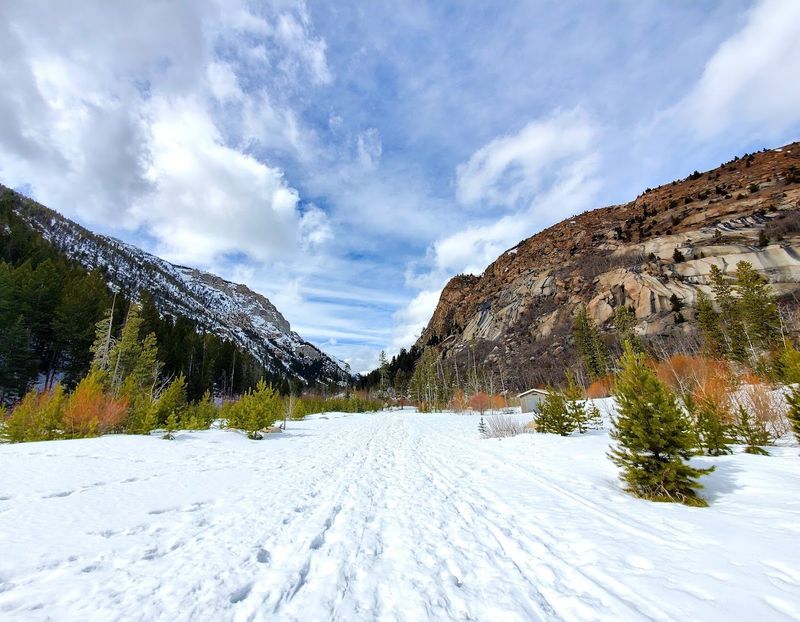
Winter strips away the summer crowds and replaces them with a stillness that feels almost surreal in this canyon. The limestone cliffs look sharper against a grey winter sky, the creek runs quietly under a thin layer of ice in the coldest weeks, and the waterfall develops dramatic ice formations that build up around its edges throughout the season.
Snowfall settles on the pine branches and rock ledges in ways that make the canyon feel like a completely different place from its summer version. The paved trail to the falls remains accessible in lighter snow conditions, though crampons or traction devices are worth bringing if temperatures have been below freezing for several days.
Wildlife activity actually increases in winter for some species, with mountain goats becoming more visible on the lower cliffs as they move down from higher elevations in search of forage. The campground is not staffed in winter, and water is typically turned off, so self-sufficiency is essential for anyone considering an off-season stay.
The reward for visiting in winter is a version of this park that very few people ever see, and the frozen waterfall alone is worth the cold drive up Lost Creek Road on a clear January morning.
Practical Tips That Will Make Your Visit Smoother
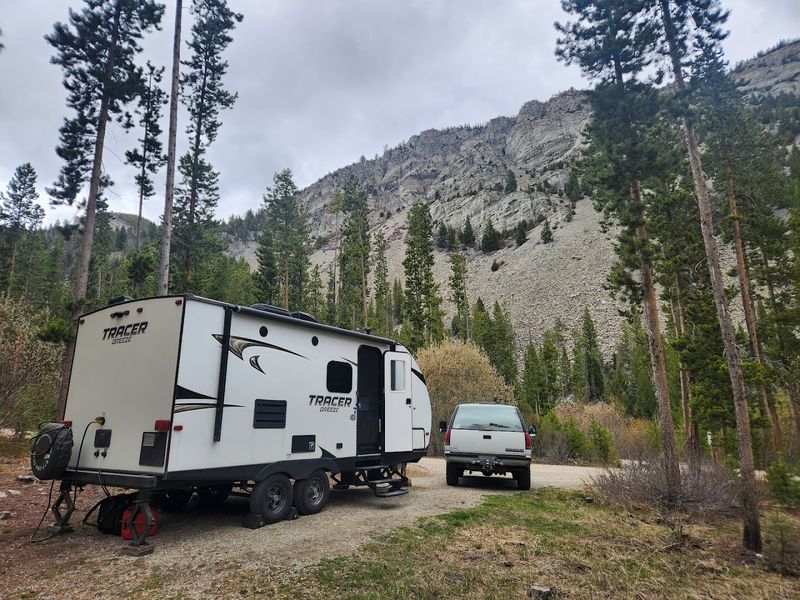
A few details make a real difference when planning a visit here. The campground operates on a first-come, first-served basis with no reservations, which means arriving by early afternoon on summer weekends is the safest approach if you want a site.
Weekday mornings offer the best combination of availability and solitude.
The entrance fee applies to non-Montana residents, so budget for that before arrival. Pets are welcome but must be kept on a leash at all times, which is a reasonable rule given the wildlife activity in the canyon.
Bear spray is worth carrying on any hike that goes beyond the first mile.
The road to the park is paved but narrow in sections, and the RV length restriction of 23 feet is enforced, so larger rigs should not attempt the drive. Parking near the waterfall trailhead can fill up on busy summer days, but a second designated parking area lower in the canyon provides overflow space.
Cell service is limited or nonexistent inside the canyon, so downloading an offline map before leaving Anaconda is a practical habit. The park website at stateparks.mt.gov/lost-creek has current fee information and seasonal updates worth checking before any visit.
Share this story