Tucked into the wooded hills of Passaic County, there is a swimming pool in New Jersey that runs entirely on spring water, uses zero chemicals, and only opens on weekends. That combination alone is enough to make it stand out from every chlorine-filled community pool in the state.
The water stays cold, the trees stay tall, and the whole place operates on a quiet, old-fashioned rhythm that feels completely removed from the usual summer crowd scene. This is not a resort, not a water park, and not a luxury spa.
It is something far more interesting: a natural pool carved into the landscape, fed by a real stream, and open to anyone willing to make the trip to Ringwood. Whether you have heard about it through social media or stumbled across it by accident, the story behind this place is worth knowing before you pack your towel and head out.
Where Exactly This Place Is Located
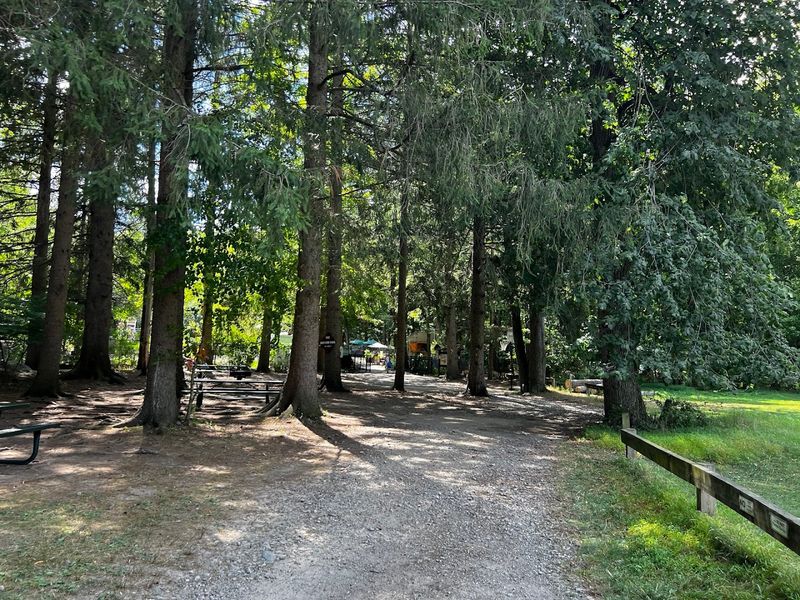
The address is 180 Snake Den Rd, Ringwood, NJ 07456, and that road name alone should tell you something about the character of this place. Ringwood sits in the northern highlands of New Jersey, close to the New York border, surrounded by state forests and rocky terrain that most people drive past without stopping.
Getting there requires navigating narrow roads that wind through dense woodland. The parking lot is unpaved, and cell service tends to drop out before you even reach the entrance.
That is not a bug, it is a feature.
The pool sits within a natural setting that feels genuinely removed from suburban life, even though it is less than an hour from New York City. First-time visitors often note that the walk from the parking area to the pool entrance is longer than expected, so comfortable shoes before changing into swimwear are worth considering.
The Spring-Fed Water That Runs the Whole Show
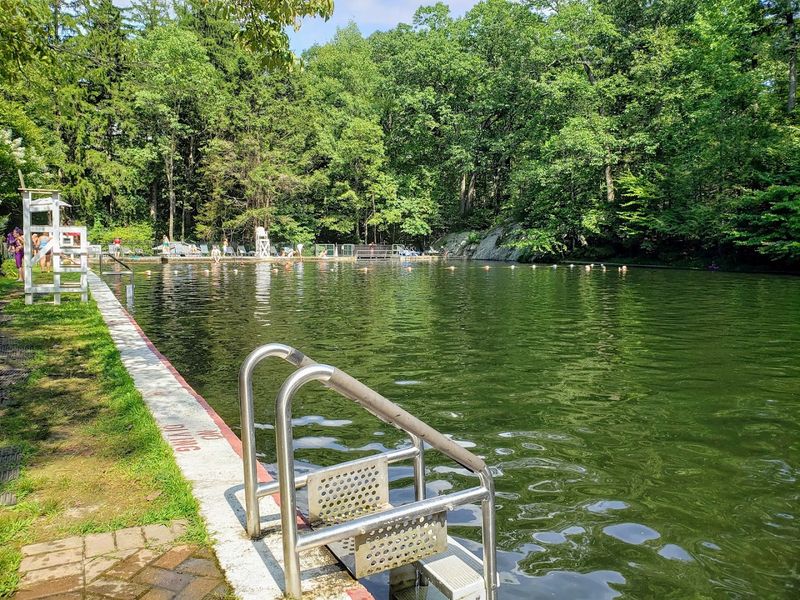
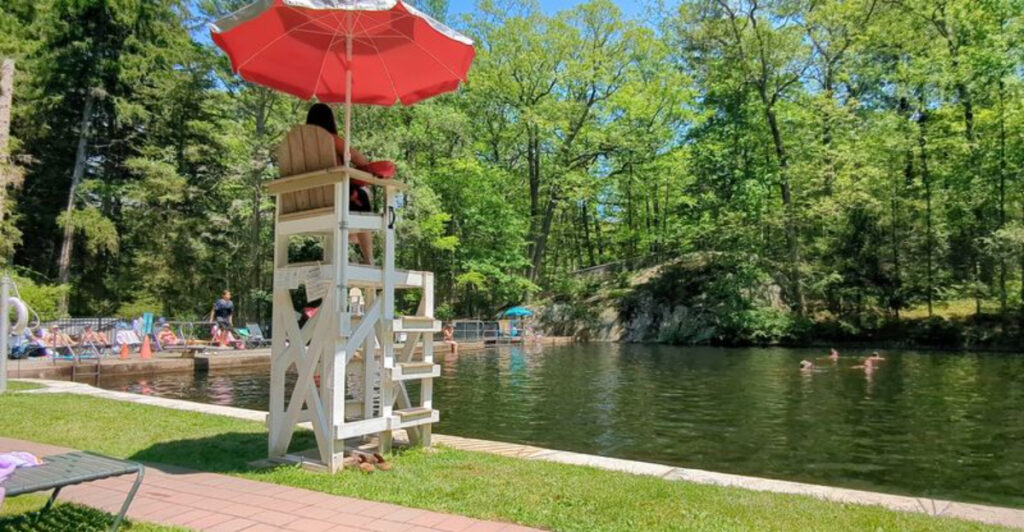
A small river flows into a concrete pool structure and then continues back out the other side, rejoining a stream on its way downstream. That continuous movement is what keeps the water clean without any chemical treatment.
No chlorine, no bromine, no additives of any kind.
The water temperature stays noticeably cold, especially early in the season. Later in summer it warms slightly, but it never reaches the lukewarm comfort of a heated municipal pool.
For people who enjoy that bracing, cold-water feeling, this is exactly the draw.
Because the source is natural, the water carries a slightly different quality than what most swimmers are used to. The deeper section has a natural bottom, which means vegetation and sediment are present underfoot.
That is completely normal for a spring-fed environment, and it is part of what makes the experience feel less like a pool and more like a contained mountain lake.
How the Pool Is Actually Set Up
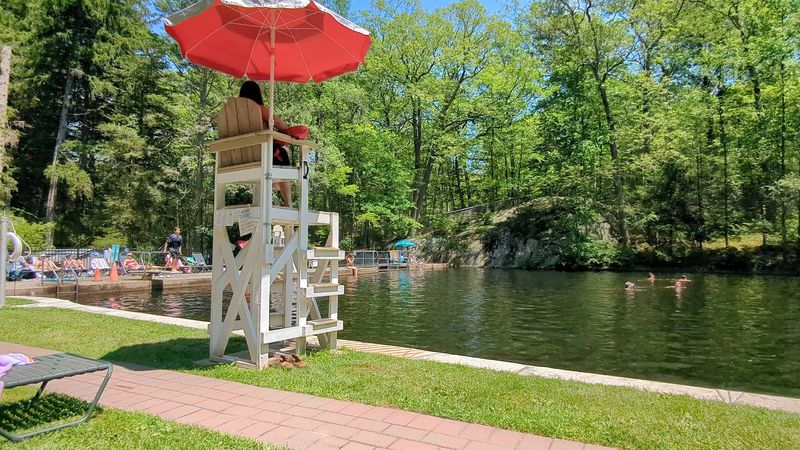
The pool is divided into two main sections. A shallow, gated area is designated for younger children or those who are not strong swimmers, and a larger, deeper section is available for adults and older kids who can pass a basic swim test.
The deep end reaches around nine to ten feet, and there is a diving platform available for those who want to use it.
Life guards are on duty throughout operating hours, and they actively coach younger swimmers during the test to determine whether they are ready for the deeper section. That approach keeps things organized without being overly strict.
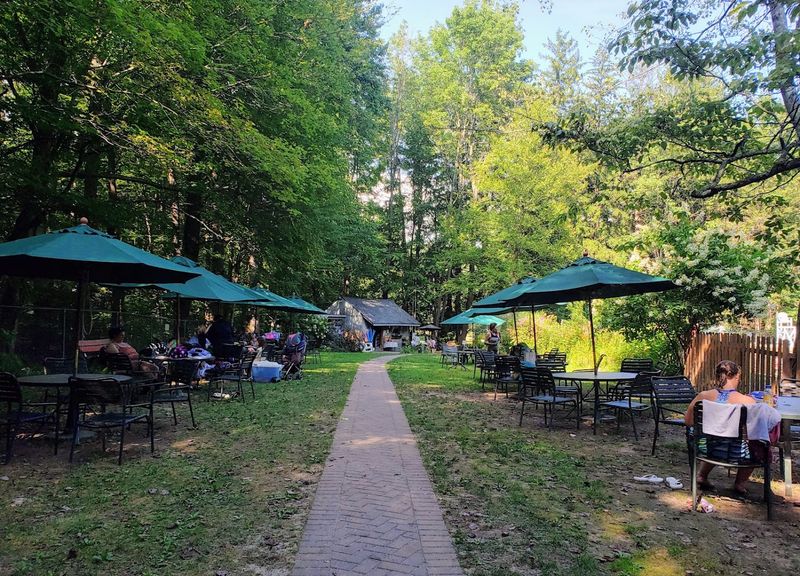
Seating near the pool itself is limited to a small paved area with benches. Most of the lounging space, including chairs and picnic tables, is located slightly farther from the water in a shaded area.
Bringing a personal folding chair is widely recommended, especially for weekend visits when the space fills up quickly.
Operating Hours and What to Know Before You Go
Highlands Natural Pool is only open on Saturdays and Sundays, from noon to 6 PM. It is closed every weekday, which means planning ahead is essential.
For anyone hoping to avoid the weekend crowds, there is no weekday option unless a special event changes the schedule.
Arriving early, meaning right at noon, is the most reliable way to secure seating and avoid parking issues. By mid-afternoon on busy summer weekends, the lot can reach capacity, and latecomers have had to park down the road and walk in.
The pool does have a capacity limit, and entry is not always guaranteed on peak days.
The wristband system allows guests to leave and return on the same day, which is useful if someone needs to make a food run. No music is permitted in the main pool area, and that rule is enforced consistently.
The quiet atmosphere that results from that policy is one of the things that sets this place apart from noisier alternatives.
Entry Fees and What They Cover
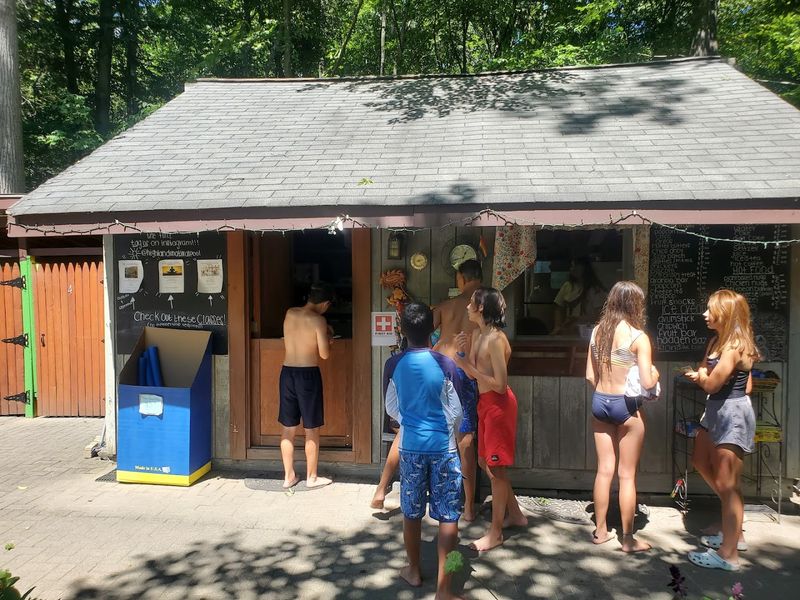
The current entry fee is around $20 per person for a single visit, which covers full access to both pool sections, the picnic area, and the general grounds for the day. Season passes are available for those who plan to visit regularly, and the per-visit math makes a pass worthwhile after just a few trips.
There is a small snack hut on the grounds that sells chips and pool noodles for around three dollars each. Guests are encouraged to bring their own food and drinks, and a grill area is available for families who want to cook on-site.
That setup makes it easy to spend the entire afternoon without needing to leave.
One practical note: the pool is not part of any municipal system, so residency in Ringwood or the surrounding towns is not required for entry. Anyone can pay and get in, which is relatively uncommon for natural pools in the region.
That open-access policy has contributed significantly to its growing reputation.
The Woodland Setting That Makes It Feel Like a Different World
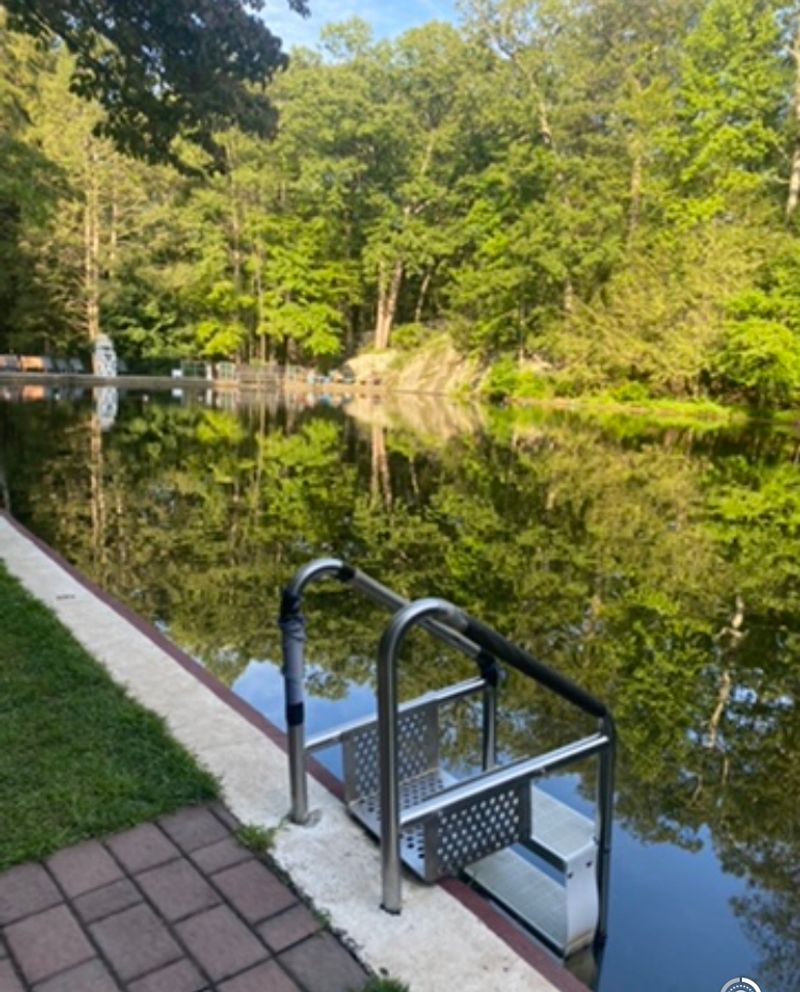
The grounds are fully surrounded by mature woodland, and that tree cover does more than just provide shade. It creates a visual and acoustic barrier that separates the pool area from the outside world in a way that few public swimming spots can replicate.
Wind chimes near the entrance and flowering bushes that attract butterflies add to the overall atmosphere.
Wildlife is present throughout the property, and that is worth factoring into expectations. Dragonflies hover near the water, salamanders can sometimes be found near the edges, and the occasional frog or fish is not unusual.
Some visitors have reported seeing snakes near the perimeter, which is entirely consistent with the woodland habitat.
The pool is not a manicured resort environment. The sides are rocky, mossy, and textured in the way that natural stone tends to be.
For people who appreciate that kind of setting, it adds to the character of the place. For those expecting a traditional pool surface, it can come as a surprise.
Why No Chemicals Is a Bigger Deal Than It Sounds
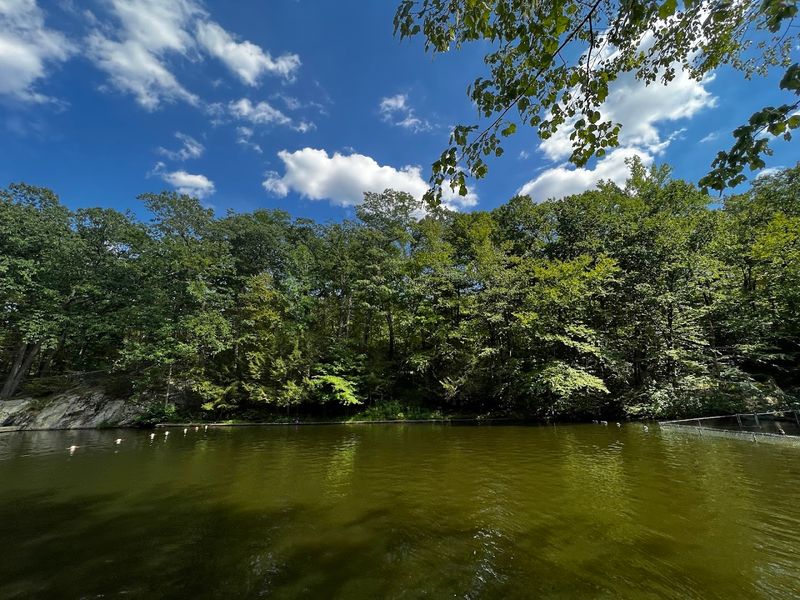
Most public pools rely on chlorine or similar chemicals to keep bacteria levels in check. That works, but it also affects the water in ways that many swimmers find unpleasant, from the strong odor to the effect on skin and eyes after extended time in the water.
A spring-fed pool sidesteps all of that by using continuous water flow as its primary filtration method.
The constant movement of fresh water through the system keeps the pool cleaner than standing water would be, though it is not sterile in the way a treated pool is. That distinction matters for people with sensitivities or those who prefer to avoid chemical exposure during summer swimming.
Some visitors recommend bringing soap and shampoo for a post-swim rinse, since natural water can leave fine sediment particles on skin and hair. That is a minor adjustment compared to the benefits of spending an afternoon in completely untreated spring water, and most regulars consider it a reasonable trade-off.
The Kids’ Area and Family Setup
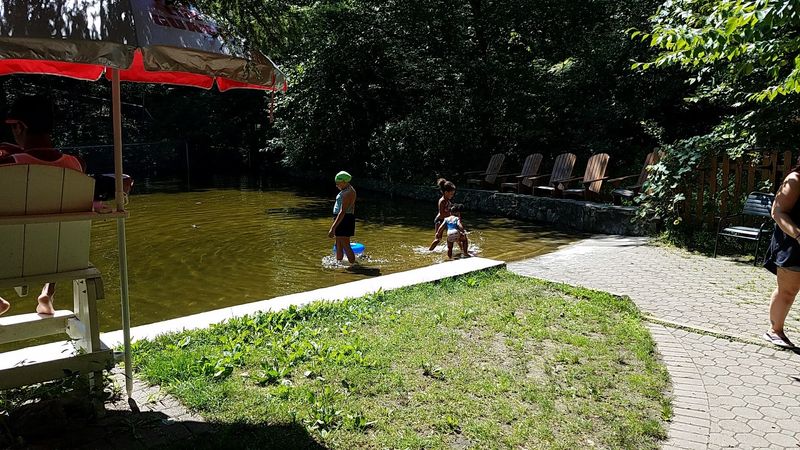
Families with young children have a dedicated shallow section that keeps smaller swimmers safely separated from the deeper adult area. The gating between sections is a practical design choice that lets parents relax without constantly monitoring distance from deeper water.
Life guards run informal swim assessments for children who want to move into the adult section, which adds a layer of supervision that parents tend to appreciate. The process is straightforward and not intimidating, and it encourages kids to build confidence in the water before taking on more depth.
The grill area near the picnic tables is particularly popular with families. Bringing food from home, setting up at a shaded table, and spending a full afternoon between swimming and eating is a common pattern for weekend visits.
Pool noodles can be purchased on-site if families forget to bring their own floats, which is a small but genuinely useful convenience for anyone traveling light.
What the Crowd and Capacity Situation Actually Looks Like
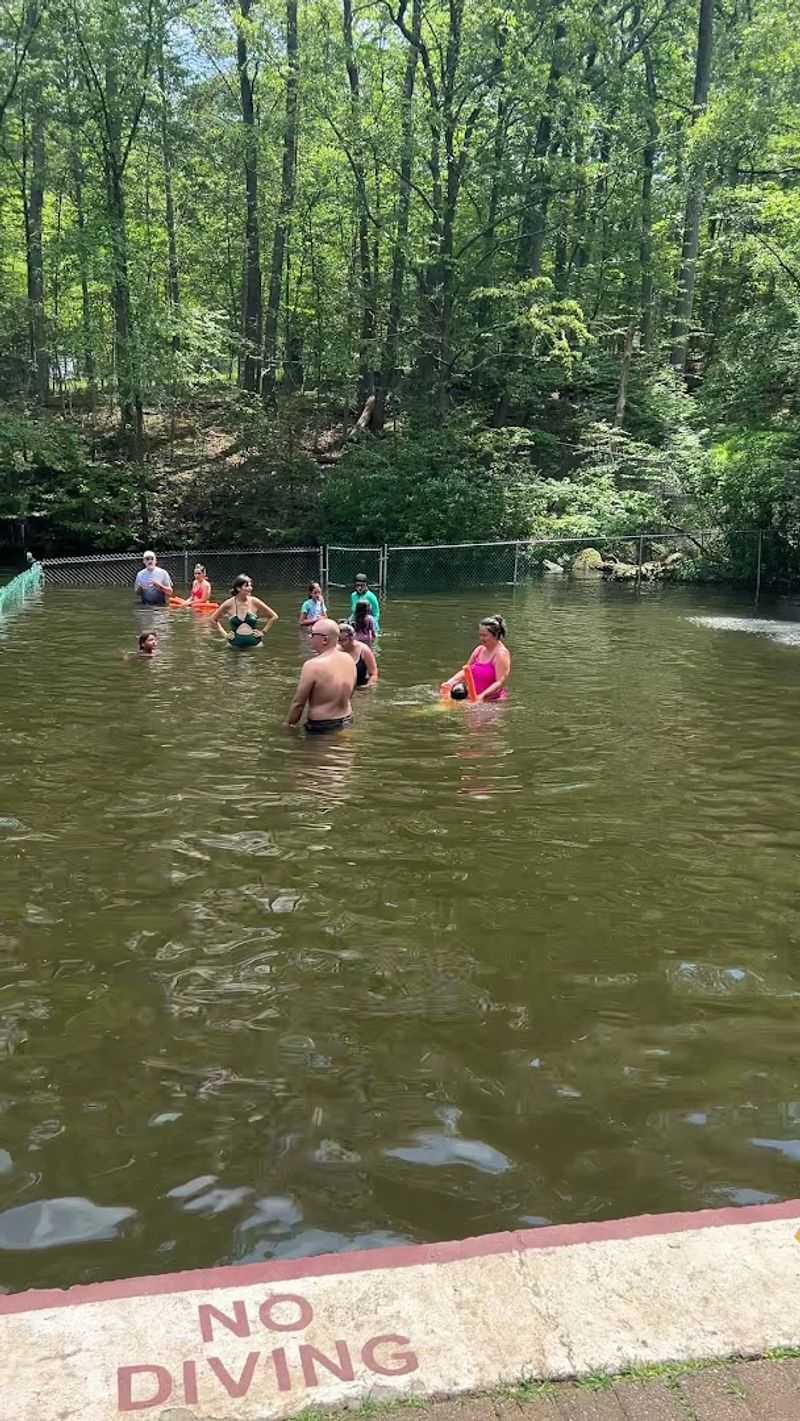
Highlands Natural Pool has gained significant traction on social media over the past few years, and that visibility has changed the weekend experience noticeably. Arriving after 2 PM on a Saturday in peak summer means a real chance of finding the parking lot full and potentially being turned away at the entrance.
Weekday visits are not possible given the current schedule, so timing strategy is limited to arriving right at noon on weekends or accepting that a mid-afternoon arrival carries some risk. Groups of more than two or three people may find it harder to secure adjacent seating, since spots near the pool go quickly.
The no-music policy helps keep the noise level manageable even when the space is at capacity. The crowd tends to skew toward families, nature enthusiasts, and older swimmers rather than large groups of young adults looking for a party atmosphere.
That demographic mix shapes the overall tone of the place in a way that regular visitors clearly appreciate.
Practical Gear Worth Bringing Along
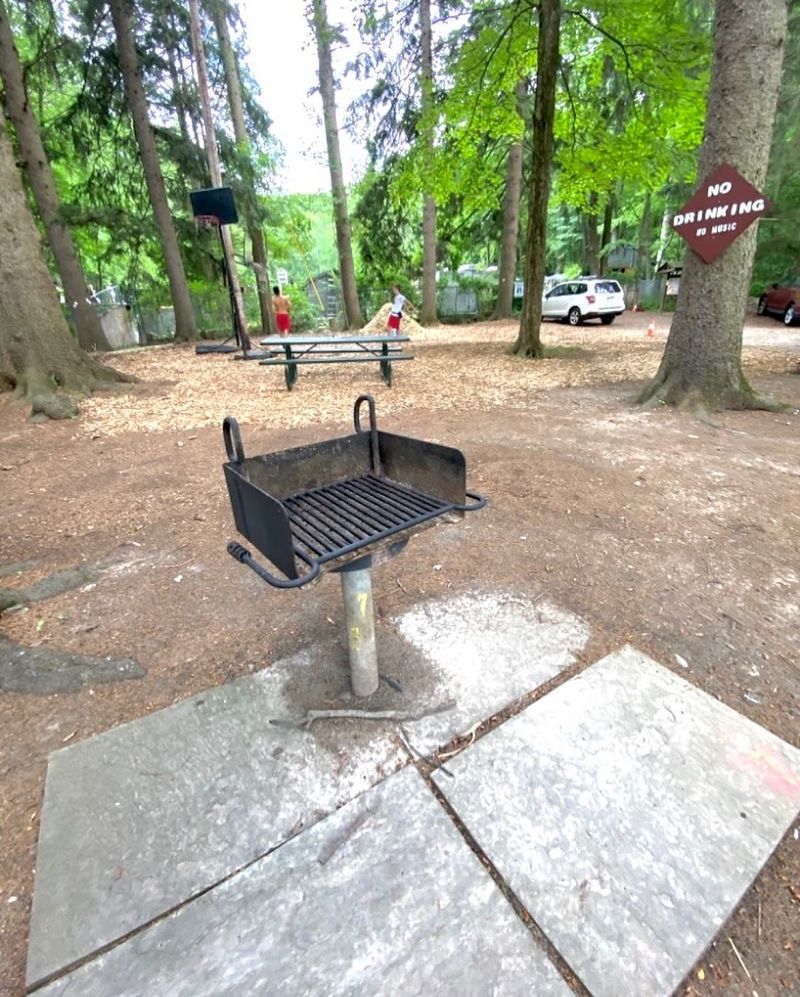
The on-site snack hut sells pool noodles for around three dollars, but bringing a personal float is strongly recommended if relaxing in the water is a priority. The pool is deep enough in the adult section that treading water for extended periods becomes tiring, and having something to hold onto makes the experience significantly more comfortable.
A folding beach chair is worth the effort to carry in, since the seating near the pool is limited. Sunscreen, a towel, and a change of clothes are obvious additions, but soap or a gentle body wash is also worth packing given the natural water composition.
Food and drinks from home are welcome, and the grill area is available for those who want to cook. The snack hut covers basic cravings, but a full cooler makes a longer visit much more practical.
Cell service is unreliable or nonexistent on the grounds, so downloading any needed directions or information before arriving saves unnecessary frustration.
The Pet Policy That Sets It Apart
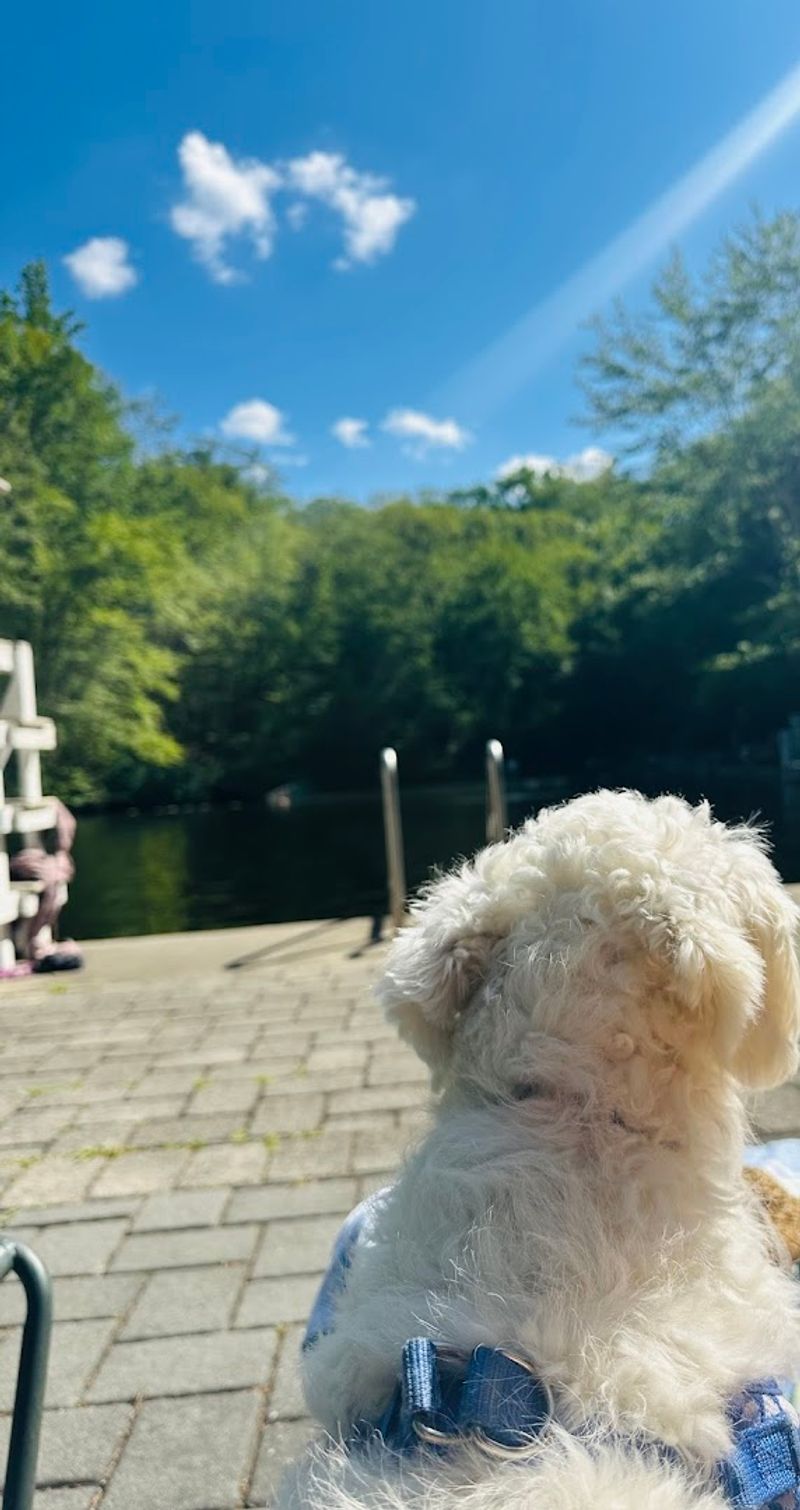
Highlands Natural Pool has a documented reputation for being genuinely welcoming to well-behaved dogs and certified service animals. The staff response to guests arriving with pets has been consistently described as accommodating, which is not always the case at public swimming facilities.
For pet owners who want to spend a summer afternoon outdoors without leaving an animal at home, this policy is a meaningful differentiator. The wooded grounds provide enough space for dogs to walk around, and the shaded picnic area is comfortable for animals that are not swimming.
It is worth confirming the current pet policy directly with the pool before visiting, since rules around animals at public facilities can change between seasons. The website at highlandsnaturalpool.org is the most reliable source for up-to-date information on what is and is not permitted.
Calling ahead on a busy weekend is also a reasonable precaution for anyone traveling a significant distance with a pet in tow.
The History and Long-Standing Character of the Place
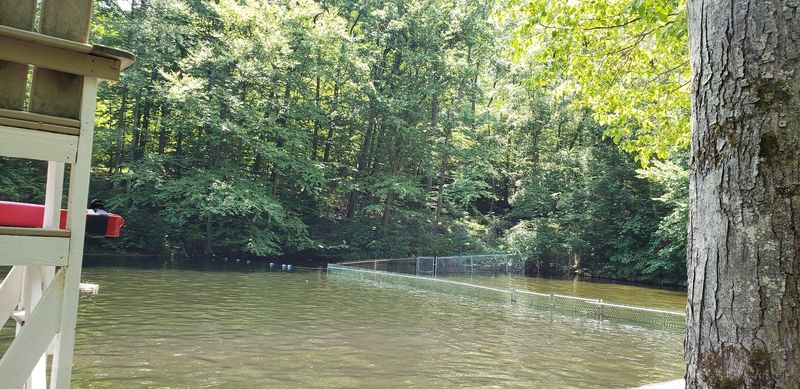
There is a nostalgic quality to Highlands Natural Pool that goes beyond its chemical-free water. The infrastructure, the rules, and the general atmosphere suggest a place that has been operating for a long time and has not tried to modernize itself into something it was never meant to be.
That consistency is part of what gives it a distinct character.
The pool has the feel of a local institution rather than a trendy attraction. Long-time regulars treat it with a kind of quiet ownership, and the staff have been described as warm and genuinely invested in the experience of each visitor.
The owner has been seen on the grounds and described as approachable and kind.
For visitors who grew up swimming in natural settings before every pool became a chemical facility, the place carries a recognizable feeling. It operates on the same basic principles it always has: cold water, open sky, trees on all sides, and a rule set that keeps things peaceful.
The No-Music Rule and Why Regulars Love It
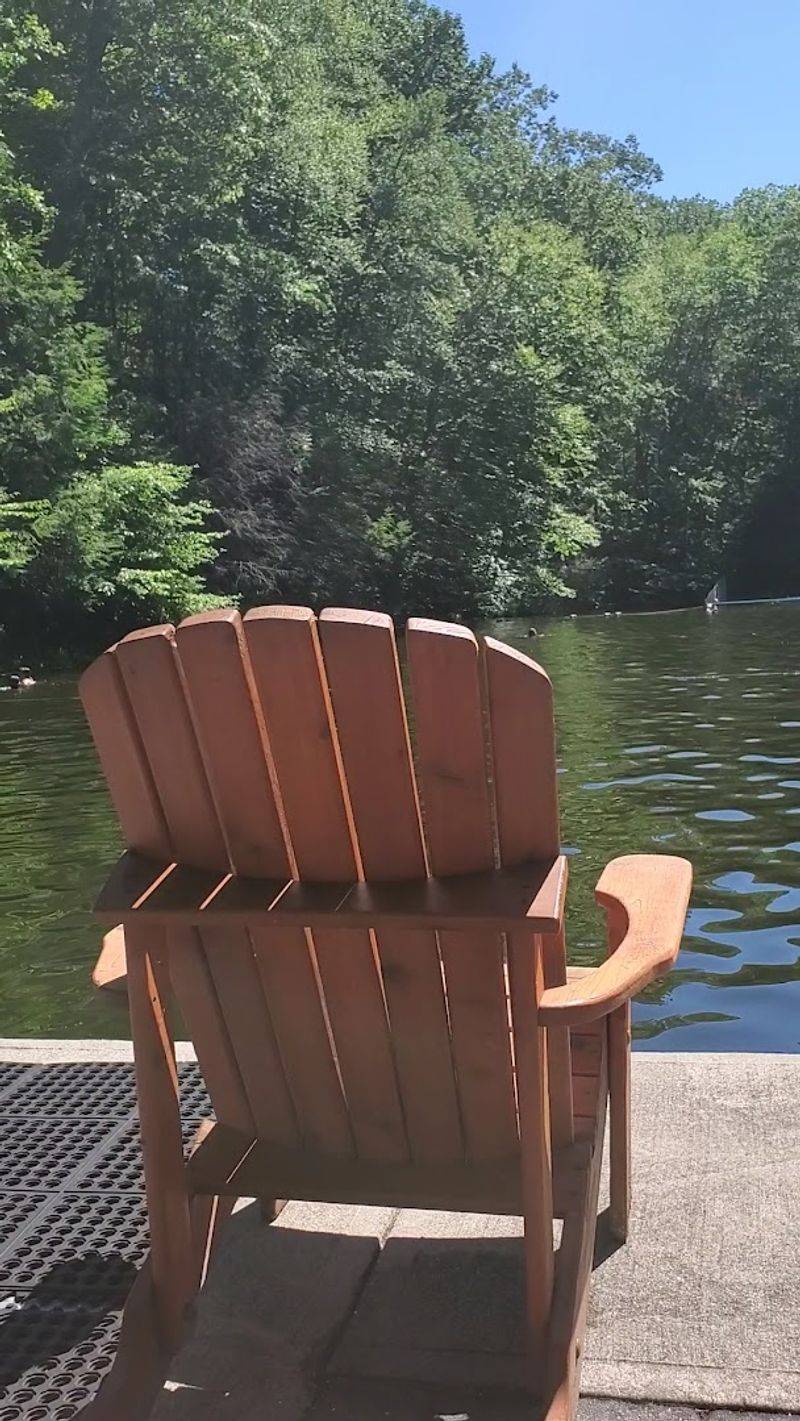
Music is not permitted in the main pool area at Highlands Natural Pool, and that policy is one of the most consistently praised aspects of the experience. The absence of competing soundtracks from different groups creates a quiet that is rare at any public outdoor facility in the summer months.
The ambient sound that fills the space instead includes moving water, wind through trees, and the general low hum of people having a relaxed afternoon. For visitors who come specifically to decompress, that environment is the entire point of the trip.
It is worth noting that the no-music rule does make the setting less appealing for groups looking for a more social, high-energy outing. The pool draws a crowd that is largely comfortable with quiet, which in turn reinforces the overall tone.
Regular visitors often describe the experience as closer to a nature retreat than a typical summer pool day, and that framing sets accurate expectations for anyone considering a first visit.
The Bigger Picture of Why This Place Matters
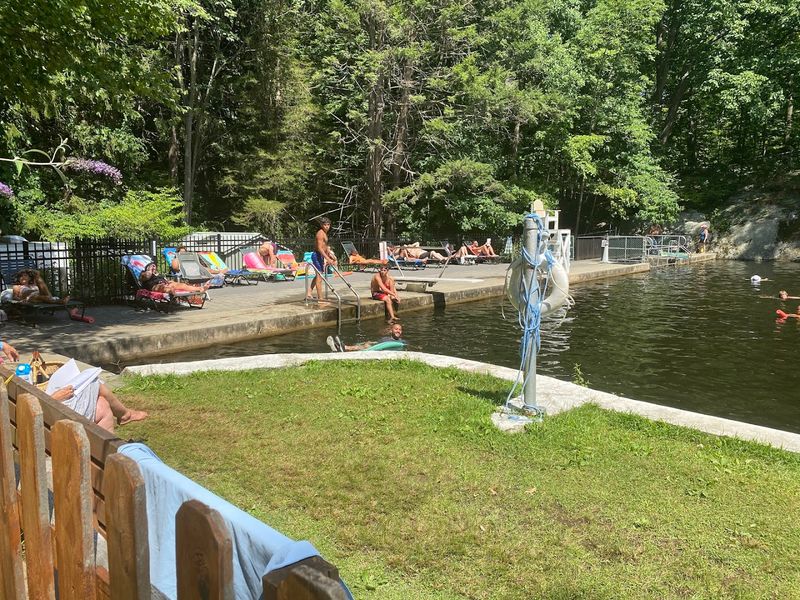
Chemical-free, spring-fed public swimming pools are genuinely rare in the United States. Most municipalities rely on treated water systems, and the infrastructure required to maintain a natural pool safely is both costly and complicated.
The fact that Highlands Natural Pool has been doing it successfully for years in northern New Jersey makes it a legitimate outlier.
For people in the New York metro area who want a nature-based swimming experience without driving to Vermont or the Catskills, this pool fills a specific and underserved need. The combination of accessibility, open admission, and a genuinely natural environment is difficult to replicate anywhere closer to the city.
The pool is not perfect. Seating is limited, weekday access is not available, and the natural environment comes with all the wildlife and water characteristics that implies.
But for what it is, a spring-fed mountain pool tucked into the New Jersey highlands and open to the public every weekend, it occupies a category almost entirely its own.
Share this story