Deep in the heart of the New Jersey Pinelands, there is a campground that does not care about your car, your GPS, or your comfort zone. No road leads directly to it, no parking lot waits at the entrance, and no camp store sells you forgotten supplies at the last minute.
The only way in is by paddling the dark, tea-colored waters of the Batsto River or lacing up your boots for a long trek through the pine forest on the Batona Trail. That combination of effort and isolation is exactly what makes this place so compelling.
For those who are willing to earn their campsite, what waits on the other side is a quiet, fire-ring-lit slice of the Wharton State Forest that feels genuinely removed from the rest of the world.
Where Exactly This Place Sits in the Pinelands
Lower Forge Campground sits within Wharton State Forest in Vincentown, NJ 08088, managed by the New Jersey Division of Parks and Forestry. The campground is located along the Batsto River, one of the most well-known paddling routes cutting through the New Jersey Pinelands.
The site falls roughly in the middle section of the Batona Trail, a 53-mile footpath that runs through Burlington and Ocean counties. That central position makes it a natural rest point for long-distance hikers covering the full trail over multiple days.
Wharton State Forest itself is the largest single tract of land within the New Jersey State Park System, covering over 115,000 acres. Lower Forge is one of several primitive campsites scattered across this vast forest, but it stands out because motor vehicles are strictly prohibited from reaching it.
That rule alone separates it from most other campgrounds in the state.
The Only Two Ways In
Getting to Lower Forge is not a casual decision. There are two options, and neither of them involves driving up to a numbered campsite and unloading a trunk full of gear.
The first option is paddling. The Batsto River flows directly past the campground, and canoeists can reach the site after launching from upstream access points.
The river is calm and shallow in most sections, which makes it manageable for paddlers with moderate experience. Families have been known to canoe in with children, which speaks to the route’s accessibility for those who plan ahead.
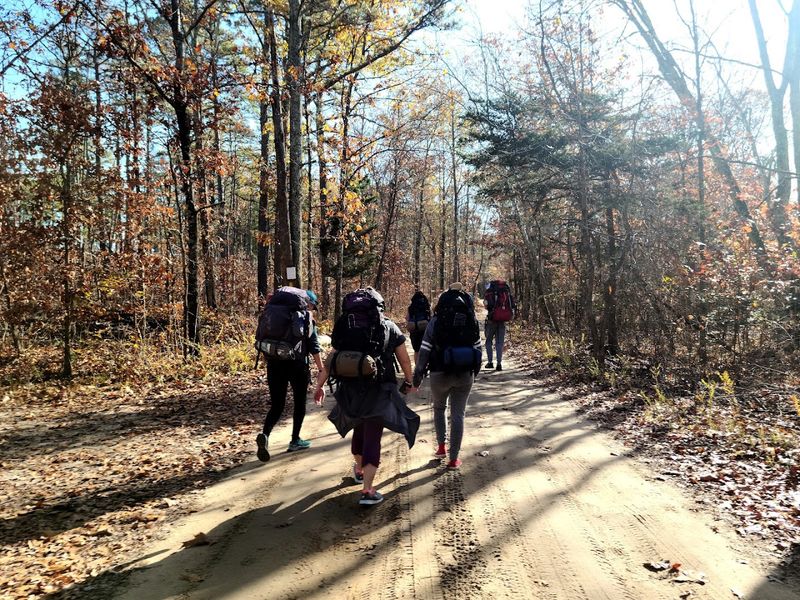
The second option is hiking. The Batona Trail passes directly through the campground, and hikers can reach it by following the pink-blazed trail through the forest.
Either way, the approach requires planning, physical effort, and a willingness to carry everything on your back or in a boat. That built-in commitment keeps the crowds away.
What the Batona Trail Looks Like Getting There
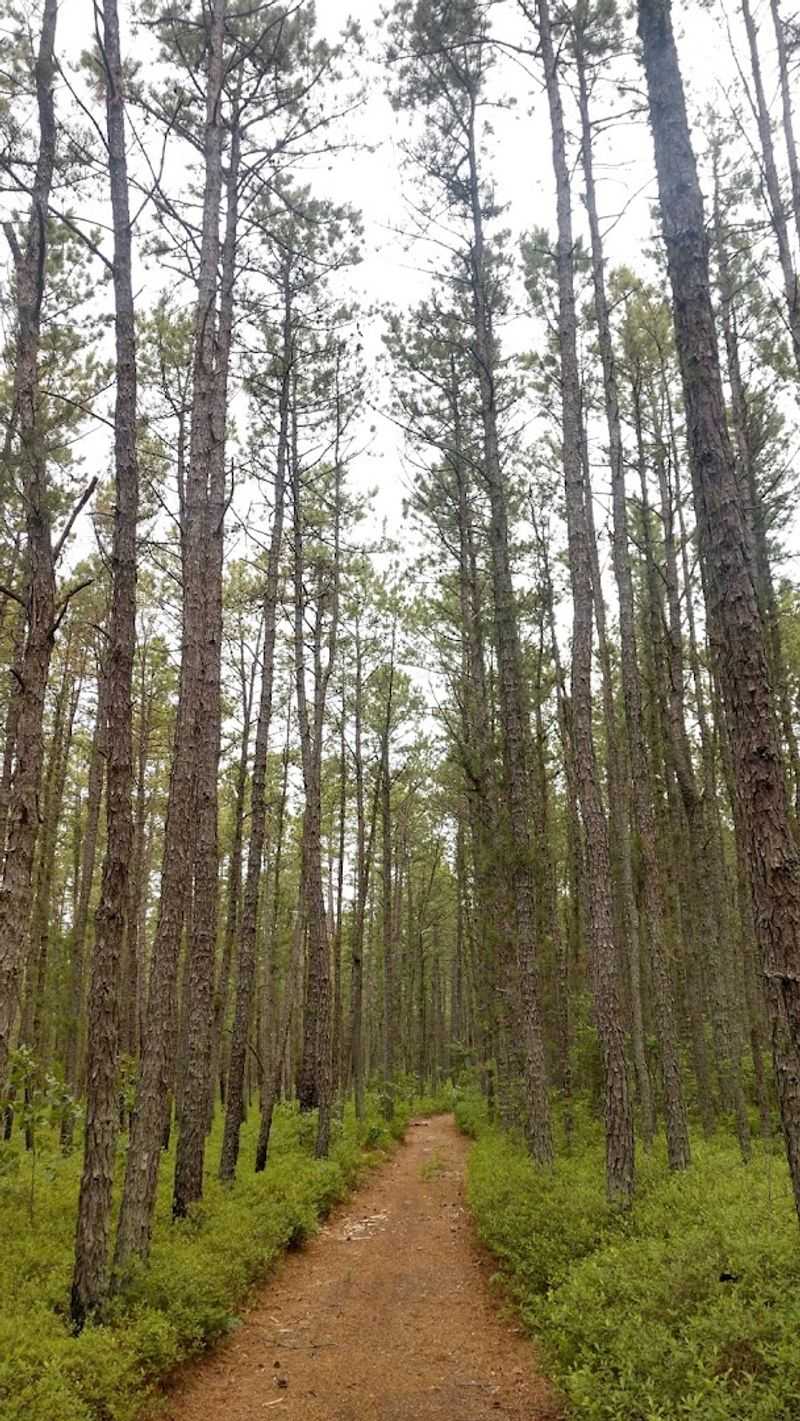
The Batona Trail is the backbone of backcountry travel in the New Jersey Pinelands. Marked with distinctive pink blazes on trees, the trail winds through flat, sandy terrain covered by pitch pine, scrub oak, and cedar.
The forest floor stays open in most sections, which makes navigation straightforward even for newer hikers.
Lower Forge sits at roughly the midpoint of the trail, which means hikers approaching from either end will cover a significant distance before arriving. The terrain is not steep or technically difficult, but the sandy soil and long mileage add up quickly, especially in warm weather.
Hikers who plan an overnight trip to Lower Forge typically use it as a base camp for the night before continuing along the trail the next morning. The trail’s condition and length make it a solid choice for anyone building up their backcountry hiking experience without tackling extreme terrain.
A Campground Built Around Simplicity
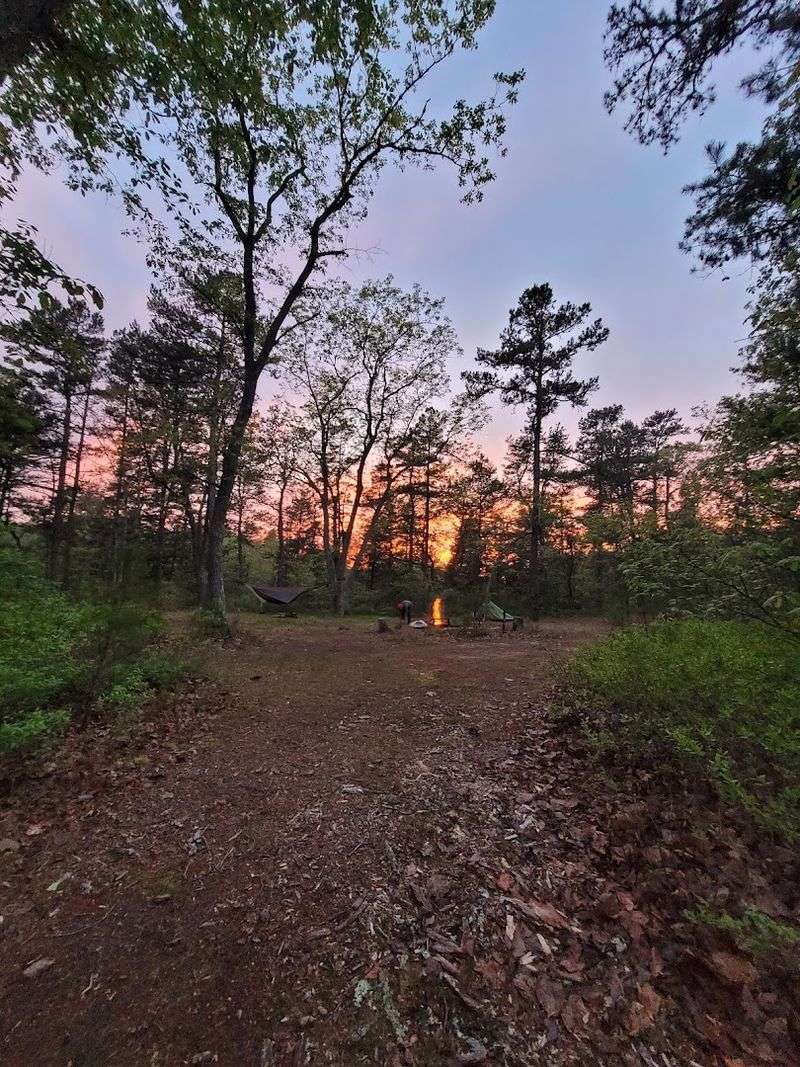
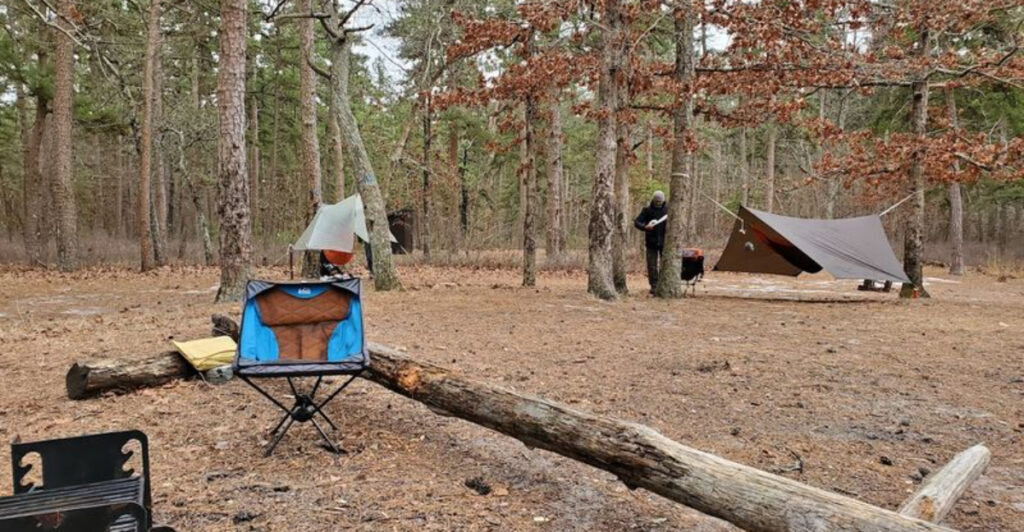
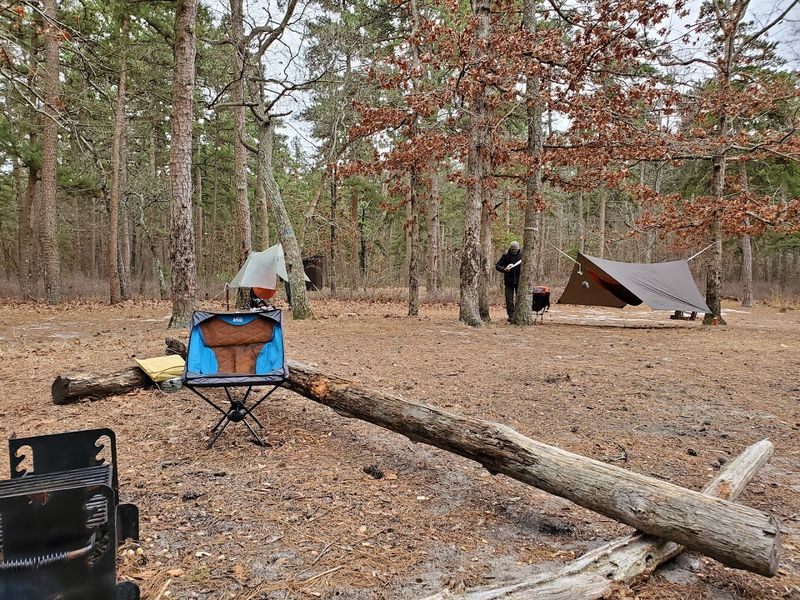
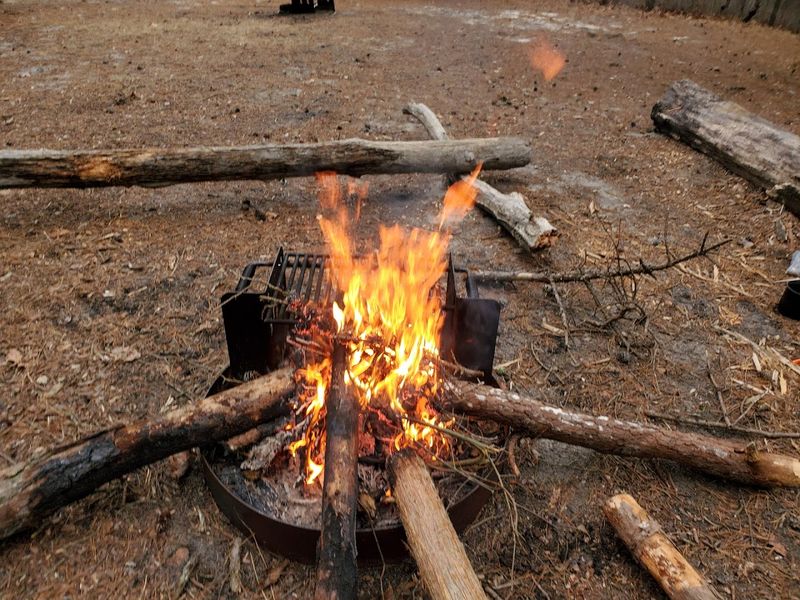
Lower Forge does not pretend to be a full-service campground, and that honesty is part of its appeal. Each campsite comes with a fire ring, which is the main amenity on offer.
There are no picnic tables, no electrical hookups, no camp store, and no shower facilities anywhere on the property.
A pit-style privy is available at the campground, which is a step up from true wilderness camping but still far from the comforts of a developed park. The sites are marked so campers know where to set up, and there is reportedly enough space to accommodate around four canoes at one time.
Sites are spaced roughly 25 yards apart, which means privacy is present but not absolute. On a busy weekend, there is a reasonable chance of hearing neighbors nearby.
For those who value quiet over convenience, arriving on a weekday or during the off-season makes a noticeable difference in the overall experience.
The Water Situation Every Camper Needs to Know
There is no potable water source at Lower Forge Campground. No pump, no spigot, no water station of any kind.
This is the detail that surprises first-time visitors the most, and it is also the detail that requires the most preparation before arrival.
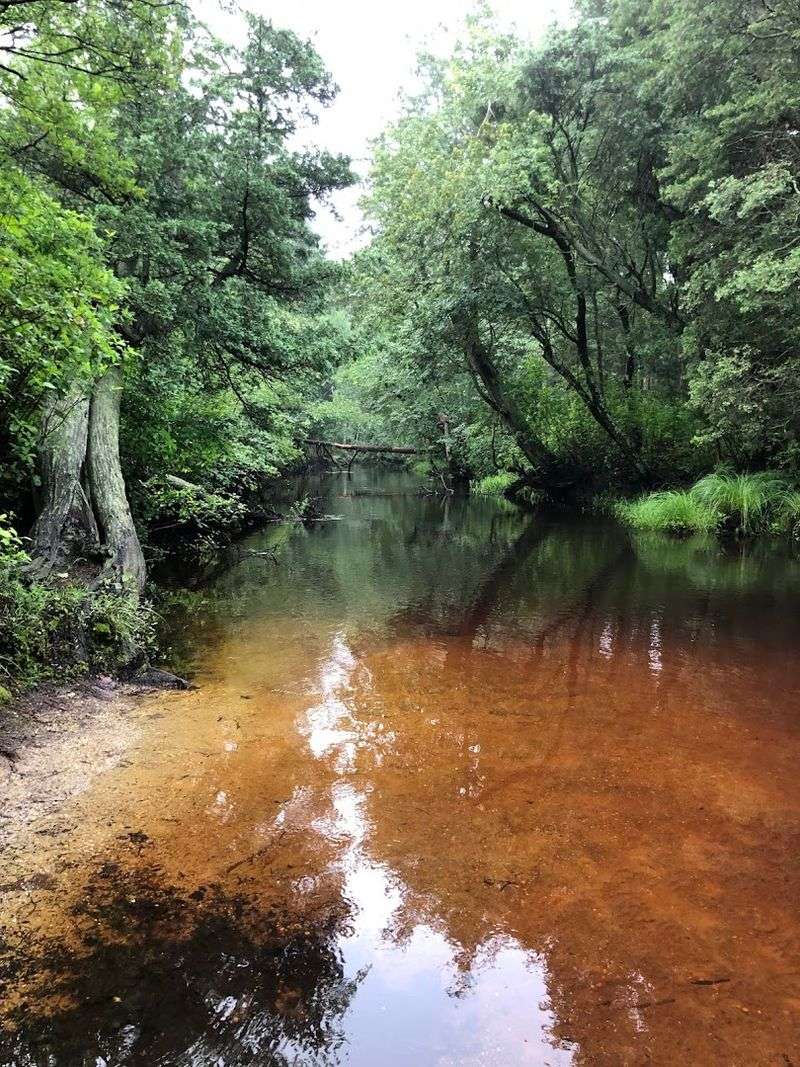
The Batsto River runs alongside the campground and serves as the only water source available on site. The river carries a naturally dark color due to tannins released by the surrounding vegetation, which is completely normal for Pinelands waterways.
The water has a slightly bitter taste that some find noticeable even after filtering.
A reliable water filter or purification tablets are not optional at this campground. Carrying enough filtered or pre-treated water for the full trip is the safest approach, especially for shorter stays.
Anyone planning to rely on the river should bring a quality filtration system and understand how to use it correctly before setting out on the trail or water.
Firewood and the Quarter-Mile Walk to Camp
Even though motor vehicles cannot reach Lower Forge, there is still a parking area at a certain point before the campground. From that spot, it is roughly a quarter-mile walk to the actual campsites.
That distance is short enough to be manageable but long enough to make overpacking feel like a bad decision very quickly.
Firewood is available for purchase at the Wharton State Forest office at around $7 per bag, and picking it up before arriving is strongly recommended. Scavenging for fallen wood in the surrounding forest is an option, but in popular seasons like early fall, the area around the campground gets picked clean by other campers fairly quickly.
Locals in the area sometimes sell firewood as well, which can be a convenient option for those driving in from nearby towns. Either way, arriving without a plan for firewood is a gamble that tends to end with a cold night and a dark campsite.
Wildlife That Shares the Forest
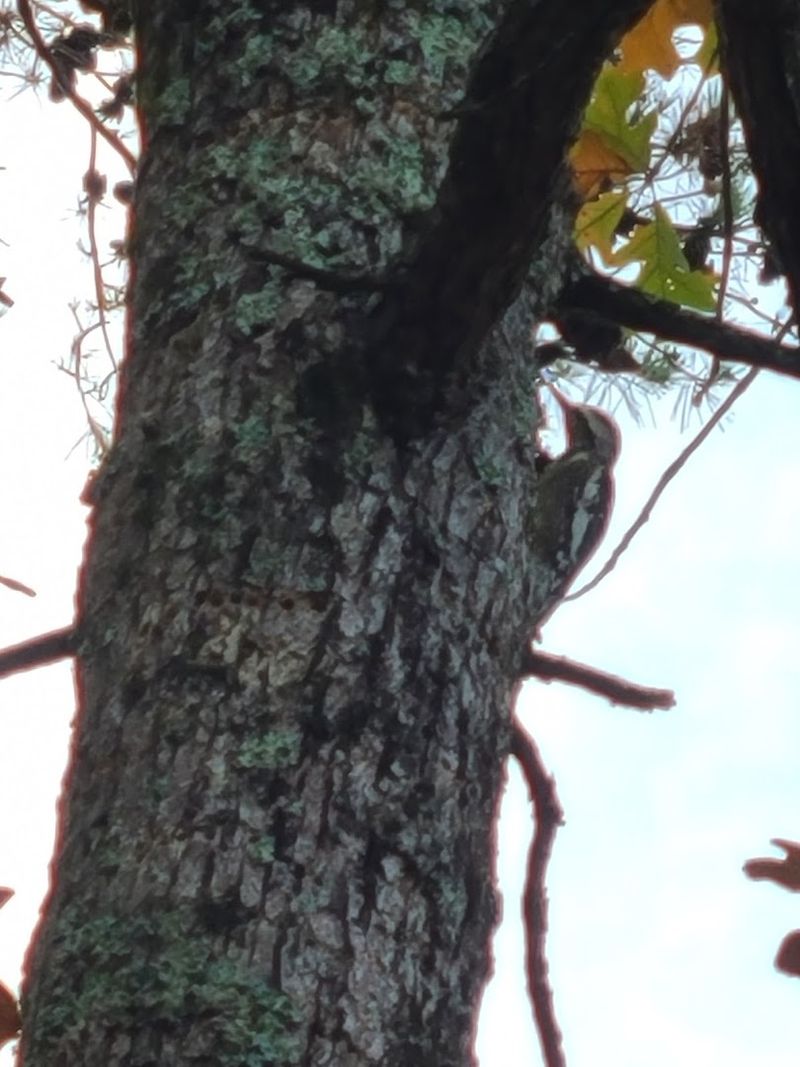
Lower Forge sits deep enough in the Pinelands that wildlife activity is a regular part of the overnight experience. The forest comes alive after dark with sounds from birds, frogs, and small mammals going about their routines through the night hours.
The whip-poor-will is one of the most talked-about residents of this area. This nocturnal bird is known for its repetitive, clear call that can last for extended periods after sunset.
For those who have never heard one before, the sound is striking and completely unmistakable once identified.
Ticks are a genuine concern throughout the Batona Trail corridor, including at Lower Forge. The Pinelands environment supports a high tick population, particularly during warmer months.
Wearing long sleeves, tucking pants into socks, using repellent, and doing thorough checks after any time in the brush are all standard precautions that experienced hikers in this region treat as non-negotiable habits.
Paddling the Batsto River to Get There
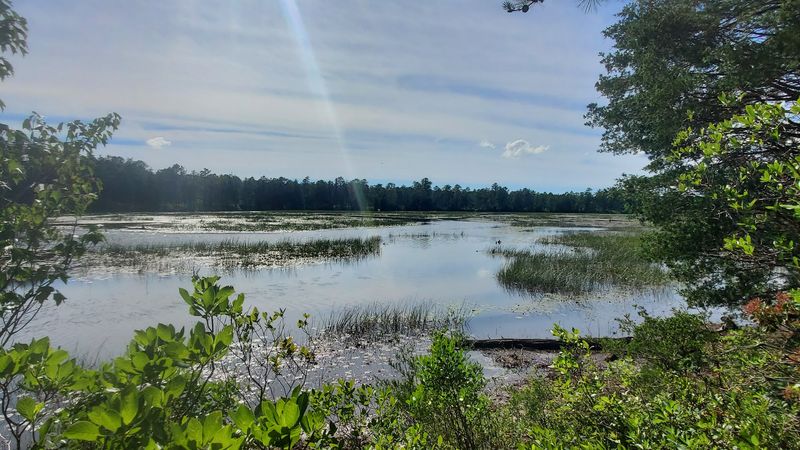
The Batsto River is one of the most well-traveled paddling routes in southern New Jersey, and for good reason. The water moves at a gentle pace through a forest corridor that keeps the sun partially blocked by overhanging trees.
The river bottom is sandy and shallow in most places, which makes it forgiving for paddlers who occasionally drift off course.
Canoeists heading to Lower Forge typically launch from designated access points upstream and follow the river downstream to the campground. The distance covered depends on the launch point chosen, so planning the route in advance with a current map of the river is a practical step.
The campground can accommodate approximately four canoes at one time based on available landing space near the sites. That limited capacity keeps the spot from becoming overcrowded, which is part of what makes arriving by water feel rewarding.
The river approach also gives paddlers a completely different perspective on the Pinelands landscape than hiking provides.
Navigation Warnings Before You Drive Out
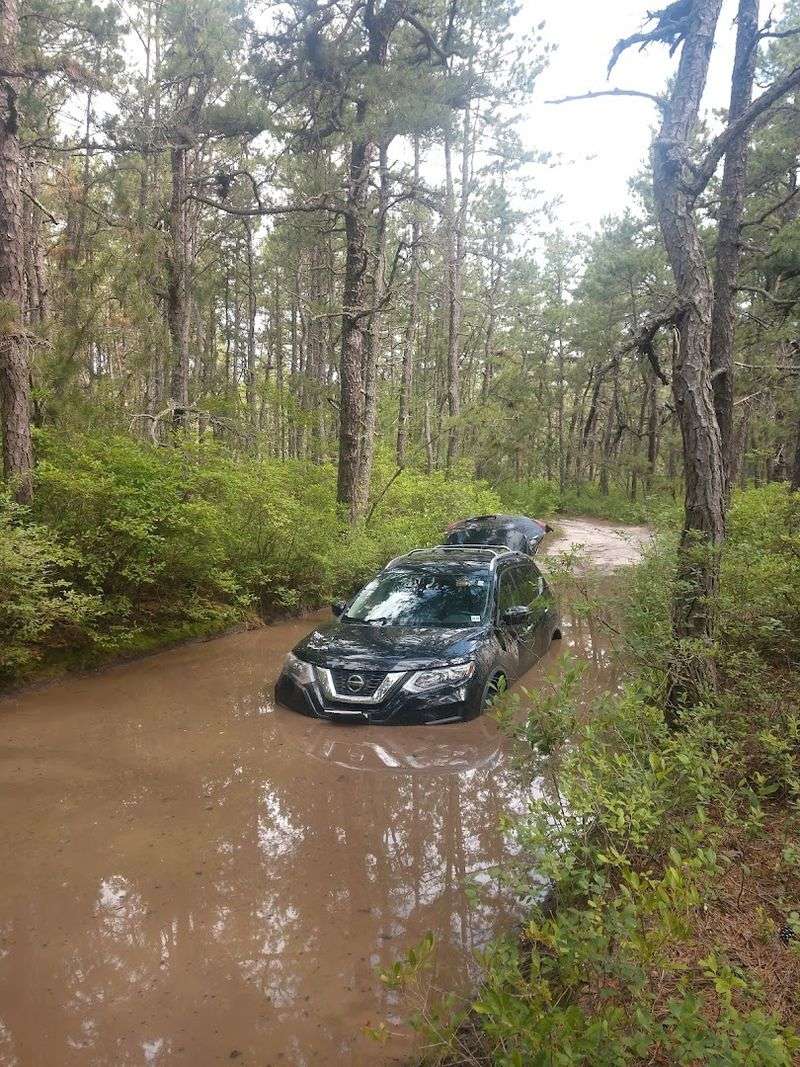
Getting to the trailhead or launch point for Lower Forge requires driving through some of the more remote road networks in Burlington County. GPS devices and mapping apps do not always route drivers through the most suitable roads in this part of the Pinelands, and some routes that appear on a map are barely wide enough for a standard vehicle.
One specific caution worth noting is Carranza Road off Route 206. Navigation systems sometimes direct drivers along this route, but the road passes through sections with significant overgrowth that can scratch vehicle paint and make passage difficult for low-clearance cars.
Researching the approach route in advance using resources from the Wharton State Forest office or the New Jersey Division of Parks and Forestry website is a smart move.
Calling ahead or downloading a detailed trail and access map before leaving home removes most of the guesswork. The forest roads in this area are part of the adventure, but only when approached with the right vehicle and a clear plan.
Best Times of Year to Make the Trip
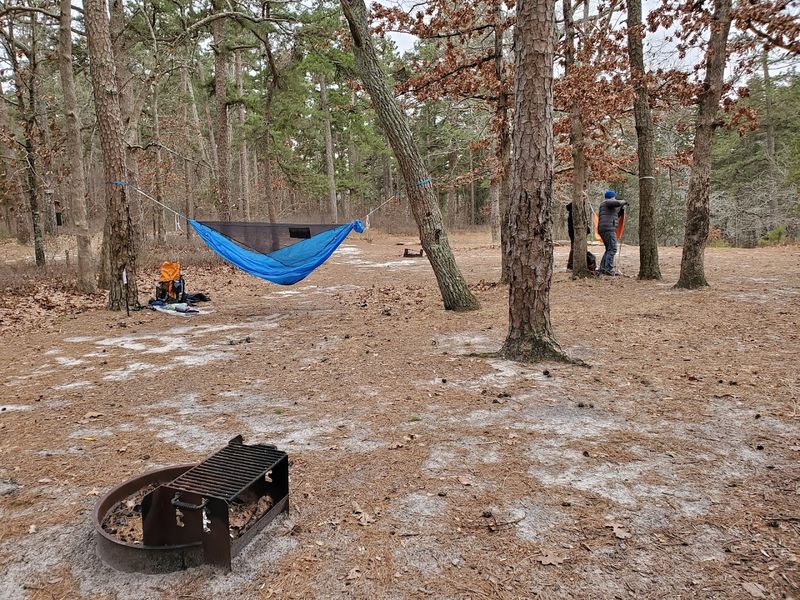
Lower Forge Campground is accessible year-round, but some seasons offer a noticeably better experience than others. Spring and fall tend to be the most popular windows for both hikers and paddlers.
Temperatures are comfortable, the forest is active with wildlife, and the river runs at reliable levels for canoeing.
Summer brings heat and humidity to the Pinelands, which makes long hikes on the Batona Trail more demanding. Bug activity, including mosquitoes and ticks, also peaks during the warmer months, which adds another layer of preparation to any summer trip.
That said, summer weekdays at Lower Forge are significantly quieter than weekends.
Winter camping at this site is possible for experienced cold-weather campers who are properly equipped. The forest takes on a stark, open quality when the deciduous understory drops its leaves, and the reduced foot traffic means the campground is almost always empty.
Early September sits in a sweet spot between summer heat and full fall crowds, making it a reliable target window for planning.
Why This Spot Keeps Drawing People Back
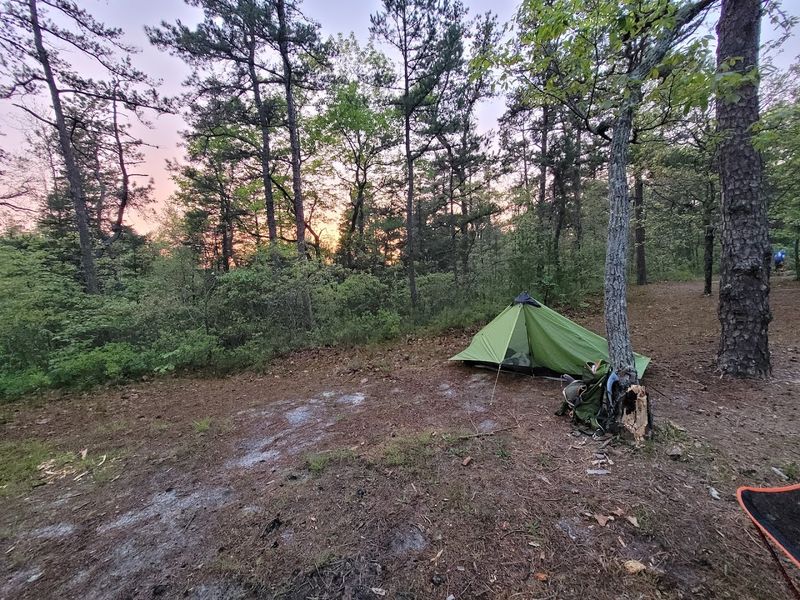
Lower Forge Campground does not offer much in the way of infrastructure, but that is precisely the point. The appeal is in what is not there: no road noise, no neighboring RVs, no light pollution from a nearby parking lot.
What fills that space instead is the sound of the river, the rhythm of the forest at night, and the particular quiet that comes from being somewhere that required real effort to reach.
The Batona Trail community has a strong culture of hikers who return to this route season after season. Lower Forge sits at a natural waypoint on that journey, and the campground carries a reputation among regular trail users as a reliable and genuinely rewarding overnight stop.
For anyone curious about backcountry camping in New Jersey but not ready to tackle a remote mountain wilderness, Lower Forge offers a middle ground that is challenging enough to feel meaningful and accessible enough to be achievable with solid preparation. That balance keeps people coming back.
Share this story