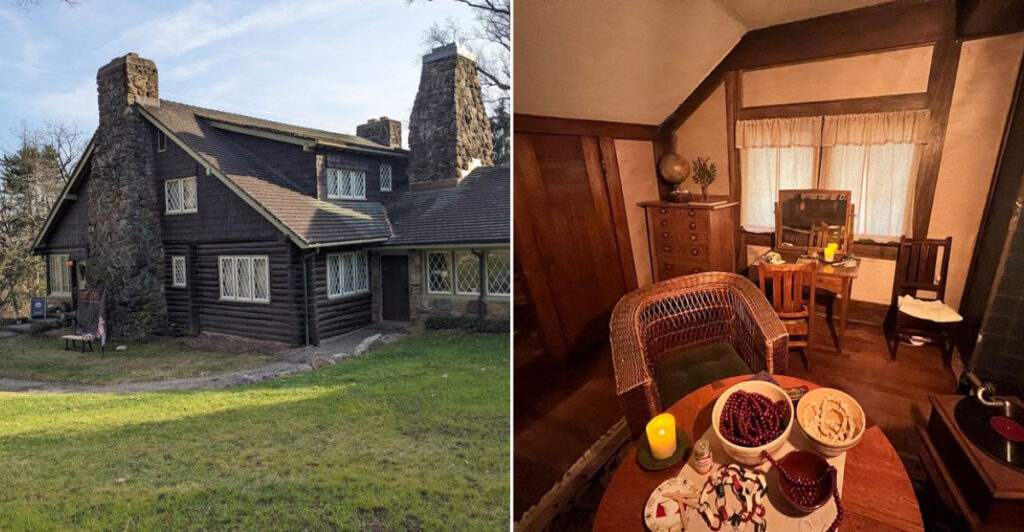
Tucked off a busy highway in Morris Plains, New Jersey, there is a 30-acre estate that most people drive past without ever knowing what is hidden behind the trees. The property was designed more than a century ago by a man who believed that the way people furnished their homes could actually change the way they lived.
Gustav Stickley was not just a furniture maker. He was a philosopher, a publisher, and a social critic who thought that honest craftsmanship and natural materials could bring meaning back to everyday life.
The log house he built in 1911 still stands today, restored and open to the public, filled with original pieces that tell a story far bigger than any single chair or table. This is the kind of place that surprises you, even if you think you already know what to expect.
The Man Behind the Mission
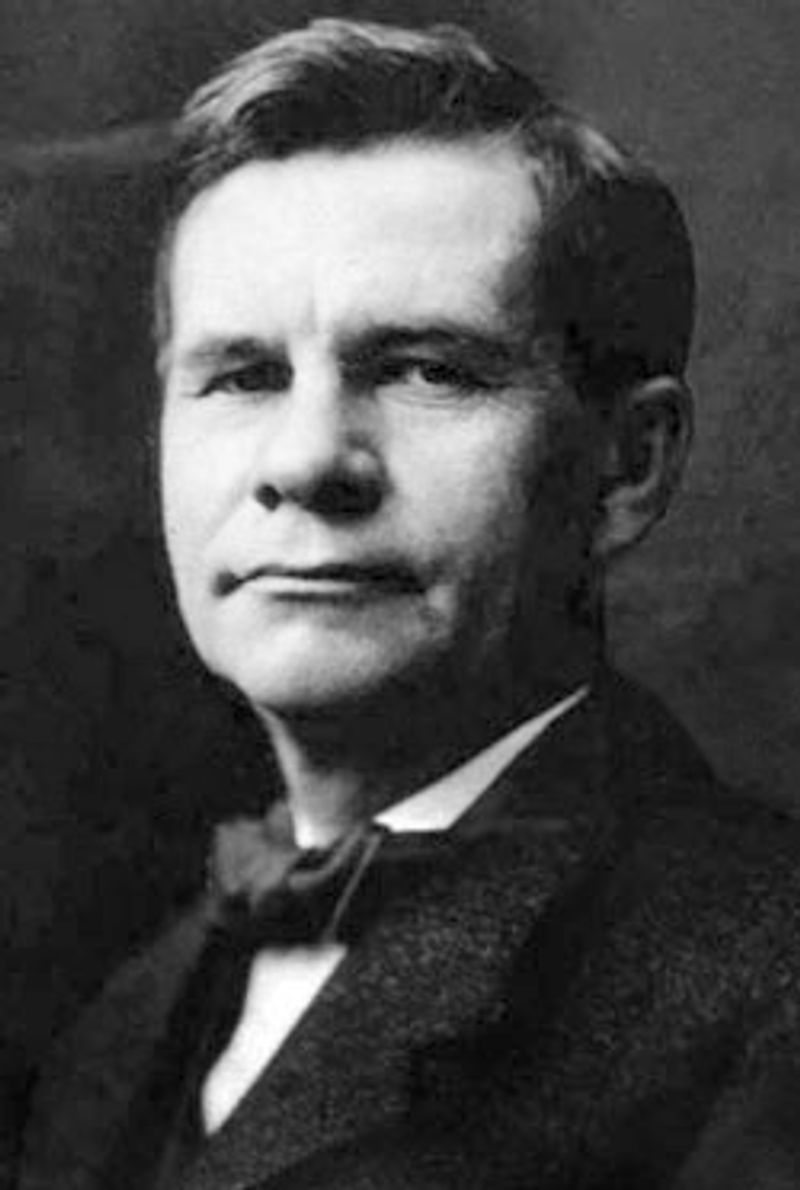
Gustav Stickley is one of those figures in American history who deserves far more recognition than he typically gets. Born in 1858, he rose from modest beginnings to become one of the most influential designers of the early twentieth century, shaping the way Americans thought about their homes and the objects inside them.
Stickley was not satisfied with the ornate, mass-produced furniture that dominated Victorian interiors. He pushed back hard against that aesthetic, championing furniture built from solid wood with visible joinery, minimal decoration, and a clear sense of purpose in every piece.
Beyond furniture, he published a magazine called The Craftsman, which ran from 1901 to 1916 and promoted his broader philosophy of simple, honest living. He also offered house plans through the magazine, spreading the Craftsman style across the country long before anyone had heard of a design blog.
His reach was genuinely national.
A Movement Born From Frustration
The Arts and Crafts movement did not start in New Jersey. It actually originated in Britain during the mid-1800s as a reaction against the poor quality and impersonal nature of factory-made goods flooding the market after the Industrial Revolution.
By the time it crossed the Atlantic, American designers like Stickley had already begun reshaping it for a new audience.
In the United States, the movement took hold roughly between 1900 and 1929. It stood in direct opposition to Victorian excess, favoring clean lines, natural materials, and craftsmanship that you could actually see and appreciate rather than hide under layers of varnish and carving.
Stickley’s version of the movement was practical and democratic. He wanted ordinary people to live with well-made things.
The museum at Craftsman Farms is one of the best places in the country to understand how that philosophy translated into actual objects, rooms, and ultimately a whole way of thinking about domestic life.
The Log House That Stickley Built
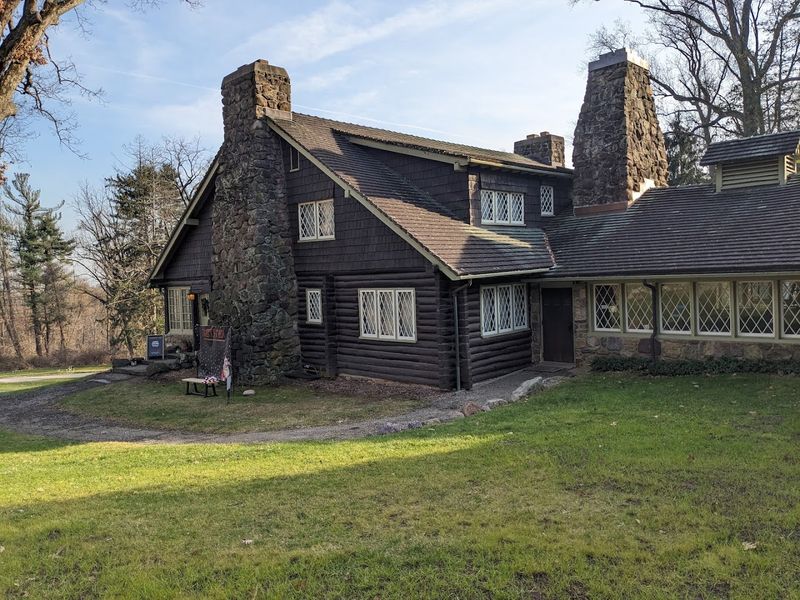
The centerpiece of the entire property is Stickley’s log house, which has been carefully restored to reflect its appearance between 1910 and 1917. That restoration is not just cosmetic.
The goal was to show how Stickley actually lived in the space and how his design philosophy played out in a real domestic setting.
The structure itself is built using natural materials in a way that was intentional and deliberate. Stickley believed that a home should feel connected to its environment rather than imposing on it.
The log construction, the low roofline, and the deep porch all reflect that belief in a very direct way.
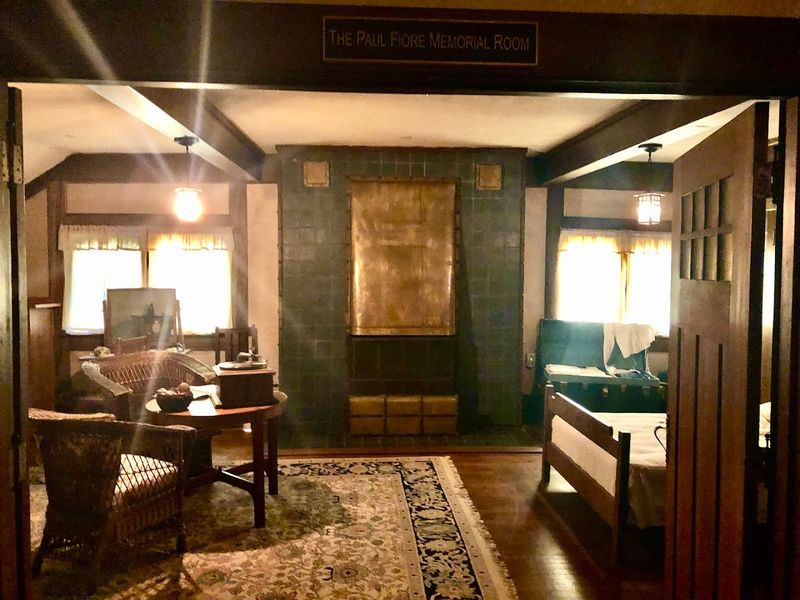
Original furniture pieces are placed throughout the house as they would have been during the family’s residence. Seeing the chairs, tables, and textiles in their actual context rather than behind glass in a conventional gallery setting makes a meaningful difference in how you understand what Stickley was trying to accomplish with each design.
What a Guided Tour Actually Covers
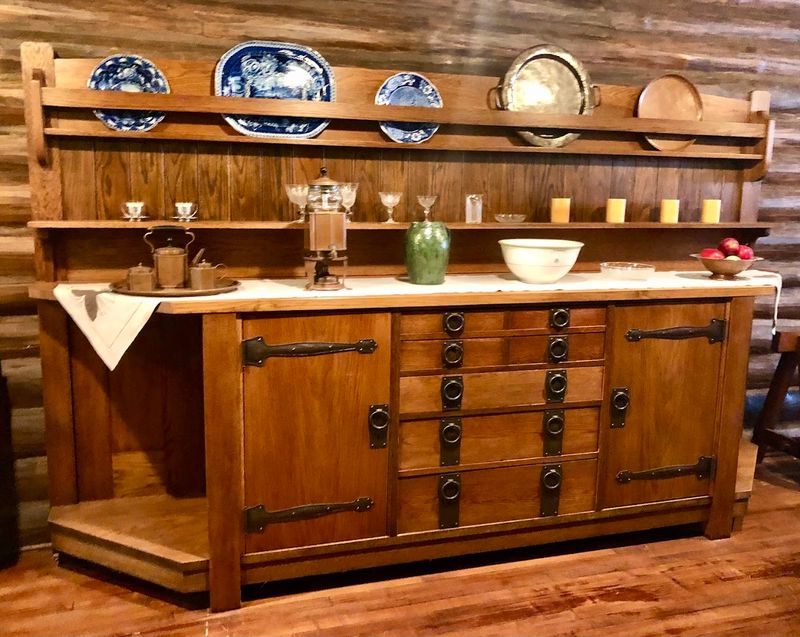
Tours at the museum typically begin with a short introductory video shown in the renovated kitchen area. The video runs about five minutes and gives a quick overview of the Stickley family and the history of the property before the group moves through the rest of the house.
From the main floor to the second-floor bedrooms, docents walk guests through each room and explain the significance of specific pieces, architectural details, and design choices. The tours usually last around one hour and cover a lot of ground in that time, touching on furniture, family history, the broader Arts and Crafts movement, and the philosophy that drove Stickley’s work.
Groups are generally kept to around twelve people, which helps keep the experience personal and allows for questions along the way. The docents are known for their depth of knowledge and genuine enthusiasm for the subject, which makes the hour feel much shorter than it actually is.
Furniture That Tells a Bigger Story
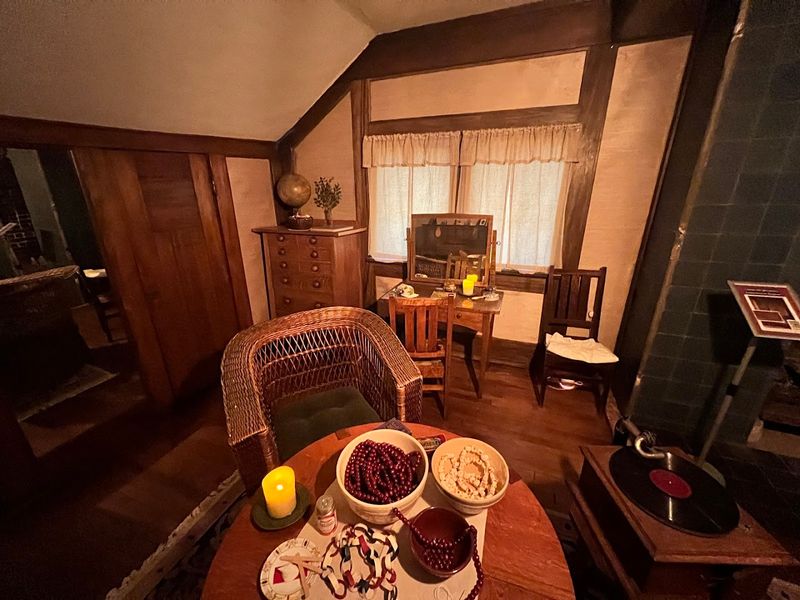
The furniture at Craftsman Farms is not just decorative. Each piece was made to express a specific set of values about quality, honesty, and the relationship between the person making an object and the person living with it.
Stickley called his style “Craftsman” furniture, though it is also widely known today as Mission style.
What makes the collection at the museum particularly special is that the pieces are original and displayed in context. Rather than being arranged in a neutral gallery, they sit in the rooms where they were actually used.
A chair in the living room is not just a chair. It is part of a complete argument about how a room should feel and function.
The museum also holds some reproduction pieces that are considered extraordinary examples of the craft, and at least one piece on loan from the Metropolitan Museum of Art has been part of the collection. That loan alone signals how seriously the broader art world takes this site.
Metalwork, Textiles, and the Details You Might Miss
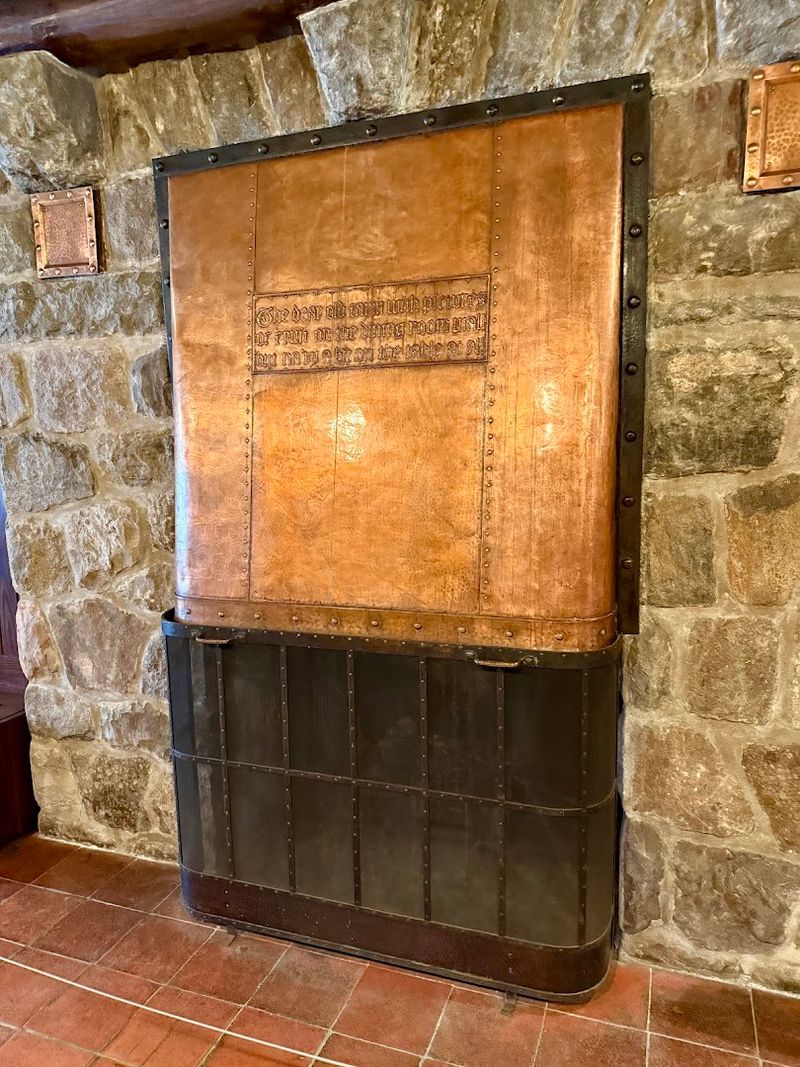
Most people associate Stickley with wooden furniture, and that association is completely fair. But limiting the story to wood alone means missing a significant part of what made his vision so complete and cohesive.
The metalwork and textiles produced under his direction were equally thoughtful and equally tied to the same philosophy.
Copper hardware, hand-hammered lamp bases, and woven fabric all appear throughout the house at Craftsman Farms. These details were not afterthoughts.
They were integral to the total design of a room, chosen to complement the furniture and reinforce the overall mood of honest, handmade craftsmanship.
Paying attention to these smaller elements during a tour adds a layer of appreciation that is easy to overlook if you are focused only on the large pieces. The way a copper pull on a cabinet door echoes the tones in a nearby textile is exactly the kind of considered detail that Stickley built his entire reputation on.
Nothing in these rooms is accidental.
The Grounds and the Philosophy of Natural Setting
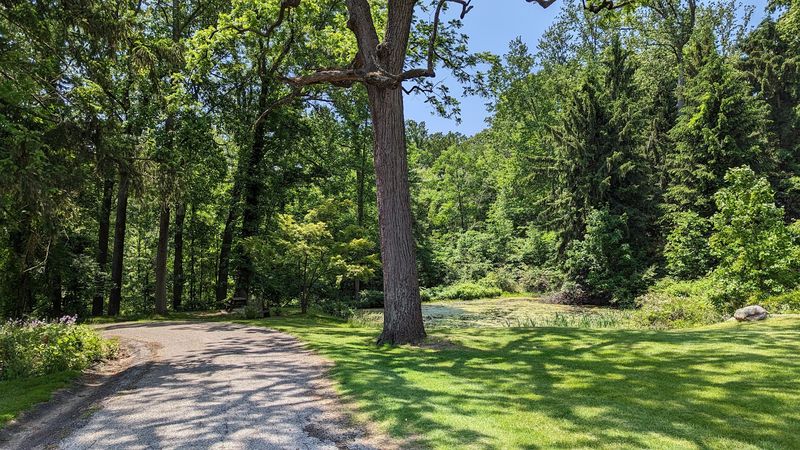
Stickley did not just design the house. He thought carefully about how the entire property should relate to its natural surroundings, and the grounds at Craftsman Farms reflect that thinking in a direct way.
The 30-acre estate was laid out to feel connected to the landscape rather than imposed upon it.
The property is walkable, and moving between the buildings and through the open spaces gives a clear sense of how Stickley imagined an ideal domestic environment. The relationship between the structures and the trees, the slope of the land, and the general openness of the site all feel deliberate.
For anyone who spends most of their time in suburban or urban environments, the grounds offer a genuinely different kind of experience. The site is not manicured to the point of feeling artificial, which is entirely appropriate given Stickley’s philosophy.
The natural quality of the landscape is part of the argument the whole property is trying to make about how people should live.
Seasonal Events and Special Visits
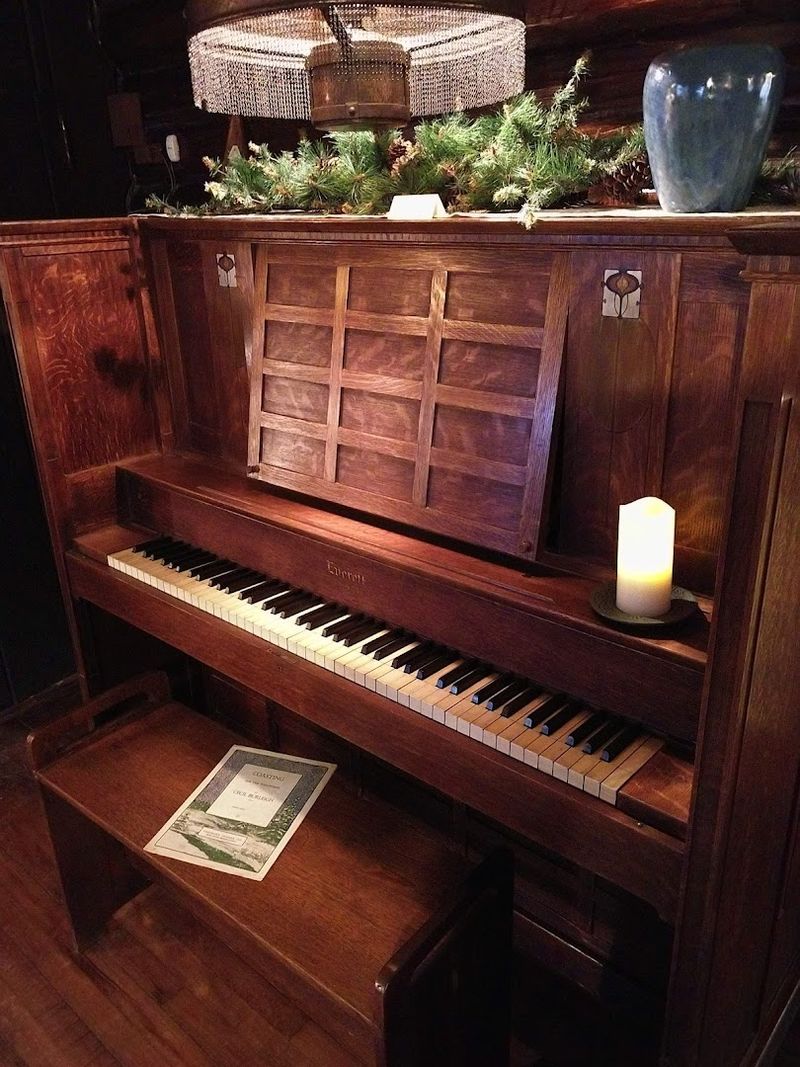
The museum at Craftsman Farms does not just offer standard tours year-round. Seasonal events and special programming have become a notable part of what the site offers, and the holiday season in particular draws guests who might not otherwise make the trip.
The property decorated for Christmas has become a draw in its own right. The combination of the historic log house, original furniture, and period-appropriate holiday decor creates an atmosphere that feels genuinely connected to the early twentieth century rather than generic or commercially driven.
The gift shop, which is open during visiting hours, also tends to stock seasonal items alongside its regular selection of books, housewares, and Stickley-related merchandise. Guests have been known to leave with unplanned purchases after browsing the shop at the end of a tour.
The selection is small but well-chosen, and the items feel relevant to the museum’s subject rather than just being typical souvenir merchandise.
Planning Your Visit: What to Know Before You Go
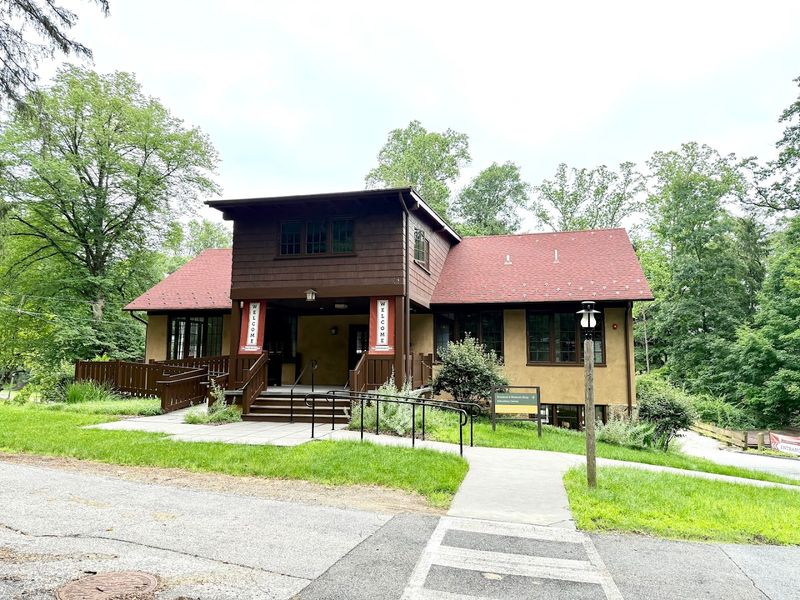
The museum operates on a limited schedule, so checking ahead is essential. Current hours are Fridays, Saturdays, and Sundays from 11 AM to 3 PM, with the property closed from Monday through Thursday.
Reservations are recommended and can be made directly through the museum’s website at stickleymuseum.org.
Admission is reasonably priced, and the tour typically runs about one hour. AAA members may be eligible for complimentary admission, so it is worth calling ahead to confirm current membership benefits before arriving.
Parking is available on site at no additional cost.
The tour involves moving through multiple rooms on two floors, so comfortable footwear is a practical consideration. The museum is best suited for adults and children over the age of ten, given the nature of the content and the format of the guided experience.
Groups of around twelve people keep the tours manageable and allow for a more personal interaction with the docents and the collection.
Why This Place Still Matters Today
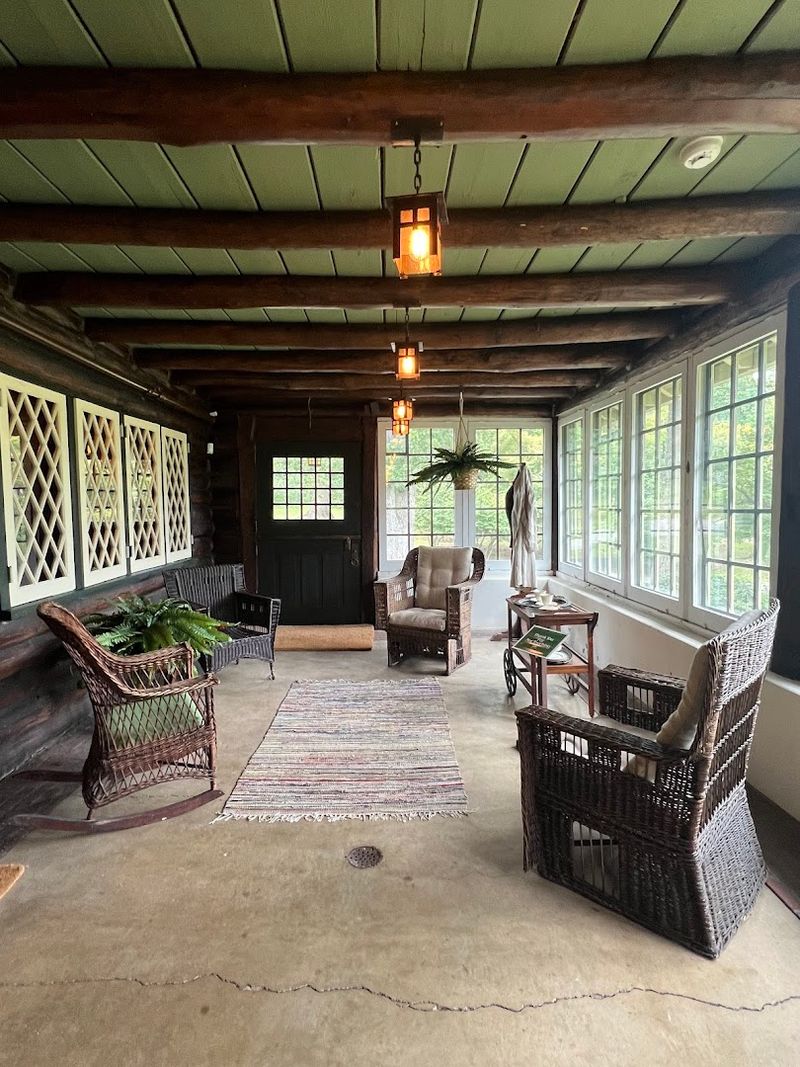
More than a century after Gustav Stickley built his log house in Morris Plains, the ideas behind Craftsman Farms feel surprisingly relevant. The push for well-made objects over disposable ones, for materials that are honest about what they are, and for homes that reflect actual values rather than trends has not lost any of its urgency.
The museum preserves not just furniture and architecture but an entire way of thinking about how people should relate to the things they own and the spaces they live in. That is a harder thing to preserve than a building, and the fact that Craftsman Farms does it successfully is worth recognizing.
For woodworkers, architecture enthusiasts, history buffs, or anyone who has ever looked at a piece of furniture and wondered who made it and why, this place delivers something that most museums simply cannot. The story it tells is specific, well-documented, and genuinely worth the drive down Route 10 to find.
Where to Find This Remarkable Estate
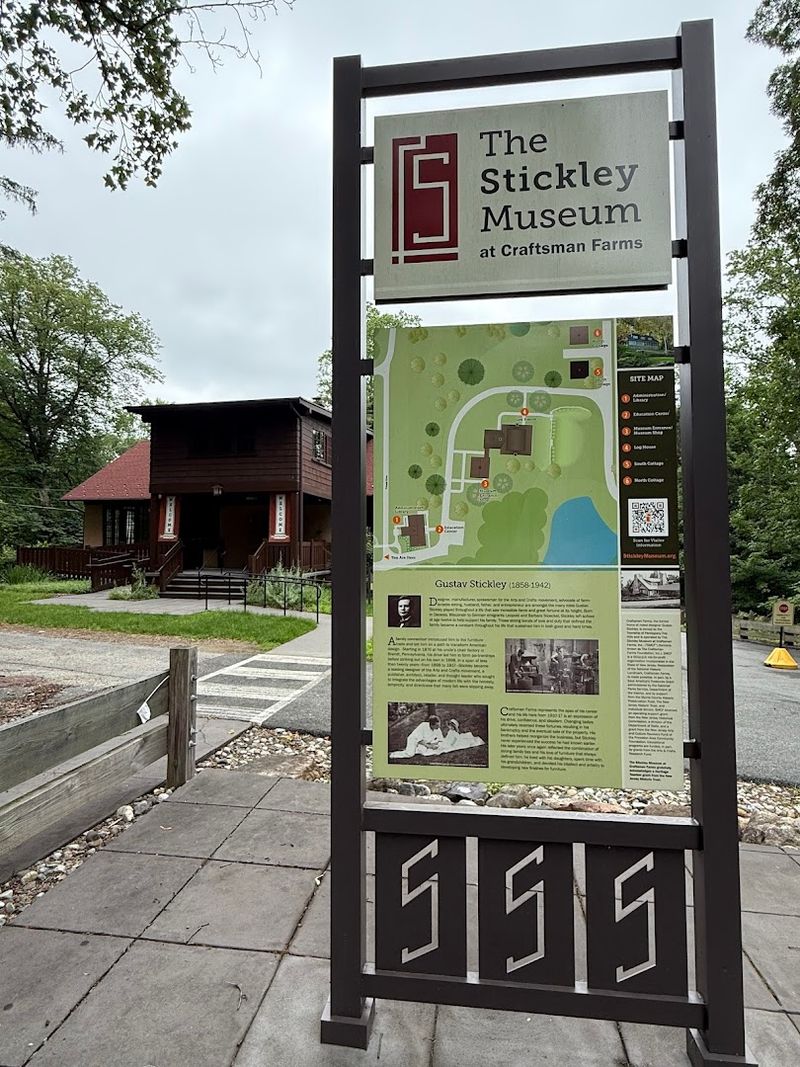
The Stickley Museum at Craftsman Farms sits at 2352 NJ-10 in Morris Plains, New Jersey 07950, right off Route 10 in Morris County. Despite being close to a well-traveled road, the property feels completely removed from the surrounding suburban landscape.
The estate covers about 30 acres, and the main log house anchors the grounds with a presence that is hard to miss once you are actually on the property. The low-pitched roof, overhanging eaves, and large front porch with sturdy tapered columns make it look unlike any other historic house in the region.
The museum is open on Fridays, Saturdays, and Sundays from 11 AM to 3 PM, and reservations can be made through the official website at stickleymuseum.org. Parking is available directly on site.
AAA members should call ahead, as discounted or complimentary admission may be available depending on the current membership benefits.
Share this story