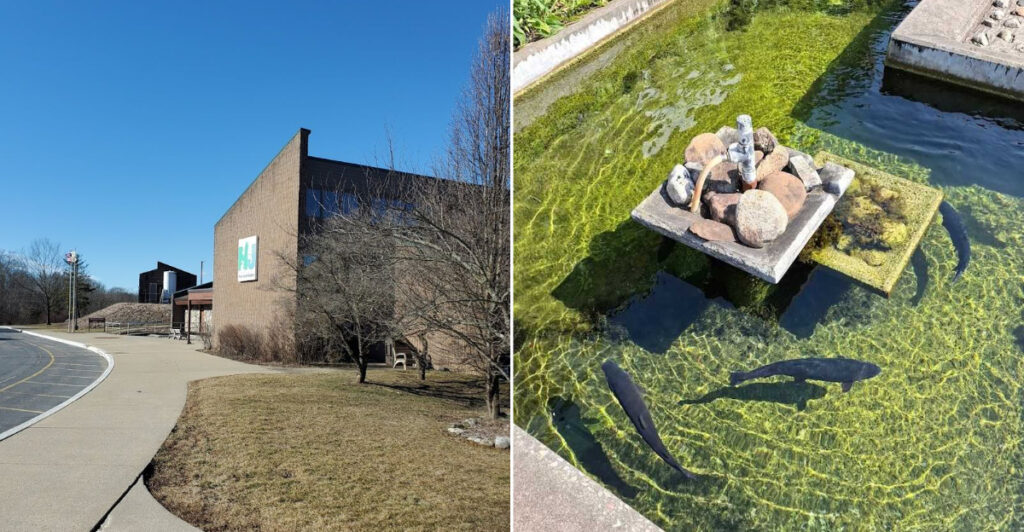
Tucked away in the hills of Warren County, there is a state-run facility in Oxford, New Jersey, that never truly stops working, even when the doors are locked and the lights are off. Millions of trout are being raised there around the clock, quietly growing in long concrete raceways fed by a natural spring, all destined for rivers and lakes across New Jersey.
Most people drive past without a second thought, having no idea that one of the state’s most productive fish-rearing operations is happening just off the road. This place is part working hatchery, part wildlife classroom, and it is genuinely one of the most underrated free destinations in the entire state.
Whether you are a fishing enthusiast, a curious parent, or just someone who appreciates the outdoors, this place has more going on than its quiet exterior suggests.
Where Exactly This Place Is and How to Find It
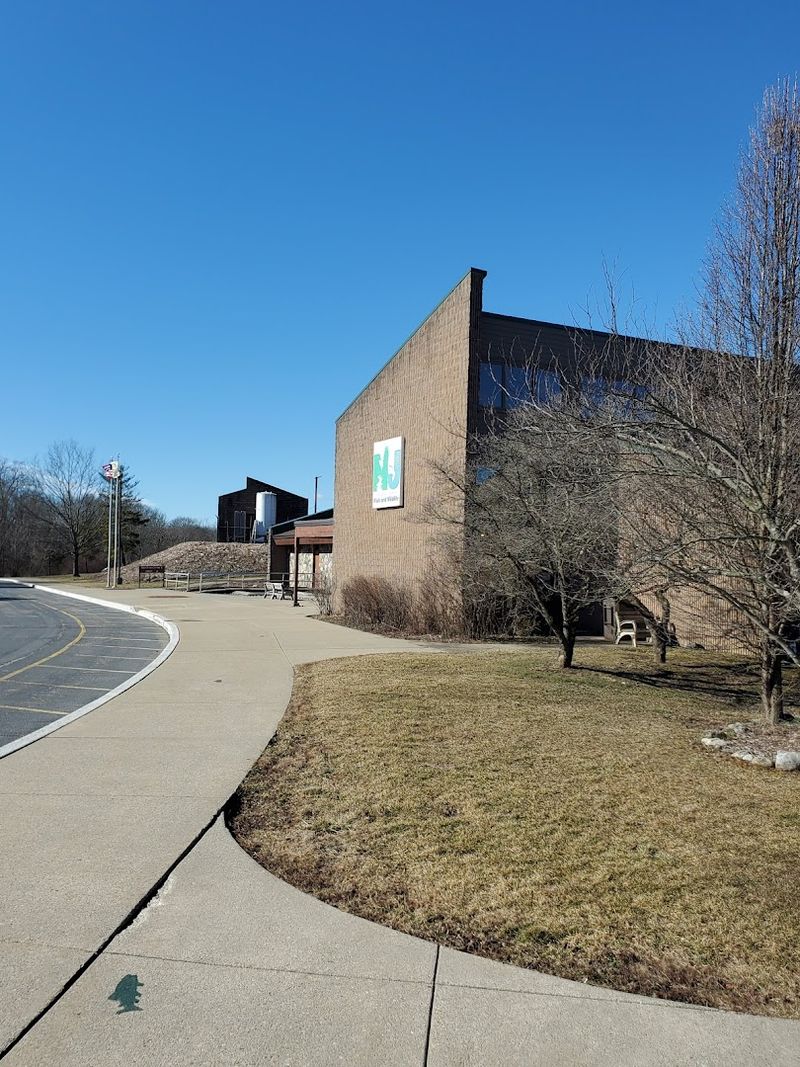
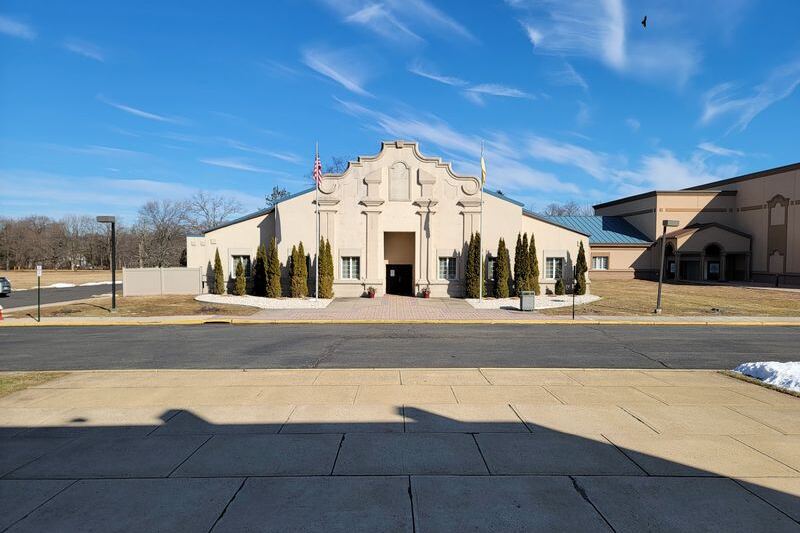
The Pequest Trout Hatchery and Natural Resource Education Center sits at 605 Pequest Road in Oxford, New Jersey 07863, right in the heart of Warren County in the northwestern part of the state.
The drive out there winds through quiet farmland and wooded hills, and the facility itself blends into the landscape so naturally that first-time visitors sometimes wonder if they missed a turn.
The education center is open Monday through Friday from 9 AM to 4 PM, and it is closed on weekends. Before making the trip, it is worth double-checking hours directly through the New Jersey Division of Fish and Wildlife website, since posted hours have occasionally caused confusion.
The hatchery is operated by the New Jersey Division of Fish and Wildlife, and admission to the education center is completely free. Parking is available on site, and the grounds are easy to walk around once you arrive.
The Round-the-Clock Operation Most People Never See
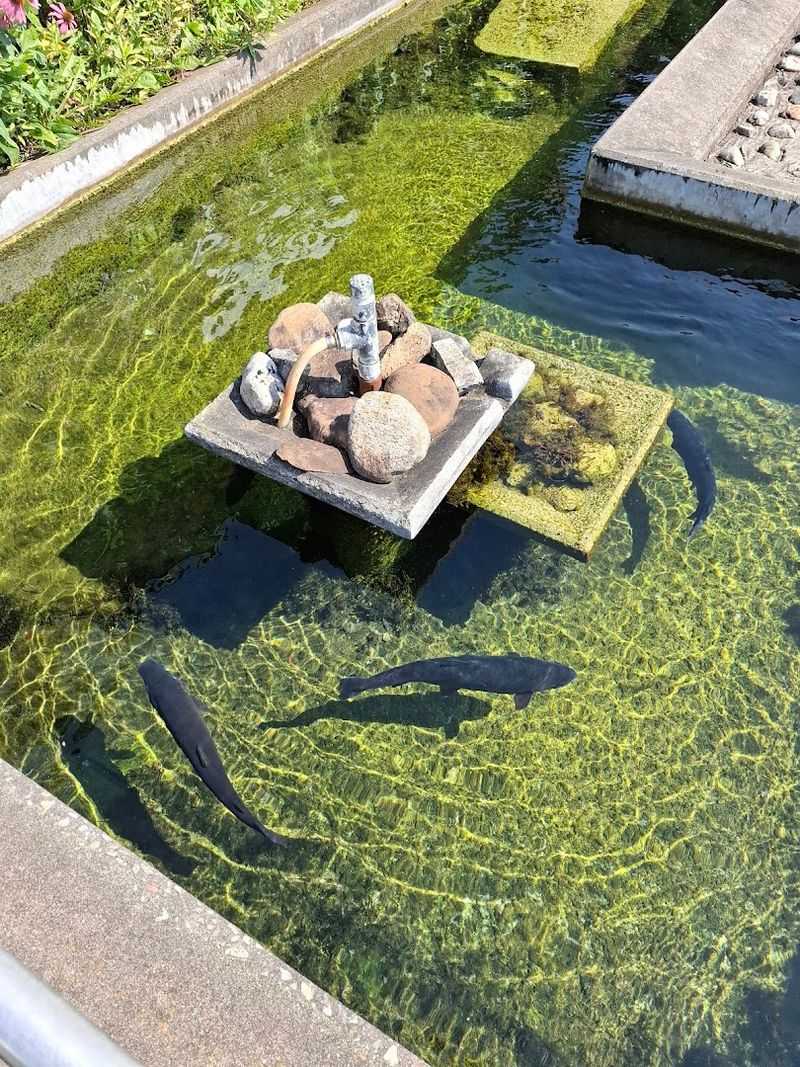
Here is the part that surprises most people: the hatchery never actually stops. While the education center keeps regular business hours, the fish-rearing operation runs continuously, every single day of the year, because trout do not take weekends off.
The Pequest Hatchery produces roughly 600,000 rainbow trout annually, making it one of the most productive freshwater fish hatcheries on the East Coast. Those fish are stocked into more than 200 rivers, streams, and lakes throughout New Jersey each year.
The water powering the whole operation comes from the Pequest River and a series of natural springs, which maintain a consistently cool temperature ideal for trout growth. That steady flow of cold, clean water is what makes the site so well-suited for large-scale trout production.
The raceways, which are the long rectangular channels where the fish are raised, stretch across the property and hold fish at various stages of development, from tiny fingerlings to full-grown adults ready for stocking.
A Natural Spring That Makes Everything Possible
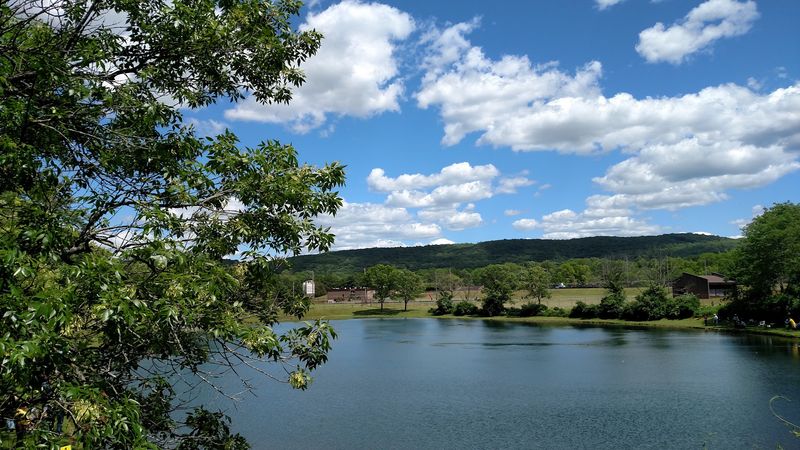
Not every location can support a trout hatchery, and the reason Pequest works so well comes down to one key factor: the natural spring system on the property delivers water at a near-constant temperature year-round.
Trout are extremely sensitive to water temperature. They thrive in cold, well-oxygenated water and struggle when conditions shift too far in either direction.
The spring-fed system at Pequest maintains that balance consistently, which is why the facility has been able to operate so productively for decades.
The Pequest River itself runs along the edge of the property, adding to the natural setting and reinforcing why this particular spot in Warren County was chosen for the hatchery in the first place.
That reliable water source is not just a practical necessity; it also creates a habitat that feels genuinely alive. The raceways are always moving, always refreshing, and the fish respond to that environment by growing at a steady, healthy rate throughout the year.
What the Education Center Actually Has Inside
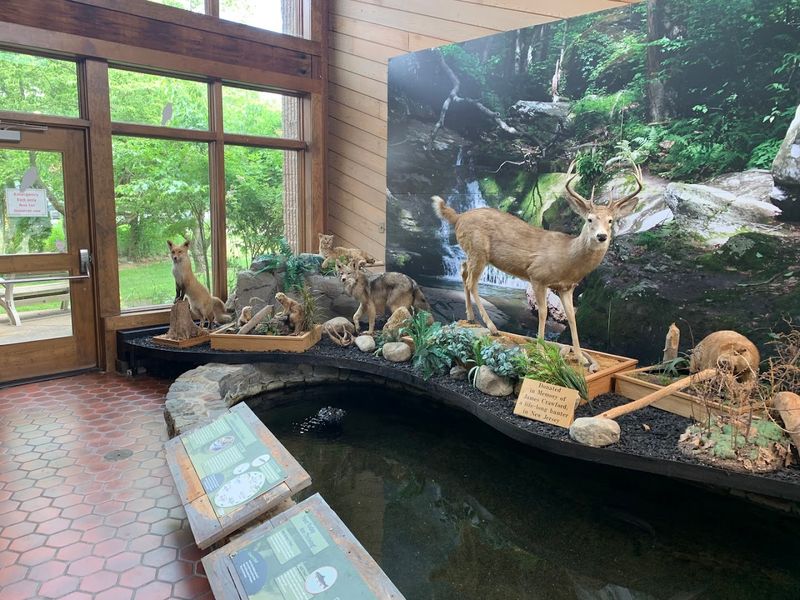
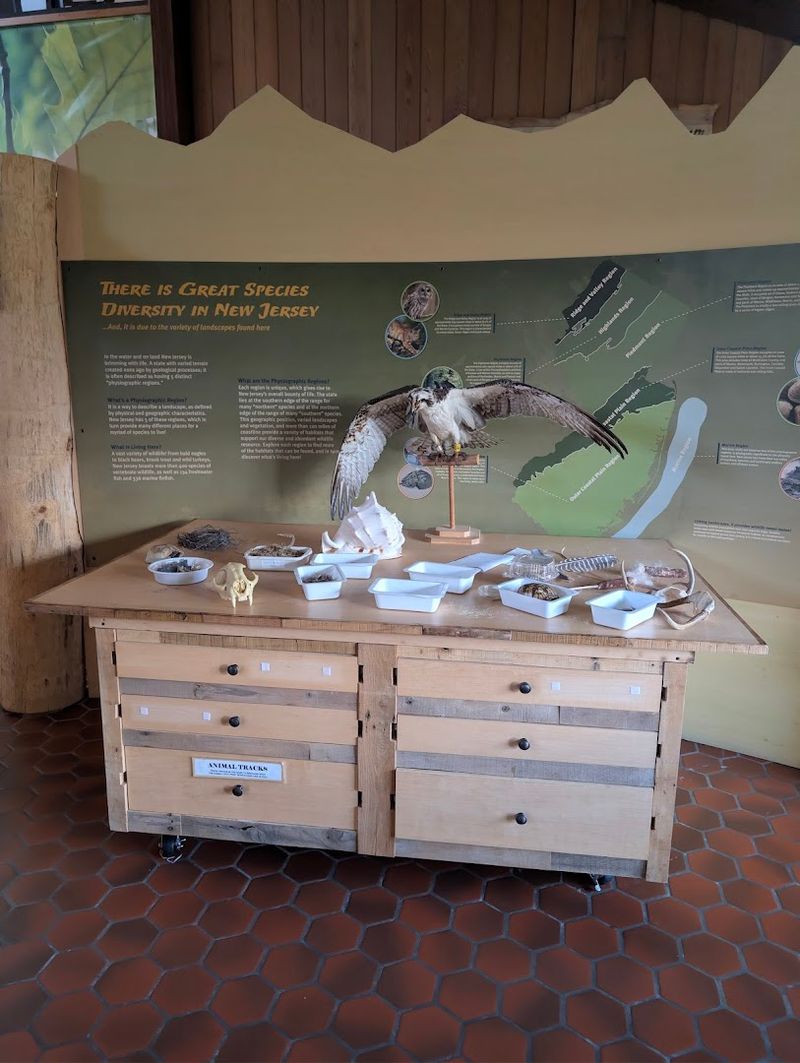
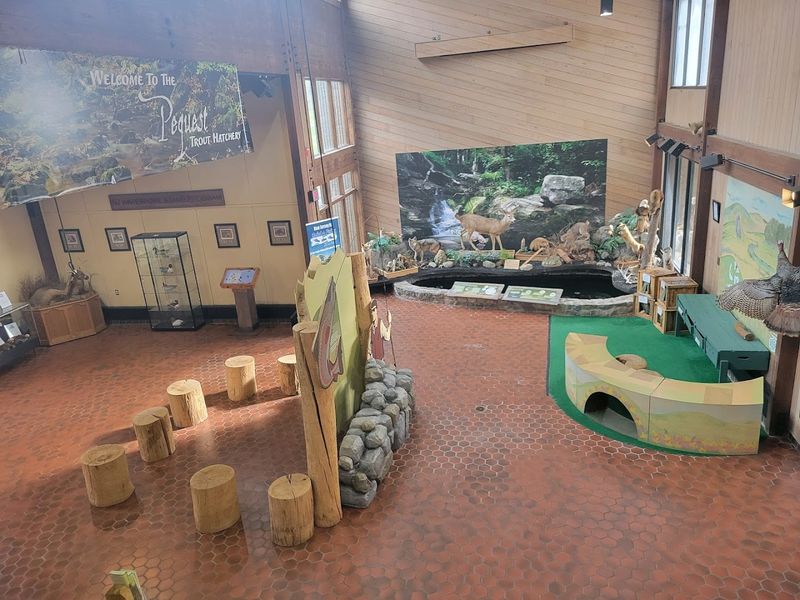
Beyond the raceways outside, the education center building holds a collection of exhibits that focus on New Jersey’s native wildlife and natural ecosystems. The displays include high-quality taxidermied animals representing species found throughout the state, giving visitors a close-up look at creatures they might never encounter in the wild.
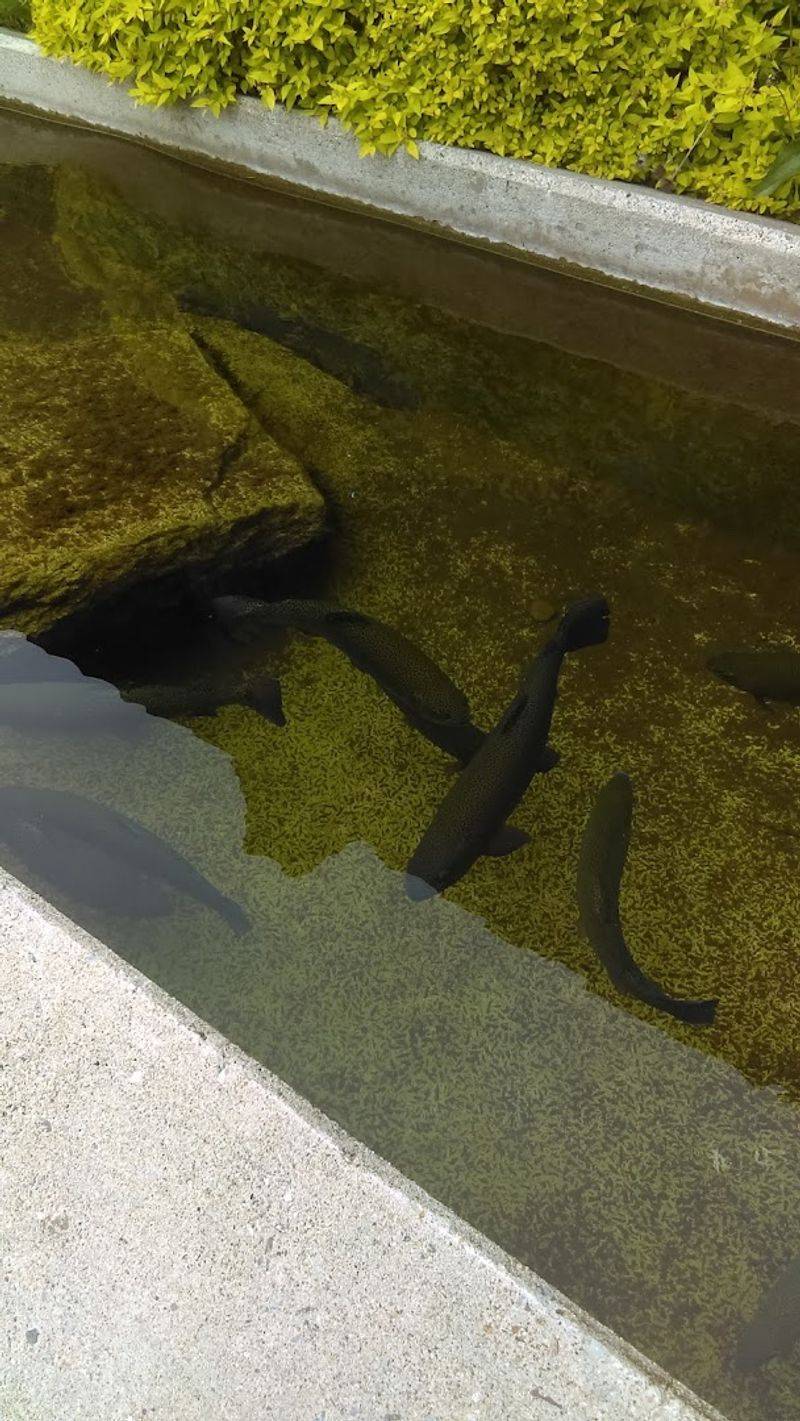
There are also live fish tanks inside, including some that hold impressively large trout, which tend to be a favorite stop for younger visitors. The exhibits are designed to be accessible and informative for all ages, not just children.
The staff inside the center are knowledgeable about the hatchery operation, local wildlife, and conservation efforts, and they are generally happy to answer questions. The atmosphere is relaxed and educational without feeling like a formal museum.
A visit to the interior does not require much time; most people find that 30 to 45 minutes covers the exhibits comfortably. The real draw for many is combining the indoor tour with a walk around the outdoor raceways.
Feeding the Fish: The Part Kids Remember Most
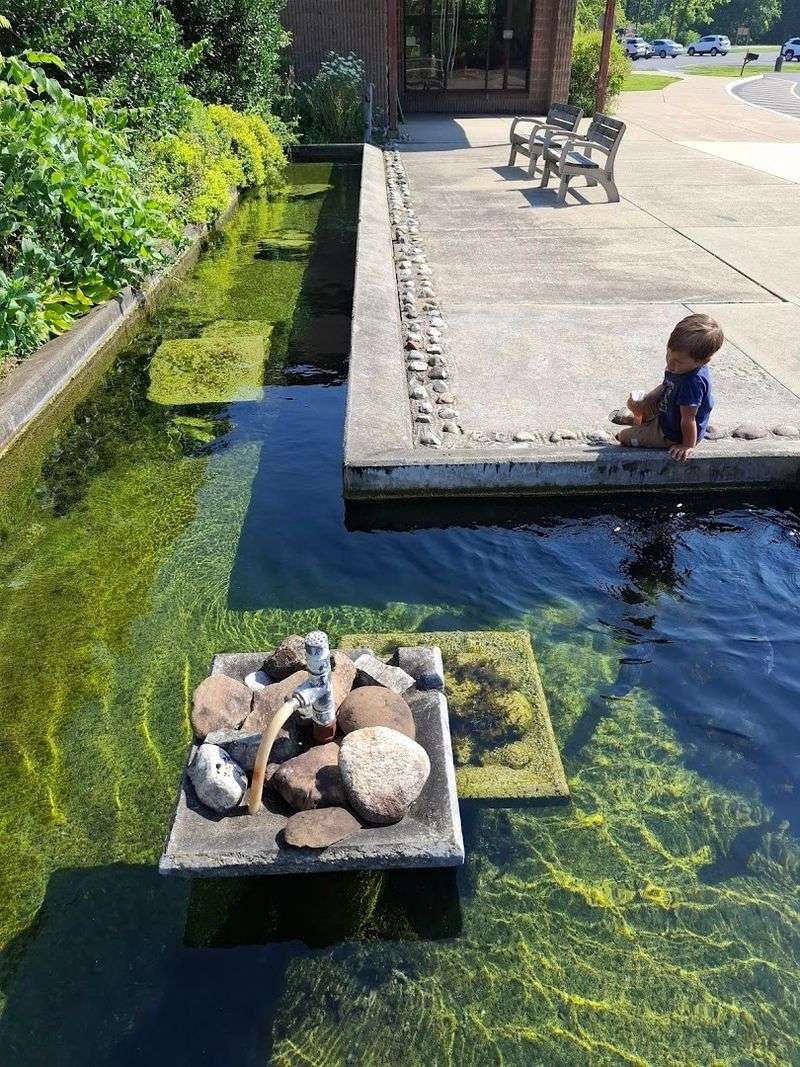
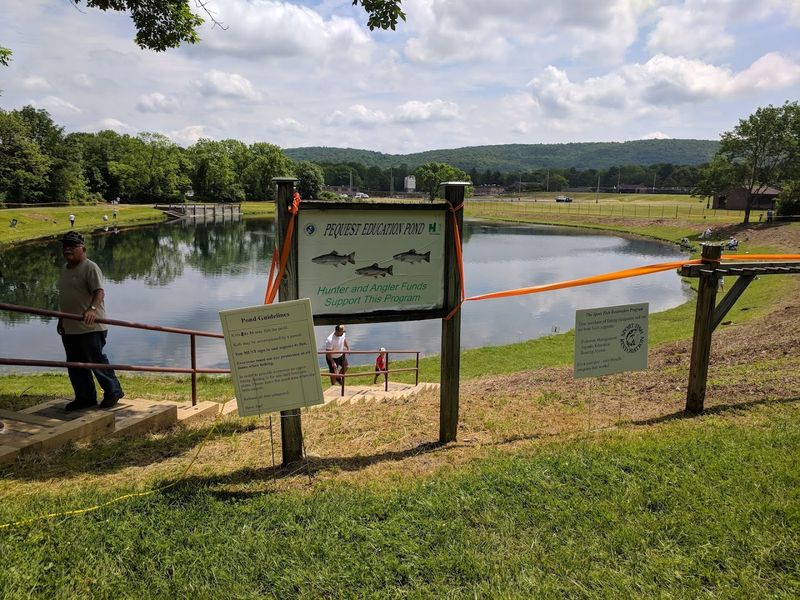
There is an outdoor display pond near the front of the facility where visitors can feed the trout directly, and this tends to be the moment that sticks with children long after the visit is over. The fish respond quickly and dramatically to food, rising to the surface in a way that is genuinely entertaining to watch.
Fish food is available at the facility, though the amount provided can be limited depending on the day and how busy the location is. It is worth arriving with realistic expectations about the feeding experience rather than planning a full afternoon around it.
Families with toddlers and young children consistently find this part of the visit to be the highlight. There is something about watching dozens of trout compete for pellets that holds a child’s attention in a way that most exhibits simply cannot.
The feeding area is easy to access and does not require any advance registration. It is one of those simple, low-key activities that turns an educational outing into something genuinely fun for the whole group.
Rainbow Trout: The Star of the Whole Show
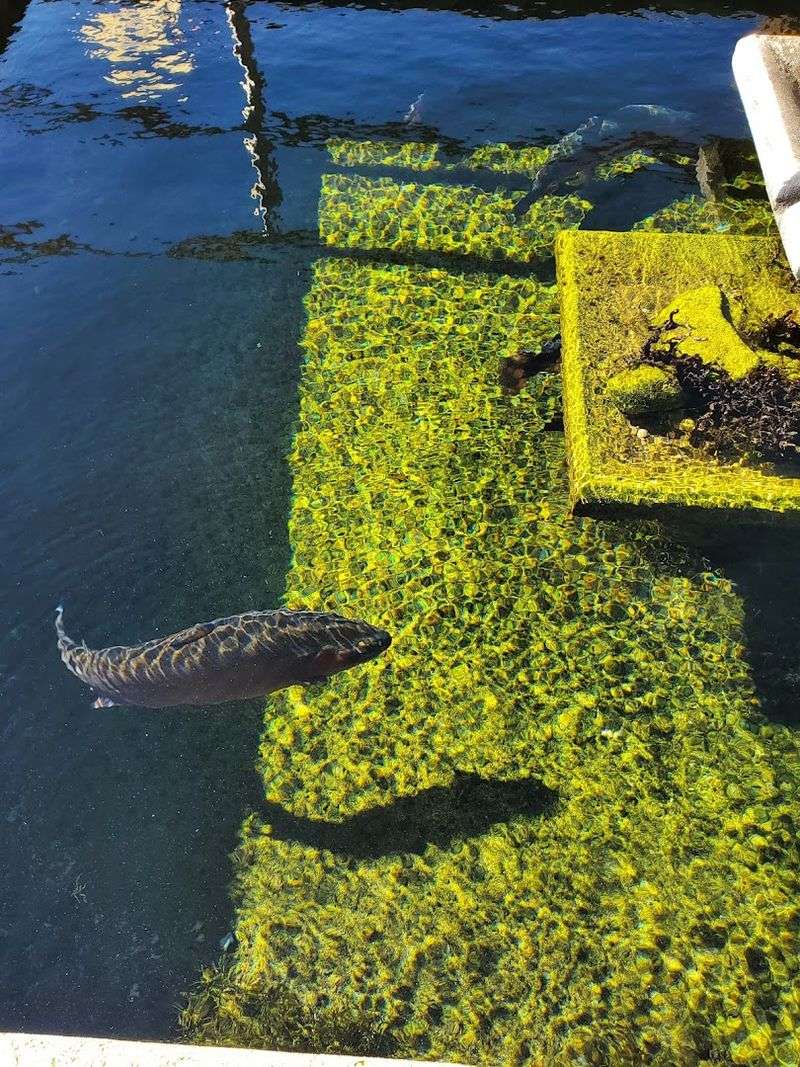
Rainbow trout are the primary species raised at Pequest, and the facility has refined its production methods over many years to maximize both the quantity and quality of fish released into New Jersey waters. These are not small fish by the time they leave the hatchery.
The trout raised here are stocked at a size that gives them a reasonable chance of surviving and growing in the wild, which is part of what makes the stocking program valuable to anglers across the state. Larger, healthier fish lead to better fishing experiences and a more sustainable population in public waterways.
Rainbow trout are known for their adaptability and their appeal to both beginner and experienced anglers, which is part of why they are the focus of New Jersey’s stocking program. They are hardy enough to handle the transition from a controlled hatchery environment to open water.
At the hatchery, seeing these fish up close in the raceways offers a perspective on their size and behavior that is hard to get anywhere else without actually catching one.
The History Behind the Hatchery
The Pequest Trout Hatchery has been part of New Jersey’s conservation infrastructure for decades, established as a response to the growing demand for trout stocking across the state’s waterways. New Jersey has a long tradition of freshwater fishing, and the hatchery was built to support that tradition in a sustainable, state-managed way.
The facility is operated by the New Jersey Division of Fish and Wildlife, which oversees all aspects of fish production, from egg incubation through to the stocking of adult fish. It represents a significant ongoing investment in the state’s natural resources and fishing heritage.
Over the years, the hatchery has grown in both capacity and educational function, eventually adding the Natural Resource Education Center to serve the public directly. That addition transformed the site from a purely operational facility into one that welcomes families, students, and outdoor enthusiasts.
The combination of working hatchery and public education center is relatively rare, which is part of what makes Pequest a genuinely distinctive place in New Jersey’s network of state-managed natural areas.
Fishing Courses That Actually Teach You Something
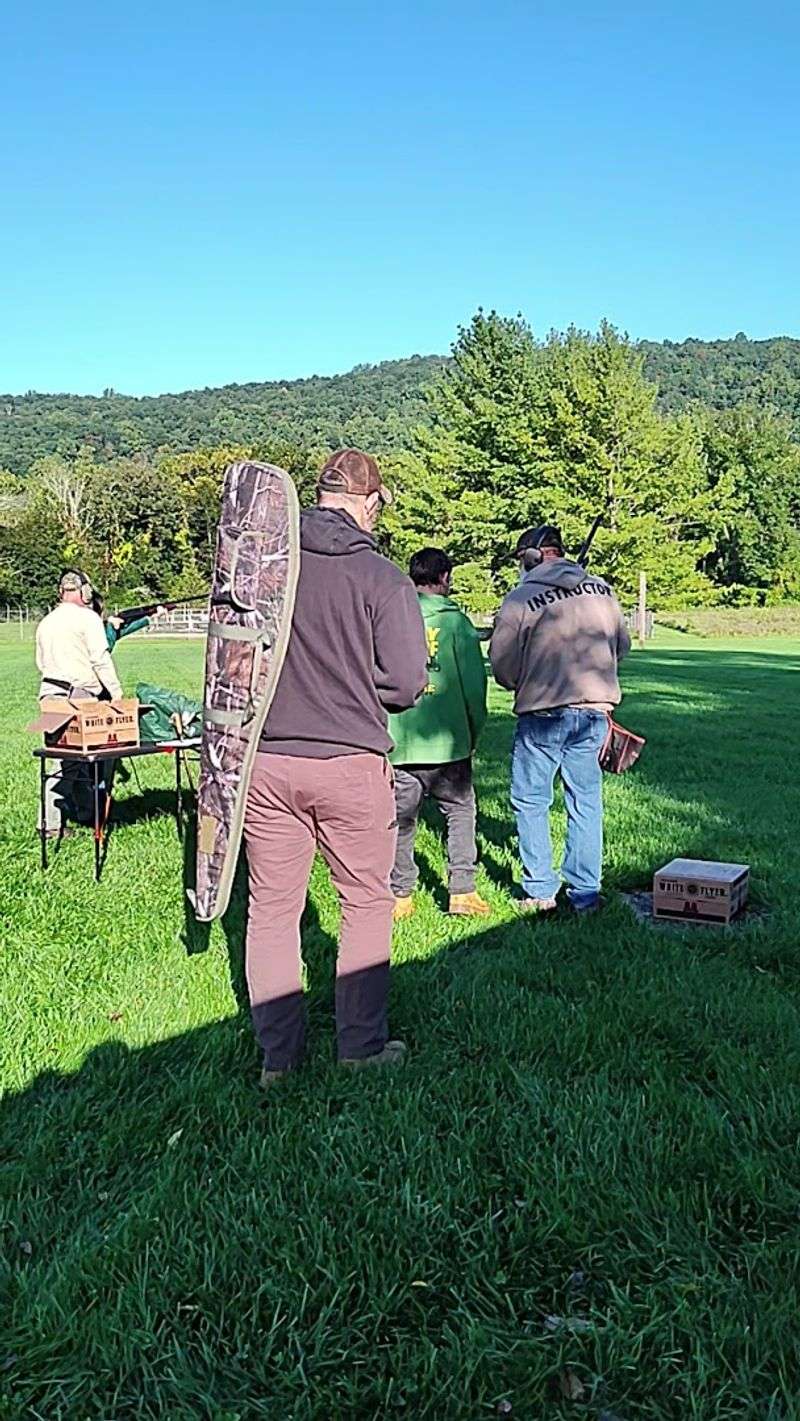
The Pequest facility offers structured fishing courses throughout the year, including a two-hour basic fishing course that covers the fundamentals in a hands-on format. These courses are designed for people who are new to fishing and want practical instruction rather than just theory.
Participants in the basic course get to work directly with equipment, learn casting techniques, and understand how to handle a fish properly. The course is run by staff who are both knowledgeable and patient with beginners, making it a comfortable environment even for people who have never held a fishing rod.
Participants in the basic course have been known to take home a rainbow trout at the end, which adds a satisfying, tangible conclusion to the learning experience. That kind of outcome is rare in a classroom setting and tends to make the course memorable.
Registration for courses is typically required in advance, and availability varies by season. Checking the New Jersey Division of Fish and Wildlife website for upcoming course dates is the best way to plan a visit around one.
Annual Open House: The Busiest Day of the Year
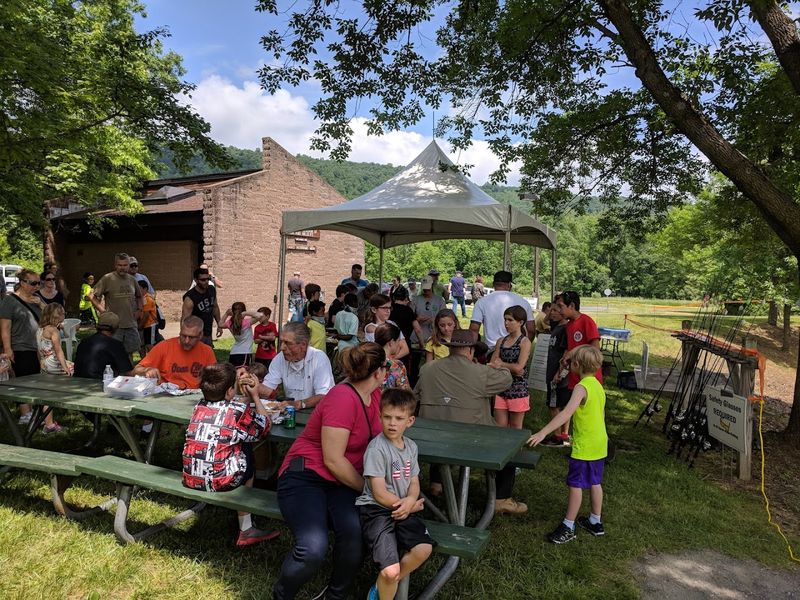
Once a year, the Pequest Hatchery opens its full operation to the public during its annual Open House event, and the experience is considerably more expansive than a regular weekday visit. The Open House gives attendees access to parts of the facility that are not typically open to walk-in guests.
During the event, visitors can explore the raceways up close, ask staff detailed questions about the hatchery process, and participate in activities that go beyond what the standard education center visit offers. It is the one day each year when the behind-the-scenes operation becomes fully visible.
The Open House is particularly well-suited for families with young children, who tend to have more energy and enthusiasm for moving around the grounds and engaging with the exhibits in a more active way. Toddlers especially seem to thrive in the open outdoor setting.
Specific dates for the Open House vary by year, so checking the New Jersey Division of Fish and Wildlife website or calling the facility ahead of time is the most reliable way to find out when it is scheduled.
The Hiking Trail and the Pond at the End of It
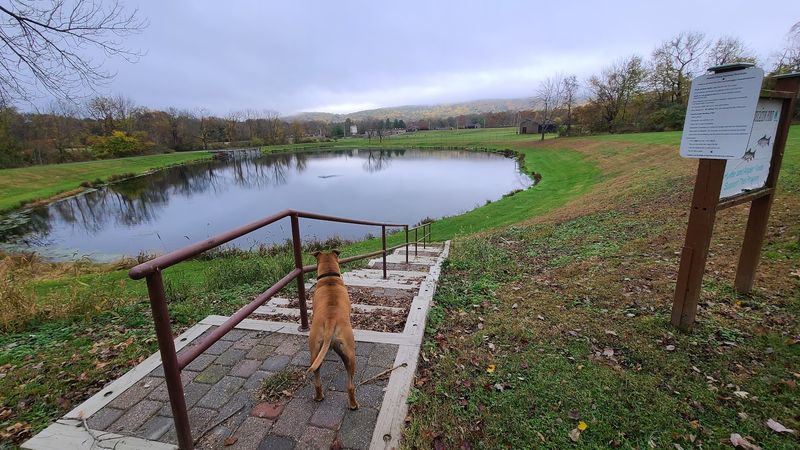
A short hiking trail on the property leads to a small pond, offering a quiet detour from the main hatchery grounds. The trail is easy enough for most fitness levels and is a good option for visitors who want to extend their time at the facility without committing to a strenuous outdoor activity.
The pond at the end of the trail sits in a natural setting surrounded by trees, providing a calm contrast to the more structured, educational parts of the visit. It is the kind of spot that rewards people who take their time rather than rushing through the property.
The trail itself is not long or technically demanding, making it accessible for older children and adults who want a bit of movement during their visit. It adds a nature-walk dimension to what is otherwise primarily an educational destination.
For anyone who enjoys combining learning with light outdoor activity, the trail and pond combination makes Pequest feel more like a half-day destination than a quick stop, especially in good weather.
Why It Is Completely Free to Visit
One of the most underappreciated aspects of the Pequest Hatchery is that the education center and the surrounding grounds are entirely free to visit. There is no admission fee, no parking charge, and no cost for walking the property or watching the hatchery operation from the designated viewing areas.
This makes it an accessible outing for families who want a meaningful, educational day trip without spending money on entry tickets. In a state where many attractions carry significant admission costs, a free facility of this quality stands out considerably.
The hatchery is funded through the New Jersey Division of Fish and Wildlife, which is supported in part by fishing license fees and federal aid. That funding structure means the public investment in the facility comes back to residents in the form of free access and stocked waterways.
The combination of no admission cost, free parking, and a genuinely interesting operation to observe makes Pequest one of the better value day trips available to New Jersey residents and anyone passing through Warren County.
What New Jersey’s Waterways Get Out of This Operation
The Pequest Hatchery’s output has a direct and measurable impact on fishing quality across New Jersey. The roughly 600,000 rainbow trout produced annually are distributed to more than 200 public waterways, which means that nearly every trout an angler catches in the state has some connection to this facility.
Stocking happens primarily in the spring, when water temperatures are ideal for trout survival and fishing activity peaks. The fish are transported in specialized tanker trucks and released at designated stocking points along rivers and streams throughout the state.
Without a facility like Pequest, maintaining a viable recreational trout fishery in a densely populated state like New Jersey would be extremely difficult. Natural reproduction alone cannot keep pace with fishing pressure, so the hatchery fills a critical gap in the ecosystem management strategy.
For anglers, understanding where the fish come from adds a layer of appreciation for the effort that goes into maintaining public fishing access. Pequest is not just a tourist stop; it is the engine behind a significant portion of New Jersey’s freshwater fishing season.
Planning Your Visit: What to Know Before You Go
The education center is open Monday through Friday from 9 AM to 4 PM and is closed on Saturdays and Sundays. Arriving during the week is essential, as the facility does not operate public hours on weekends, which has caught some first-time visitors off guard.
The full address is 605 Pequest Road, Oxford, NJ 07863, and the property is easy to navigate once you arrive. Most people find that a visit of 30 minutes to two hours covers everything comfortably, depending on whether you walk the trail and spend time at the outdoor raceways.
Bringing children to the facility works well as long as the timing aligns with the weekday schedule. The grounds have open space for kids to move around, and the combination of live fish, outdoor raceways, and the education center gives younger visitors enough variety to stay engaged.
Confirming current hours through the New Jersey Division of Fish and Wildlife website before visiting is always a good idea, since hours and special event schedules can shift depending on the season and staffing.
The Wildlife Beyond the Trout
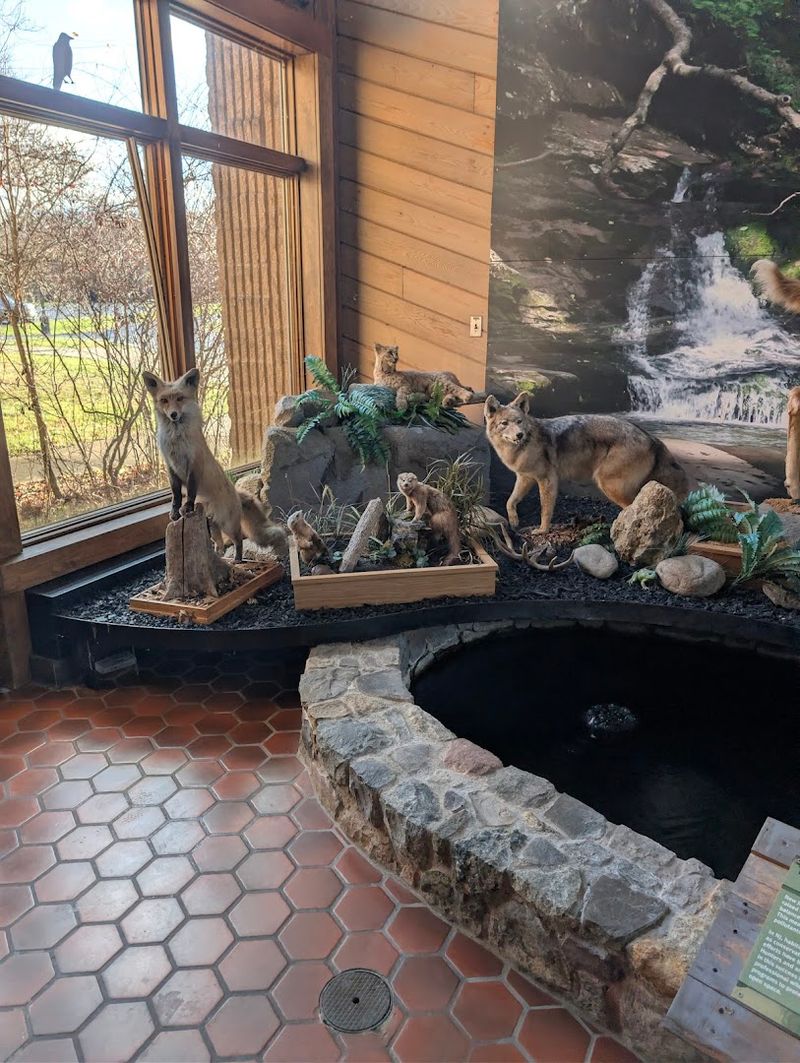
Trout are the centerpiece of the Pequest operation, but the Natural Resource Education Center covers a much broader range of New Jersey’s wildlife. The exhibits inside include taxidermied specimens of native species, giving visitors a detailed look at animals that are part of the state’s natural landscape but rarely seen up close.
The displays are designed to reflect the actual biodiversity of New Jersey, which is more varied than many people expect from a densely populated state. From white-tailed deer to wild turkey to various bird species, the exhibits paint a fairly complete picture of what lives in the woods and fields of the Garden State.
These wildlife displays serve an educational function that goes beyond the hatchery itself, connecting visitors to a broader conservation story. The facility makes a clear case for why protecting natural habitats matters, not just for fish but for the full range of species that depend on healthy ecosystems.
That broader context is what elevates Pequest from a single-purpose facility into something that functions more like a regional natural history resource, one that happens to also raise half a million trout every year.
Why This Place Deserves More Attention Than It Gets
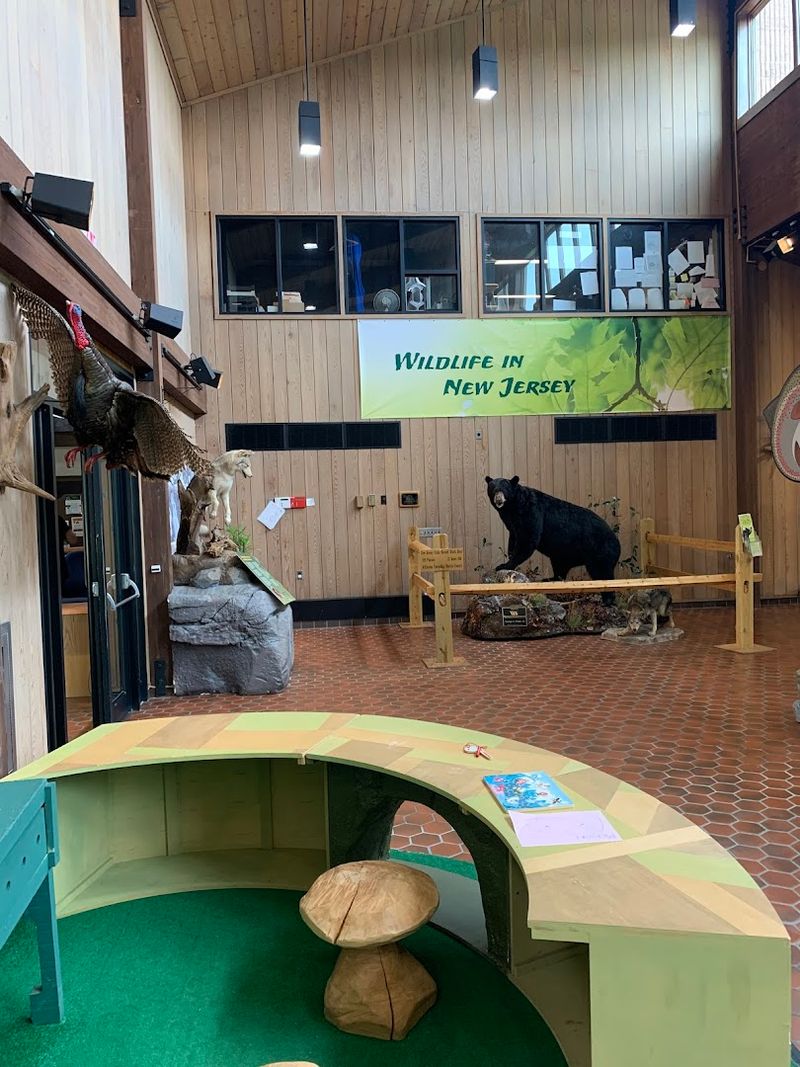
There are not many places in New Jersey where you can watch a fully operational state fish hatchery, walk through a wildlife education center, feed live trout, take a short nature trail, and leave without spending a single dollar. Pequest does all of that and does it quietly, without much fanfare or marketing.
The facility does not advertise heavily, and its location in rural Warren County means it falls outside the radar of most day-trippers who tend to focus on the shore or the more heavily promoted state parks. That relative obscurity is part of what keeps it peaceful and uncrowded on most visits.
For families, educators, anglers, and anyone curious about how New Jersey manages its natural resources, Pequest offers a level of access and transparency that is genuinely unusual for a state government operation. The hatchery runs whether anyone is watching or not, but it is far more rewarding when people take the time to show up and see it in action.
This is one of those places that tends to leave a stronger impression than expected, and the fact that most of New Jersey has never heard of it only makes the discovery feel more worthwhile.
Share this story