Tucked away in Monmouth County, New Jersey, there is a place where the ground holds secrets that are roughly 65 to 100 million years old. A quiet brook cuts through the land, and inside its gravel and clay banks, ancient shark teeth, fossilized squid pens, and prehistoric shells sit waiting to be picked up by anyone curious enough to look.
This is not a theme park or a staged experience. It is a real, working fossil site that families, hobbyists, and curious kids have been visiting for years, and the best part is that it costs absolutely nothing to enter.
The fossils here come from the Cretaceous period, a time when this part of New Jersey was covered by a shallow sea teeming with marine life. That backstory alone makes every trip feel like a genuine adventure into deep time.
Where to Find It and What to Expect on Arrival
Big Brook Preserve sits at 95 Hillsdale Rd, Colts Neck, NJ 07722, right in the heart of Monmouth County. The preserve is part of the Monmouth County park system, and it draws a steady crowd of fossil hunters, hikers, and families looking for something genuinely different to do on a weekend.
One practical note worth knowing before the trip: the main entrance on Hillsdale Road has experienced temporary closures enforced by local ordinance, so it is smart to call ahead or check with Monmouth County park services before heading out. An alternate entrance on Boundary Road has been used by many who arrive to find the main lot unavailable.
Parking is limited, and on busy weekends the lot fills up fast. Arriving early in the morning is the most reliable way to secure a spot without a long wait.
A fossil identification board in the parking area is a helpful first stop before heading down to the brook.
The Ancient Story Behind the Brook
Around 65 to 100 million years ago, the land that is now central New Jersey sat beneath a warm, shallow sea. That sea was full of marine life, including multiple species of sharks, squid-like cephalopods, mosasaurs, and shellfish.
When those creatures passed on, their remains settled into the sediment at the bottom of that ancient ocean.
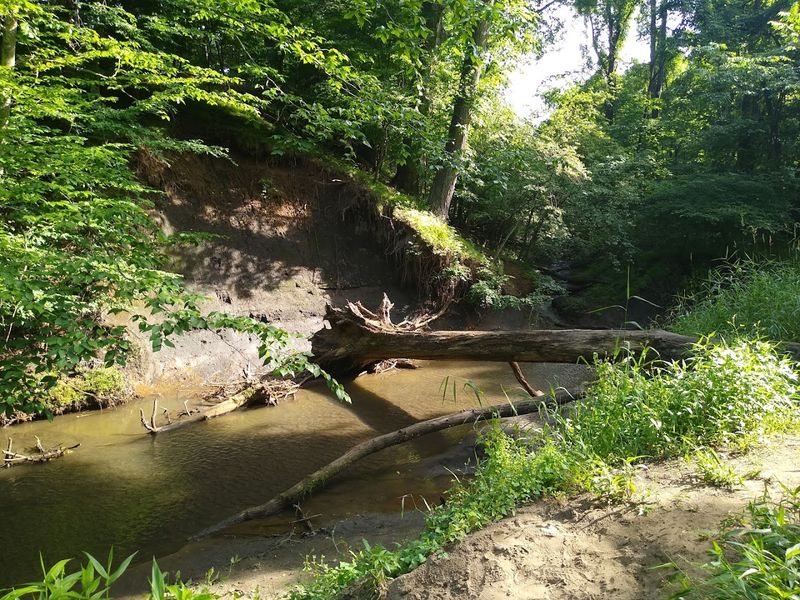
Over millions of years, those remains became fossilized and were eventually buried under layers of soil and rock. Erosion from Big Brook does the slow, patient work of uncovering them season after season.
Rain washes material down from the banks, and the current shifts gravel around, constantly bringing new material to the surface.
The geological layer responsible for most of the fossils here is known as the Navesink Formation, a well-documented Cretaceous-era deposit that runs through parts of New Jersey. That formation is what makes this brook so productive compared to other streams in the region.
What Fossils You Can Actually Find Here
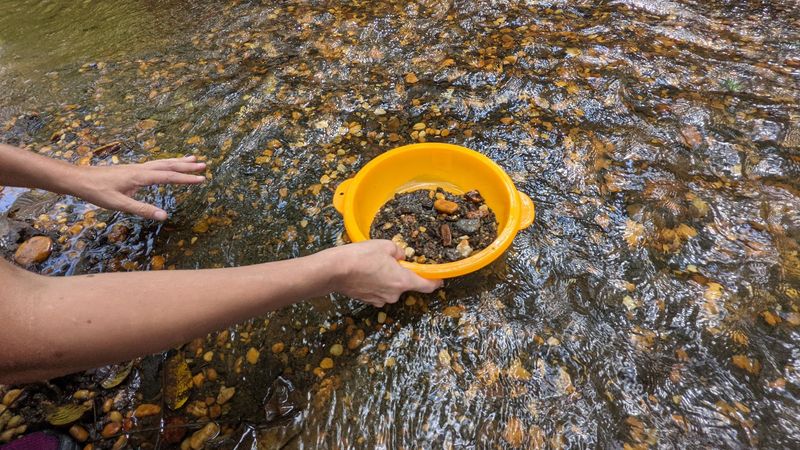
The fossil list at Big Brook is more varied than most people expect. Shark teeth are the headline attraction, and multiple species are represented in the gravel beds.
Goblin shark teeth show up with some regularity, which is a genuinely exciting find given how unusual that species is even today.
Beyond shark teeth, hunters commonly pull out belemnite fossils, which are the internal shells of ancient squid-like animals. Fossilized shells from Cretaceous-era mollusks also turn up, along with occasional vertebrae from marine reptiles.
Some experienced hunters have found mosasaur fragments, though those are rarer and take more patience.
Squid pens, the elongated internal structures from ancient cephalopods, are among the more frequently found items and are a great confidence boost for first-timers. Researching what each fossil looks like before arriving makes a noticeable difference in how many finds a person walks away with at the end of the day.
The Right Gear Makes All the Difference
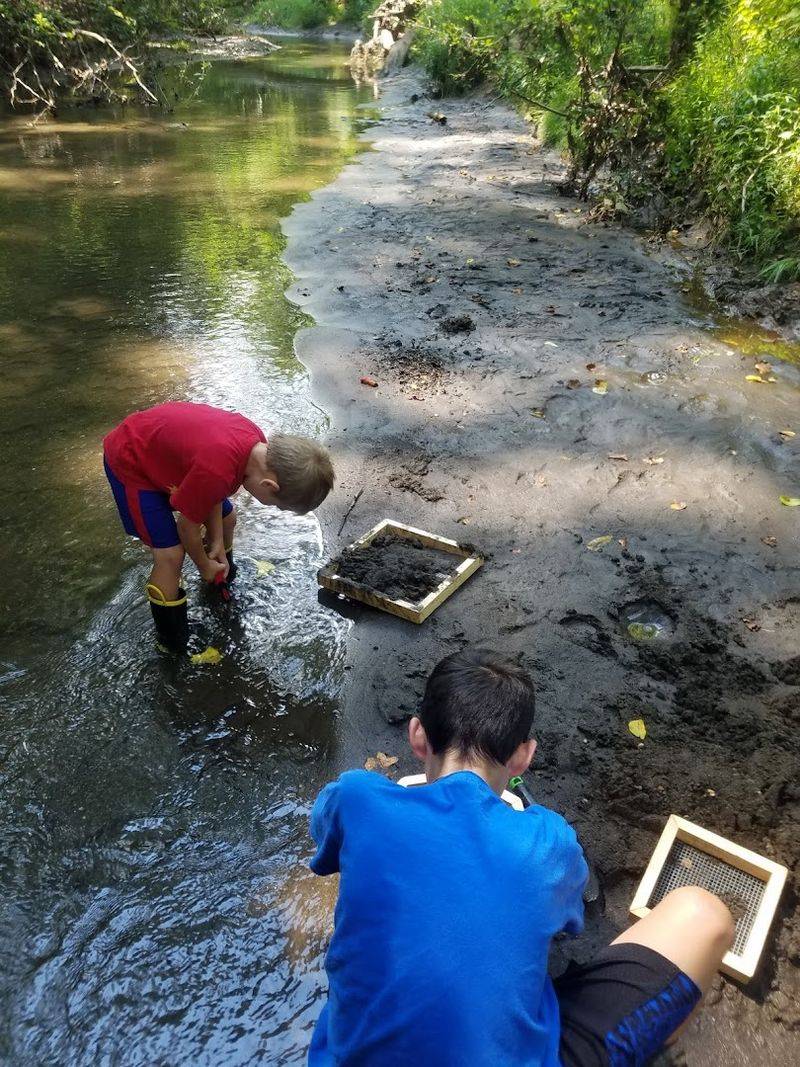
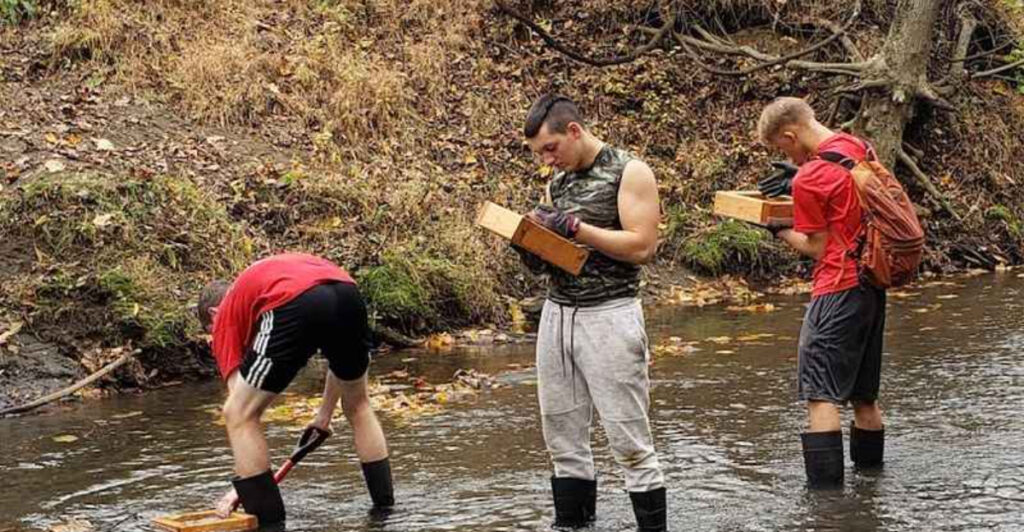
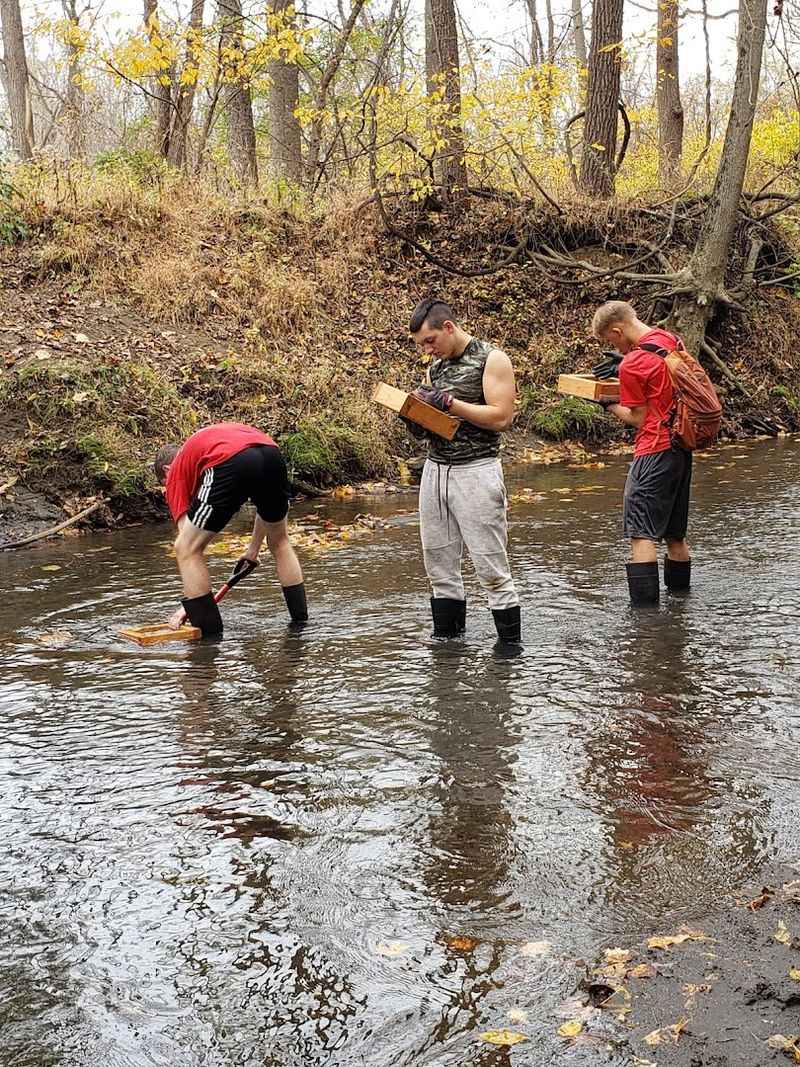
Showing up at Big Brook without the right equipment is the fastest way to have a frustrating afternoon. The single most important tool is a mesh sifter or kitchen strainer.
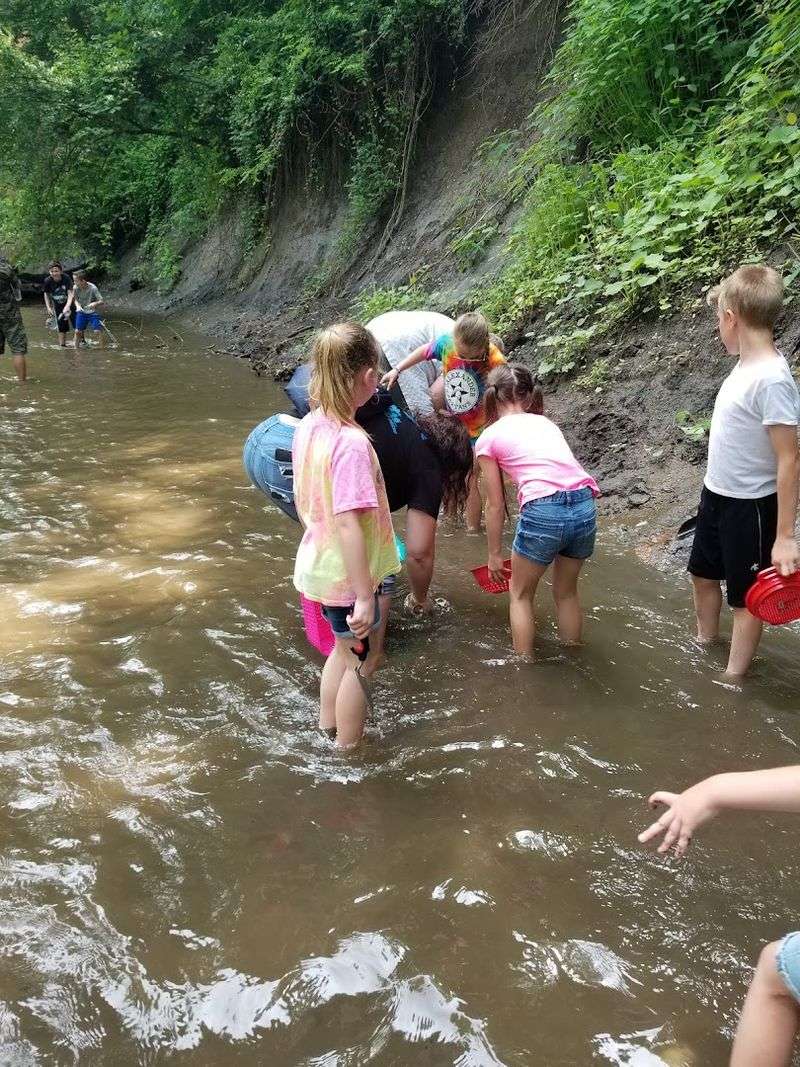
Scoop up gravel from the brook bed, submerge the sifter in the water, and let the current wash away the fine sediment while fossils stay behind.
A small trowel or garden shovel helps loosen material from the gravel bars and clay banks along the water’s edge. A medium-sized sifter tends to be the sweet spot between catching small teeth and being manageable to use for an extended period.
Bringing a zip-close bag or a small container for keeping finds organized is also a practical move.
Water shoes or rubber boots are essential, not optional. Broken glass has been reported throughout the brook bed by many who have visited over the years, and going barefoot or in thin sandals is a real risk.
Closed-toe footwear that can get wet is the safest choice.
How to Work the Brook Like a Pro
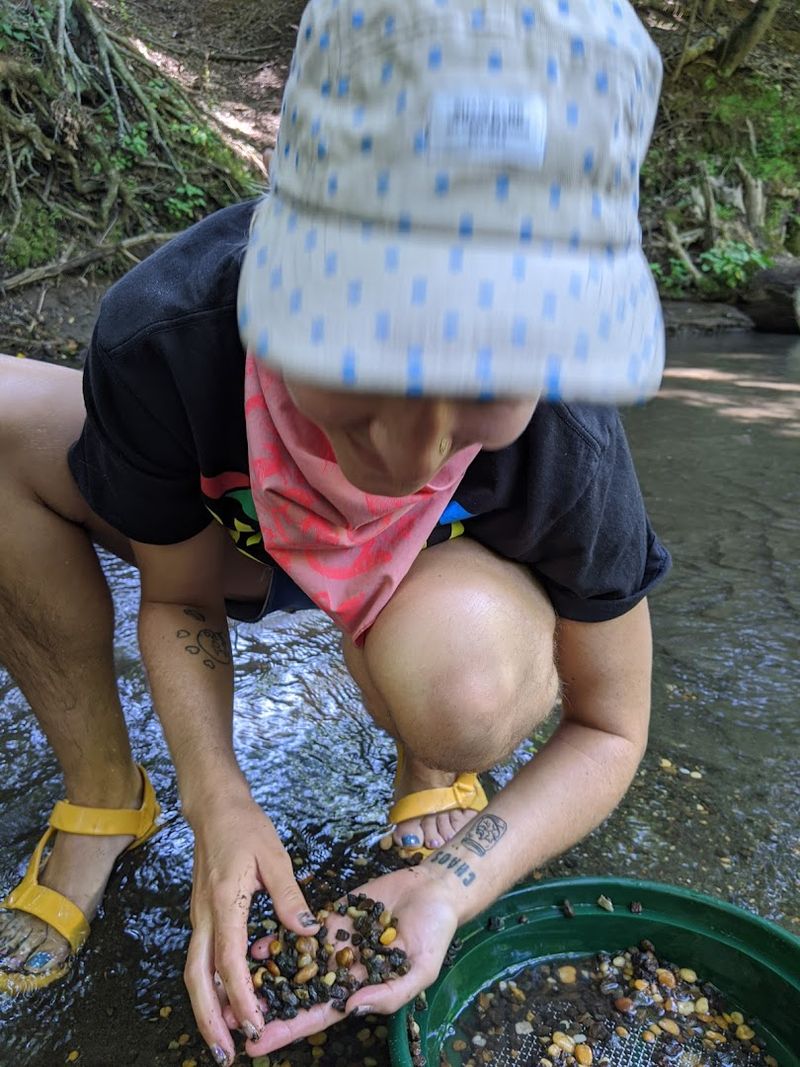
There is a technique to productive fossil hunting at Big Brook, and it does not take long to pick up once a person is actually in the water. The most productive spots tend to be gravel bars, the shallow, flat areas where the current has naturally sorted and concentrated heavier material like teeth and bone fragments.
Scoop the gravel from just below the water surface rather than from the very bottom, where material tends to be finer and less sorted. Work slowly through each sifter load, using a finger to gently spread the remaining material and check for small, dark-colored teeth that can easily be mistaken for pebbles at first glance.
Walking further along the brook, away from the main access point, tends to mean fewer people and slightly more undisturbed gravel. The farther sections take more effort to reach but consistently reward the extra walk with a quieter and often more productive experience for those willing to put in the time.
Knowing What You Are Looking At
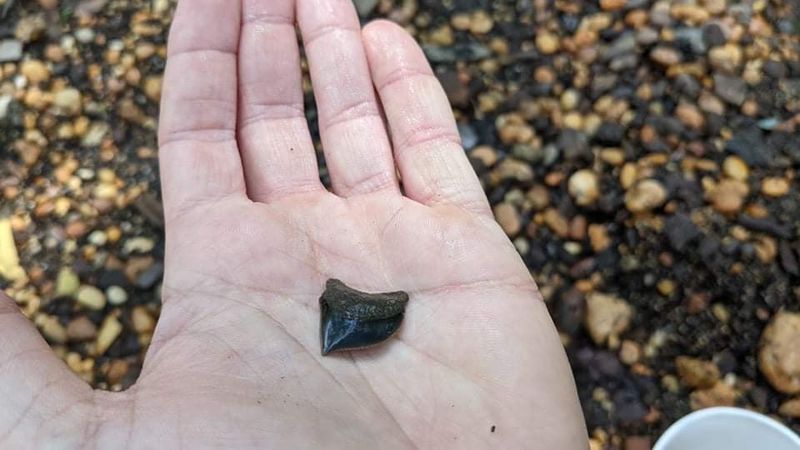
One of the most common rookie mistakes at Big Brook is discarding a fossil because it does not look the way a person expected. Shark teeth from the Cretaceous period are typically dark brown, black, or gray, not white like modern teeth.
They have been mineralized over millions of years, which changes their color and weight.
A tooth will feel slightly heavier than a similarly sized piece of gravel and will have a smoother, more uniform surface on the enamel side. The root end is usually rougher and more porous.
Belemnites look like small, dark cylinders or bullet shapes and are often mistaken for ordinary sticks or stones by beginners.
The fossil identification board in the parking area at Big Brook shows photographs and descriptions of the most commonly found specimens. Taking a photo of that board before heading to the water is a practical strategy that pays off repeatedly during the actual search along the brook.
The Trail Down to the Water
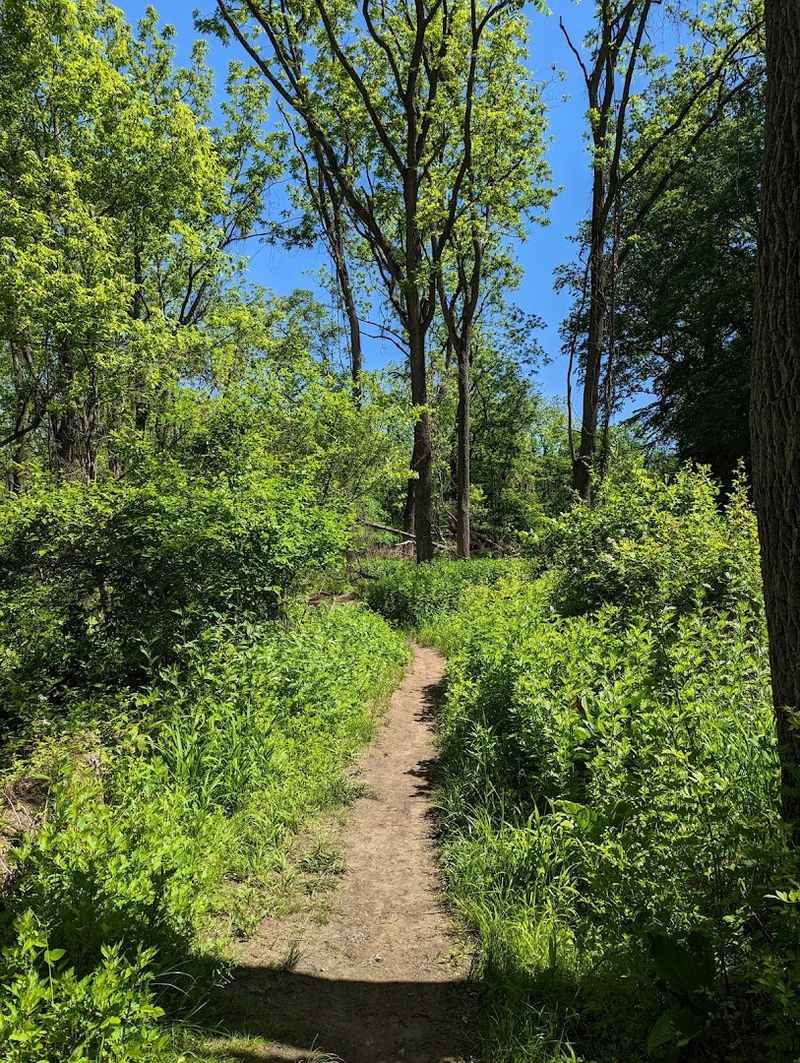
Getting to the brook itself requires a short walk from the parking area, and the path is not a manicured nature trail. The routes down to the water are narrow, sometimes overgrown, and can become slippery and muddy after rain.
Wearing long pants is a smart move, particularly during warmer months when vegetation grows thickly on either side of the path.
Tick awareness is important here. The preserve sits in a wooded, grassy environment that is prime habitat for ticks during spring, summer, and early fall.
Checking clothing and skin thoroughly after leaving the area is standard practice for anyone who spends time at Big Brook.
The descent to the brook involves navigating small to medium embankments, which are manageable for most people but require a bit of care, especially when the ground is wet. Once at the water’s edge, the brook opens up considerably, with wide gravel bars and enough room for multiple groups to spread out comfortably along the banks.
A Perfect Outing for Families with Kids
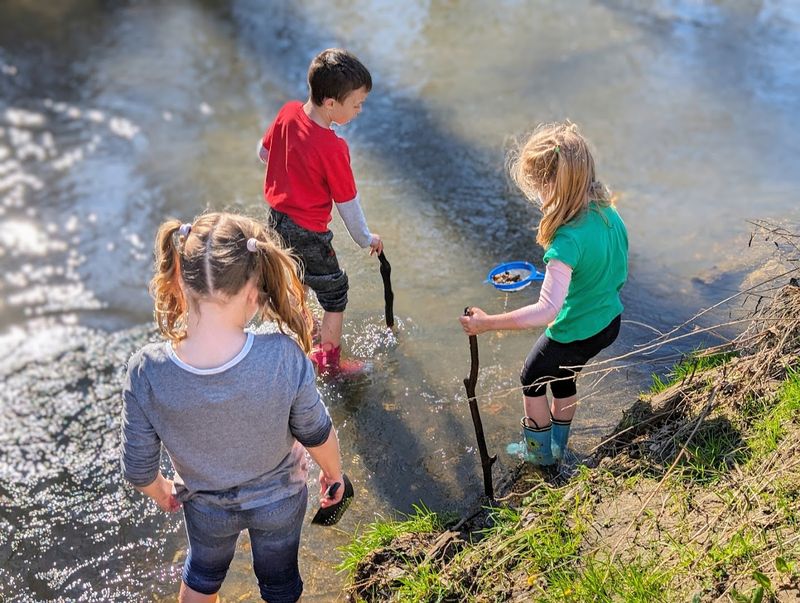
Big Brook Preserve has built a strong reputation as one of the better outdoor activities for families in central New Jersey, and the reasons are straightforward. The brook is shallow enough in most areas for children to wade safely, the activity of sifting gravel holds attention for hours, and the genuine possibility of finding something real keeps excitement high throughout the visit.
Kids who find even one shark tooth tend to become immediately invested in finding more. That sense of discovery is hard to manufacture and even harder to replicate with a screen.
Families have reported spending three to four hours at the brook without anyone getting bored, which is a meaningful endorsement for any outdoor destination.
The activity also works across a wide age range. Younger children enjoy splashing through the shallows and examining anything that looks different.
Older kids and teenagers can get more methodical about their sifting technique and start developing a genuine eye for fossils.
The Best Time of Year to Visit
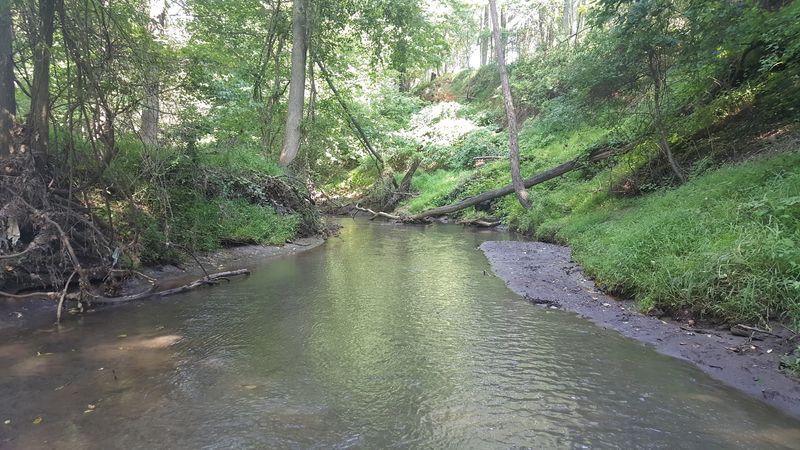
Big Brook is technically accessible across multiple seasons, but some times of year are clearly better than others for a productive and comfortable visit. Late spring through early fall represents the prime window, when water levels are manageable and the weather makes standing in a brook an appealing rather than punishing experience.
Summer visits are popular, and the shaded canopy along the brook keeps temperatures reasonable even on warmer days. The water itself stays notably cool throughout the summer, which is a welcome detail when spending an extended period wading through it.
Spring visits right after rain can actually be productive because fresh material gets washed out of the banks, though the paths become muddier.
Winter visits are possible but far less comfortable, and the cold water makes extended wading impractical for most people. Weekday visits during the warmer months tend to be quieter than weekends, when the parking lot fills quickly and popular stretches of the brook get crowded.
Rules, Limits, and What Is Allowed
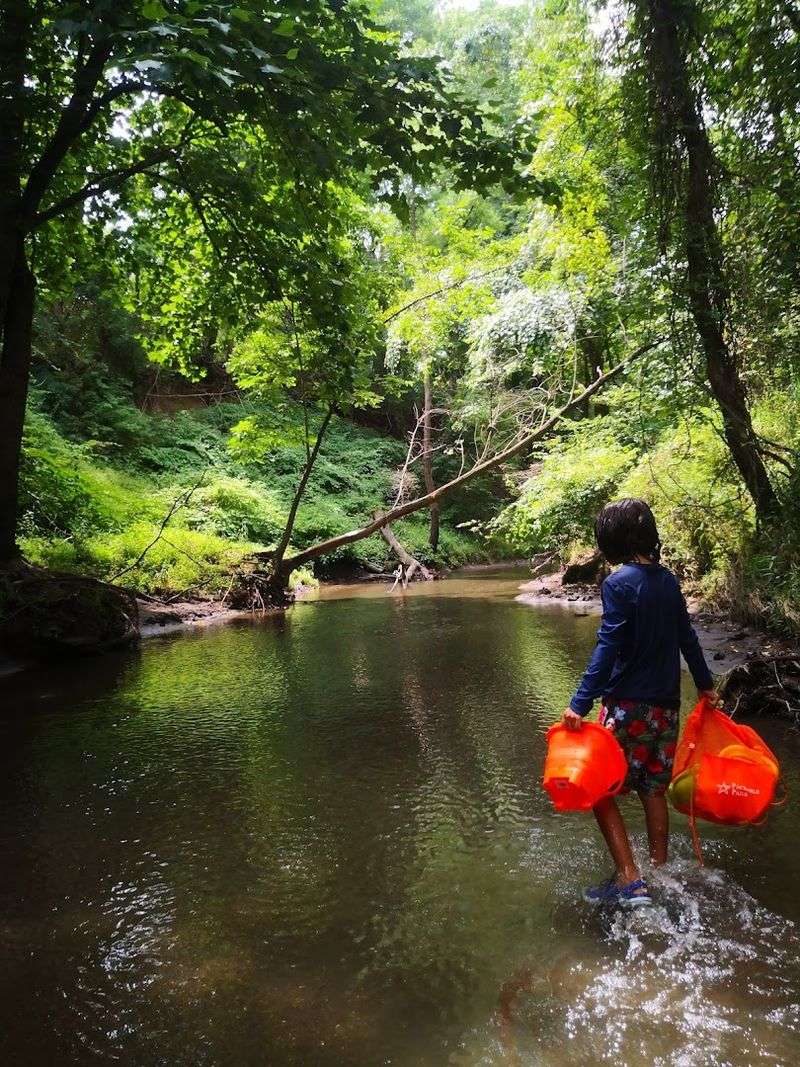
Big Brook Preserve allows casual fossil collecting for personal, non-commercial use, which is what makes it such an accessible destination. Collectors are permitted to take home reasonable quantities of surface fossils from the brook bed.
Large-scale excavation, disturbing the banks significantly, or removing material for sale is not permitted under the preserve’s guidelines.
Monmouth County manages the preserve, and the rules around access can change, as the temporary closures noted by some who have visited recently demonstrate. Checking with Monmouth County Park System before a trip is always a good idea, especially given that parking restrictions have been enforced at certain access points.
Staying on designated paths and avoiding trampling vegetation along the banks helps keep the preserve in good condition for future visits. The preserve is free to enter, and keeping it that way depends partly on people using it responsibly.
Treating the site with care is a reasonable trade-off for access to a genuinely remarkable fossil site.
Why This Preserve Deserves a Spot on Your New Jersey Bucket List
There are not many places in the northeastern United States where a person can walk up to a brook, reach into the gravel, and pull out a tooth from a shark that lived during the age of the dinosaurs. Big Brook Preserve is one of those rare spots, and its combination of genuine scientific interest, outdoor beauty, and complete accessibility makes it stand apart.
The preserve is free, open to the public, and does not require any special knowledge or equipment to enjoy at a basic level. At the same time, it rewards preparation and patience with finds that feel genuinely significant.
That range is hard to find in a single destination.
Whether the goal is a full day of dedicated fossil hunting or a casual two-hour walk with kids, Big Brook delivers something real. The creek keeps moving, the gravel keeps shifting, and somewhere in that ancient sediment, another shark tooth is waiting for the next person patient enough to look.
Share this story