There is a lake in central Oklahoma that most people have never heard of, and that is entirely by design. Tucked away in Logan County near Arcadia, it has operated as a private community for decades, with memberships that trace back to the 1940s.
The people who know about it tend to keep quiet, and the people who belong to it tend to stay loyal for life. This article takes a closer look at what makes Lake Hiwassee so unique, how its membership system works, what the lake and surrounding community actually look like, and why this old-school approach to lake living has lasted well into the 21st century.
Where Lake Hiwassee Actually Is
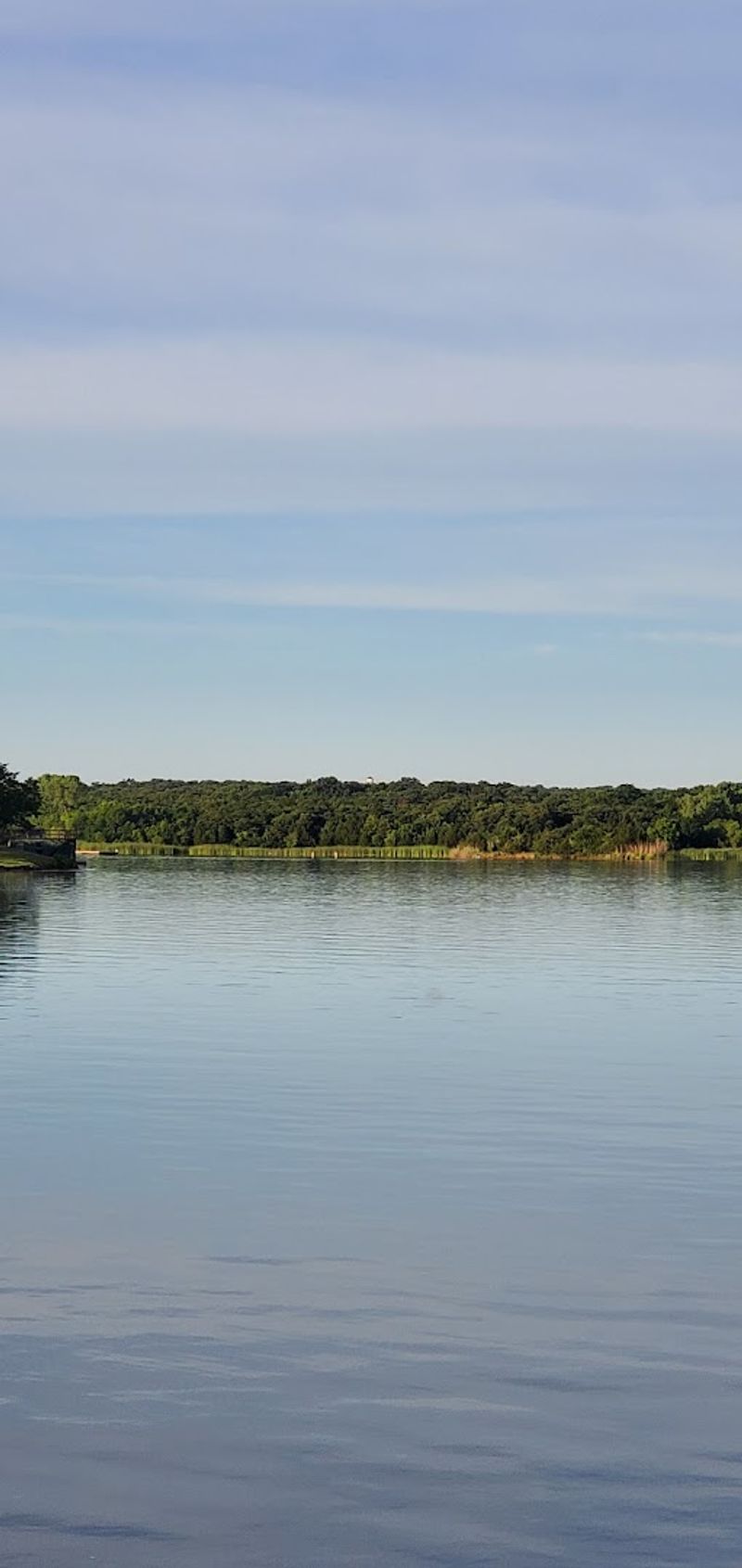
Most people searching for Lake Hiwassee on a map end up squinting at a small blue patch in Logan County, Oklahoma, near the town of Arcadia. The lake sits at approximately 35.6517 degrees north latitude and 97.3061 degrees west longitude, placing it roughly 20 miles northeast of Oklahoma City.
The address associated with the community is in the 73007 zip code, which covers the Arcadia area. That might not sound like much, but once you understand how close this hidden spot is to a major metro area, the appeal becomes clear.
Most private lakes this well-preserved are tucked into remote mountain regions or deep rural stretches far from cities. Lake Hiwassee breaks that pattern entirely.
It sits close enough to Oklahoma City that members can reach it within half an hour, yet it feels completely removed from suburban sprawl.
The surrounding landscape is classic central Oklahoma, with rolling terrain, scrubby post oak trees, red clay soil, and open sky in every direction. That combination of accessibility and seclusion is a big part of what has kept this community alive for so long.
The Private Membership System Explained
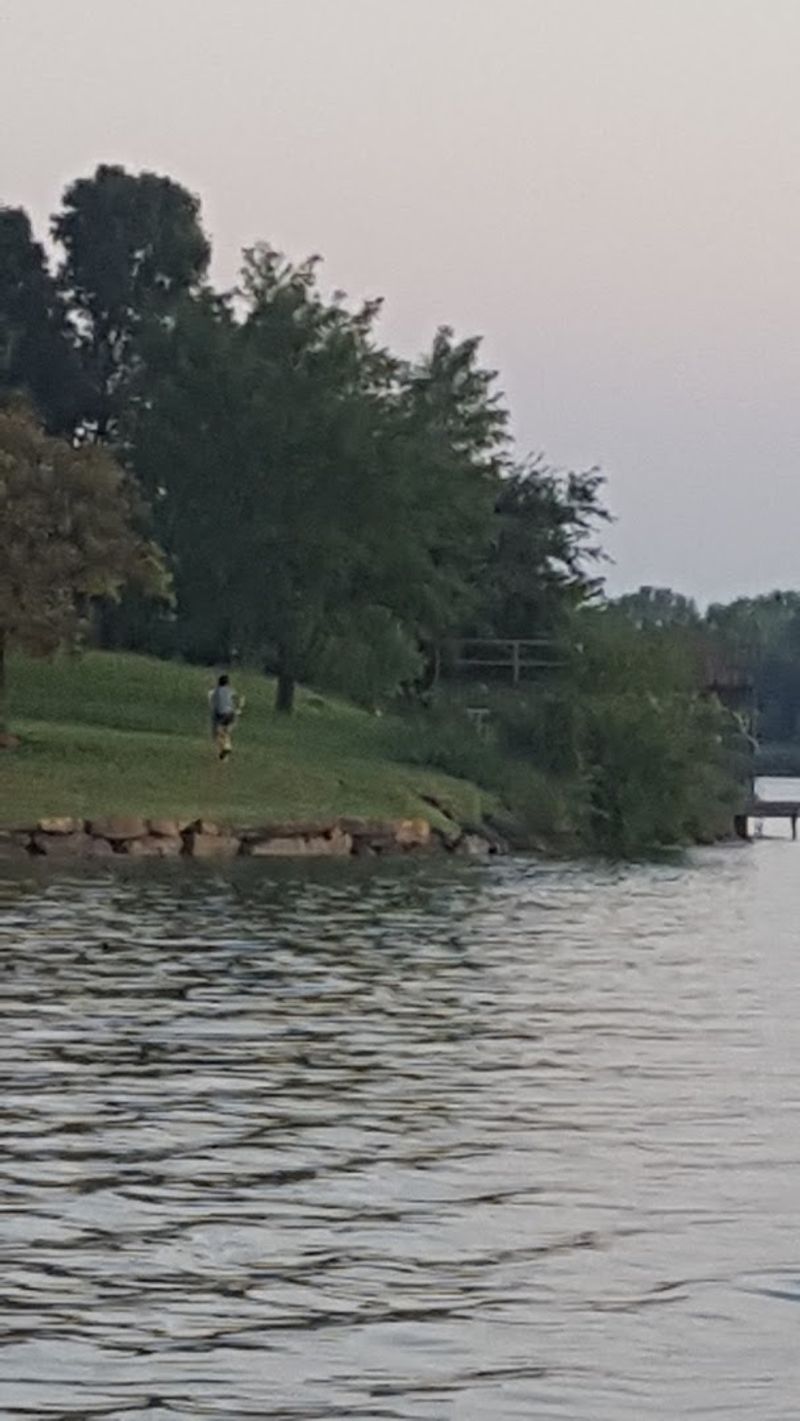
Lake Hiwassee does not work like a public park or a state recreation area. Access is controlled through a private membership system, and that system has been in place since the 1940s.
Members hold rights to use the lake and the surrounding property, and those rights are tied to specific lots or shares within the community.
The structure functions somewhat like a homeowners association crossed with a private club. Members pay dues, follow community rules, and in many cases have passed their memberships down through multiple generations of the same family.
That generational transfer is one of the most interesting parts of the whole setup. Some families have held memberships for 70 or 80 years, meaning grandchildren are now enjoying the same lake their grandparents joined back when the community was brand new.
New memberships do occasionally become available, but they are not advertised widely. Word of mouth is still the primary way people find out about openings.
That quiet exclusivity is not snobbery so much as it is a reflection of how the community has always preferred to operate.
How the Community Got Started in the 1940s
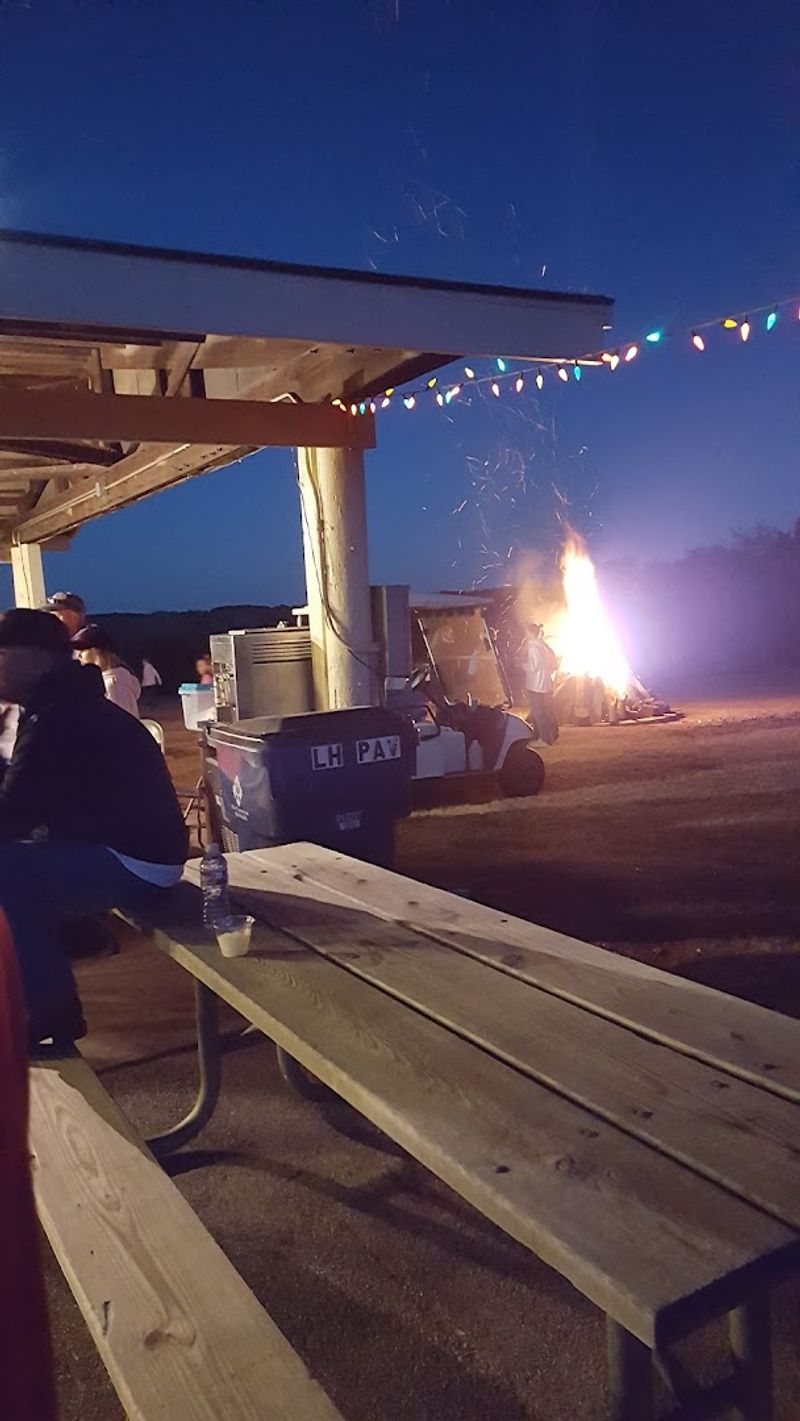
The story of Lake Hiwassee begins in an era when private lake communities were a popular concept across the American Midwest and South. After World War II, middle-class families were looking for affordable weekend retreats, and developers responded by creating small, member-owned lake communities that offered recreation without the cost of a full resort.
Lake Hiwassee followed that model. A group of families pooled resources, developed the lake, and established a membership framework that would govern the property for generations.
The name itself, Hiwassee, carries Cherokee origins and appears in several place names across the southeastern United States, suggesting the founders may have drawn on that heritage intentionally.
What made this particular community survive while many others faded away is a combination of strong member loyalty and consistent governance. Rules were set early and maintained carefully, which prevented the kind of neglect or overdevelopment that has ruined similar properties elsewhere.
The founding families set a tone of stewardship that later members have largely honored. That early commitment to taking the place seriously is probably the single biggest reason Lake Hiwassee still exists in recognizable form today.
What the Lake Itself Looks Like
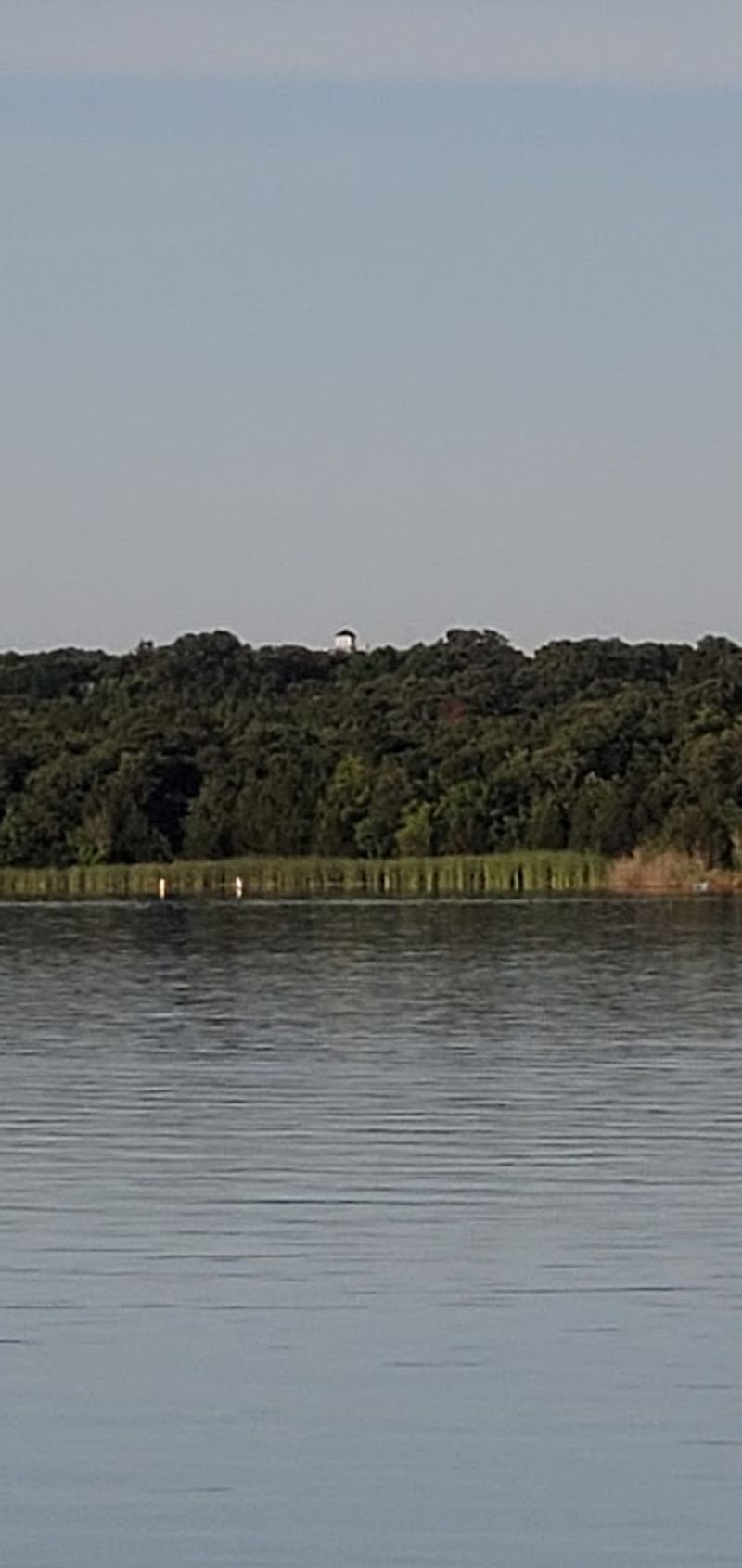
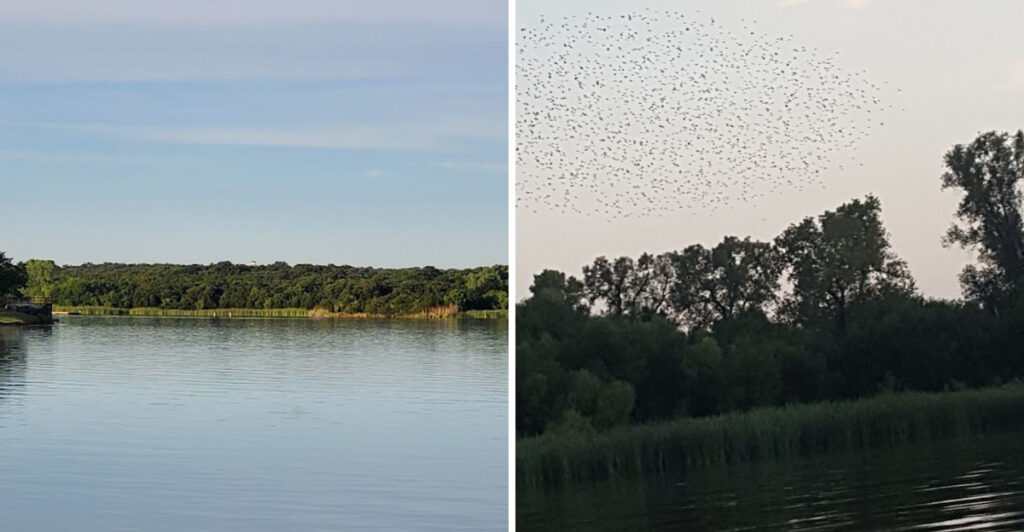
Lake Hiwassee is not a massive reservoir. It is a modest, human-scale body of water that feels more like a neighborhood pond elevated to something genuinely pleasant.
The shoreline is lined with trees that provide shade and privacy, and the water stays calm on most days because there are no large motorized watercraft tearing across the surface.
That calm is one of the lake’s most appealing qualities. Fishing from a dock or a small boat here feels unhurried in a way that public lakes rarely manage.
The water is clear enough to see activity near the surface, and the surrounding tree cover gives the whole place a sheltered, intimate atmosphere.
Small private docks extend from several lots along the shore, each one reflecting the personality of the family that built it. Some are simple wooden platforms, others are more elaborate, but none of them feel out of place in the overall setting.
The lake does not have a dramatic landscape, no cliffs or waterfalls or sweeping mountain views. What it has instead is a quiet, consistent beauty that rewards the kind of visitor who is happy to sit still and let the scenery do its work.
Fishing at Lake Hiwassee
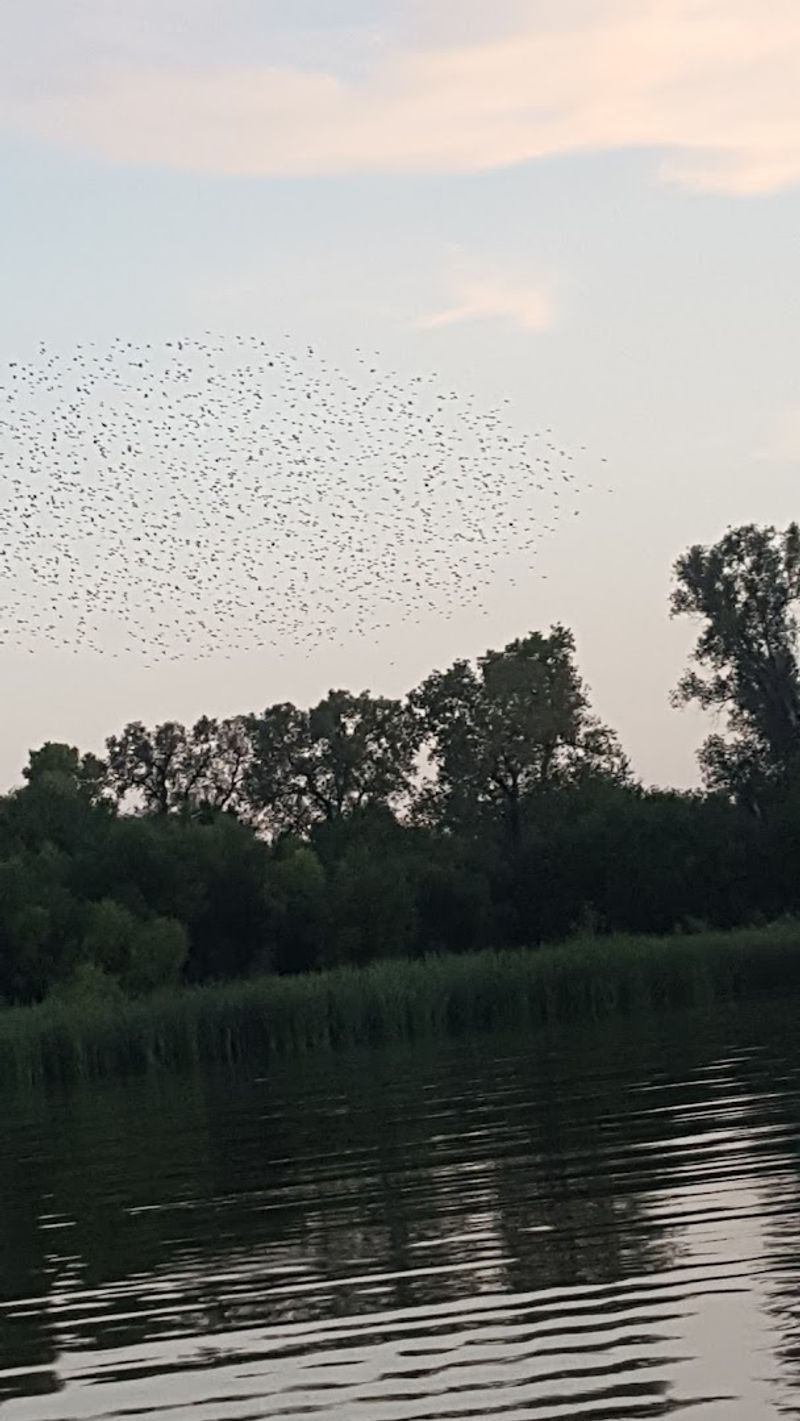
Fishing is one of the main draws for Lake Hiwassee members, and the lake supports a healthy population of bass, catfish, and crappie. Because access is restricted to members and their guests, the lake does not get the heavy fishing pressure that public waters in central Oklahoma typically receive.
That lighter pressure makes a real difference. Fish populations have more time to recover between seasons, and the average size of fish caught here tends to run larger than what you would find at a comparable public lake nearby.
Members who have been fishing the same spots for decades will tell you exactly which dock pilings hold the biggest bass in July.
The fishing experience here is relaxed and social. Early mornings on the water often involve neighbors calling across the water to each other, comparing notes on what is biting and where.
There is no tournament pressure, no crowd of strangers, and no need to stake out a spot at dawn to beat the rush.
For families with kids, this kind of fishing environment is hard to beat. The low-stress atmosphere makes it easy for beginners to learn without feeling overwhelmed by competition or crowding.
Life on the Lots Along the Shore
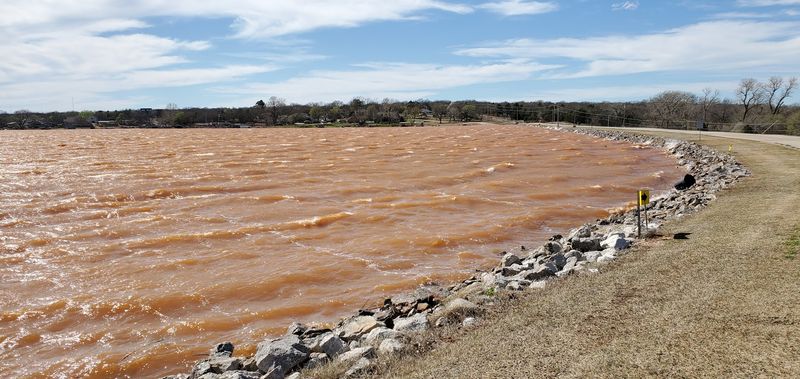
The lots that line Lake Hiwassee range from simple weekend cabins to more polished year-round homes. What they share is a sense of long-term investment, not just financial, but emotional.
These are not vacation rentals flipped between strangers. They are family places, and that distinction shows in how they are maintained and used.
Screen porches facing the water are common, and on warm evenings you can hear the sounds of families gathered for dinner drifting across the lake. Lawn chairs get positioned at the water’s edge with the kind of permanence that suggests they have occupied the same spot for twenty summers in a row.
The architecture is unpretentious. Most structures lean toward the functional end of the spectrum, built for comfort rather than showmanship.
A well-worn wooden deck with a good view beats a fancy interior any day of the week when you are this close to the water.
What stands out most is how lived-in everything feels. This is not a place where people show up to impress each other.
It is a place where people show up to relax, reconnect, and remind themselves why they held onto their membership in the first place.
Community Rules and How They Shape the Experience
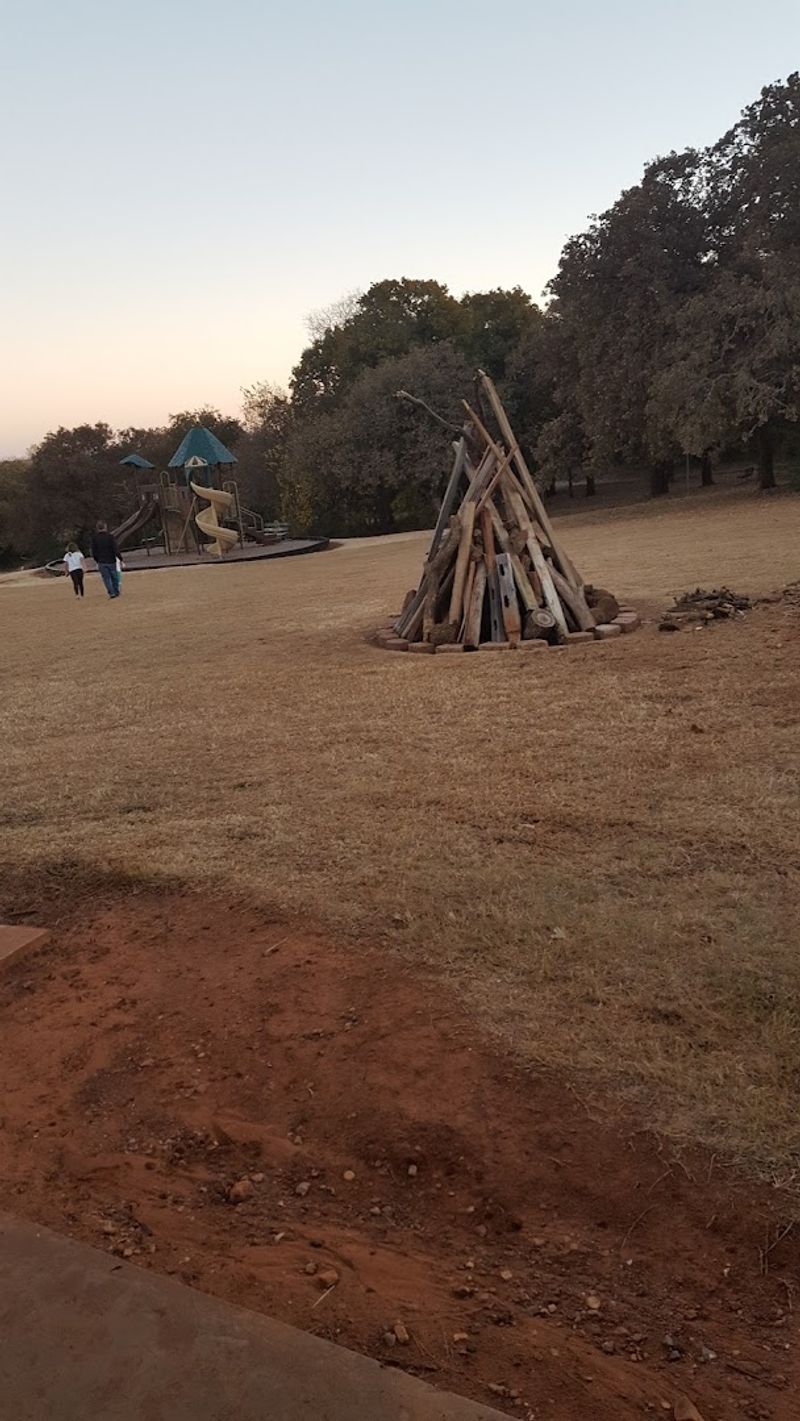
One of the things that makes Lake Hiwassee work as a private community is that it has always operated with a clear set of rules. Those rules cover everything from noise levels and boat types to how guests are managed and how the common areas are maintained.
They are not overly restrictive, but they are consistently enforced.
The no-large-motorboat policy is one of the most frequently mentioned aspects of the community. Keeping the lake free from high-speed watercraft preserves both the water quality and the peaceful atmosphere that members value most.
Kayaks, canoes, small electric trolling motors, and fishing boats are the standard.
Guest policies also play an important role. Members can bring guests, but there are limits on how often and in what numbers.
This keeps the lake from feeling overcrowded during peak summer weekends, which is a persistent problem at many public recreational areas in Oklahoma.
These rules were not created to be burdensome. They exist because the founding members understood early on that a shared resource only stays pleasant if everyone agrees to treat it with respect.
That philosophy has held up surprisingly well across eight decades of community life.
Wildlife and Nature Around the Lake
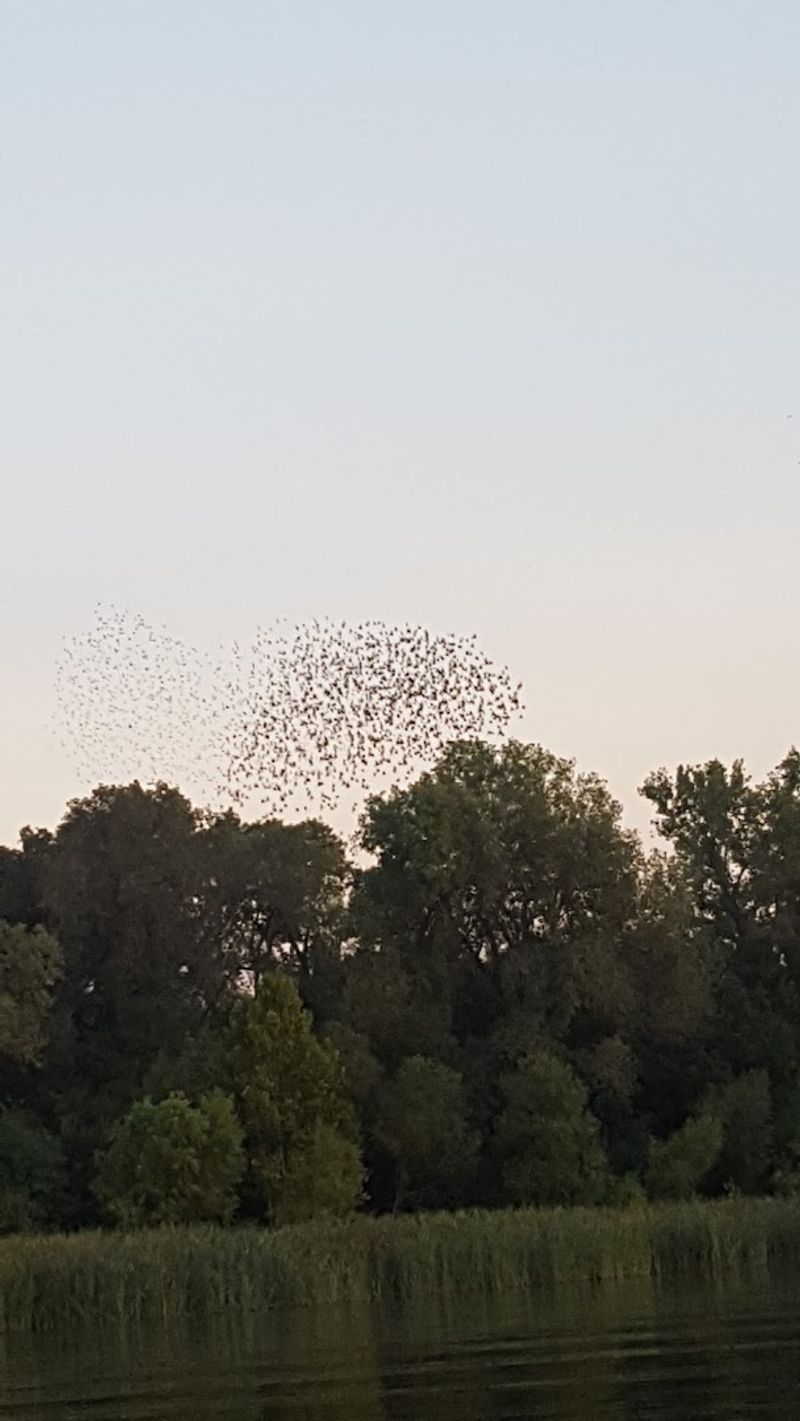
The restricted access at Lake Hiwassee has created an unintentional wildlife sanctuary. Because the lake is not overrun with visitors, the surrounding habitat stays relatively undisturbed, and the animal life reflects that stability.
Great blue herons are a regular sight along the shoreline, moving with that particular slow-motion patience that makes them so satisfying to watch.
Turtles sun themselves on half-submerged logs near the water’s edge, and in the evenings, frogs take over the soundtrack entirely. White-tailed deer move through the tree lines at dusk, and the bird diversity around the lake is genuinely impressive for a body of water this size.
Dragonflies skim the surface on summer afternoons in numbers that remind you how healthy a freshwater ecosystem can get when it is left mostly alone. The tree canopy around the lake provides nesting habitat for songbirds, woodpeckers, and owls, all of which add to the sensory richness of a morning spent near the water.
For members who care about nature, this layer of the experience adds real depth to what might otherwise be a simple weekend getaway. The lake is not just a recreational amenity; it functions as a living ecosystem that rewards patient observation.
Seasonal Rhythms at Lake Hiwassee
Lake Hiwassee has a distinct personality in each season, and longtime members tend to have strong opinions about which time of year they love most. Summer is the obvious peak, with families filling their lots on weekends and the lake seeing its highest activity.
The heat in central Oklahoma can be intense, but the shade from surrounding trees and the proximity to water makes it bearable.
Fall brings a different kind of magic. The post oak trees shift through amber and rust, and the fishing picks up again after the slower midsummer period.
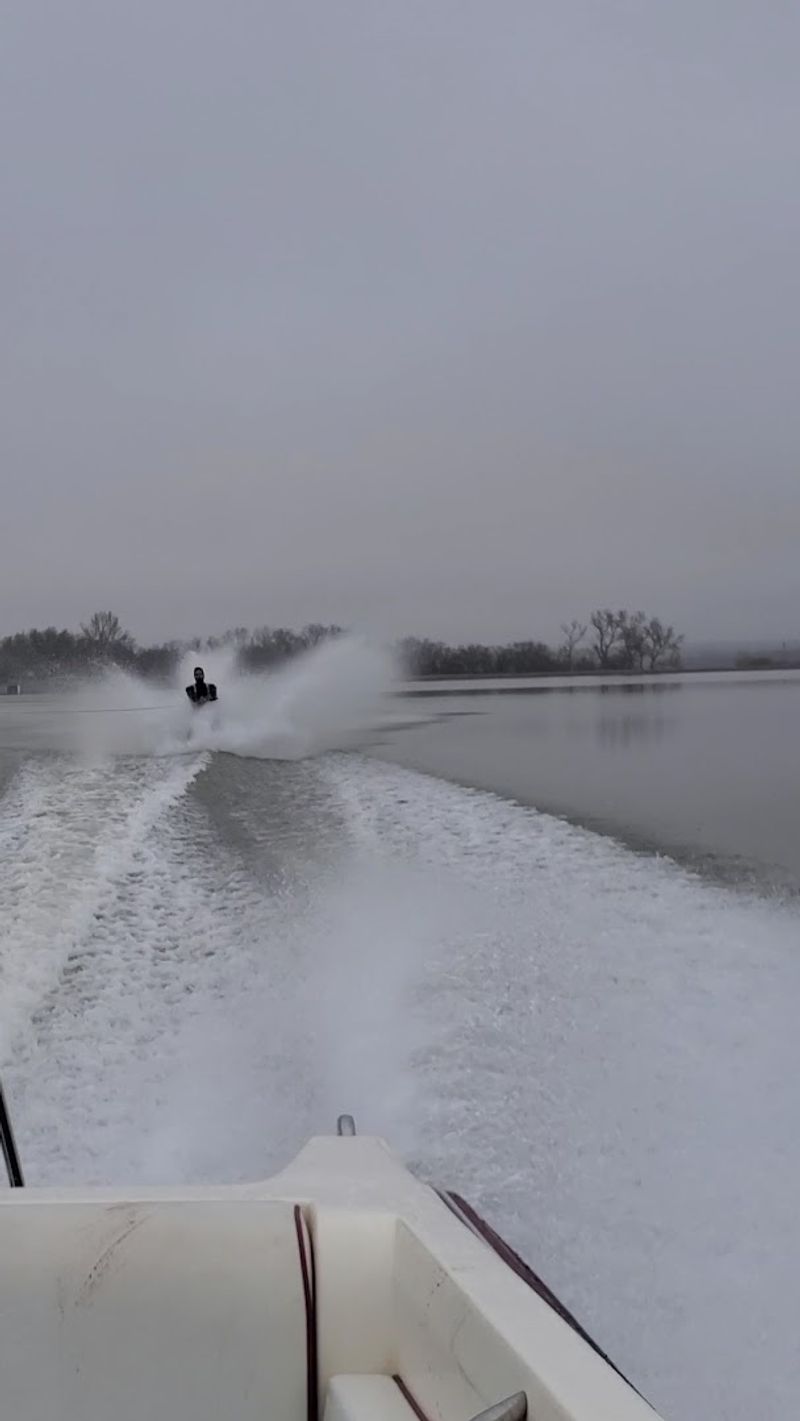
Mornings cool down fast in October, and the lake takes on a misty, atmospheric quality in the early hours that feels almost cinematic.
Winter quiets things considerably. Many of the cabins sit empty from November through February, but a handful of year-round residents keep the community from going completely dormant.
The lake in winter has a stripped-down beauty that rewards the members willing to bundle up and walk the shoreline on a cold afternoon.
Spring is arguably the most exciting season. The water warms, the fish become active, and families start opening up their cabins after months of dormancy, bringing that first-weekend-of-the-season energy that is hard to replicate any other time of year.
How Membership Has Been Passed Down Through Generations
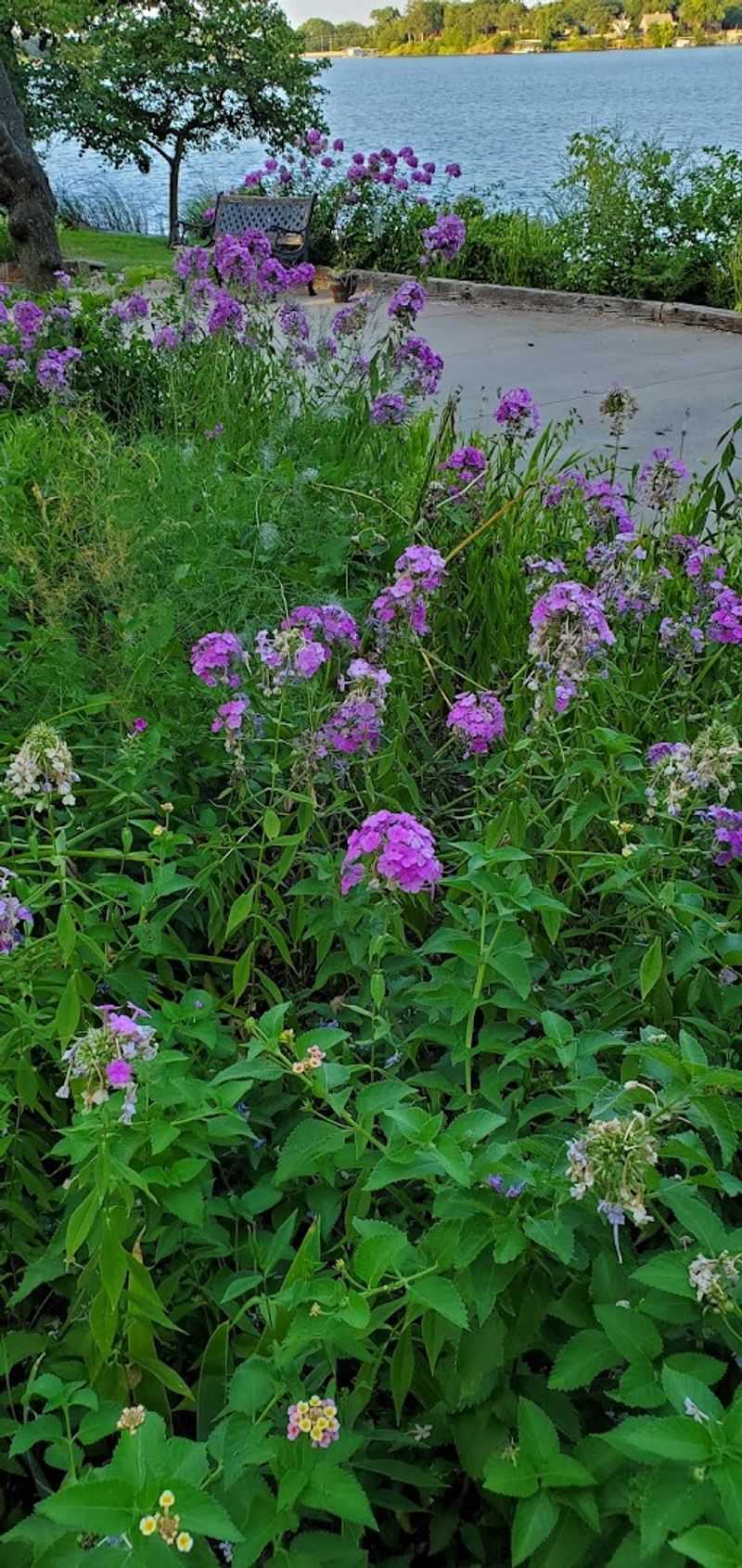
One of the most compelling aspects of Lake Hiwassee is the multi-generational nature of its membership. It is not uncommon to meet a current member whose grandparents were among the original families who joined in the late 1940s or 1950s.
That kind of continuity is rare in American recreational culture, where most shared spaces turn over constantly.
When a membership gets passed from parent to child, it carries more than just access rights. It carries memories, traditions, and a sense of belonging to something that predates your own birth.
Kids who grew up catching their first fish off a particular dock bring their own children back to that same spot decades later.
This inheritance model creates a community that is unusually cohesive. People know each other’s family histories, remember each other’s relatives, and share a common attachment to the place that goes well beyond casual recreational use.
Disagreements still happen, as they do in any community, but the shared history tends to keep things civil.
The generational depth also means the community holds a significant amount of institutional knowledge about the lake itself, its water levels, its fish populations, and its seasonal quirks, all of it passed down informally through conversation and shared experience.
What Visitors and Prospective Members Should Know
Lake Hiwassee is not a place you can simply show up at and explore. The private nature of the community means that access requires either a membership or an invitation from a current member.
Trespassing on private lake property is taken seriously, and the community has maintained that boundary consistently for decades.
For those genuinely interested in becoming members, the process typically starts with a connection to someone already in the community. Because openings are not widely advertised, the best approach is to reach out through local networks in the Arcadia and Edmond areas of Logan County, where awareness of the lake is highest.
Prospective members should understand that this is not a resort or a managed recreational facility. There is no on-site staff, no restaurant, and no organized programming.
What it offers instead is access to a quiet, well-maintained private lake with a strong community culture built over 80 years.
The value proposition is entirely about the experience of belonging to something long-established and low-key. For the right kind of person, that is more than enough.
For someone expecting amenities and activities on demand, Lake Hiwassee will probably feel underwhelming, and that is perfectly fine with the people who are already there.
Share this story