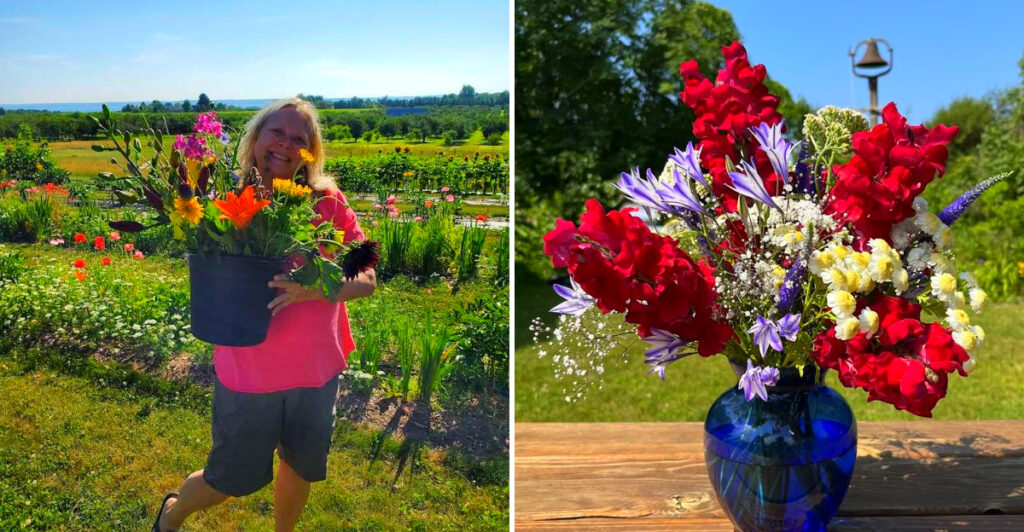
A flower farm on Michigan’s Old Mission Peninsula has become one of the region’s most quietly memorable stops, offering visitors the chance to cut their own bouquets while overlooking water on both sides of the peninsula. Founded in 2015 by horticulturist Ginny Coulter, the self-serve garden combines seasonal blooms with the kind of relaxed experience that keeps people returning every summer.
What makes the farm stand out is its simplicity. Guests walk the rows, choose their own flowers, pay on the honor system, and leave with bouquets that feel personal rather than prearranged.
Surrounded by vineyards, orchards, and sweeping bay views, the farm has become a favorite detour for travelers exploring the Traverse City area.
Where the Farm Actually Sits on the Peninsula
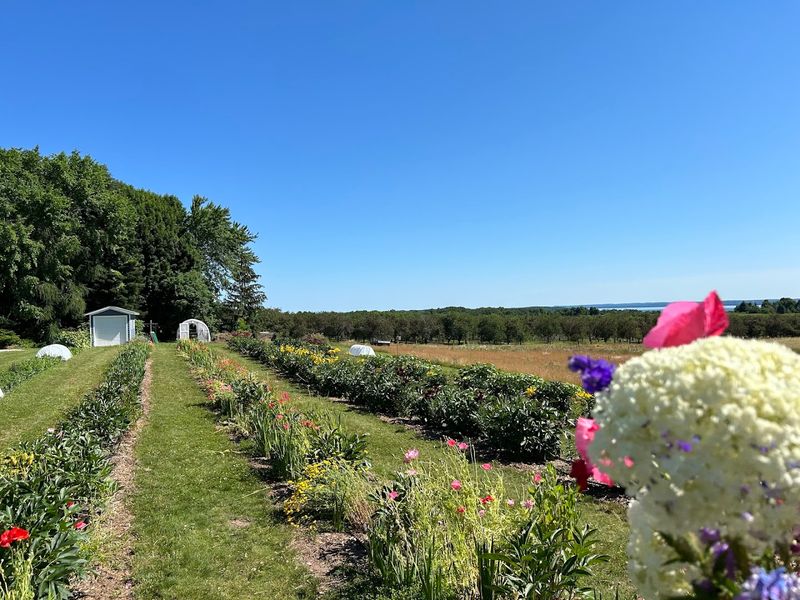
The address is 16550 Center Rd., Traverse City, MI 49686, and the entrance to the garden is off Ladd Road, roughly 14 miles north of downtown Traverse City on the Old Mission Peninsula.
That location matters more than it might seem at first. The farm sits on one of the highest ridges of the peninsula, which means you are not just visiting a garden.
You are standing at a natural overlook where both East and West Grand Traverse Bay are visible at the same time.
The Old Mission Peninsula itself is a long, narrow finger of land pointing north into Grand Traverse Bay. It is known for its cherry orchards, farm stands, and scenic byways.
Adding a flower farm to that landscape feels almost too perfect.
The drive up Center Road alone is worth the trip, with rolling hills and wooded stretches creating a sense of arrival that builds your anticipation before you even see the first bloom.
The Story Behind the Garden and Its Founder
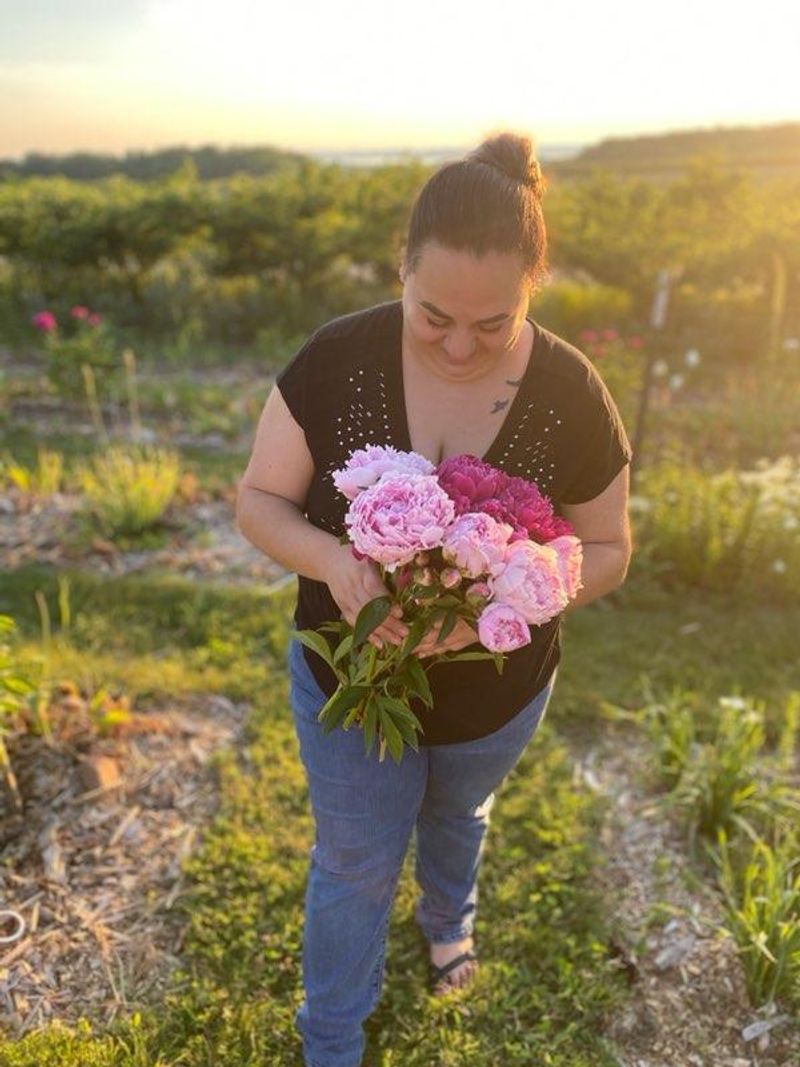
Ginny Coulter did not stumble into flower farming by accident. She holds a degree in Horticulture Science, and when she launched Old Mission Flowers in 2015, that academic background showed up immediately in the garden’s design and plant selection.
Starting a self-serve flower farm from scratch takes more than a green thumb. It takes planning, patience, and a genuine belief that people will treat something beautiful with respect.
Ginny built the whole operation on an honor system, and visitors have consistently risen to meet that trust.
What makes her story even more compelling is how personal the garden feels. Every variety planted, every row arranged, every tool left in the shed for visitors to use reflects a deliberate choice by someone who clearly loves what she grows.
You might even catch Ginny working in the garden during your visit, and if you do, she is happy to share advice on how to pick and cut specific flowers for the longest-lasting blooms at home.
How the Self-Serve Honor System Actually Works
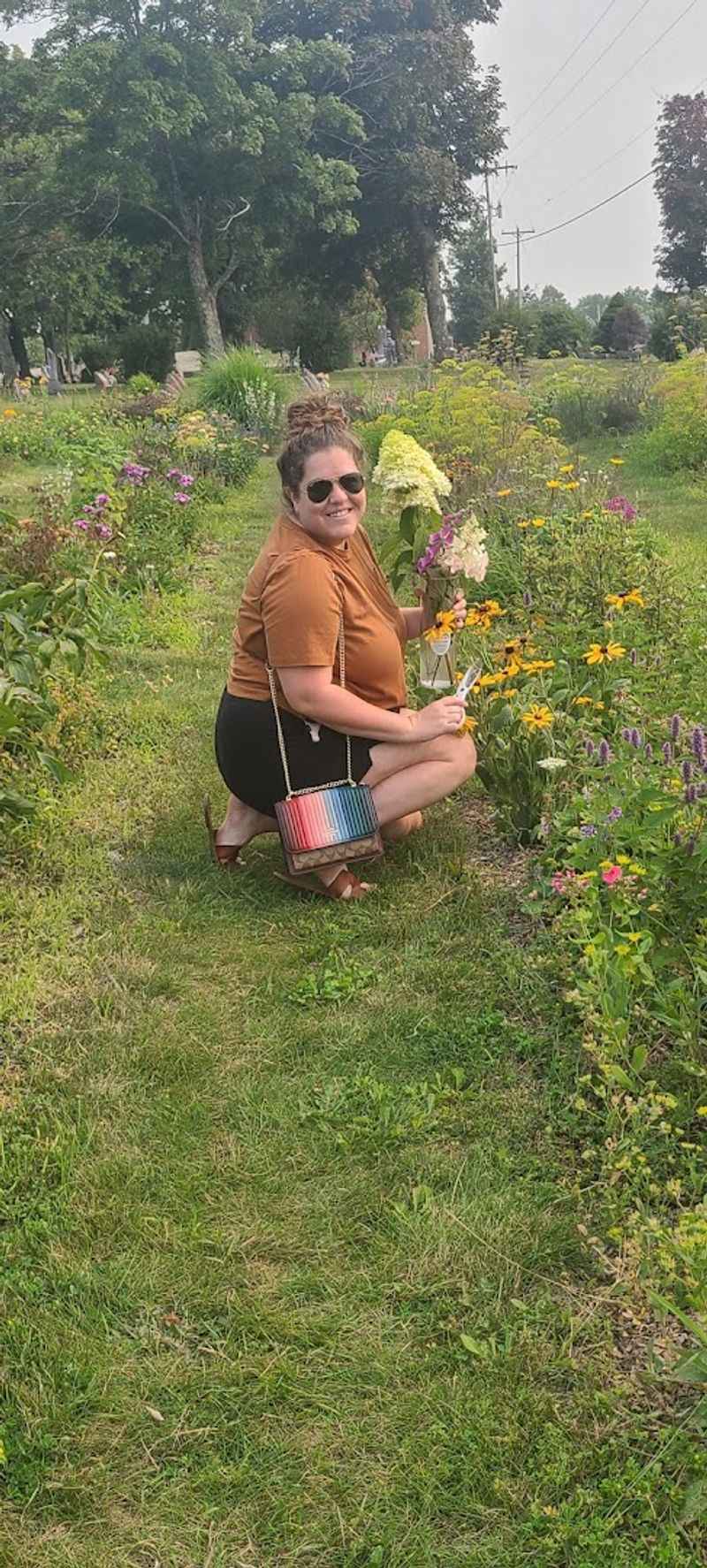
The concept here is refreshingly simple and surprisingly trusting. You arrive, grab a pair of scissors and a bucket from the garden shed, walk through the rows, and cut whatever catches your eye.
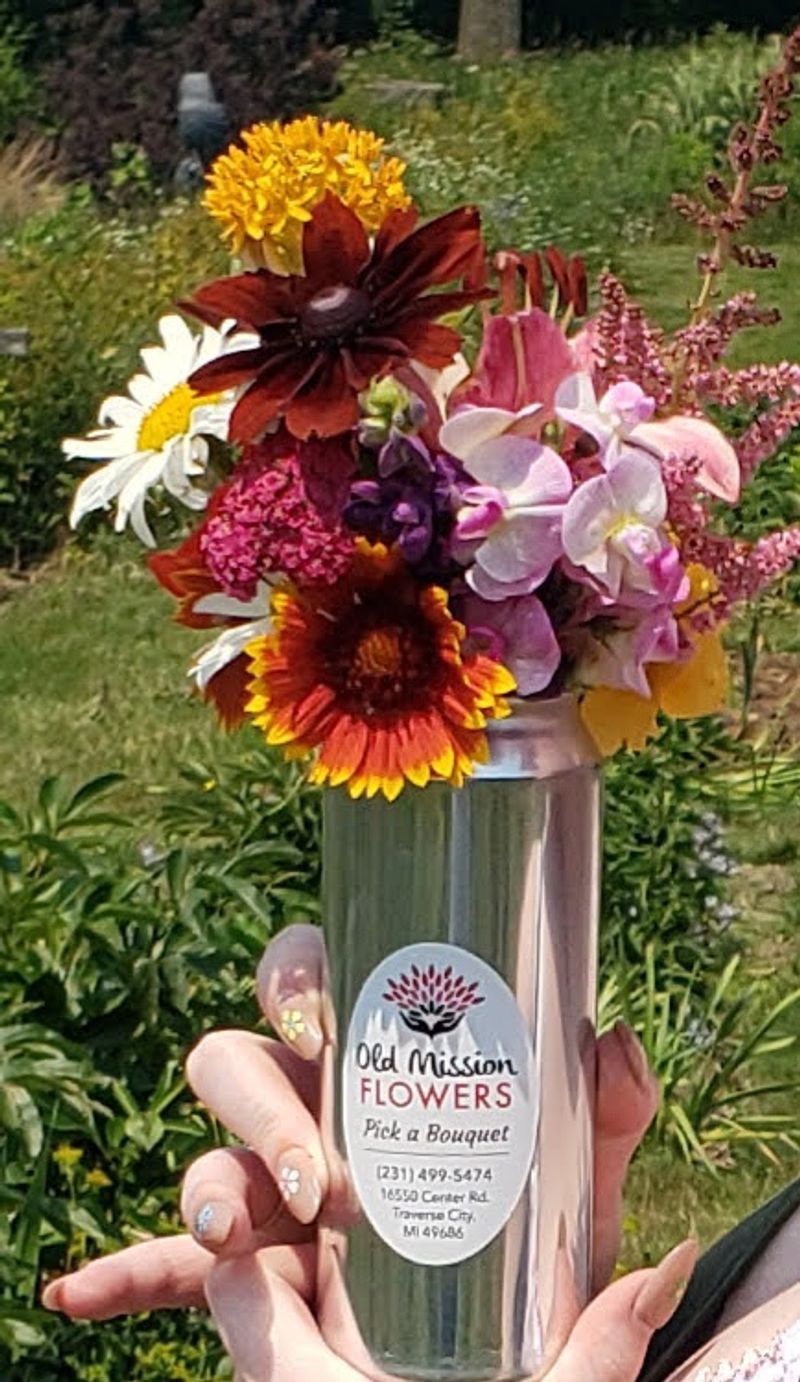
The shed is stocked with everything you need: cutting tools, water, flower food, and a range of containers to take your bouquet home in. There are repurposed cans, glass vases, and other vessels available for purchase alongside the flowers themselves.
Payment is handled through Venmo, cash, or check, all left on the honor system. No cashier, no checkout line, no pressure.
The whole experience feels more like visiting a generous neighbor’s garden than running a transaction.
The garden is generally open from dawn until dusk, starting around Mother’s Day and running through Labor Day or even into October depending on the weather. That long season means there is almost always something new in bloom every time you come back, which is exactly what keeps people returning week after week.
The Jaw-Dropping Range of Blooms on Offer
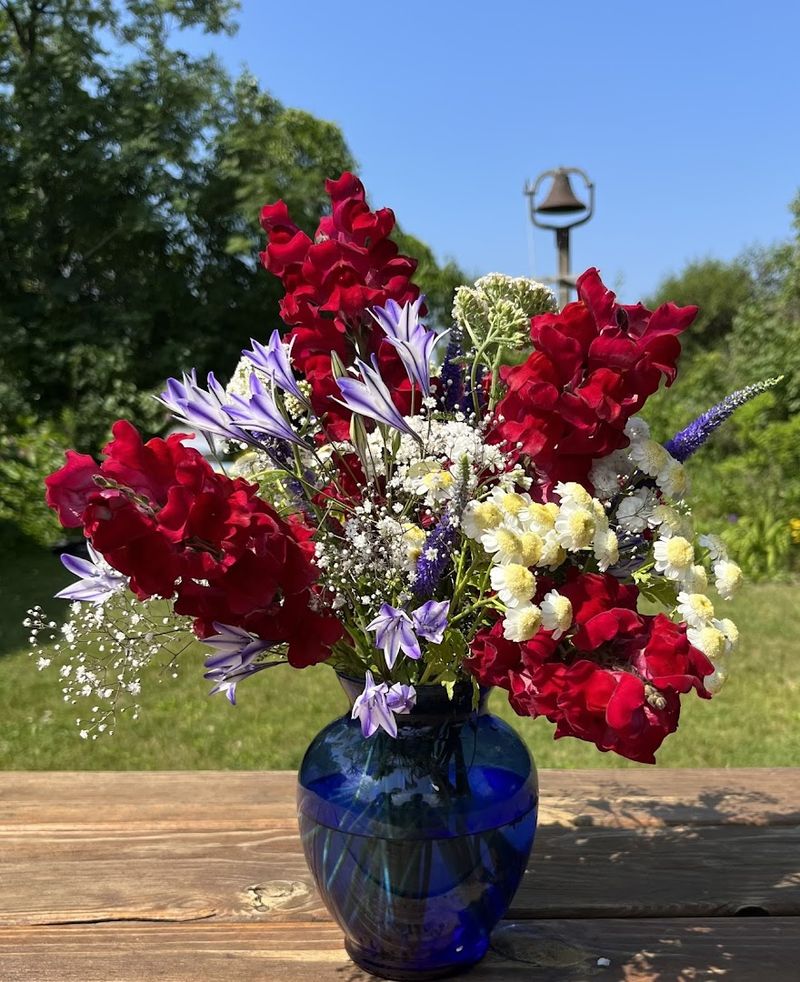
Hundreds of varieties rotate through the garden across the growing season, which means no two visits feel identical. Early in the season, daffodils and tulips create sweeping waves of yellow and purple.
Then come the lupines, with their tall spiky towers of color that feel almost architectural.
Peonies arrive in late May and bloom through late June, with over 40 varieties on offer. That alone is reason enough to plan a dedicated trip.
After peonies, the garden transitions into lilies, gladiolus, and roses before the late-summer surge of sunflowers, snapdragons, and zinnias takes over.
One visitor was so inspired by a flower called Orlaya, a delicate white bloom she had never seen before, that she went home and added it to her own garden the following year. That kind of influence speaks to just how thoughtfully the selection here is curated.
The variety is not just pretty. It is educational, and it might just change the way you think about what belongs in a home garden.
Peony Season Is Its Own Special Event
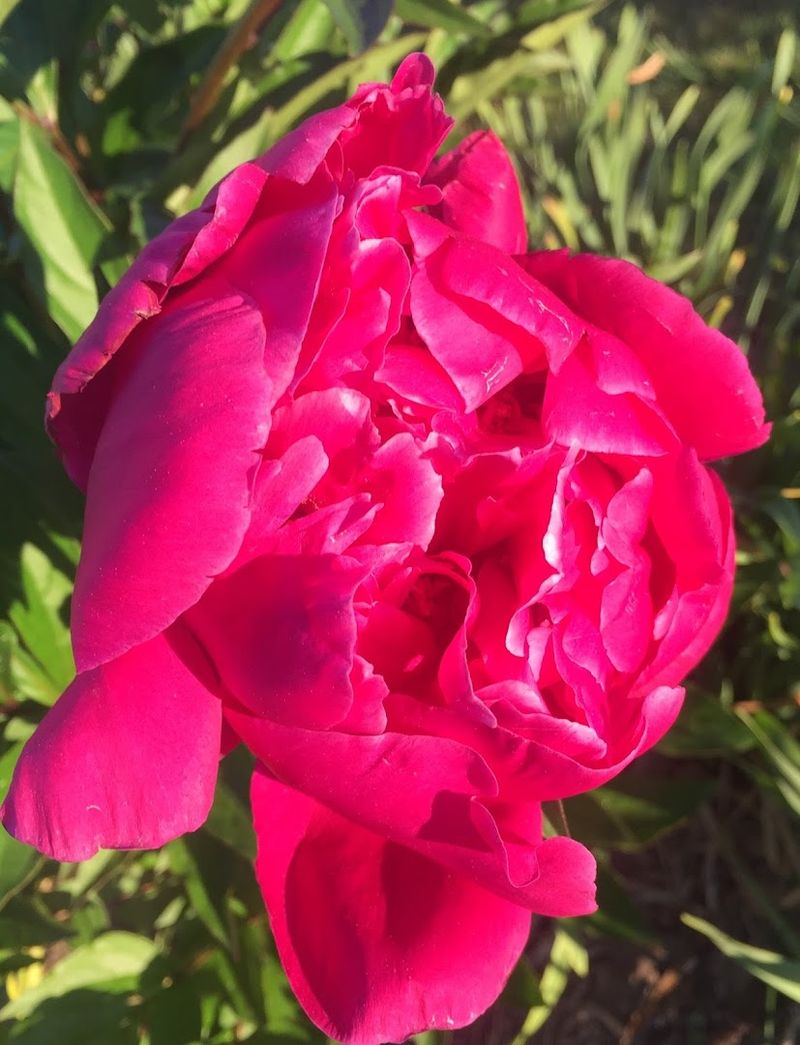
Peony season at Old Mission Flowers runs from late May through late June, and during those weeks, the garden reaches a kind of peak drama that is hard to describe without sounding like you are exaggerating.
With more than 40 peony varieties available, the range of color, form, and fragrance is genuinely staggering. There are bowl-shaped singles, fluffy doubles, coral-tinged varieties, deep burgundy ones, and soft blush pinks that look like they belong in a painting.
Peonies are also notoriously tricky to pick at the right moment. Cut them too late and they drop petals fast.
Cut them at the right bud stage and they last beautifully in a vase for days. Ginny has been known to share exactly that kind of advice with visitors who ask, which makes the experience feel more like a workshop than a shopping trip.
If you can only make one visit to the farm all season, timing it for peony season is a choice you will not regret for a single second.
Views That Make the Old Mission Peninsula Famous
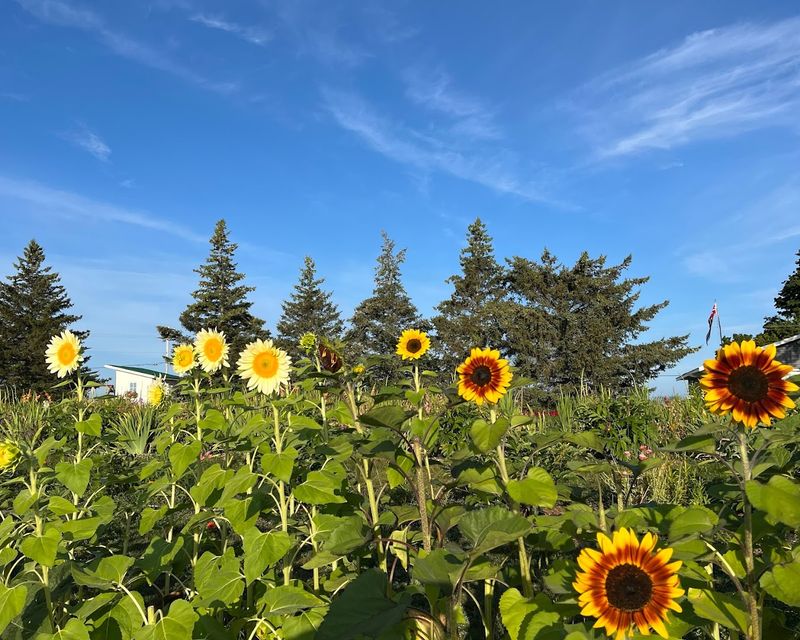
The Old Mission Peninsula is one of those places where the scenery does most of the talking. The peninsula stretches about 18 miles into Grand Traverse Bay, and from the ridge where this farm sits, you can see water on both sides at once.
East Bay and West Bay have slightly different characters. West Bay tends to be more sheltered and calm, while East Bay opens up to wider, choppier stretches.
From the farm’s elevated position, both bays catch the light in ways that shift dramatically depending on the time of day.
The peninsula is also home to several well-known wineries and vineyard estates, which add a patchwork of trellised vines to the landscape between the orchards and farms. That combination of flowers, vines, water, and sky creates a visual layering that feels genuinely unique to this part of Michigan.
Pairing a flower-picking visit with a scenic drive along the peninsula’s ridgeline roads turns a simple afternoon outing into something that feels like a full countryside experience worth repeating every single year.
What Photographers and Painters Keep Coming Back For
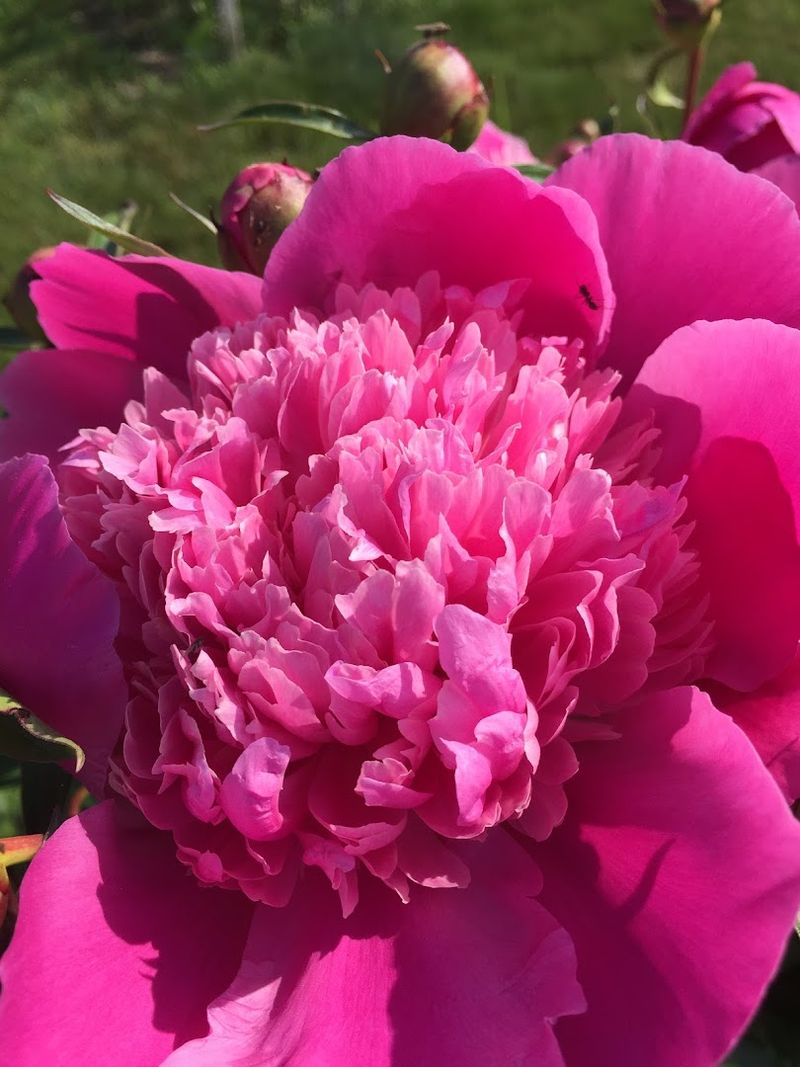
There is a reason creative people keep showing up here with cameras and canvases. The combination of textured blooms, layered colors, and bay views creates a visual environment that is practically built for art-making.
Photo shoots happen regularly at Old Mission Flowers. Couples, families, and solo visitors all find something worth framing in the rows of flowers.
The light on a clear Michigan morning, when the dew is still on the petals and the bay glitters in the background, is the kind of thing photographers plan entire trips around.
Painters have also been spotted setting up easels right in the garden during outdoor painting competitions and casual visits alike. Watching a talented artist translate a field of zinnias onto canvas while you cut your own bouquet nearby adds an unexpected cultural layer to what might otherwise feel like a simple farm stop.
The garden has a way of making everyone feel slightly more creative just by being in it, which is not something you can say about most places you visit on a summer afternoon.
Bringing the Kids and Making It a Family Tradition
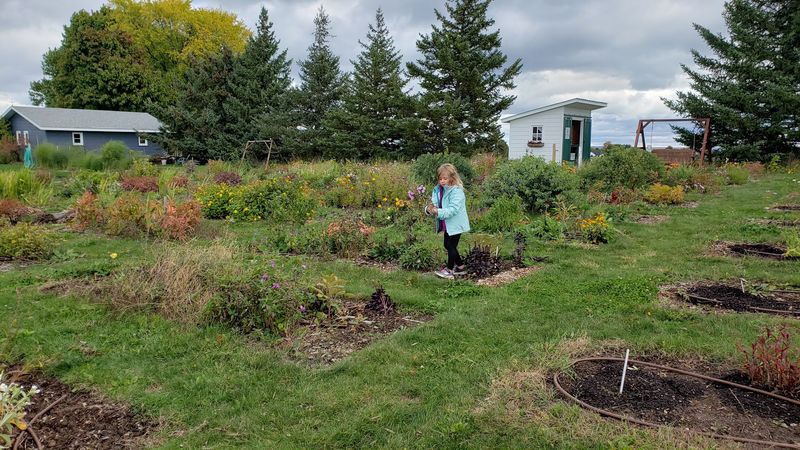
Few outings translate as naturally into a family memory as a flower farm visit. There is something about handing a child a pair of scissors and telling them to pick whatever they love that produces a kind of focused, joyful concentration you rarely see on a regular afternoon.
Kids gravitate toward the big, bold blooms first. Sunflowers, gladiolus, and snapdragons tend to be the crowd favorites among younger visitors.
The bright colors and dramatic heights make them easy to spot and satisfying to cut.
Parents often find the experience just as rewarding. Walking slowly through rows of flowers with no particular agenda, listening to bees and birdsong, and watching their children make small aesthetic decisions is a genuinely peaceful way to spend a couple of hours.
Several families have turned the visit into a yearly tradition, returning each season to see what is new in bloom and adding fresh flowers to their summer rituals. That kind of repeat loyalty says more about a place than any single review ever could.
Solo Travelers and the Quiet Magic of Picking Alone
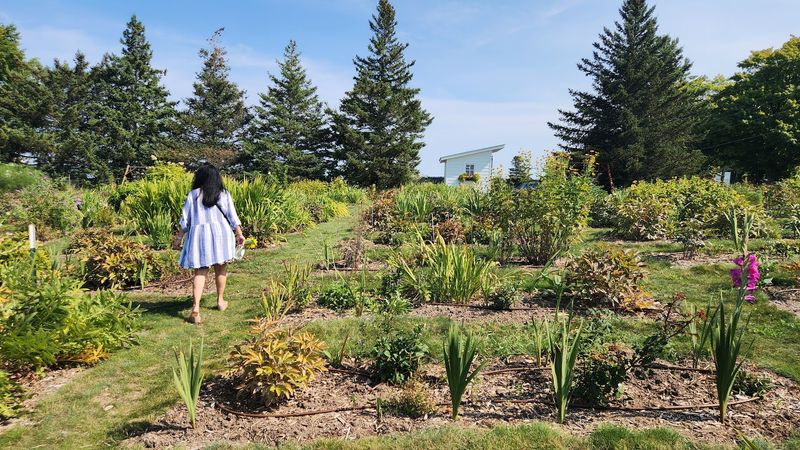
Not every great experience needs company. One visitor famously purchased a small aluminum can from the shed, filled it with the brightest flowers she could find, and drove away with a homemade arrangement propped up in her camper van.
The logic was simple: everyone deserves flowers, even when traveling alone.
There is a particular kind of pleasure in moving through a garden at your own pace with no agenda. You stop when something catches your eye.
You linger over a peony that is just beginning to open. You rearrange your bucket three times before you feel satisfied with the combination.
The honor system model actually enhances the solo experience. There is no one watching the clock, no cashier waiting, and no line forming behind you.
The garden belongs to whoever is in it at that moment.
Coming away with a bouquet you assembled yourself, from flowers you personally selected and cut, feels like a small but meaningful act of self-care that costs very little and lingers in the memory for a surprisingly long time.
Practical Tips for Planning Your Visit
The garden is open from dawn until dusk, which means early morning visits reward you with cooler temperatures, better light, and flowers that have not yet been picked over by other visitors. If you want the widest selection, plan to arrive closer to opening time.
The season typically starts around Mother’s Day in May and runs through Labor Day in September, with the possibility of staying open into October depending on the year’s weather conditions. Checking the farm’s website at oldmissionflowers.com or calling ahead at 231-499-5474 before a long drive is always a smart move.
Bring cash or set up Venmo before you arrive, since the honor system payment relies on those methods. The shed provides tools and containers, but wearing comfortable shoes is a good idea since the garden paths can be uneven.
Parking is available near the entrance off Ladd Road. The overall visit tends to run between 30 minutes and an hour, though nobody seems to be in a hurry once they step through the gate and start walking the rows.
Why This Place Stays With You Long After You Leave
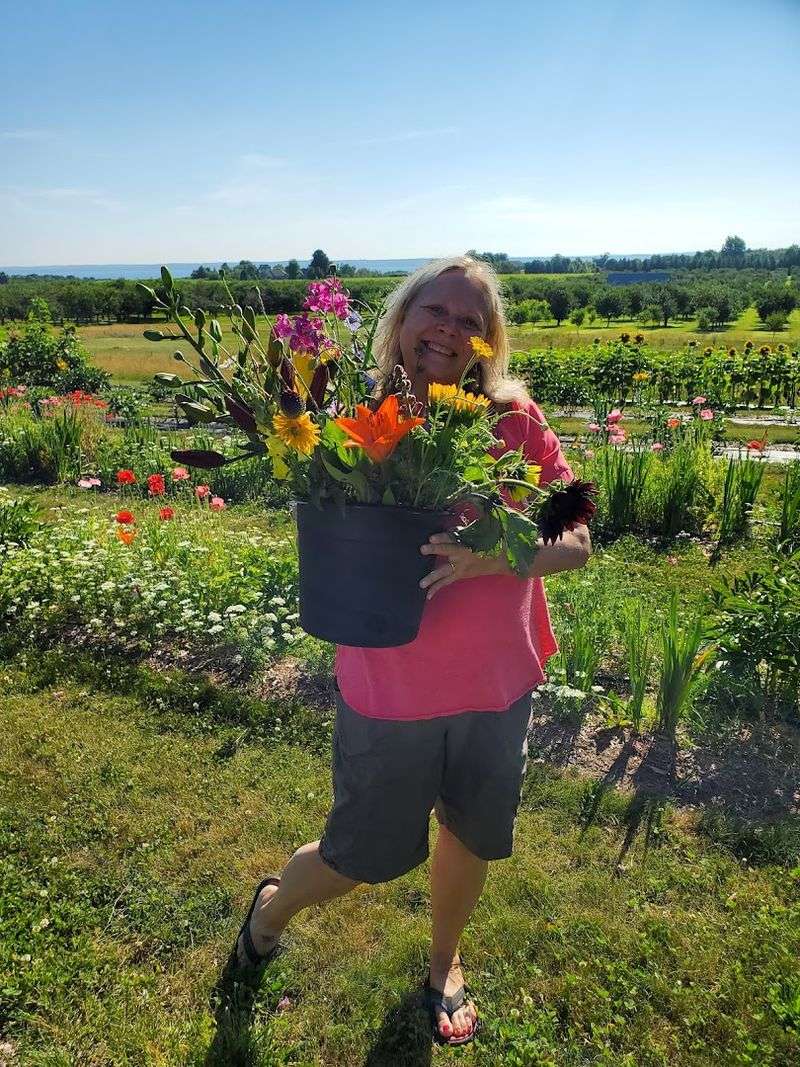
A lot of places promise a memorable experience and deliver something forgettable. This farm works differently because the experience is genuinely yours from start to finish.
You chose the flowers, you cut them, you arranged them, and you carried them home.
That sense of personal ownership over the bouquet is part of what makes the memory stick. It is not a bunch of flowers someone else assembled behind a counter.
It is something you built with your own hands in a field with a bay view, which is a story worth telling.
The garden also changes constantly throughout the season, which means returning visitors always find something new to discover. Peonies give way to gladiolus, which give way to zinnias and sunflowers, and the whole show starts fresh again the following spring.
Old Mission Flowers is the kind of place that earns a permanent spot on your Michigan itinerary not because it is flashy, but because it is genuinely, quietly wonderful in a way that sneaks up on you and refuses to be forgotten.
Share this story