Tucked away on a forested hillside outside Eugene, Oregon, there is a place where injured hawks, owls, and eagles get a second chance at life. The birds here are not just on display; each one has a story of survival, rehabilitation, and resilience.
Knowledgeable staff guide visitors through the outdoor aviaries, sharing the personal histories of nearly 50 birds of prey. Whether you are a lifelong birding enthusiast or someone who simply spotted a cool owl once and never forgot it, this sanctuary has a way of pulling you in and not letting go.
Where the Center Calls Home
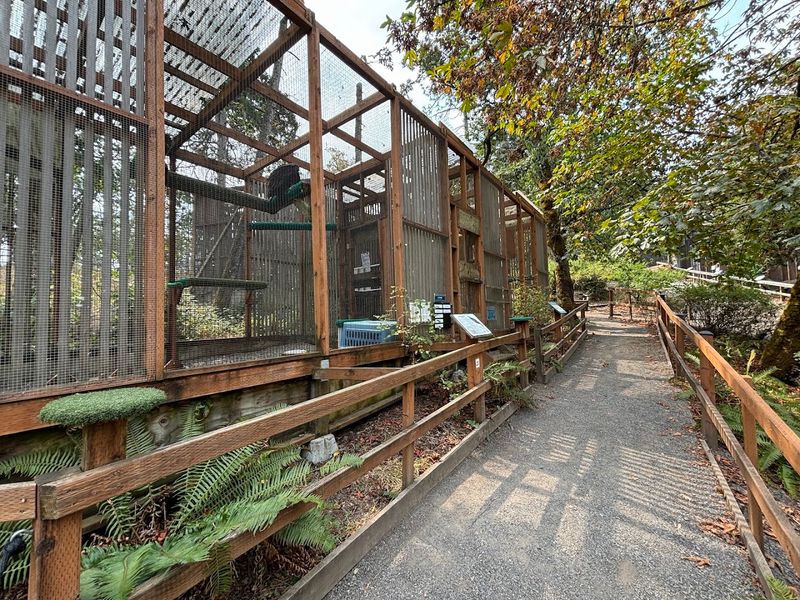
Nestled on a wooded hillside at 32275 Fox Hollow Rd, Eugene, OR 97405, the Cascades Raptor Center sits in one of the most naturally beautiful settings you could hope to find a wildlife sanctuary. The drive up Fox Hollow Road feels like a gentle transition from the busy world into something quieter and more intentional.
The center is open Tuesday through Sunday from 10 AM to 5 PM, and is closed on Mondays. That schedule gives the staff and the birds a reliable rhythm, which matters a lot when you are running both an education facility and a wildlife hospital at the same time.
The parking lot is small, fitting roughly 12 vehicles, so arriving early on weekends is a smart move. An overflow area is available nearby, and I never had trouble finding a spot during my visit.
You can reach the center by phone at 541-485-1320 or explore their programs at cascadesraptorcenter.org before planning your trip. The whole setting feels purposeful, like the location itself was chosen to remind visitors that wild things belong in wild places.
A Sanctuary With a Serious Mission
The Cascades Raptor Center is not just a place to look at cool birds. It operates a fully functioning wildlife hospital on the property, where injured and orphaned raptors receive medical care with the goal of returning them to the wild whenever possible.
Birds that cannot be released due to permanent injuries become permanent residents and serve as educational ambassadors. This dual mission, rehabilitation paired with public education, gives the center a sense of real purpose that you can feel the moment you walk through the gate.
During my visit, I spotted a staff member doing health checks on individual birds along the path, clipboard in hand, clearly focused and caring. The hospital itself is not open to the public, but knowing it exists just a few steps away adds a layer of meaning to every enclosure you pass.
The center has treated everything from bald eagles to tiny brown creepers brought in by concerned neighbors. That range of care, from the majestic to the miniature, says everything about the values driving this organization forward every single day.
Nearly 50 Birds of Prey Under One Roof
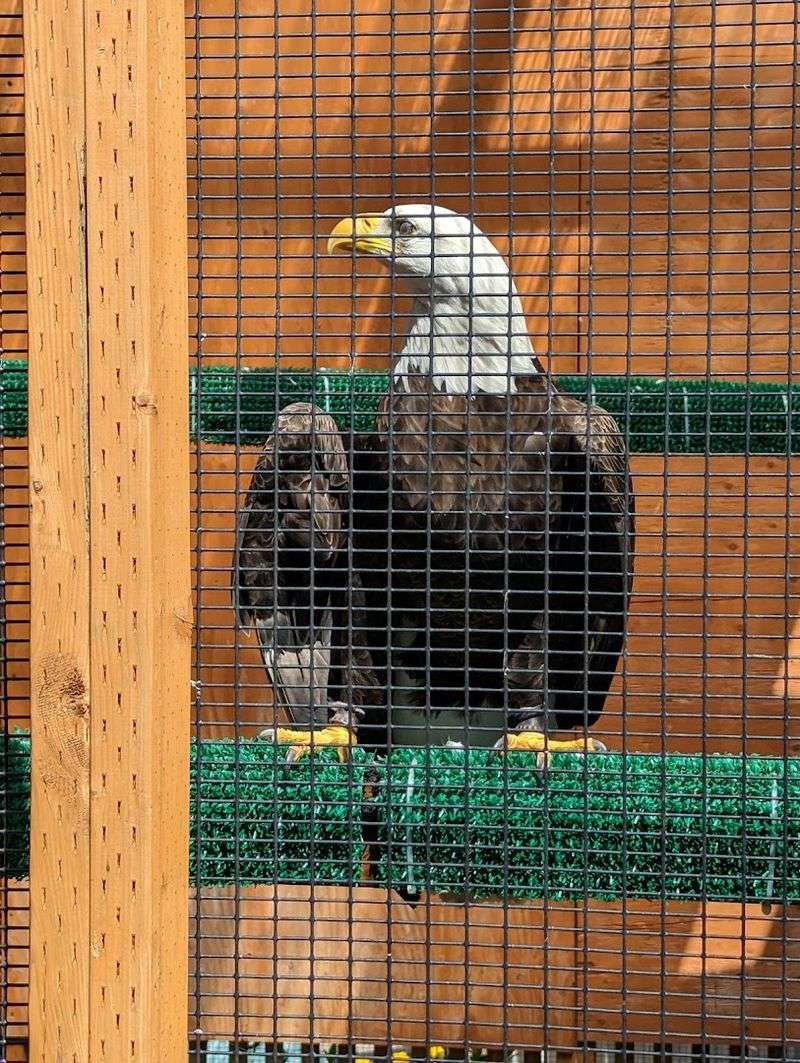
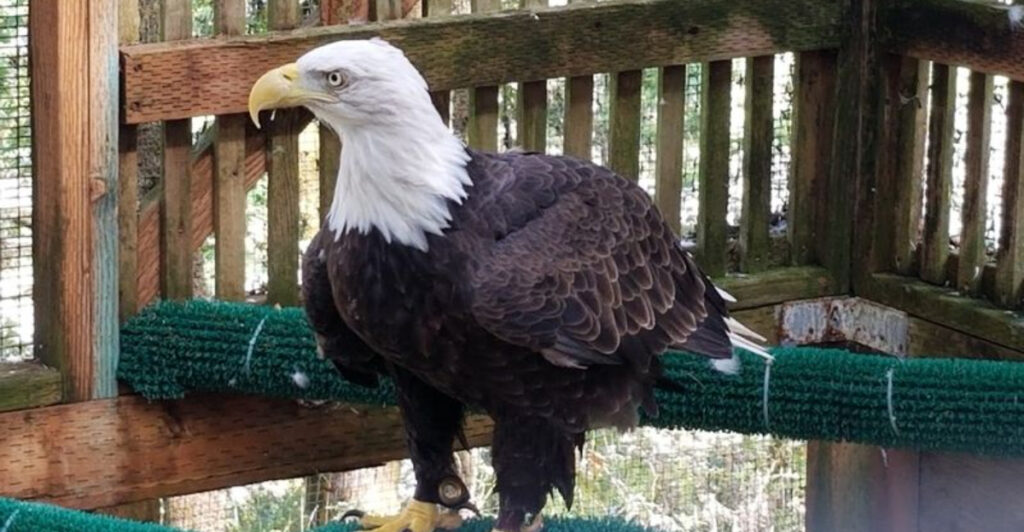
Close to 50 birds of prey call the Cascades Raptor Center home at any given time, and the variety on display is genuinely impressive. You will find great horned owls, barn owls, red-tailed hawks, Cooper’s hawks, American kestrels, turkey vultures, peregrine falcons, and a bald eagle that commands attention from every visitor who passes by.
Each species brings something different to the experience. The owls tend to watch you with that particular intensity that makes you feel like they are the ones doing the studying.
The hawks move with quick, sharp energy, while the vultures carry a dignified stillness that is oddly compelling once you spend a few minutes with them.
There are roughly 36 raptor enclosures spread across the hillside property, with a handful occasionally empty due to medical care or seasonal changes. The sheer range of species means that even visitors who consider themselves casual bird fans tend to leave with a new favorite they did not expect.
For me, it was the American kestrel, a bird so small and so fiercely alert that it somehow outshines birds three times its size.
Echo the Snowy Owl Steals Every Heart
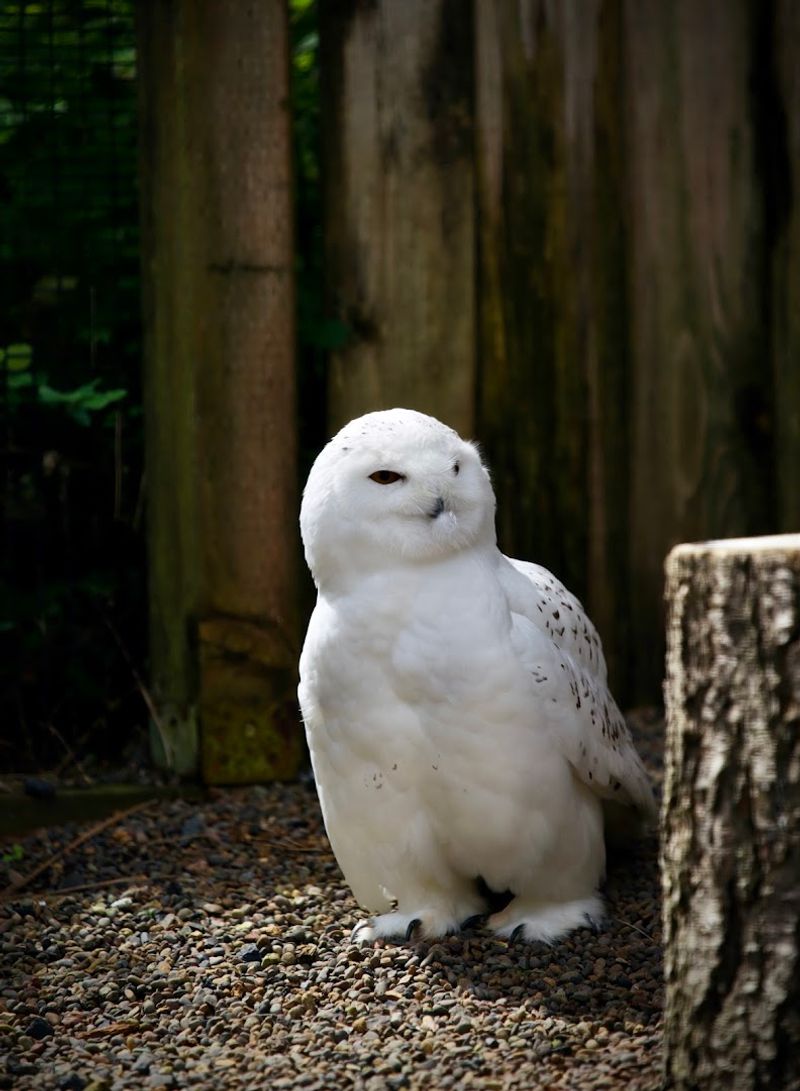
Of all the birds at the center, Echo the snowy owl has a way of stopping visitors mid-step. Those bright yellow eyes, set in a face of white and charcoal-flecked feathers, create a moment that is hard to describe and even harder to forget once you have experienced it firsthand.
Snowy owls are not native to Oregon, which makes Echo’s presence here feel especially rare. The center acquired Echo as part of its ambassador bird program, and the staff clearly enjoy introducing visitors to this Arctic transplant with a personality as striking as its plumage.
I spent a good five minutes just standing in front of Echo’s enclosure, trying to figure out if the owl was actually looking at me or simply looking through me with magnificent indifference. The answer, I suspect, is the latter.
Snowy owls have a reputation for calm, steady observation, and Echo lives up to that completely. If you visit the center and walk past this enclosure without pausing, you are genuinely missing one of the most memorable wildlife moments the entire state of Oregon has to offer.
The Story Behind Every Enclosure
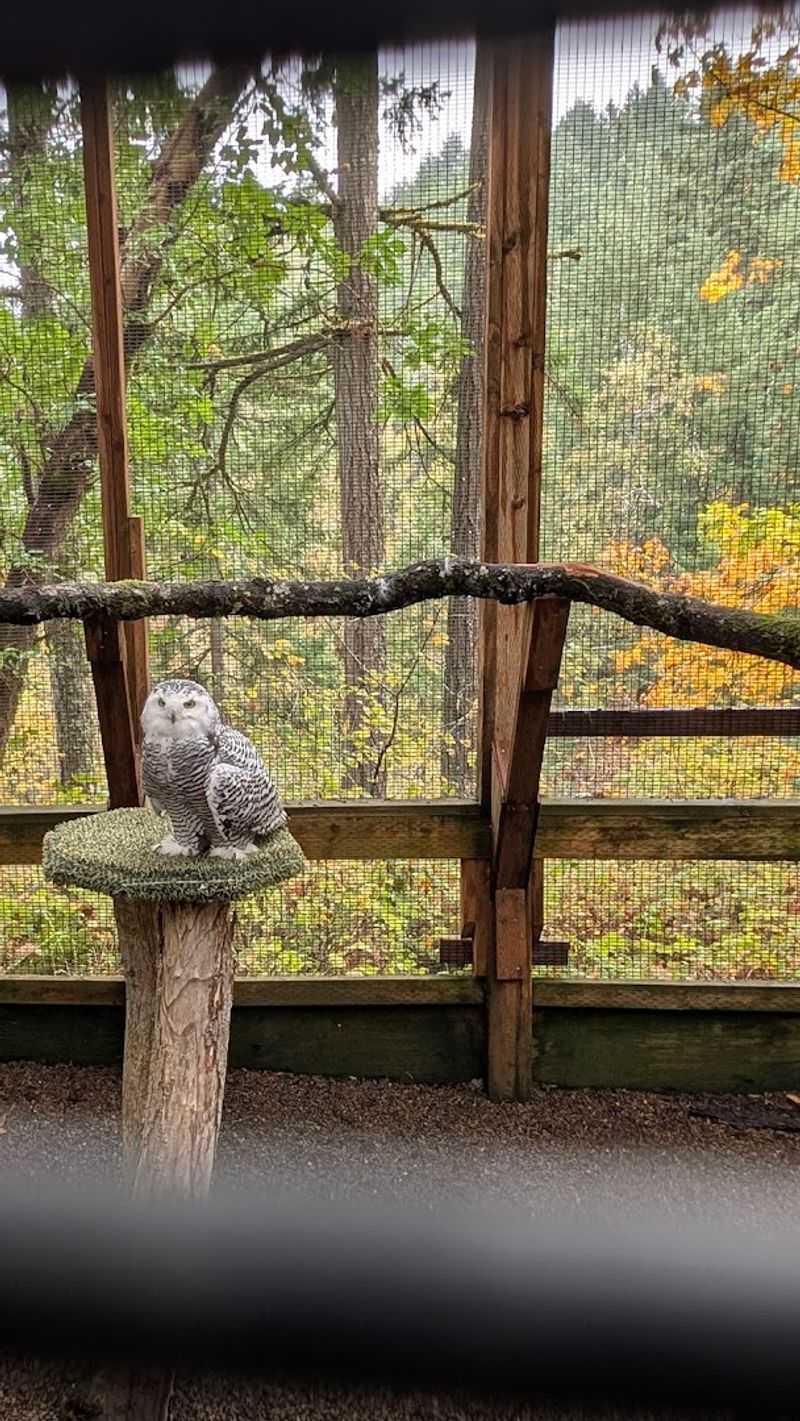
One of the most thoughtful details at the Cascades Raptor Center is the story placard posted outside each bird’s enclosure. These are not generic species fact sheets.
They tell you the individual bird’s name, how it arrived at the center, what injury or circumstance brought it there, and what its life looks like now.
Reading through them turns a simple walk through outdoor aviaries into something that feels more like meeting a community of characters, each with their own distinct history. One bird lost the use of a wing after a vehicle collision.
Another was raised by humans too young and could never learn to hunt on its own. A third arrived as a fledgling and simply never developed the instincts needed for survival in the wild.
These stories do not feel sad so much as they feel honest. The center does not shy away from the complicated realities of wildlife rescue, and that transparency makes the whole experience richer.
By the time I reached the last enclosure, I felt like I actually knew these birds rather than having simply observed them. That personal connection is rare at any kind of animal facility, and it is something the center clearly works hard to cultivate.
The Bald Eagle That Commands the Space
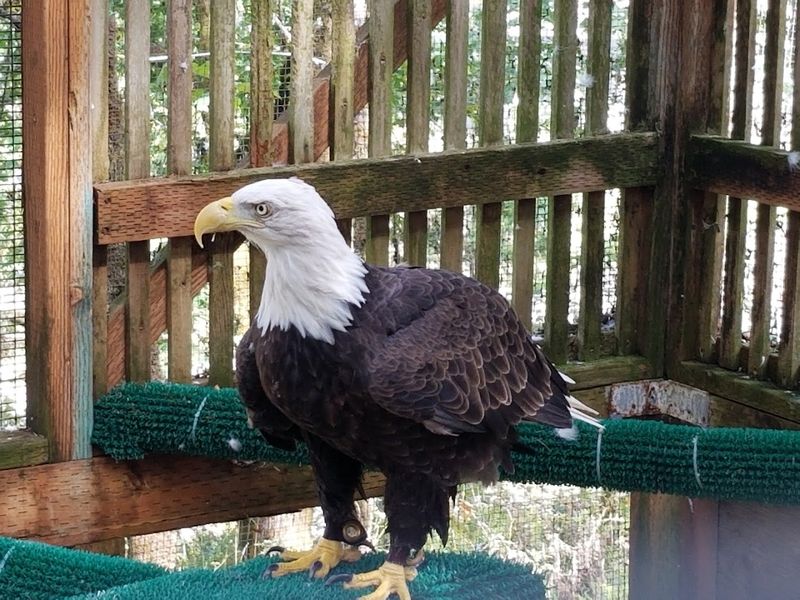
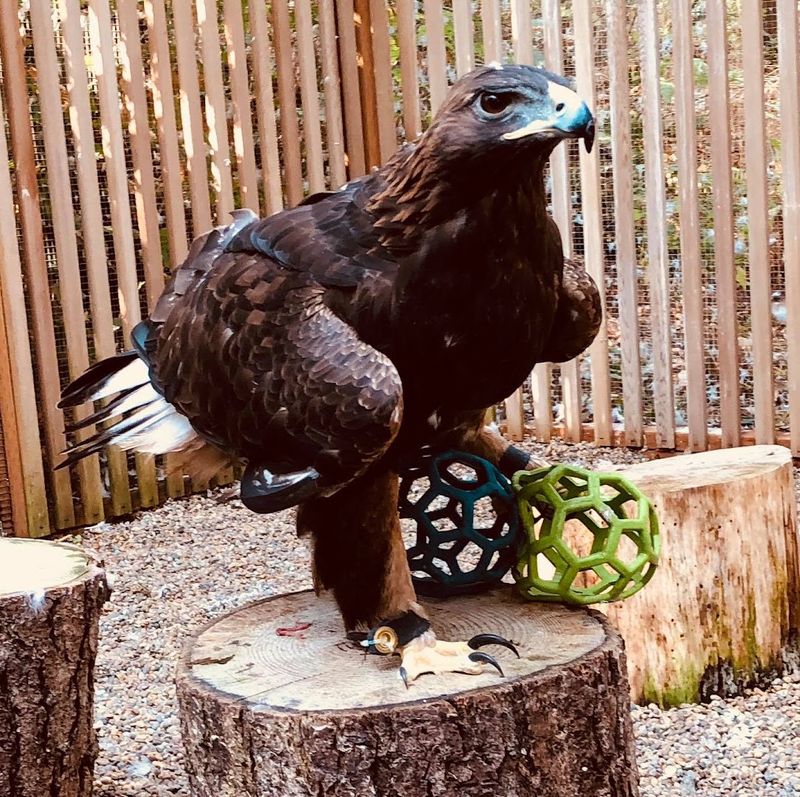
There is something about seeing a bald eagle up close that resets your sense of scale. The one residing at the Cascades Raptor Center is a full-grown adult with a wingspan that makes every other bird on the property look like a rough draft by comparison.
Visitors consistently mention the eagle as a highlight, and I understand why. Standing near the enclosure, you get a sense of the bird’s actual presence in a way that photographs simply cannot replicate.
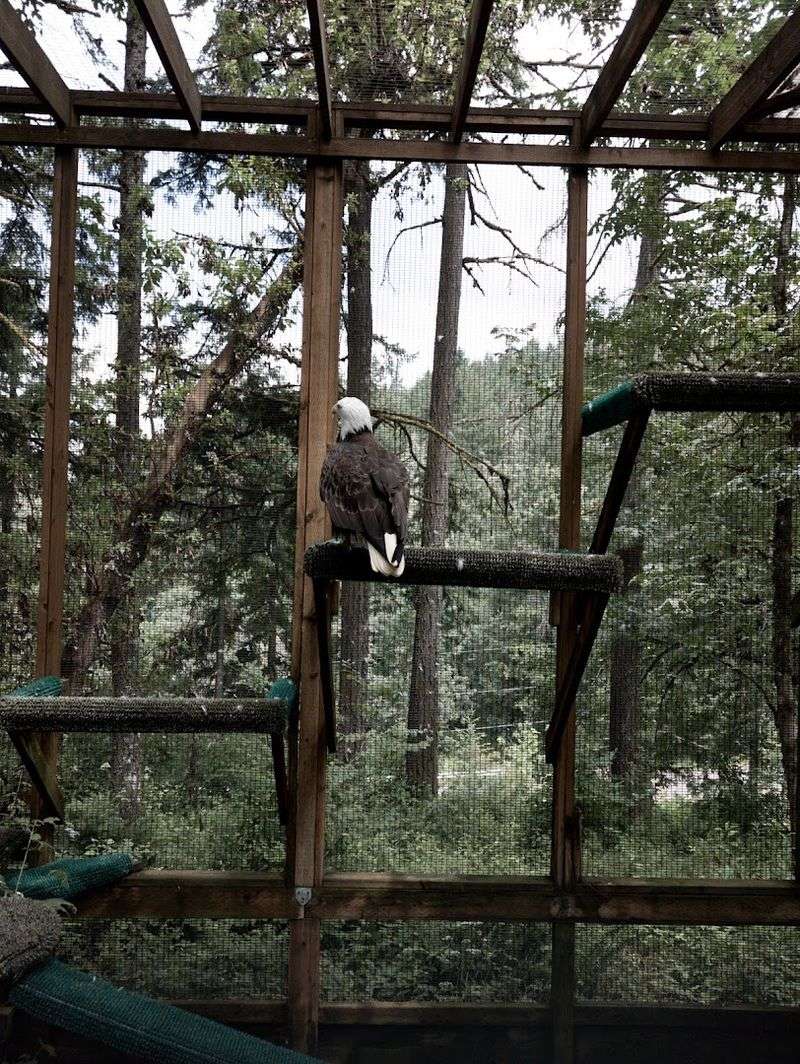
The white head, the yellow beak, the steady, unhurried gaze toward the tree line, it all adds up to something that feels significant.
The center’s staff share the eagle’s background story with obvious pride, and the bird has clearly settled into life as an ambassador with a kind of regal ease. It does not pace or seem agitated.
It perches, watches, and occasionally adjusts its position with the slow deliberateness of something that knows it has nowhere more important to be. For a lot of visitors, this single bird justifies the entire trip.
I would not argue against that assessment, even slightly.
Flight Shows and Encounter Sessions Worth Planning Around
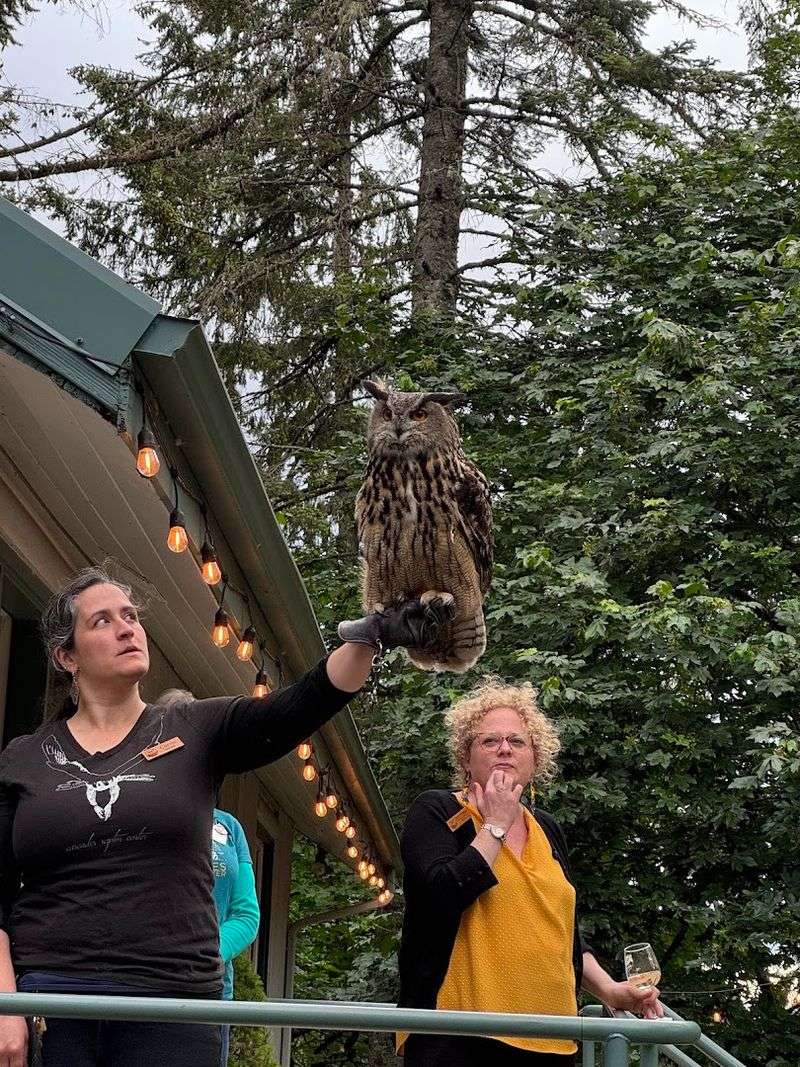
The self-guided tour through the aviaries is genuinely satisfying on its own, but the center also offers scheduled flight shows and encounter sessions that take the experience to a completely different level. These programs let visitors see the birds in motion and in close proximity in ways that static enclosure viewing simply cannot match.
During flight shows, trained staff work with specific ambassador birds to demonstrate natural behaviors, flight patterns, and hunting instincts in a controlled outdoor setting. The birds move with a precision and speed that is startling even when you think you are prepared for it.
A peregrine falcon banking hard through the air is a different kind of experience than a peregrine falcon sitting quietly on a perch.
Encounter sessions get even more personal, bringing visitors within a short distance of birds that are calm and comfortable around people. The staff narrate throughout, explaining behavior, biology, and the bird’s individual story in real time.
I attended an unscheduled training exercise during my visit and it added genuine energy to an already engaging afternoon. Checking the schedule ahead of time on the center’s website is worth the two minutes it takes.
A Wildlife Hospital That Goes Above and Beyond
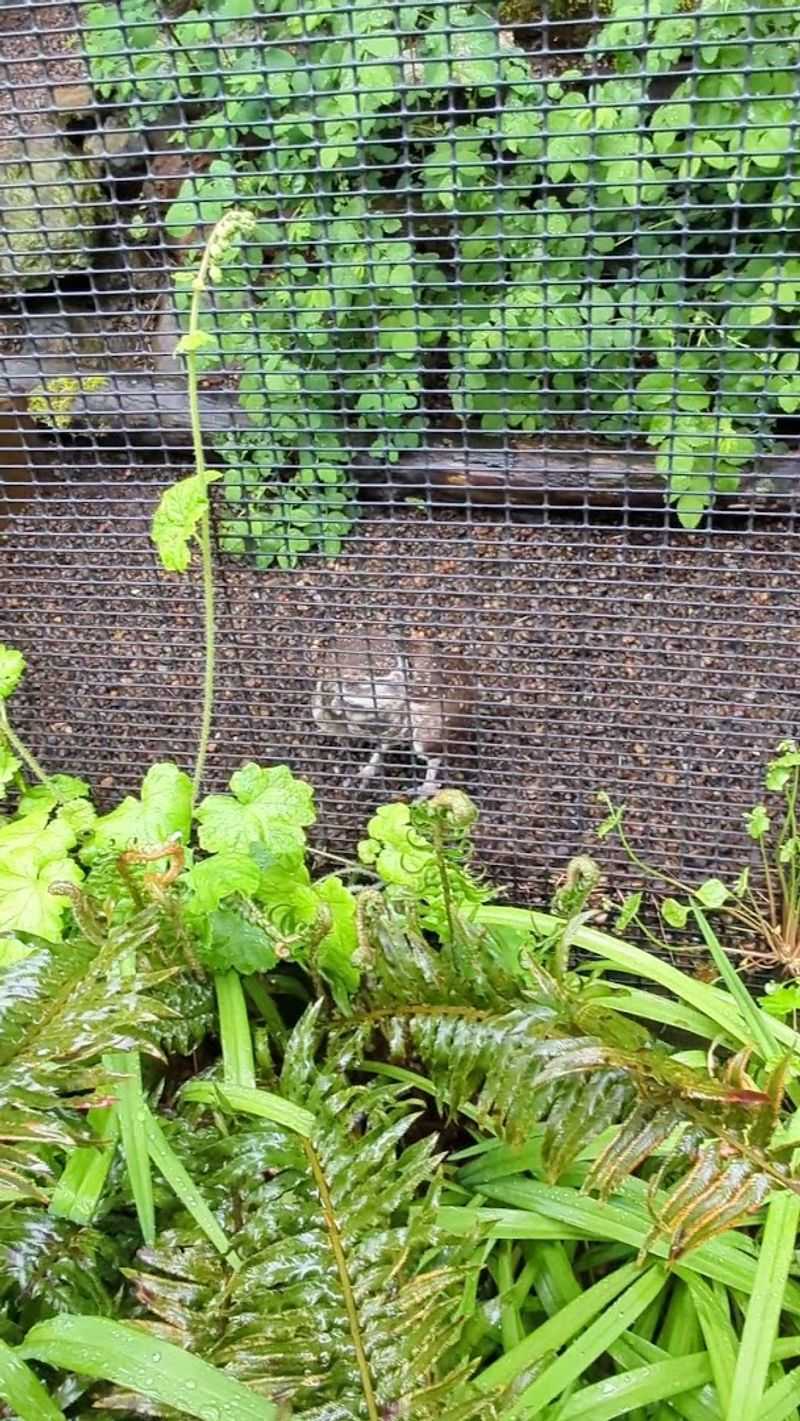
The wildlife hospital at the Cascades Raptor Center handles more than just the large, dramatic birds of prey the center is known for. Staff members have responded to calls about stunned songbirds, injured crows, and tiny brown creepers found on backyard patios after window collisions.
One visitor described calling the center after finding a small bird that had hit a sliding glass door. Not only did staff advise on immediate care, they actually drove out to retrieve the bird, administered oxygen and medication, and then returned the recovered bird to its original location the following day.
That level of commitment to individual animals, regardless of species or size, speaks to an organizational culture that takes wildlife care seriously at every level.
The hospital operates separately from the public-facing areas of the center, so visitors do not walk through it. But the staff are happy to talk about the work happening there, and you often see evidence of it in real time.
A doctor doing rounds among the enclosures, a staff member transporting a bird in a carrier, small moments that remind you this is a working facility, not just a display. The care here is genuine and it shows.
Practical Details Every Visitor Should Know
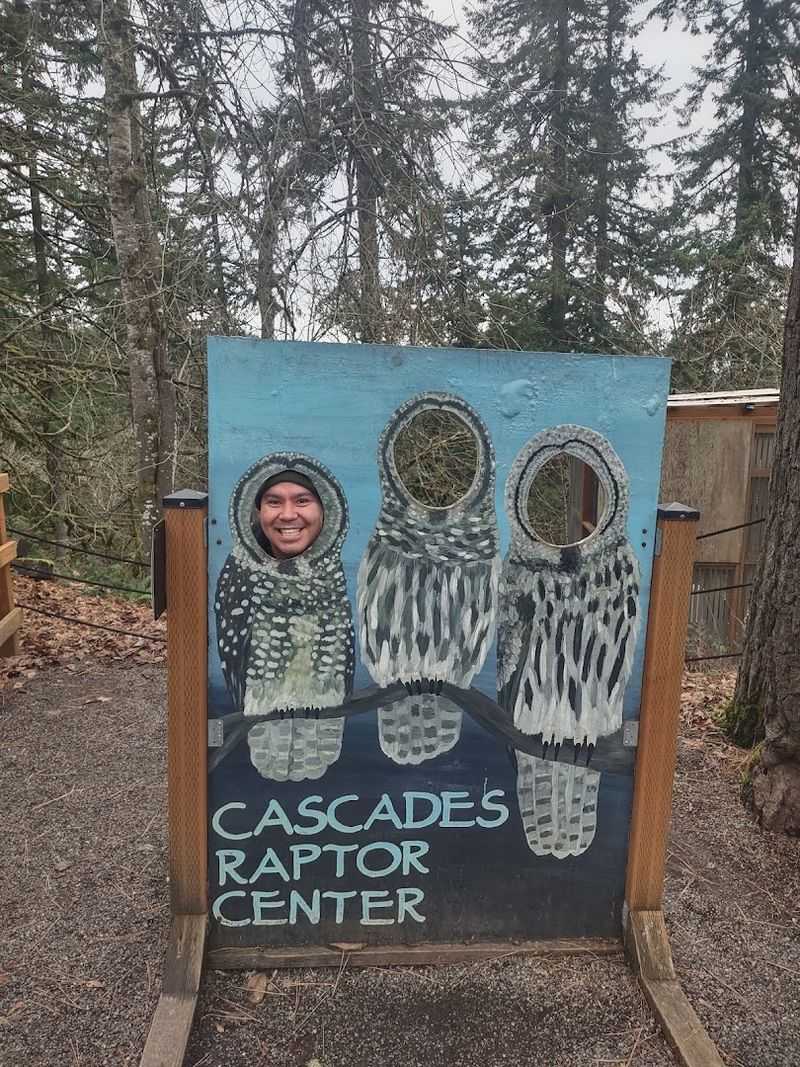
A few practical things are worth knowing before you make the trip to the Cascades Raptor Center. The entire facility is built on a steep, hilly terrain, and the paths connecting the aviaries are made of gravel and packed dirt.
Comfortable, closed-toe shoes are genuinely important here, not just a suggestion.
Visitors with mobility challenges or balance concerns should take a close look at the terrain before committing to the full tour. The inclines are manageable for most people, but they are real and consistent throughout the property.
There are no paved or flat alternatives to the main path.
Admission is $13 per person, which most visitors find to be fair given the quality and depth of the experience. Portable restrooms are available in the small parking lot area.
The gift shop near the end of the tour carries a solid selection of t-shirts, stickers, maps, and unique items, and purchases directly support the center’s rehabilitation and education work. The center also offers individual bird sponsorships for those who want a more lasting connection to a specific resident.
Planning for about 45 to 90 minutes gives you enough time to see everything comfortably without rushing.
Why This Place Stays With You Long After You Leave
Most wildlife facilities leave you with a general sense of having seen some interesting animals. The Cascades Raptor Center leaves you with something harder to shake, a feeling that you have actually been somewhere that matters.
The combination of personal bird stories, knowledgeable staff, live programming, and the quiet beauty of the Fox Hollow hillside creates an experience that works on multiple levels at once. It is educational without being lecture-heavy.
It is moving without being manipulative. The birds are the stars, and the center is smart enough to let them be exactly that.
Visitors regularly describe the center as an unexpected highlight of a trip to Eugene, a stop that was not on the original itinerary but ended up being the one everyone talked about afterward. I felt that way too.
There is something clarifying about spending an hour among creatures that live entirely in the present, unbothered by schedules or screens. The Cascades Raptor Center earns its 4.8-star rating not through flashy amenities or marketing, but through consistent, genuine care for every bird and every visitor who comes through its gates.
That kind of reputation is built slowly and honestly, and it is well deserved.
Share this story