There is a place in the mountains of Oregon where your phone has no signal, the air smells like pine and mineral water, and three hot meals show up every single day without you lifting a finger. No notifications, no deadlines, just the sound of a river running past your cabin door.
I first heard about it from a friend who came back looking like she had slept for a week straight, and I knew I had to see it for myself. What I found deep in the Willamette National Forest was one of the most genuinely restorative places I have ever set foot in, and I am still thinking about it months later.
Where to Find This Off-Grid Retreat
The address alone tells you something: 53000 Breitenbush Rd SE, Detroit, OR 97342. Detroit, Oregon is not the Detroit you are thinking of, and the road to get there winds through the Willamette National Forest in a way that feels intentional, like the forest itself is asking you to slow down before you even arrive.
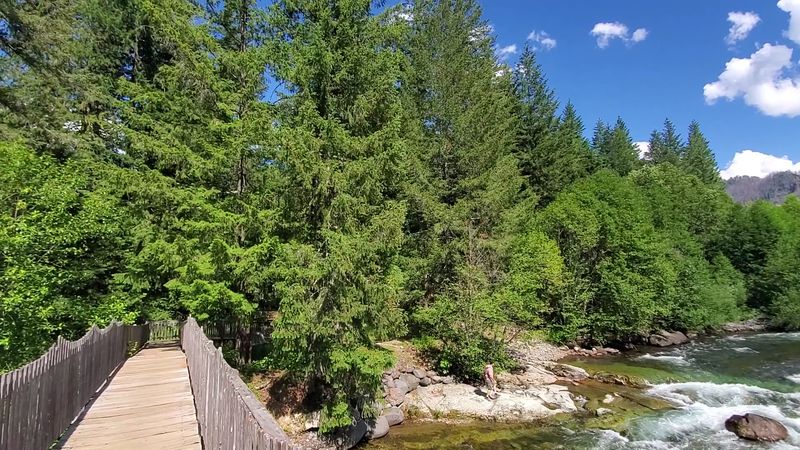
Breitenbush Hot Springs Retreat and Conference Center sits about 63 miles from Salem, which is the nearest city of any real size. The drive takes roughly an hour and a half from Salem, and the last stretch of road hugs the North Santiam River so closely you can hear the water if you roll your window down.
The retreat covers 154 acres of wildlife sanctuary, and the whole property operates off the grid using geothermal and hydroelectric power. There is no cell signal once you turn off the main highway, so the disconnection starts long before you check in.
Some people find that unnerving at first, but most visitors say it becomes the whole point pretty quickly.
The History Behind the Healing Waters
Long before any cabins were built here, the Indigenous peoples of the Pacific Northwest knew about these waters. The Breitenbush River carries the name of a trapper who worked the area in the early 1800s, but the land itself holds a much older story rooted in the healing traditions of the region.
The modern retreat began taking shape in the 1920s when the first bathhouses were constructed. Over the decades it evolved from a simple resort into something closer to a community, and today it operates as a worker-owned cooperative, which is a genuinely rare thing in the hospitality world.
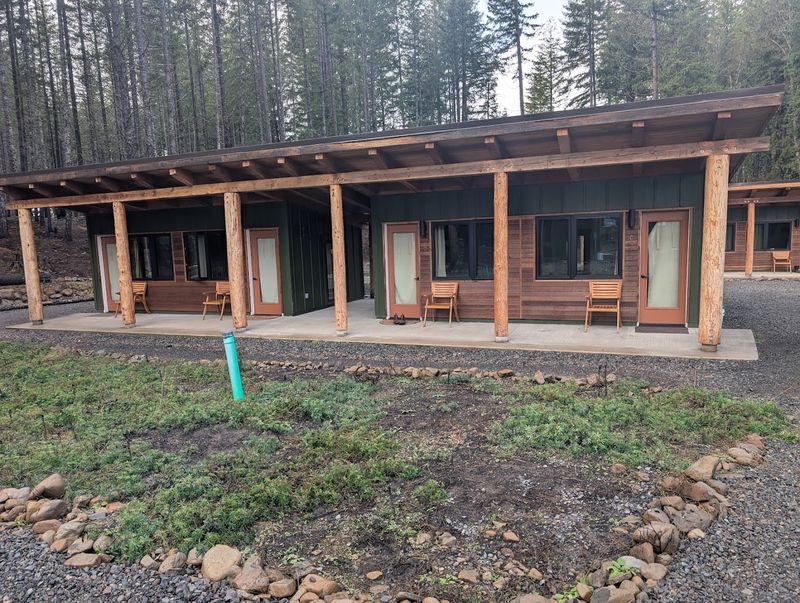
A major wildfire in 2020 damaged a significant portion of the property, and the community has been actively rebuilding ever since. Some structures are brand new, while others carry nearly a century of history in their wood and stone.
That mix of old and new gives the place a layered feeling, like you are visiting somewhere that has survived real hardship and come back with more intention than before.
The Cabins and Lodging Options
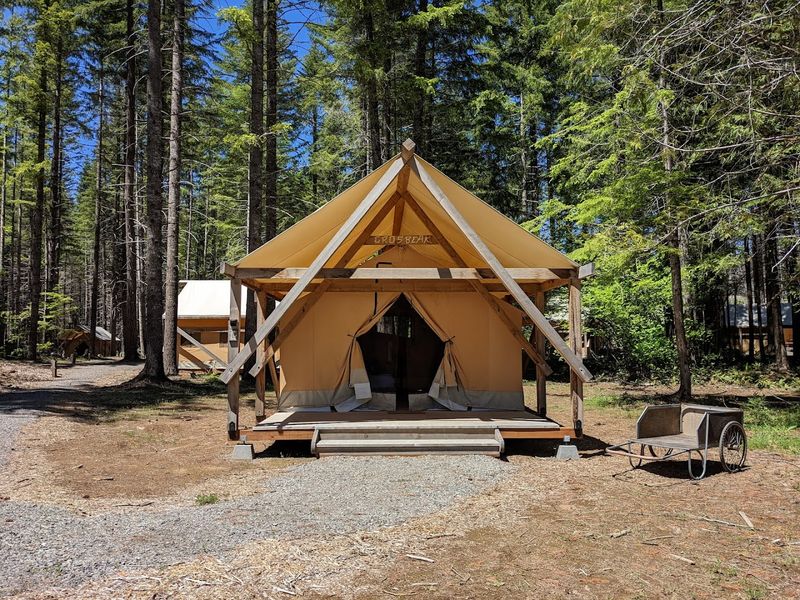
The accommodations here are honest about what they are. These are not luxury hotel rooms, and the retreat makes no attempt to pretend otherwise.
Simple wooden cabins with geothermal heating house two or three beds, and some include a toilet and sink while others rely on shared facilities nearby.
Shared same-gender cabins feature bunk beds and are the most affordable option on the property. There are also two rooms inside the main lodge for those who want something slightly more central.
One thing that surprises first-time visitors is that bedding is not provided by default, so you either bring your own or rent it on arrival.
Newer structures have been added as part of the post-fire rebuild, including yurts with skylights that let you watch the stars from your bed, which sounds like exactly the kind of thing that should cost more than it does. The walls in some older cabins are thin, and the grounds are quiet enough that most guests naturally keep their voices low after dark.
Bring warm layers regardless of the season, because the forest air has a chill that lingers even in summer.
Three Vegetarian Meals a Day, Included
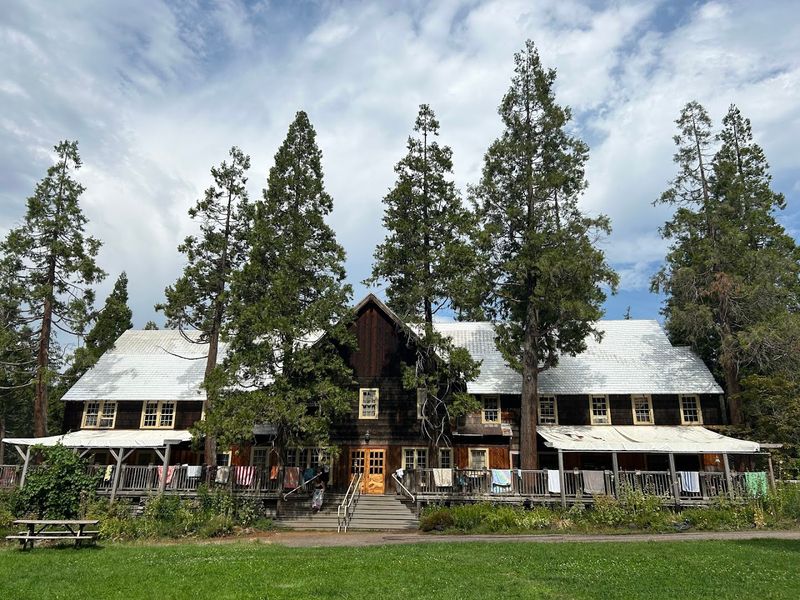
Three times a day, the lodge fills up with the smell of something genuinely good. Every overnight stay includes three full vegetarian buffet meals, and the kitchen takes its job seriously.
Past menus have included Hungarian mushroom soup, homemade Hawaiian dishes, sushi bars, spanakopita, and blackberry limeade that guests still talk about long after they leave.
Gluten-free options are available, and the kitchen sources ingredients with care. The food quality can vary depending on the season and staffing, as some recent visitors have noted that meals feel simpler than they used to, but even on an off day the cooking is wholesome and filling.
Children who do not normally eat vegetarian food have been known to ask for seconds here, which says something real about the kitchen team.
There is no coffee on the property, which is either a dealbreaker or a liberation depending on your relationship with caffeine. Hot water is available if you bring your own tea or instant coffee.
Meals are served at set times in the main lodge, and everyone gathers together, which creates a communal rhythm that feels surprisingly grounding after just one day.
The Hot Spring Pools and Soaking Experience
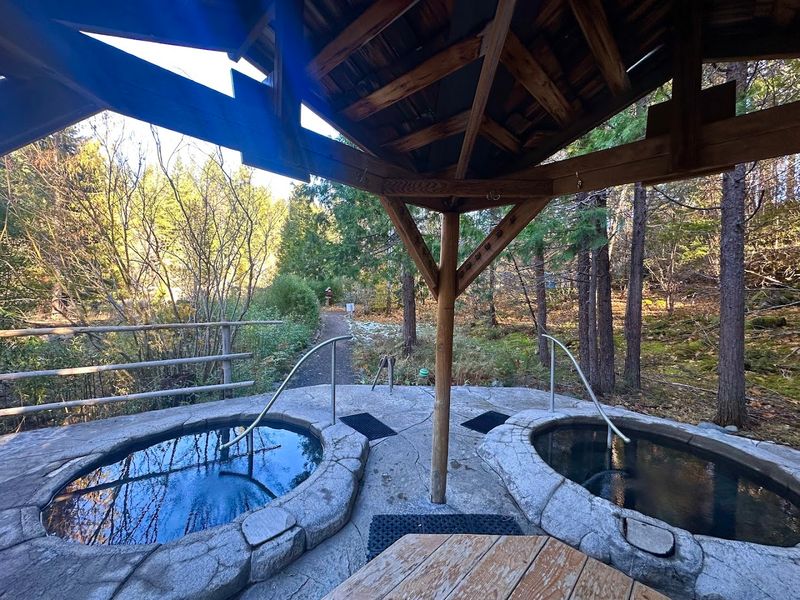
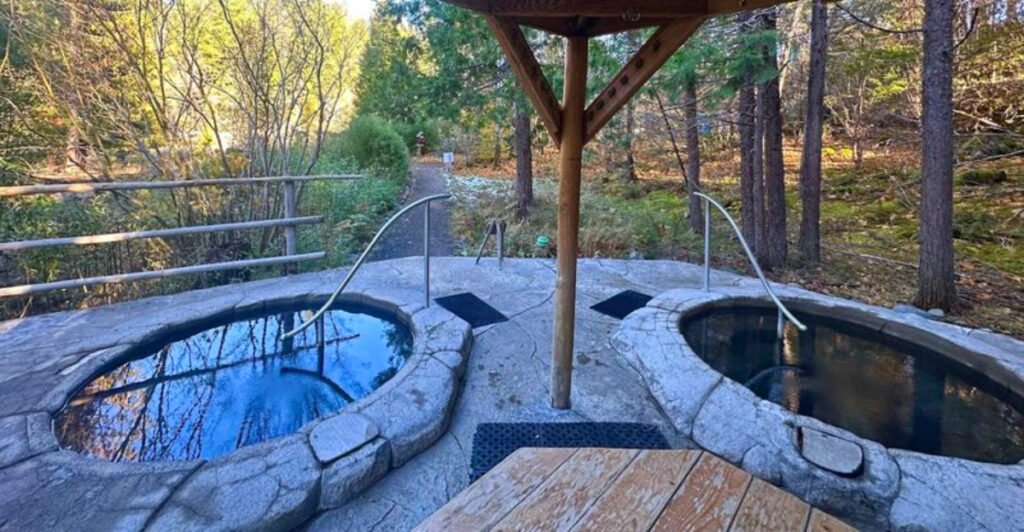
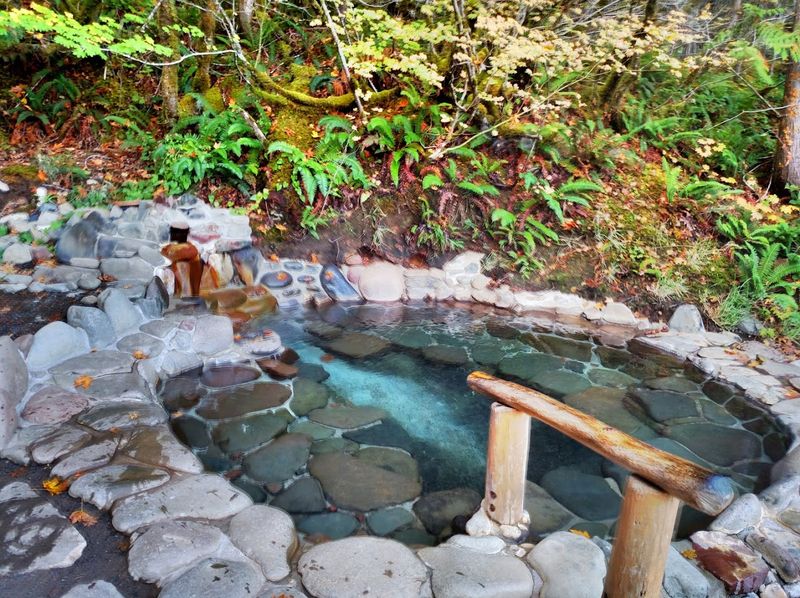
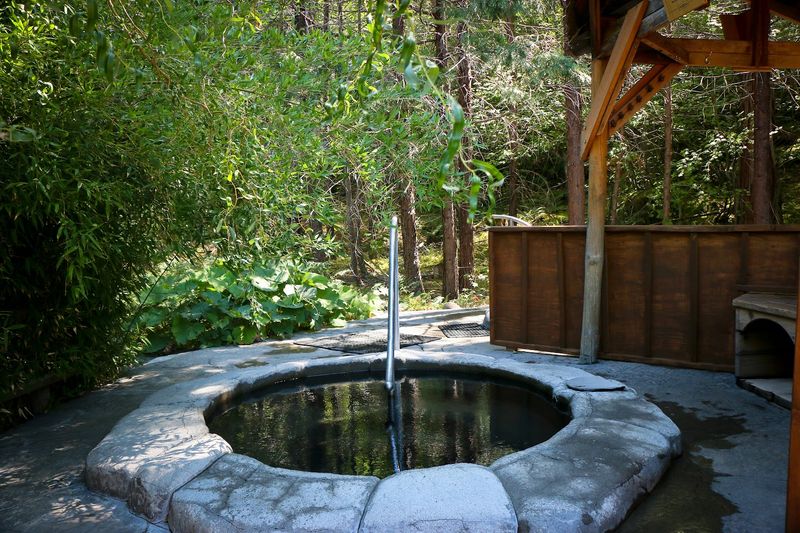
The pools are the heart of everything here. There are three natural meadow pools with varying temperatures, four smaller tub-style pools, a cold plunge tub, and a geothermal sauna.
Access to all of them is included in the overnight rate, and the pools are open around the clock, which means a midnight soak under a sky full of stars is entirely within reach.
Clothing is optional in the water spaces, and most guests go in without it. First-timers sometimes feel self-conscious about this, but the atmosphere is so matter-of-fact and non-judgmental that the awkwardness tends to dissolve within about ten minutes.
The water itself is mineral-rich and genuinely therapeutic, and the temperatures across the different pools give you real variety depending on how your body feels that day.
During peak seasons the pools can get crowded, and some guests have found it helpful to visit late in the evening or early in the morning for a quieter experience. The pools are cleaned regularly, and the staff monitors the water quality consistently.
Bring a robe and slip-on sandals because the walk between your cabin and the pools crosses open ground, and that detail matters more than you would expect on a cold Oregon night.
No Wi-Fi, No Signal, No Distractions
There is no phone signal at Breitenbush. There is no internet access.
The retreat does not offer Wi-Fi, and mobile phones simply stop working once you are deep enough into the Willamette National Forest. For most people, this is the most radical part of the whole experience, more than the communal meals or the clothing-optional pools.
Photography in shared spaces is not allowed, which means you cannot document every moment for an audience back home. At first this feels strange, almost like a rule designed to frustrate you.
Then something shifts. Conversations get longer.
You notice the deer walking through the meadow. You actually taste your food instead of photographing it.
The retreat has call boxes around the property so guests can reach staff if needed, and there is a staff presence around the clock. The library on the grounds offers books for those who need something to do with their hands.
Most visitors say the digital detox was the unexpected highlight of their stay, which is the kind of thing that sounds like a cliche until you actually experience 48 hours without a single notification pulling your attention sideways.
Wellness Programs: Yoga, Meditation, and More
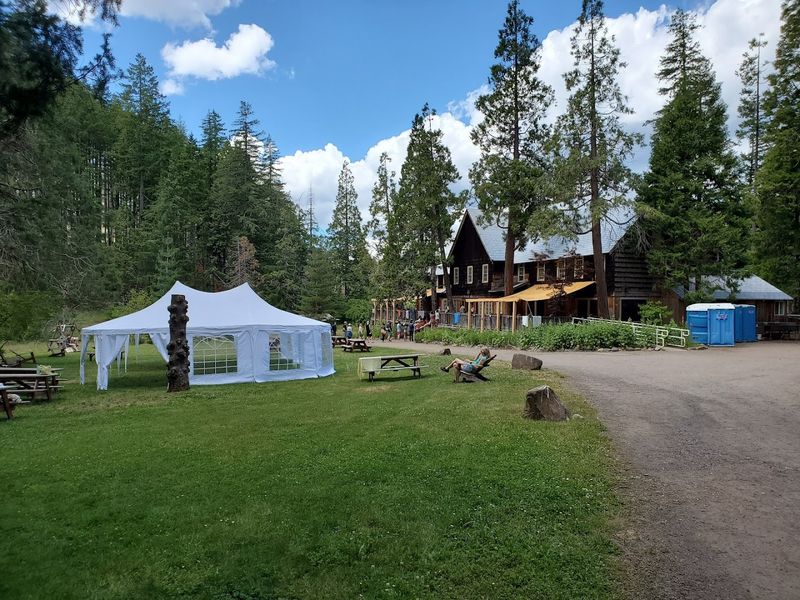
Wellness programming is woven into the daily rhythm of the retreat rather than bolted on as an afterthought. Yoga sessions take place in the Buddha House, a wooden studio with large windows that look directly out at the river, and the view alone is worth showing up for.
Morning meditation sessions help set the tone for a day with no particular agenda.
The schedule of classes varies depending on the season, staffing, and how busy the retreat is at any given time. Some weekends offer ecstatic dance, sustainability tours, and multiple yoga and meditation sessions throughout the day.
Other visits have fewer organized activities, so it is worth checking the current schedule before you arrive if specific programming matters to you.
Massage services are available as an add-on, and the massage temple on the grounds has earned genuine praise from guests who describe it as one of the most thoughtfully designed spaces on the entire property. The combination of a skilled therapist and a beautifully curated room makes for an experience that goes well beyond a standard spa treatment.
For those who simply want to exist without any structure at all, that option is equally valid and equally supported here.
The Natural Setting: Forest, River, and Wildlife
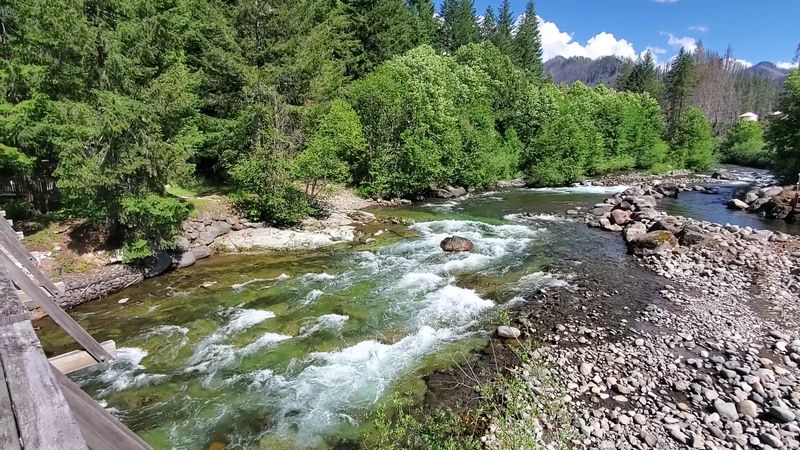
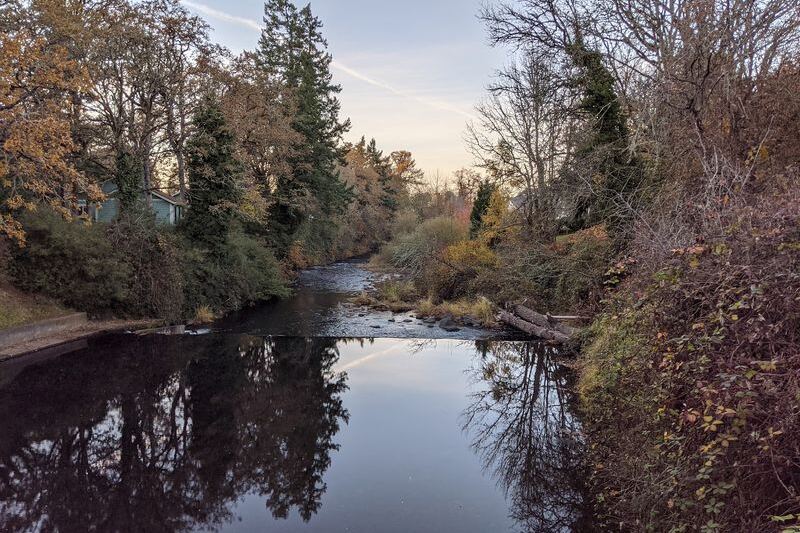
The Breitenbush River runs right alongside the property, and it is the kind of river that makes you stop walking just to watch it for a while. The water is clear and cold, and guests have taken cold plunges directly in the river as a bracing counterpoint to the warm mineral pools nearby.
On a clear night, the absence of light pollution turns the sky above the meadow into something genuinely spectacular.
Wildlife moves through the property with a comfort that suggests the animals have been here longer than the cabins. Deer wander across the grounds and show little concern for the humans nearby.
The 154-acre wildlife sanctuary status is not just a marketing phrase; the land genuinely functions as a refuge for the ecosystem around it.
The 2020 fire left marks on the surrounding forest that are still visible, and some areas show burned trees alongside new growth. The contrast is striking rather than depressing, and the retreat’s management has described the fire as a catalyst for renewal rather than only a loss.
Wildflowers have returned to sections of the meadow, and the green that has come back carries a brightness that feels almost defiant against the charred trunks still standing nearby.
What to Pack and How to Prepare
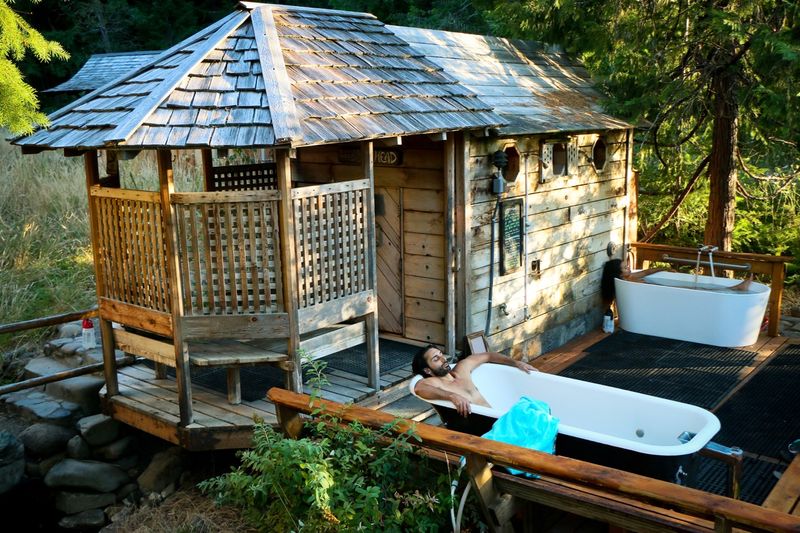
First-time visitors consistently share the same list of things they wish they had known before arriving. A robe is not optional here; it is essential.
The walk between your cabin and the soaking pools happens in the open air, and doing that walk in a damp towel on a cold Oregon evening is an experience you will only repeat once before packing a proper robe next time.
Slip-on sandals or waterproof slides are equally important for moving between the pools and changing areas without collecting mud or cold ground underfoot. Bedding is not provided unless you rent it, so bringing your own sheets and a warm blanket is strongly recommended, especially since the retreat has noted that heated blanket bases may not always be available.
Coffee drinkers should bring their own supply along with a travel mug, since the retreat does not serve coffee and hot water is the extent of the morning beverage infrastructure. Snacks for between meals are also worth packing, as the buffets are timed and there is nothing available to grab in the hours between them.
Leave your phone charger in the car since it will not be useful, and bring a book, a journal, or simply an appetite for unstructured time instead.
The Worker-Owned Co-op Model
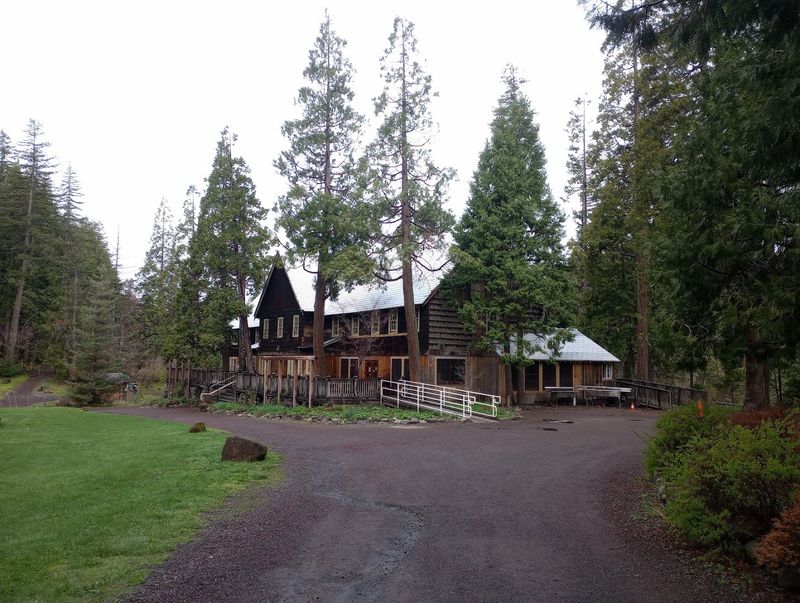
Breitenbush operates as a worker-owned cooperative, which means the people making your meals, maintaining the pools, and staffing the front gate are also the owners of the business. This structure is genuinely uncommon in the travel and hospitality world, and it shapes the culture of the place in ways that are hard to quantify but easy to feel.
Decisions about the property are made collectively by the staff community, and the retreat has been transparent about the challenges that come with that model, including the financial pressures of rebuilding after the 2020 fire while maintaining fair wages for all workers. Prices have increased in recent years, and some guests have noted that the cost can feel steep relative to the rustic accommodations.
The co-op structure also means that the people you interact with during your stay have a personal stake in how the experience goes. Most guests describe the staff as warm, knowledgeable, and genuinely invested in the retreat’s values.
The community that lives and works on the property is what makes Breitenbush feel different from a standard resort, and that difference is something you notice from the first conversation you have at the gate.
Best Times to Visit and Booking Tips
Breitenbush is open year-round, and each season offers something genuinely different. Summer brings warmer air and longer days, but it also brings the largest crowds, and the pools can feel packed during peak weekends.
Fall is quieter and the surrounding forest turns colors that make the drive in feel like its own reward.
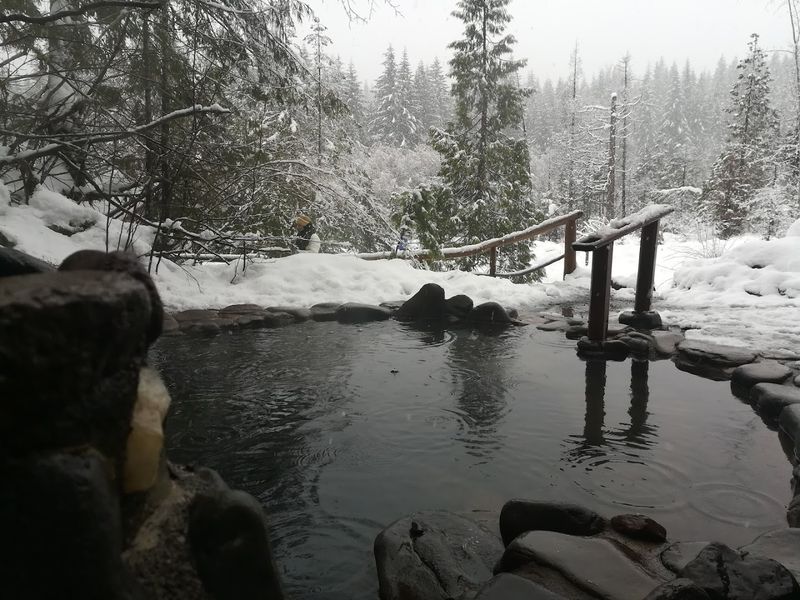
Winter visits have a particular magic to them: steam rising off the pools against cold air, snow occasionally dusting the meadow, and far fewer people sharing the space. Spring brings wildflowers back to the grounds and the river runs high and fast with snowmelt.
Regardless of season, the retreat fills up quickly, and reservations are essential, sometimes weeks or even a month in advance during popular periods.
Booking directly through the retreat’s website at breitenbush.com gives you the clearest picture of current availability and pricing. The retreat is located about 63 miles from Salem, Oregon, which is the most practical base if you need to stay somewhere before or after your visit.
Guests coming from further afield should note that the road conditions in winter can be unpredictable, and checking ahead with the retreat about road access is always worth the extra step before making the drive.
Is Breitenbush Right for You?
Breitenbush is not trying to be everything to everyone, and that honesty is part of what makes it work for the people it does suit. If you arrive expecting a luxury spa with polished surfaces and room service, you will leave disappointed.
The cabins are simple, the food is wholesome rather than gourmet, and the rules around noise, photography, and communal spaces require a willingness to operate differently than you might at home.
For travelers who genuinely want to unplug, rest, and spend time in a remarkable natural setting without the noise of modern connectivity, this place delivers in a way that very few destinations can match. Families with children have found it welcoming, solo travelers have described it as transformative, and couples returning for multiple visits clearly feel it offers something that holds up over time.
The retreat draws visitors from across the Pacific Northwest and beyond, and its reputation has reached well past Oregon’s borders. People have driven from far outside the state, some even comparing the journey favorably to other wellness destinations they have tried.
Unlike the glitzy resorts of Oklahoma or the over-developed spas of major cities, Breitenbush keeps its focus firmly on the land, the water, and the quiet that both of them offer.
Share this story