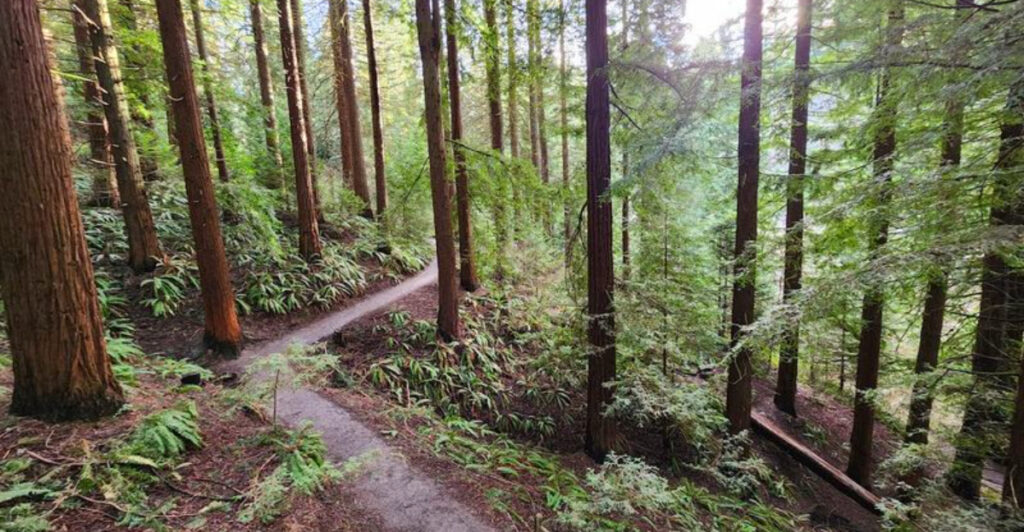
There is a place tucked into the hills of Portland, Oregon, where the trees grow so tall they seem to hold up the sky. The first time I walked beneath a canopy of ancient redwoods there, with soft light filtering through the branches and the city noise completely gone, I genuinely had to remind myself I was still inside city limits.
This is not a destination you hear about as often as you should, and that is exactly what makes it so worth visiting. By the time you finish reading, you will want to clear your weekend schedule and lace up your walking shoes.
Where the Forest Begins: Address, Location, and Getting There
The address is 4000 SW Fairview Blvd, Portland, OR 97221, and the arboretum sits right inside Washington Park, one of the most beloved green spaces in the entire Pacific Northwest. Portland is not exactly shy about its love of nature, and Hoyt Arboretum fits that reputation perfectly.
Getting there is surprisingly easy. A free shuttle runs through Washington Park every 15 to 30 minutes daily, dropping visitors directly at the arboretum.
Public transit connects smoothly to the park as well, so a car is not even required for a great visit.
The arboretum is open every day from 5 AM to 10 PM, which means early risers and evening walkers are both welcome. There is no entrance gate and no admission fee to enter the trails, though parking in the lots does cost money.
The lots also fill quickly on weekends and sunny days, so arriving early or using the shuttle is genuinely the smarter move. A parks pass is needed for certain areas and can be purchased online or at a kiosk on site.
The phone number for the visitor center is 503-865-8733.
190 Acres of Living History: What Hoyt Arboretum Actually Is
Most city parks offer a few trees and a patch of grass. Hoyt Arboretum offers something on an entirely different scale, covering 190 acres and housing thousands of trees from across the globe, including native Pacific Northwest species, rare international varieties, and trees listed as endangered in the wild.
The arboretum functions as a living museum, and that label is not just marketing language. Every tree is labeled clearly, so a casual walk turns into an unplanned botany lesson.
Species from Asia, Europe, South America, and right here in Oregon grow side by side in a collection that has been carefully tended for decades.
Founded in 1928, the arboretum was established with the goal of preserving tree diversity and educating the public. That mission has only grown stronger over the years.
Today it serves as a research site, a conservation space, and a community gathering place all at once. Guided hikes for kids are offered regularly, led by knowledgeable and enthusiastic guides who make the experience educational without feeling like a classroom.
Whether you visit Oregon once or live here year-round, this place rewards every single trip differently.
The Redwood Section: Standing Small Beneath Giants
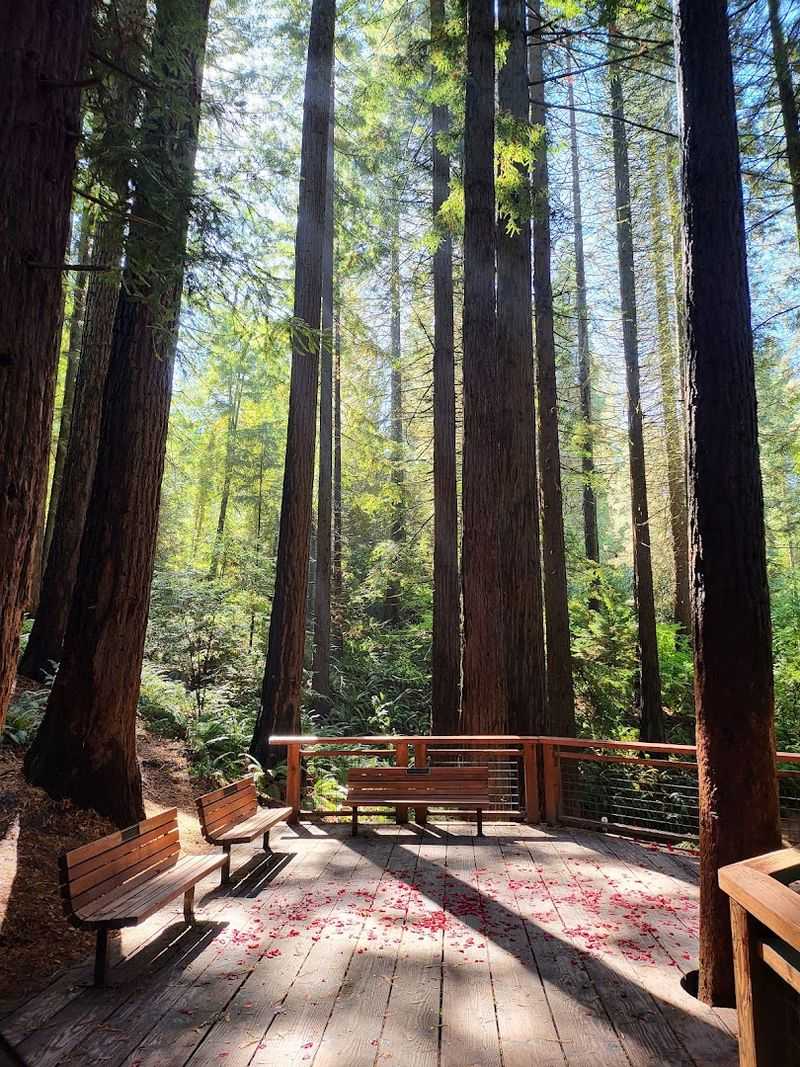
Nothing quite prepares you for the moment you step into the redwood section of the arboretum. The trees rise so high above the trail that craning your neck to see the tops feels almost comical, and the sheer width of their trunks makes a grown adult look like a small child standing next to a school bus.
Both coast redwoods and dawn redwoods are represented here, giving visitors a chance to compare two of the most impressive tree species on the planet. The dawn redwood is particularly fascinating because it was once known only from fossils before living specimens were discovered in China in the 1940s.
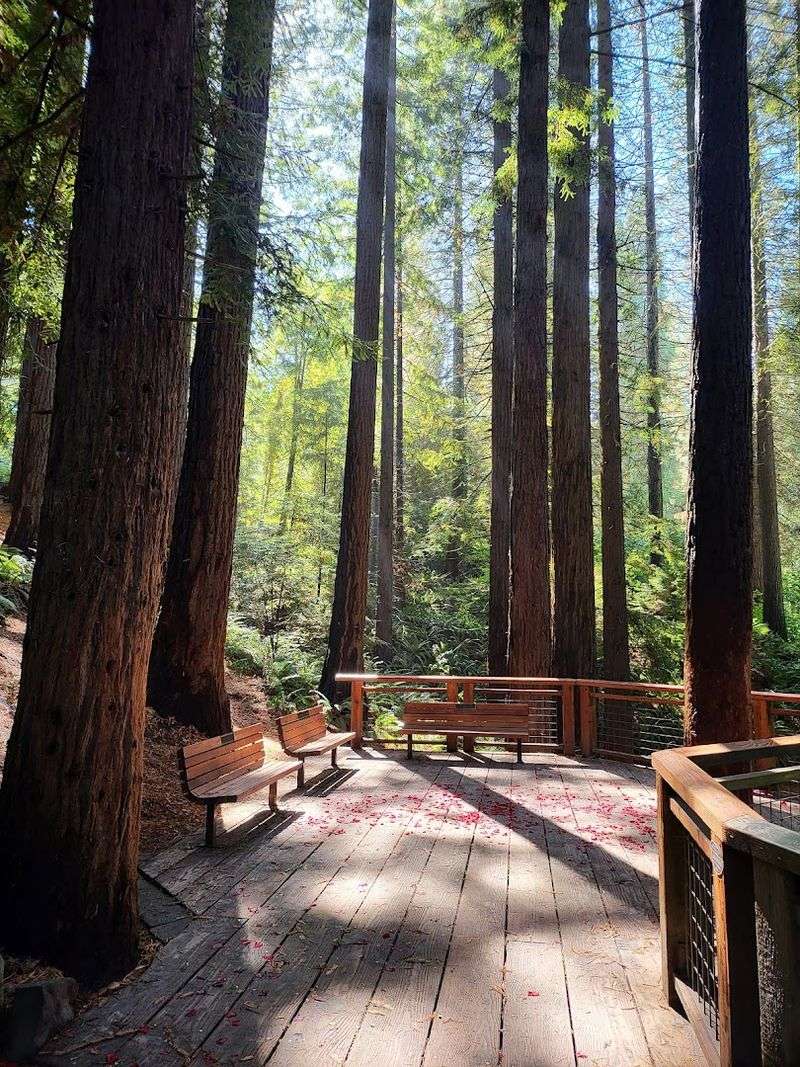
The Redwood Observation Deck is the crown jewel of this section. Light filters through the towering canopy above the deck in a way that shifts constantly depending on the time of day and season.
Visitors have described the experience as dreamlike, and that reaction is completely understandable. The deck is also a permitted wedding venue through Portland Parks and Recreation, operating on a lottery system for permits.
The combination of towering trees and dappled light creates an atmosphere that feels genuinely removed from the ordinary rhythm of city life in Oregon.
Twelve Miles of Trails: Finding Your Perfect Route
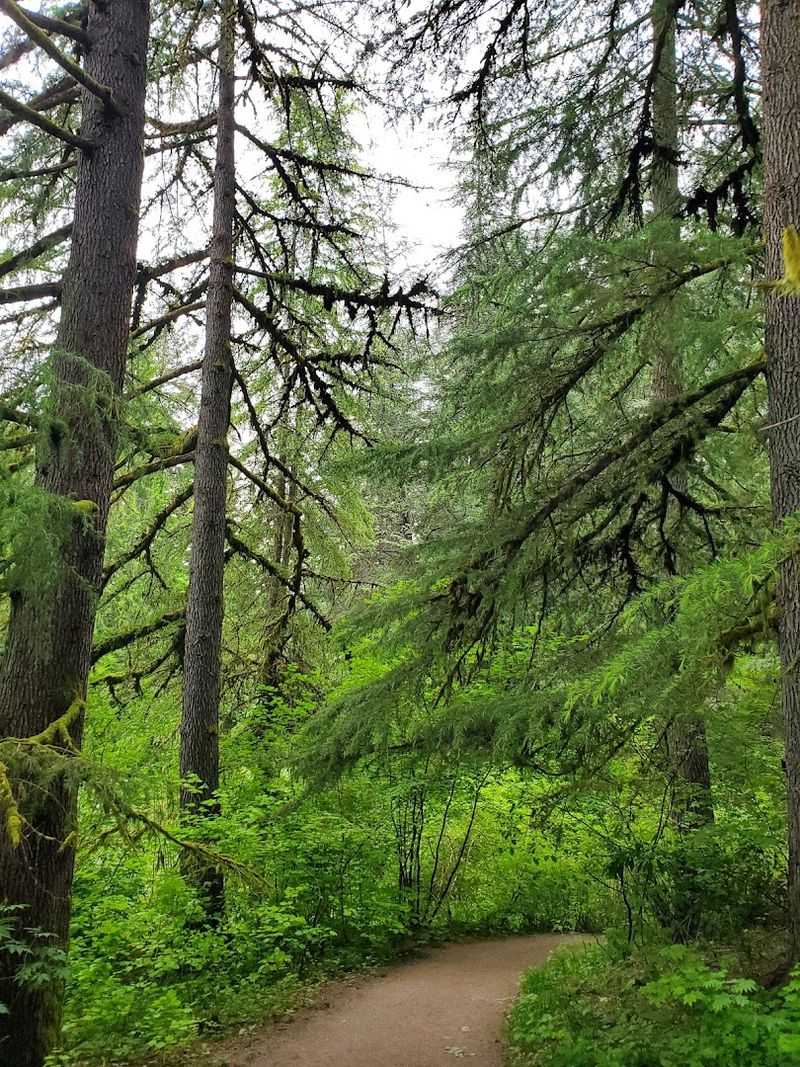
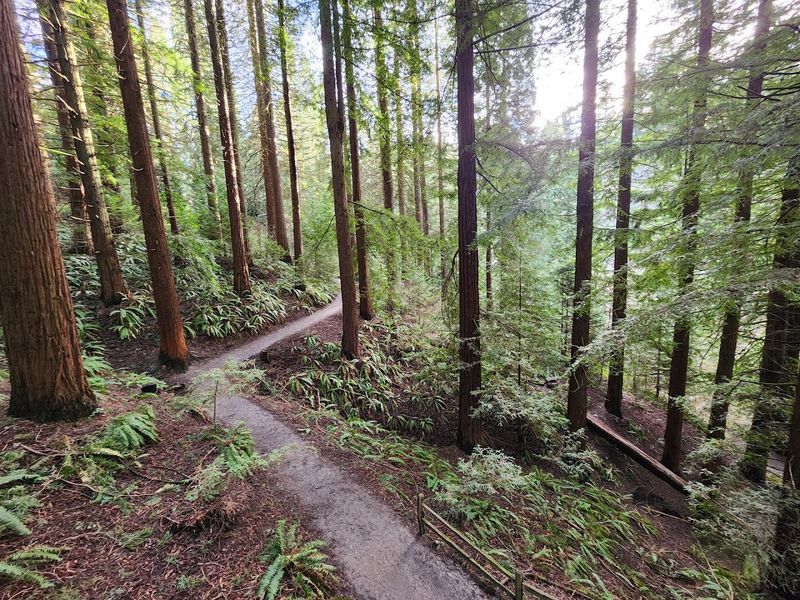
Twelve miles of trails wind through Hoyt Arboretum, and that number is not a typo. The network covers enough ground that a visitor could return week after week through an entire Oregon summer and still find paths they had not explored yet.
Trail surfaces vary between paved paths and gravel, which means the experience can be tailored to what you are comfortable with. Flatter routes work well for a casual stroll in regular shoes, while some of the steeper sections offer a genuine workout for those who want one.
Sporty strollers can handle the easier trails, and leashed pets are welcome throughout the park.
Signage is posted at every intersection, making navigation straightforward even for first-time visitors. Benches appear regularly along the routes, which is a small but deeply appreciated detail on longer outings.
One of the most popular longer routes follows the Wildwood Trail up to Pittock Mansion via the scenic Barbara Walker Crossing, offering both forest immersion and a rewarding destination at the end. On clear days, one short trail delivers a stunning view of Mount Rainier and Mount St. Helens, a payoff that feels almost unfair given how easy the walk is to reach it.
The Vietnam Living Memorial: A Forest That Honors and Heals
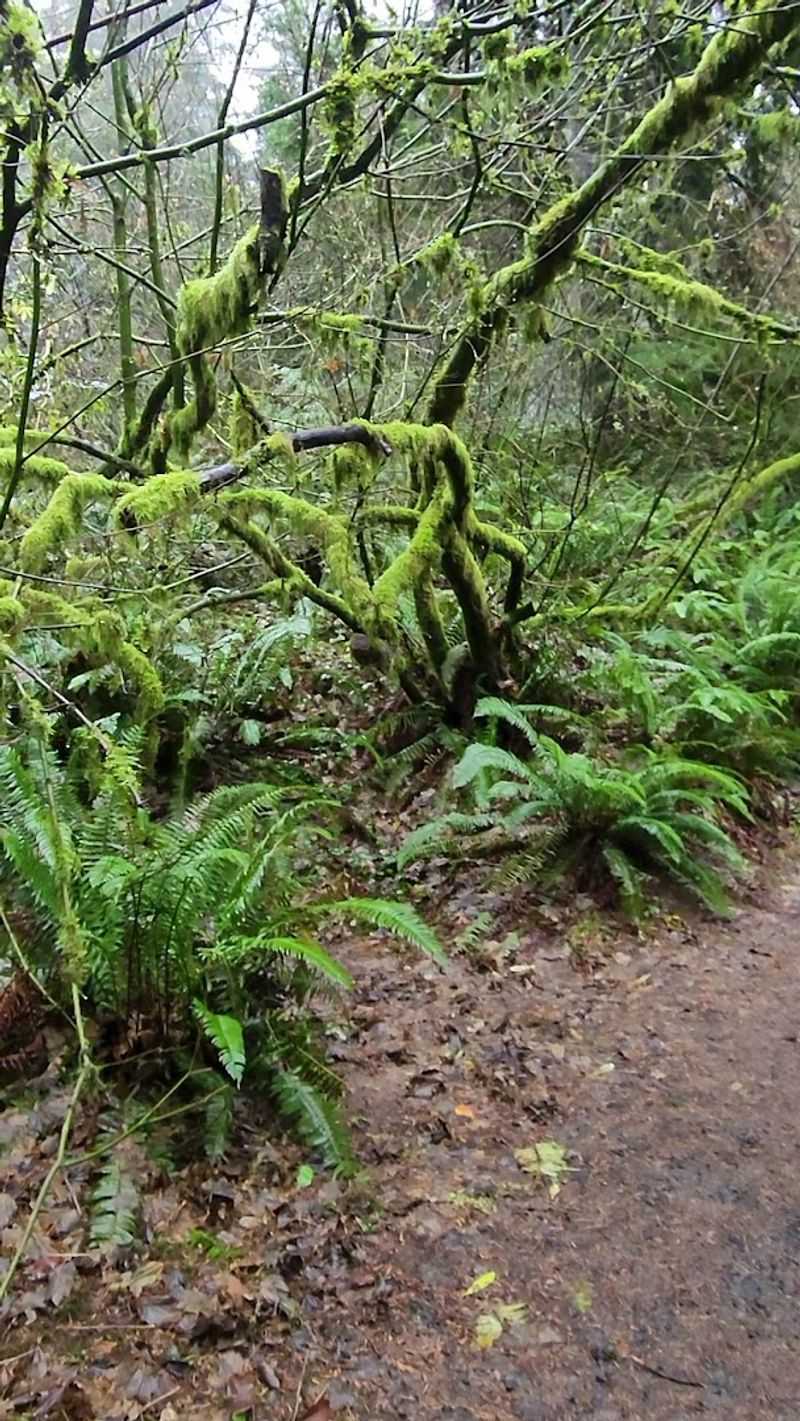
Among the many remarkable features of Hoyt Arboretum, the Vietnam Living Memorial stands apart for reasons that go well beyond horticulture. Rather than stone or metal, this memorial is made entirely of living trees, planted as a tribute to veterans of the Vietnam War.
What makes it especially thoughtful is the depth of the information presented alongside the memorial. The signage does not simply list names.
It also shares context about what was happening in the veterans’ home communities during the war years, grounding the history in something personal and human rather than abstract.
The concept of a memorial that gives back to the earth rather than simply marking loss resonates with a lot of visitors in a way that more traditional monuments do not always achieve. Trees grow, change with the seasons, and outlast the people who plant them, which gives the memorial a sense of continuity and quiet hope.
For anyone visiting from outside Oregon, or even from distant states like Oklahoma, the memorial offers a moment of stillness that feels earned and meaningful. It is one of those spots in the arboretum where people tend to slow down naturally, without any sign telling them to do so.
Seasonal Magic: Why Every Visit Feels Brand New
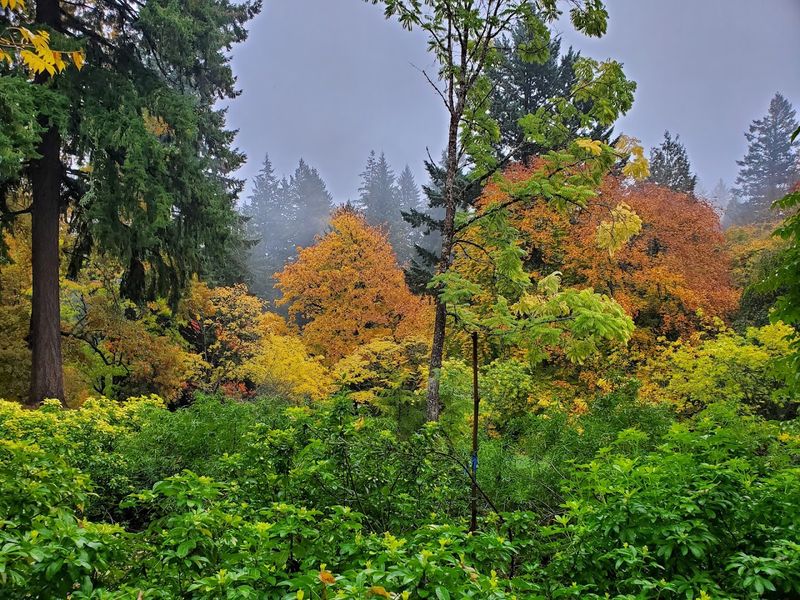
One of the most consistent things visitors say about Hoyt Arboretum is that it never feels the same twice, and that observation is rooted in something real. The collection of trees from so many different climates and regions means that something is always shifting, blooming, or changing color at any given point in the year.
Fall is particularly spectacular. The variety of species means the color display is not just one shade of orange but a full spectrum that rolls across the hillside in waves as October and November progress.
Early mornings during fall, when mist still clings to the lower trails, produce the kind of scenery that makes people stop walking entirely just to look.
Summer brings dense shade that turns the arboretum into a natural cooling system on hot Portland days. The thick canopy keeps trail temperatures noticeably lower than the surrounding city, which is a genuine relief during the warmer months.
Late September is also the second bloom season for the nearby rose gardens, meaning a visit at that time rewards walkers with both forest immersion and a burst of floral color. Spring brings fresh growth across the entire collection, and even rainy winter days have a moody, atmospheric quality that devoted visitors from across Oregon and beyond actively seek out.
The Atmosphere on the Trails: What It Actually Feels Like to Be There
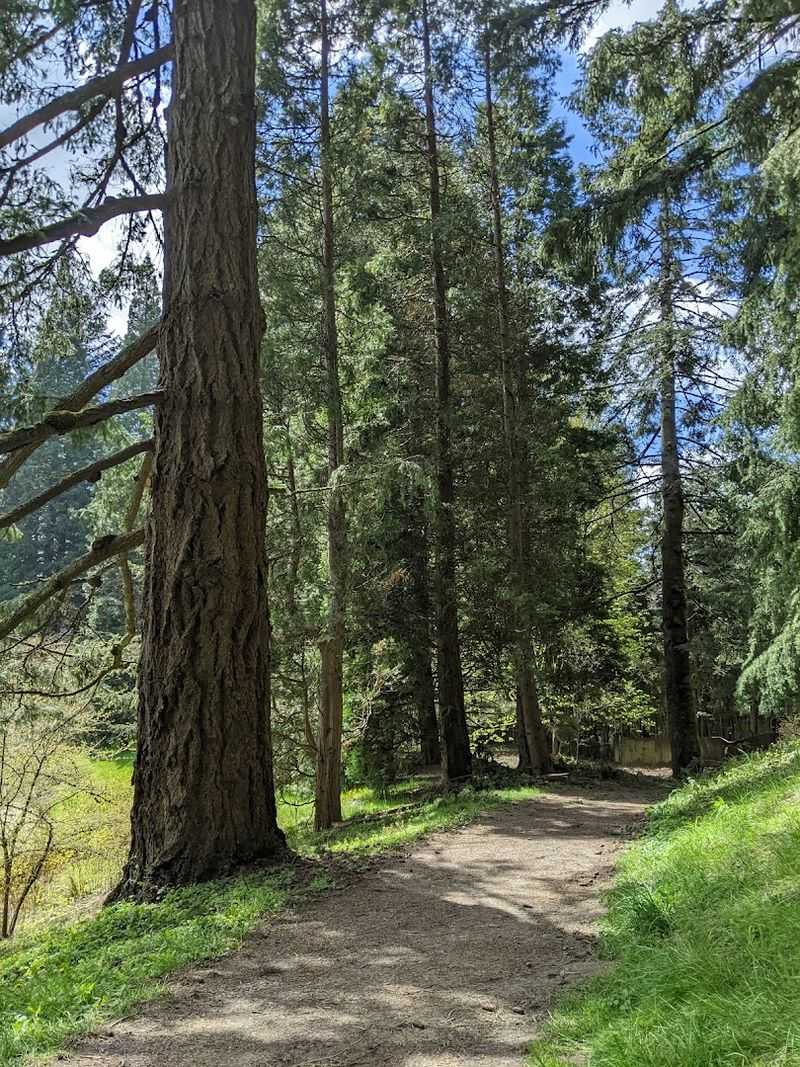
Cell phone service is rare inside the arboretum, and that absence turns out to be one of the best things about the place. Without the constant pull of notifications, the sounds of the forest become much easier to notice: the wind moving through the upper canopy, the creak of large branches, the occasional birdsong cutting through the quiet.
The trails feel genuinely peaceful rather than just technically quiet. Even on busier weekend days, the 190 acres absorb visitors well enough that solitude is never far away.
Weekday mornings are especially calm, with many of the trails feeling almost private despite being in the heart of a major Oregon city.
The trees themselves are part of the atmosphere in a way that is hard to fully articulate. Many of them are simply too large to capture in a photograph from trail level, which means the experience of being among them does not translate well to a screen.
That gap between the photo and the reality is actually a selling point. The arboretum rewards presence in a way that few urban spaces manage, and that quality draws people back repeatedly, from nearby neighborhoods, from across Oregon, from other states entirely, and yes, even visitors who flew in from as far as Oklahoma have made the trip specifically to walk these trails.
Notable Trees Worth Seeking Out
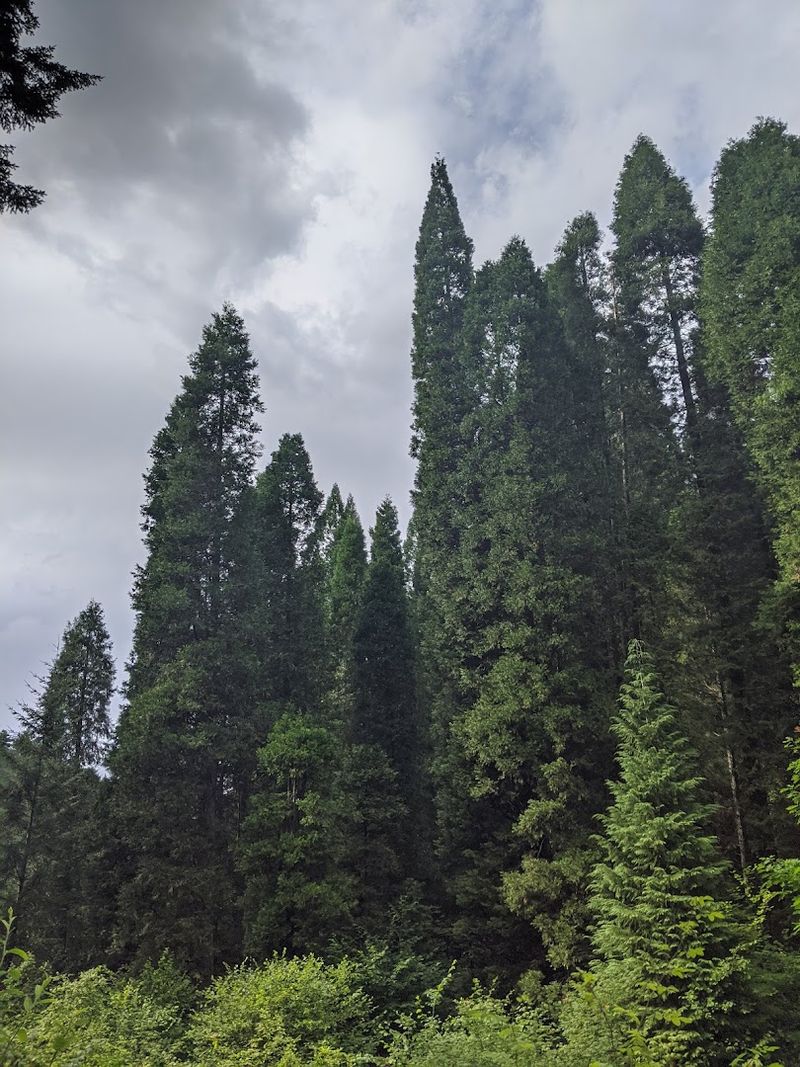
With thousands of trees spread across 190 acres, the arboretum can feel overwhelming if you try to see everything at once. A better approach is to pick a few standout species and seek them out intentionally, using the clear labeling system to guide the way.
The Japanese Hornbeam is one tree that tends to stop people in their tracks. Its muscular, sculpted bark gives it a presence that feels almost architectural, and the delicate leaves contrast beautifully with the rugged trunk.
It is the kind of tree that makes visitors wish they had more property to plant one on.
The dawn redwood section, as mentioned earlier, carries its own fascination for anyone who appreciates a good backstory. A tree that scientists believed was extinct, known only through fossil records, was found growing in a remote valley in China in the 1940s, and specimens eventually made their way to collections like this one.
Beyond those highlights, the arboretum holds champion-sized specimens of several species, meaning some of the trees here are among the largest of their kind anywhere on record. Volunteers who walk the trails can help point out specific trees worth finding, which turns a solo walk into something closer to a guided experience without requiring a formal tour.
Practical Tips for Getting the Most Out of Your Visit
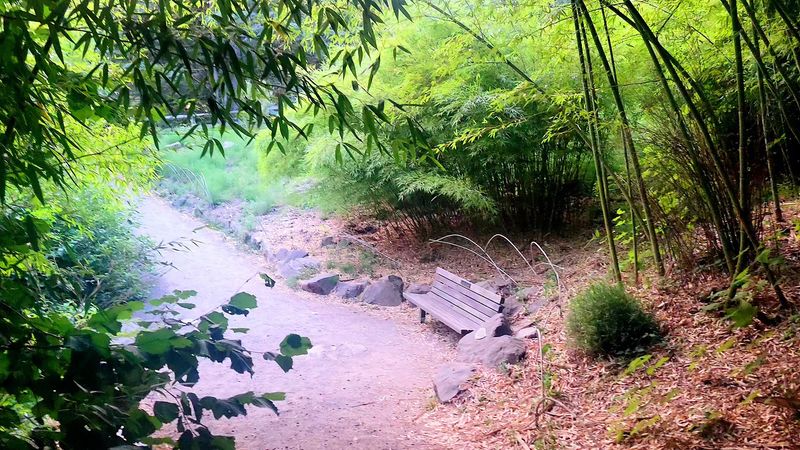
A few small details can make the difference between a good visit and a great one. The visitor center near the entrance has a small gift shop and two unisex bathrooms with a sink outside, which is more useful than it sounds after a long trail walk.
Trail maps are available there as well, and the staff can help orient first-time visitors quickly.
Parking in the lots costs money and fills up fast on weekends and nice-weather days. The free Washington Park shuttle, which runs every 15 to 30 minutes, is genuinely the easier option and drops riders directly at the arboretum.
A parks pass is required for certain areas and can be purchased online before the visit or at a kiosk on arrival.
Wearing shoes with some grip is worth the small effort, especially on the gravel paths and steeper sections. The arboretum is open until 10 PM every night, so an evening walk in the summer, when light lingers late in Oregon, is a completely underrated option.
Bringing a small snack and eating it on one of the many benches along the trails turns a hike into something closer to a proper afternoon out, and the no-litter culture among visitors here is genuinely refreshing to encounter.
Why This Place Keeps Pulling People Back
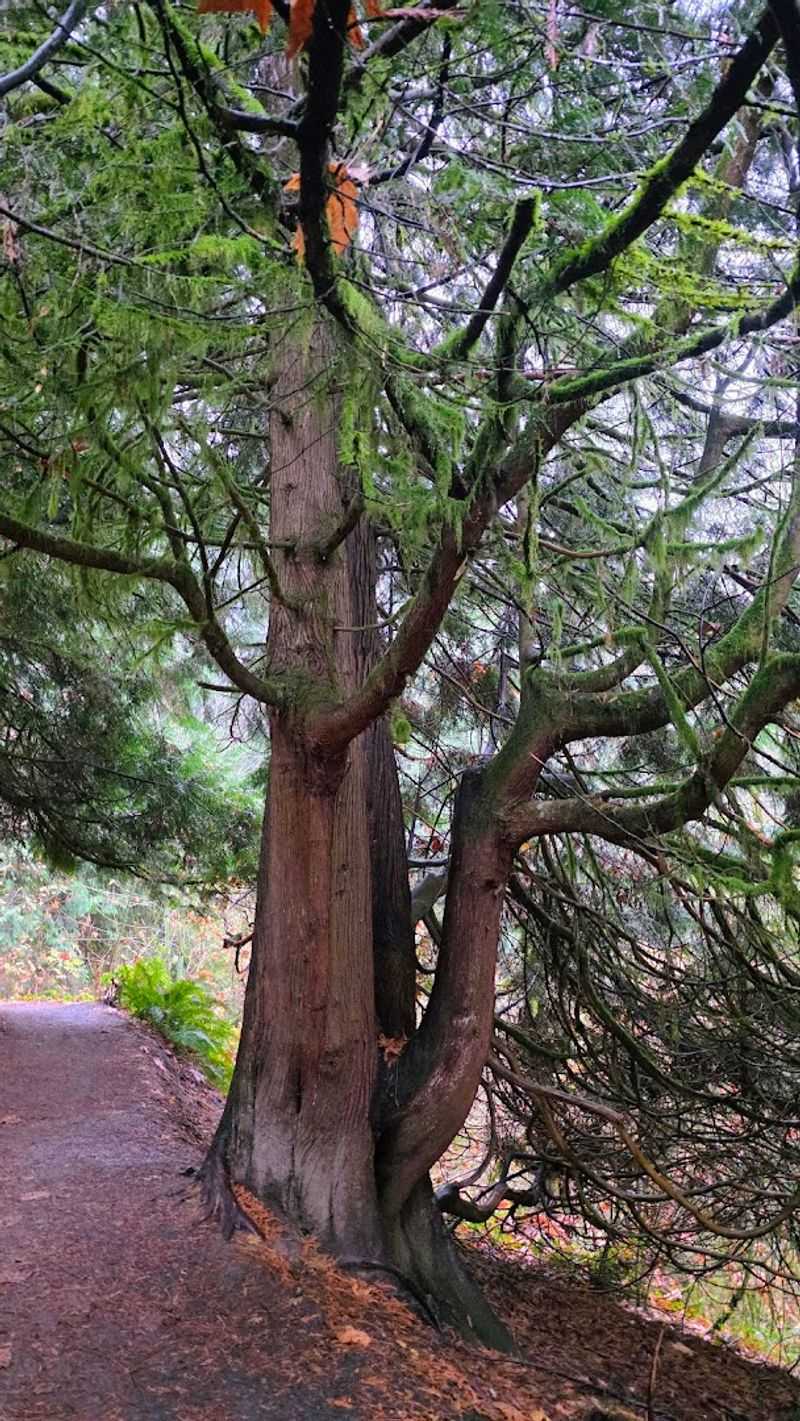
A 4.9-star rating across more than 2,200 reviews is not something a place earns by accident. Hoyt Arboretum has that rating because it delivers consistently, across seasons, across fitness levels, and across very different kinds of visitors looking for very different things.
Some people come for the exercise, using the steeper trails as a workout with better scenery than any gym could offer. Others come for the quiet, treating the forest as a place to reset after a long week.
Families bring kids for the guided hikes. Couples use the Redwood Observation Deck as a wedding venue.
Solo visitors from across the country, including some who traveled from Oklahoma specifically to see the redwoods, find the arboretum on a list and then cannot stop talking about it afterward.
The arboretum also serves as a reminder that conservation and accessibility can coexist. Endangered trees grow here in conditions that allow them to thrive, while thousands of visitors walk past them each week without causing harm, largely because the space is so thoughtfully managed.
That balance is rare and worth appreciating. Portland has a lot going for it, but this living, breathing, ever-changing forest in the hills of Washington Park might be its most quietly extraordinary offering, the kind of place that asks nothing of you except to show up and pay attention.
Share this story