 Unearth The Voyage
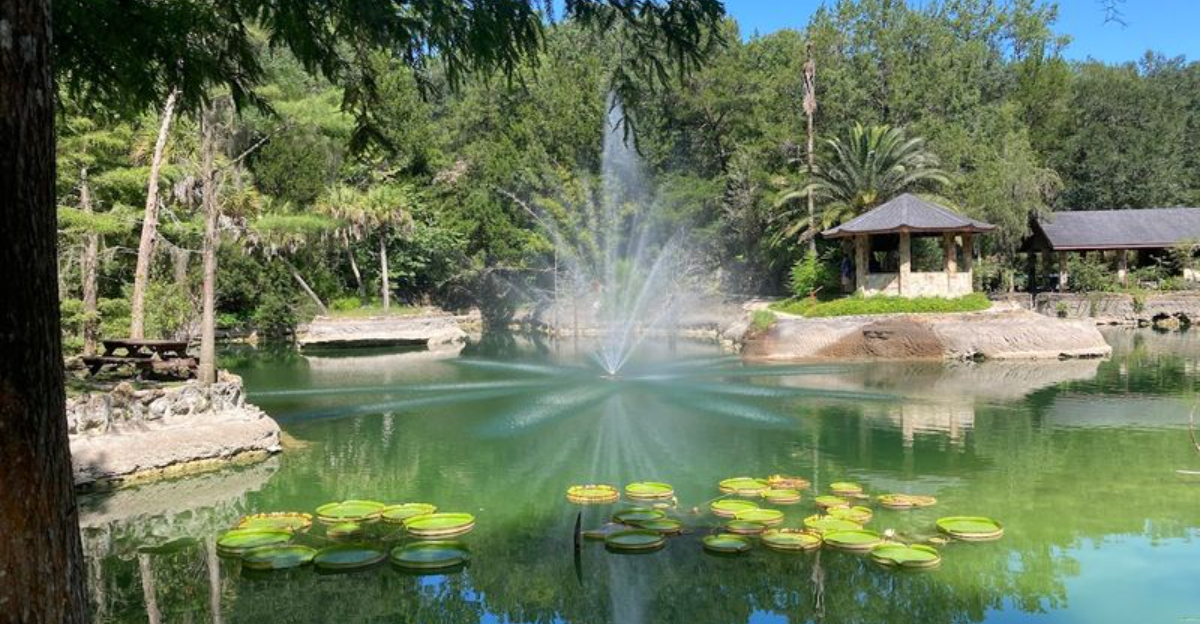
Deep in rural Florida, tucked behind winding back roads and tall pines, there is a place that most people drive right past without ever knowing it exists. An old limestone quarry that was once carved out of the earth for industrial purposes has been turned into one of the most breathtaking botanical gardens in the entire state.
Rock walls rise up around lush tropical plants, koi fish glide through crystal-clear ponds, and waterfalls tumble down stone ledges in a setting that feels completely unreal. I had no idea what I was walking into when I first pulled through the entrance, but by the time I left, I was already planning my return trip.
Where This Unlikely Garden Actually Lives
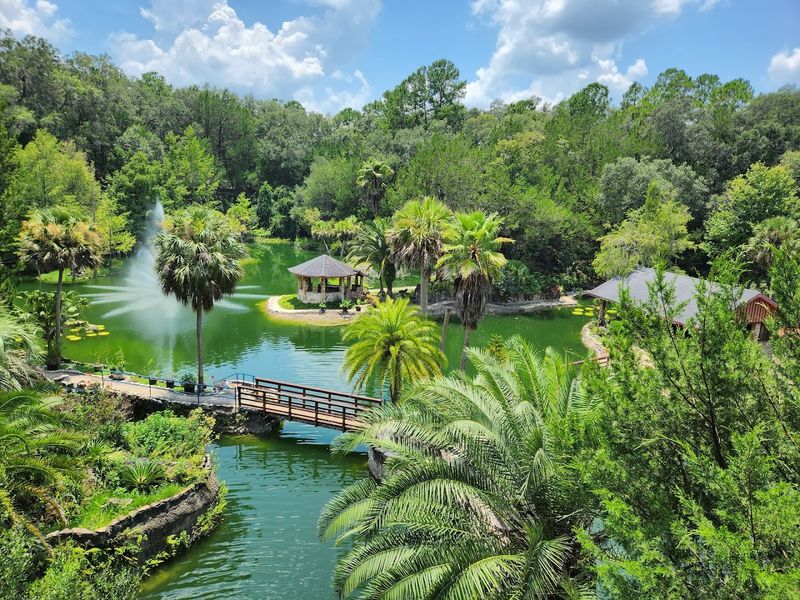
Cedar Lakes Woods and Gardens sits at 4990 NE 180th Ave, Williston, tucked into a quiet stretch of Levy County that most tourists never explore. The drive out there winds through open farmland and thick tree canopy, giving you zero clues about what waits at the end of the road.
Williston is a small town in north-central Florida, roughly an hour southwest of Gainesville and about 90 minutes northwest of Orlando. The garden is open Tuesday through Sunday from 9:30 AM to 5 PM.
Adult admission runs $12, and children above five years old get in for $7. For a place this remarkable, that price feels almost too reasonable, and the free parking makes the whole trip even easier to plan.
From Quarry to Garden: The Origin Story
The fact that this garden even exists is the kind of story that sounds made up. The land was once an active limestone quarry, carved deep into the Florida earth to extract rock used in construction and other industries.
When the quarrying stopped, it left behind a dramatic landscape of layered stone walls, deep basins, and natural water features fed by the Floridan aquifer. Instead of leaving it abandoned, the owners saw something most people would have missed entirely.
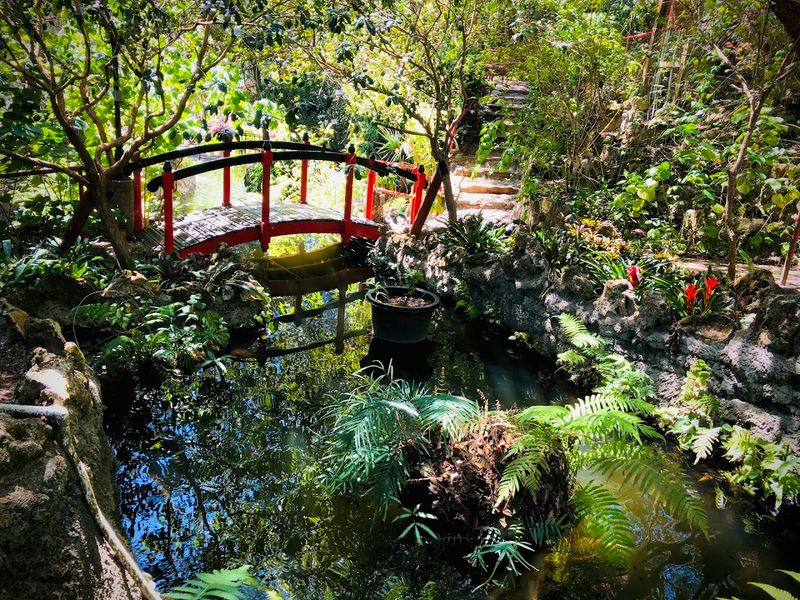
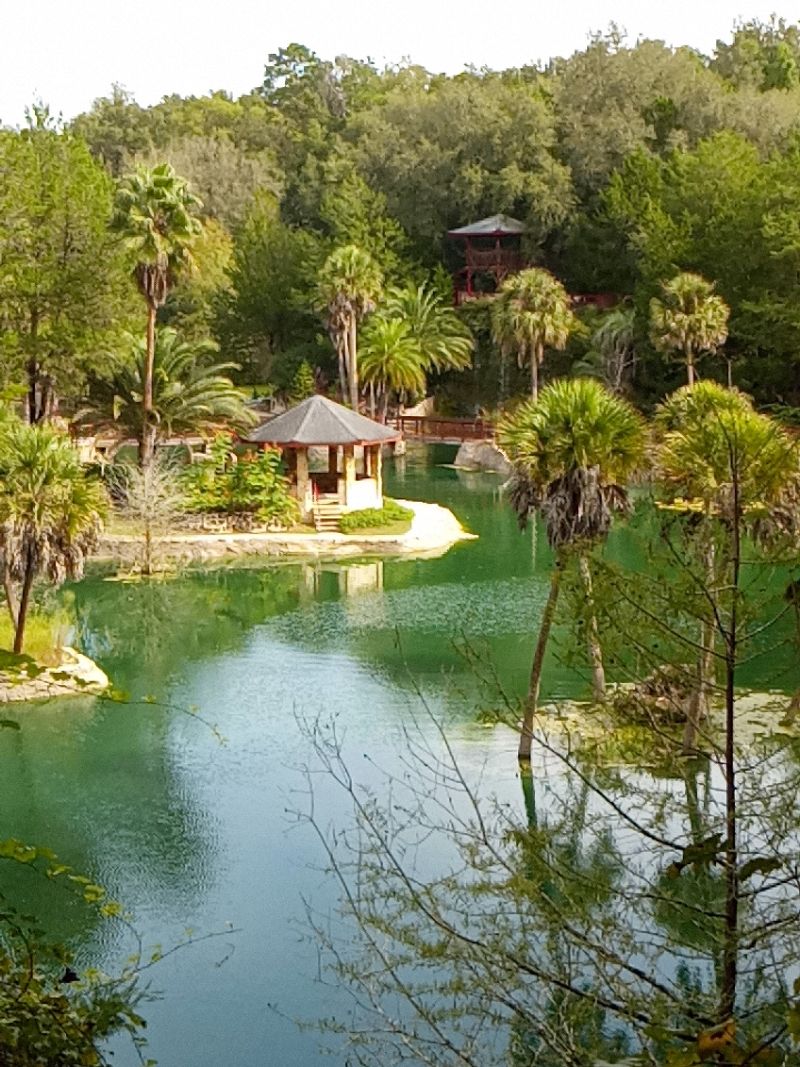
Over time, they filled those carved-out spaces with native and exotic plants, built winding paths through the rock formations, and let the natural water sources feed ponds and waterfalls throughout the property. The quarry’s original character was never erased.
You can still see the exposed limestone ledges and the raw geology beneath the greenery, and that contrast is exactly what makes this place feel so unlike anything else in Florida.
The Geological Drama You Walk Right Through
Most botanical gardens are flat. You walk along a path, admire some flowers, and head home.
Cedar Lakes is built into the earth itself, and that changes everything about the experience.
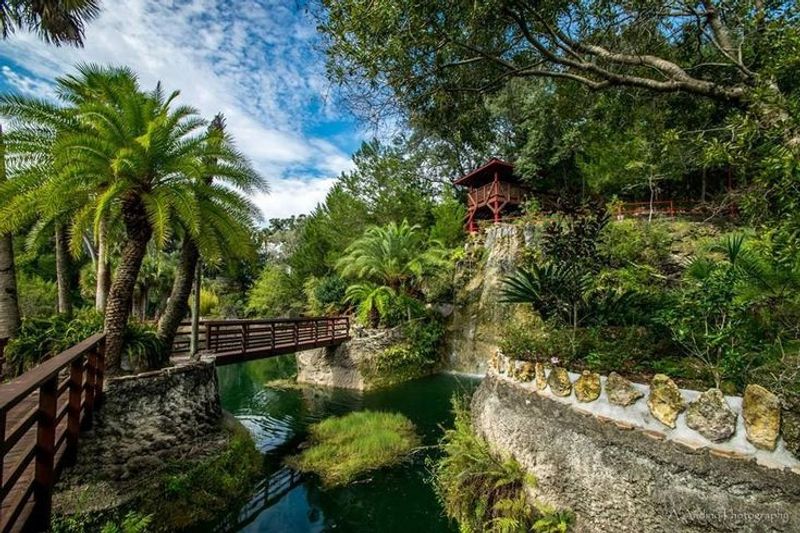
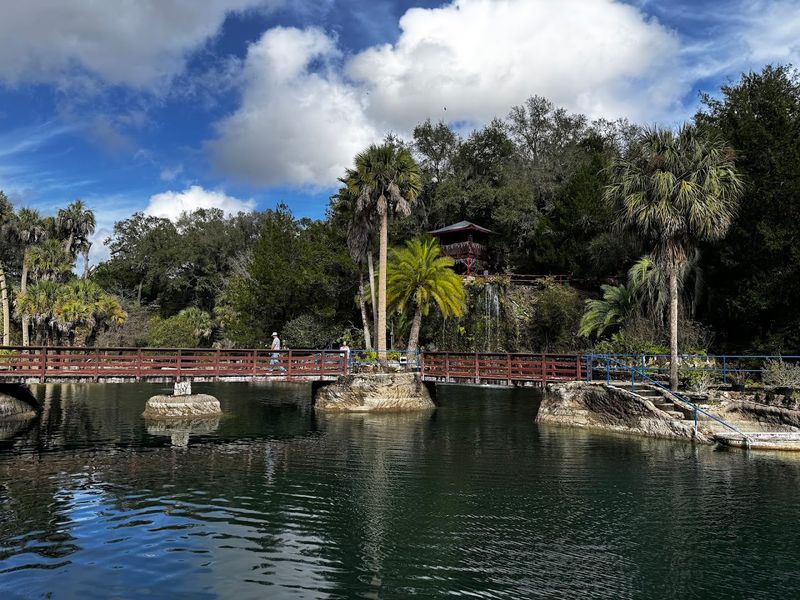
The quarry left behind terraced stone walls that rise on either side of the paths, creating a sense of depth and scale that you rarely get outdoors in Florida. The rock faces are layered with years of geological history, and tropical plants have rooted themselves into every crack and ledge.
Even during dry periods or cold snaps when the vegetation is not at its fullest, the architecture of the quarry still commands attention. The sheer size of the carved stone walls is impressive on its own, and the way the water levels interact with the rock creates a constantly changing visual.
No two visits look exactly the same, which is a genuinely rare quality for any outdoor attraction.
Water Everywhere You Look
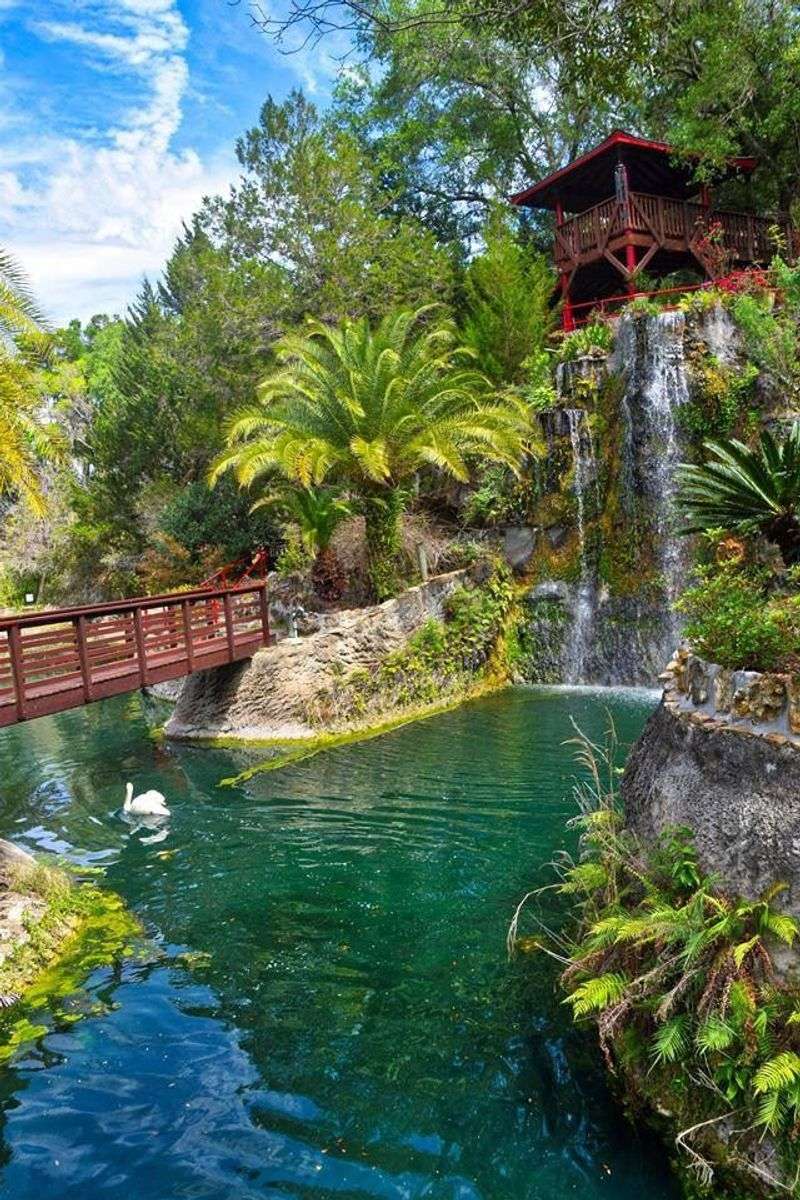
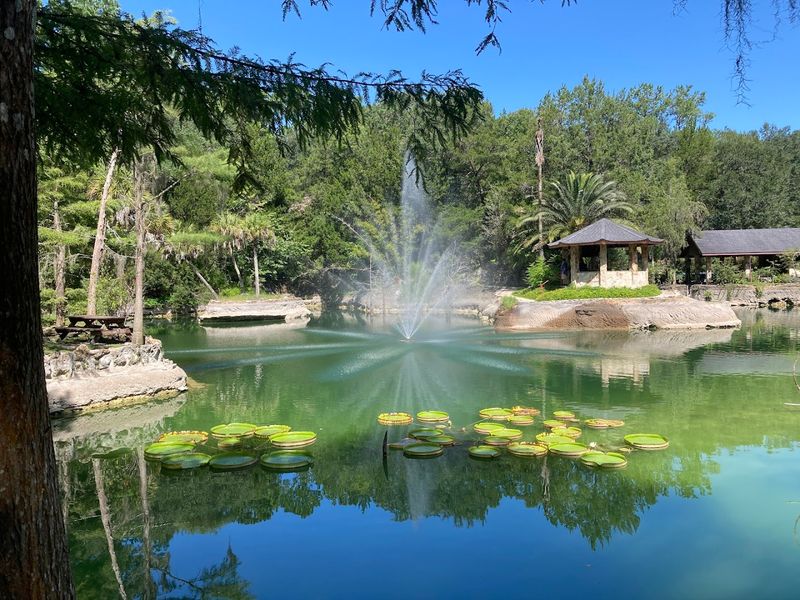
Water is the heartbeat of this garden. The Floridan aquifer feeds the ponds and streams naturally, which means the water levels shift with the seasons and rainfall patterns throughout the year.
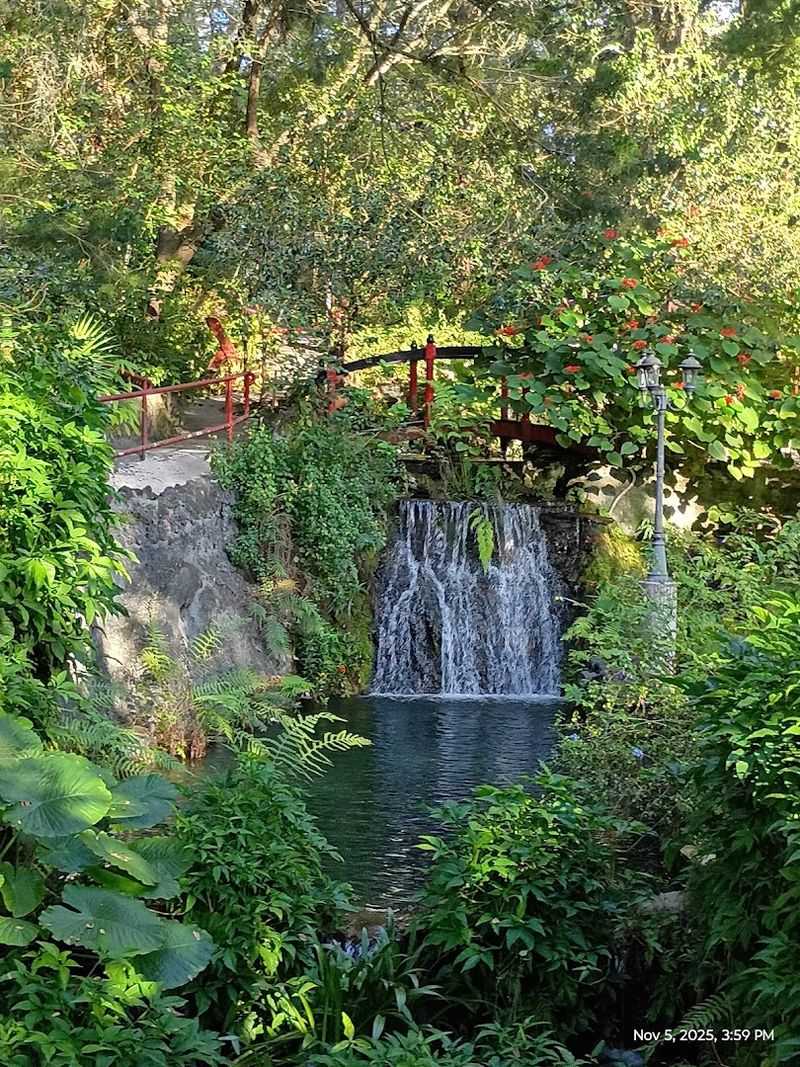
Waterfalls drop from stone ledges into calm pools below, and the sound of moving water follows you along almost every section of the trail. Koi fish glide through the clearer ponds in slow, colorful loops, and kids in particular seem completely captivated by them.
Even when the water levels are lower during dry stretches, the fountains and falls still bring a calming energy to the whole property. There is something about the combination of exposed rock, still water, and lush greenery that slows your breathing and quiets your thoughts almost immediately.
The water features alone make a visit worthwhile, and they look especially dramatic from the upper sections of the trail where you can see several ponds at once.
A Plant Collection That Spans the Globe
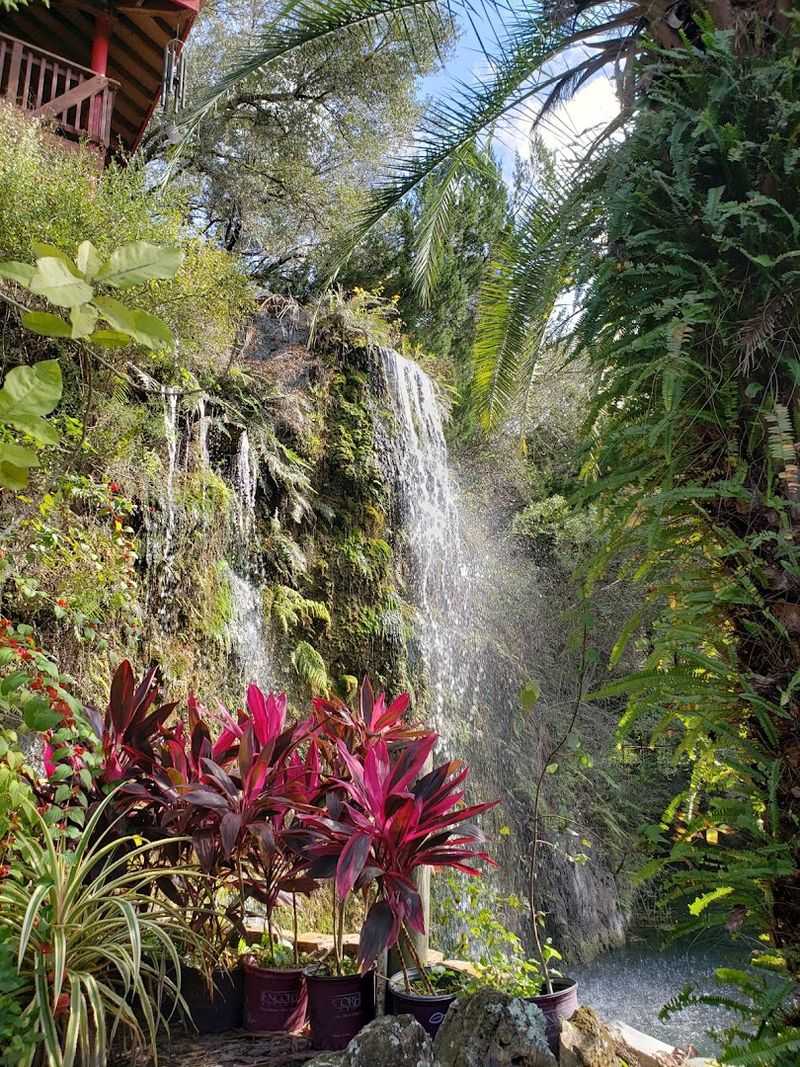
The botanical variety here is genuinely surprising. Beyond the native Florida species, the garden features plants that originate from tropical regions all over the world, giving the whole place a rich, layered texture that changes with every step.
Bottle brush trees grow up to 50 feet tall and burst into bright red bloom in season. Staghorn ferns cling to tree trunks and rock faces in dramatic clusters.
Honeysuckle, hibiscus, and roses fill the air with fragrance during peak bloom periods, and visitors who bring a plant identification app will stay busy the entire time.
The mix of global flora planted within the raw geometry of a former quarry creates a visual experience that feels genuinely curated, like a world botany tour packed into a few acres. Spring is when the full effect hits hardest, but even in off-peak months, there is always something interesting to stop and study along the path.
Wildlife That Shares the Space With You
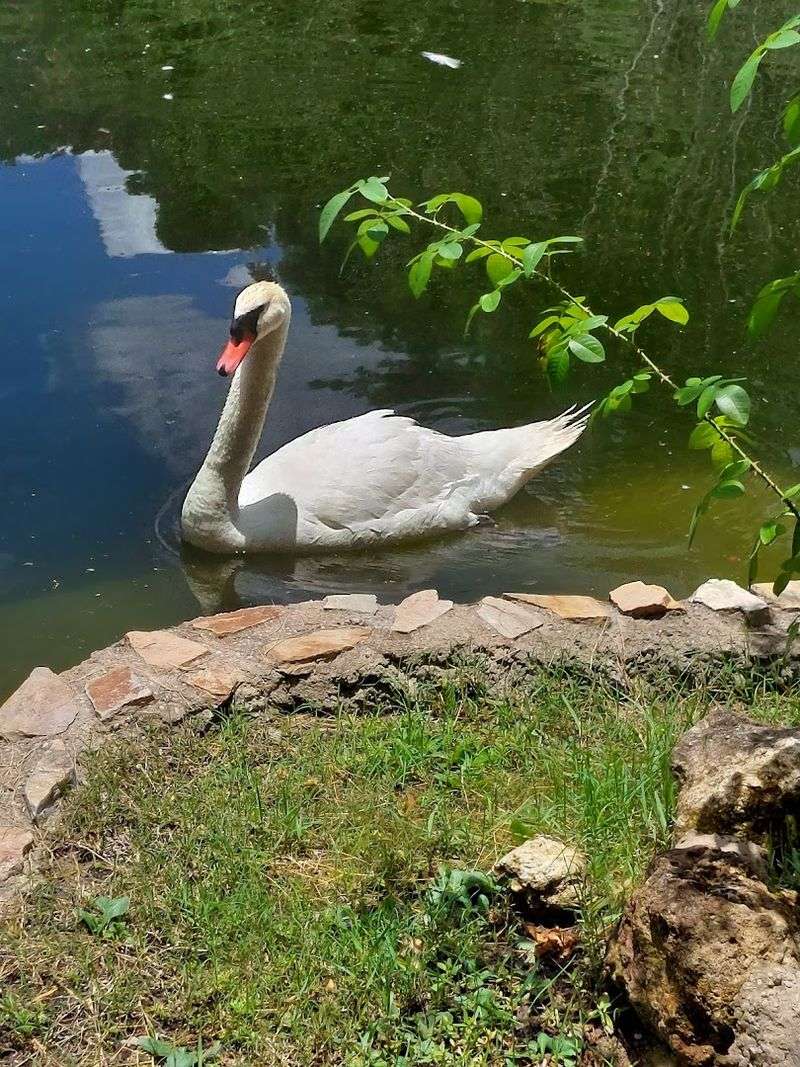
The garden is not just about plants. A surprising cast of wildlife calls this place home, and encountering them feels like a bonus at every turn rather than a staged attraction.
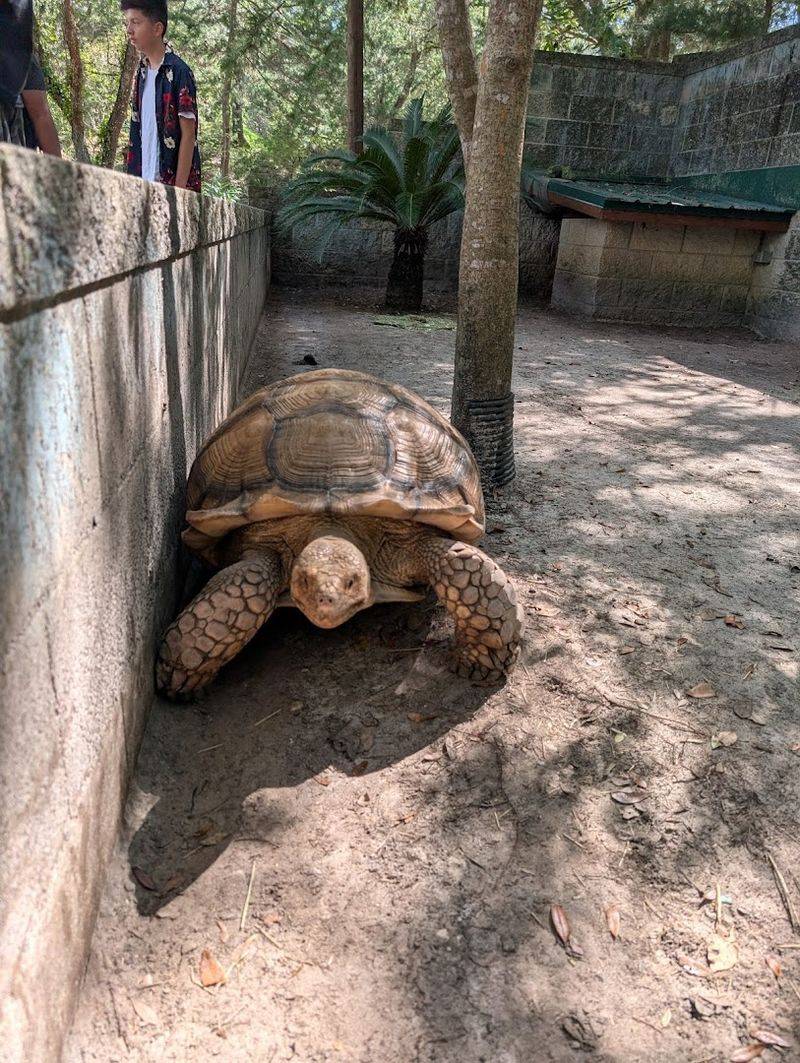
Swans glide across the ponds with an effortless elegance, and a variety of wild birds move through the trees overhead. African sulcata tortoises and leopard tortoises roam parts of the garden, and at least one of them, named Spur, has developed a reputation for being particularly social with guests.
There is also a resident bird named Rosie who has a talent for showing up at just the right moment and charming everyone she meets. Visitors who bring dogs are welcome on the trails, which adds a cheerful energy to weekend mornings.
The combination of exotic animals, native wildlife, and free-roaming garden residents makes every visit feel a little unpredictable in the best possible way.
The Trail Layout and How to Navigate It
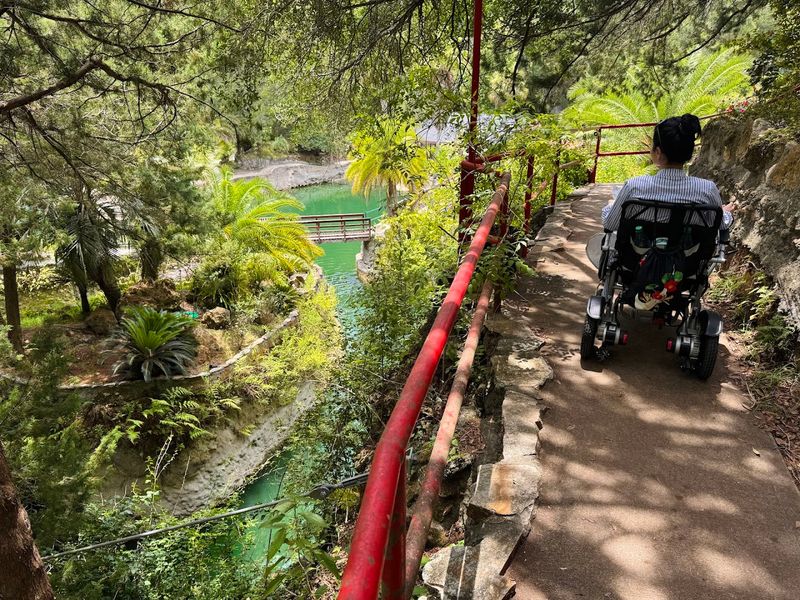
The trail at Cedar Lakes is designed as a loop that spirals down into the quarry and back out again, which gives the walk a natural rhythm that never feels confusing or exhausting. The path is easy to follow with clear signage throughout.
Most visitors complete the loop in about one to two hours, depending on how often they stop to look at plants, photograph the waterfalls, or chat with the resident animals. There is no pressure to rush, and the trail is genuinely enjoyable at a slow, wandering pace.
For visitors with mobility concerns, the garden offers a less strenuous trail option that covers the highlights without the steeper sections. The main paths are also wheelchair-accessible in many areas.
Checking the FAQ section on their website before visiting is a smart move, especially if anyone in your group has physical limitations, since the staff has been thoughtful about making the space navigable for most people.
Seasonal Changes and the Best Time to Visit
The garden shifts dramatically depending on when you visit, and that is not a drawback. It is actually one of the most compelling reasons to come back more than once throughout the year.
Spring is widely considered the peak season, when bottle brush trees bloom, roses open up, and tropical flowering plants fill the paths with color and fragrance. Summer visits are humid and warm, so sunscreen and a water bottle are essential, but the vegetation is at its densest and most lush during those months.
Winter visits come with a trade-off. Cold snaps can leave some plants looking frost-damaged and water levels tend to drop during dry periods, but the quarry architecture is still striking and the overall atmosphere remains peaceful.
The staff is always upfront about current conditions, and the garden’s connection to the seasonal aquifer means the scenery is genuinely different from one month to the next.
Christmas in the Quarry: A Nighttime Event
For a few weeks each winter, the garden transforms into something completely different after dark. The Christmas in the Quarry event turns the entire property into an illuminated holiday experience that runs from 5:30 PM to 8 PM on select evenings over three weekends.
Admission for the evening event is $10 per person, parking is free, and the trail signage is clear enough that navigating the loop at night is easy and enjoyable. Food trucks set up near the entrance, and the combination of glowing lights reflected in the quarry ponds creates a visual that is hard to describe without just telling someone to go see it themselves.
The event has grown popular enough that it draws visitors from well outside the Williston area, with some people driving two hours or more specifically for the light show. It is the kind of seasonal event that becomes a family tradition after just one visit, and the affordable pricing makes it easy to return year after year.
The Atmosphere and Vibe of the Whole Place
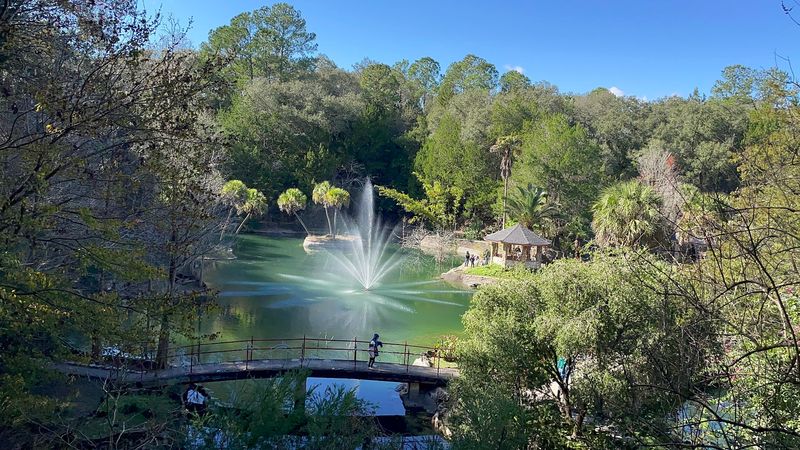
There is a specific kind of quiet that settles over you once you get past the entrance and start walking the trail. The outside world does not follow you in here.
The combination of water sounds, birdsong, and the visual weight of the stone walls creates a genuinely calming environment that is hard to replicate anywhere else.
The garden has a funky, slightly wild character that sets it apart from more polished botanical parks. Some areas feel manicured and intentional, while others have a lush, overgrown energy that makes you feel like you have stumbled onto something private and secret.
That contrast between the raw quarry bones and the carefully tended plant life gives Cedar Lakes a personality that is entirely its own. Visitors consistently describe it as peaceful, unique, and worth far more than the admission price, and after spending a full afternoon wandering its paths, it is easy to understand exactly why.
Photography Opportunities Around Every Bend
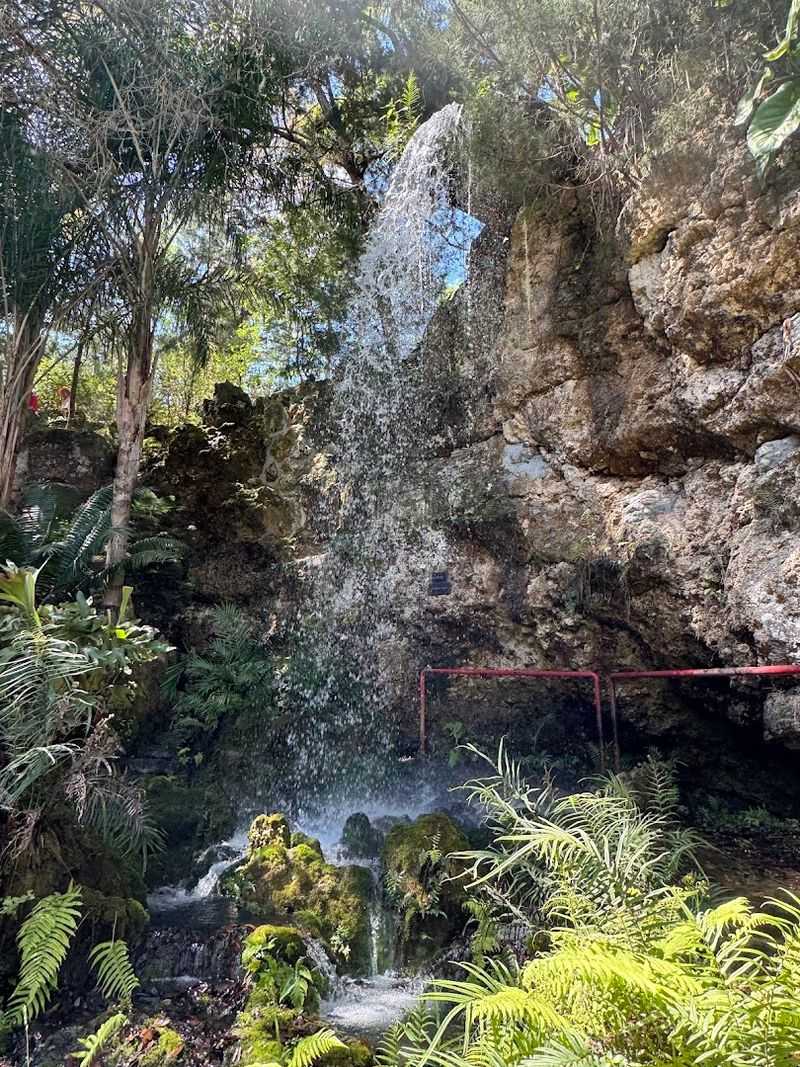
Photographers of every skill level show up here with good reason. The combination of water reflections, layered rock textures, lush tropical plants, and resident wildlife creates a setting where almost every angle produces a compelling shot.
The waterfalls are particularly popular subjects, especially when the water levels are high and the surrounding vegetation is in full bloom. The koi ponds offer great opportunities for close-up shots, and the tortoises are patient enough subjects that even a phone camera can capture something memorable.
Early morning visits on weekdays tend to offer the best light and the fewest people in the frame, which is worth keeping in mind if you are serious about getting clean shots. The quarry walls themselves make for dramatic backgrounds that you simply cannot find at a flat garden.
Every corner of the trail presents a new composition, and most visitors end up with far more photos than they expected to take.
Family Friendliness and Bringing the Kids
Families with kids of all ages find plenty to enjoy here, and the trail layout makes it manageable even for younger children who might not have much patience for a traditional garden walk.
The koi fish are a consistent crowd-pleaser with the younger crowd, and the tortoises are slow-moving and approachable enough that kids can observe them up close with a little patience. The swans and other birds add to the sense of discovery that keeps children engaged throughout the loop.
Dogs are welcome on the trails as well, which makes this a genuinely family-inclusive outing in the broadest sense. The trail is not overly demanding, and the natural curiosity that the garden inspires tends to keep kids moving forward without much coaxing.
Parents who bring snacks and water will find that a two-hour visit feels easy and enjoyable rather than tiring, especially on a mild day in spring or fall.
The Small Shop and Staff Who Make It Special
Right at the entrance, a small shop offers a surprisingly charming selection of items to browse before or after your walk. Handmade mini pottery, stickers, and other small goods line the shelves, and the woman at the front desk has developed a reputation for being warm, funny, and genuinely helpful.
The staff throughout the property carry that same friendly energy. The crew members maintaining the gardens and setting up seasonal decorations are approachable and happy to chat, which adds a human warmth to the whole experience that larger attractions often lack.
That personal quality is part of what makes Cedar Lakes feel like a community effort rather than a commercial operation. The people who work here clearly care about the place, and that shows in both the condition of the garden and the way visitors are treated from the moment they arrive.
A quick stop at the shop on the way out is a nice way to take a small piece of the experience home.
Practical Tips Before You Go
A few practical details can make the difference between a good visit and a great one. The garden is genuinely remote, with very little in the way of food or services in the immediate surrounding area, so arriving prepared is the smart move.
Bring sunscreen and a full water bottle, especially from late spring through early fall when the Florida heat and humidity are at their strongest. Comfortable walking shoes with good grip are helpful since some sections of the trail involve uneven stone surfaces.
The garden is open seven days a week from 9:30 AM to 5 PM, and weekday mornings tend to be quieter if you prefer a more peaceful experience. Checking the official website or calling ahead at 352-529-0055 before visiting during or after unusual weather events is a good idea, since freezes and droughts can temporarily affect the appearance of the gardens and water features.



