Philadelphia is filled with famous museums, but few contain treasures as remarkable as those hidden inside The Rosenbach. Housed in two historic townhouses, this museum and library holds an extraordinary collection of rare books, manuscripts, and personal artifacts connected to some of the world’s most influential writers.
Visitors can see handwritten works by James Joyce, materials related to Bram Stoker’s *Dracula*, and a copy of *Alice’s Adventures in Wonderland* once owned by Lewis Carroll. The collection spans nearly 400,000 items, while the preserved interiors offer a glimpse into the lives of the brothers who assembled it all.
For book lovers, history enthusiasts, and anyone drawn to unusual discoveries, The Rosenbach is one of Philadelphia’s most rewarding cultural destinations.
A Quiet Street With a Jaw-Dropping Secret Inside
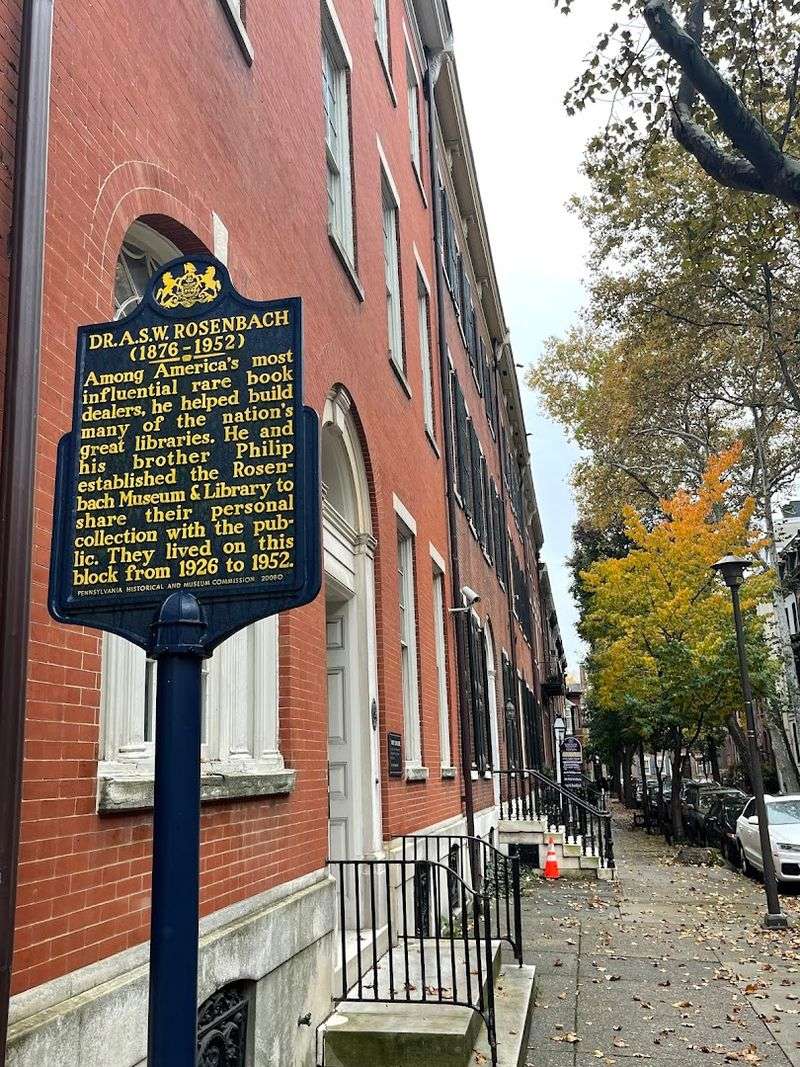
There is something almost mischievous about the way The Rosenbach presents itself to the outside world. From the sidewalk at 2008-2010 Delancey Street, Philadelphia, PA 19103, it looks like any other elegant townhouse on a leafy residential block in the Rittenhouse Square neighborhood.
No giant banners, no flashy signs, just two connected brick buildings from the 1800s standing quietly while the rest of the city rushes by. The main structure at 2010 Delancey Place was built in 1865 and is listed on the National Register of Historic Places.
The museum expanded in 2002 into the adjacent building at 2008 Delancey, now called the Maurice Sendak Building, adding research and exhibition space. You can reach the museum by phone at +1 215-732-1600 or visit rosenbach.org for details.
The understated exterior is almost a deliberate tease, because what waits inside bears absolutely no resemblance to the modest street view.
The Two Brothers Who Built One of America’s Greatest Collections
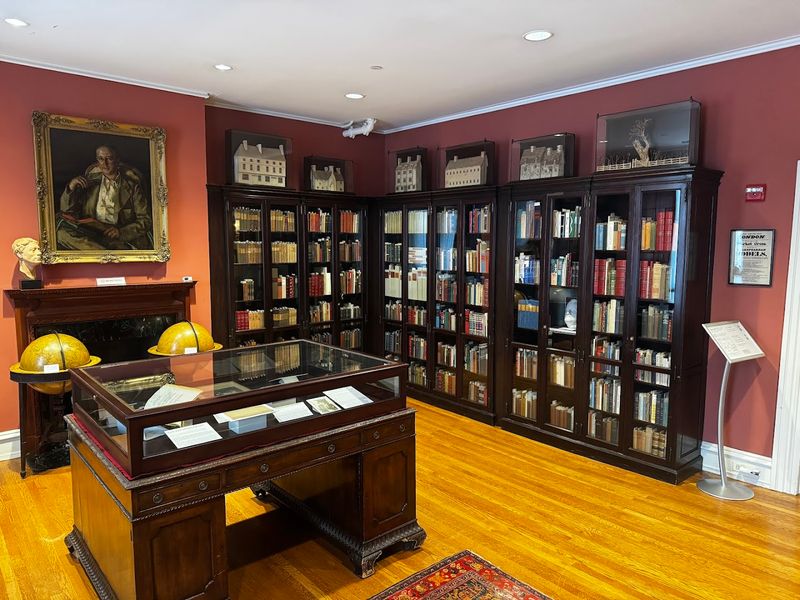
The story behind The Rosenbach begins with two brothers from Philadelphia who had an almost competitive obsession with beautiful things. Dr. A.S.W.
Rosenbach became one of the most celebrated rare book and manuscript dealers in American history, known for outbidding rivals at auctions around the world with a confidence that bordered on theatrical.
His brother Philip H. Rosenbach focused on fine arts and antiques, filling their shared home with 18th-century English furniture, silver, gold objects, and portrait miniatures.
Together, they assembled a collection that most institutions would envy.
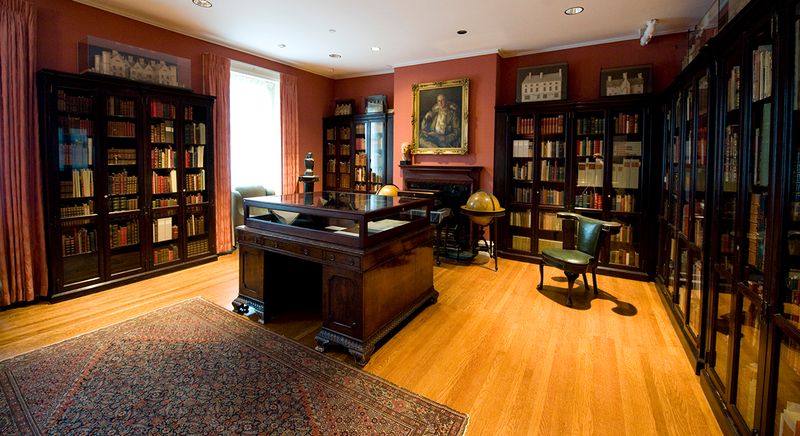
When Dr. Rosenbach passed away in 1952, he left the house and its entire contents as a gift to the public, and The Rosenbach opened as a museum and library in 1954. The interiors remain largely as the brothers left them, which gives every room a lived-in authenticity that most museums simply cannot manufacture.
The brothers’ personalities feel present in every shelf and surface.
Nearly 400,000 Reasons to Pay Attention
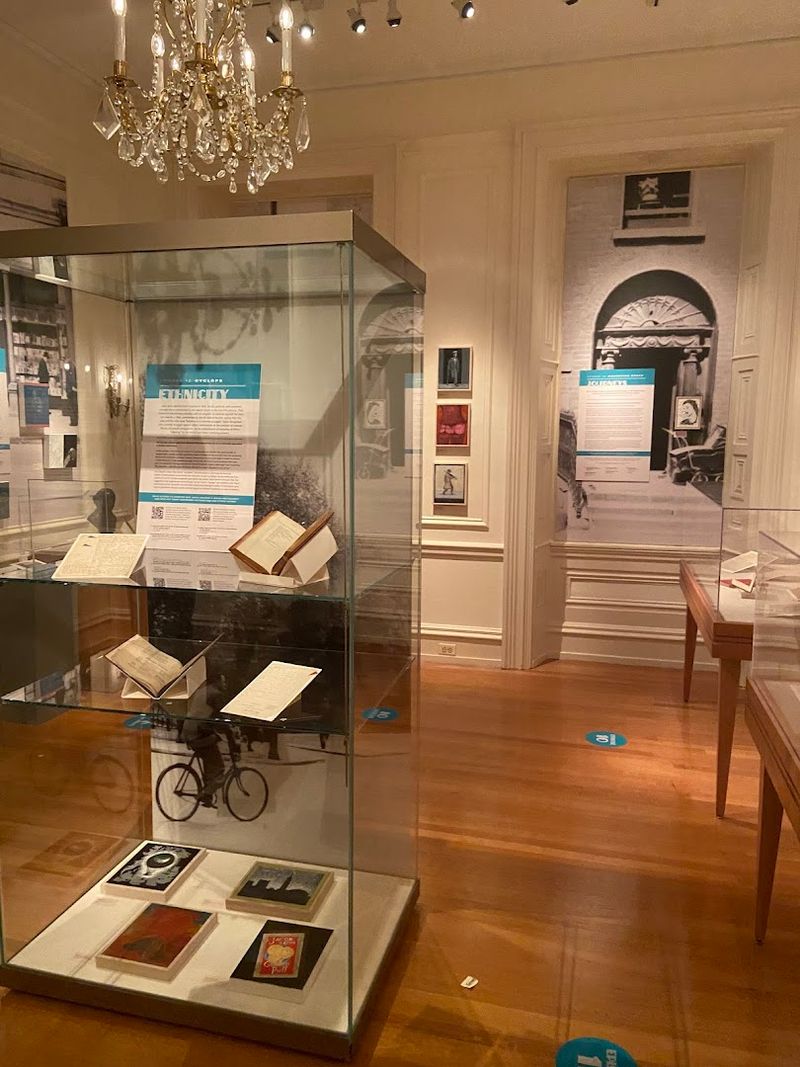
The scale of what the Rosenbach brothers accumulated is genuinely hard to wrap your head around at first. The collection contains nearly 400,000 rare books, manuscripts, and fine and decorative arts objects, with particular strengths in American and British literature and history.
These are not just old books sitting on dusty shelves. Each item carries a story about how it was found, why it mattered, and what it cost to bring it home.
The collection spans centuries, with some printed works dating back to the 1400s, right around the era of the earliest printing presses.
The museum holds first editions by authors including Anne Bradstreet, Phillis Wheatley, and Nathaniel Hawthorne, alongside letters from Emily Dickinson that feel startlingly personal even centuries later. Guided tours do a wonderful job of connecting individual objects to the larger narrative of literary and cultural history, making the sheer volume of material feel approachable rather than overwhelming.
James Joyce’s Ulysses, Written by Hand
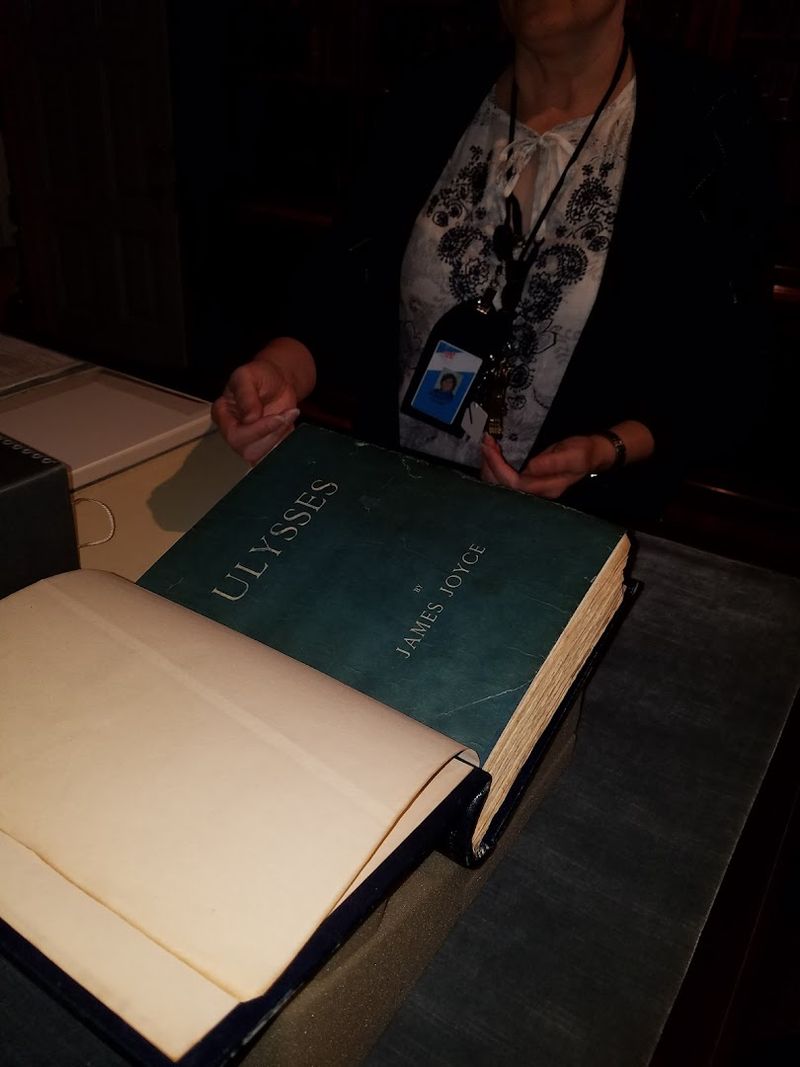
Of all the treasures inside The Rosenbach, the handwritten manuscript of James Joyce’s Ulysses might be the one that stops visitors cold. Seeing a photocopy of a great novel is one thing, but standing near the actual pages where Joyce worked out one of the most complex and celebrated works in the English language is a completely different experience.
The manuscript arrived at the Rosenbach through Dr. A.S.W. Rosenbach’s relentless pursuit of significant literary material, and it remains one of the most important items in the entire collection.
Joyce completed Ulysses in 1922, and the manuscript reflects the intense, layered process behind the finished text.
For anyone who has ever struggled through Ulysses and wondered what kind of mind produced it, seeing the physical evidence of Joyce’s handwriting across those pages provides a strange kind of answer. It also makes the museum’s reputation as a serious literary institution immediately clear, and that is just the beginning of what you will find here.
Bram Stoker’s Notes and the Birth of Dracula
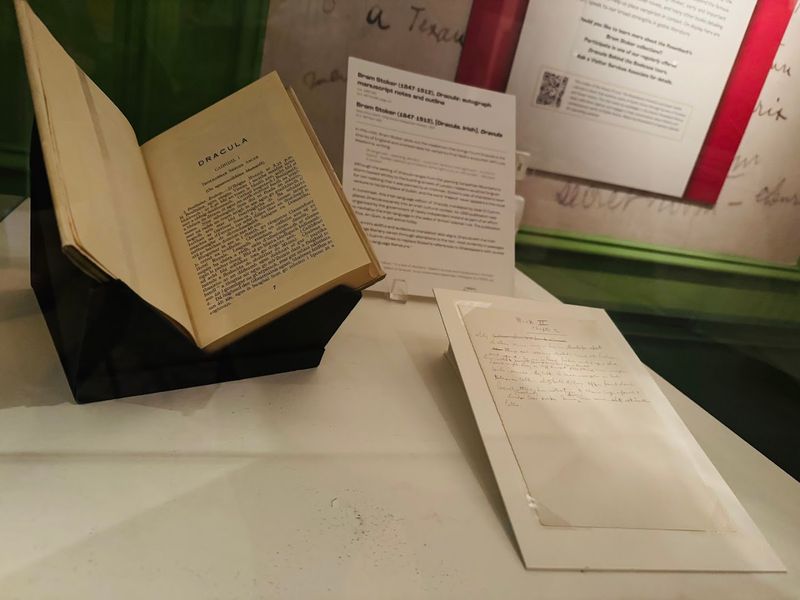
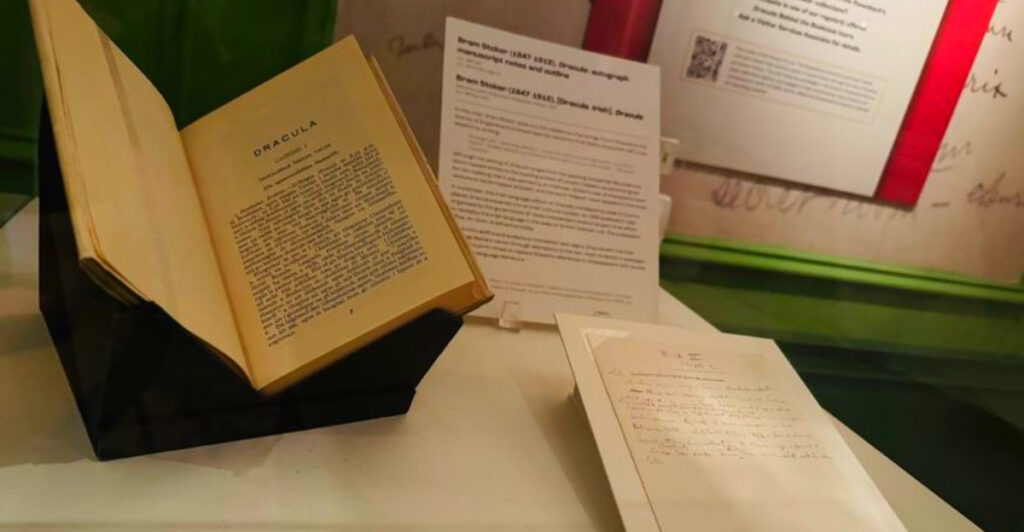
Horror fans and literary history enthusiasts alike tend to go a little wide-eyed when they learn that Bram Stoker’s original working notes for Dracula are part of The Rosenbach’s permanent collection. These are not polished drafts but actual research materials, the raw ingredients that Stoker assembled before writing one of the most enduring gothic novels ever published.
The notes reveal how methodically Stoker approached the project, including research into vampire folklore, geography, and the character details that would eventually become iconic. Seeing them puts the creative process of a 19th-century author into surprisingly tangible focus.
What makes the Rosenbach experience particularly satisfying is the way items like these are presented with enough context to make them meaningful even if you are not a literary scholar. You do not need to have read Dracula cover to cover to appreciate the significance of holding your gaze on the paper where the whole thing started.
And if you have read it, the notes will make you want to read it again.
Lewis Carroll’s Own Copy of Alice in Wonderland
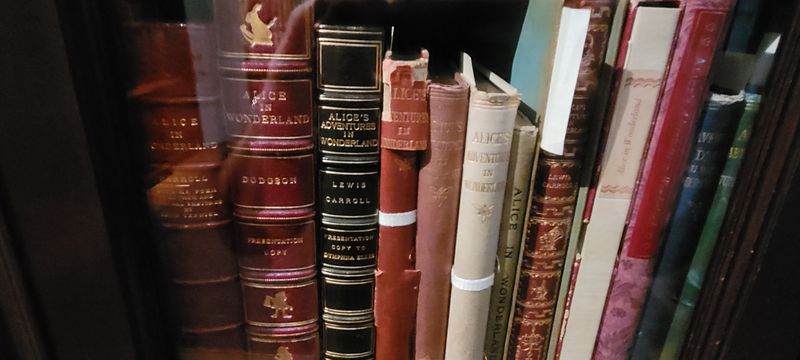
There is something wonderfully circular about the fact that Lewis Carroll’s personal copy of Alice in Wonderland ended up in a museum dedicated to celebrating the magic of books. This is not a standard first edition sitting on a shelf.
It is the copy that belonged to Carroll himself, carrying the kind of provenance that makes rare book collectors genuinely emotional.
Carroll published Alice’s Adventures in Wonderland in 1865, and the story has never gone out of print since. The Rosenbach’s copy connects visitors directly to the author in a way that a standard library edition simply cannot.
The museum also holds a pop-up version of Alice in Wonderland that has charmed many a visitor who spotted it unexpectedly during a tour. Carroll’s imaginative universe feels strangely at home in a place as full of wonder and surprise as The Rosenbach, where the next display case always seems to hold something you did not expect to find.
Benjamin Franklin, George Washington, and America’s Earliest Voices
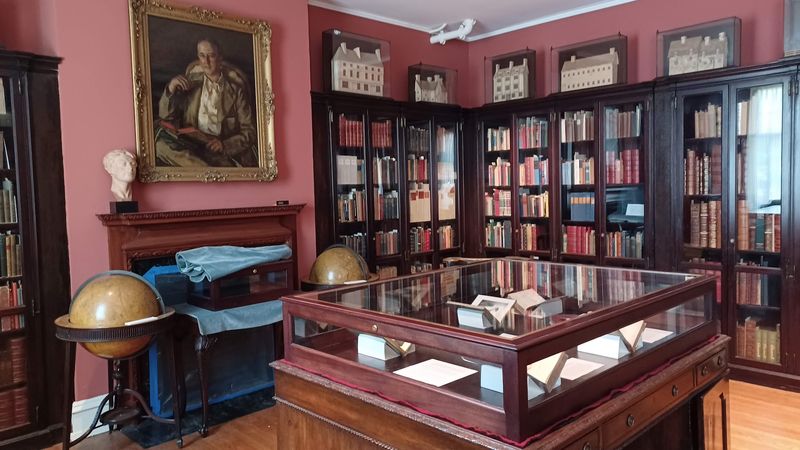
The Rosenbach’s American history holdings are just as remarkable as its literary ones. The museum holds the only known surviving copy of Benjamin Franklin’s first Poor Richard’s Almanac, a publication that Franklin began in 1732 and that became one of the most widely read works in colonial America.
Alongside it, the collection includes an early letter from George Washington that predates his presidency, offering a glimpse of the man before he became a monument. These documents are not reproductions or facsimiles.
They are the real things, and being in the same room with them carries a particular weight.
The broader American literature holdings include first editions by Phillis Wheatley, one of the first published African American poets, and Anne Bradstreet, the first published poet in the American colonies. Each of these items represents a voice from a time when publishing itself was a rare and significant act, and The Rosenbach treats every one of them accordingly.
Marianne Moore’s Living Room, Reconstructed Piece by Piece
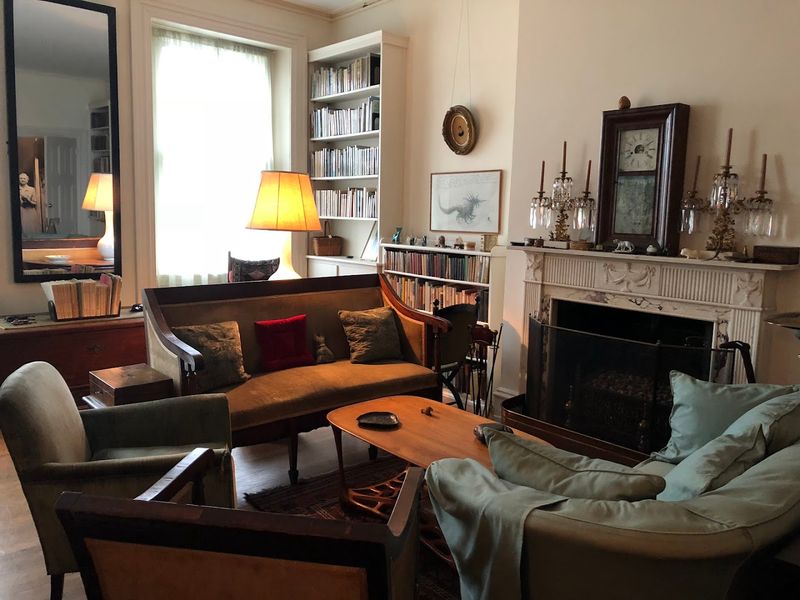
One of the most unusual and quietly moving spaces inside The Rosenbach is the recreated Greenwich Village living room of modernist poet Marianne Moore. Moore was one of the most distinctive American poets of the 20th century, known for her precise observations and unconventional forms, and the museum holds her papers along with a faithful reconstruction of the room where she lived and worked.
The recreation includes her furniture, personal belongings, and the general arrangement of her space, giving visitors an intimate sense of her daily life. It earned The Rosenbach designation as a National Literary Landmark, a title the museum wears with appropriate seriousness.
For visitors who may not be deeply familiar with Moore’s poetry, the room works as a kind of introduction, offering a physical context for understanding what kind of person she was and how her surroundings shaped her thinking. It is a reminder that great writing does not happen in a vacuum, and the spaces writers inhabit matter more than we sometimes acknowledge.
Maurice Sendak’s World, Preserved in 10,000 Works
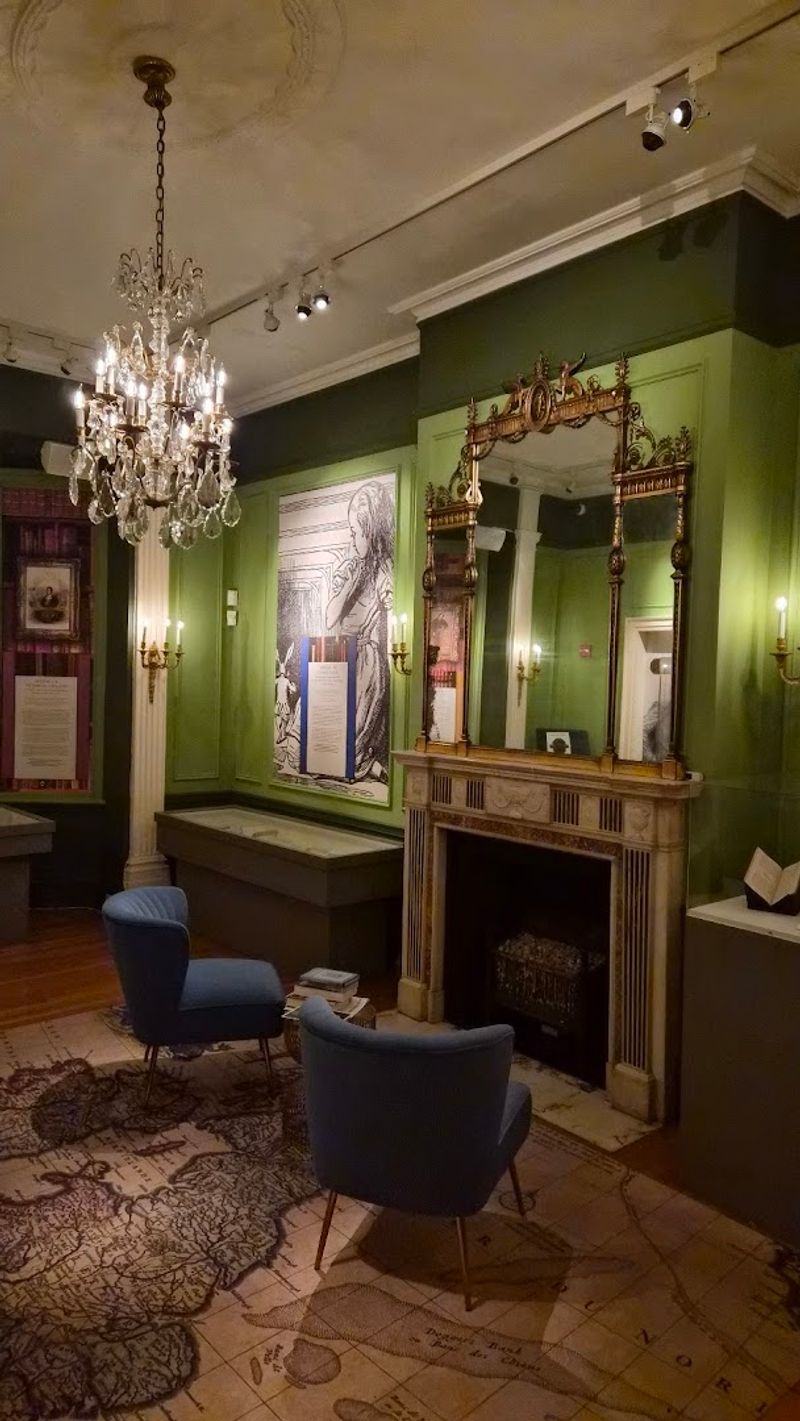
Maurice Sendak, the author and illustrator behind Where the Wild Things Are, trusted The Rosenbach with something extraordinary. The museum holds approximately 10,000 works connected to Sendak, including original artwork, manuscripts, books, and ephemera spanning his entire career.
The adjacent building at 2008 Delancey is now called the Maurice Sendak Building in his honor, providing dedicated space for research and exhibitions related to his work. Sendak’s relationship with the museum was a genuine partnership, rooted in a shared belief that children’s literature deserves the same serious attention as any other art form.
Visitors who grew up reading Where the Wild Things Are often find the Sendak materials surprisingly moving. Seeing the original sketches and handwritten notes behind a beloved childhood book has a way of collapsing the distance between the reader and the creative act.
The collection also reveals the breadth of Sendak’s interests and influences, which extended well beyond the children’s books that made him famous worldwide.
A House That Still Feels Like Someone Lives There
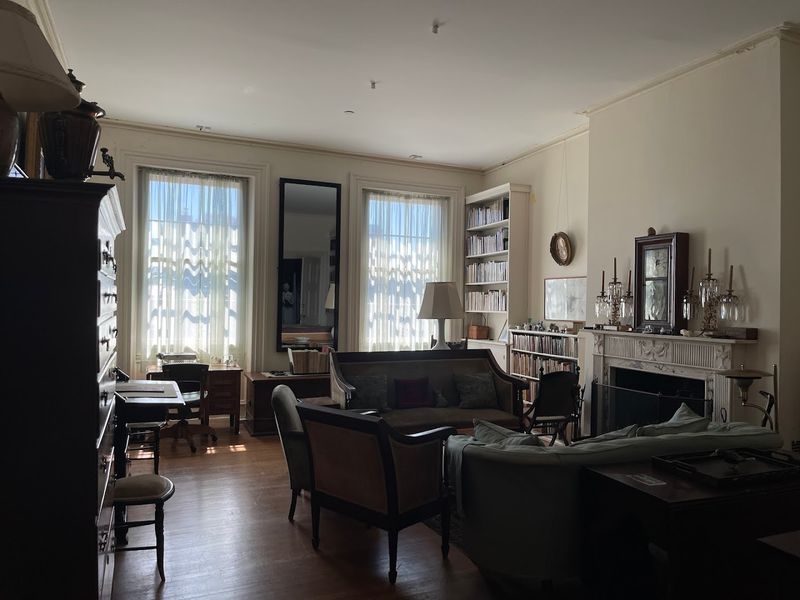
Many museums feel like warehouses for important objects. The Rosenbach feels like a home where the owners simply stepped out for a moment.
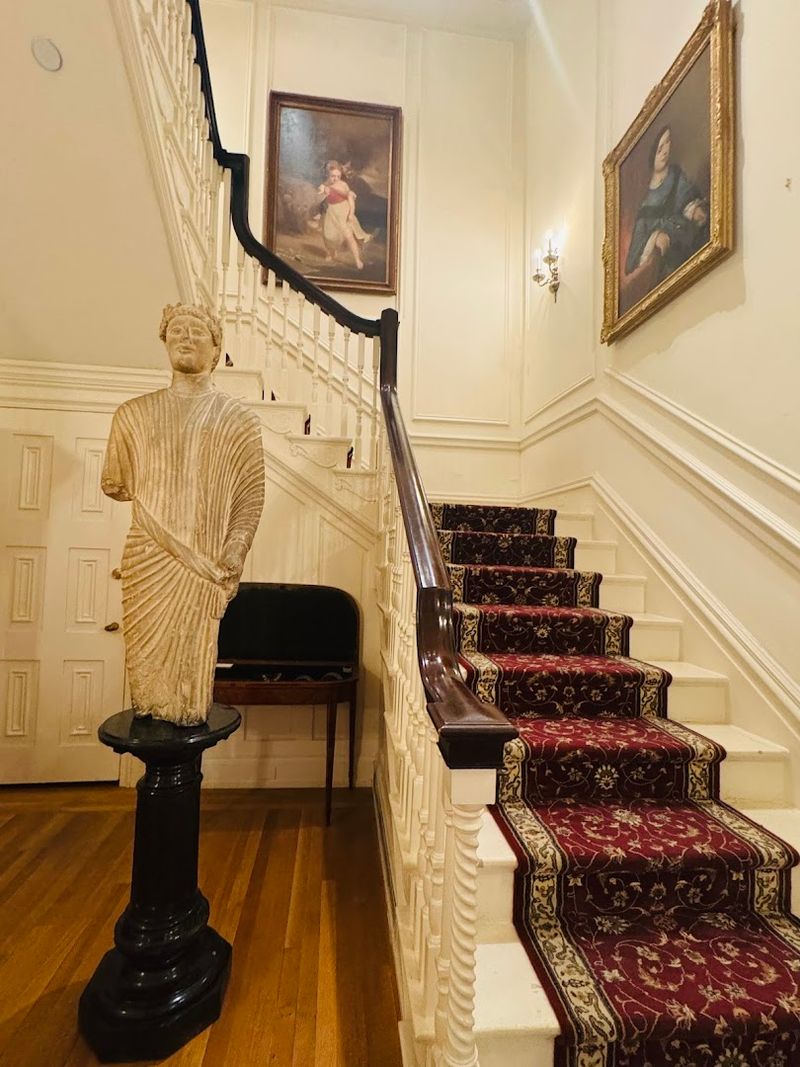
The interiors were preserved largely as the Rosenbach brothers left them, complete with 18th-century English furniture, English silver and gold pieces, American portraiture, and an impressive collection of over a thousand portrait miniatures.
The domestic scale of the townhouse creates an atmosphere that larger institutions cannot replicate. Rooms open onto other rooms in the way a private residence would, and the arrangement of objects reflects the brothers’ personal taste rather than a curator’s institutional logic.
That intimacy changes the way you look at everything. A first edition sitting on a shelf inside a lived-in room feels different from the same book displayed behind glass in a white-walled gallery.
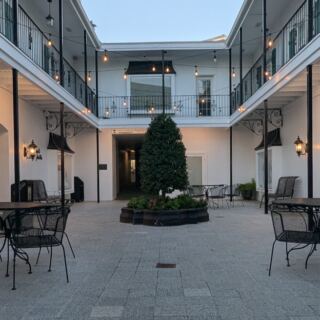
The Rosenbach understands this intuitively, and the result is a museum experience that feels genuinely personal from the first room to the last, right down to the small back garden that surprises visitors who discover it.
How to Visit, What to Expect, and Why a Tour Is Worth It
The Rosenbach is open Thursday through Saturday from 10:30 AM to 6:00 PM and Sunday from 10:30 AM to 4:30 PM. The museum is closed Monday through Wednesday, so planning ahead is essential.
Adult admission is affordable, typically around ten to thirteen dollars, with reduced rates for students and other groups.
Guided tours are the recommended way to experience the collection, and booking tickets in advance is a smart move since tour groups are kept small and slots can fill up. Self-guided tours with pamphlets and audio guides are available on weekends for those who prefer to move at their own pace.
The museum provides lockers for bags and belongings, which the staff recommends using during tours. The museum store carries publications and unique items worth browsing after your visit.
For research appointments or event information, the museum’s website at rosenbach.org is the best starting point, and the staff are consistently described as welcoming and genuinely passionate about the collection.
Why This Place Stays With You Long After You Leave
Most museums give you information. The Rosenbach gives you a feeling.
There is something about being surrounded by handwritten manuscripts, first editions, and personal objects from some of history’s most significant writers and thinkers that recalibrates your sense of what literature actually is and where it comes from.
The museum has earned a 4.7-star rating from visitors, and the enthusiasm in those reviews is not hard to understand once you have been there. People return.
They bring friends. They sign up for courses, book clubs, and special events like Burns Night celebrations that connect the collection to living cultural traditions.
The Rosenbach has been affiliated with the Free Library of Philadelphia Foundation since December 2013, which reinforces its commitment to public access and education. For a city already rich with history and culture, this small museum on Delancey Street manages to hold its own against far larger institutions, and it does so entirely on the strength of what is inside.
Share this story