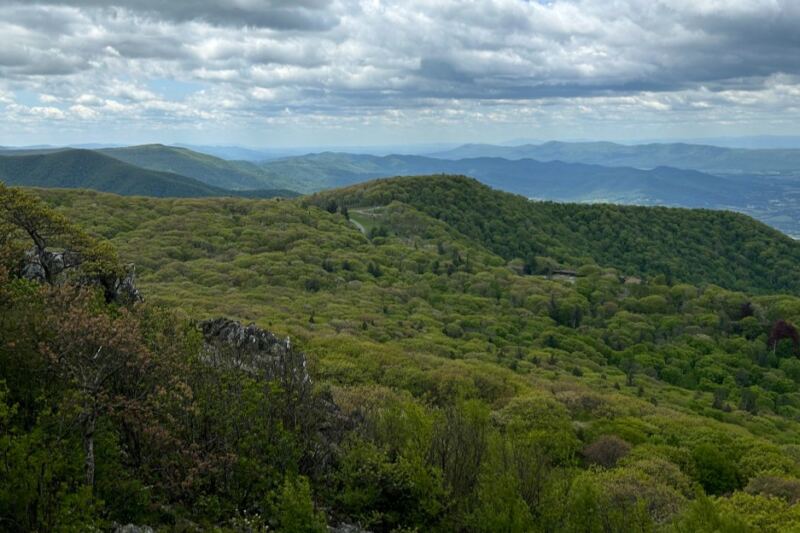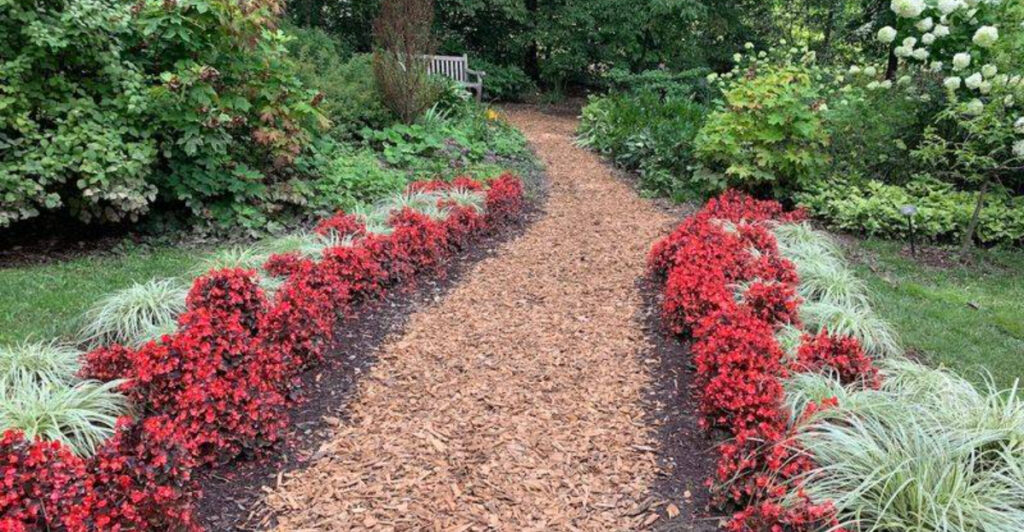
Tucked away on the edge of a university campus in the heart of the Shenandoah Valley, there is a quiet green sanctuary that most people drive right past without ever knowing it exists. Winding trails cut through dense forest, a reflective pond mirrors the sky, and native wildflowers pop up in unexpected corners throughout every season.
The whole place feels like a secret that locals have been quietly keeping to themselves for years. Whether you have two hours or just thirty minutes to spare, this spot delivers the kind of reset that no coffee or screen time can match, and once you visit, you will want to come back every single season to see what has changed.
Where to Find It and How to Get There
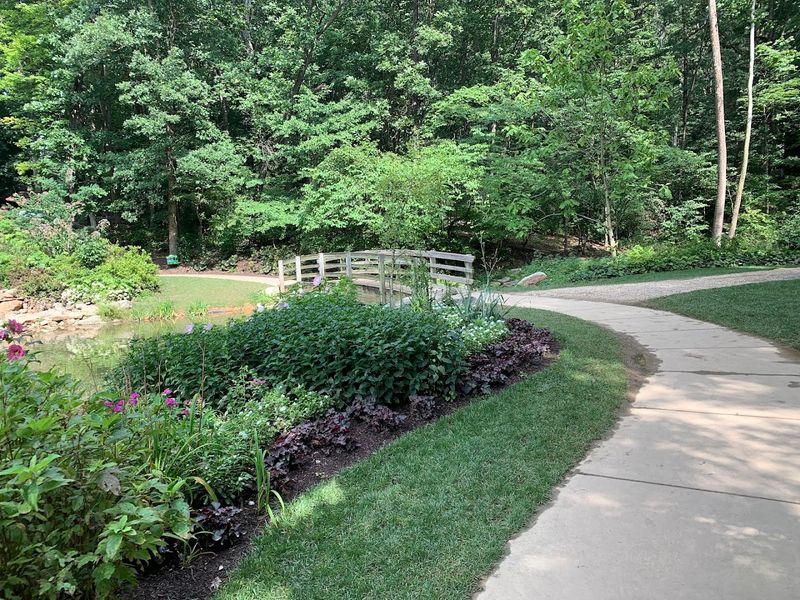
The Edith J. Carrier Arboretum sits at 780 University Blvd, Harrisonburg, right on the East Campus of James Madison University.
It is open every day of the week from 7 AM to 8 PM, which gives you a solid window to visit at nearly any hour that suits your schedule.
Getting there is straightforward, but parking deserves a little planning. The arboretum’s own lot is small and fills up quickly, especially on weekends.
Most visitors head to JMU’s R5 parking lot, which is free for arboretum guests and connects directly to the trails via a footpath.
One heads-up: the path from R5 slopes downhill toward the arboretum, so keep that in mind on your way back. Two additional lots nearby offer flatter entry points, which is helpful for anyone with mobility concerns.
Admission is completely free.
The Story Behind the Arboretum
Not every botanical garden carries a name with a personal story behind it, but this one does. The Edith J.
Carrier Arboretum was named in honor of a woman whose love for plants, education, and the natural world left a lasting mark on the James Madison University community.
Founded as part of JMU’s commitment to environmental education and conservation, the arboretum has grown over the decades into a fully functioning botanical garden and outdoor classroom. It serves students, researchers, and the general public all at once, which is a rare combination that keeps the space both well-maintained and genuinely welcoming.
The arboretum covers several acres and has been carefully developed to showcase native Virginia plants alongside a wider variety of species from across the region. That intentional design is what makes every visit feel like a mini lesson in the natural world, even when you are just out for a casual walk.
The Trail System and How Far You Can Walk
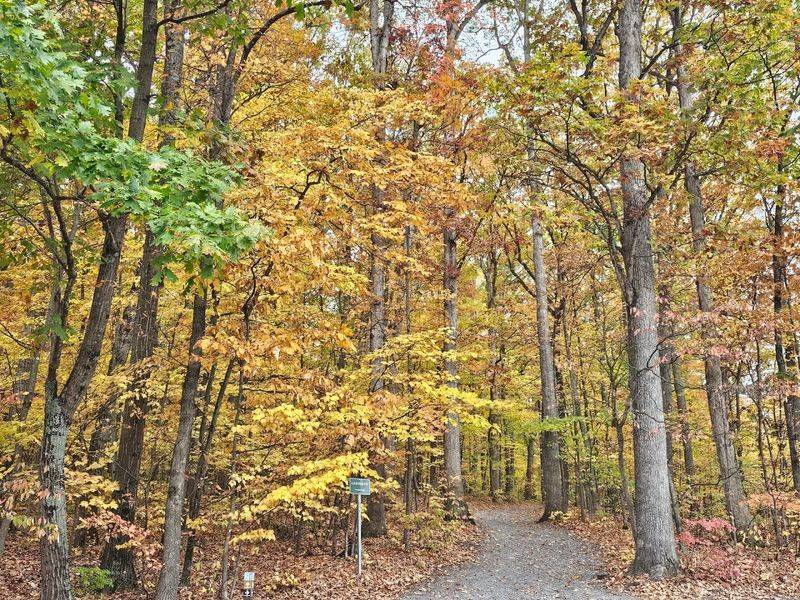
The arboretum offers roughly three miles of trails in total, which is more than most people expect when they first arrive. The paths range from short, easy loops around the pond to longer routes that take you deep into the forested sections of the property.
Most of the trails are made of packed dirt or wood chip mulch, which keeps them comfortable underfoot and easy on your joints. A paved concrete walkway circles the pond area, making that section accessible for strollers, wheelchairs, and anyone who prefers a firmer surface.
Trail markers are clearly posted throughout the property, and while a printed map is available at the entrance, the layout is intuitive enough that most visitors find their way around without one. Even a ten-minute walk through the shorter loop is genuinely satisfying, so do not let a tight schedule stop you from stopping in.
The Pond and Its Surrounding Landscape
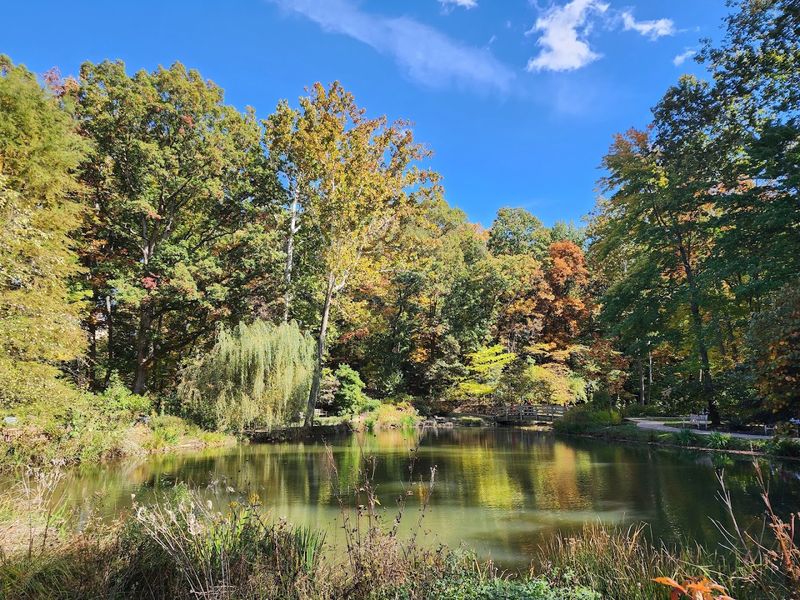
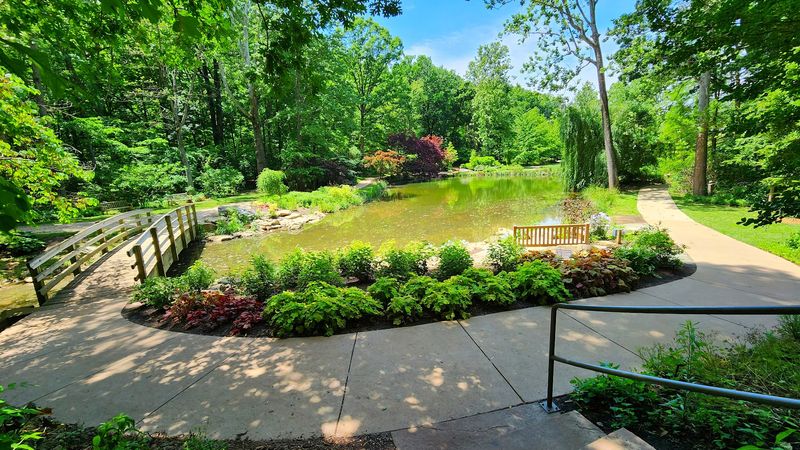
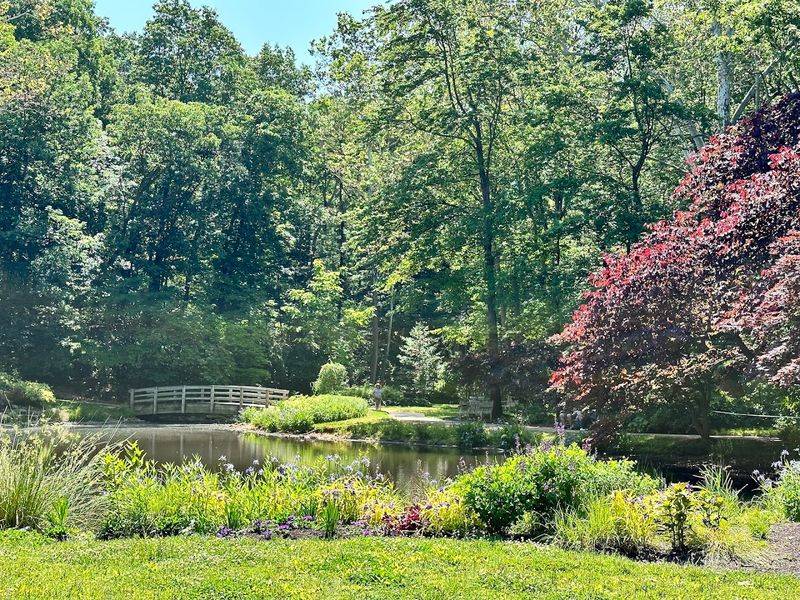
The pond is, without question, one of the most photographed spots in the entire arboretum. Surrounded by mature trees, small wooden footbridges, and carefully tended lawns, it creates the kind of peaceful scene that makes you slow your pace without even realizing it.
Fish are visible just beneath the surface on clear days, and the reflections of the trees in the still water shift beautifully with the light depending on the time of day. Early morning visits offer a misty, almost dreamlike quality around the pond that afternoon light simply cannot replicate.
The concrete path that circles the pond makes it an easy and relaxing route for visitors of all ages and abilities. Benches are placed at thoughtful intervals so you can sit, breathe, and take it all in without rushing.
The pond area alone is worth the visit, even before you venture into the deeper forest trails.
Native Plants and Tree Diversity
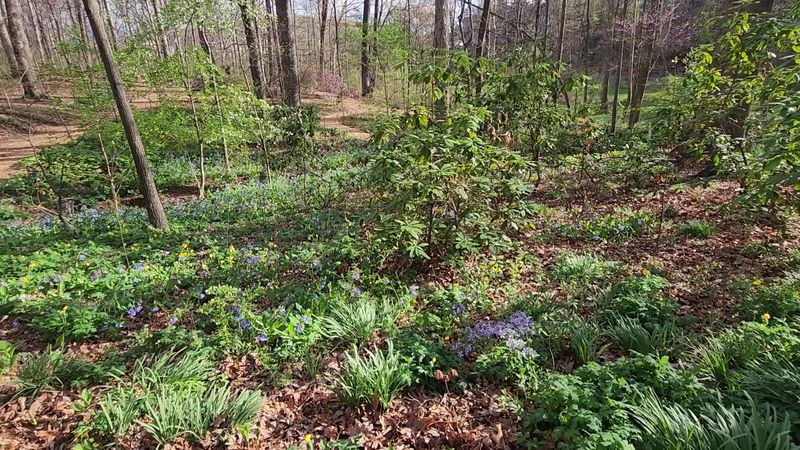
One of the things that sets this arboretum apart from a typical park is the sheer variety of plant life on display. The collection includes dozens of native Virginia tree species alongside wildflowers, shrubs, and ground cover plants that represent the full range of the Shenandoah Valley’s natural ecosystem.
Many plants along the trails are labeled with small informational signs that tell you the species name and a few key facts. It turns an ordinary walk into something closer to a self-guided nature class, and kids tend to get surprisingly interested once they start reading the signs.
Wildflowers are present in almost every season, with spring bringing the most dramatic color and fall offering rich foliage that shifts from gold to deep red across the hillsides. Even in winter, the structure of the bare trees and the texture of the bark give the landscape a quiet, sculptural quality worth noticing.
The Children’s Exploration Area
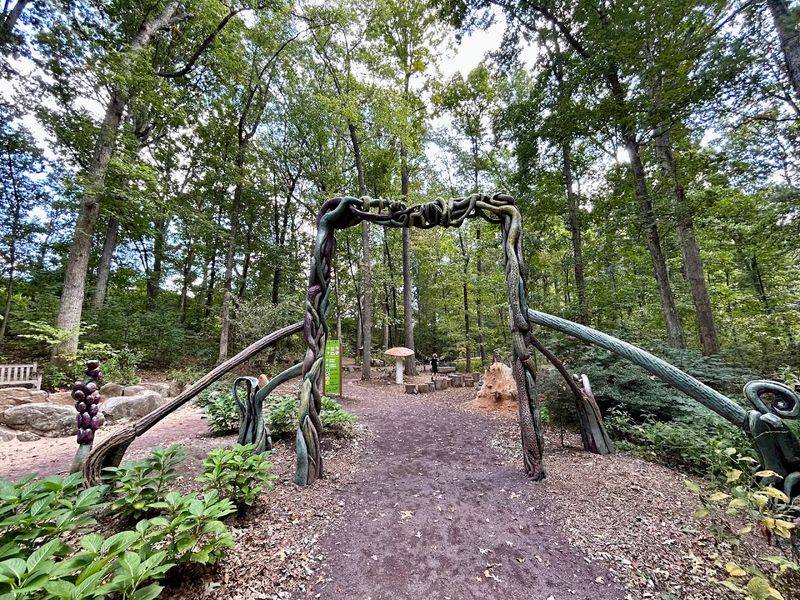
Families with young children have an extra reason to visit, and it comes in the form of one of the most creative kids’ spaces you will find at any botanical garden in Virginia. The children’s exploration area is designed to look and feel like a storybook world brought to life outdoors.
Interactive play structures made from natural materials encourage climbing, crawling, and imaginative play. A storybook trail winds through the section, with pages of a children’s book posted along the path so that kids read as they move, which is a brilliant way to combine literacy and outdoor time.
The fairy garden elements scattered throughout give the whole area a magical, slightly enchanted atmosphere that even adults find charming. Parents often comment that their kids, who might normally resist a nature walk, end up not wanting to leave once they discover this corner of the arboretum.
The creativity here is genuinely impressive.
The Labyrinth and Its Quiet Appeal
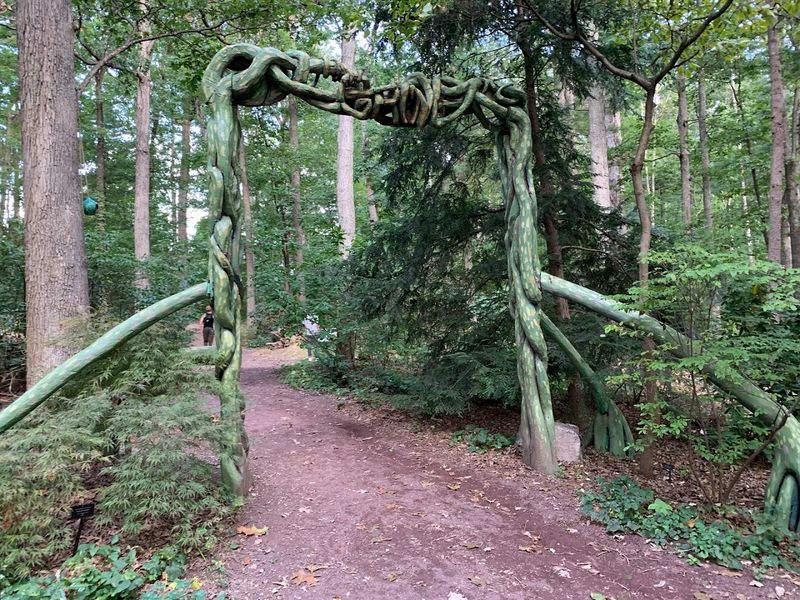
Not many arboretums can say they have a labyrinth, but this one does, and it is genuinely well done. Tucked into a quieter section of the grounds, the labyrinth is a walking meditation path that invites you to slow down, follow the winding route, and arrive at the center with a clearer head than when you started.
Labyrinths are different from mazes in one key way: there are no dead ends or wrong turns. You simply follow the single path inward and then back out again.
The experience is surprisingly calming, especially after a brisk walk through the forested trails.
Visitors who might not consider themselves the meditative type often find themselves lingering here longer than expected. The surrounding trees create a natural enclosure that blocks out most external noise, and the overall effect is one of genuine stillness.
It is one of those understated features that quietly becomes a favorite part of the visit.
Seasonal Highlights Throughout the Year
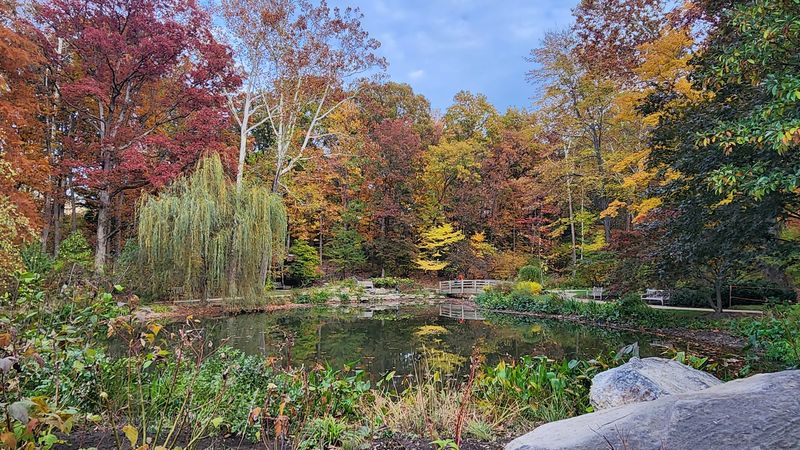
Each season at the arboretum delivers a completely different experience, which is exactly why repeat visitors keep finding reasons to return. Spring is arguably the showiest time, with wildflowers blooming in waves and the entire forest floor coming alive with color after months of dormancy.
Summer brings a thick green canopy overhead that creates natural shade on even the warmest Harrisonburg afternoons. The trails feel cooler and more enclosed during these months, and the pond takes on a lush, almost tropical quality surrounded by full-leafed trees.
Fall transforms the hillsides into a patchwork of amber, orange, and deep red that makes every photograph look like it was edited by someone with very good taste. Winter, while quieter, has its own appeal: the bare branches reveal the true architecture of the trees, and the trails feel more open and contemplative.
Every season here has something worth coming back for.
The Forest Walk Experience
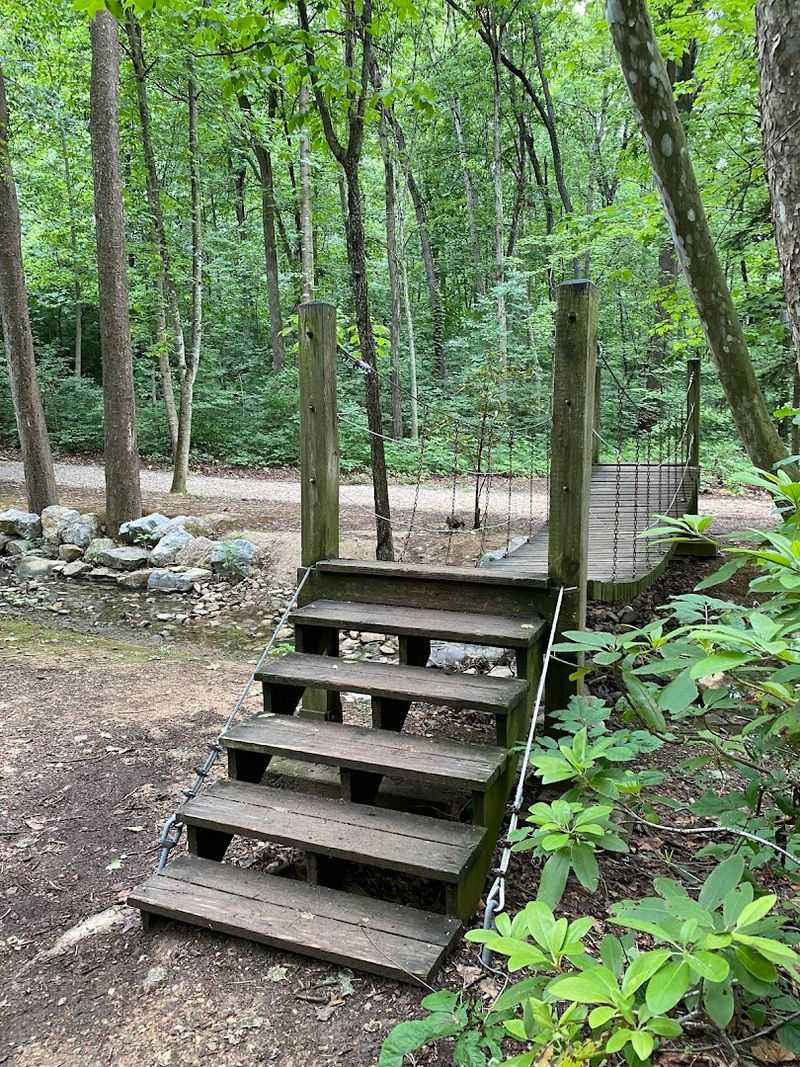
The deeper forest sections of the arboretum feel genuinely wild in the best possible way. Once you leave the main garden areas and move into the wooded trails, the sounds of Harrisonburg fade almost completely, replaced by birdsong, rustling leaves, and the occasional snap of a twig underfoot.
The tree canopy in these sections is dense enough to provide shade even on bright days, and the air feels noticeably cooler and fresher the further in you go. Many visitors describe this part of the walk as grounding, and that is a fair description for the sensation of being surrounded by tall, old trees with little else competing for your attention.
The forest floor is rich with ferns, mosses, and understory plants that add texture and depth to the scenery. If you have a full afternoon to spend, the complete three-mile loop through the forest is absolutely the way to experience everything the arboretum has to offer.
Footbridges, Statues, and Small Surprises
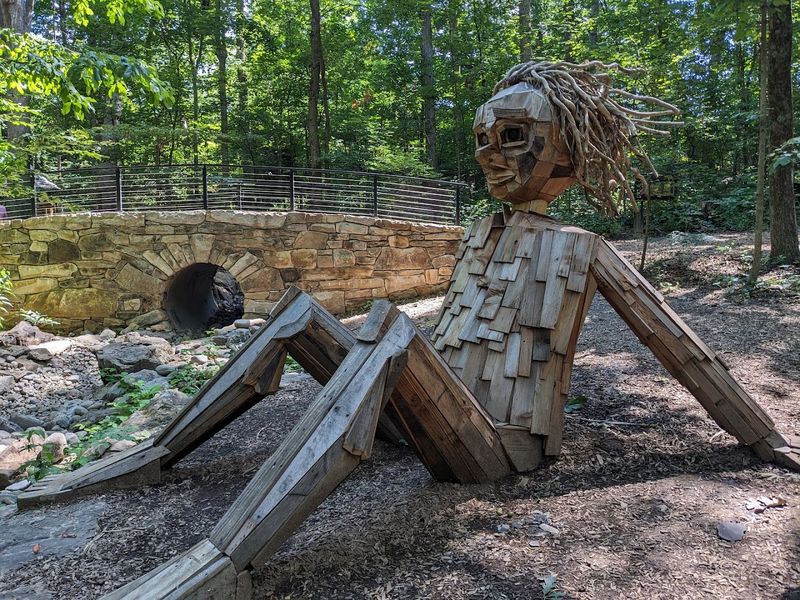
Part of what makes a walk here feel like more than just a nature stroll is the collection of small details placed thoughtfully throughout the grounds. Wooden footbridges cross over low-lying wet areas and small streams, and crossing them gives the walk a slightly adventurous quality that adults and kids both appreciate.
Decorative statues are positioned at various points along the trails, appearing just when the scenery needs a little visual punctuation. They are not overwhelming in number, which keeps the space feeling natural rather than cluttered, but they add enough personality to make the arboretum feel curated and alive.
The combination of bridges, water features, sculptures, and plant life creates a kind of treasure-hunt quality to the walk. You never quite know what is around the next bend, and that sense of gentle discovery is one of the most enjoyable aspects of spending time here.
Every corner holds something worth noticing.
Picnic Pavilion and Rest Areas
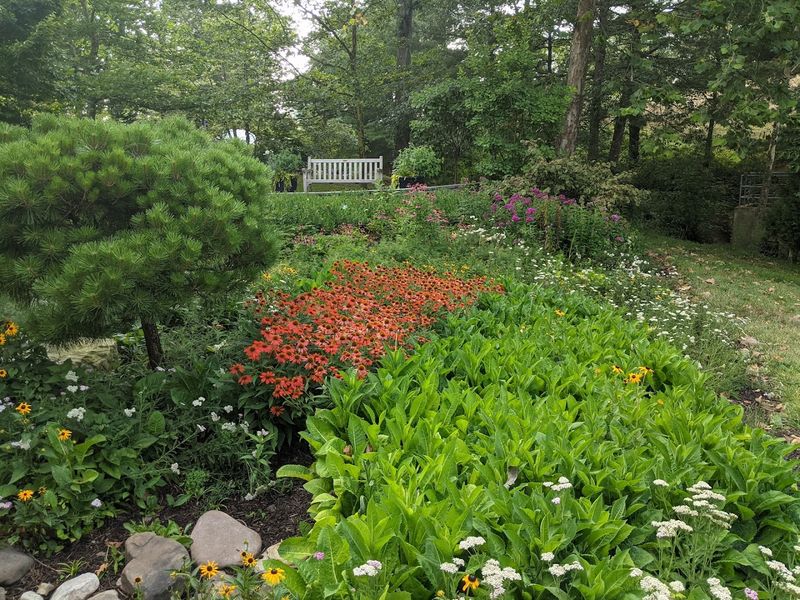
The arboretum is not just a place to walk through quickly and leave. It is genuinely set up for people who want to linger, and the picnic pavilion is a big part of that.
Shaded by mature trees and positioned near the main garden areas, it is a comfortable spot to unpack a lunch and extend your visit into a proper afternoon outing.
Benches are scattered generously throughout the property, placed at scenic overlooks, near the pond, and along the forest trails. Sitting down mid-walk and simply listening to the environment around you is one of the small pleasures the arboretum encourages without ever having to say so directly.
Restrooms are available on-site, which is a practical detail that makes longer visits much more comfortable, especially for families with young children. The overall infrastructure is modest but well thought out, supporting the kind of relaxed, unhurried visit that this space deserves.
Dog-Friendly Trails and Pet Visits
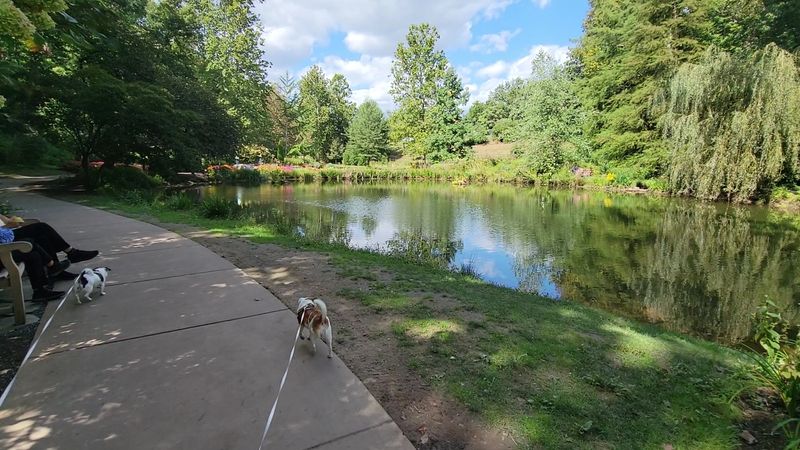
Good news for dog owners: the arboretum welcomes leashed pets on its trails, which makes it one of the more enjoyable spots in the Harrisonburg area for a combined nature and dog walk. The soft mulch trails are easy on paws, and the shaded forest sections keep things comfortable even on warmer days.
Dogs seem to enjoy the sensory richness of the environment just as much as their owners do. The variety of scents, textures, and sounds along the trails tends to keep even the most easily distracted dogs engaged and well-exercised by the end of a full loop.
A few practical notes for pet visitors: bring water for your dog, especially during summer months, since there are no dedicated pet water stations on the property. Staying on the marked trails also helps protect the native plant life that makes the arboretum so special in the first place.
Photography Opportunities Across the Grounds
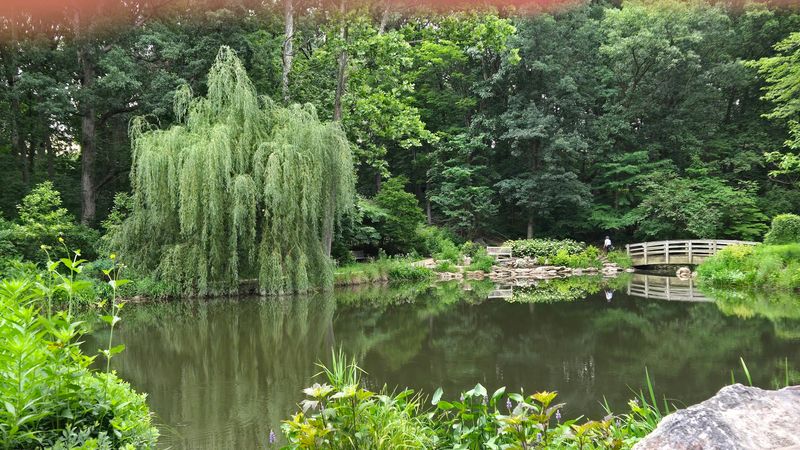
Few places in the Harrisonburg area offer as many compelling photography subjects packed into such a compact space. The pond reflections alone can occupy a photographer for a solid hour, especially during early morning when the light is soft and the water is still.
The forest trails offer dramatic shots of light filtering through the canopy, while the wildflower sections provide close-up opportunities that reward patience and a good macro lens. The footbridges and statues give structural interest to wider compositions, and the labyrinth creates a geometric contrast against the organic shapes of the surrounding trees.
Fall foliage season is peak photography time, with the hillsides shifting through every warm color on the spectrum over the course of just a few weeks. Spring wildflowers run a close second.
Whatever season you visit, bring a charged battery and more storage than you think you need, because this place fills a camera card faster than expected.
Tips for Making the Most of Your Visit
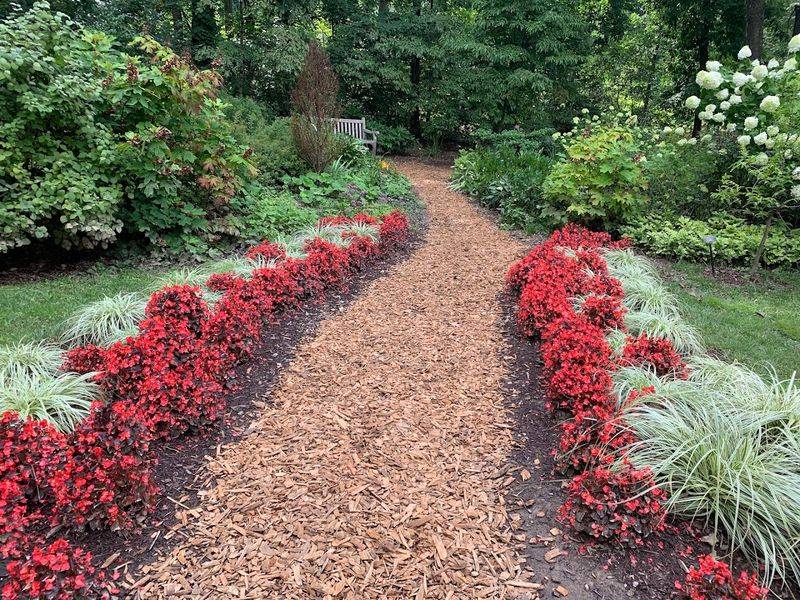
A few practical tips can make the difference between a good visit and a great one. Arriving early on weekday mornings gives you the quietest, most peaceful experience, while weekend afternoons tend to bring more families and casual visitors to the grounds.
Wear comfortable, closed-toe shoes since the dirt and mulch trails can get muddy after rain. The tree canopy provides some coverage during light rain, but a light jacket or small umbrella is worth tossing in your bag just in case the weather shifts.
Grabbing a printed map from the entrance kiosk is helpful even if you do not plan to follow it precisely, since it gives you a sense of the overall layout and helps you identify which trails you have and have not covered. The arboretum’s website at jmu.edu/arboretum also has useful information about seasonal events and educational programs available throughout the year.
Why This Place Deserves a Spot on Your Virginia Itinerary
There are plenty of green spaces in Virginia, but few combine the accessibility, variety, and genuine natural beauty that this arboretum delivers without charging a single dollar for admission. The combination of forest trails, a scenic pond, a children’s play area, a labyrinth, and native plant collections in one compact location is genuinely hard to beat.
Just two minutes from Interstate 81, the arboretum is an easy and rewarding stop for road trippers passing through the Shenandoah Valley who want something more restorative than a highway rest area. For Harrisonburg locals, it functions as a neighborhood escape that never quite gets old no matter how many times you visit.
The overall experience here is calming, grounding, and quietly memorable in a way that big-ticket attractions rarely manage to pull off. Come once out of curiosity, and there is a very good chance you will start planning your next visit before you even reach the parking lot.
Share this story