There is a zoo tucked inside a public park in central Illinois that most people drive right past without a second glance. That is a serious mistake.
The Peoria Zoo is home to over 100 species from around the world, including white rhinos, tigers, giraffes, and free-roaming wallabies, and it punches well above its weight for a mid-sized city attraction. Families who stumble upon it often end up staying for hours, and the staff passion for the animals is the kind of thing that turns a casual afternoon into a genuine memory.
Keep reading, because this place has a lot more going on than its modest reputation suggests.
Where It All Begins: Address, Location, and Setting
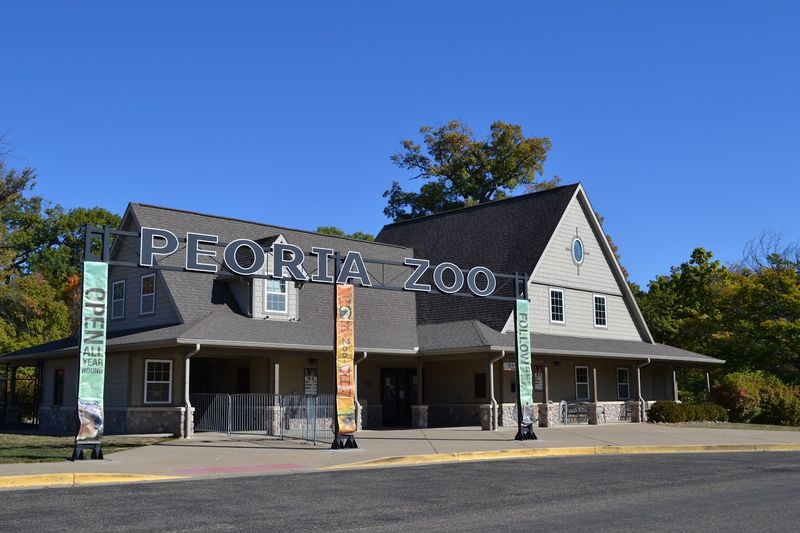
Right in the heart of Illinois, the Peoria Zoo sits at 2320 N Prospect Rd, Peoria, IL 61603, tucked inside Glen Oak Park, a sprawling public green space that gives the whole experience a refreshingly open, natural feel.
The zoo is operated by the Peoria Park District, which means it benefits from consistent community support and ongoing investment. That park-district backing shows in the well-kept grounds, clean pathways, and thoughtfully maintained exhibits.
Peoria itself is a mid-sized city along the Illinois River, roughly two hours south of Chicago and about three hours north of St. Louis. It is not the kind of city that usually tops travel bucket lists, but the zoo is genuinely one of the better-kept secrets in the Midwest.
The parking situation is worth knowing in advance. There is a small dedicated lot right at the zoo entrance, plus overflow parking scattered around the park.
On busy weekends, arriving early saves a lot of circling. The zoo is open daily from 10 AM to 5 PM, and you can reach them at +1 309-686-3365 or visit peoriazoo.org for current events and pricing.
A History Worth Knowing: The Zoo’s Origins and Growth
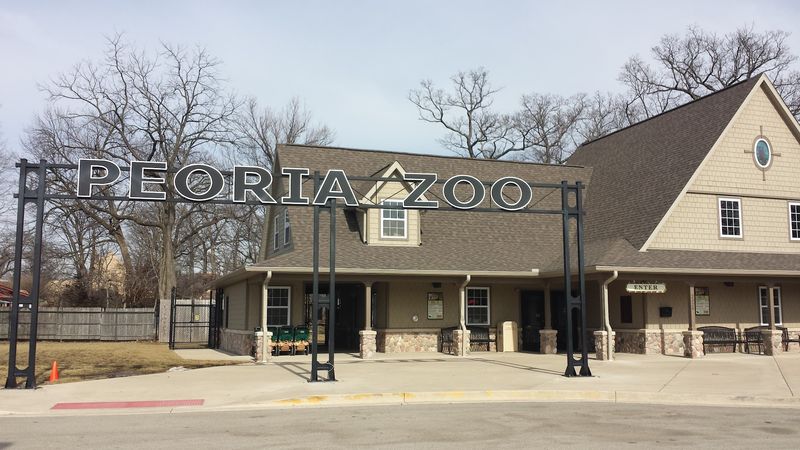
The Peoria Zoo has roots that stretch back well over a century, making it one of the older park-district animal facilities in the entire Midwest. What began as a modest collection of local wildlife has grown into a full zoo experience with species from Africa, Australia, Asia, and beyond.
The park-district model that governs the zoo is somewhat rare nationally, and it means the facility operates with a community-first mindset rather than a purely commercial one. That philosophy shapes everything from admission pricing to the educational programs offered year-round.
Over the decades, the zoo has expanded its footprint significantly, adding new exhibit areas, updating older enclosures to meet modern animal welfare standards, and building out its conservation programming. The growth has not been flashy or overnight, but steady and purposeful.
Visitors who return after a few years often notice meaningful changes, from upgraded habitats to entirely new animal additions. The zoo has clearly committed to a long-term vision rather than a quick-fix approach, and that dedication to gradual, thoughtful improvement is something that sets it apart from flashier but shallower attractions in the region.
The Animal Lineup: Over 100 Species Under One Roof
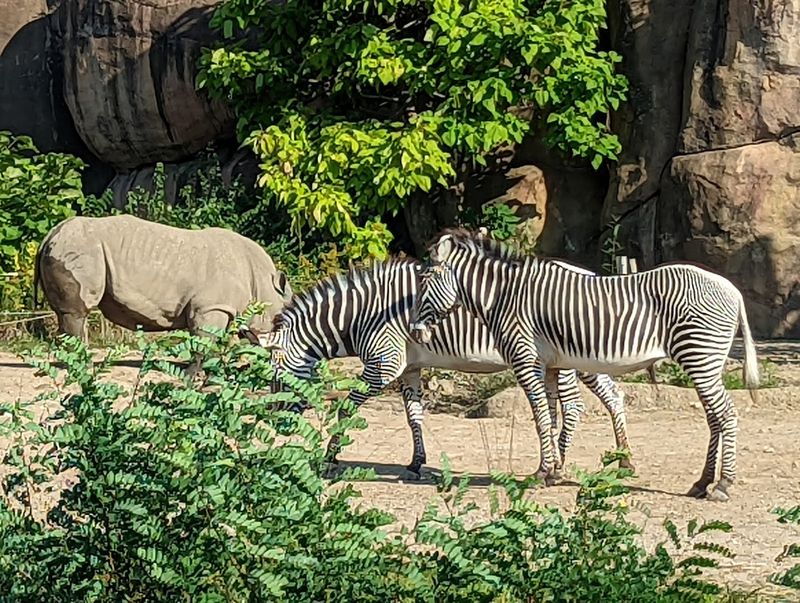
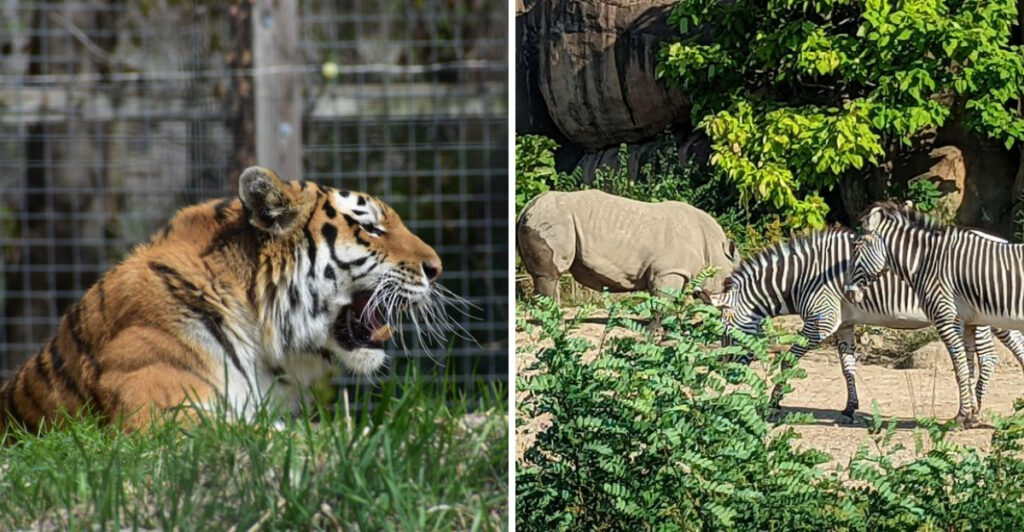
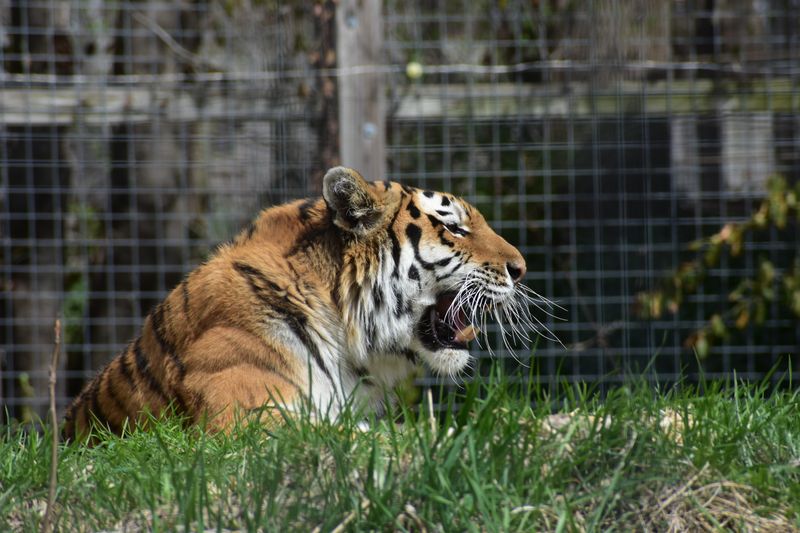
The species list at this zoo reads like a world tour in a single afternoon. White rhinos, Bengal tigers, African lions, zebras, giraffes, lemurs, primates, emus, wallabies, and a wide variety of reptiles and insects are all represented, giving visitors a genuine sense of global wildlife diversity.
For a zoo of its physical size, the variety is genuinely impressive. Many smaller regional zoos stick to familiar, easy-to-house animals.
This one has made a clear effort to include species that require more complex care and specialized environments, which speaks to the commitment of the staff and management.
Several of the animals on display fall into threatened or endangered categories, giving the zoo a conservation mission that goes beyond simple entertainment. Seeing a white rhino or a Bengal tiger up close carries real weight when you understand how precarious their wild populations have become.
The layout routes visitors past animals around nearly every turn, so there is rarely a long stretch of empty path. Even on a brisk two-hour visit, most guests manage to see the majority of the collection, which makes it an efficient and satisfying experience for families with limited time or restless little ones.
The Australian Walkabout: Where Humans Are the Ones Confined
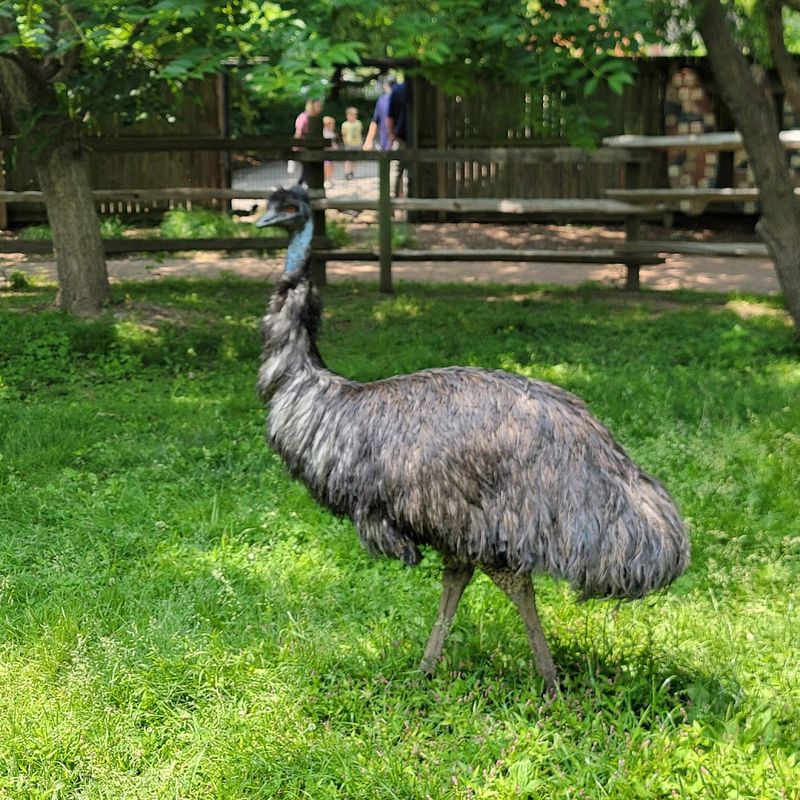
Flip the usual zoo dynamic on its head and you get the Australian Walkabout, one of the most talked-about exhibits at the Peoria Zoo. Here, the wallabies and emus roam freely across an open space while visitors are the ones restricted to a designated path running through the habitat.
It sounds like a small twist, but the effect is surprisingly powerful. Standing a few feet from a wallaby that has absolutely no interest in being impressed by your presence is a humbling and oddly delightful experience.
The animals go about their business with complete indifference, which somehow makes the encounter feel more authentic than a standard enclosure visit.
The emus, for their part, have a way of staring at you that suggests they have already judged you and found you mildly disappointing. They are, in a word, characters.
Kids especially love the unpredictability of not knowing exactly where the animals will wander next.
This exhibit alone is worth the price of admission for many visitors, and it tends to be the section people mention first when describing their trip. Plan to spend a little extra time here, because the animals rarely cooperate with anyone who is in a hurry.
Giraffe Feeding: The Experience That Stays With You
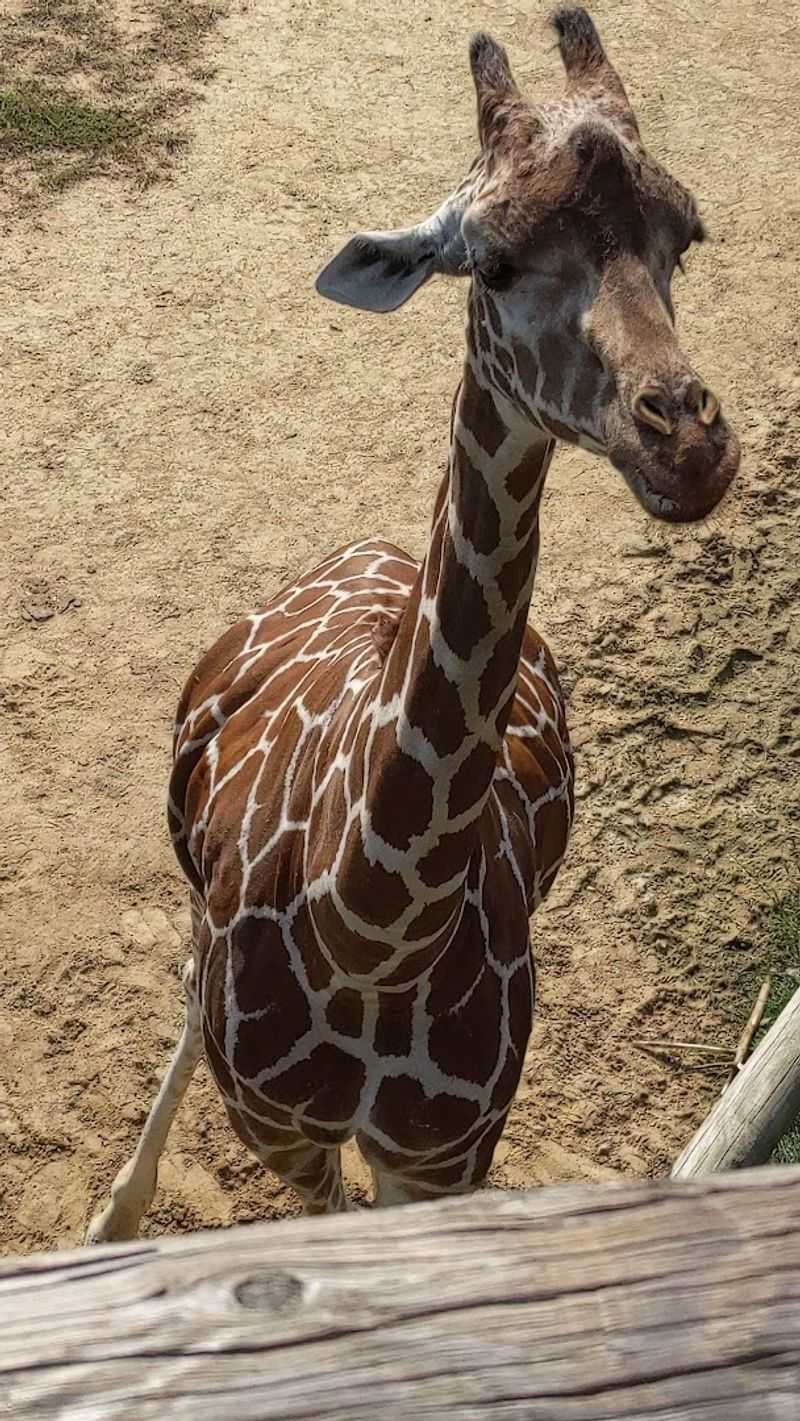
There are certain travel moments that lodge themselves permanently in your memory, and hand-feeding a giraffe is one of them. The Peoria Zoo offers scheduled giraffe feeding sessions that let visitors get genuinely close to these towering animals, close enough to feel the surprisingly rough texture of a giraffe’s tongue as it takes food from your hand.
Feeding sessions are typically offered during specific windows, generally around midday and early afternoon, so checking the schedule before you visit is a smart move. Staffing levels can occasionally affect availability, so calling ahead on the day of your visit is worth the two-minute phone call.
The giraffe enclosure itself is well-designed, with a raised platform that brings visitors to a more eye-level interaction with the animals. It removes the awkward neck-craning that can make giraffe viewing feel distant and impersonal at other facilities.
Zookeepers stationed at the feeding area share interesting details about the animals, their personalities, and their care routines. First-timers and repeat visitors alike tend to walk away from this experience with a new appreciation for just how large and quietly graceful these animals really are.
It is the kind of encounter that makes wildlife conservation feel personal rather than abstract.
The White Rhino Exhibit: Face to Face With an Endangered Giant
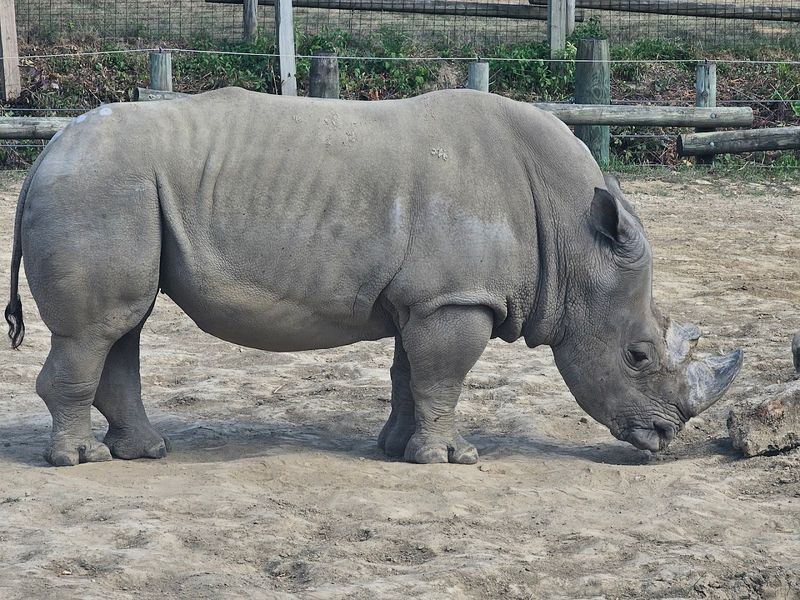
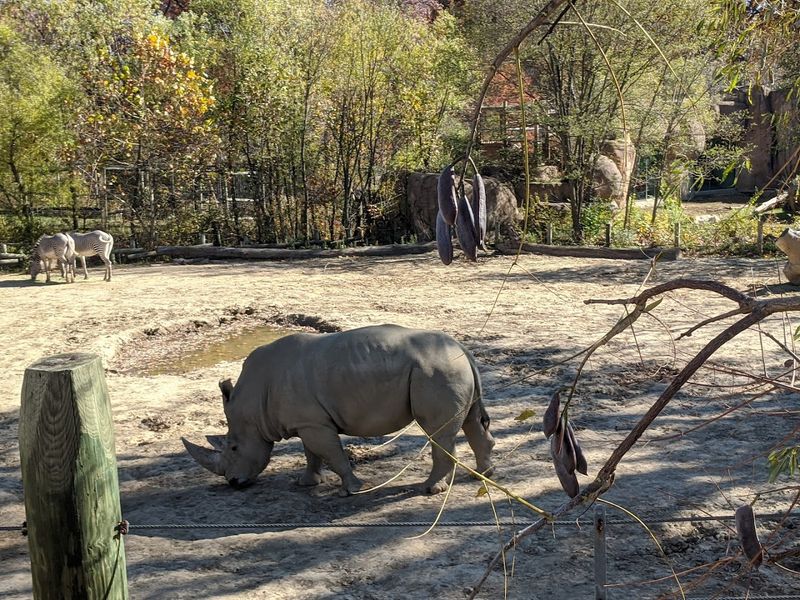
White rhinos are one of the most visually arresting animals on the planet, and the Peoria Zoo gives visitors a genuinely close look at these massive, endangered creatures. The exhibit is set up so that rhinos can approach the viewing area naturally, which means some visits reward you with an unexpectedly intimate encounter.
Southern white rhinos are classified as near-threatened, with their northern cousins in an even more precarious situation globally. Seeing one in person shifts the conservation conversation from an abstract news story to something you can feel standing right in front of you.
The sheer scale of the animal, the prehistoric texture of its skin, and the quiet, deliberate way it moves are all genuinely striking.
The zoo staff take the educational opportunity seriously at this exhibit, and informational signage explains the species’ history, threats, and the global efforts underway to protect remaining populations. It is the kind of context that makes a zoo visit feel meaningful rather than simply recreational.
Families with children who have only seen rhinos in books or on screens tend to have a visible reaction when they encounter one live. The white rhino exhibit consistently ranks among the most memorable stops on the Peoria Zoo circuit, and it earns that reputation every single time.
Staff and Zookeepers: The People Who Make It Work
A zoo is only as good as the people running it, and the Peoria Zoo has built a team that genuinely cares about both the animals and the visitors. Zookeepers are frequently visible throughout the grounds, and they tend to stop and chat when visitors have questions, sharing specific details about individual animals rather than rehearsed talking points.
The educational programming at the zoo is a particular standout. Handlers who conduct up-close animal encounters, including sessions involving turtles and other smaller species, have a way of making children feel genuinely comfortable and curious rather than nervous or overwhelmed.
That kind of skill does not happen by accident; it reflects real training and personal investment.
Staff members also get down to children’s eye level during interactions, a small but meaningful detail that makes younger visitors feel seen and included. Parents consistently notice and appreciate this approach, which transforms what could be a passive observation into an active learning moment.
The passion the team brings to their work is palpable throughout the zoo. From the person leading a giraffe feeding to the keeper quietly monitoring an exhibit, there is a consistent sense that everyone here actually wants to be here.
That energy is contagious, and it elevates the entire visitor experience considerably.
Special Events and Seasonal Highlights Throughout the Year
The Peoria Zoo does not coast on its regular lineup alone. Throughout the year, the zoo hosts a rotating calendar of events that give repeat visitors fresh reasons to come back and first-timers an extra layer of excitement to look forward to.
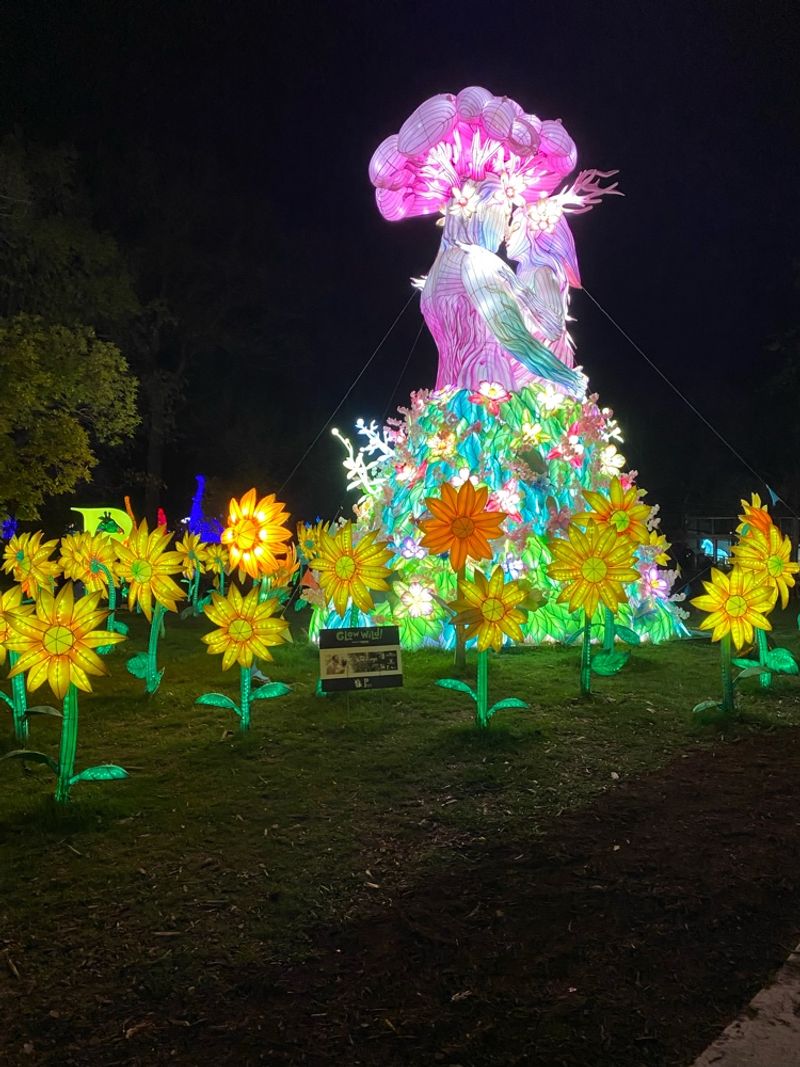
Seasonal highlights include themed events tied to holidays, light installations that transform the grounds after dark, and special feeding or encounter opportunities that go beyond the standard daily schedule. The zoo has also hosted unique events like Fathers and Floats on Father’s Day, which combine animal viewing with a festive, community-centered atmosphere.
Halloween season brings Zootober, a fall event that adds decorations, activities, and a different energy to the usual zoo visit. The light displays that appear during certain events have drawn particular praise for their creativity and visual impact, turning a familiar space into something that feels genuinely new.
The zoo also offers venue rental for private events, including weddings and receptions, which is the kind of unexpected detail that stops people mid-sentence when they hear it for the first time. Getting married with giraffes in the background is, objectively, a memorable choice.
Checking the events calendar before planning a visit is always worth a few minutes of your time.
Practical Tips for Planning Your Visit
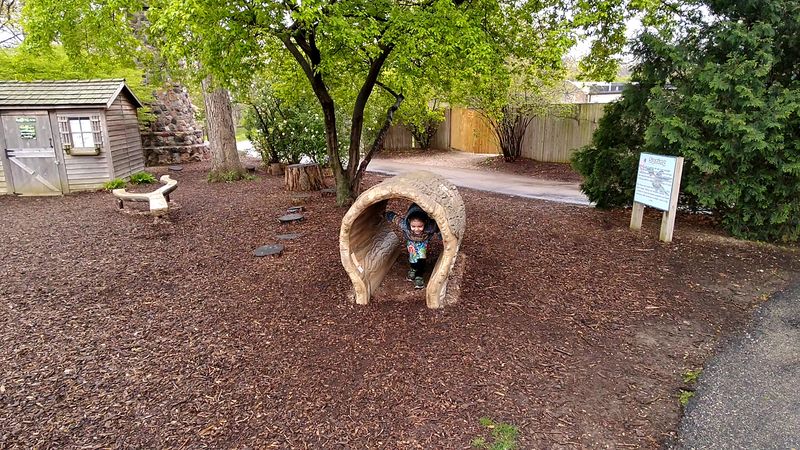
A little advance planning goes a long way at the Peoria Zoo, and knowing a few practical details before you arrive can make the difference between a smooth outing and an unnecessarily frustrating one. The zoo is open every day from 10 AM to 5 PM, which gives most families a comfortable window to see everything without feeling rushed.
Weekday mornings are the quietest time to visit, and arriving early on weekends is strongly recommended since parking is limited. The small lot near the entrance fills quickly, and the overflow options scattered around Glen Oak Park require a bit of a walk.
Comfortable shoes are a practical necessity since the paths include some hilly and uneven terrain.
Strollers and wagons navigate the grounds reasonably well, though the hilly sections require a bit of extra effort. The zoo has an indoor food stand offering hot dogs, pretzels, popcorn, and chips, along with both indoor and outdoor shaded seating areas.
Prices at the concession stand are elevated but not extreme.
Membership passes offer excellent value for local families who plan to visit more than once or twice per year. The zoo also accommodates service animals, and the staff is generally knowledgeable about accessibility needs across the grounds.
Why This Illinois Zoo Deserves Far More Attention
The Peoria Zoo does not have the marketing budget of a major metropolitan zoo, and it does not need one. What it has instead is a genuine, community-rooted identity that larger institutions often struggle to manufacture.
The animals are well cared for, the grounds are consistently clean, and the staff treat every visitor like someone worth talking to.
For travelers passing through central Illinois, the zoo makes for an ideal half-day stop that delivers far more than its modest profile suggests. Families road-tripping across the Midwest, including those coming from as far as Oklahoma, have made it a regular annual detour, and it is easy to understand why once you have experienced it firsthand.
The conservation angle also adds real depth to a visit. Knowing that the animals on display include genuinely endangered species, and that the zoo actively participates in education and awareness efforts, makes the whole experience feel purposeful rather than purely recreational.
Whether you are a Peoria local who has somehow never made it through the gates, or a traveler from Oklahoma or anywhere else looking for something unexpected along your route, this zoo rewards the visit every single time. It is the kind of place that reminds you why community institutions, done right, are worth protecting and celebrating.
Share this story