Julia Davis Park is the heart of downtown Boise’s outdoor scene. Spanning nearly 90 acres along the Boise River, it brings together many of the city’s most popular attractions, including a zoo, museums, gardens, public art, and miles of scenic pathways.
Visitors can spend the day exploring cultural landmarks, strolling through the historic rose garden, relaxing by the pond, or connecting to the city’s extensive riverfront trail system. Despite the variety of attractions packed into one space, the park never feels crowded or overwhelming.
It’s a destination that blends recreation, history, and community in a way few urban parks can match, making it a must-visit stop in Boise.
Where It All Begins: Address, Location, and First Impressions
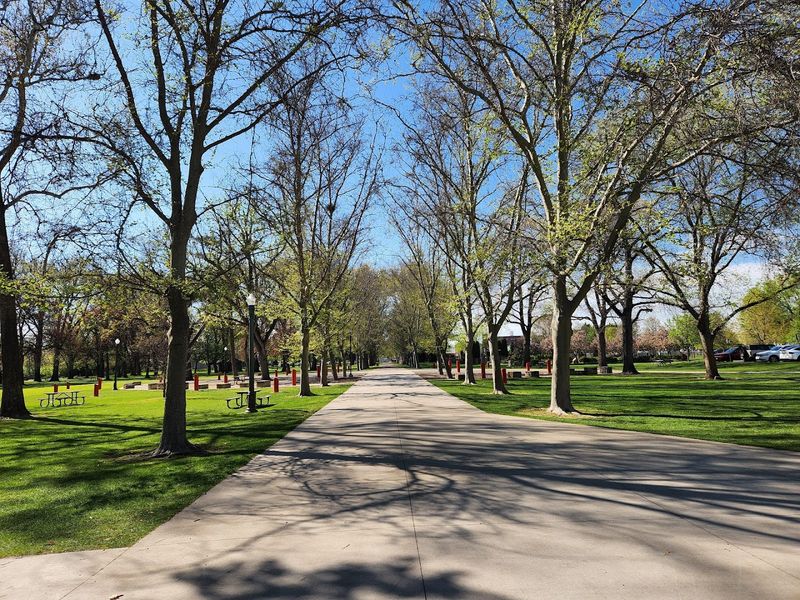
The moment you arrive at 700 S Capitol Blvd, Boise, ID 83702, it is obvious that this park was designed to be the city’s front yard. Julia Davis Park sits in the heart of downtown Boise, Idaho, just south of the Capitol Boulevard bridge, with the Boise River running along its northern edge.
The park is open daily from 7 AM to midnight, and the phone number for the Parks and Recreation department is 208-608-7600. Parking is available along the perimeter, and the park connects directly to the Boise River Greenbelt, making it easy to arrive by bike or on foot.
First impressions here are hard to shake. The canopy of mature trees filters the sunlight into something almost cinematic, and the wide paved paths invite you to wander without any particular plan.
It earns its 4.7-star rating from thousands of visitors almost immediately upon arrival.
A Gift to the City: The Story Behind the Park’s Creation
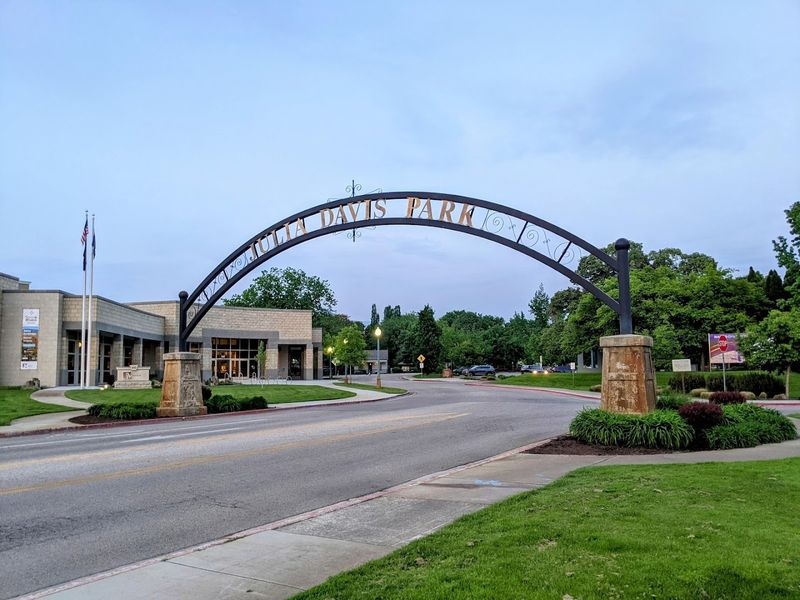
Not every park has a love story attached to it, but this one does. Thomas Jefferson Davis donated the land that became Julia Davis Park in memory of his wife, Julia Davis, and the City of Boise officially established the park in 1907, making it the oldest municipal park in the city.
That original donation set off a chain reaction. The park became the first link in what is now called the “String of Pearls” or “Ribbon of Jewels,” a connected series of parks that runs along the Boise River through the city.
The concept of threading green spaces together along a waterway was genuinely forward-thinking for that era.
Over the decades, cultural institutions, memorials, and gardens were added one by one, each building on the foundation that Thomas Davis laid. The park today is essentially a living monument to what a single generous act can grow into across more than a century of community investment.
The Rose Garden That Has Been Blooming Since 1939
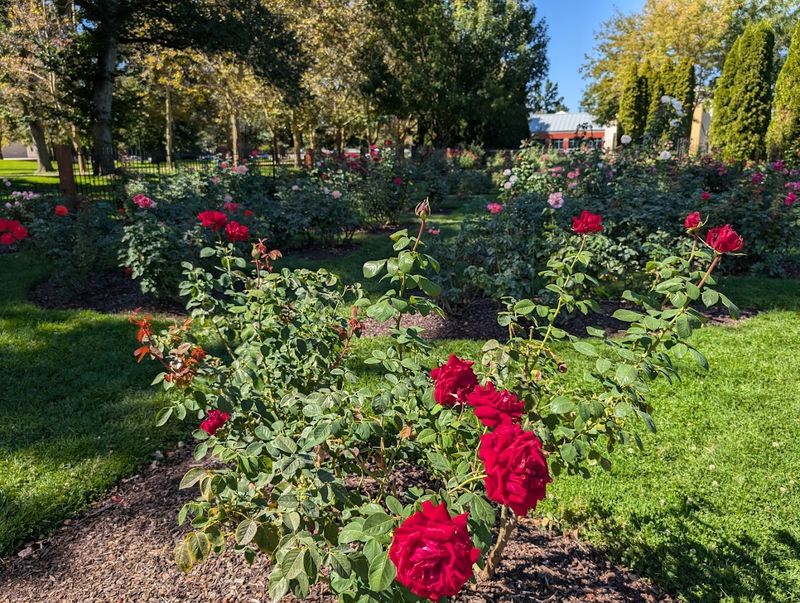
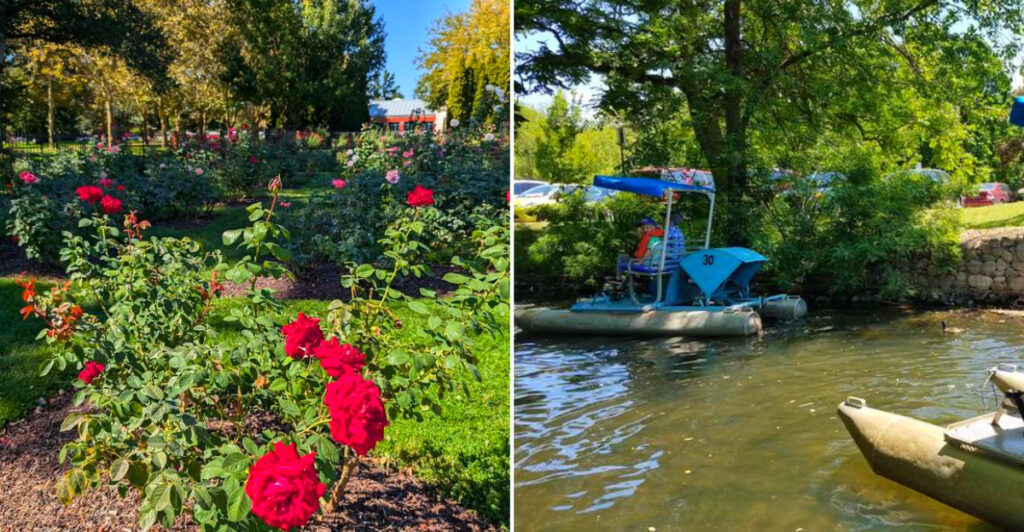
Few things in Boise smell as good on a June morning as the Julia Davis Rose Garden. First conceptualized in 1935 and officially dedicated in 1939, this garden holds somewhere between 2,400 and 2,800 roses arranged in carefully maintained beds that cover a generous stretch of the park’s interior.
The garden received Public Rose Garden accreditation in 1992, which is a formal recognition that its collection meets specific standards of variety, care, and public accessibility. That accreditation is not handed out casually, and the garden earns it every season with blooms that range from deep crimson to pale champagne.
It is also one of the most popular wedding ceremony locations in the city, and it is easy to see why. The combination of fragrance, color, and the backdrop of tall trees creates a setting that photographs beautifully in any light.
Even if flowers are not usually your thing, this garden has a way of changing that opinion quickly.
Four Museums in One Park: A Cultural Lineup Worth the Walk
Most city parks have a bench and maybe a fountain. Julia Davis Park has four museums, which is a fact that still surprises people when they hear it for the first time.
The Boise Art Museum, the Idaho State Historical Museum, the Idaho Black History Museum, and the Discovery Center of Idaho all share the park’s grounds.
The Boise Art Museum focuses on contemporary and modern works and has a rotating schedule of exhibitions that keeps the experience fresh on repeat visits. The Idaho State Historical Museum covers the broader sweep of the region’s past, while the Idaho Black History Museum provides an important and often underrepresented perspective on the state’s cultural story.
The Discovery Center of Idaho is the one that brings families with younger kids running through the door, with hands-on science exhibits designed to make learning feel like play. Having all four institutions within walking distance of each other makes the park function as a genuine cultural campus rather than just a green space with buildings nearby.
Zoo Boise: Surprisingly Personal Animal Encounters
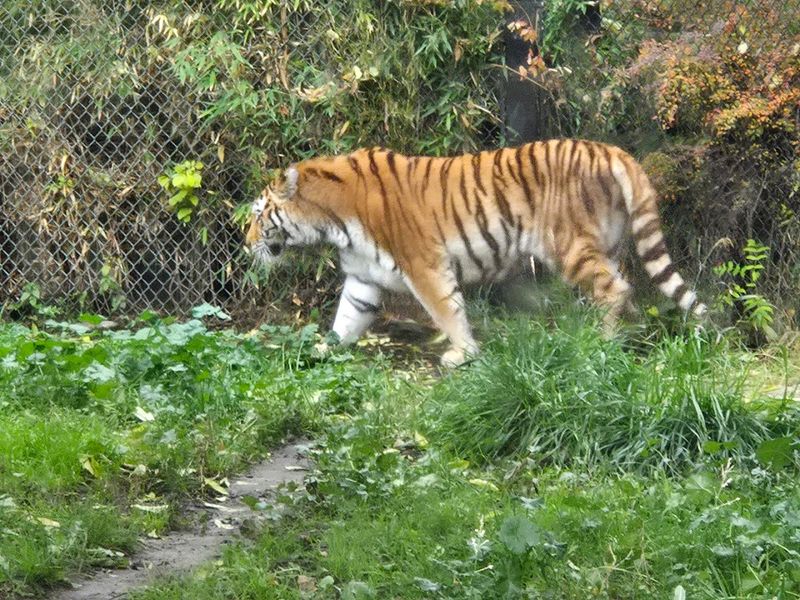
Zoo Boise does not try to compete with massive metropolitan zoos, and that restraint is actually one of its strongest qualities. The enclosures are designed to allow genuinely close-up viewing, and the experience feels personal rather than crowded and overwhelming.
A Bengal tiger walking past the viewing glass just a few feet away is the kind of moment that stops you mid-sentence. The red panda exhibit draws consistent praise, and the giraffe feeding experience adds an interactive element that makes the visit memorable for kids and adults alike.
Arriving early in the day or during the late afternoon tends to catch the animals at their most active.
Admission is reasonably priced, outside food is permitted, and free ice water is available near the entry area. The zoo also participates in conservation programs, which gives the whole visit a sense of purpose beyond entertainment.
It connects to the broader park seamlessly, so you can move between the zoo and the green space without losing your stride.
The Boise River Greenbelt: Miles of Trails Right Through the Park
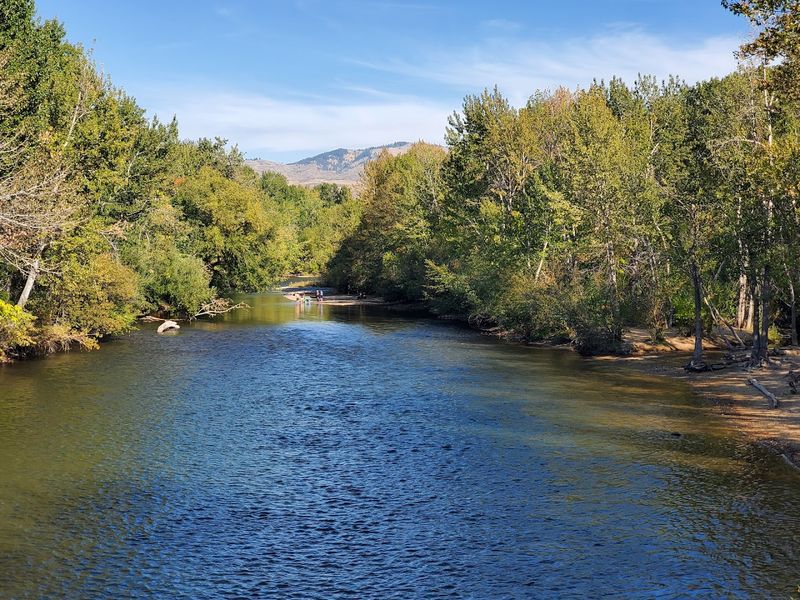
The Boise River Greenbelt passes directly through Julia Davis Park, and that connection transforms the park from a destination into a gateway. The greenbelt stretches for miles along the river, and the section that runs through the park is one of the most scenic and heavily used segments of the entire trail system.
Cyclists, joggers, walkers, and people on electric bikes all share the path without much tension, largely because the trail is wide and well-maintained. Renting electric bikes or scooters near the park is a popular option for visitors who want to cover more ground without wearing themselves out before lunch.
The river itself adds a constant soundtrack to any walk through this section, and the mature tree canopy overhead keeps temperatures noticeably cooler than the surrounding streets during Boise’s warm summers. The Bob Gibb Friendship Bridge connects the park and the greenbelt to Boise State University on the opposite bank, making the trail network feel genuinely interconnected across the city.
The Duck Pond, Paddle Boats, and the Simple Joy of Doing Nothing
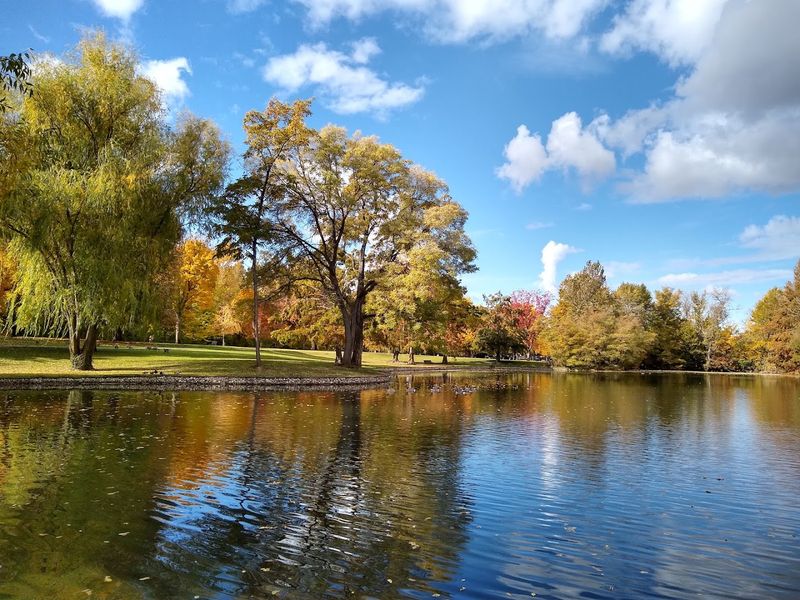
There is something quietly satisfying about sitting on a bench beside the duck pond at Julia Davis Park and watching the world slow down. The pond sits comfortably within the park’s interior, ringed by benches and shaded by trees, and it attracts a reliable population of ducks, geese, and the occasional ambitious squirrel looking for a handout.
Paddle boat rentals are available here, and they are exactly the kind of low-key activity that makes an afternoon feel well spent without requiring any particular skill or planning. In spring, the pond becomes a nursery of sorts, with baby geese and ducklings wandering the surrounding grass in a way that makes it nearly impossible to leave quickly.
The benches fill up on warm afternoons with people reading, talking, or simply watching the birds, and the atmosphere is unhurried in a way that downtown parks rarely manage to achieve. This corner of the park is proof that sometimes the simplest feature is the one that people return to most often.
Public Art and Memorials That Give the Park Real Depth
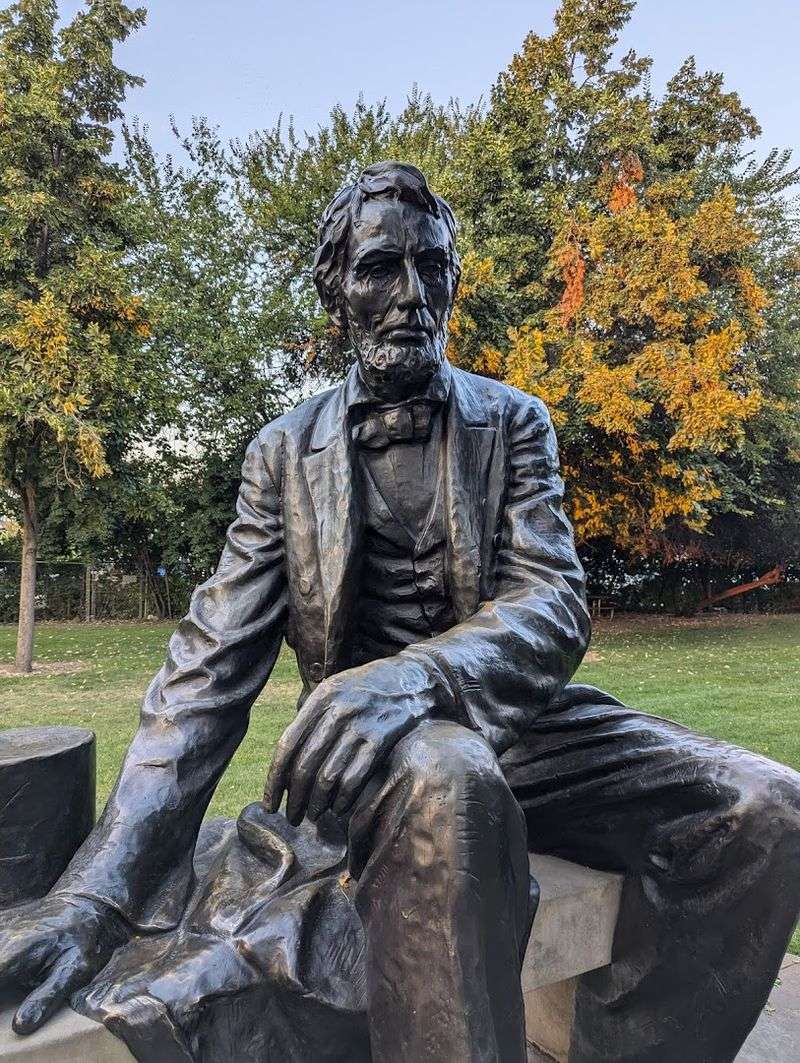
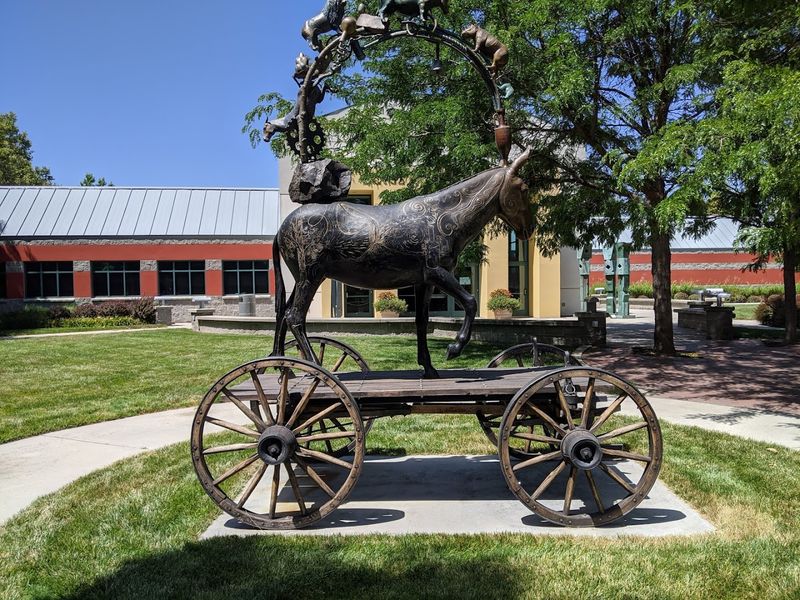
Scattered throughout Julia Davis Park are memorials and public art installations that reward slow, attentive walking. The Abraham Lincoln Statue stands as one of the more striking landmarks, and encountering it unexpectedly among the trees creates a genuinely memorable moment.
The Richard and Annette Bloch Cancer Survivor Plaza and the Childhood Cancer Pavilion bring a quiet, reflective tone to a section of the park that balances the surrounding activity without feeling out of place. The Window to the River Memorial adds another layer of thoughtful design to the park’s collection of public spaces.
These installations do not shout for attention. They are placed with enough space around them to allow for genuine reflection, and the park’s mature landscaping frames each one in a way that feels considered rather than accidental.
For visitors who take the time to seek them out, these memorials turn a pleasant walk into something with a bit more meaning attached to it.
The Gene Harris Bandshell and the Park’s Event Calendar
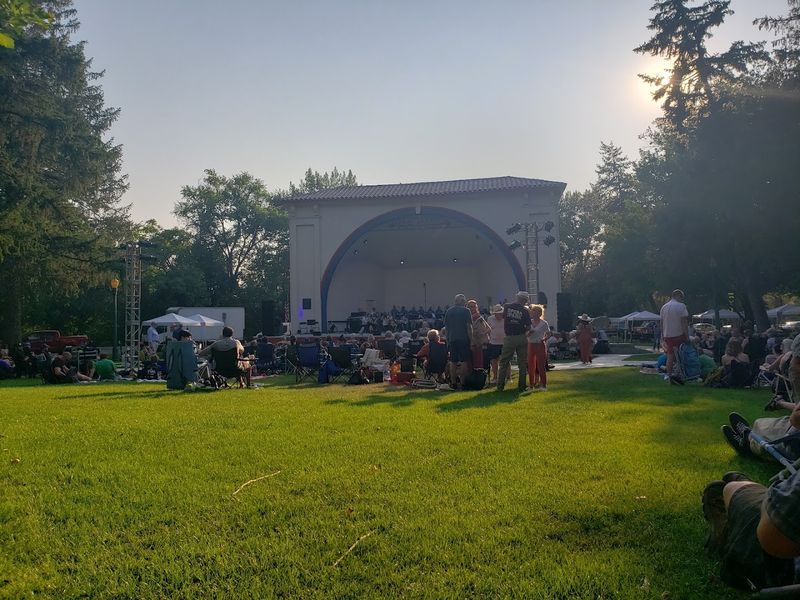
On summer evenings, the Gene Harris Bandshell becomes the social center of Julia Davis Park. The open-air stage hosts concerts, performances, and community events throughout the warmer months, drawing crowds that spread out across the surrounding lawn with blankets and folding chairs.
The bandshell is named after Gene Harris, a celebrated jazz pianist who called Boise home for many years, and the naming choice reflects the city’s genuine appreciation for his legacy. Events here range from jazz and classical performances to community festivals, and the setting makes even a modest performance feel like a special occasion.
The annual Art in the Park event is one of the bigger gatherings held on the park’s grounds, bringing together vendors, food trucks, and live entertainment in a format that showcases the park’s capacity for large-scale community use. The combination of the bandshell, the open lawns, and the three reservable pavilions makes Julia Davis Park one of the most versatile event venues in the city.
The Solar System Trail: A Science Walk Hidden in Plain Sight
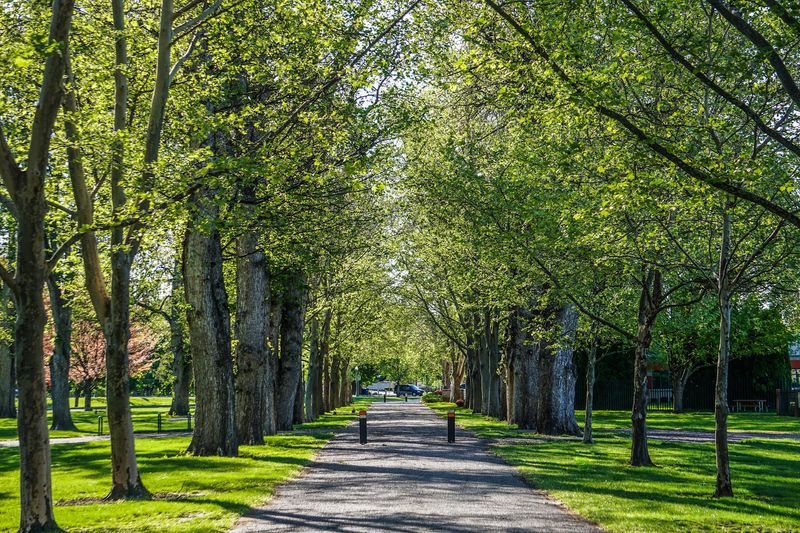
Not everyone who visits Julia Davis Park knows about the Solar System Trail, and that is a shame because it is one of the more creative features tucked into the park’s layout. The trail presents a scale model of the solar system, with markers placed at distances proportional to the actual spacing between the planets.
Walking the trail gives you a physical sense of just how vast the distances in our solar system actually are, which is something that no diagram in a textbook quite manages to communicate. It is the kind of exhibit that works equally well for curious adults and school-age kids who are just starting to think about space.
The trail blends into the park’s existing pathways naturally, so you can follow it as a dedicated walk or stumble across the markers organically during a longer stroll. It is a small feature in terms of physical space, but it adds an unexpected layer of educational interest to a park that already offers quite a lot to discover around every corner.
Playgrounds, Tennis Courts, and Pavilions for Active Days
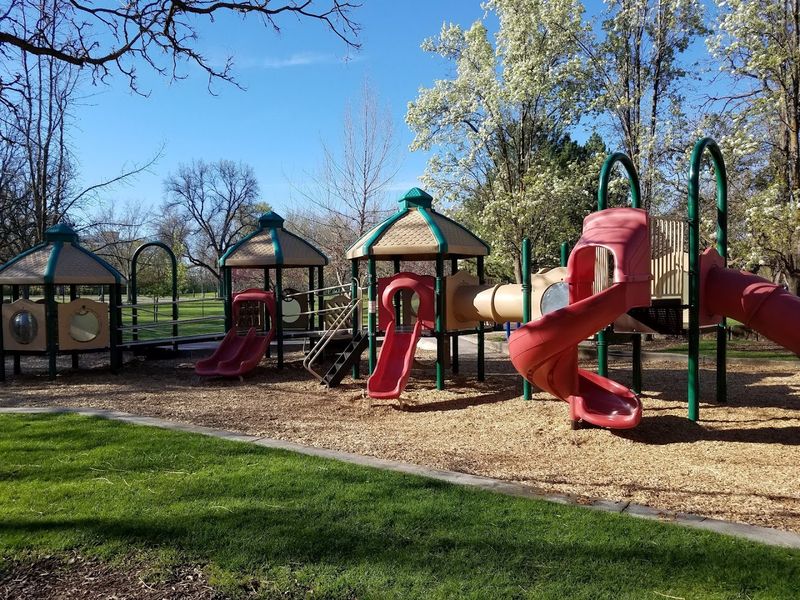
Julia Davis Park does not run short on things to do for people who prefer their park time to involve actual movement. The playgrounds are well-maintained and popular with families, and the tennis courts offer a chance to get a proper workout without leaving the park grounds.
Three reservable pavilions are available for groups who want a dedicated covered space for gatherings, birthday parties, or community events. The pavilions are spread across the park in a way that keeps large groups from overwhelming any single area, which helps the overall atmosphere stay relaxed even when multiple events are happening simultaneously.
Public restrooms are accessible throughout the park, which is the kind of practical detail that makes a real difference on a full-day visit. Dogs are welcome on leash, and the wide open lawns give them plenty of room to move around comfortably.
The park genuinely earns its reputation as a place where the whole family, including the four-legged members, can find something enjoyable to do.
Planning Your Visit: Seasons, Tips, and What to Expect
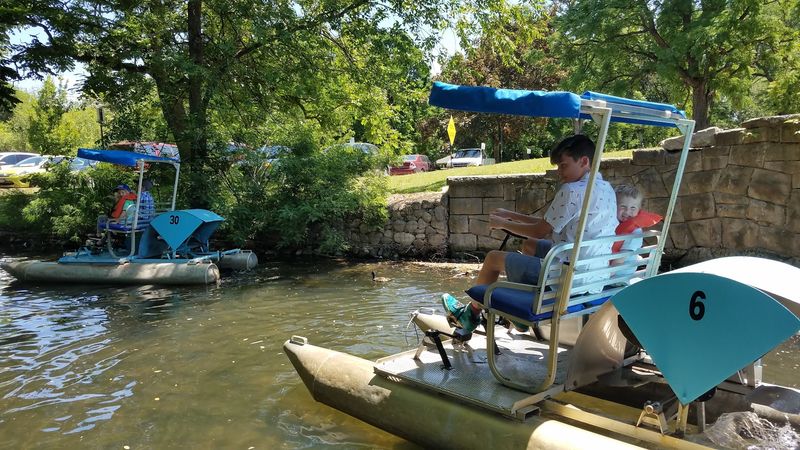
Julia Davis Park is worth visiting in every season, though each one offers a noticeably different experience. Summer brings the fullest activity level, with the bandshell in use, the rose garden at peak bloom, paddle boats on the pond, and the Greenbelt busy with cyclists and joggers from early morning onward.
Fall is genuinely spectacular here. The mature trees turn gold, orange, and deep red in a way that transforms the park into something almost painterly, and the cooler temperatures make long walks far more comfortable than the summer heat allows.
Winter visits are quieter but not without charm, and the park’s structure becomes more visible once the leaves have dropped.
Arriving on a weekday avoids the heaviest crowds, especially at Zoo Boise. The park opens at 7 AM daily and stays open until midnight, giving you a wide window to plan around your schedule.
Bringing a picnic is always a smart move, since the lawns and shaded spots make it easy to find a comfortable place to settle in for a while.
Share this story