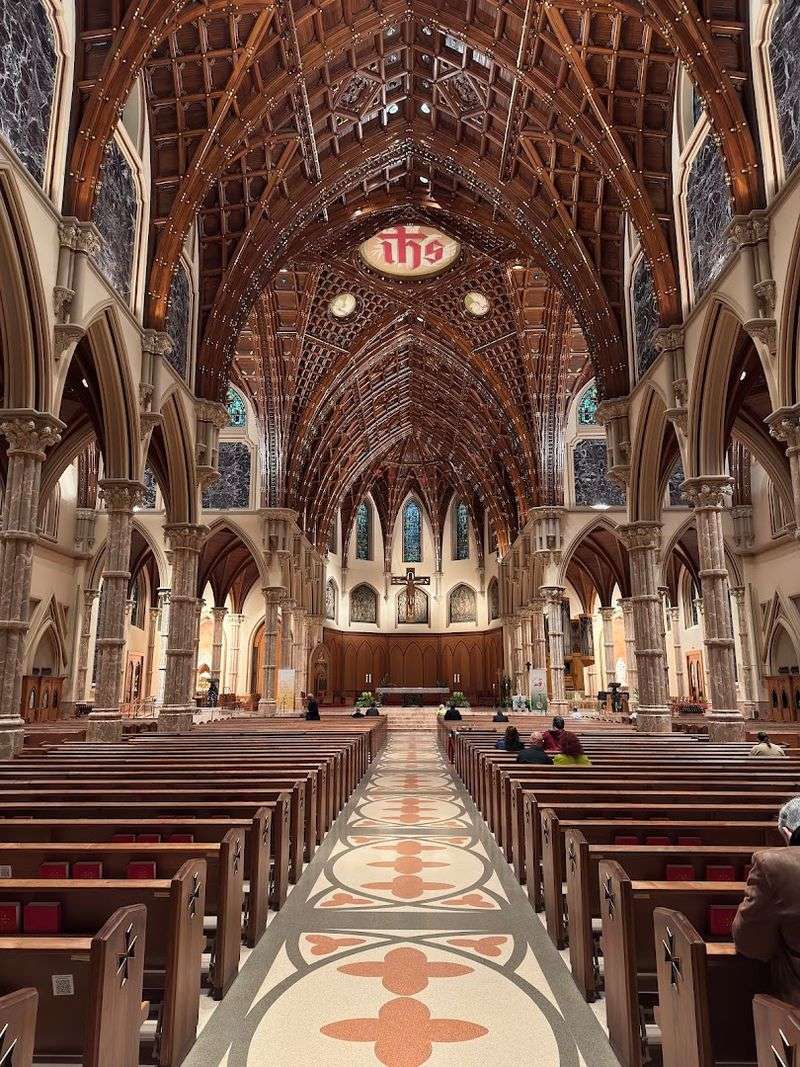
There is a place in the heart of Chicago where the noise of the city seems to dissolve the moment you cross the threshold. The vaulted wooden ceiling overhead, the warm glow of stained glass, and the quiet hum of reverence in the air create something that is hard to put into words.
This cathedral has been standing since 1875, surviving fires, city transformations, and generations of change, yet it still draws visitors and worshippers with the same magnetic pull it always has. Keep reading to find out what makes this landmark so extraordinary and why so many people call it one of the most beautiful sacred spaces in the entire country.
A Landmark Address on State Street
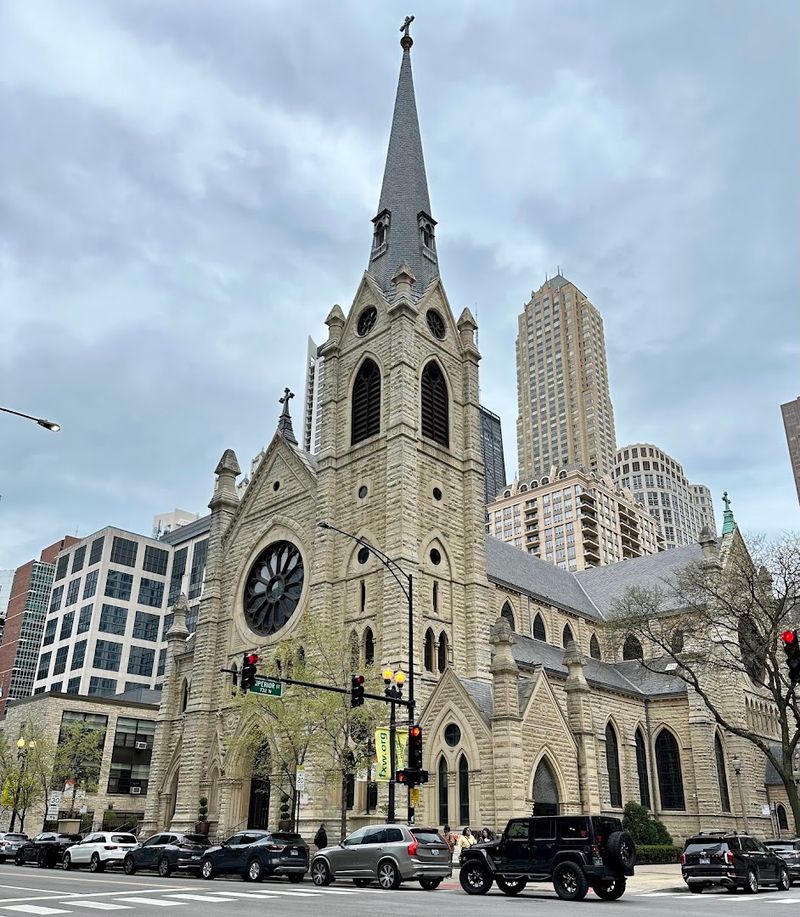
Right in the middle of one of Chicago’s most recognized corridors, Holy Name Cathedral stands at 735 N State St, Chicago, IL 60654. The address alone tells you something about its status.
This is not a tucked-away chapel on a quiet lane; it occupies prime real estate in the Near North Side neighborhood, surrounded by the energy of downtown Chicago.
The cathedral serves as the mother church of the Archdiocese of Chicago, which gives it a significance that goes well beyond its physical beauty. Every bishop and cardinal who has led this archdiocese has called this building home base, and that tradition stretches back nearly 150 years.
Getting there is straightforward. The Red Line stop at Chicago Avenue is just a short walk away, and several bus routes pass directly along State Street.
Parking on a busy Sunday can be a puzzle, so arriving early or using public transit tends to make the experience much smoother. The cathedral is open Monday through Friday from 6:30 AM to 5 PM, Saturday from 7:30 AM to 6:30 PM, and Sunday from 6:30 AM to 6:30 PM.
The History Behind the Walls
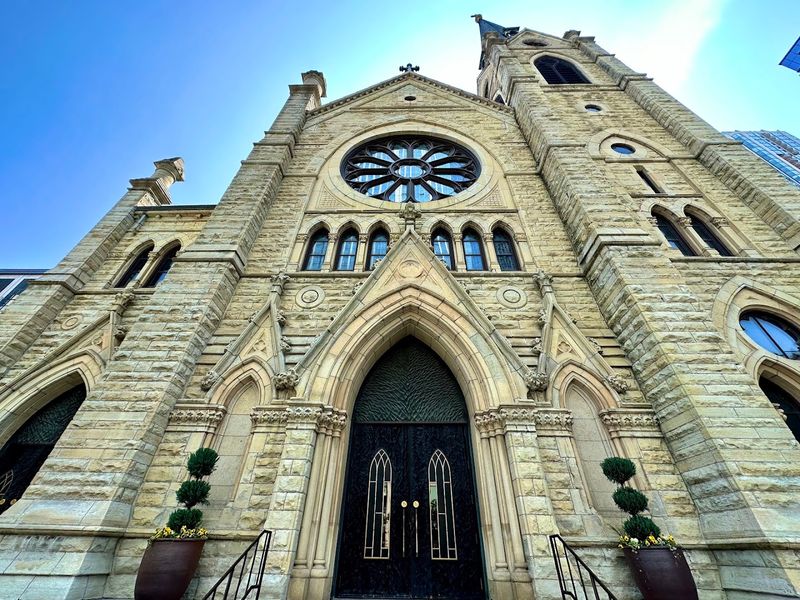
Few buildings in Chicago carry as much layered history as this one. The original Holy Name Church on this site was destroyed in the Great Chicago Fire of 1871, which swept through the city and left very little standing in its path.
Rather than give up, the Catholic community rebuilt, and the current cathedral was consecrated in 1875, rising from the ashes with ambition and craftsmanship.
That act of rebuilding says a lot about the spirit of the people who made this cathedral what it is. The structure was designed in the Gothic Revival style, a choice that communicates permanence and grandeur, two things the community clearly wanted to project after such a devastating loss.
Over the decades, the cathedral has been renovated and updated several times while preserving its historic character. It has hosted events of enormous civic and religious significance, from the funerals of prominent Chicago figures to celebrations that drew thousands of the faithful.
Each renovation has tried to honor what came before while making the space functional for new generations of worshippers and visitors who arrive curious about its story.
Gothic Revival Architecture Up Close
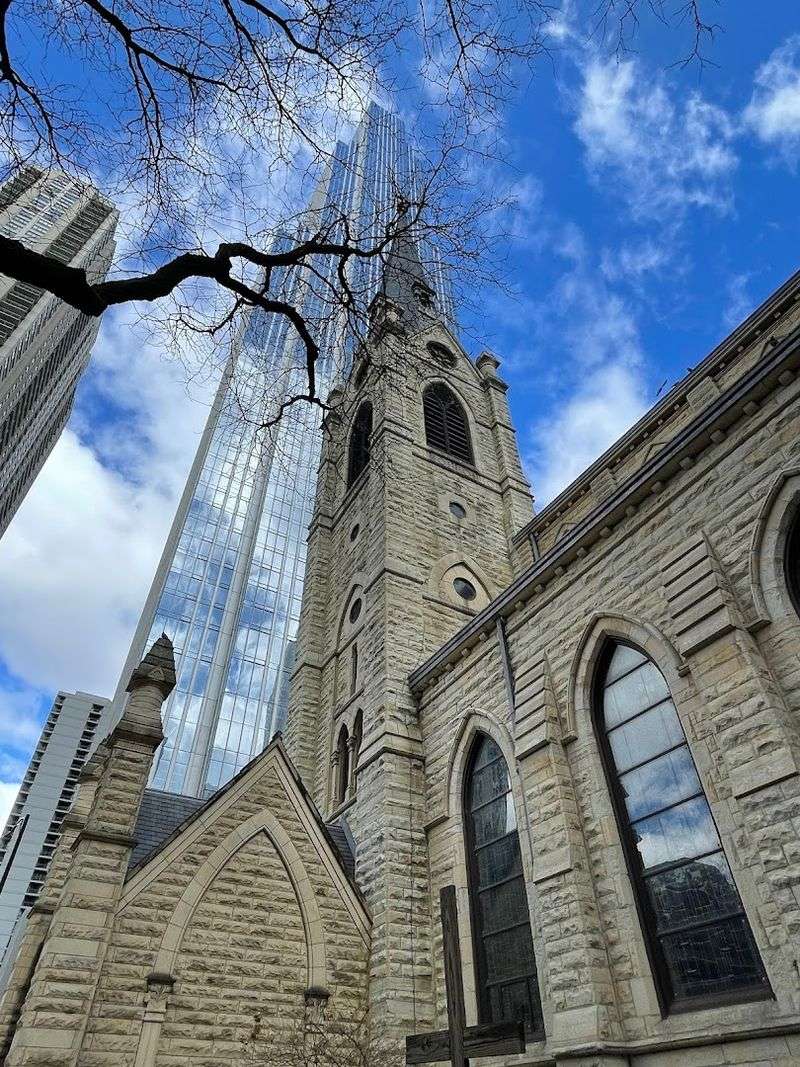
The architectural style of this cathedral is Gothic Revival, a design movement that borrowed heavily from the grand cathedrals of medieval Europe and adapted them for 19th-century America. The result here is a building that feels both rooted in tradition and entirely unique to its Chicago setting.
From the outside, the stone facade and pointed elements signal something serious and intentional. The proportions are confident without being overwhelming, which is part of why the building fits so naturally into its urban surroundings while still commanding attention from anyone passing by on State Street.
Up close, the details reward a slower look. The carved stonework, the decorative capitals on the columns inside, and the careful symmetry of the layout all reflect the skill of the craftspeople who built this place.
Architecture enthusiasts who make a habit of visiting great churches often note that Holy Name Cathedral is charmingly on the smaller side compared to the great European cathedrals, but that intimacy actually works in its favor, making the space feel personal rather than distant or cold.
The Magnificent Wooden Ceiling
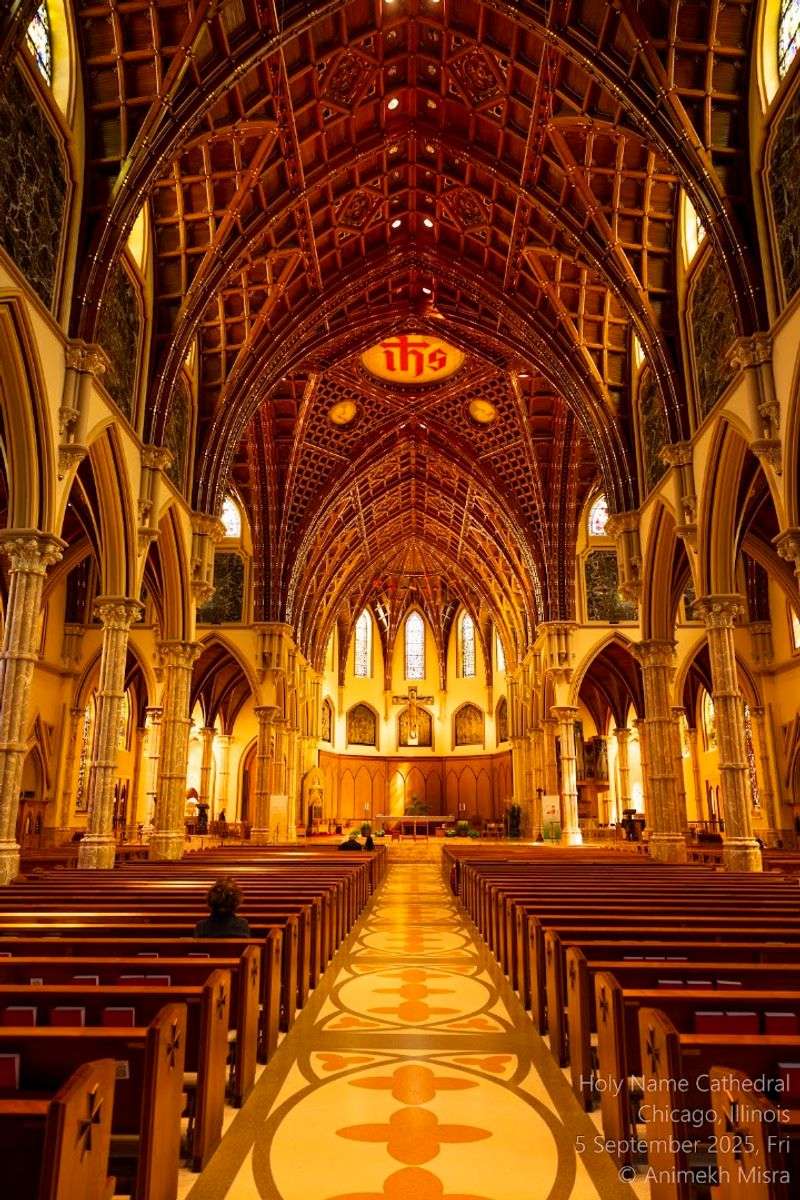
Ask almost anyone who has visited Holy Name Cathedral what they remember most, and the wooden ceiling will come up almost immediately. It is genuinely one of the most striking features of the entire building, and it draws the eye upward the moment you step inside.
The ceiling features intricate ribbed vaulting with warm, honey-toned wood that gives the interior a sense of organic warmth that stone alone could never achieve. The craftsmanship involved in creating those carved ribs and the overall pattern overhead is the kind of work that takes years to plan and execute, and it shows.
What makes the ceiling especially effective is the way it interacts with light. As sunlight shifts throughout the day and filters through the stained glass windows below, the tones of the wood change subtly, moving from golden amber in the morning to deeper, richer shades in the afternoon.
Visitors who have come back multiple times often say the ceiling looks different on every visit depending on the time of day and the season, which gives the space a living quality that photographs can only partially capture. It is, by any measure, a genuine masterpiece of interior design.
Stained Glass That Transforms Light
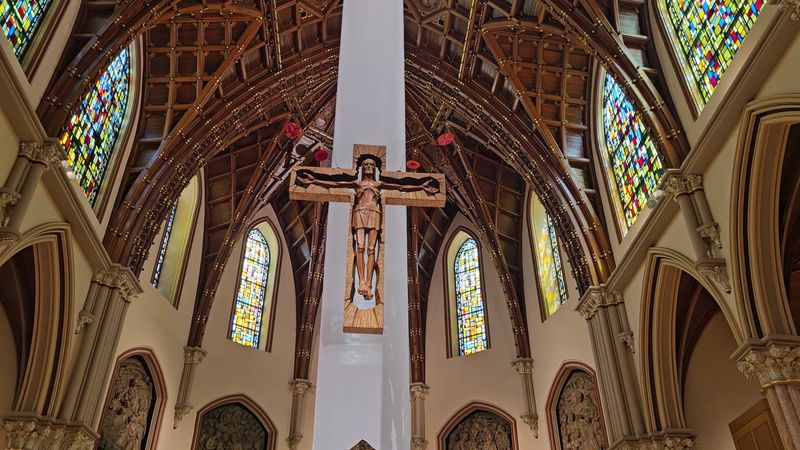
The stained glass windows at Holy Name Cathedral have sparked some interesting conversations among visitors. Unlike many traditional Catholic cathedrals where the windows depict scenes from scripture or images of saints, the glass here features largely abstract, geometric patterns in rich, jewel-toned colors.
Some visitors wish the windows told more explicit stories from the faith, and that is a fair perspective. But what the abstract glass does brilliantly is flood the interior with color in a way that feels almost painterly.
When the sun hits the windows at the right angle, the light that spills across the wooden ceiling and stone floor turns the entire nave into something that feels less like a building and more like a living artwork.
The warmth that the colored light creates is something visitors consistently mention as one of the most memorable sensory experiences of the space. Whether you prefer traditional religious imagery or appreciate the more modern interpretive approach, the effect of the glass on the overall atmosphere of the cathedral is undeniable.
The windows were designed to complement the wooden ceiling, and in that specific mission, they succeed in a way that is easy to feel even if it is hard to fully explain.
The Cardinal Hats Above the Altar
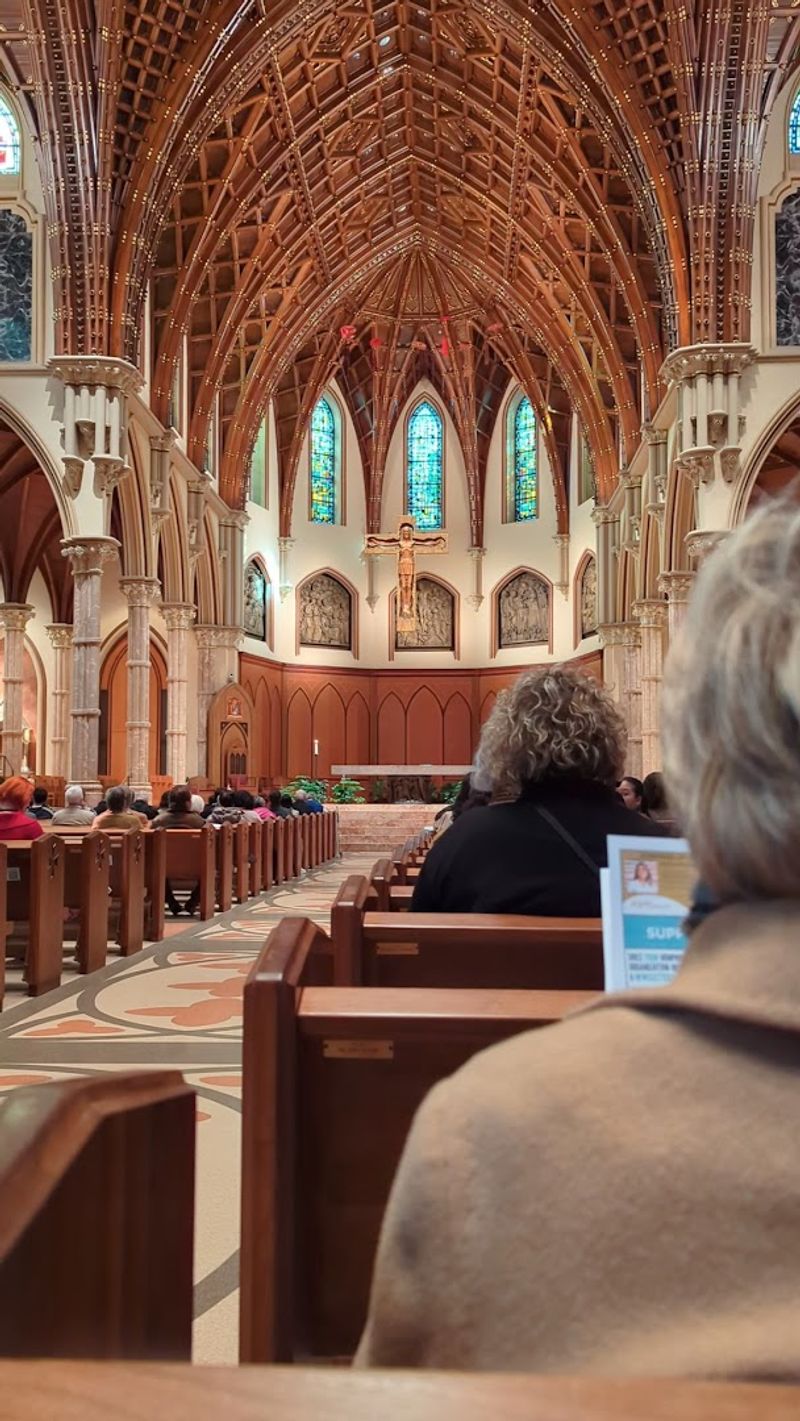
One of the most distinctive and historically fascinating details inside Holy Name Cathedral is the collection of red hats, known as galeros, that hang suspended high above the altar. These are the ceremonial hats of deceased cardinals who served the Archdiocese of Chicago, and the tradition of hanging them in the cathedral dates back centuries in Catholic practice.
According to long-standing custom, a cardinal’s galero is hung in the cathedral church upon his passing and remains there until it eventually deteriorates and falls. The idea is one of humility: even the most powerful church leaders are reminded that their earthly titles are temporary.
It is a quietly powerful statement that rewards visitors who take the time to look up and understand what they are seeing.
For anyone with even a passing interest in Catholic history or ecclesiastical tradition, these hats are a highlight of the visit. Each one represents a chapter in the long story of the Archdiocese of Chicago and the leaders who shaped it.
Guides on the cathedral’s tours can walk visitors through which cardinal each hat belonged to, adding a layer of human storytelling to what might otherwise seem like a puzzling decorative choice.
Mass and Liturgy at Its Finest
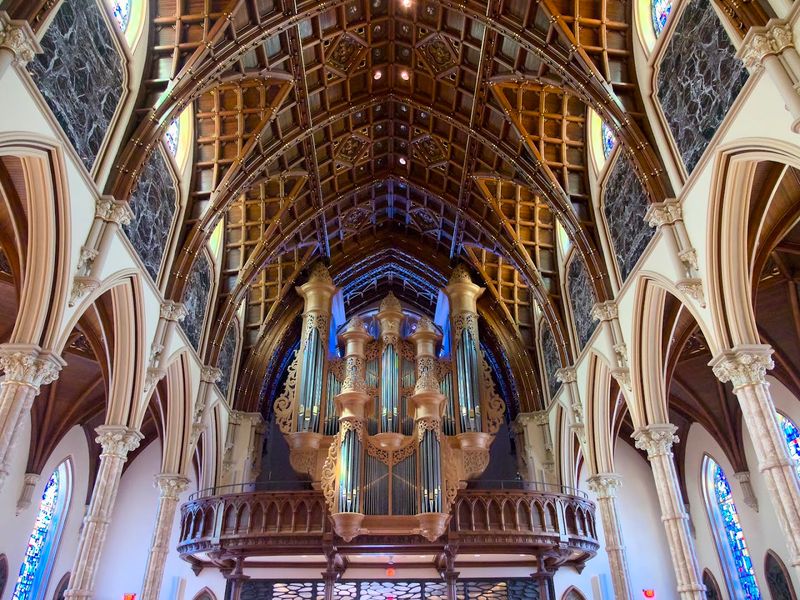
The 10:30 AM Sunday Mass at Holy Name Cathedral has earned a reputation as one of the most beautifully executed liturgical celebrations in the city. The full choir, led by a dedicated music director, fills the cathedral with choral arrangements and organ pieces that rise up into that famous wooden ceiling and seem to expand there before settling over the congregation.
The priests who serve here rotate through the Mass schedule, and the homilies are consistently described as thoughtful, clear, and genuinely uplifting. Little booklets are available before each Mass that include reflections and readings to help worshippers follow along and engage more deeply with the service.
The cathedral is typically full at the popular Sunday Masses, yet the ushers and staff manage the space with calm efficiency, making sure everyone finds a seat and feels welcome. Weekday Masses, including the popular noon Mass on weekdays, offer a quieter and more contemplative experience for those who prefer a more intimate setting.
Whether you are a regular churchgoer or simply curious about what a high-quality Catholic liturgy looks and sounds like, attending a Mass here is an experience that tends to leave a lasting impression on just about everyone who tries it.
The Choir and Music Program
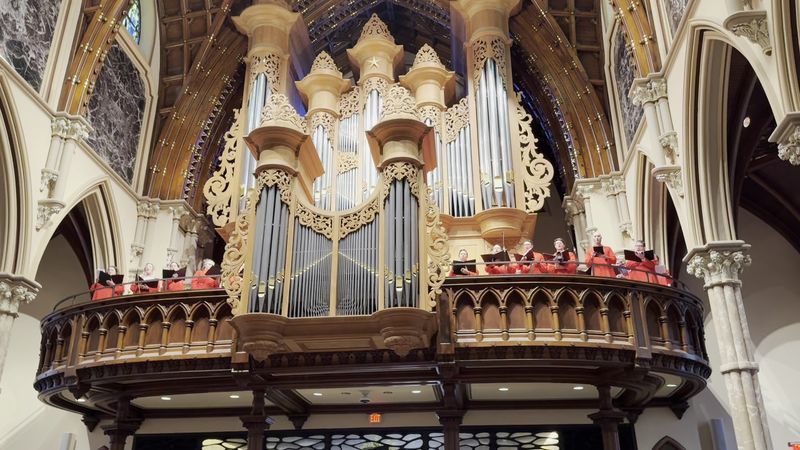
Music is not an afterthought at Holy Name Cathedral. The choir program here is a serious artistic and spiritual endeavor that draws on trained vocalists and an accomplished music director who clearly pours considerable energy into every performance.
The pipe organ is the centerpiece of the musical program, and when it fills the cathedral at full volume, the sound is something that resonates not just in the ears but throughout the whole body. The combination of the organ and the choir during a high Mass creates an acoustic experience that the architecture of the cathedral seems specifically designed to amplify and enrich.
Special events throughout the liturgical calendar, such as Christmas, Easter, and major feast days, bring out the full musical program in ways that draw visitors who come specifically for the music rather than the Mass itself. The cathedral has also hosted concerts and sacred music events that are open to the broader public.
For anyone who appreciates choral music, sacred organ performance, or simply the way great music can transform a physical space, the music program at Holy Name Cathedral is a compelling reason to plan a visit around a specific service or event on the calendar.
A Gathering Place for Chicago’s Communities
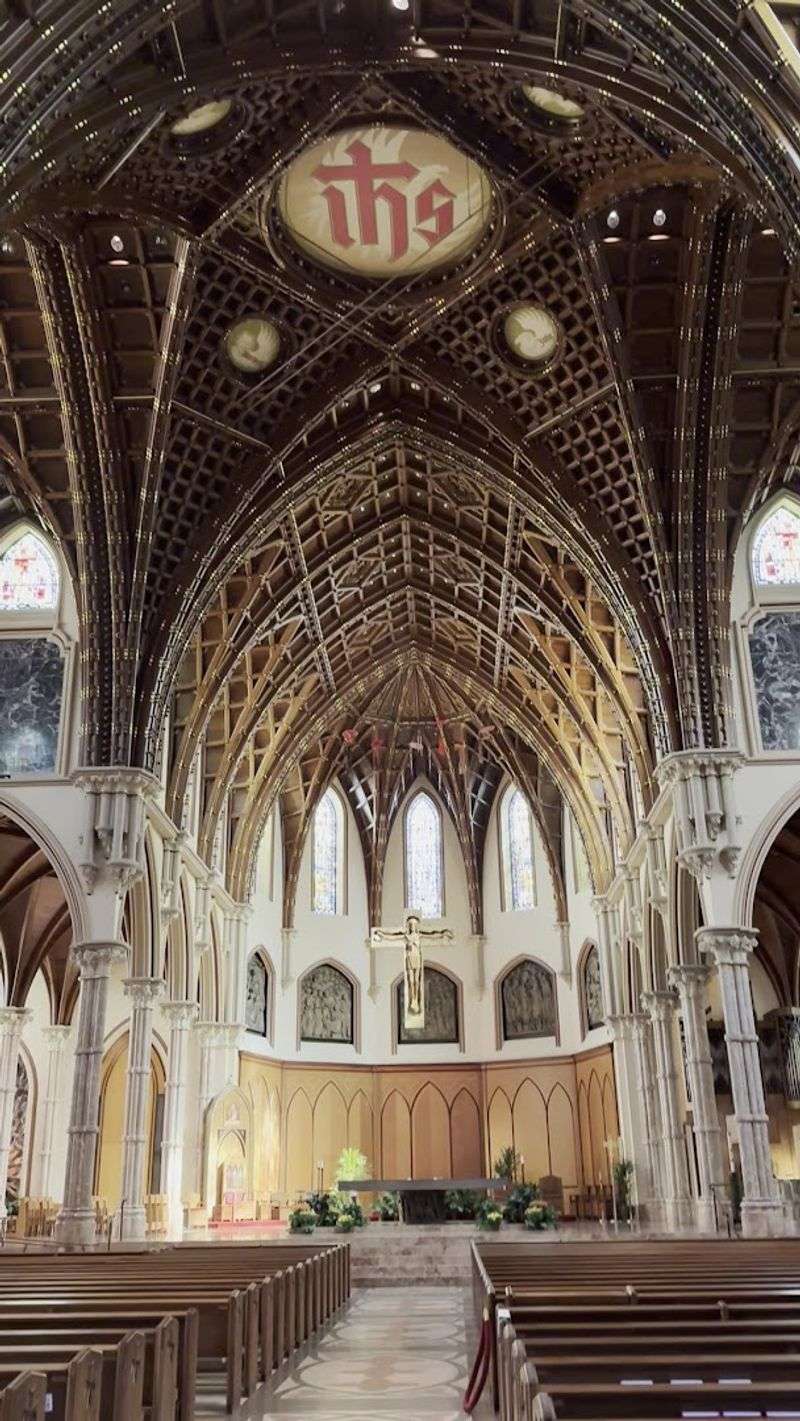
Holy Name Cathedral has long served as more than a place of individual worship. It functions as a genuine gathering point for communities across Chicago and beyond, drawing people from enormously varied backgrounds under one very beautiful roof.
The Filipino community, for example, celebrates the Feast Day of Sto Nino at the cathedral each January, an event that brings together families who travel specifically for this occasion and who describe the gathering as feeling like home. Similar community-centered celebrations happen throughout the year, each one adding a new layer of cultural richness to the cathedral’s story.
The cathedral also hosted the Blessing of the Runners Mass before the Chicago Marathon, which welcomed runners from across the country and around the world into its pews for a service that combined athletic spirit with genuine religious tradition. Events like this one show how Holy Name Cathedral functions as a civic as well as a sacred institution, one that sees its role as serving the whole city rather than just its regular congregation.
That openness to the broader community is one of the things that makes this place feel genuinely alive rather than simply historic.
Weddings and Special Ceremonies
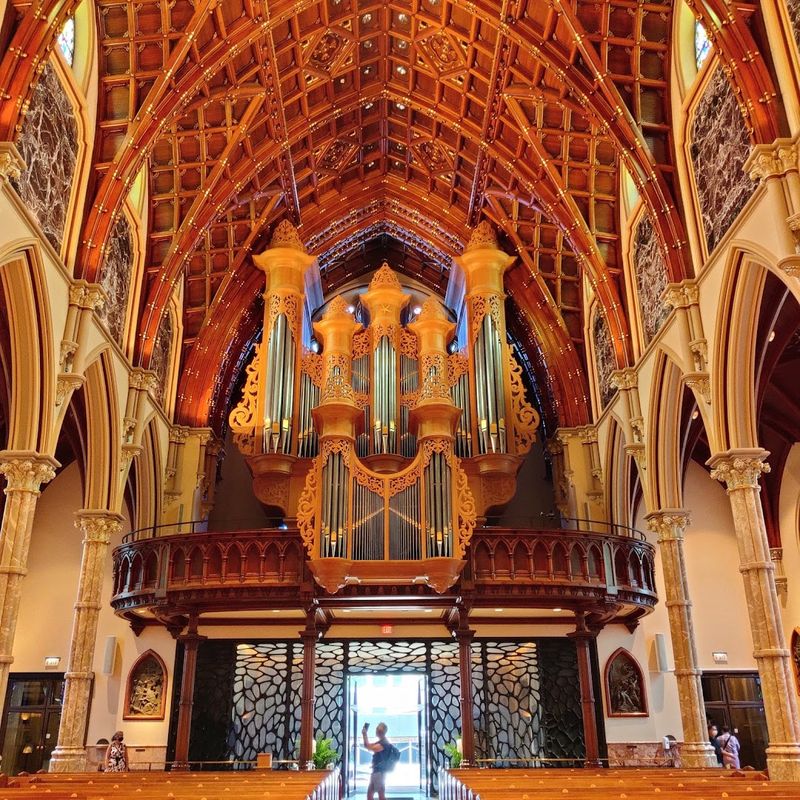
For couples looking for a setting that will make their wedding day feel genuinely monumental, Holy Name Cathedral delivers in ways that few venues anywhere in Chicago can match. The combination of the soaring wooden ceiling, the colored light from the stained glass, and the sheer scale of the nave creates a ceremony backdrop that is simply hard to replicate.
The cathedral staff is known for being exceptionally helpful throughout the planning process, working closely with couples to make sure every detail of the ceremony reflects both the couple’s wishes and the traditions of the Catholic faith. The rector and resident priests bring warmth and personal engagement to the ceremonies they officiate, making the experience feel intimate despite the grandeur of the space.
Couples who have married here often describe the experience as one of the highlights of their entire lives, not just their wedding day. The acoustics during the ceremony, with the choir and organ filling the cathedral, create a soundscape that photographs can gesture toward but never fully capture.
If a Catholic wedding ceremony in a genuinely historic and beautiful space is what you are looking for, this cathedral belongs at the very top of your list of venues to consider.
Guided Tours and Visitor Experience
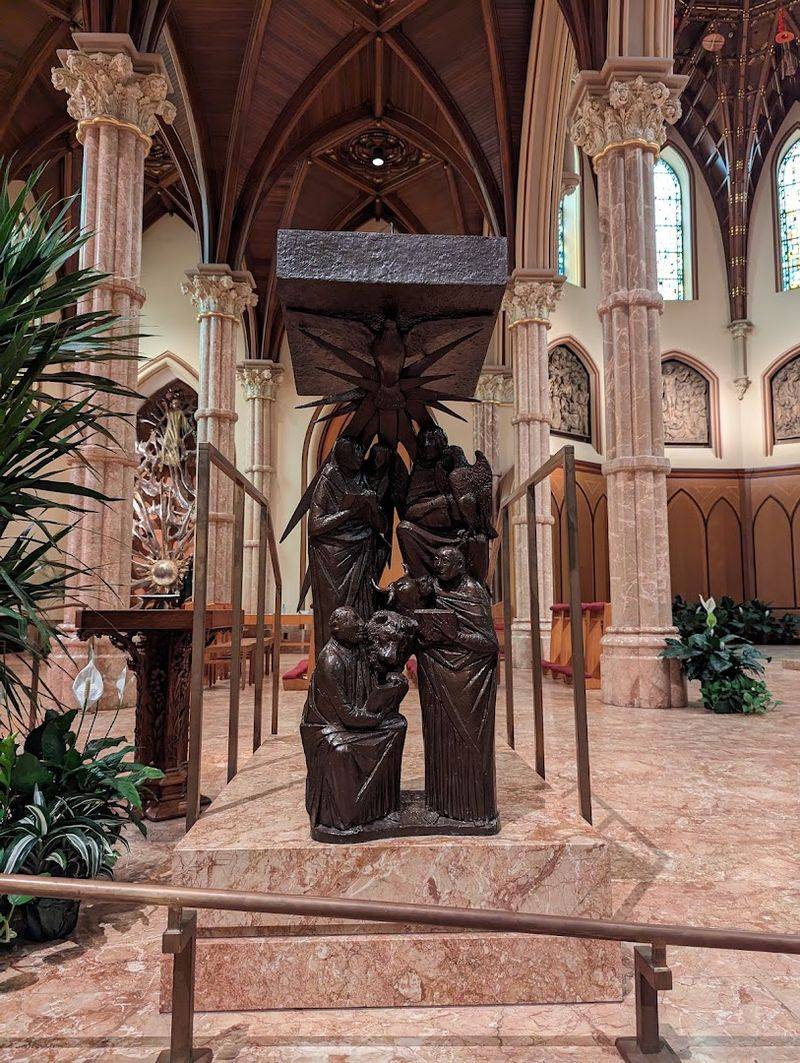
Holy Name Cathedral actively welcomes visitors who come not for Mass but simply to experience the building itself. Guided tours are available and offer a structured way to learn about the architecture, the history, and the specific details that make this cathedral distinctive among American Catholic churches.
A knowledgeable guide can explain the significance of the cardinal hats, walk you through the symbolism embedded in the architectural choices, and point out details you might easily overlook on your own, like the decorated column capitals that one regular visitor memorably described as overgrown Corinthians. The lectern, the baptismal font, and the courtyard statues of Mary and Saint Frances Cabrini are all worth pausing over.
For visitors who prefer to explore independently, the cathedral is open during regular hours and the staff is generally friendly and approachable when questions come up. The phone number for the parish office is 312-787-8040, and the cathedral’s website at holynamecathedral.org includes information about tour availability and the Mass schedule.
One practical note: signage near the entrance can be a little confusing, so do not hesitate to ask a staff member if you need help finding a specific area of the building.
Why This Cathedral Still Matters Today
A building that has been standing since 1875 could easily become a relic, something preserved behind glass but no longer truly alive. Holy Name Cathedral has managed to avoid that fate entirely, and the reason comes down to the people who keep showing up.
The cathedral holds a 4.8-star rating across more than 2,000 reviews, which is a remarkable number for any institution, let alone one that is nearly 150 years old. People come for Mass, for concerts, for weddings, for quiet moments of reflection during a busy downtown workday, and for the simple satisfaction of standing inside a space that was built with extraordinary care and has been maintained with genuine love.
The priests, the choir, the staff, and the volunteers who keep this place running represent a living tradition that connects the present to the long story of Chicago itself. Holy Name Cathedral is not just a beautiful building to admire from the outside.
It is a place that invites you in, asks you to slow down, and offers something that the city’s restaurants, museums, and attractions cannot quite replicate. That quality, whatever you choose to call it, is precisely why people keep coming back after all these years.
Share this story