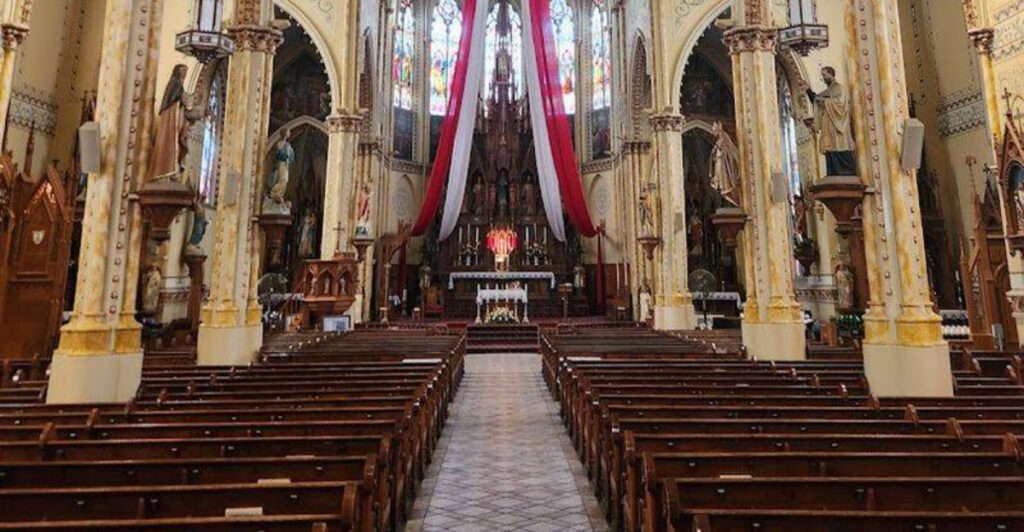
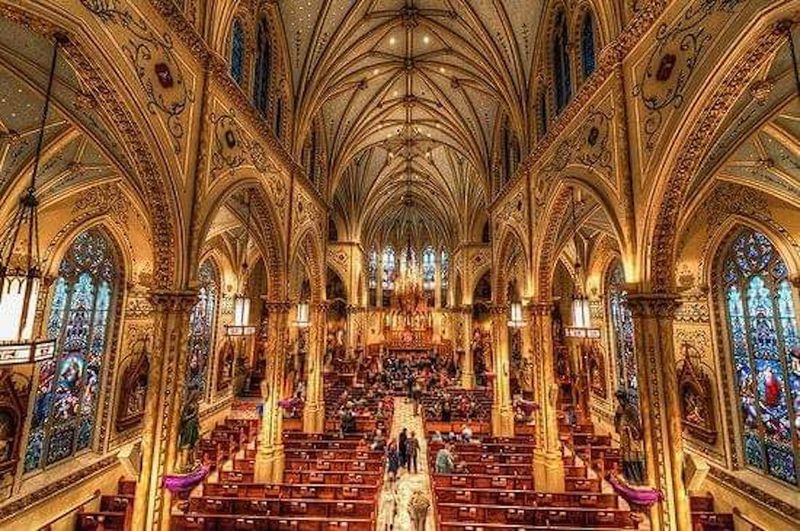
There is a church in Cleveland, Ohio that stops people cold the moment they walk through its doors. The ceilings soar overhead, hand-carved wood altars rise two stories high, and stained glass throws color across every surface in a way that feels more like a cathedral in Krakow than a neighborhood church in the Midwest.
Most people who visit say they were not prepared for what they found inside. This place has been quietly standing in the Slavic Village neighborhood for well over a century, drawing in Catholics, history lovers, architecture fans, and curious travelers who all leave with the same look on their faces.
Whether you have deep roots in the Polish community or you simply appreciate extraordinary craftsmanship, this church will leave a real impression on you, and this article will show you exactly why it deserves a spot on your Cleveland itinerary.
A Church That Rewrites Your Expectations
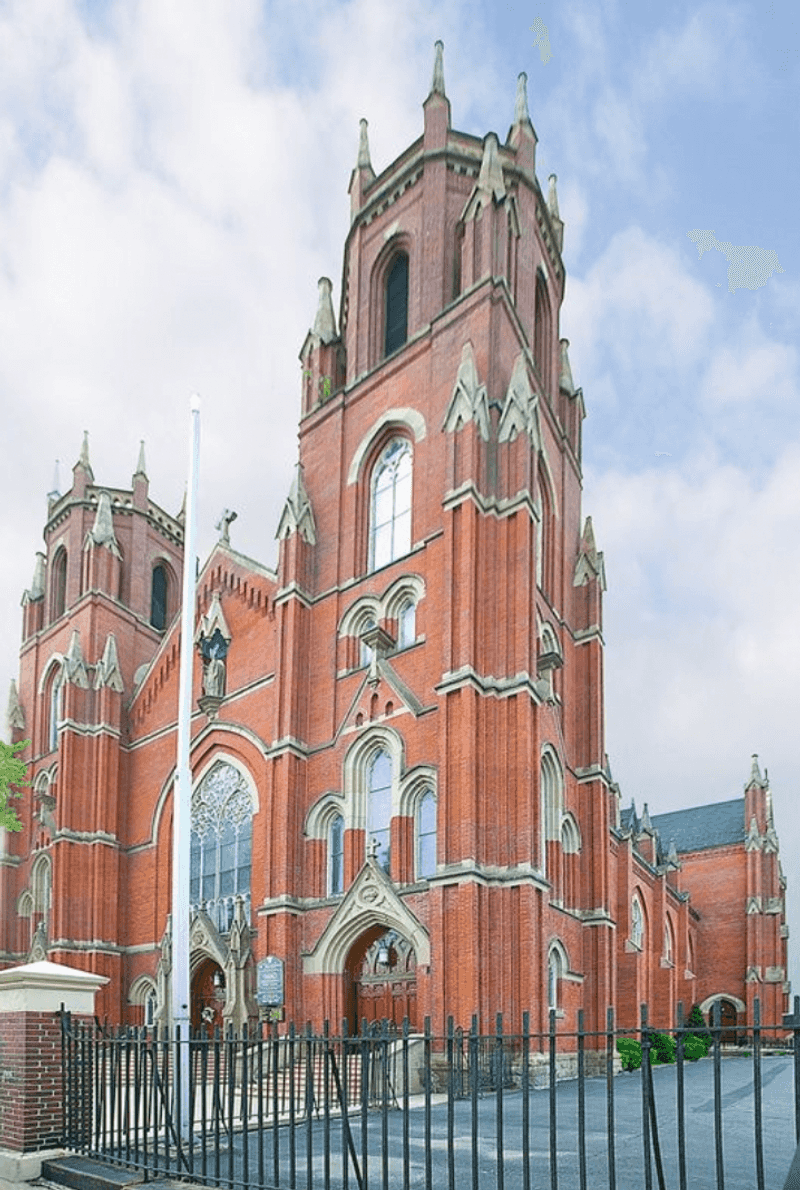
Most people expect a modest neighborhood church. What they get instead is a jaw-dropping Polish Gothic structure that looks like it was airlifted straight from central Europe and set down in an Ohio neighborhood.
St Stanislaus Church in Cleveland’s Slavic Village is one of those rare places that genuinely earns the word breathtaking without any exaggeration. The exterior alone, with its commanding brick facade and soaring towers, signals that something remarkable waits inside.
First-time visitors often pause on the steps just to take it all in before even reaching the front door. The church was completed in 1891, and the craftsmanship on display reflects the pride and skill of Polish immigrants who wanted their new home to honor their deepest traditions.
This is not a place you wander past without noticing. It demands attention, and once it has yours, it does not let go easily.
Location, History, and Deep Community Roots
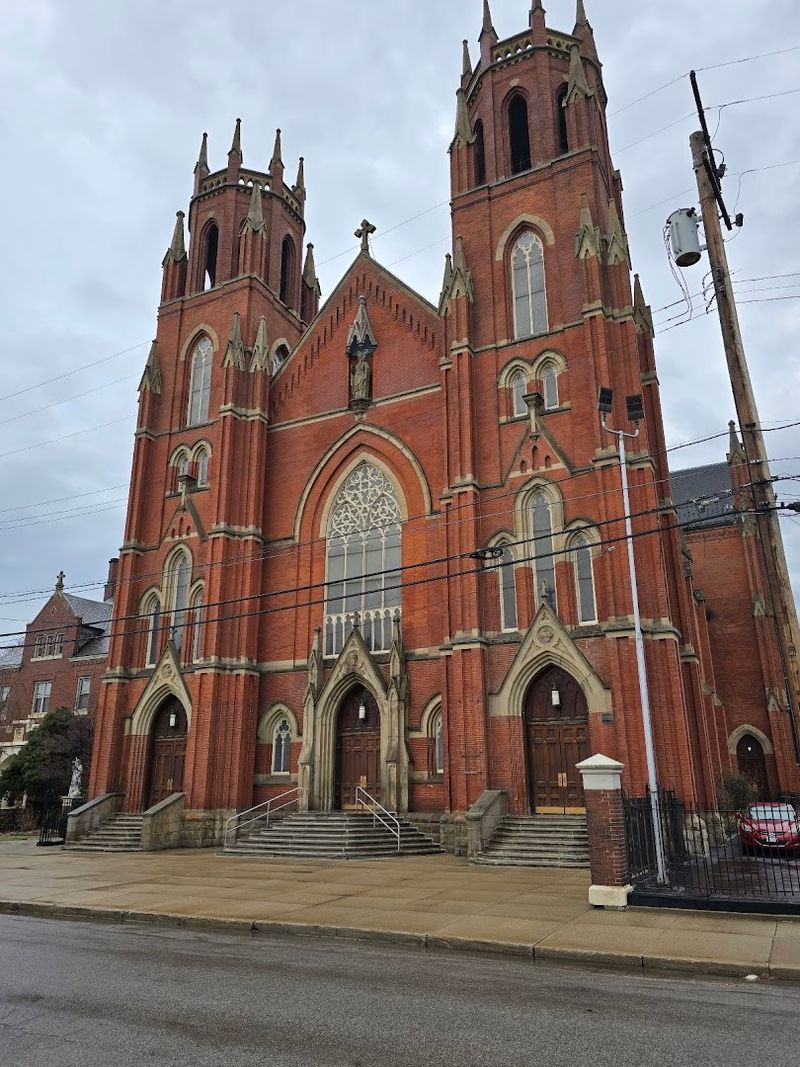
St Stanislaus Church stands at 3649 E 65th St, Cleveland, OH 44105, in the heart of the Slavic Village neighborhood, a community that has been shaped by generations of Polish Catholic immigrants who settled here starting in the late 1800s.
The parish was founded to serve those immigrant families, and the church building completed in 1891 was their way of planting roots in American soil while keeping their European heritage alive. Every detail of the structure reflects that intention.
What makes this location especially meaningful is that the neighborhood itself still carries that cultural identity. The streets around the church have stories layered into them, and the parish has been a spiritual and social anchor for the community across more than 130 years.
Visitor and history guides are available in the back of the church, so you can walk through at your own pace and actually understand what you are looking at.
The Altar That Rises Two Stories High
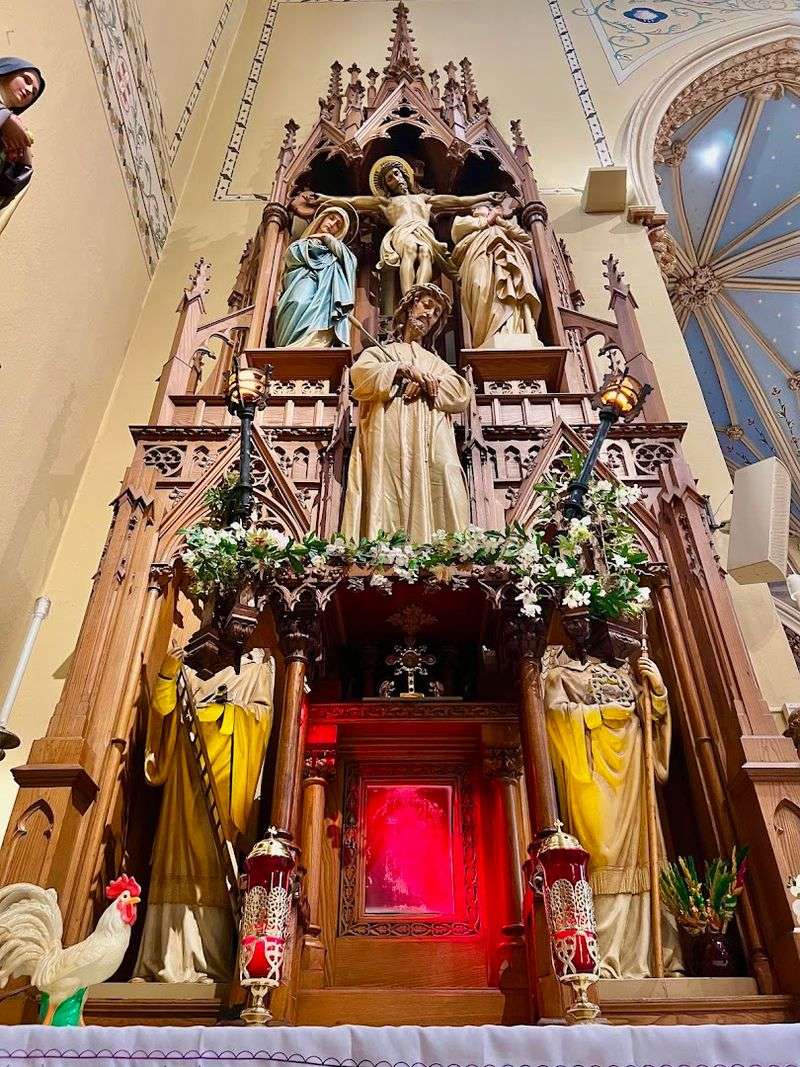
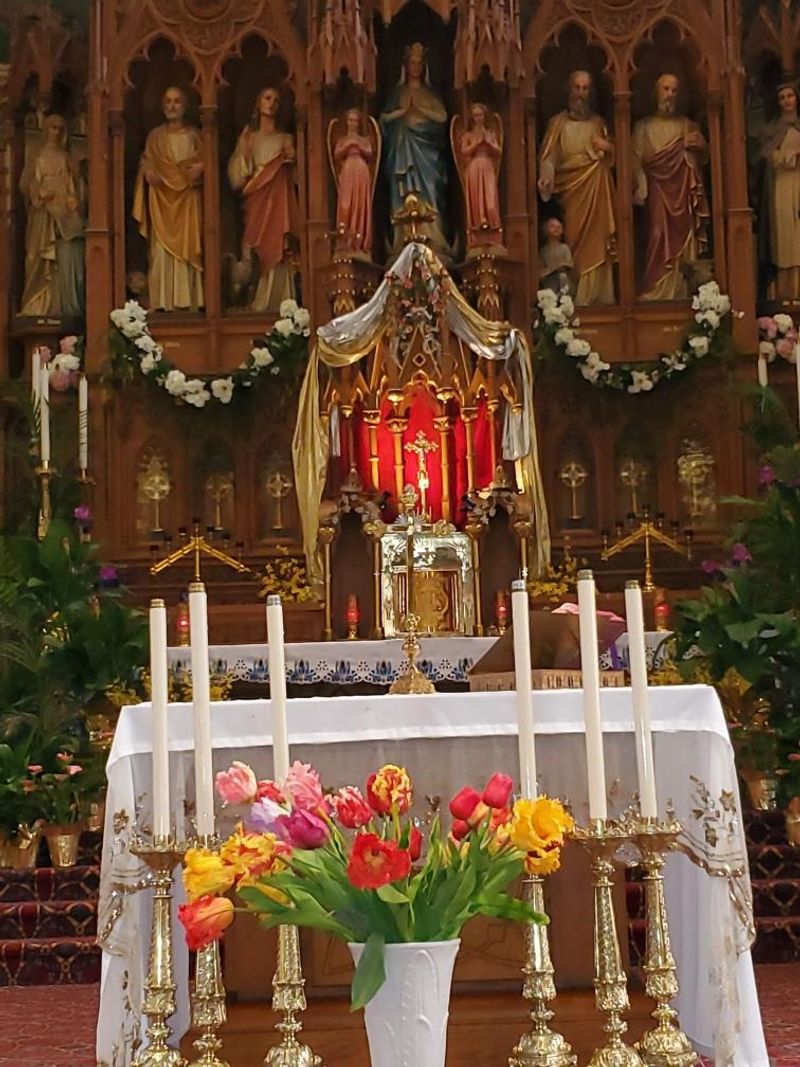
The wooden altar at St Stanislaus is the kind of thing that makes you stop mid-sentence. Crafted from red oak by Polish craftsmen who emigrated specifically to build this church, it rises two full stories and is packed with hand-carved saints, figures, and intricate decorative details that reward a long, slow look.
One detail that surprises most visitors is the pelican carved into the altar. It is not just decorative.
In Catholic tradition, the pelican symbolizes unselfish love, representing a parent’s willingness to sacrifice for its young. Knowing that adds a whole new layer to an already stunning piece of work.
The altar is not roped off or kept at a distance. You can stand close enough to see the fine grain of the wood and the delicate tool marks left by the hands that shaped it over a century ago.
Few altars in the Midwest come close to matching this one in scale or artistry.
Stained Glass That Fills the Room With Color
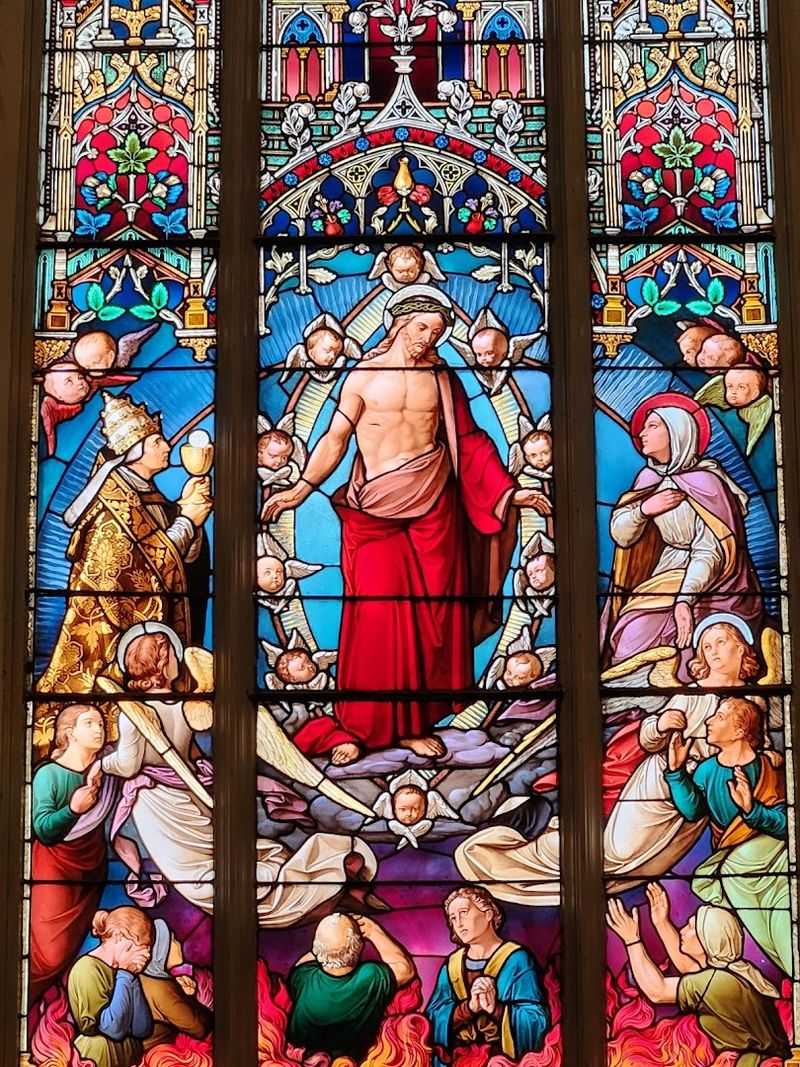
On a sunny afternoon, the stained glass windows at St Stanislaus turn the entire interior into something that feels alive. Light filters through panels of deep blue, crimson, gold, and green, painting the pews and stone floors with shifting patterns that change as the day moves along.
Each window tells a story, and the level of detail in the glasswork is remarkable for a parish church. These are not simple geometric patterns.
They are full scenes with figures, expressions, and layered colors that took serious skill to produce.
The windows work together with the painted cathedral ceiling to create an environment that feels complete in every direction you look. Up, sideways, forward, there is always something worth studying.
Photographers tend to linger near the windows for a long time, and honestly, that is completely understandable. The way the light behaves inside this church is one of its most quietly spectacular qualities.
A Painted Cathedral Ceiling Worth Every Neck Crick
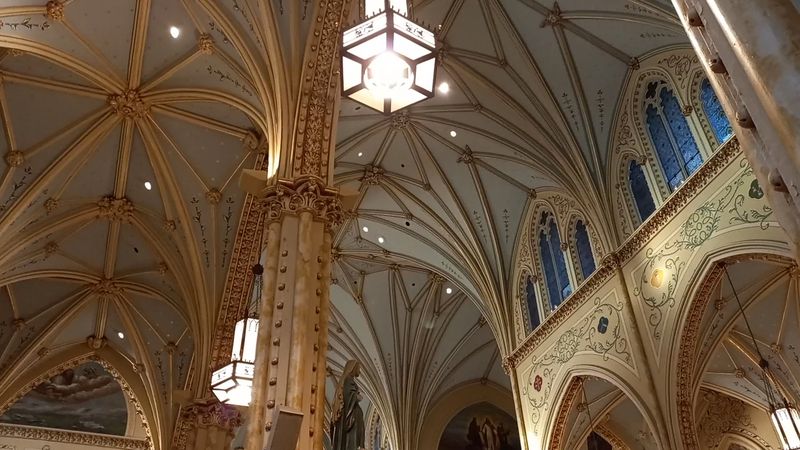
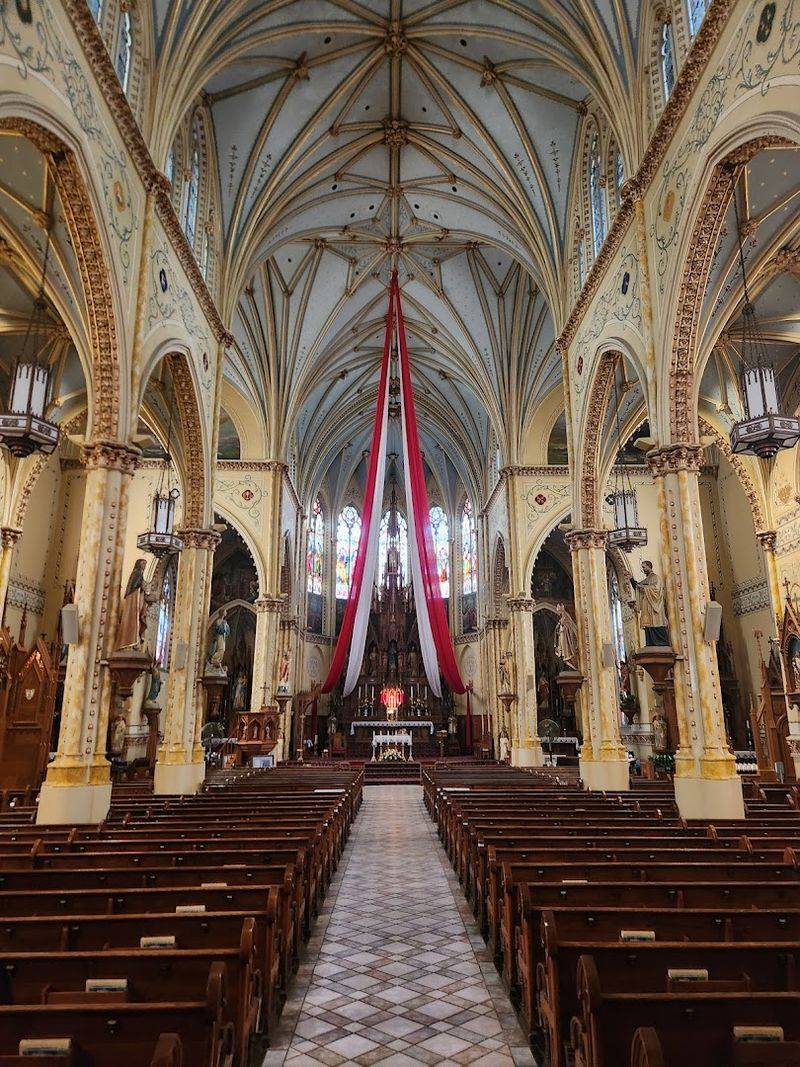
Looking straight up inside St Stanislaus is an experience all on its own. The cathedral ceiling is covered in painted imagery, religious scenes, and decorative work that fills the vaulted space with color and meaning from one end of the nave to the other.
This kind of painted ceiling is something most people associate with famous European churches, not a neighborhood parish in Ohio. But that is exactly the point.
The founders of this church wanted to create something that matched the grandeur of what they had left behind in Poland, and they succeeded in a way that still surprises visitors today.
The combination of the ceiling paintings, the stained glass light, and the towering altar creates an interior that works as a unified artistic statement rather than a collection of separate decorations. Every element was designed to belong together.
Bring a comfortable pair of shoes, because you will spend a good amount of time standing still and staring upward.
The Pipe Organ in the Loft
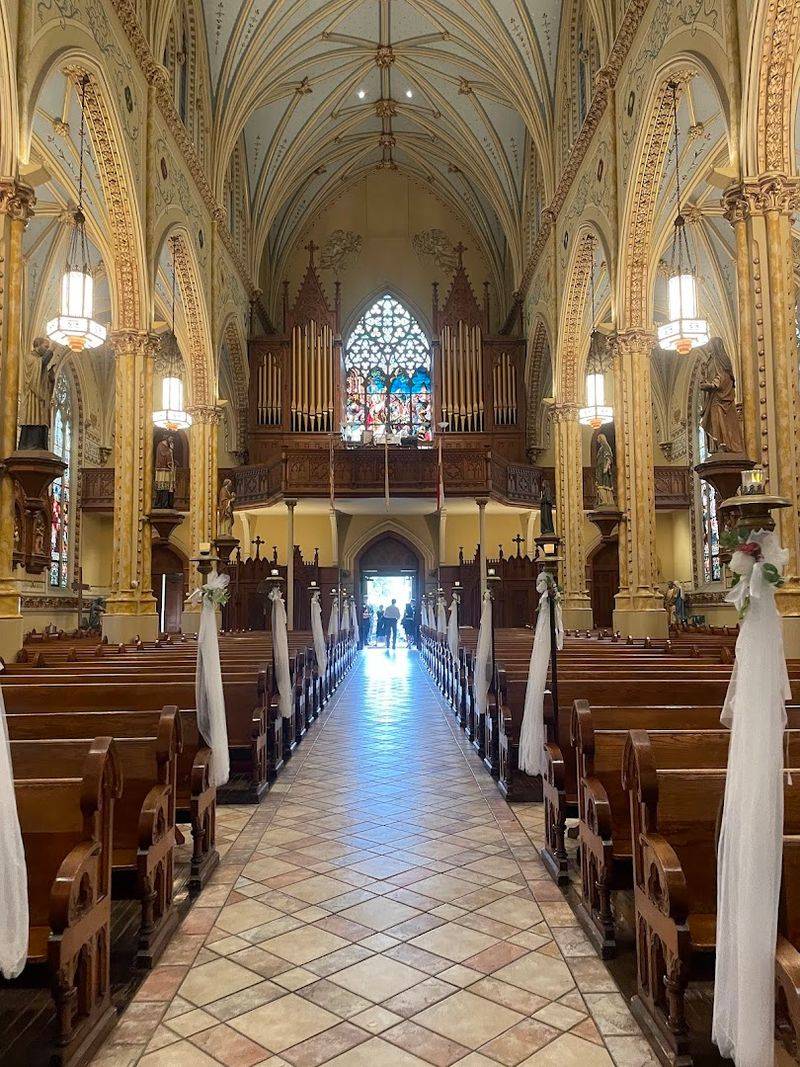
There is a pipe organ sitting in the choir loft at St Stanislaus that has filled this church with music for well over a century. Hearing it during a Mass or a special service is one of those experiences that hits differently inside a space with this kind of acoustic design and visual weight.
The loft itself is a beautiful architectural feature, framing the back of the church in a way that feels balanced against the altar at the front. The organ’s pipes are visible from the nave, adding another vertical element to an interior already full of upward movement.
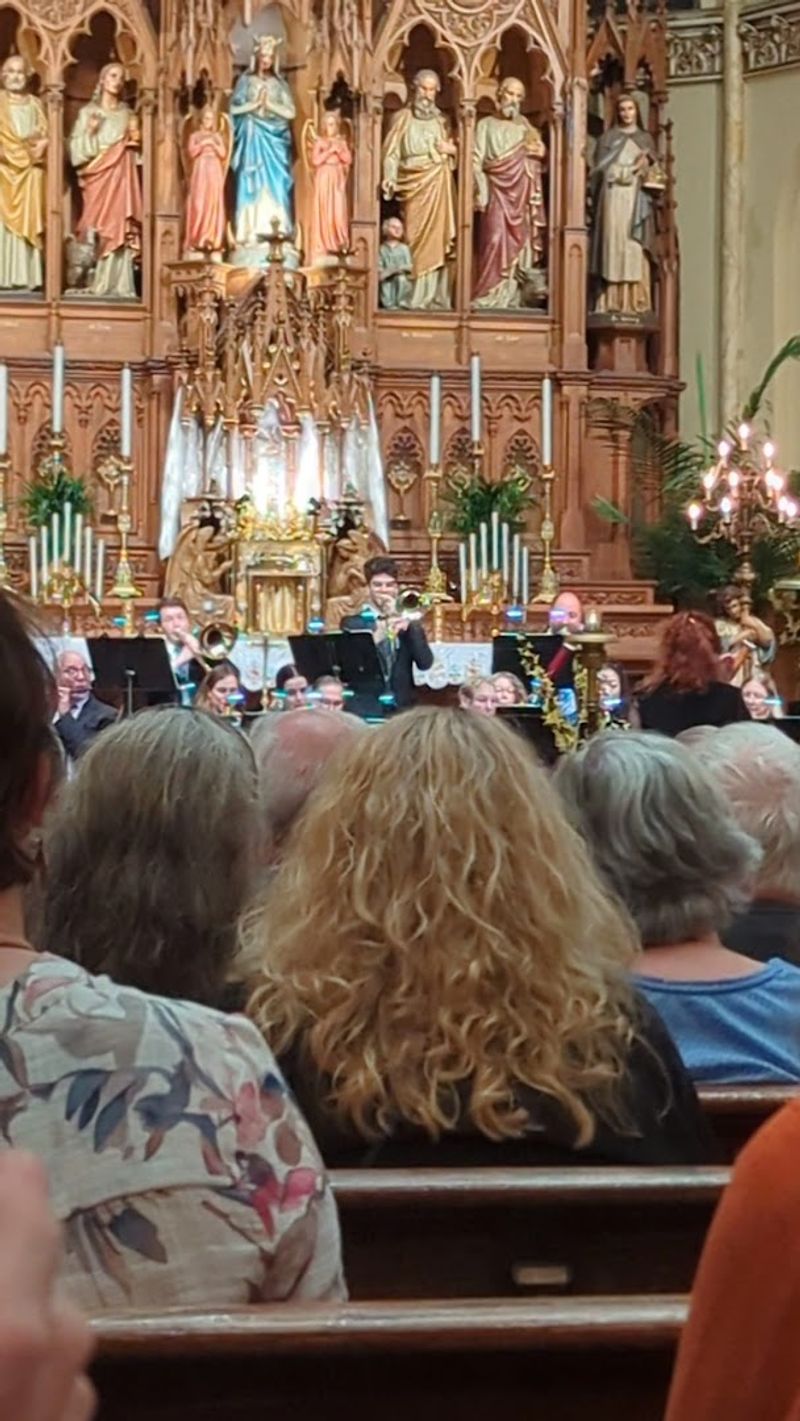
The church has hosted concerts over the years, and catching a musical performance here is a genuinely special way to experience the space even if you are not attending a religious service. The acoustics reward live music in a way that modern buildings rarely can.
Sound and space work together here in a way that has to be heard to be fully appreciated.
First-Class Relics That Draw Pilgrims From Across the Region
St Stanislaus holds something that makes it a destination for serious Catholic pilgrims as well as curious visitors: two first-class relics, including one of Pope St. John Paul II, the beloved Polish pope who holds a deeply personal significance for Polish Catholic communities around the world.
A first-class relic is a physical piece connected directly to the saint, and having one of John Paul II on display in a Polish Catholic church in Cleveland carries enormous meaning for the parish and its visitors. People travel specifically to venerate it.
The relics are displayed respectfully and are accessible to visitors, making this one of the more unusual and significant things you can experience at St Stanislaus beyond the architecture alone. Not every historic church has something like this to offer.
For many visitors, seeing the relic of John Paul II in a Polish parish in America feels like a full circle moment that connects heritage, faith, and history all at once.
The Divine Mercy Shrine and Side Altars
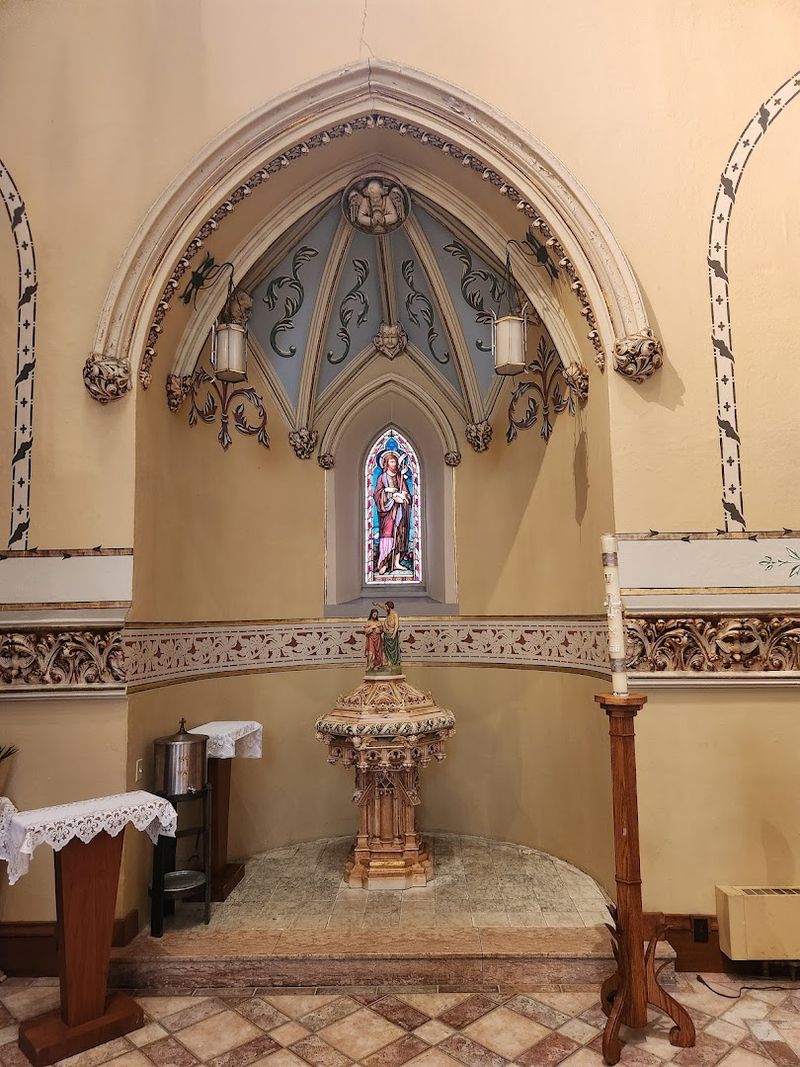
Beyond the main altar, St Stanislaus is filled with smaller shrines and side altars dedicated to various saints and devotional figures, each one carrying its own particular atmosphere and significance. The church is large enough that you can find a genuinely quiet corner even when other visitors are present.
The Divine Mercy shrine is a favorite for many who visit. It sits in a part of the church that feels almost separate from the main space, offering a place for focused prayer or quiet reflection that feels distinct from the grandeur of the nave.
Each side altar has its own carved woodwork, statuary, and decorative details that repay close attention. The craftsmanship is consistent throughout the entire building, not just in the most prominent areas.
The variety of devotional spaces within one building gives St Stanislaus a depth that keeps revealing itself the longer you spend inside, rewarding visitors who take their time rather than rushing through.
Mass in Polish: A Living Cultural Tradition
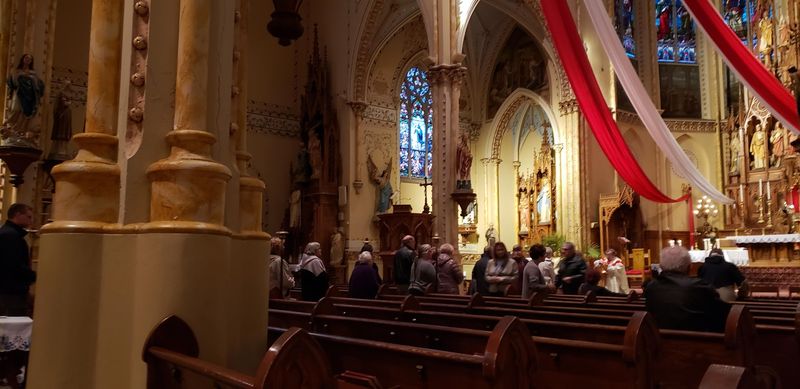
One of the things that sets St Stanislaus apart from most American Catholic churches is that it still offers Mass celebrated in Polish. That is not a historical footnote.
It is a living practice that connects the parish to its origins and to the Polish-speaking Catholic community that still calls Cleveland home.
For Polish Americans who grew up hearing the language in church, attending a Polish Mass here carries a kind of emotional weight that is hard to put into words. For visitors who are simply curious, it is a window into a tradition that has been carefully preserved rather than allowed to fade quietly away.
The parish takes its role as a keeper of Polish Catholic heritage seriously, and that commitment shows in everything from the language of worship to the cultural events it hosts throughout the year.
Few parishes in the United States can claim this level of active cultural continuity, which makes St Stanislaus genuinely distinctive even among historic Catholic churches.
The Polish Festival: Food, Music, and Community
Every year, St Stanislaus hosts a Polish festival that draws crowds from across the Cleveland area and beyond. The event brings together traditional Polish food, live music, and a sense of community celebration that feels rooted in something real rather than staged for tourists.
The food is a serious draw. Pierogies, kielbasa, and other Polish staples are prepared with the kind of care that comes from recipes passed down through families over generations.
The aromas alone are enough to pull you toward the food tables before you have even fully oriented yourself.
Live music fills the grounds during the festival, ranging from traditional Polish folk styles to more contemporary performances that keep the energy moving throughout the day. The whole event has a warmth to it that reflects the parish community’s genuine pride in its heritage.
Even if you visit Cleveland with no particular connection to Polish culture, the festival is the kind of event that makes you glad you happened to be in town.
Easter Traditions and Seasonal Celebrations
The blessing of the Easter baskets is one of the most beloved seasonal traditions at St Stanislaus, drawing parishioners and visitors who want to experience a Polish Catholic Easter custom that has been practiced here for generations. Families arrive with beautifully decorated baskets filled with traditional foods, ready to be blessed as part of the Easter preparation.
This tradition, known as Swieconka in Polish, is one of the most recognizable customs in Polish Catholic culture, and seeing it take place inside a church this beautiful adds a layer of meaning that a simple description cannot fully capture.
The church also marks other seasons and feasts with liturgical celebrations that reflect its deep commitment to traditional Catholic practice. Midnight Mass at Christmas draws a particularly devoted crowd, and the music and atmosphere during that service have a reputation that extends well beyond the parish itself.
Seasonal visits to St Stanislaus offer a different experience each time, making it worth returning to throughout the year.
Planning Your Visit to a Cleveland Landmark
St Stanislaus welcomes visitors, and the experience is genuinely accessible even if you have no prior connection to the parish or the Catholic faith. History guides are available in the back of the church, giving you a self-guided way to understand what you are looking at as you move through the space.
The church is open for visits outside of Mass times, though checking the parish schedule at ststanislaus.org before you go is always a smart move to make sure you arrive at a good time. Groups and individuals are both welcome, and the atmosphere inside encourages quiet exploration rather than a rushed walk-through.
Photography is possible inside the church, and the combination of stained glass light, carved wood, and painted ceilings gives you more genuinely striking shots than most travel destinations in Ohio can offer.
A visit to St Stanislaus fits naturally alongside other stops in Cleveland’s Slavic Village neighborhood, making it an easy addition to a broader day of exploring the city’s rich cultural history.
Share this story