 Unearth The Voyage
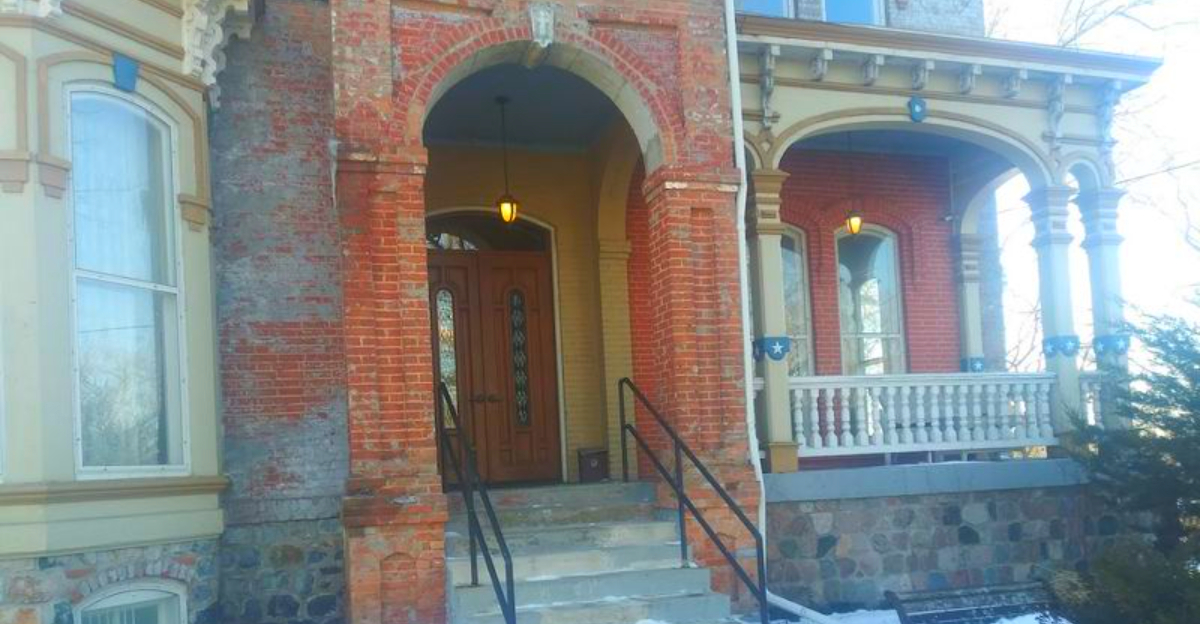
At first glance, this Flint, Michigan home looks like any other historic house. What sets it apart is its layered past.
It has served as a Civil War-era residence, a convent, and a care site for the sick, all under one roof.
Visitors don’t come here for architecture alone. Many are drawn by reports of unexplained experiences tied to its history, making it one of the most talked-about historic sites in the area.
Inside, each room connects to a different chapter, from its original owner, a Civil War colonel, to the nuns who later lived and worked here. The deeper you go, the more the story unfolds.
The Address That Hides a Century of Secrets
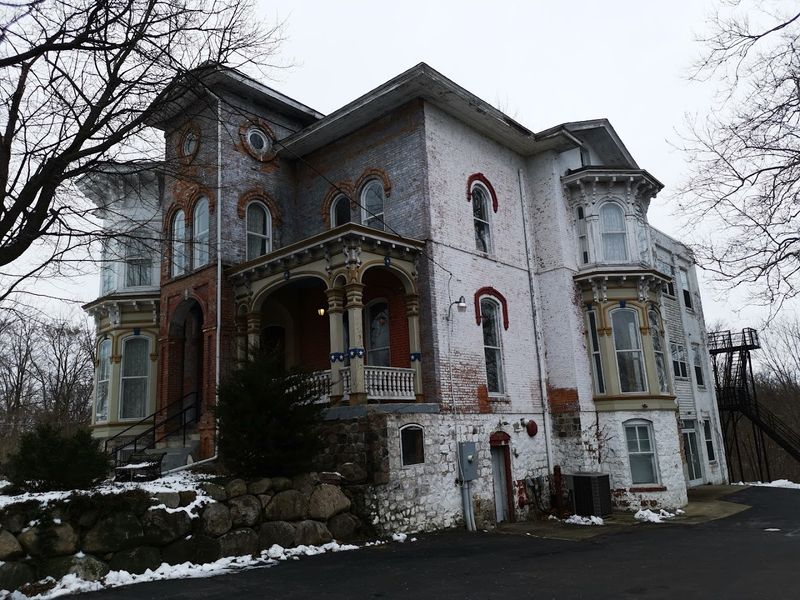
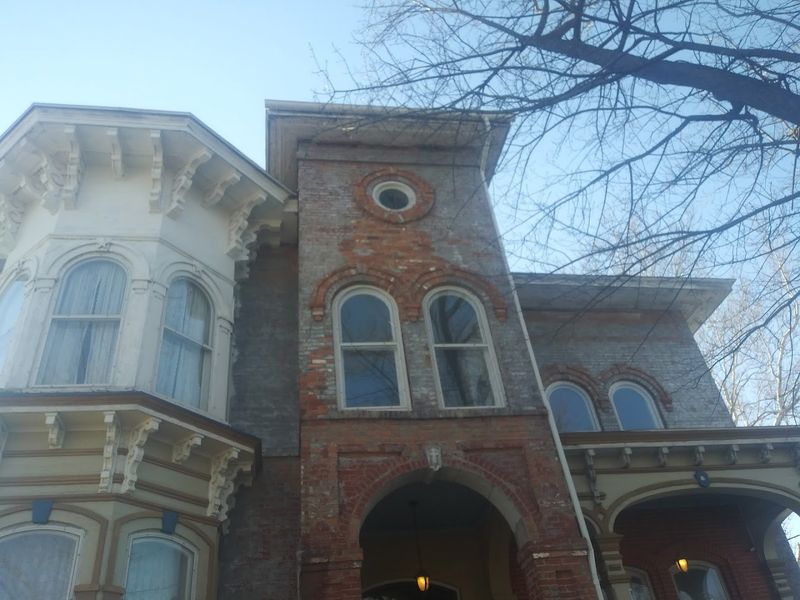
The moment you pull up to 720 Ann Arbor St in Flint, Michigan 48503, you notice the house carries itself with a quiet authority that modern buildings simply do not have. The structure stands as a reminder of what Flint once was: a prosperous, ambitious city full of people who built things to last.
The Stockton House Museum sits in a neighborhood that has seen decades of change, yet the house itself seems almost untouched by time. Its exterior is imposing without being cold, grand without being showy.
You can reach the museum by phone at +1 810-882-1681, and more details are available at stocktonhousemuseum.org. The surrounding grounds give you a moment to breathe before you head inside, and trust me, once you cross that threshold, you will want to have already prepared yourself for what the interior has to say.
Colonel Stockton and the Man Behind the Mansion
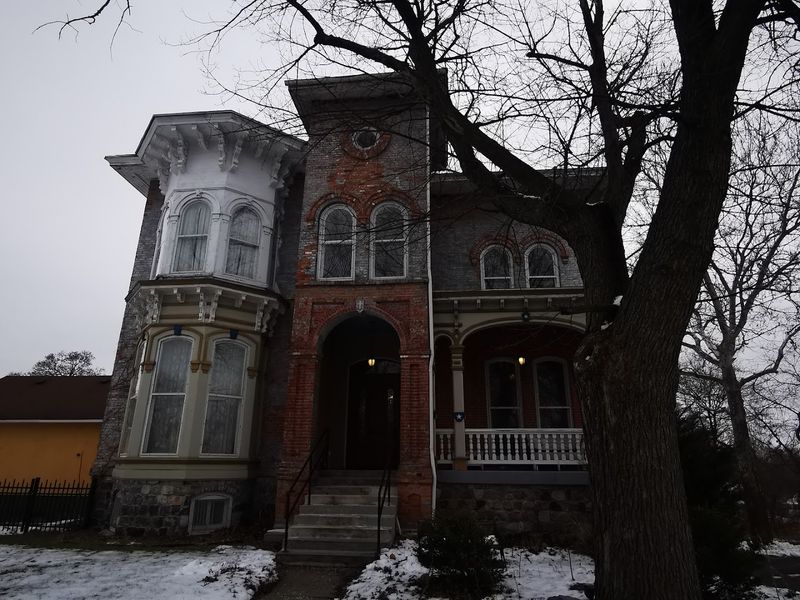
Not every house gets to claim a Civil War colonel as its original owner, but this one does. Colonel T.B.W.
Stockton built this home in the 19th century, and his presence is still felt in every carved detail and every wide-planked floor that has survived more than a hundred years of Michigan winters.
The colonel was a significant figure in Flint’s early development, and learning about his life during a tour of the museum adds real weight to the experience. You are not just looking at old furniture; you are standing in the home of someone who shaped this city.
The guides do a remarkable job of bringing Stockton’s story to life without making it feel like a dry history lecture. By the time you hear his full story, the house stops feeling like a museum and starts feeling like someone’s home, which in many ways, it still is.
Plaster Ceilings and Grand Staircases That Stop You in Your Tracks
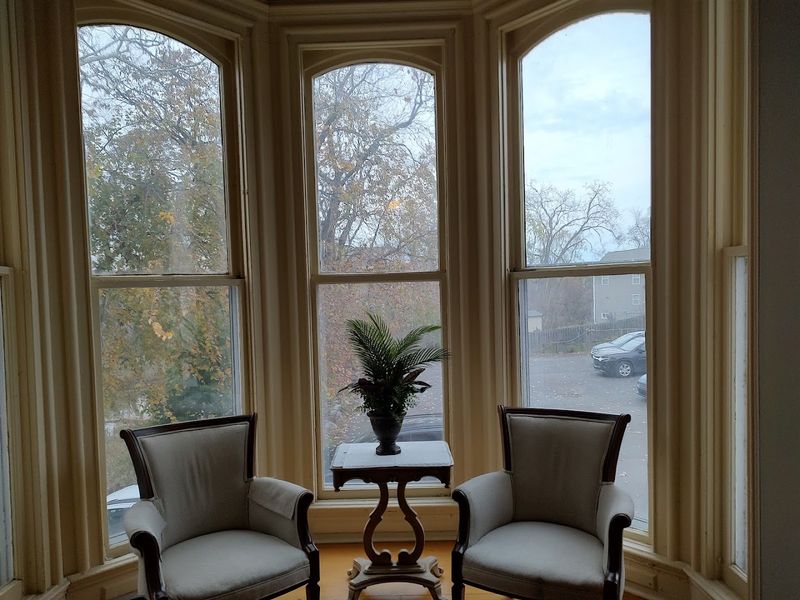
The first thing that catches your eye when you walk through the front door is the ceiling. Intricate plaster work spreads across the upper surfaces of the main rooms in patterns that would cost a small fortune to recreate today, and yet here they are, still intact, still beautiful, still doing exactly what they were designed to do: make you feel like you have entered somewhere important.
The grand staircase is the second thing you notice. It rises through the center of the home with a confidence that says this was built by people who expected it to outlast them by generations, and they were right.
Hardwood floors run throughout, warm and solid underfoot, the kind that creak just enough to remind you that you are walking through living history. Every architectural detail in this house was put there with intention, and that intentionality is something you can feel without anyone having to point it out.
Where Nuns Once Healed the Sick: The Hospital Wing
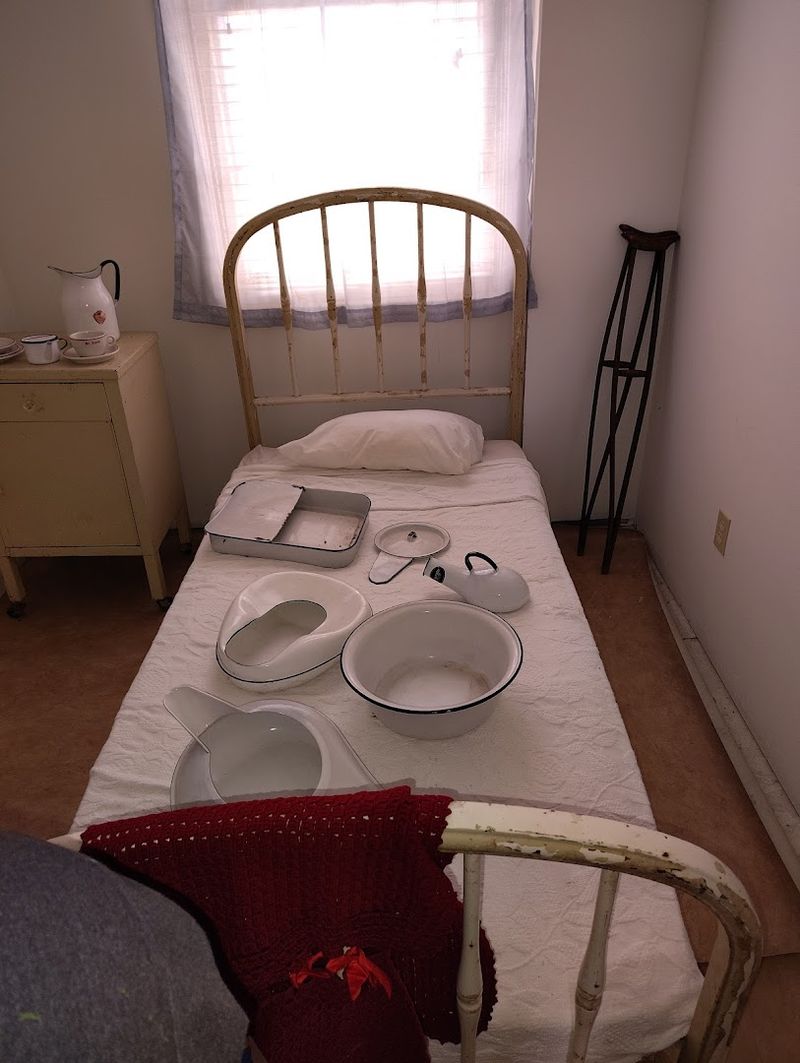
Here is a detail that most people do not expect: the Stockton House was once connected to the first Sisters of St. Joseph Hospital in Flint, which later evolved into what is now known as Genesys. That means this building has been, at different points in its life, both a private home and a place of healing.
The hospital wing of the museum is where the energy of the building shifts most noticeably. The rooms are spare and functional compared to the ornate living quarters, and that contrast tells its own story about the different lives this structure has led.
Visitors who have toured this section often describe it as the most atmospheric part of the whole experience. Something about those walls, the way the light falls in those particular rooms, makes the past feel closer than it has any right to.
The next section of this story gets even more interesting, so stay with me.
The Ghost Stories That Keep People Coming Back
Let’s be straightforward: a lot of people visit the Stockton House Museum specifically because they want a ghost experience, and the museum leans into that reputation with events like the Haunted Tea, which has become one of its most popular recurring attractions.
Whether you believe in the paranormal or not, there is something undeniably atmospheric about this building after dark. The combination of its age, its history as both a home and a hospital, and the layers of lives lived within its walls creates an environment where the imagination does not need much encouragement.
Groups have come through on ghost-hunting evenings and left with stories they could not quite explain away. The staff are knowledgeable about the building’s unexplained history and never oversell the spookiness, which somehow makes the whole thing feel more credible.
The house does not need theatrical tricks to feel like something is present; it manages that entirely on its own.
The Haunted Tea Event That Has Become a Local Tradition
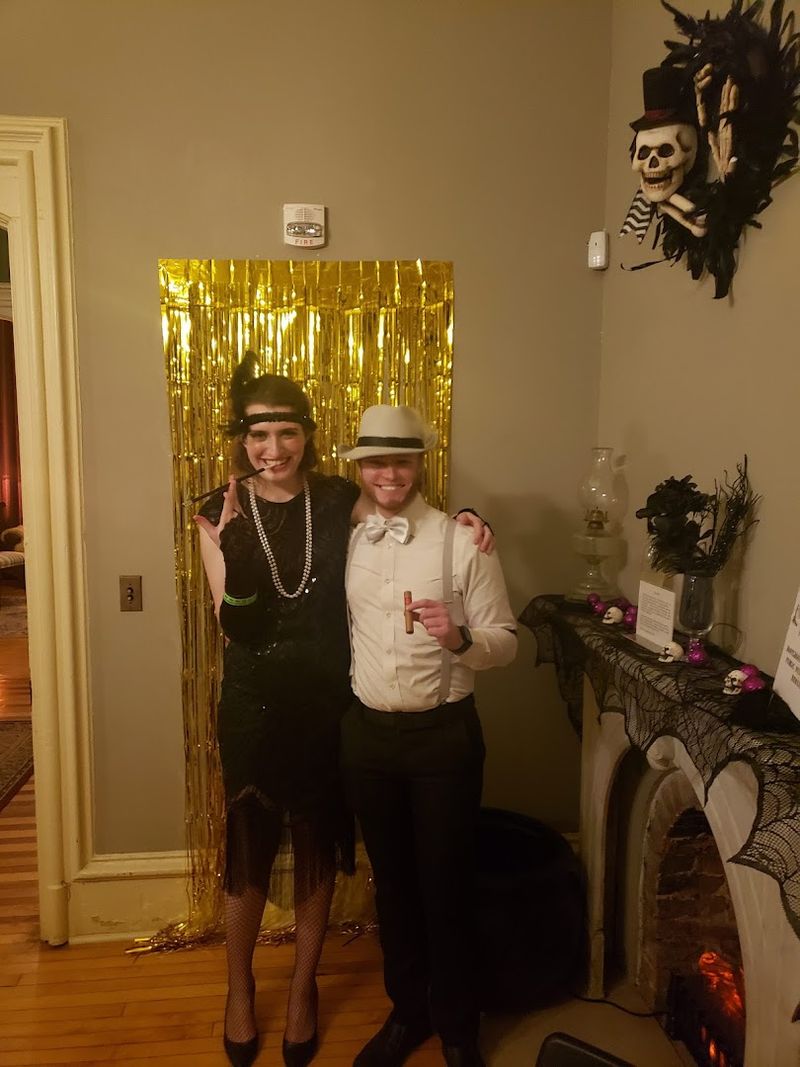
Of all the events on the Stockton House Museum’s calendar, the Haunted Tea is the one that gets people talking most. Picture a proper afternoon tea, finger sandwiches, delicate cups, beautiful table settings, all inside a building that has centuries of stories tucked into its corners.
The combination of elegance and eerie atmosphere is genuinely unusual, and it works better than you might expect. There is something almost theatrical about sipping tea in a room where the wallpaper has been in place longer than most of your relatives have been alive.
The event sells out, which tells you everything you need to know about how well it has been received by the Flint community. It is the kind of experience that turns first-time visitors into regulars, and it is a clever way to make history feel fun rather than stuffy.
If you are planning a visit, checking the event calendar before you go is strongly recommended.
Natural Springs on the Grounds: A Surprise Nobody Talks About

Most people come to the Stockton House Museum for the history or the ghost stories, but there is a detail on the property that tends to catch visitors completely off guard: natural spring water springs on the grounds. It is not something that gets advertised heavily, but it is the kind of discovery that makes the whole visit feel even more layered.
Natural springs on a historic property add a dimension that is hard to put into words. They suggest that this land was chosen carefully, that whoever built here understood something about the earth beneath their feet that most people today have forgotten.
The grounds themselves are worth a slow walk even before you step inside the building. The mature trees, the open space, and the quiet of the surrounding neighborhood give you a moment to appreciate the scale of what has been preserved here.
And then the springs remind you that nature has been part of this story all along.
The Rooftop View That Nobody Expects

Ask the right question during your tour and you might get an unexpected reward. The staff at the Stockton House Museum will take you to the rooftop if you express interest, and the view from up there is genuinely worth the climb.
From the top of the building, you can see the surrounding Flint neighborhood spread out in all directions, a patchwork of older homes, mature trees, and the kind of streetscapes that tell you this part of Michigan has a long memory. It reframes the whole experience of the house, because suddenly you understand its position in the landscape, how it was always meant to be seen from a distance as well as from within.
The rooftop moment is one of those small travel discoveries that you do not plan for but end up treasuring. It is the kind of thing that makes you glad you asked, and it is a good reminder that the best parts of any historic site are often the ones not listed on the brochure.
Period Furnishings and the Art of Educated Guessing
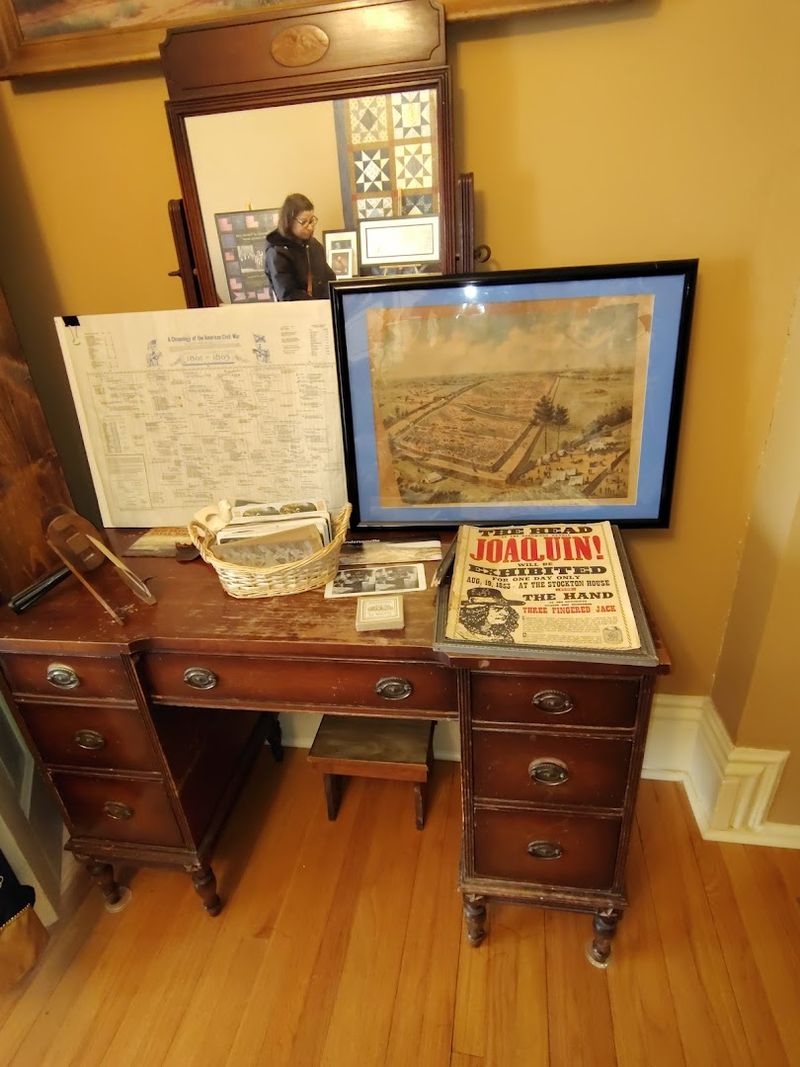
Here is something the museum is refreshingly honest about: not all of the furnishings inside are original to the house or even to the exact period of its construction. Many pieces are donations, and some are representative of the era rather than directly connected to the Stockton family.
That transparency is actually one of the things that makes the museum feel trustworthy. Rather than pretending every chair and candlestick has a verified provenance, the staff acknowledge what is known and what is approximated, which makes the history feel more real rather than less.
The result is a space that evokes the period convincingly without overclaiming. You get a genuine sense of how a home like this would have looked and felt in the 19th century, and that atmospheric accuracy is more valuable than a perfectly curated collection that keeps you at arm’s length.
The house communicates its era through texture and scale as much as through individual objects.
The Community Events That Keep History Alive

The Stockton House Museum is not a place that locks itself away and waits for serious history buffs to come knocking. Throughout the year, it hosts a rotating calendar of community events that bring in families, students, curious locals, and visitors from further afield.
An Easter egg hunt organized on the property drew families who described the event as thoughtfully run and genuinely welcoming. Every child walked away with something, and the whole affair was free to attend, which says a lot about the museum’s commitment to being a community resource rather than just a tourist attraction.
Speaker events have also become a regular feature, covering topics that range well beyond local Flint history. A recent talk on the Titanic drew an enthusiastic crowd, proving that the museum has figured out how to use its historic setting as a backdrop for broader conversations about the past.
The programming keeps the building feeling alive rather than preserved in amber.
What the Restoration Got Right
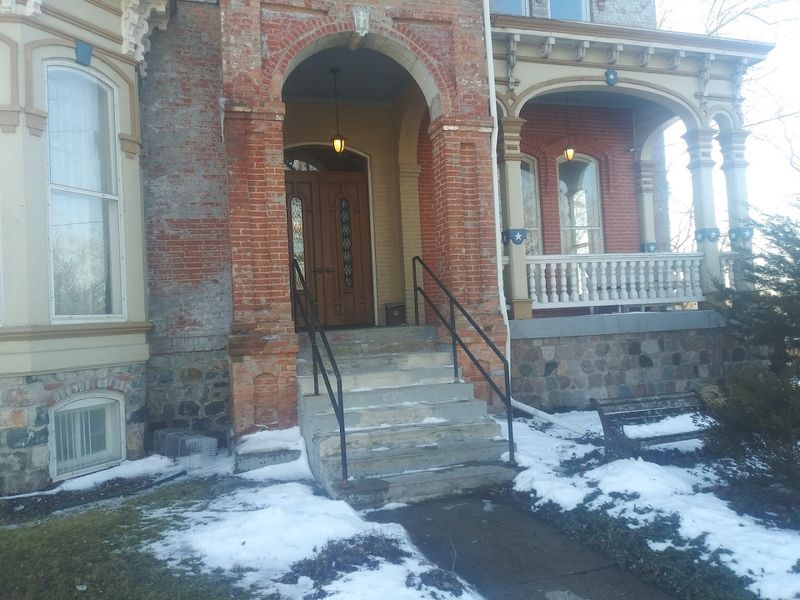
Restoring a building of this age without stripping away its character is genuinely difficult, and the people behind the Stockton House Museum deserve credit for getting that balance right. The restoration preserved the architectural bones of the home while making it safe and accessible for modern visitors.
The plaster ceilings survived. The hardwood floors survived.
The grand staircase survived. Those are not small achievements in a city that has watched many of its historic structures disappear over the past several decades.
There is a particular quality to a well-restored old building that a new construction cannot replicate no matter how much money is spent on it. The Stockton House has that quality in abundance.
You can feel the difference between a place that has been lived in and loved over a long period of time and a place that is merely designed to look old. This one is the real thing, and walking through it, you understand exactly what Flint is fighting to hold onto.
Planning Your Visit and What to Know Before You Go
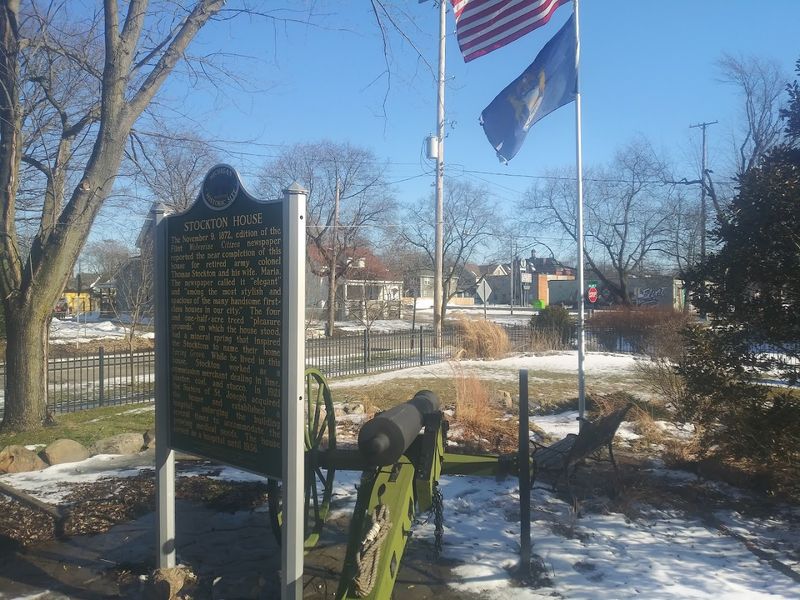
The Stockton House Museum is one of those places where a little advance planning goes a long way. Hours of operation have historically been limited, with the museum open on select Saturdays from 1 to 4 in the afternoon, so checking the website or calling ahead is genuinely important before making the trip.
Tour admission has been priced at around ten dollars, which is a reasonable ask for the amount of history packed into a single building. The staff are knowledgeable and approachable, and the guided format means you get context that you simply would not find on your own.
The museum also rents space for small businesses and private events, which gives the building a living, working energy that purely archival spaces often lack. Whether you are visiting for the history, the ghost stories, the community events, or simply because you drove past and got curious, the Stockton House has a way of making sure you leave knowing more than when you arrived.



