The Mississippi River is one of the most famous rivers in the world, but most people have no idea that its only natural major waterfall sits right in the heart of a major American city. This spot has shaped the history of Minneapolis more than almost anything else, turning a wild frontier into a booming industrial hub.
The story behind the falls involves Native American heritage, engineering feats, and a lock-and-dam system that still turns heads today. Spend an afternoon here, and you will walk away knowing things about the Mississippi that most people never learn in school.
Finding the Visitor Center at 1 Portland Ave
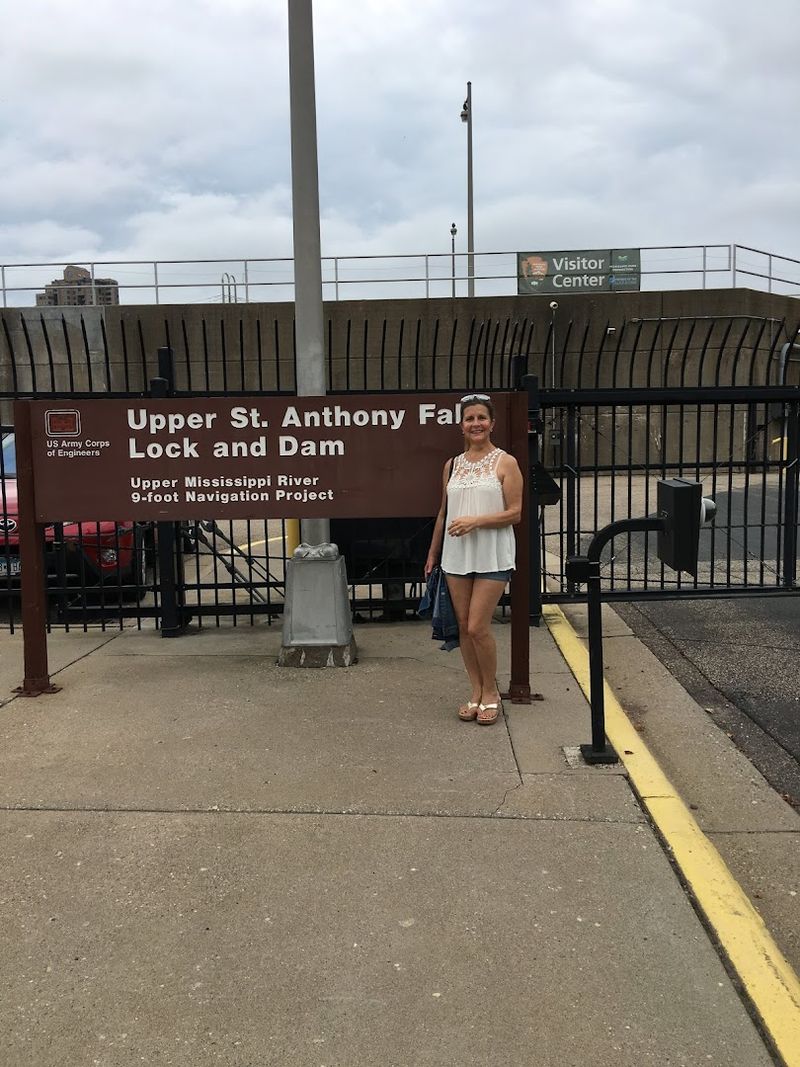
The St. Anthony Falls Visitor Center sits at 1 Portland Ave, Minneapolis, MN 55401, right along the riverfront in the heart of downtown Minneapolis. Getting there is straightforward, especially if you use GPS, since the streets near the river can feel a little maze-like for first-time visitors.
Free parking is available nearby, with a couple of hours of no-cost street parking just a short walk from the entrance. The visitor center itself is compact and easy to navigate, making it a comfortable stop for families, solo travelers, and history buffs alike.
Once you arrive, the Mississippi River is practically at your feet. The location puts you right at the edge of where Minneapolis essentially began, with old mill ruins and stone bridges framing the scene on all sides.
It is the kind of spot where you immediately feel the weight of history pressing in around you.
The Only Natural Waterfall on the Mississippi River
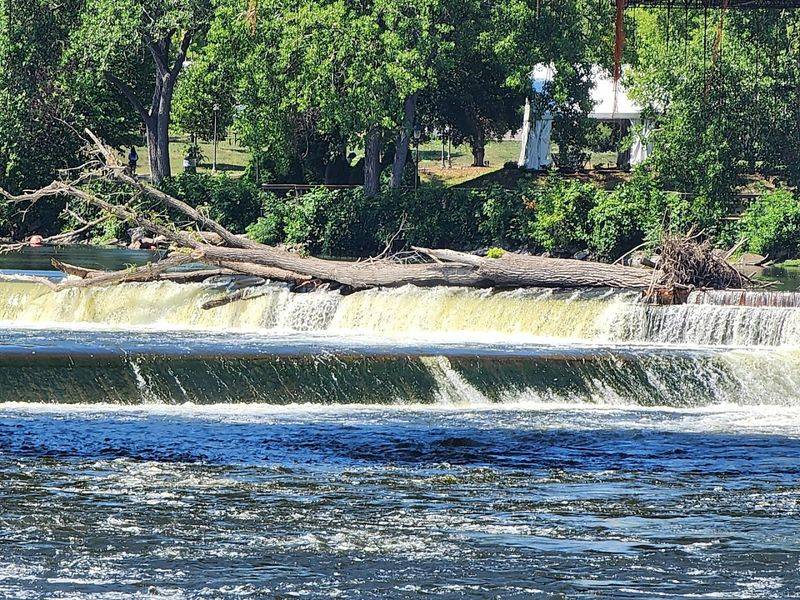
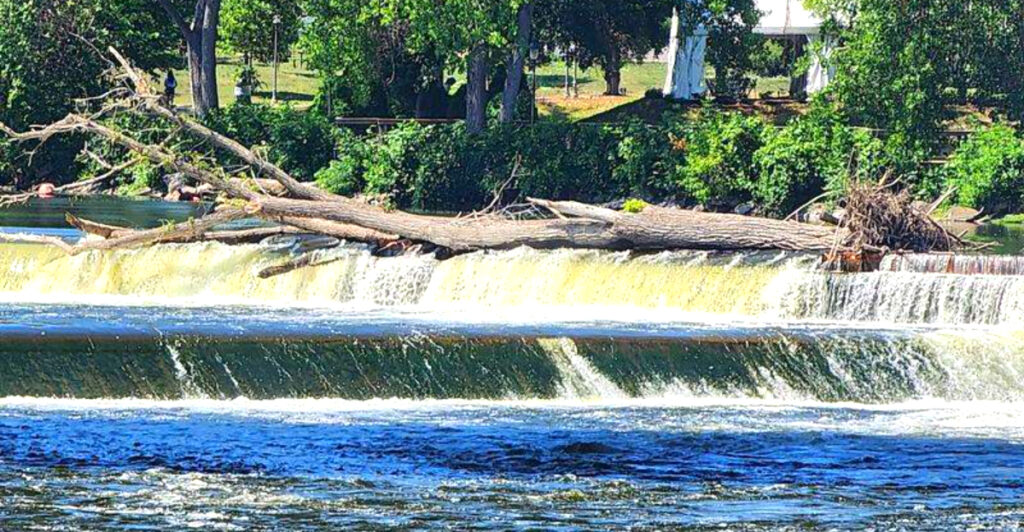
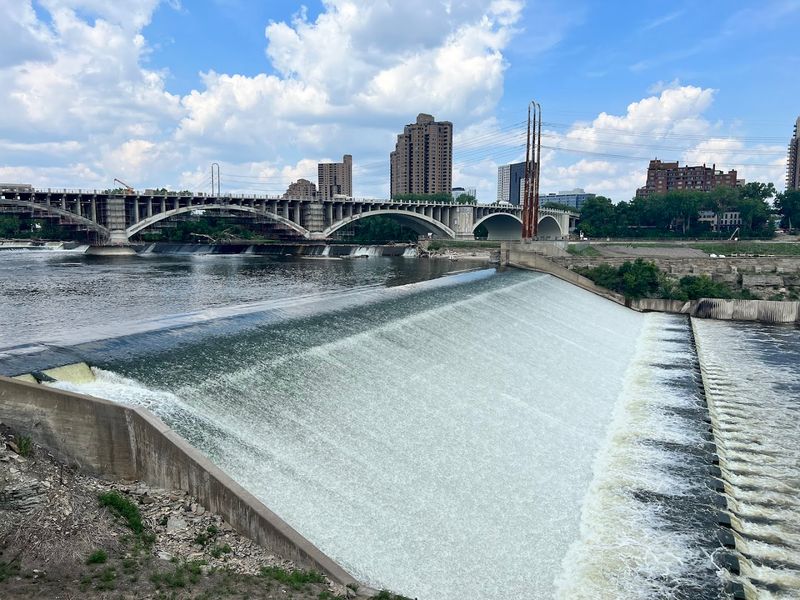
Most people think of the Mississippi River as a slow, winding giant, but there is one place where it drops fast and loud over ancient limestone. St. Anthony Falls is the only natural waterfall on the entire length of the Mississippi River, and that fact alone makes it extraordinary.
The falls stretch across the river with a wide, powerful cascade that you can hear before you even see it. The spray hangs in the air, and on a sunny day, small rainbows flicker above the water.
What makes this even more remarkable is that the falls have actually migrated upstream over thousands of years as the limestone eroded. Engineers eventually stabilized them with a concrete apron in the 1880s to stop that movement.
Without that intervention, the falls could have disappeared entirely, taking a major piece of Minneapolis history along with them.
A Quick History of How the Falls Built a City
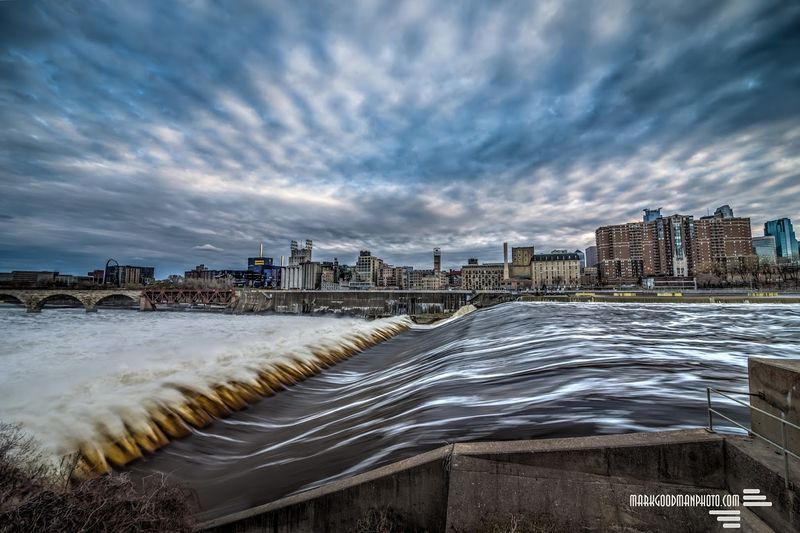
Before Minneapolis was a city, it was a thundering waterfall surrounded by wilderness. The Dakota people knew these falls as Owamniyomni, a sacred place they had revered for generations long before European settlers arrived.
When Father Louis Hennepin, a Belgian priest, became the first European to document the falls in 1680, he named them after his patron saint. By the mid-1800s, settlers had figured out that all that falling water could power something big.
Mills sprang up along both banks, grinding wheat and cutting lumber at a pace that made Minneapolis one of the fastest-growing cities in the country.
At its peak, the area around St. Anthony Falls produced more flour than anywhere else in the world. The visitor center brings this story to life with exhibits, maps, and timelines that connect the roar of the water to the rise of an entire city.
The Lock and Dam System That Changed Everything
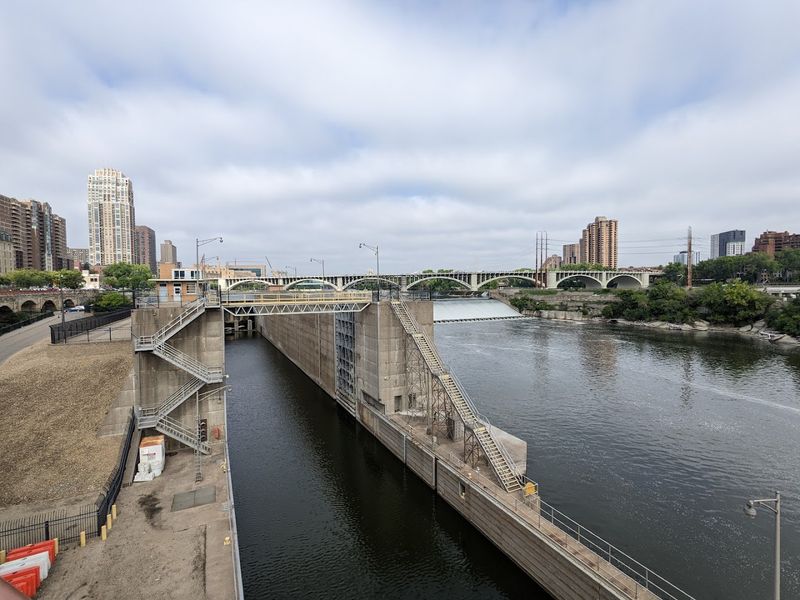
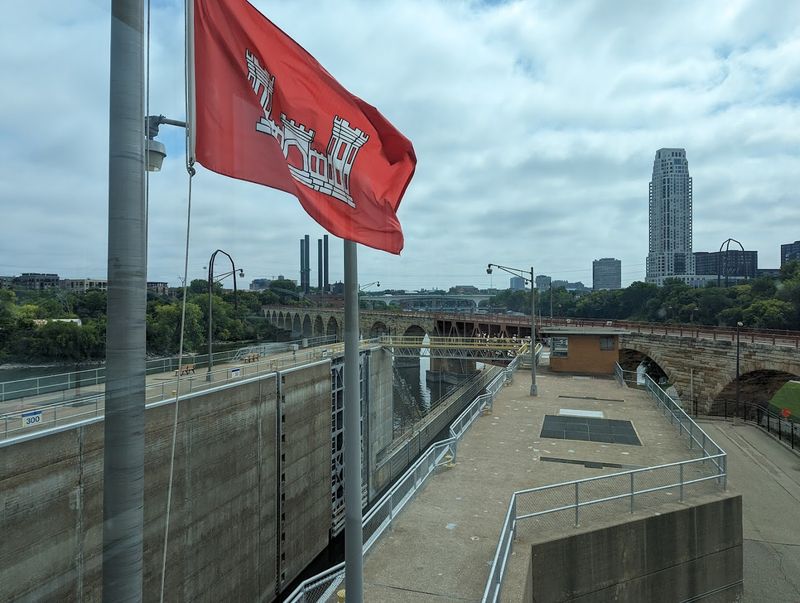
Few engineering projects in American history changed a river as dramatically as the lock and dam system built around St. Anthony Falls. The Upper St. Anthony Falls Lock, completed in 1963, was part of a 72-mile system designed to make the upper Mississippi navigable for commercial barge traffic.
The lock itself is a marvel to stand next to. Think of a five-story building tipped on its side, filled with water, and you start to get a sense of its scale.
Boats would enter the chamber, the gates would close, and the water level would rise or fall to move the vessel to the next level of the river.
The lock has been closed to navigation since 2015 to prevent invasive species from moving upstream, but the structure remains fully intact and completely visible to visitors. It is one of those things that you simply cannot appreciate until you are standing right next to it.
The Two-Mile Loop Walk Around the Falls
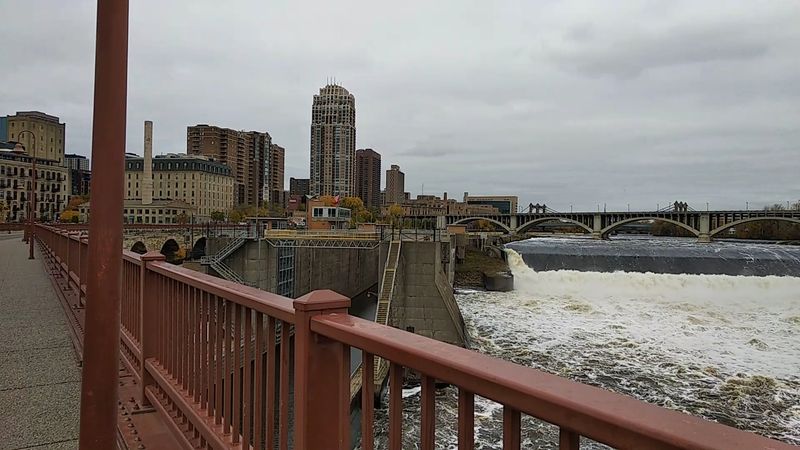
A two-mile loop trail wraps around the falls and offers some of the best views of the Mississippi River you can find anywhere in Minneapolis. The path is paved and well-maintained, making it easy to walk at a comfortable pace while taking in the scenery.
Along the route, you pass remnants of the old mill district, including crumbling stone walls and foundations that once supported massive flour operations. The Stone Arch Bridge, a beautifully preserved railroad bridge turned pedestrian walkway, is one of the highlights of the loop.
The walk also takes you past public art installations, interpretive signs, and several spots where you can lean over a railing and watch the water rush by just a few feet below. Plan for about an hour if you want to take your time, read the signs, and snap a few photos along the way.
Getting Up Close to the Falls
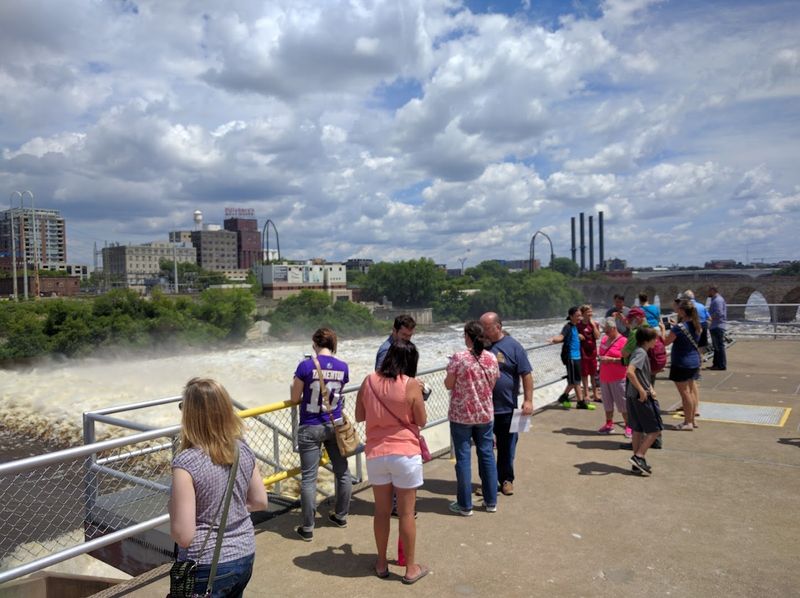
One of the best things about visiting the falls is how close you can actually get to them. Unlike many natural landmarks where you peer at the feature from a distance, the overlooks here put you right at the edge of the action.
During special events like Doors Open Minneapolis, the outdoor catwalk above the falls opens to the public, and the experience is genuinely jaw-dropping. The spray hits your face, the sound fills your ears, and the sheer volume of water moving past you is impossible to ignore.
Even on a regular visit without special access, the viewing platforms give you an excellent perspective on both the falls and the lock structure. Bring a camera, because the combination of rushing water, industrial stonework, and city skyline creates a scene that looks almost too dramatic to be real.
It is absolutely worth the short walk from the visitor center.
What You Will Find Inside the Visitor Center
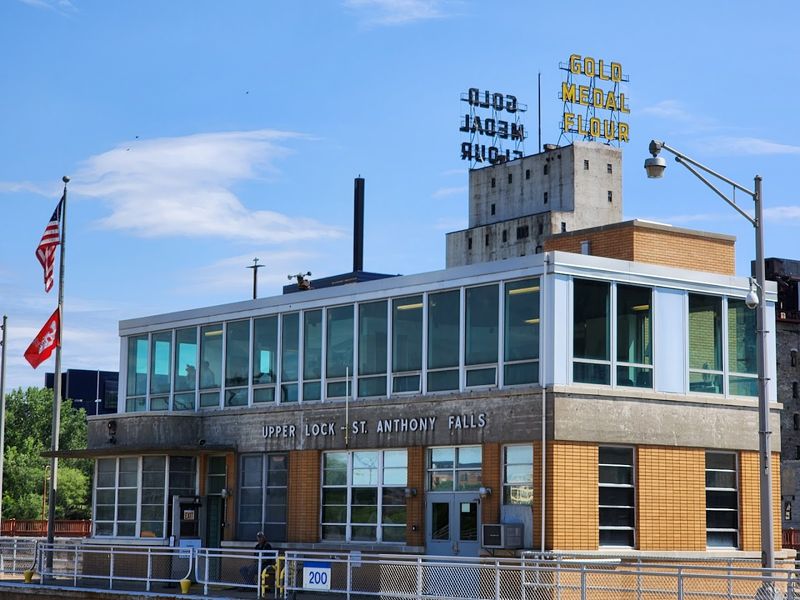
The visitor center is compact, but it punches well above its size when it comes to information. Inside, you will find exhibits covering the geological history of the falls, the engineering of the lock and dam system, and the industrial era that turned Minneapolis into a powerhouse city.
There is also a small gift shop where you can pick up souvenirs, maps, and books related to the history of the area. The exhibits use clear language and visuals that make the information accessible for visitors of all ages, including kids who might not normally gravitate toward history displays.
Rangers and knowledgeable volunteers are on hand to answer questions, share stories, and point out details you might otherwise overlook. The center also participates in the Junior Ranger program, which gives younger visitors a structured and engaging way to learn about the falls and earn a special badge.
The Junior Ranger Program for Young Visitors
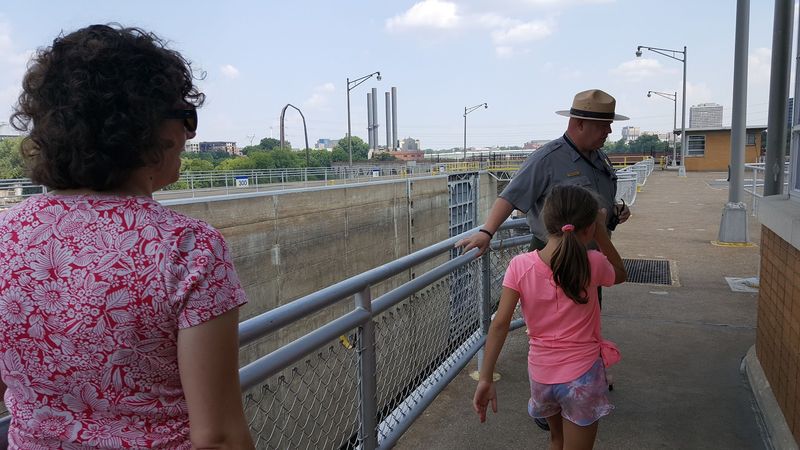
Families with kids will find that the Junior Ranger program is one of the most thoughtful touches the visitor center offers. Children work through a booklet of activities tied to the history and science of the falls, and once they complete it, they earn an official Junior Ranger badge.
The program is sized appropriately for a site like this one, meaning it is engaging without being overwhelming. Kids learn about river ecosystems, the mechanics of the lock system, and the Native American history of the falls in a way that feels more like an adventure than a lesson.
Rangers are genuinely enthusiastic about working with younger visitors, and the program has a way of turning even reluctant learners into curious explorers. If you are visiting with children, this program alone is a reason to make the trip.
It turns a sightseeing stop into something the kids will actually remember.
The Native American Heritage of Owamniyomni
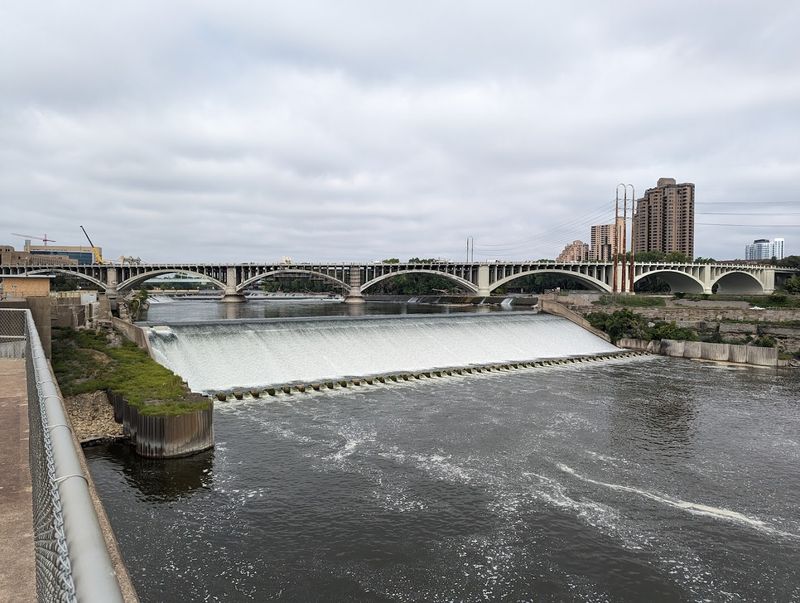
Long before European explorers arrived, the Dakota people knew this place as Owamniyomni, which translates roughly to “whirlpool” in the Dakota language. The falls held deep spiritual significance for the Dakota, who considered the surrounding area sacred ground.
Spirit Island, a small island that once sat just below the falls, was one of the most significant sacred sites in the region. It was destroyed during construction projects in the twentieth century, a loss that the Dakota community continues to mourn.
Artist Andrea Carlson created a powerful projection piece about Spirit Island that was displayed on the lock walls during a Northern Spark art festival, bringing renewed attention to this history.
The visitor center acknowledges this Indigenous heritage through its exhibits, and rangers are often willing to discuss it in depth. Understanding the falls through this lens adds a layer of meaning that changes how you experience the entire site.
Photography Opportunities Around the Falls
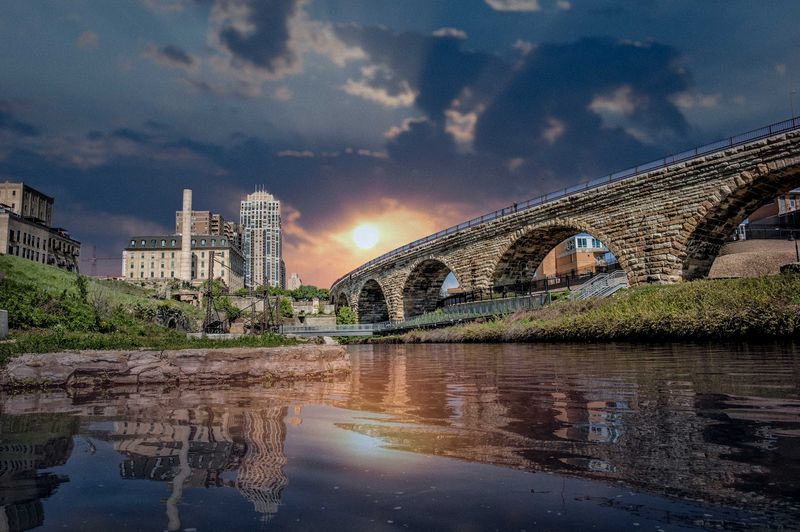
Few spots in Minneapolis reward photographers as generously as the area around St. Anthony Falls. The combination of rushing water, historic stone architecture, and urban skyline creates a backdrop that works beautifully in almost any lighting condition.
Early morning visits offer soft light and fewer crowds, making it easier to get clean shots of the falls and the Stone Arch Bridge. The bridge itself, built in 1883 from locally quarried granite, curves gracefully across the river and looks stunning from almost every angle.
At dusk, the city lights begin to reflect off the water, and the falls take on a completely different character. The lock structure, with its massive concrete walls and industrial geometry, also makes for compelling architectural photography.
Whether you are shooting with a professional camera or a smartphone, the scenery here has a way of making every photo look like it was planned.
Seasonal Highlights and Best Times to Visit
The visitor center operates seasonally, so checking the hours before you go is a smart move. Summer is the most popular time to visit, and for good reason.
The falls are at their most dramatic after spring snowmelt, when the river runs high and fast and the roar of the water can be heard from a surprising distance.
Fall brings its own rewards, with colorful foliage lining the riverbanks and thinner crowds that make the walk around the loop much more peaceful. Winter visits are possible and atmospheric, with ice formations building up around the edges of the falls, though the visitor center may have limited hours.
Spring and early summer are also when the lock structure tends to draw the most attention, as the gates and chambers are visible and unobstructed. No matter the season, the falls offer something worth seeing, but summer and early fall tend to hit the sweet spot for most visitors.
Practical Tips Before You Go
A few practical details can make your visit run much more smoothly. The site is free to visit, which is a genuinely rare thing for a destination this interesting.
Free parking is available nearby, with a couple of hours of no-cost street parking just a short walk from the entrance.
Wear comfortable walking shoes, since the two-mile loop involves some uneven surfaces near the older sections of the trail. Tours led by park rangers are sometimes available, but hours can be limited, so calling ahead or checking the Army Corps of Engineers website before your trip is a good idea.
The visitor center is a quick stop on its own, but the full experience really opens up when you combine it with the walking loop, the Stone Arch Bridge, and the nearby Mill Ruins Park. Give yourself at least two hours to do the area justice, and you will leave with a much richer understanding of Minneapolis and the river that made it possible.
Share this story