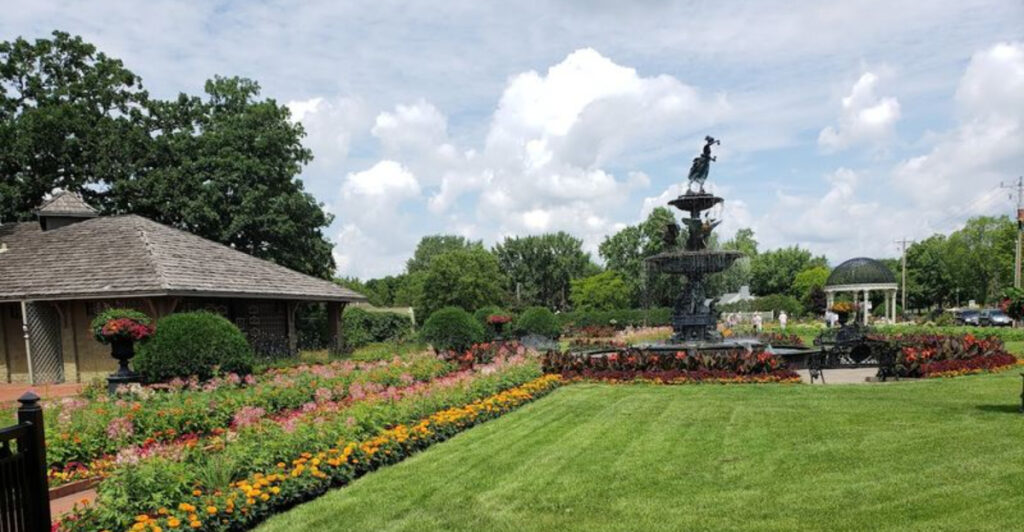
There is a garden in central Minnesota where tulips crowd the riverbank, peacocks wander the paths, and bald eagles circle overhead like they own the place. It has been drawing visitors since the 1930s, and once you see it, you will understand why people drive over an hour just to spend an afternoon here.
The best part? Admission is completely free, every single day of the week.
This article walks you through everything that makes this riverside garden one of Minnesota’s most beloved public spaces, from its fascinating Depression-era origins to the lily pond that looks like it belongs on a postcard. Whether you are planning your first visit or your fifth, there is always something new to discover here, and the next section will tell you exactly where to find it.
A Garden Born from the Great Depression
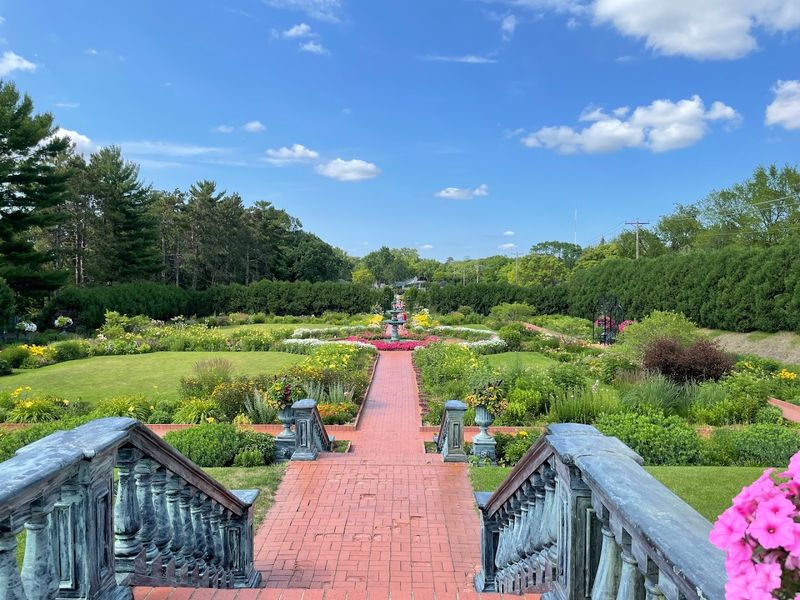
Few public spaces carry as much history in their soil as this one. Munsinger Gardens, found at 1515 Riverside Dr SE, St. Cloud, MN 56304, was developed in the 1930s on the site of a former sawmill along the Mississippi River.
The Works Progress Administration, better known as the WPA, was responsible for building much of what visitors still enjoy today. Those winding paths, the carefully arranged flowerbeds, and the iconic lily pond were all created during that era as part of a nationwide effort to put people back to work during hard economic times.
Joseph Munsinger, the city’s first park superintendent, guided the project and left his name on something that would outlast generations. It is remarkable to think that what began as a relief effort during one of America’s toughest chapters became one of its most charming free public gardens.
Right on the Mississippi River
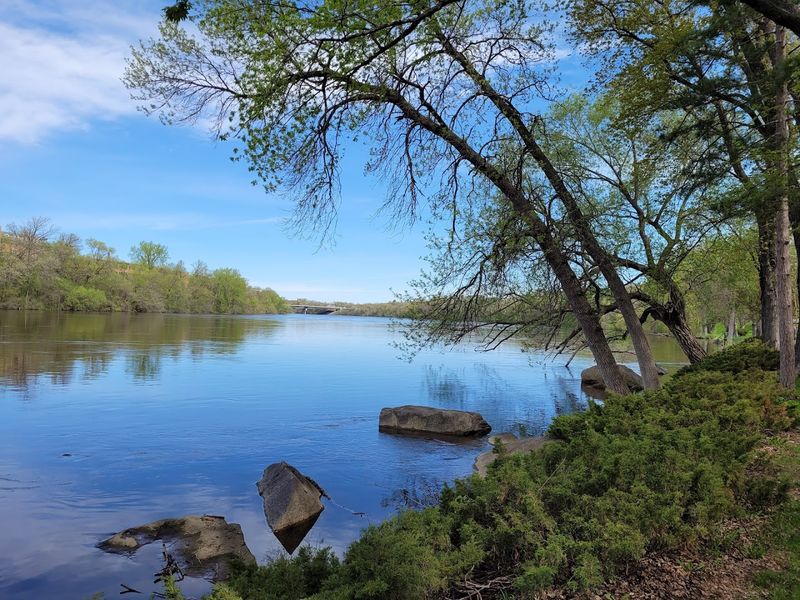
The Mississippi River is one of the most iconic waterways in America, and Munsinger Gardens sits right along its banks. That riverfront location gives the garden a completely different energy compared to an ordinary city park.
From certain spots along the walking path, you can look out past the flowers and watch the current move steadily downstream. The combination of cultivated garden beds and natural river scenery creates a visual contrast that feels almost cinematic, especially during the golden hour before sunset.
Shore fishing is also popular here, since the garden borders the river just above a dam where fish tend to gather. It is one of those rare places where you can convince a fishing-obsessed friend to tag along by promising them a great catch while you enjoy the roses.
The river is not just a backdrop here; it is very much part of the experience.
Open Every Day, Free for Everyone
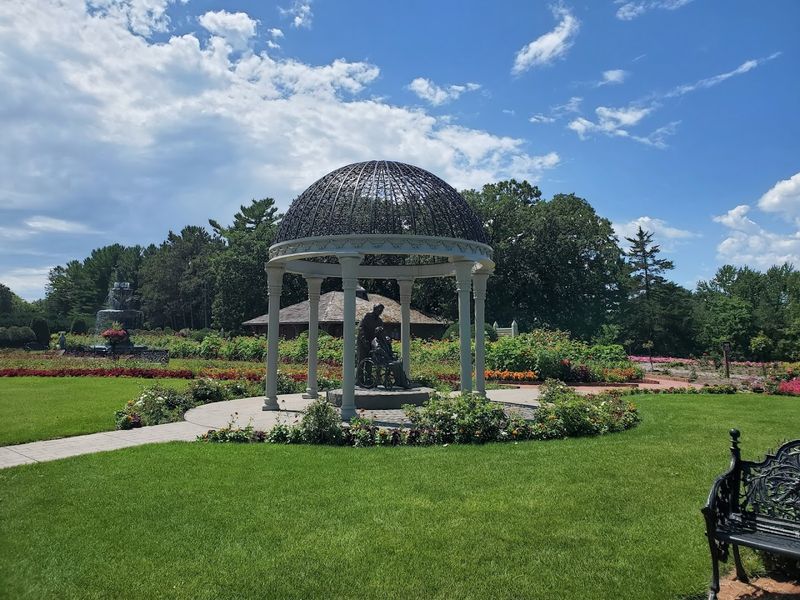
One of the most refreshing things about this garden is that it costs absolutely nothing to visit. No ticket booth, no membership fee, no suggested donation envelope near the gate.
The garden is open to the public seven days a week from 7 AM to 10 PM year-round.
Free street parking lines Riverside Drive, and there is also a dedicated parking lot adjacent to the garden for easy access. That combination of zero cost and convenient parking removes every possible excuse not to visit.
Families, couples, solo walkers, photographers, and dog owners all show up here regularly, and there is plenty of space for everyone to find their own quiet corner. A restroom building is available on site as well, which is a small but appreciated detail for longer visits.
Honestly, it is hard to think of a better free afternoon in central Minnesota.
A Flower Variety That Will Surprise You
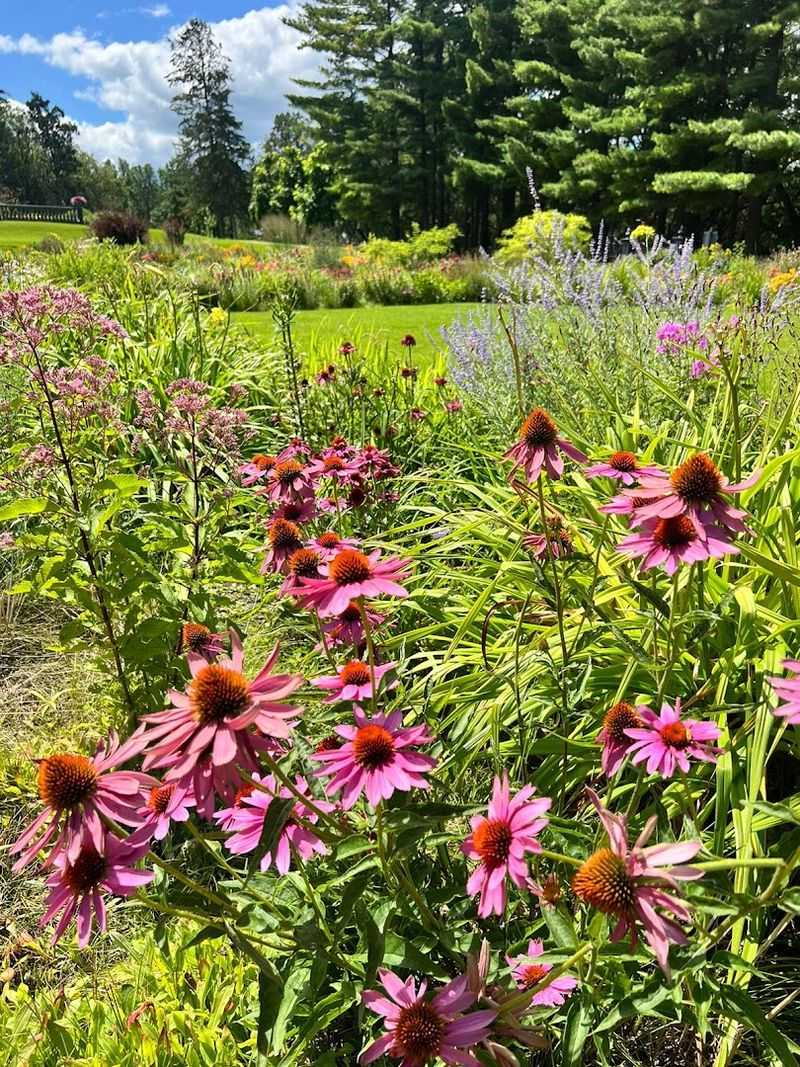
The sheer range of plants growing in this garden is genuinely impressive. Tulips tend to dominate in spring, painting the beds in bold reds, yellows, and purples.
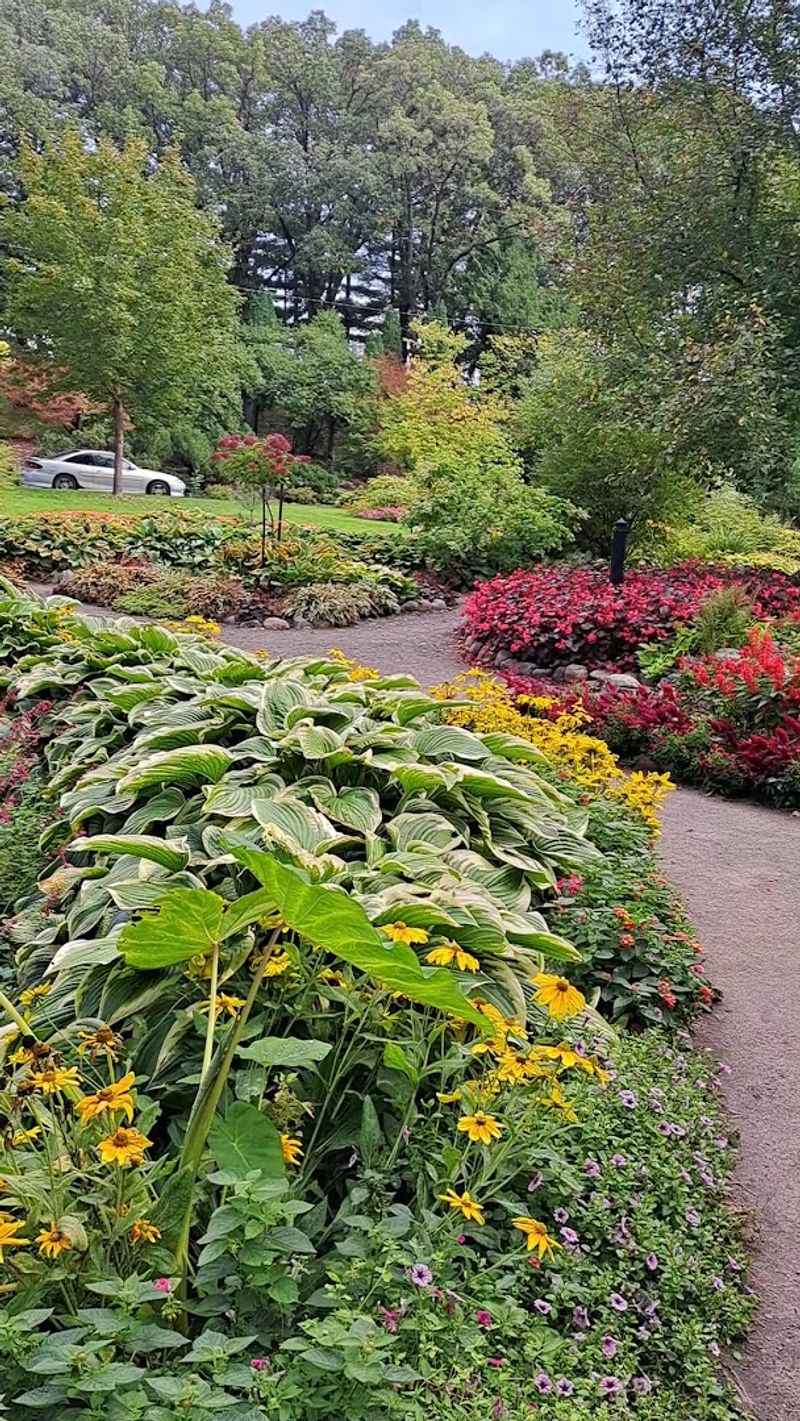
As the season progresses, hostas, bleeding hearts, and dozens of other perennials take over, keeping the color rotation going well into summer.
The garden also features a rock garden and a greenhouse, adding even more variety to what you can see during a single visit. Hummingbirds and other nectar-feeding birds show up regularly, drawn in by the abundance of blooms, which adds an unexpected wildlife element to the experience.
Home gardeners especially love walking through here because it works as a kind of living catalog. Spotting a plant you have never grown before and then researching it later is practically a tradition among repeat visitors.
The variety on display here is broad enough to inspire even the most experienced gardener to try something new this season.
Benches, Swings, and Spots to Just Sit
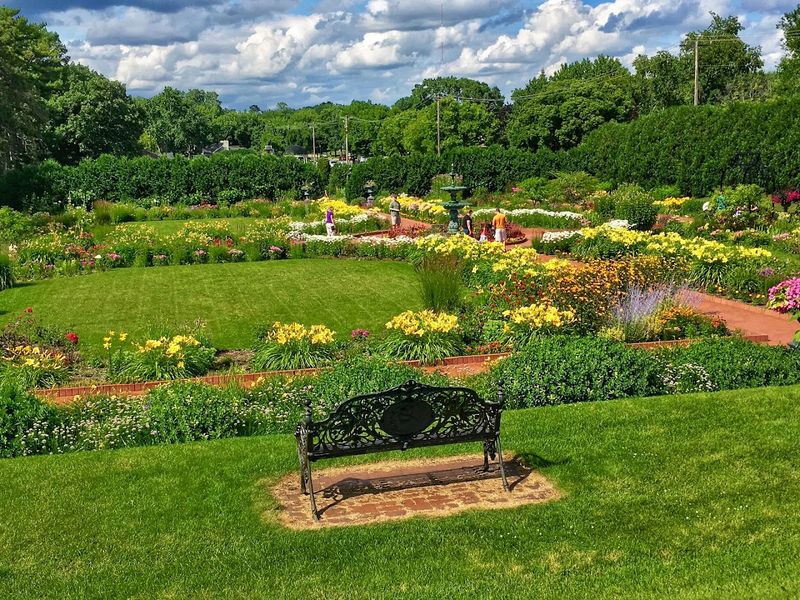
Most gardens give you paths to walk and flowers to look at. Munsinger Gardens goes a step further by offering what might be the most generous collection of seating options in any public garden in the state.
Benches appear around nearly every curve, and swing benches positioned along the river path are a particular favorite among visitors.
Those swinging benches have a way of turning a quick stroll into a full hour of sitting and watching the river go by. Bring a book, bring a friend, or just bring yourself and enjoy the kind of quiet that is hard to find in busier places.
The shaded areas throughout the garden make the seating even more appealing on hot summer days, since you can rest without baking in direct sun. It is the kind of thoughtful design detail that signals the people who maintain this place actually care about the visitor experience from start to finish.
Wildlife You Did Not Expect to See
Bald eagles at a flower garden sounds like something out of a nature documentary, but it is a completely normal sighting at Munsinger Gardens. Eagles nest in the tall trees along the river and have been spotted feeding their young from high branches while visitors watch from the paths below.
Then there are the peacocks, which roam the grounds with the kind of casual confidence that suggests they know exactly how good they look. Hummingbirds dart between flower clusters throughout the warmer months, and the garden’s proximity to the river means waterfowl are never far away either.
One visitor described joining a small crowd of people all craning their necks upward, only to discover a bald eagle illuminated by the setting sun feeding its chicks. That is the kind of unexpected moment that turns a nice afternoon into a story you tell for years.
Wildlife here is not a bonus; it is part of the attraction.
The Tree-Lined Walkway That Sets the Mood
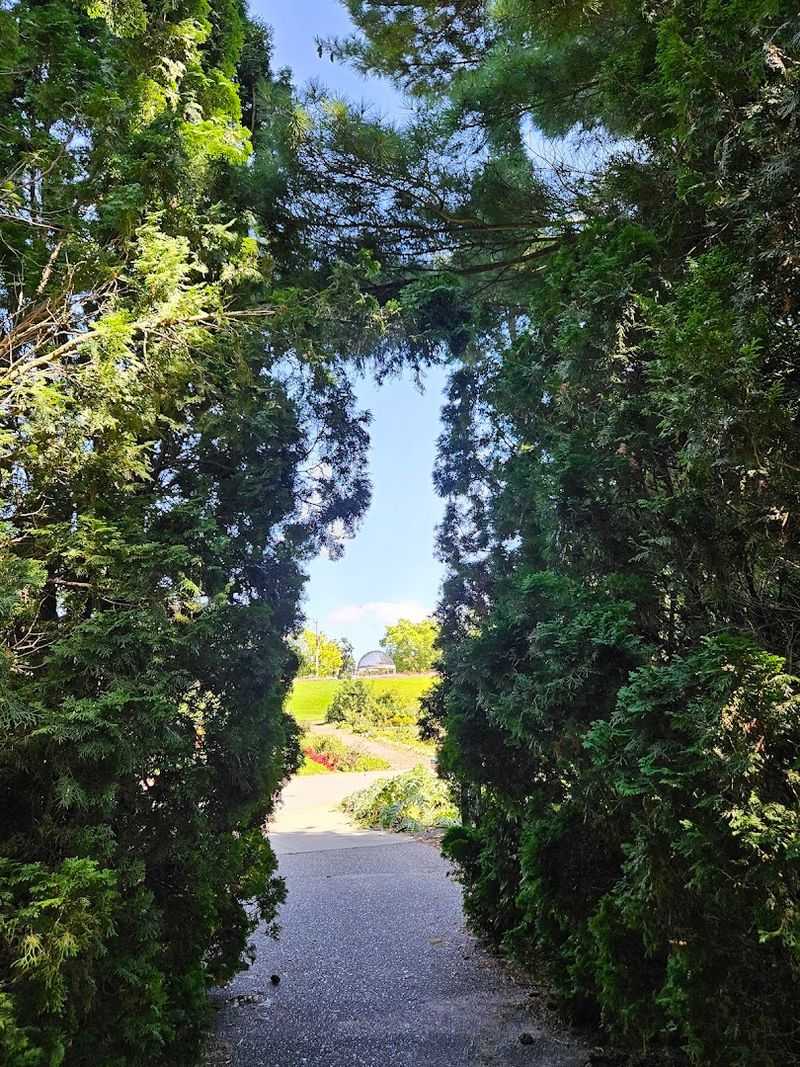
Before you even reach the main flower beds, the tree-lined entrance walkway signals that something special is ahead. Tall, mature trees arch over the path in a way that creates a natural canopy, filtering the sunlight into shifting patterns on the ground below.
That entrance has a dramatic quality to it, the kind of approach that makes you slow your pace without even thinking about it. It works as a visual and psychological transition, pulling you away from the parking lot and the street noise and into the quieter world of the garden.
The trees themselves are worth appreciating separately from the flowers, since their scale and age give the whole space a sense of permanence that younger gardens simply cannot replicate. Walking under that canopy on a warm afternoon, with light breaking through the leaves and flowers visible just ahead, is one of those simple pleasures that genuinely delivers every time.
A Spot for Weddings, Prom Photos, and Big Moments
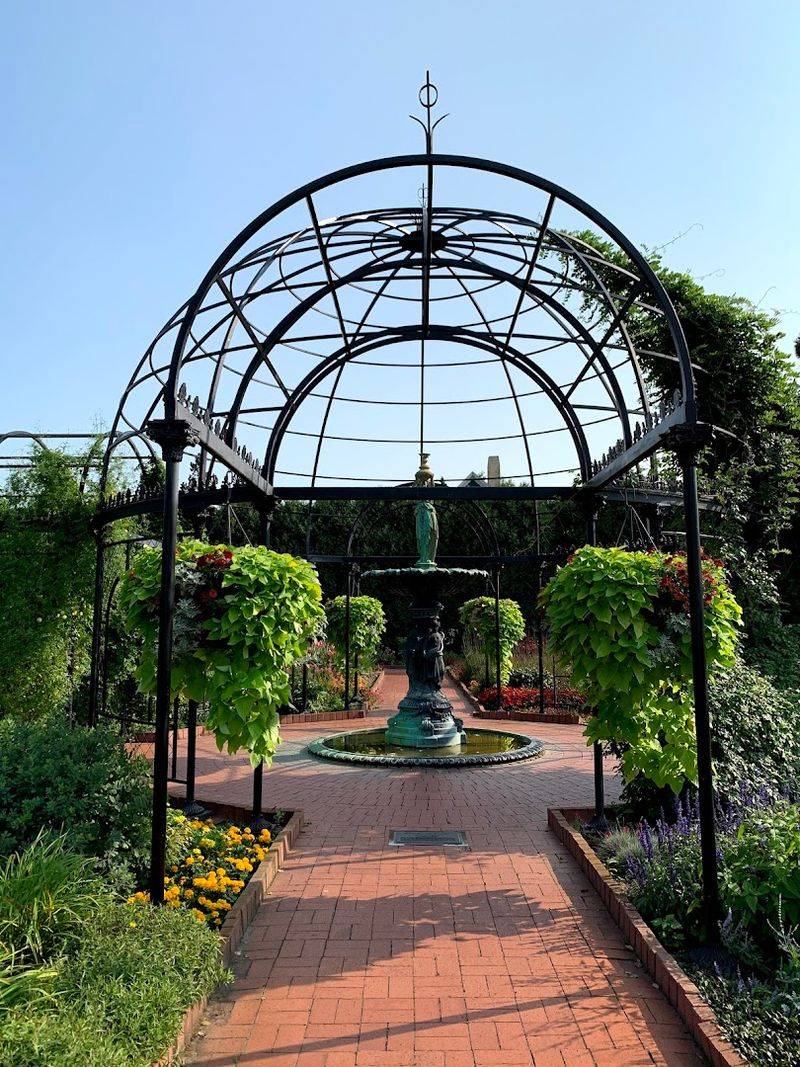
Some places become the backdrop for life’s most memorable moments, and Munsinger Gardens has quietly taken on that role for generations of St. Cloud families. Wedding ceremonies have been held here, with couples exchanging vows surrounded by river views and flower beds that need no additional decoration.
Prom season brings groups of dressed-up students to the garden paths for photos, and the setting does most of the work for them. The variety of backdrops available within a single visit is genuinely impressive, from the lily pond to the river overlook to the shaded stone paths.
One visitor returned to the garden specifically because their parents had married there roughly two decades earlier, wanting to see how the place had changed. The answer, apparently, was that it had only gotten better.
That kind of multigenerational connection says something meaningful about how well this garden has been maintained over the years.
Best Times to Visit Through the Seasons
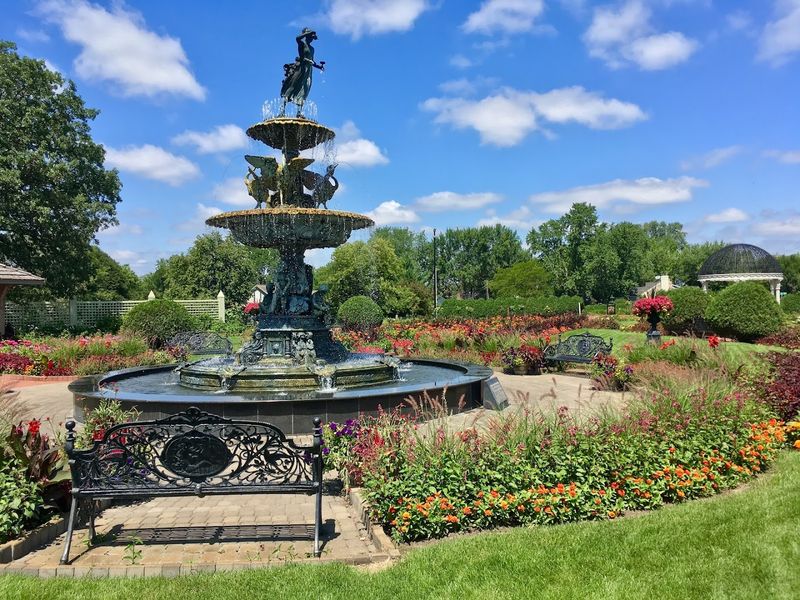
Spring is arguably the most dramatic season at Munsinger Gardens, when tulips take over the beds in enormous numbers and the whole garden seems to wake up at once. May and early June bring the most concentrated burst of color, which is why that window tends to draw the biggest crowds.
Summer keeps things interesting with rotating blooms, lush green shade from the mature trees, and the added bonus of the river looking its most inviting. Early morning visits during summer offer the best combination of cool temperatures, soft light, and fewer people on the paths.
Even in early May before peak bloom, the garden has enough structure, fountains, and greenery to make a visit worthwhile. The garden opens at 7 AM daily and stays open until 10 PM, which means golden-hour visits are entirely possible and genuinely rewarding.
Timing a visit around sunset is a strategy that pays off beautifully here.
Other Practical Details
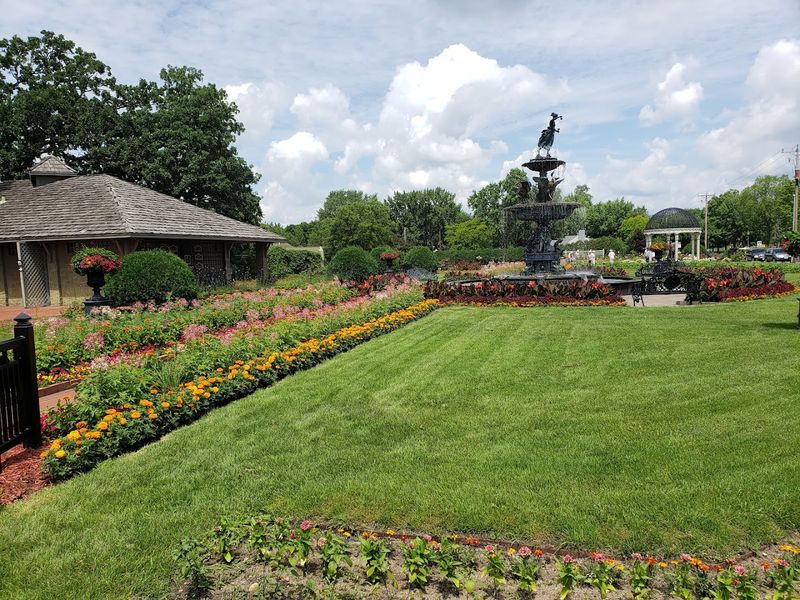
A garden visit that ends with ice cream is a garden visit done right. There is an ice cream shop inside the main building at Munsinger Gardens, which turns an already pleasant outing into a full afternoon treat.
It is the kind of detail that makes the place feel complete rather than purely ornamental.
The garden sits about an hour’s drive from the Twin Cities metro area, making it a very manageable day trip for Minneapolis or St. Paul residents looking for a change of scenery. Parking is free both on the street and in the adjacent lot, which removes one of the most common frustrations of visiting popular public spaces.
Bug spray is worth packing during the warmer months, especially in early summer when the mosquitoes along the river can be persistent. A few practical preparations go a long way toward making the visit as enjoyable as the garden itself deserves.
Why This Garden Keeps Drawing People Back
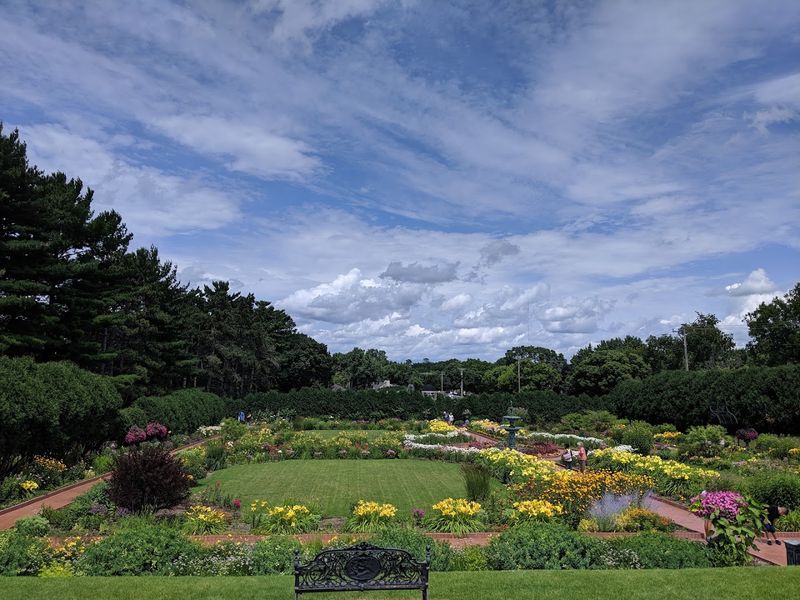
There are plenty of pretty parks in Minnesota, but Munsinger Gardens has something that most of them do not: a genuine sense of place built up over nearly a century of careful tending. The combination of history, natural beauty, wildlife, and community use creates an atmosphere that feels layered rather than manufactured.
Couples come here for quiet walks. Families spread out picnic blankets on the grass.
Solo visitors sit on the swing benches and read. Birders scan the trees for eagles and hummingbirds.
Photographers work the morning light along the lily pond. Everyone seems to find their own version of the garden.
That kind of versatility is rare, and it explains why the same people return season after season, year after year. The garden changes with every visit depending on what is blooming, what birds are passing through, and what time of day you arrive.
There is always a reason to come back.
Share this story