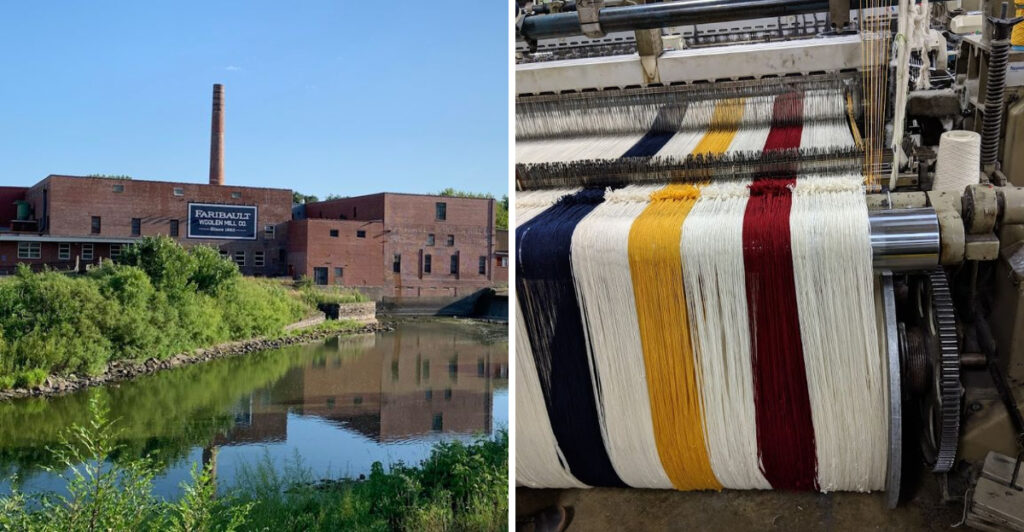
There is a building in southern Minnesota where machines from the 1800s still hum alongside modern looms, turning raw wool into blankets that have warmed soldiers, families, and outdoor adventurers for over 160 years. That is not a museum exhibit.
That is an active mill, running Monday through Saturday, producing some of the most respected wool blankets made in the United States. The mill has survived economic downturns, changed hands, and come back stronger each time, which makes visiting it feel like witnessing something genuinely rare.
By the time you finish reading, you will know exactly why this place deserves a spot on your Minnesota road trip list and why the blankets it produces have such a loyal following.
A Legacy That Started Before the Civil War Ended
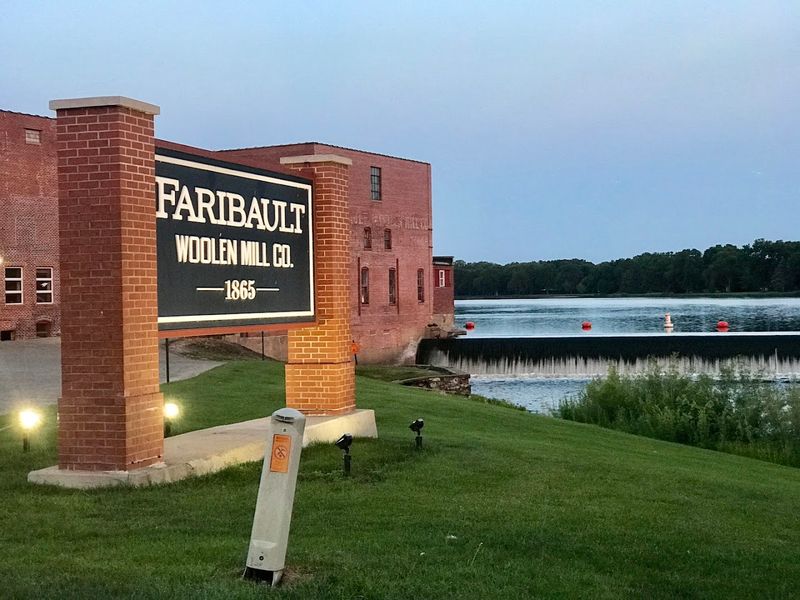
Few American businesses can say they were operating before Abraham Lincoln finished his presidency, but this mill can. The Faribault Woolen Mill Co. was founded in 1865 in Faribault, Minnesota, making it one of the oldest continuously operating woolen mills in the country.
That kind of longevity does not happen by accident. The mill built its reputation on consistent quality, producing wool blankets that held up through hard winters and heavy use.
Over the decades, it became a cornerstone of the local economy and a point of civic pride for the town of Faribault.
The mill faced serious challenges during the 2008 financial crisis and temporarily closed, but the Moody family stepped in and revived it, restoring both production and the brand’s identity. That comeback story is now as much a part of the mill’s identity as the blankets themselves.
Where Exactly You Will Find This Mill
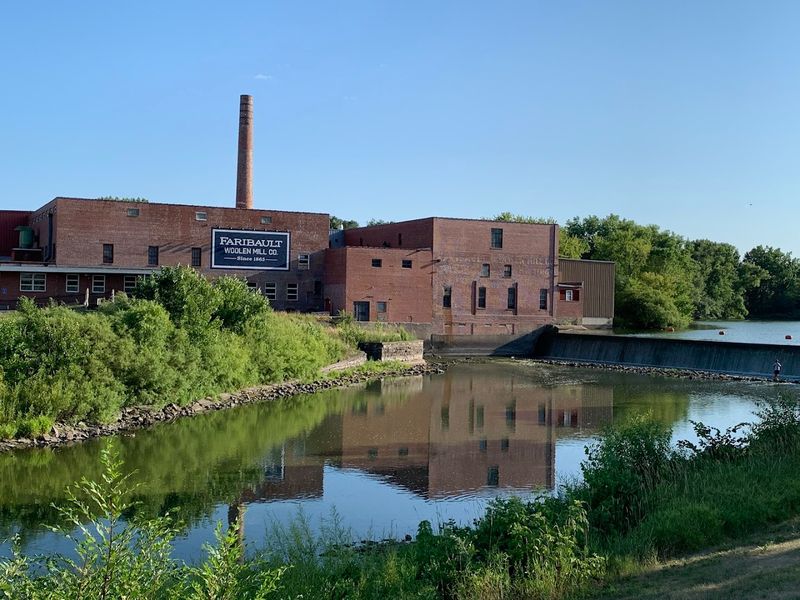
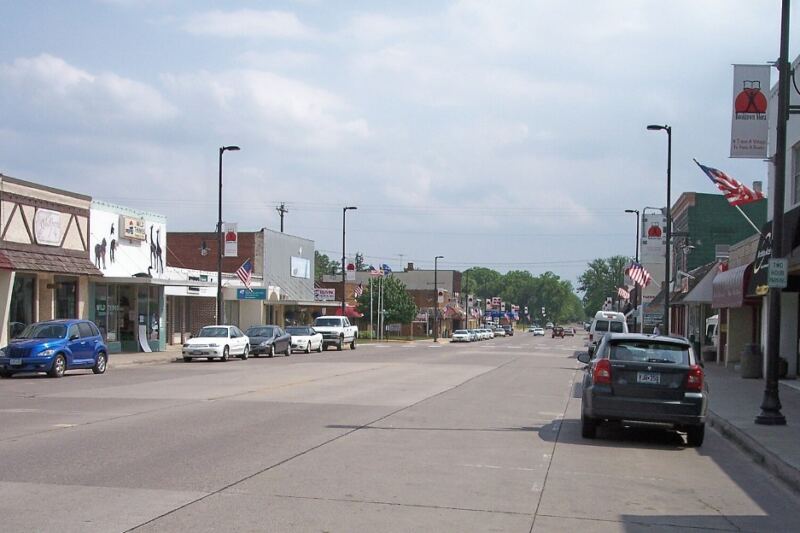
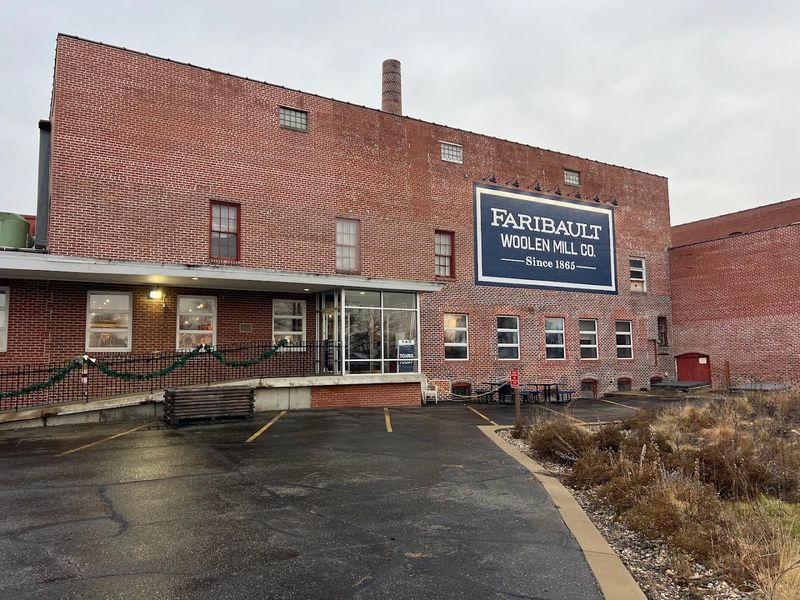
The mill sits at 1500 2nd Ave NW, Faribault, MN 55021, in the heart of a town that has a long history tied to manufacturing and craftsmanship. Faribault is about 50 miles south of Minneapolis, making it a very doable day trip from the Twin Cities metro area.
The building itself is hard to miss. It has the kind of solid, no-nonsense brick construction you would expect from a working industrial facility that has been in operation for more than a century.
There is a large parking lot on site, which makes arriving with a car easy and stress-free.
An accessible ramp leads into the building, so visitors with mobility needs can get inside without hassle. The mill is open Monday through Saturday from 9 AM to 5 PM and is closed on Sundays, so plan your visit accordingly.
How the Mill Came Back From the Brink
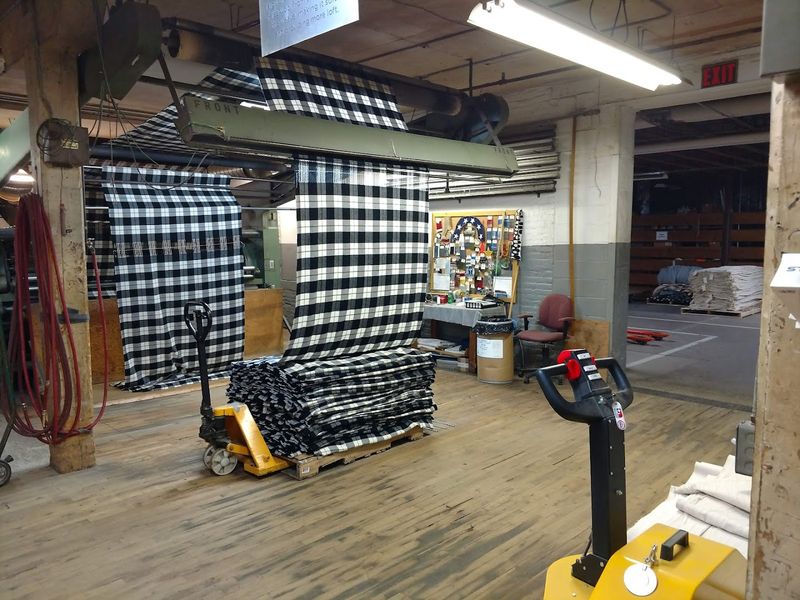
The 2008 financial crisis hit a lot of American manufacturers hard, and this mill was no exception. A leveraged buyout gone wrong forced the mill to shut down, which felt like the end of a very long chapter in Minnesota’s industrial history.
Then the Moody family arrived. They saw something worth saving in the mill’s equipment, its workforce, and its reputation, and they made the decision to bring it back.
Within about 18 months, production was running again and the brand was being rebuilt from the ground up.
The revival was not just about keeping a business alive. It was about preserving a craft that very few places in the world still practice at this level.
Today, the mill proudly markets itself as one of only two companies in the United States that still takes wool from raw fiber all the way to a finished blanket under one roof.
Machines From the 1800s Still Doing Real Work
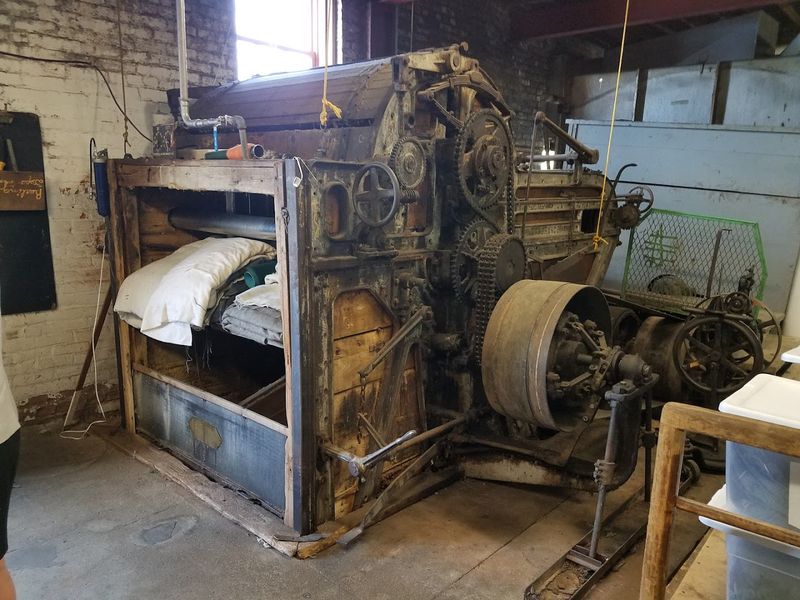
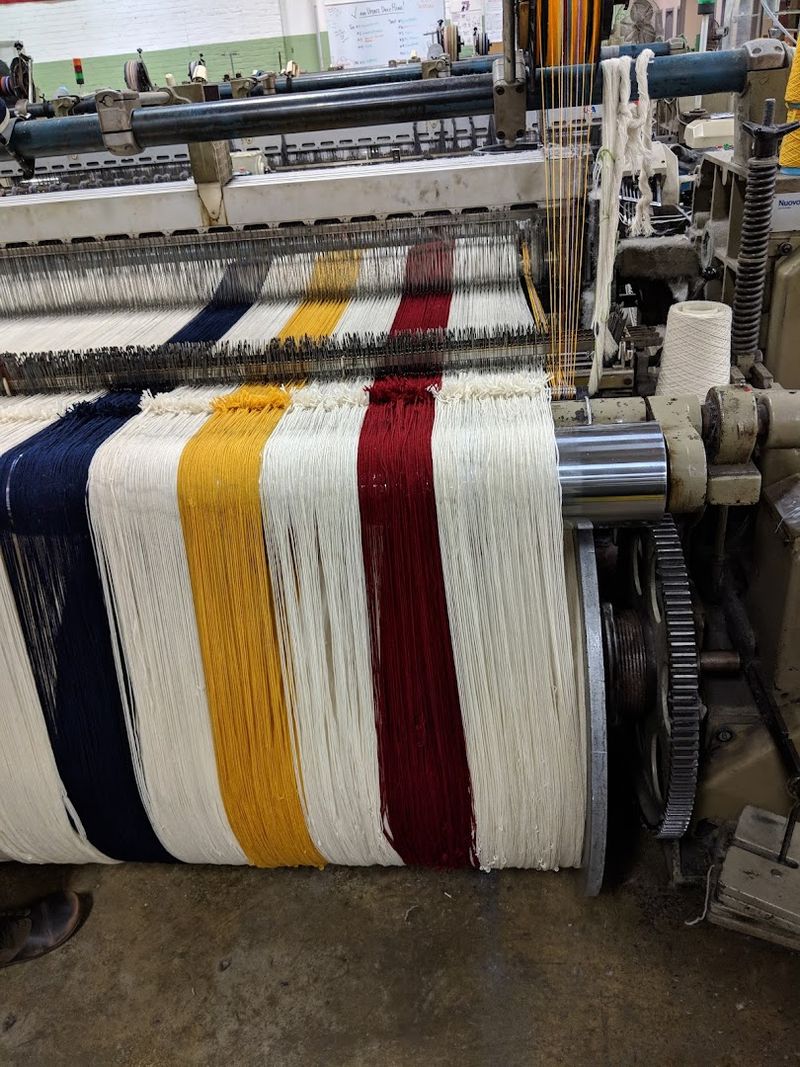
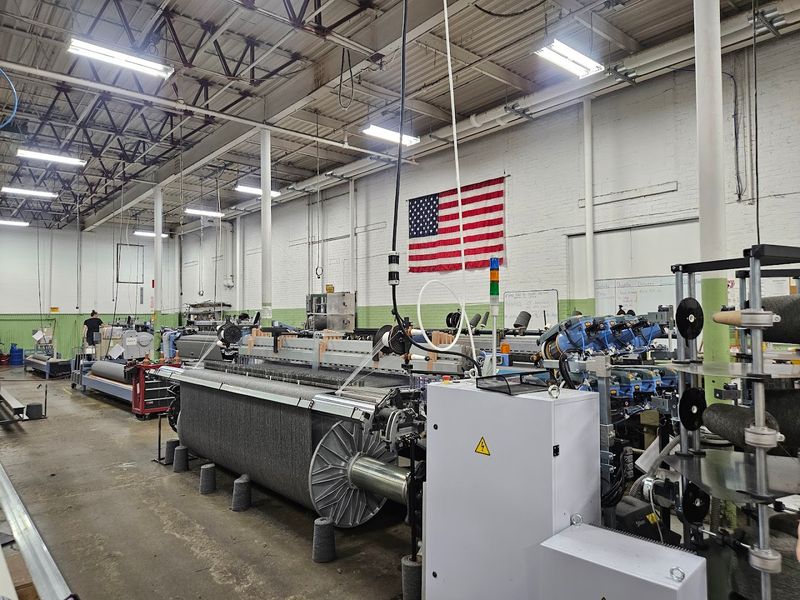
One of the most jaw-dropping things about touring this mill is realizing that some of the machines on the floor date back to 1904. These are not display pieces behind velvet ropes.
They are actively used in production, clanking and spinning right alongside more modern equipment.
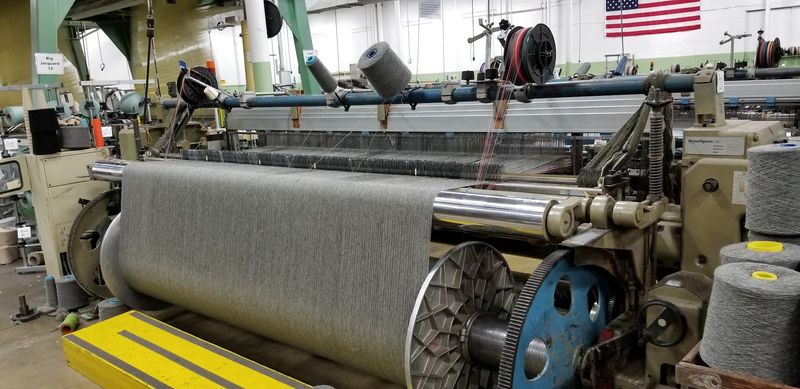
The contrast is striking. You can stand in a single room and watch a machine that was built over 120 years ago working beside weaving technology from the current era.
Both are producing wool blankets with the same level of care and precision.
This blend of old and new is part of what makes the mill’s story so compelling. The older machines were built to last and have been maintained with that same commitment over generations.
For anyone who appreciates craftsmanship or industrial history, just being in that room feels like a privilege few people get to experience.
The Mill Tour Experience Worth Every Penny
Tours at the Faribault Woolen Mill are offered on Fridays and Saturdays, and you will need a reservation before you show up. At just $10 per person, it is one of the most affordable and genuinely fascinating industrial tours you can take in Minnesota.
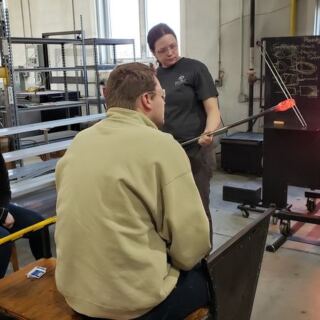
The tour walks you through more than 20 steps involved in turning raw wool into a finished blanket. You see the fiber cleaned, carded, spun, and woven, and your guide explains each stage in a way that is easy to follow even if you know nothing about textile production.
On days when the mill is in full production, the noise level means guides have to speak up and certain machines are off-limits for safety reasons. On quieter days, you can get much closer to the equipment and hear every detail of the commentary.
Either way, the experience is completely worth the trip.
Weaving Blankets for the U.S. Military
Not every blanket that rolls off these looms ends up in a living room or on a cabin bed. The Faribault Woolen Mill has a long-standing relationship with the U.S.
Armed Forces, producing wool blankets for both the Navy and the Army.
That kind of contract does not go to just any manufacturer. Military blankets have to meet strict standards for durability, warmth, and consistency, and the mill has been delivering on those requirements for many years.
It is a point of serious pride for the people who work there.
Knowing that the same facility weaving a cozy throw for your couch is also supplying blankets to American service members adds a layer of meaning to every purchase. The mill’s commitment to quality is not just a marketing line.
It is something the U.S. government has trusted enough to keep coming back for.
The Retail Store Inside the Mill
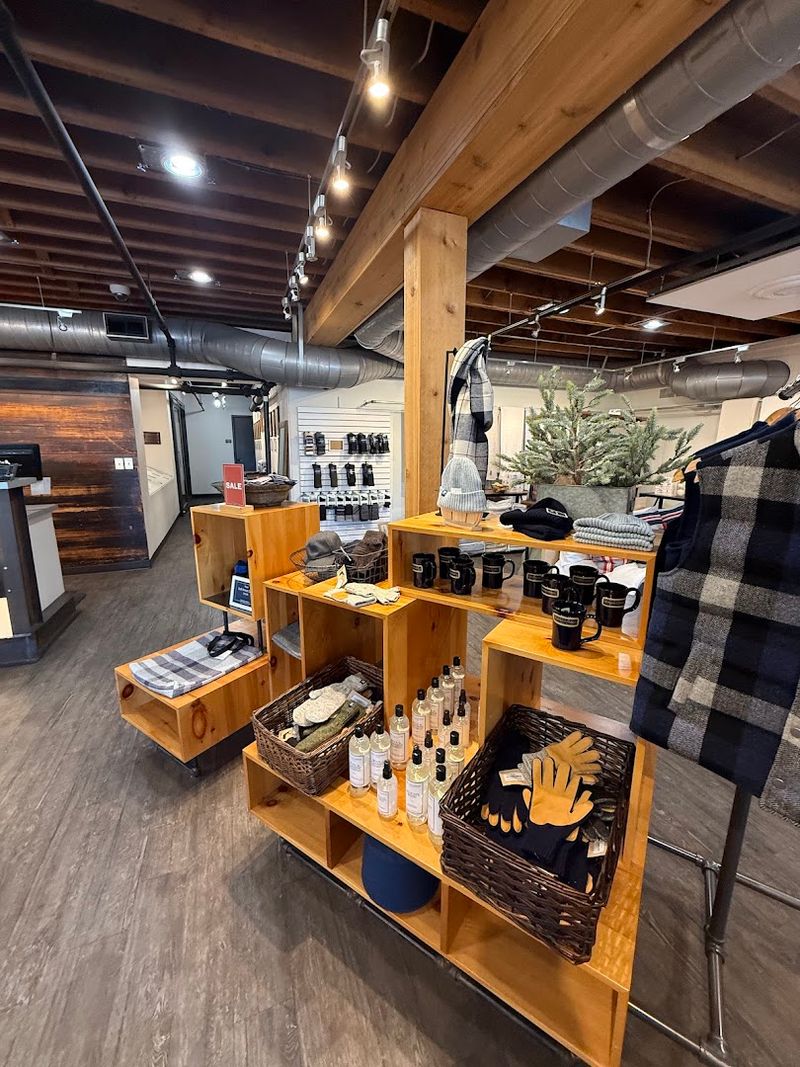
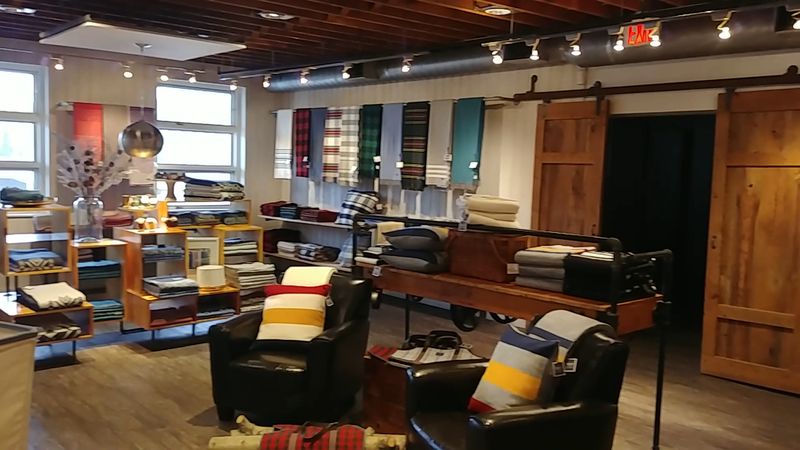
After the tour, or even if you skip it entirely, the retail store inside the mill is worth a long browse. The space is clean and well-organized, and the product range goes well beyond blankets.
You will find gloves, throws, bed blankets, and other woolen goods, all made with the same materials and care as the flagship products.
Prices reflect the quality of what you are buying. These are not budget items, but the craftsmanship justifies the cost, and the blankets are known to hold up extremely well over years of regular use.
One particularly smart feature of the store is its seconds and clearance section. Factory seconds are products with minor cosmetic imperfections that do not affect function, and they are sold at a reduced price.
For shoppers who want the quality of a Faribault blanket without the full retail price tag, that section is worth a careful look.
The Art of Going From Raw Wool to Finished Blanket
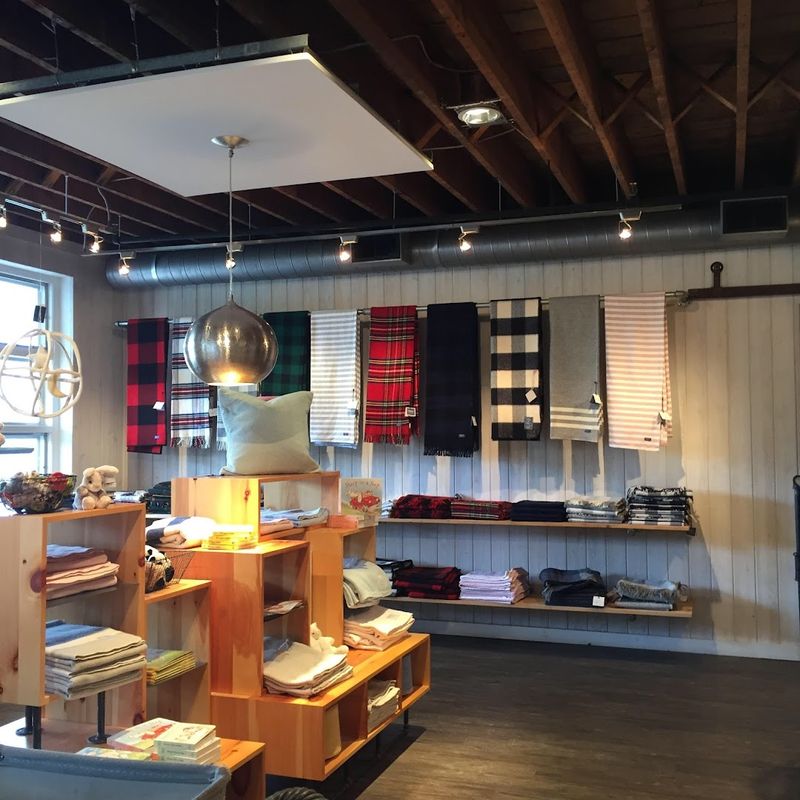
Most products we buy today are assembled from parts made in different countries, which is why it is remarkable that this mill handles the entire process from raw wool to finished blanket in one location. That end-to-end process is genuinely rare in modern manufacturing.
Raw wool arrives at the mill and goes through a thorough cleaning process to remove lanolin, dirt, and debris. From there, it is carded into thin layers, spun into yarn, and eventually woven into the patterns and textures the mill is known for.
Each blanket can take up to 12 days of effort from start to finish.
That timeline surprises a lot of people who are used to mass-produced goods arriving in two days. But understanding the process makes the finished product feel different in your hands.
Every thread has a traceable journey, and that kind of transparency is increasingly hard to find in modern goods.
Designs That Range From Classic to Minnesota-Inspired
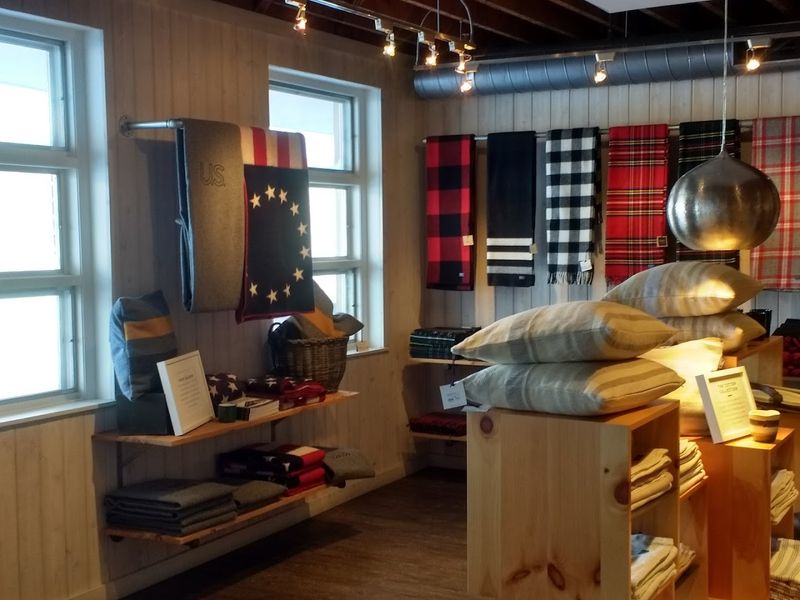
The design catalog at this mill covers a wide range of styles, from traditional plaid and solid color blankets to patterns that feel deeply connected to Minnesota’s outdoor culture. One popular example is a Boundary Waters Canoe Area themed throw, which captures the spirit of one of the most beloved wilderness areas in the Midwest.
There are also designs featuring Minnesota wildlife like the loon, which is the state bird and a beloved symbol for anyone who has spent time near the state’s lakes. These regional designs make the blankets feel personal and meaningful rather than generic.
Choosing just one blanket is genuinely difficult. The variety of colors, weights, and patterns means there is something for almost every taste and every room.
Whether you want something bold and graphic or soft and understated, the collection has enough range to make the decision take longer than expected.
What Makes These Blankets Different From Store-Bought Options
Wool blankets from big box stores and wool blankets from this mill are not the same product, even if they look similar in a photo. The difference shows up in how they feel, how they wear over time, and how they hold their shape after years of washing and use.
The mill’s blankets are woven with a tight, consistent weave that comes from a combination of well-maintained machinery and decades of process refinement. The wool itself is processed carefully to reduce the itchiness that puts some people off wool products, making the finished blanket soft enough for everyday use.
Owners of these blankets frequently note that they hold up remarkably well over many years. A blanket bought a decade ago still looks and feels close to how it did when it was new, which is the kind of durability that makes the higher price point feel like a sound investment rather than an indulgence.
Planning Your Visit for the Best Experience
Getting the most out of a trip to this mill takes a little advance planning. Tours run on Fridays and Saturdays only, and reservations are required, so booking ahead is essential if the tour is part of your plan.
Showing up without a reservation on a tour day means you will likely miss out.
The store is open Monday through Saturday from 9 AM to 5 PM, so if a weekday visit works better for your schedule, you can still browse the full retail collection without joining a tour. Arriving earlier in the day gives you more time to explore without feeling rushed.
Faribault itself has enough to offer that a day trip makes sense. The town has its own history and character, and combining a mill visit with lunch downtown and a stroll through the area turns the trip into a genuinely satisfying full-day outing from the Twin Cities.
Why This Mill Feels Like a National Treasure Worth Protecting
There is something quietly powerful about a place that has been doing the same thing with the same level of care for over 160 years. The Faribault Woolen Mill is not trying to be trendy or reinvent itself every season.
It is focused on making excellent wool products the same way it always has, and that consistency is increasingly rare.
The mill represents a kind of American manufacturing that has mostly disappeared. It employs local workers, uses time-tested equipment, and produces goods that last long enough to be passed down.
That combination is hard to find anywhere in the country, let alone in a single building in a small Minnesota town.
A visit here is more than a shopping trip or a factory tour. It is a chance to see something real and enduring in a world that tends to favor fast and disposable.
That experience stays with you long after the drive home.
Share this story