For more than a century, The Original Montana Club was off-limits to anyone who wasn’t a member. Since opening to the public in 2018, visitors have been able to step inside one of Montana’s most historic gathering places and see a side of Helena that few people ever experienced.
Founded in 1885, the club hosted politicians, business leaders, authors, and other influential figures during some of the state’s defining years. Today, guests can explore spaces that have changed little over time, including a hidden lower-level bar and a grand hall framed by 25 stained-glass windows.
The deeper you look, the more surprising the story becomes.
A Club Born From Gold Rush Ambition
Few institutions in the American West were founded with as much deliberate ambition as this one. The Original Montana Club was established in 1885 in Helena, Montana Territory, by 50 of the most influential men of the era, including attorneys, bankers, and mining magnates who had struck it rich during the gold rush.
They modeled the club after the English gentlemen’s clubs they admired, creating a private social sanctuary in what was still a rough-and-tumble frontier town. The address today is 24 W 6th Ave, 2nd Floor, Helena, MT 59601, and the building still anchors that same downtown block it has occupied for well over a century.
At its peak, the club was recognized as the longest continuously operating private social club between Minneapolis and Seattle. That kind of staying power does not happen by accident.
It reflects a community that genuinely valued what this place represented, and still does.
The Architect Behind the Stone and Brick Marvel
The building you see today was not the original structure. A fire in 1903 destroyed the earlier clubhouse, and the members responded by commissioning something far grander.
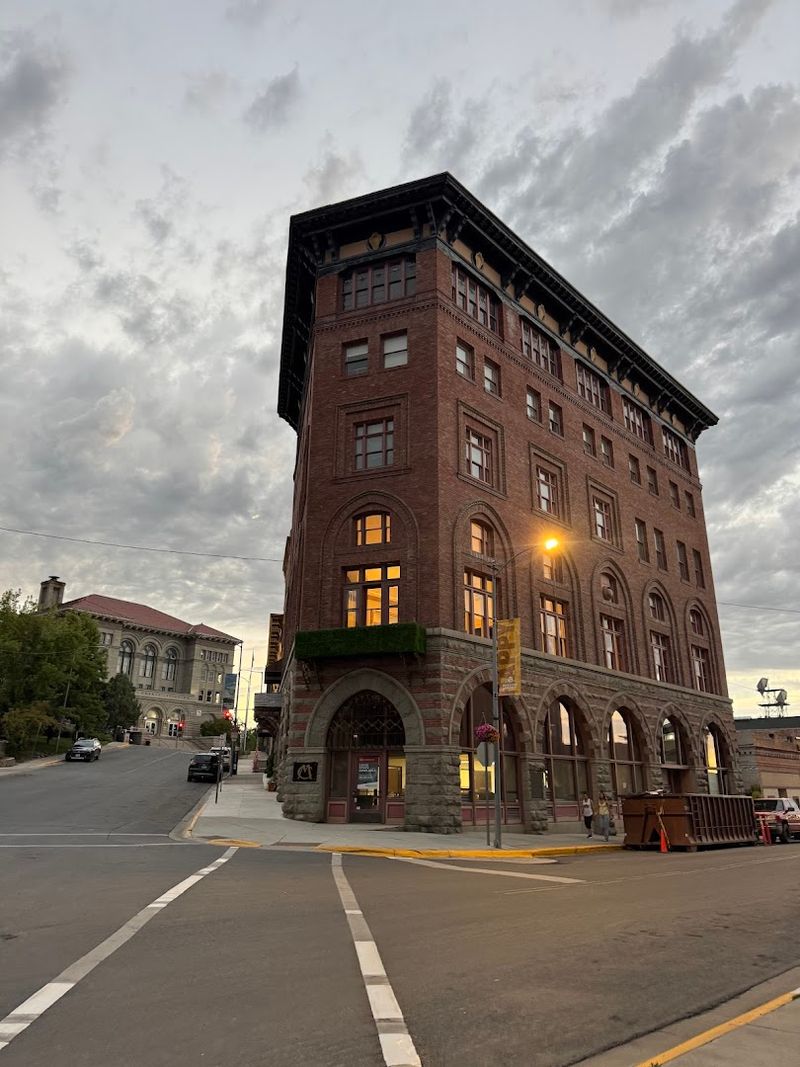
The replacement, completed in 1905, was designed by Cass Gilbert, the same architect responsible for the U.S. Supreme Court Building in Washington, D.C., and the iconic Woolworth Building in New York City.
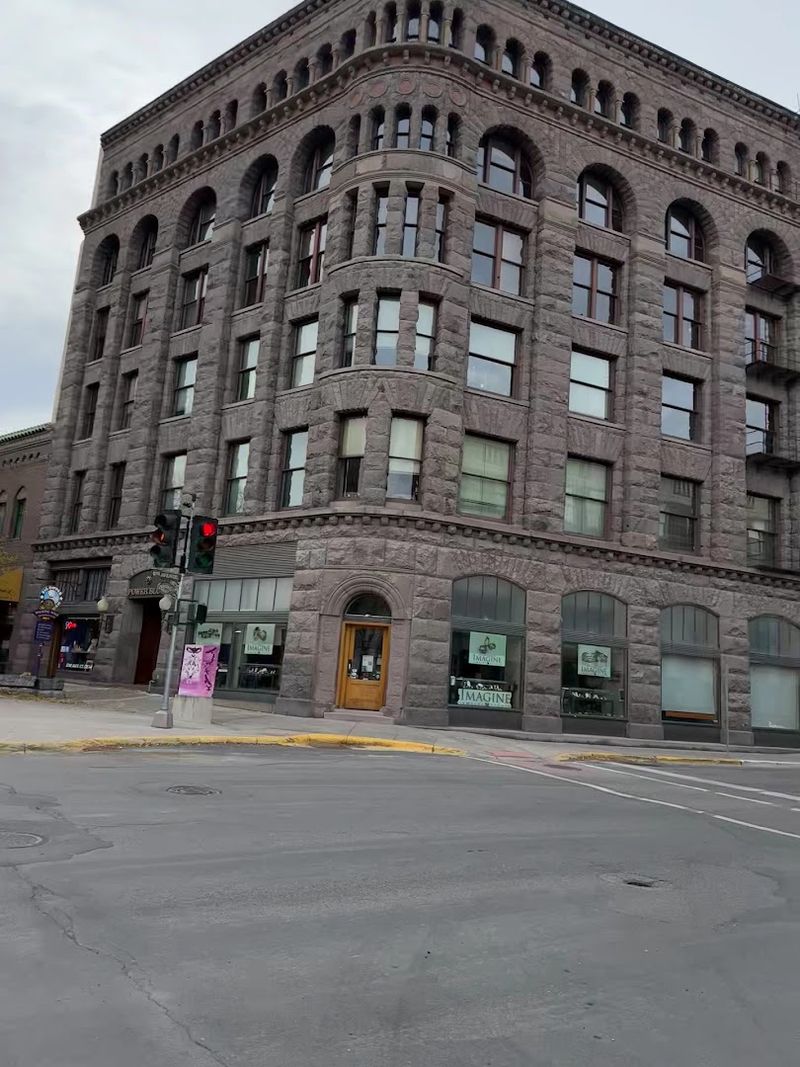
Gilbert brought his signature American Renaissance style to Helena, crafting a six-story stone and brick clubhouse that still commands attention on the street. He preserved the heavy first-floor stone arches from the original design, giving the building a sense of continuity with what came before.
Local materials played a central role in the construction. Bricks came from Helena’s Western Clay Manufacturing Company, and granite was sourced from a nearby quarry.
The result is a building that feels rooted in Montana’s landscape rather than imported from somewhere else, which makes it all the more compelling to explore in person.
High Ceilings, Wood Beams, and Chandelier Light
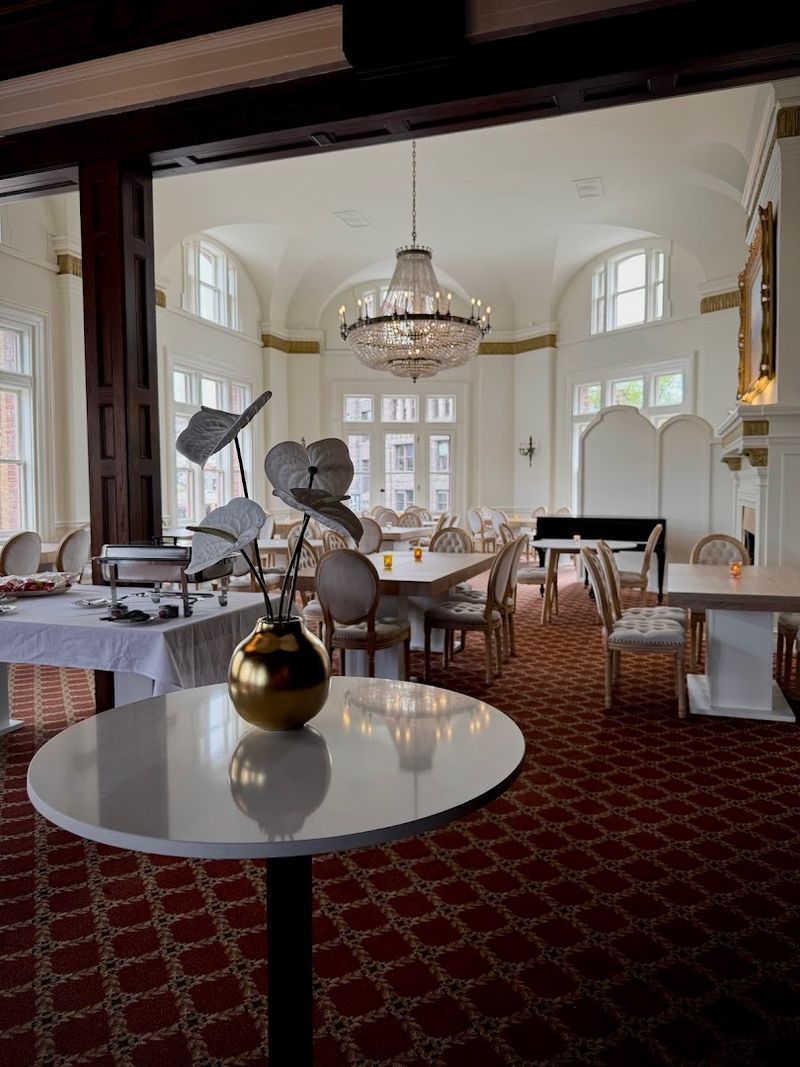
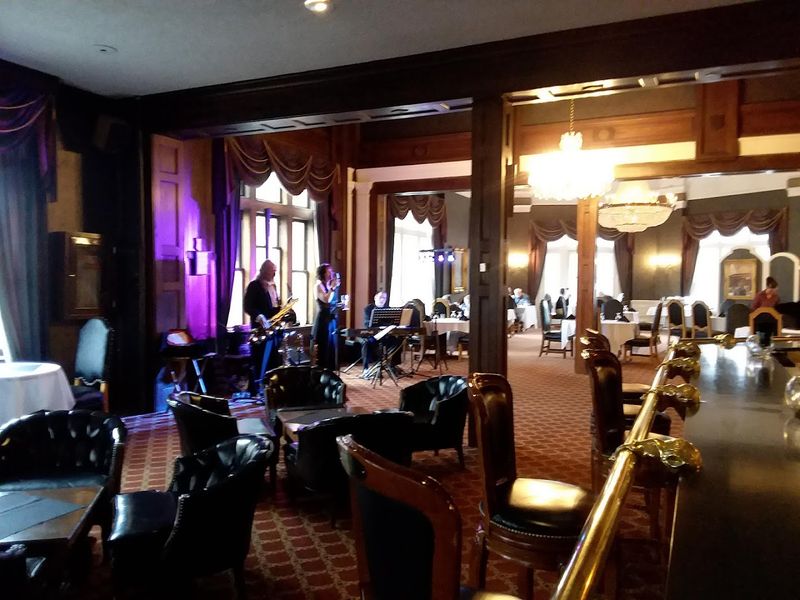
The interior makes an immediate impression. High ceilings stretch upward in a way that feels almost theatrical, and the elegant wood beams running across them give the space a warmth that stone buildings do not always manage to achieve.
Chandeliers hang at intervals, casting a golden light that flatters the historic woodwork and makes the room feel alive in the evenings. Large windows overlook downtown Helena and the surrounding mountains, so the view competes with the decor for your attention, and honestly, both win.
The low-back leather chairs in the main dining room are worth seeking out specifically. They invite you to settle in, slow down, and actually pay attention to where you are.
The absence of television screens throughout the space is not an oversight. It is a deliberate choice that keeps the focus on conversation, food, and the remarkable room around you.
The atmosphere does the entertaining here, and it does it well.
The Rathskeller: A Subterranean World of Its Own
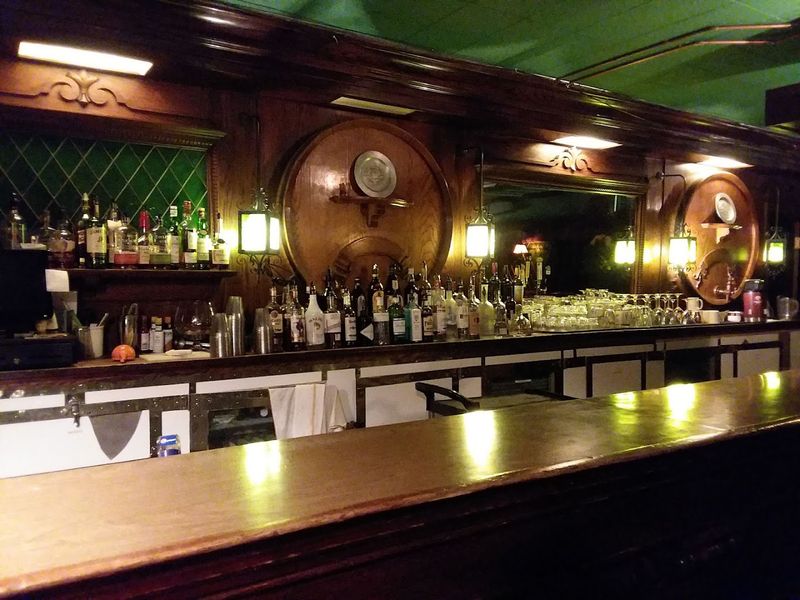
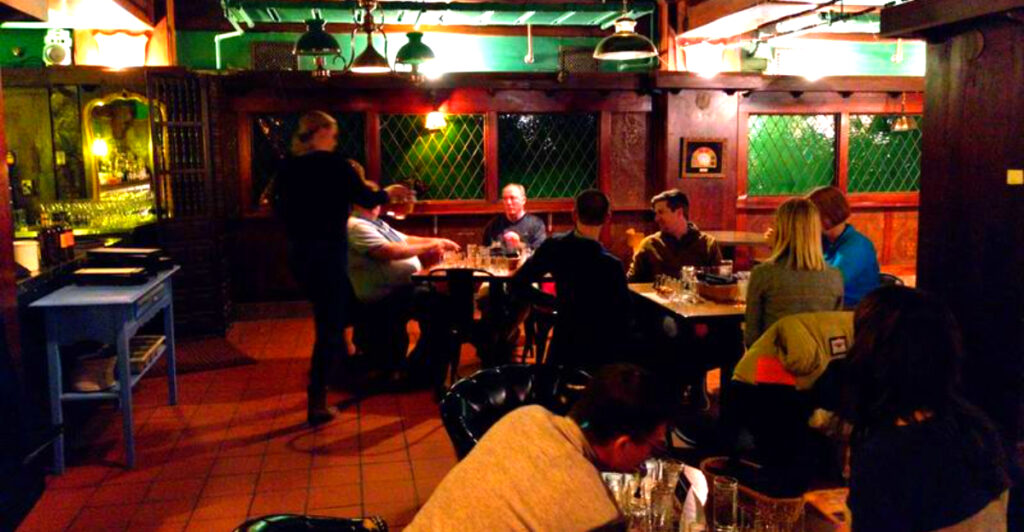
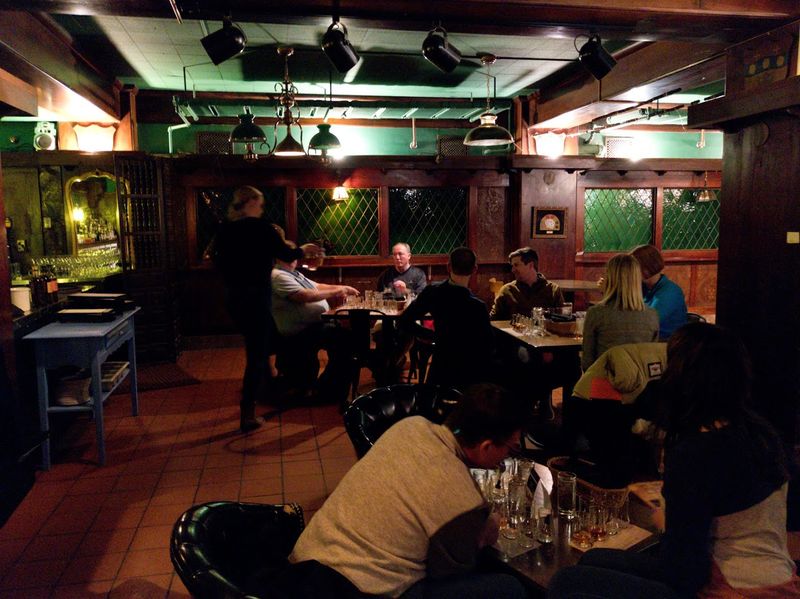
Below the main dining rooms, tucked beneath the street level of downtown Helena, the Rathskeller operates in a category entirely its own. This underground bar has maintained its original features across more than a century of use, and the effect is striking.
Kessler brick fireplaces anchor the space, faux leather walls absorb the sound, and leaded glass ceilings catch the light in a way that feels more like a private library than a public bar. The historic light fixtures have never been swapped out for modern replacements, which means the ambiance is genuinely period-accurate rather than decoratively inspired by the past.
The Rathskeller carries a cozy, speakeasy-like quality that is hard to manufacture and impossible to fake. When the club opened its facilities to the public in June 2018, this room became accessible to anyone curious enough to head downstairs.
That decision alone changed what Helena’s social scene could offer visitors, and the room has rewarded the curious ever since.
Charlie Russell and the Art That Covers the Walls
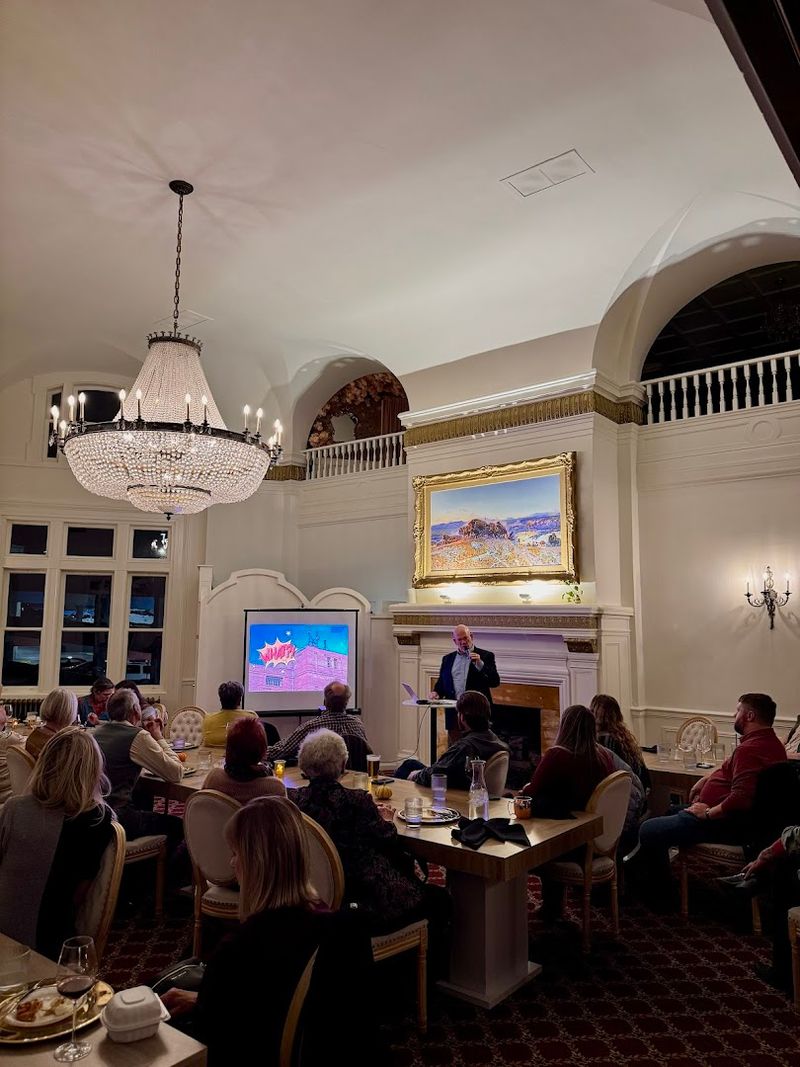
Charlie Russell is to Montana what John Wayne was to Hollywood: an icon who defined the image of a place for generations. The Original Montana Club leans into that connection with genuine enthusiasm and a fair amount of wall space.
The majestic second-floor Dining Room houses a replica of Russell’s painting “When the Land Belonged to God,” a sweeping Western landscape that sets the tone for the entire room. The scale of the piece commands attention from across the space, and it earns it.
The wood-paneled Russell Room takes the theme further, displaying reproductions of additional works by the famous cowboy artist. Russell’s subjects, including open plains, Native American figures, and working cowboys, align perfectly with the club’s broader visual identity of medieval heraldry motifs and frontier imagery.
Together, the art and the architecture create a coherent visual world rather than a random collection of antiques. That sense of intentional curation is one of the things that separates this building from a simple historic preservation project.
Stained Glass Windows That Tell Montana’s Story
The Banquet Hall stops most visitors in their tracks, and the 25 stained-glass windows are the primary reason. Each one depicts a scene from Montana’s early history, including Native American life, gold miners at work, and stagecoaches crossing open terrain.
The windows function as a visual timeline of the territory’s transformation from wilderness to statehood, rendered in colored glass and framed by ornate woodwork. They are not decorative afterthoughts.
They are the kind of deliberate artistic commission that reflects how seriously the club’s founders took their own legacy.
A Jacobean-Tudor fireplace anchors the room on one end, and custom light fixtures continue the medieval heraldry theme that runs throughout the building. Crown and shield motifs appear in the woodwork, the light fixtures, and the wall coverings, creating a consistent visual language that rewards careful observation.
If you visit the club for a private event or a holiday party, the Banquet Hall is where the setting does most of the work for you, and it does not disappoint.
Presidents, Authors, and the Company This Club Kept
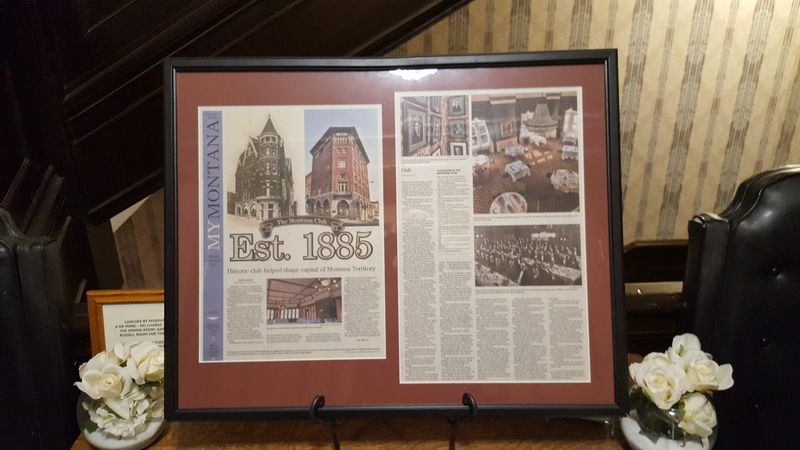
The guest list at the Original Montana Club over the decades reads like a survey of American history. President Theodore Roosevelt visited the club, as did Mark Twain, whose sharp observations about American life would have found plenty of material in a room full of Montana’s wealthiest citizens.
The club also earned a literary mention that cemented its place in cultural memory. Norman Maclean referenced it in his celebrated novel “A River Runs Through It,” using the club as a symbol of Montana’s gilded past and the complicated relationship between wealth, wilderness, and belonging.
These are not minor footnotes. They are evidence that the Montana Club occupied a real and significant position in the social and political life of the region for decades.
Walking through the same rooms where Roosevelt and Twain once spent time carries a weight that no amount of interior design can replicate. The history here is not decorative.
It is structural, and it shows in every corner of the building.
From Members Only to Open to All
For most of its history, the Montana Club operated as an exclusively private institution. Women were not even invited through the doors for social events until a New Year’s Eve celebration in 1915, and full membership rights for women did not arrive until 1976.
The shift toward public access came in June 2018, when the club reorganized and opened its dining facilities and the Rathskeller bar to anyone who wanted to visit. That decision transformed what had been a closed chapter of Helena’s history into something the whole community could experience firsthand.
The club has since navigated additional changes, including a period of bankruptcy, and has emerged under new ownership that continues to balance the private membership side with public dining. The phone number for reservations is +1 406-219-1387, and the website at themontanaclub.com offers current details on hours and events.
The transition from exclusive to accessible did not diminish the club’s character. If anything, opening the doors made the history feel more alive and more relevant to the city around it.
The Mosaic Floor and Its Unexpected Symbol
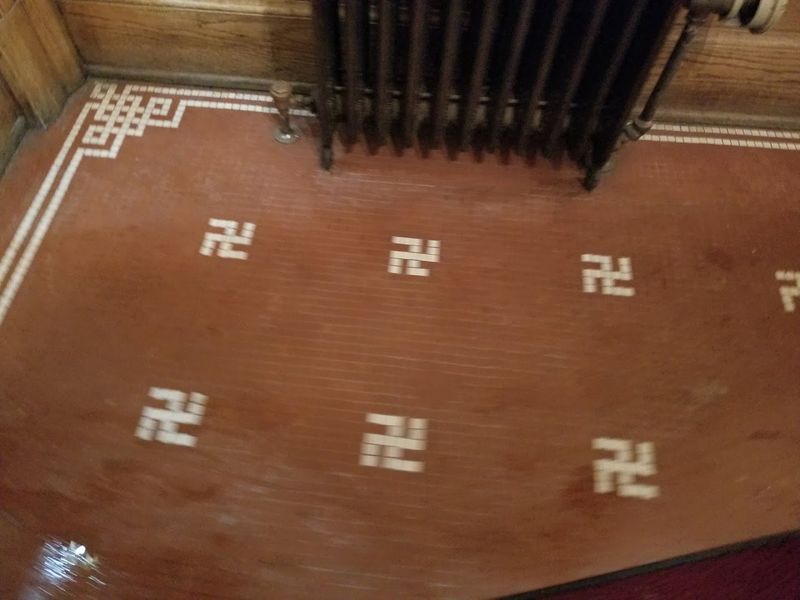
One of the most surprising details in the building is right underfoot in the entryway. The mosaic tile floor from the original 1893 structure features counter-clockwise swastika designs, which long predate their 20th-century association with Nazi ideology.
In the context of Native American tradition, the symbol represented friendship, good luck, or well-being, and its presence in a Montana building from the 1890s reflects the cultural vocabulary of the era rather than any later political meaning.
The current management has addressed this directly by displaying a plaque that explains the historical context of the symbols. It is a thoughtful approach that neither erases the original design nor leaves visitors without the information they need to understand what they are seeing.
That kind of transparency about complicated history is exactly what makes the Montana Club a genuine historic institution rather than a sanitized version of one. The building does not pretend the past was simple, and that honesty makes it more interesting, not less.
Classic Montana Comfort Food Worth the Trip Alone
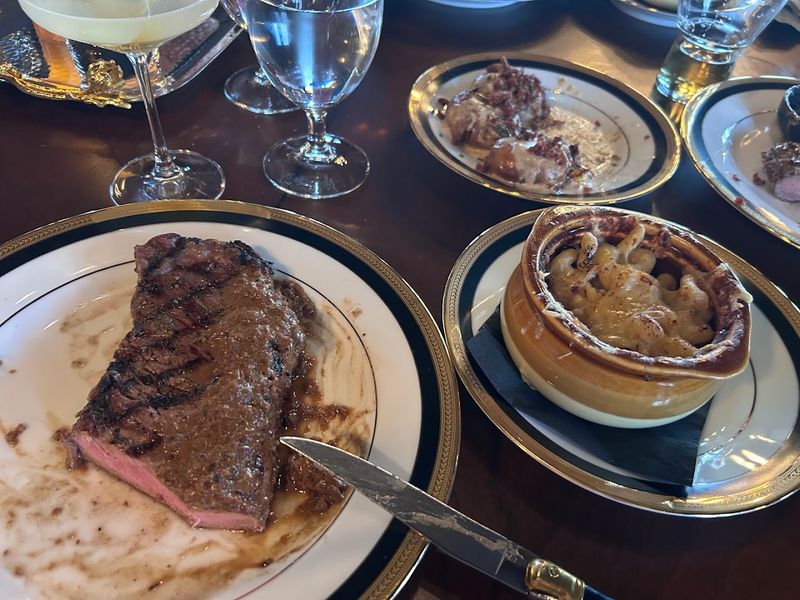
The menu at the Original Montana Club does not try to reinvent the wheel, and that restraint is one of its strengths. Hearty, classic Montana comfort food anchors the offerings, with steaks, roasted chicken, and a steak sandwich that arrives juicy and satisfying after a long day of sightseeing.
The mushroom puff pastry appetizer has drawn consistent praise for its flaky texture and rich flavor. The roasted chicken with creamy potatoes au gratin and glazed carrots delivers exactly the kind of comfort-food execution that the setting promises.
Scallops appear on the menu as well, and when the kitchen is on, they land perfectly cooked and well seasoned.
The 1885 Steakhouse on the sixth floor adds an upscale option with views of the surrounding mountains that make the meal feel like a special occasion even on an ordinary Tuesday. Portions tend toward the generous side, and the kitchen takes care with presentation.
The food earns its place in a building that could easily coast on atmosphere alone.
Leaded Windows, Heraldry, and Hidden Details Upstairs
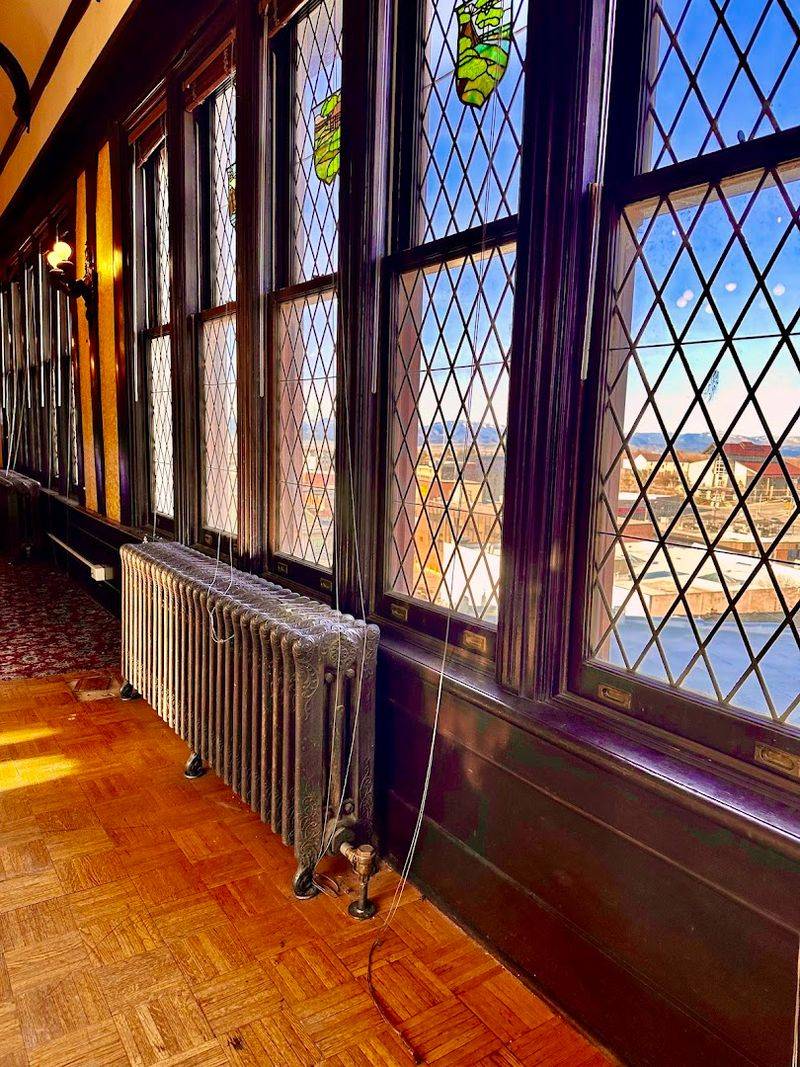
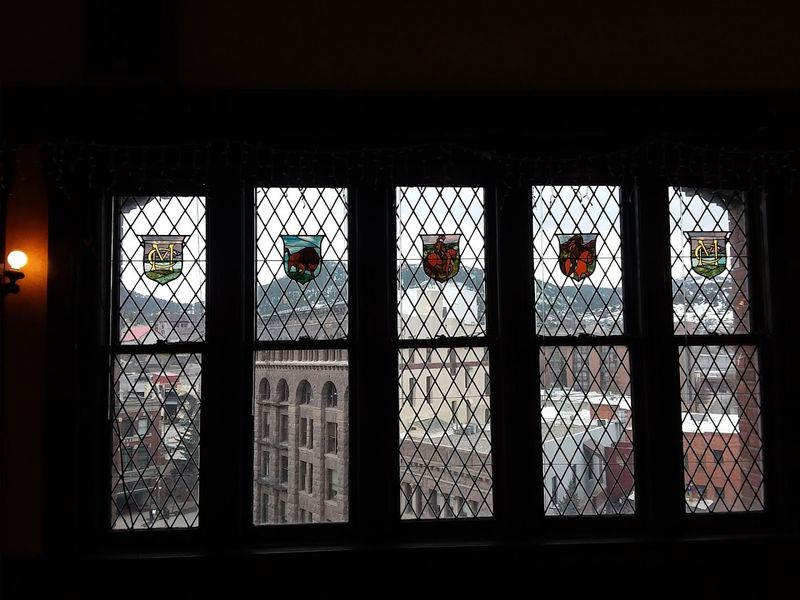
The upper floors of the Montana Club reward visitors who take the time to look carefully. The fifth floor features leaded windows with cartouches depicting Western scenes of cowboys, Native Americans, and covered wagons, rendered with a level of artistic detail that you do not expect to find in a building of this age.
Throughout the structure, the medieval heraldry theme surfaces in unexpected places. Crown and shield motifs appear in light fixtures, carved into woodwork, and woven into wall coverings, creating a visual consistency that feels intentional rather than accumulated over time.
The combination of frontier Western imagery and European heraldic design might sound contradictory on paper, but inside the building it reads as a coherent expression of how Montana’s founding class saw themselves. They were building something permanent and prestigious in a place that was still finding its identity, and the decor reflects that ambition at every turn.
Exploring the building floor by floor feels less like a tour and more like reading a very well-illustrated book.
Planning Your Visit: What to Know Before You Go
The Original Montana Club keeps a straightforward schedule that makes planning easy. The dining room is open Monday through Friday from 9 AM to 9 PM, with Saturday and Sunday matching those same hours, and Thursday opening slightly later at 9:30 AM.
No dress code is enforced, and no membership is required to dine. That removes two barriers that might otherwise give visitors pause when approaching a building with this kind of history and reputation.
The rating on Google Maps sits at 4.3 stars across nearly 250 reviews, which reflects a genuinely positive overall experience with the occasional rough service night mixed in.
Reservations are recommended for dinner, especially on weekends or for larger groups. The acoustics in the main dining room can get lively when the room fills up, so a quieter corner table is worth requesting if conversation is the priority.
The building itself is reason enough to visit even before the food arrives, and the combination of the two makes the trip entirely worthwhile.
Share this story