There is a bakery in North Carolina where the ovens have been burning since before the United States had its second president. The recipes have not changed, the brick oven is still the same one built centuries ago, and the smell of fresh-baked Moravian sugar cake drifts right out onto the street.
This is not a themed attraction or a modern replica. Winkler Bakery in Winston-Salem is a working, breathing piece of American history, and every visit feels like stepping into a story that most people never knew existed.
By the time you finish reading, you will want to plan a trip.
A Living Address With Centuries of History
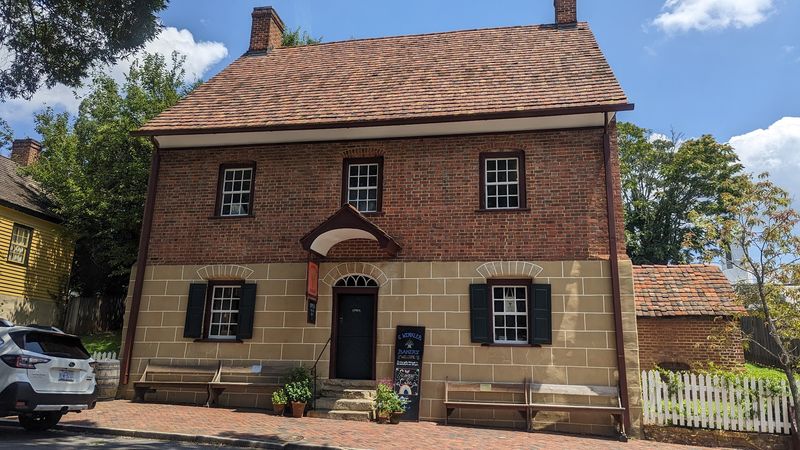
Right at 521 S Main St, Winston-Salem, NC 27101, inside the preserved Moravian village of Old Salem, Winkler Bakery holds a title that most businesses could never dream of claiming: it is widely recognized as the oldest continuously operating bakery in the United States.
The building itself dates back to 1800, and the bakery has been part of the Old Salem Museums and Gardens historic district for decades. Old Salem was originally settled by Moravian immigrants in the mid-1700s, and the community they built here was remarkably organized, deeply spiritual, and highly skilled in trades.
Winkler Bakery was central to that community from the very beginning, providing bread and baked goods to residents and travelers alike. The street it sits on feels like a different era entirely, with cobblestones, restored buildings, and costumed interpreters bringing the past to life.
You do not need a ticket to enter the bakery itself, which makes it one of the most accessible stops in the entire historic district.
The Wood-Burning Oven That Started It All
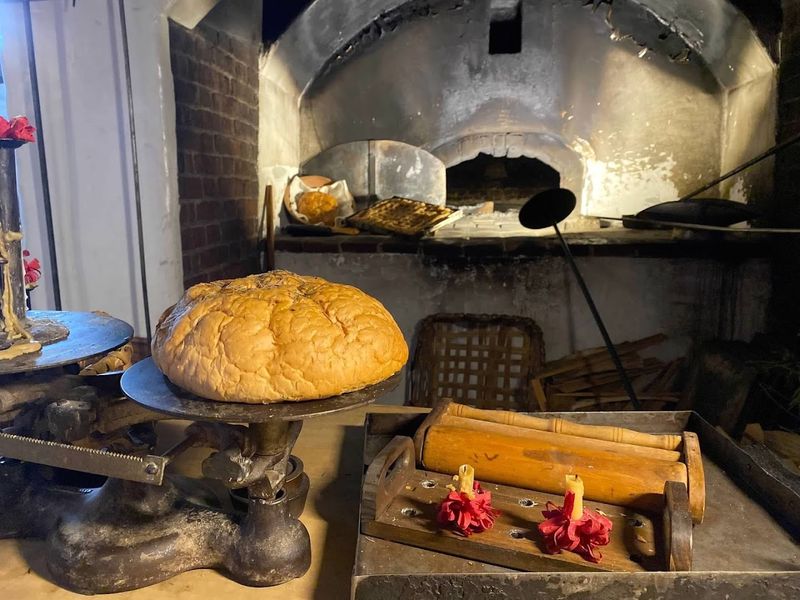
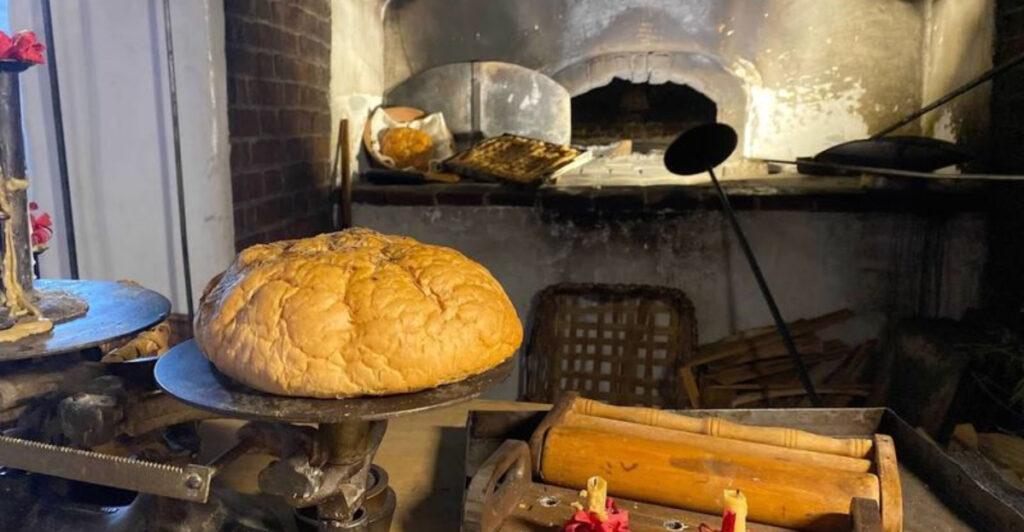
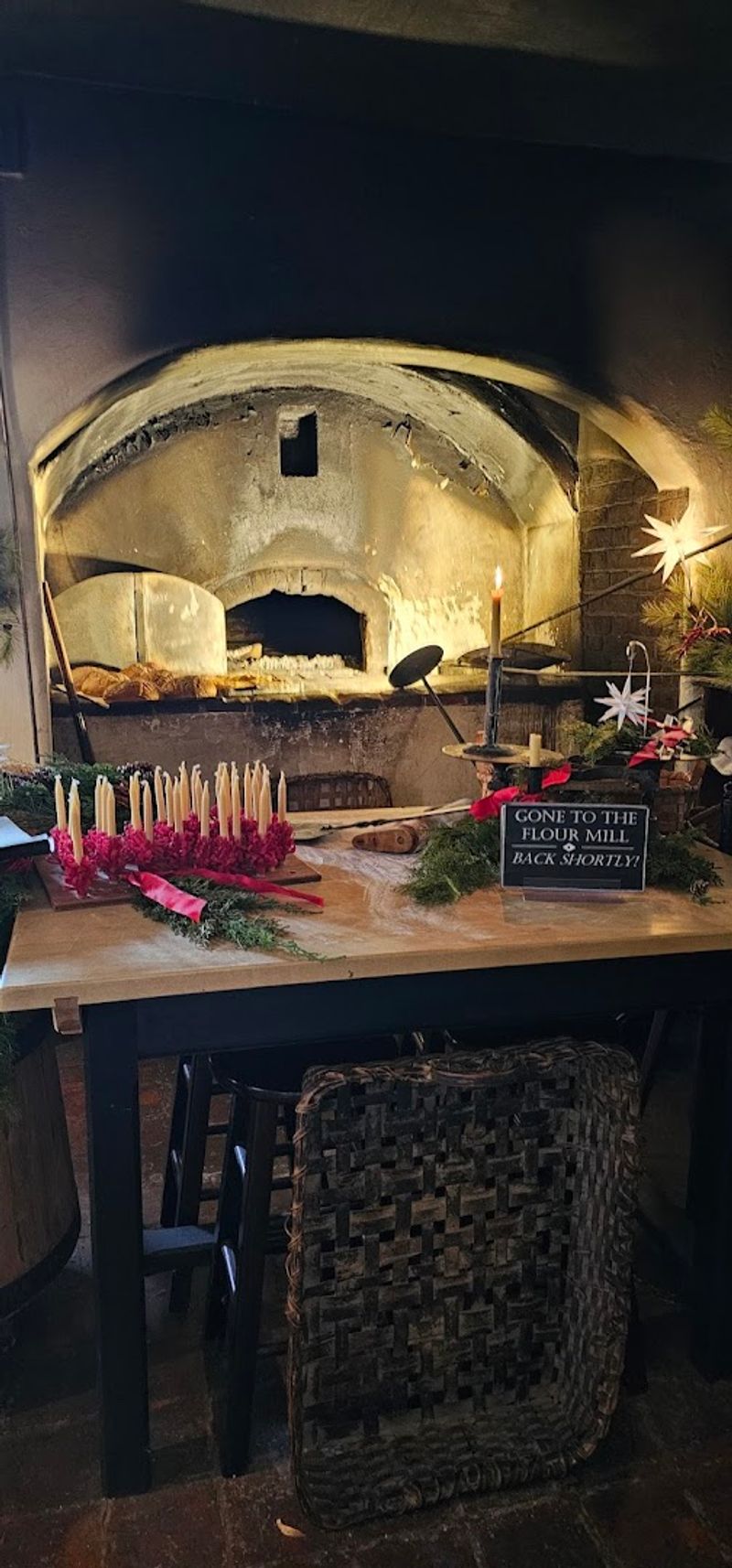
The centerpiece of Winkler Bakery is not a display case or a menu board. It is the massive beehive-style wood-burning brick oven that has been heating this bakery since the early 1800s, and it is genuinely breathtaking to stand in front of.
Bakers load wood into the oven, let it reach the right temperature, then push the coals aside and slide the dough directly onto the brick floor. There are no digital thermometers or programmable timers here.
The bakers read the heat by feel and experience, the same way Moravian bakers did two centuries ago.
Watching this process in person is one of the most memorable parts of any visit. The staff, often dressed in period-appropriate attire, will explain how the oven works and what makes it so unique.
The heat radiates outward into the room, and the smell that comes off those bricks when fresh dough hits them is something you genuinely cannot replicate in a modern kitchen. This oven is not a prop.
It is the real thing, still doing its original job every week.
The Moravian Roots Behind Every Recipe
The Moravian people who settled in what is now Winston-Salem brought their baking traditions with them from Europe, and those traditions are exactly what you find preserved at Winkler Bakery today. The recipes used here trace back to the Moravian church community that founded Old Salem in 1766.
Moravian baking has a very specific identity. The flavors tend to be warm and spiced, the textures range from paper-thin to pillowy soft, and the ingredients are simple but carefully balanced.
Sugar cake, spice cookies, lovefeast buns, and strudel are all rooted in this cultural heritage that the Moravian settlers carried across the Atlantic.
Christian Winkler, the baker for whom the bakery is named, came from Switzerland and brought his craft with him when he joined the Old Salem community. His influence shaped the bakery’s identity in ways that are still felt today.
The connection between these recipes and the people who created them centuries ago gives every bite a kind of context that most modern bakeries simply cannot offer. Food here is as much about memory and heritage as it is about flavor.
Signature Treats Worth Tasting
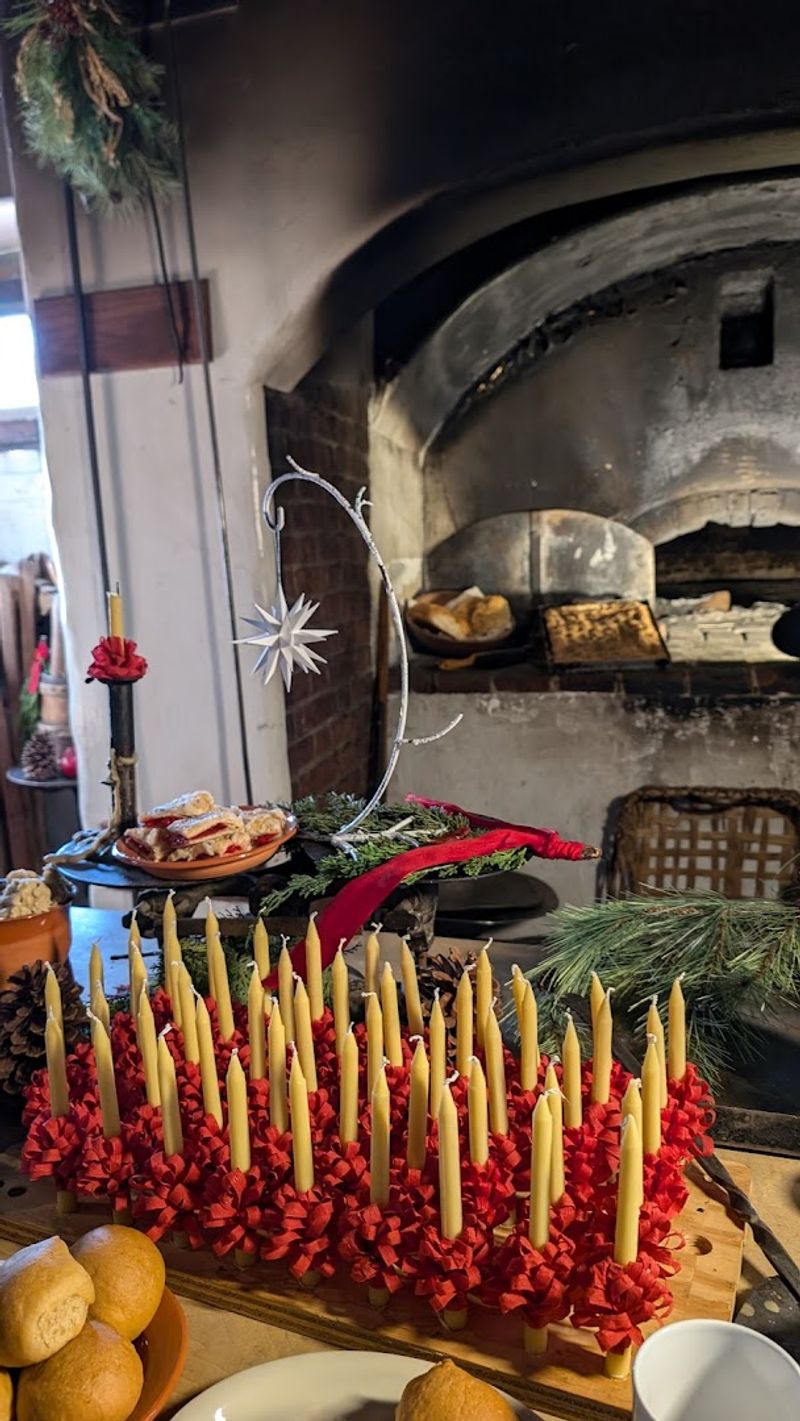
The menu at Winkler Bakery is not long, but what it offers is deeply rooted in tradition. The paper-thin Moravian spice cookies are probably the most iconic item, and they have a crunch and warmth that is hard to find anywhere else.
They arrive in tins that make them easy to take home as gifts.
The lovefeast buns, also called sweet love buns, are soft, slightly sweet rolls with a tender crumb that pairs perfectly with a cup of coffee or tea. The cherry almond strudel has earned consistent praise from visitors, with a flaky pastry shell and a filling that balances fruit and nuttiness well.
Cinnamon rolls and cranberry loaf round out a selection that leans into comfort and tradition.
The chocolate chip cookies have their own loyal following, described by repeat visitors as soft, warm, and loaded with chocolate. Peanut brittle is another standout that surprises people who were not expecting it.
Not every item will land perfectly for every palate, but the range of options means most visitors will find at least one thing that genuinely impresses them and sends them back for more.
What the Upstairs Museum Reveals
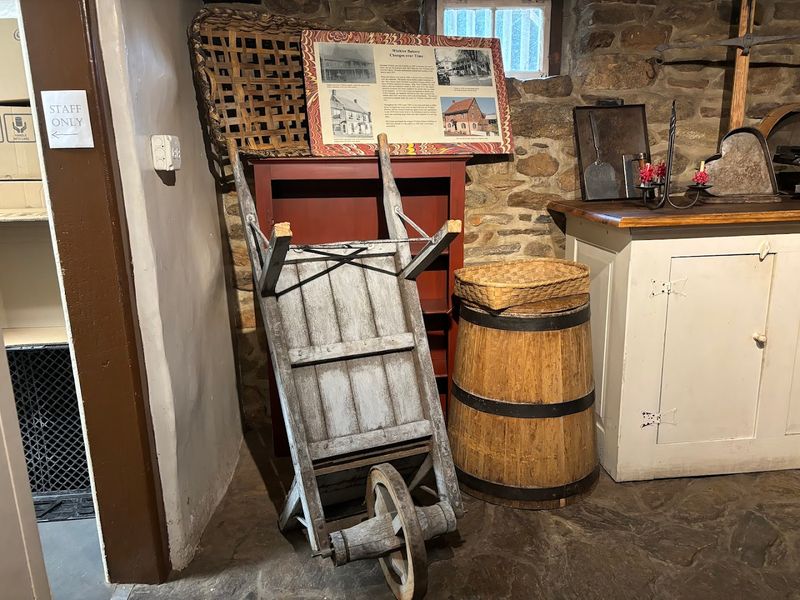
Most visitors focus on the baked goods on the first floor and never make it upstairs, which means they miss one of the more quietly fascinating parts of the entire experience. The upper level of Winkler Bakery functions as a small museum dedicated to the history of the bakery and the Moravian community that built it.
Old tools, historical documents, and interpretive displays help explain the role that baking played in the daily life of Old Salem’s residents. Bread was not just food here.
It was tied to community gatherings, religious observances, and the economic survival of the settlement.
The lovefeast, a Moravian tradition that involves sharing simple food and singing together as a congregation, is explained in detail upstairs, and understanding it changes the way you think about the buns sold downstairs. They are not just pastries.
They carry a meaning that goes back hundreds of years. Taking fifteen or twenty minutes to explore the second floor before heading to the display cases adds a layer of appreciation that makes the whole visit feel more complete and genuinely educational.
The Atmosphere Inside the Bakery
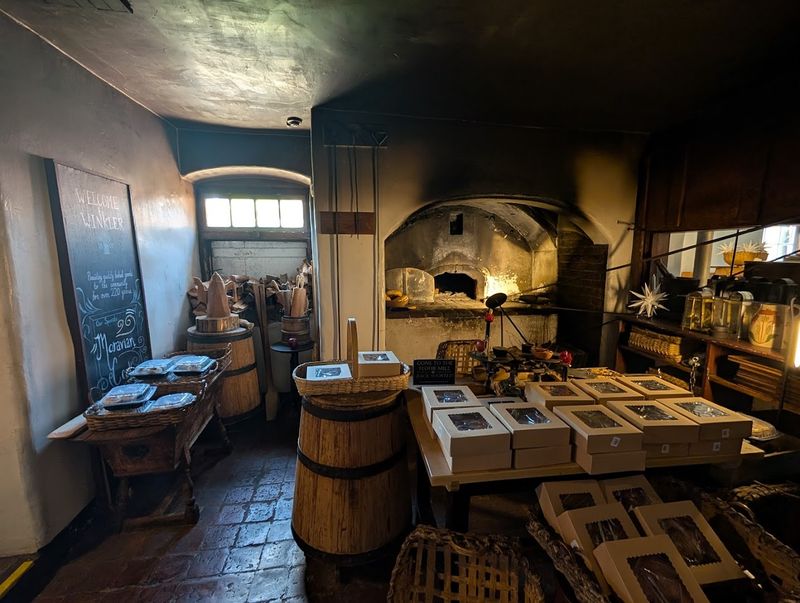
The moment you walk through the door at Winkler Bakery, the smell hits you first. It is a combination of warm spice, sweet dough, and wood smoke that wraps around you before you even get to the counter.
The interior is small, warm, and full of character in a way that feels completely unforced.
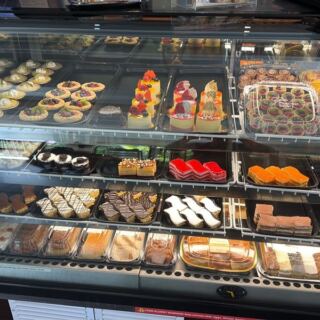
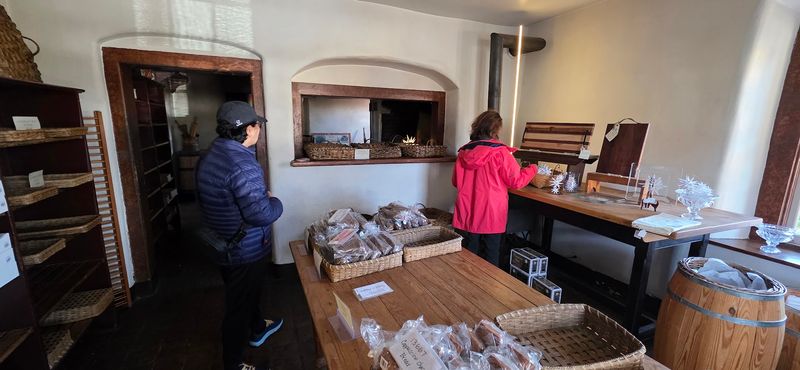
Exposed brick walls, wooden floors, and period-appropriate decor create an environment that is cozy without trying too hard to perform coziness. The display cases hold the day’s baked goods, and the staff greet visitors right away, often launching into a brief history of the space before you even have a chance to ask.
The room where the oven sits is open to view, so you can watch the baking process while you decide what to order. On busy days, there is a gentle hum of activity and conversation that makes the space feel alive.
On quieter days, the bakery takes on an almost meditative quality, with the crackle of the wood fire and the soft movement of staff in the background. Either way, the atmosphere is one of the bakery’s strongest assets.
Old Salem as the Bigger Picture
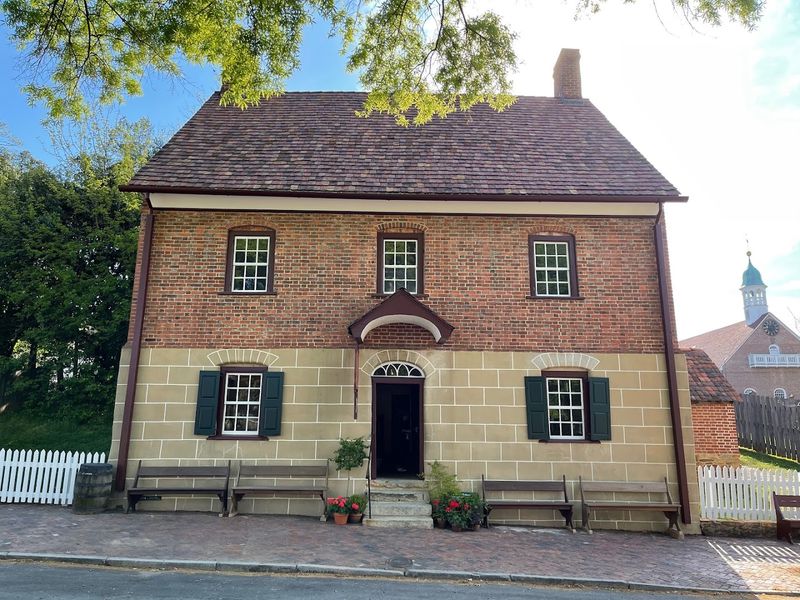
Winkler Bakery sits inside Old Salem Museums and Gardens, and the surrounding village is very much worth exploring before or after your bakery stop. Old Salem is one of the best-preserved colonial-era communities in the American South, with dozens of restored buildings spread across a walkable stretch of Winston-Salem.
A basic ticket gets you into two buildings, while a full ticket opens up eleven. The historic homes, craftsmen’s shops, and community spaces give real context to the Moravian way of life that produced the bakery and its traditions.
There is a shoemaker’s shop, a tavern, and other trades represented throughout the village, all staffed by knowledgeable interpreters who genuinely enjoy talking about history.
Even if you skip the ticketed buildings and simply walk the streets, the architecture and atmosphere are striking. The Moravian community that built this place had a very specific aesthetic and a very intentional way of organizing their town, and it shows in every detail.
Old Salem functions as a living reminder that some of the most interesting American stories happened far from the places most textbooks tend to focus on.
Hours, Tickets, and Planning Your Visit
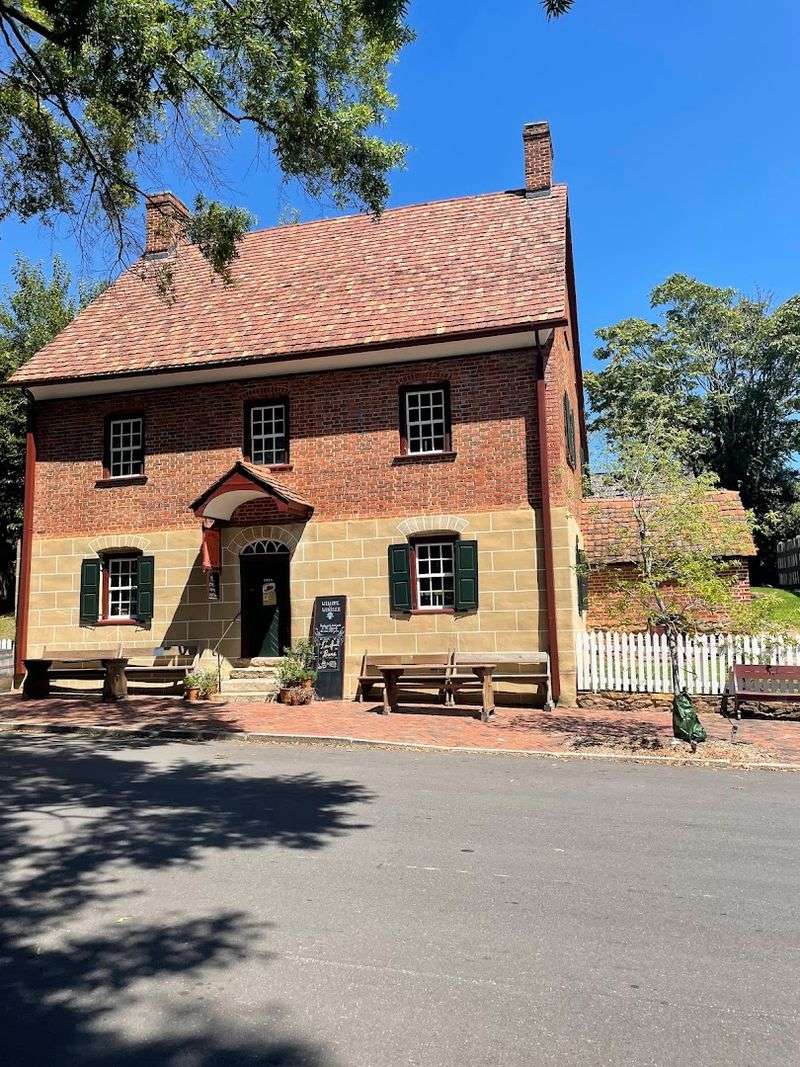
Getting the logistics right before you visit Winkler Bakery will save you a frustrating trip. The bakery is open Wednesday through Saturday from 10 AM to 4 PM, and it is closed Sunday, Monday, and Tuesday.
That schedule is worth writing down, because more than one visitor has arrived on the wrong day to find locked doors and dark windows.
You can reach the bakery by phone at 336-721-7302, and additional information is available at oldsalem.org/winkler. No ticket is required to enter the bakery itself, which is a nice perk given that the surrounding Old Salem village charges admission for its interpreted buildings.
Parking in the area is generally manageable, especially on weekday visits when the crowds are thinner. March and other off-peak months tend to be quieter and easier to navigate.
If you plan to explore the full village alongside your bakery visit, budget at least two to three hours. Arriving close to opening time gives you the best chance of finding the freshest baked goods still available, since popular items like the lovefeast buns and strudel can sell out earlier than you might expect.
The Gift Shop and Merchandise
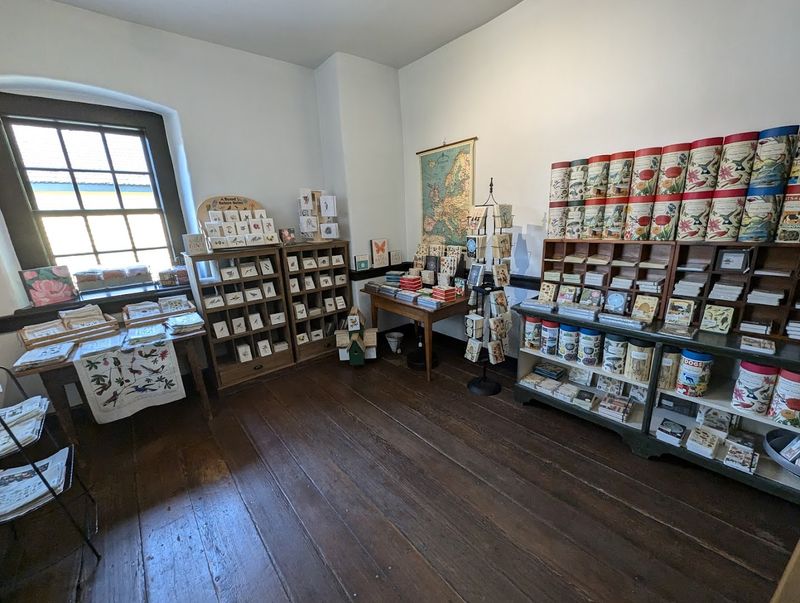
Beyond the baked goods, Winkler Bakery carries a selection of merchandise and gifts that lean into the Moravian heritage of the space. Visitors consistently mention being pleasantly surprised by the range of items available, from decorative pieces to packaged treats that travel well.
The Moravian spice cookie tins are a popular take-home option because they hold up well during travel and make thoughtful gifts for people who could not make the trip themselves. Other packaged goods, including cranberry loaf and various sweets, are also available in formats designed for easy transport.
The gift area occupies part of the first floor and blends naturally into the rest of the bakery layout, so browsing it does not feel like a detour. Staff are helpful in pointing out what is freshest or most popular on any given day, and they tend to be genuinely enthusiastic about the products they carry.
If you are visiting Winston-Salem and looking for something locally meaningful to bring back for family or friends, the merchandise here offers options that carry a real story behind them rather than generic souvenir appeal.
The Staff and the Stories They Share
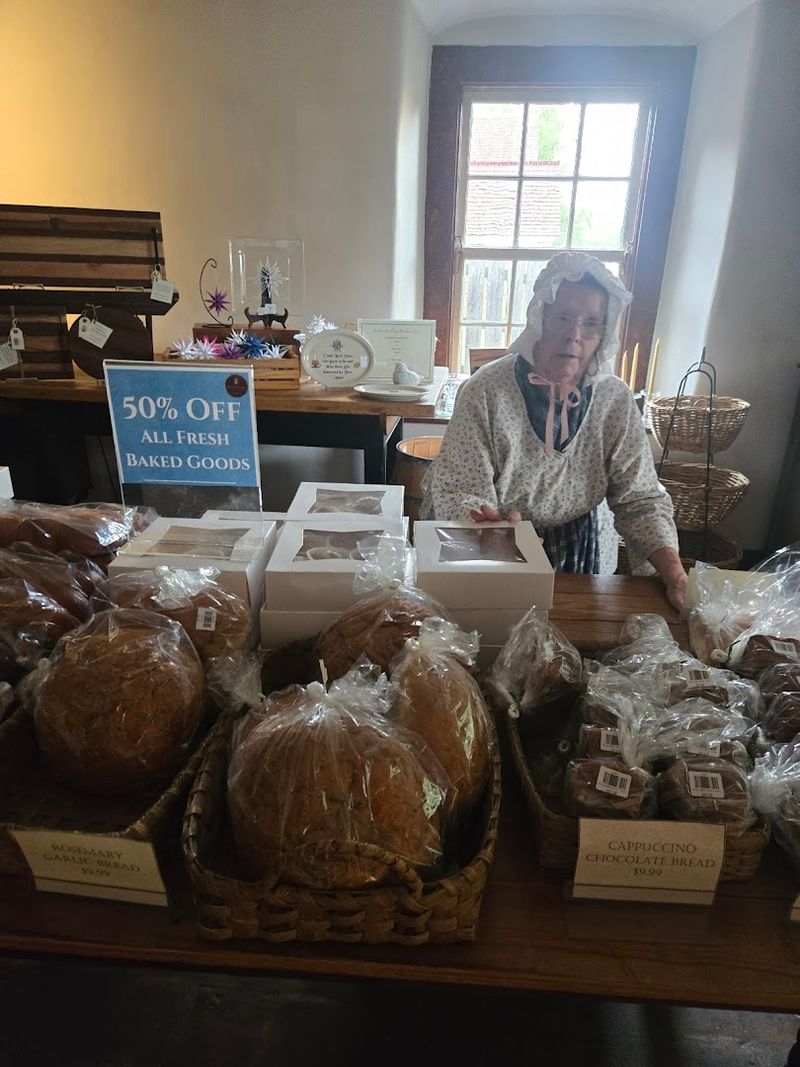
One of the most consistently praised aspects of a visit to Winkler Bakery is the staff. Multiple visitors have noted being greeted immediately upon entering and receiving a thorough, enthusiastic orientation to the space without ever having to ask for one.
The team members here clearly know their subject well. They can walk you through the history of the building, explain the baking process, describe how the wood-burning oven works, and point you toward whatever is freshest that day.
Many wear period-appropriate attire that reinforces the historic atmosphere without making the interaction feel stiff or theatrical.
There is a warmth to the way the staff engage with visitors that is hard to manufacture. One regular visitor described a staff member offering an unexpectedly personal and touching compliment that stayed with them long after they left.
That kind of genuine human connection, layered on top of an already fascinating historical setting, is what separates Winkler Bakery from being merely an interesting stop and makes it the kind of place people return to year after year, sometimes driving considerable distances to do so.
A Few Honest Notes for First-Time Visitors
Winkler Bakery earns its reputation as a historic destination, but a few practical notes will help first-time visitors set realistic expectations. Some items, particularly the Moravian sugar cake, have received mixed feedback over the years, with certain visitors finding it drier than expected.
Buying on a day when items have been freshly baked that morning gives you the best experience.
It is also worth calling ahead at 336-721-7302 to confirm the bakery is open before making a long drive, as occasional closures have caught visitors off guard despite posted hours. The selection can vary by day, so if you have a specific item in mind, asking in advance whether it will be available is a smart move.
That said, the cherry almond strudel, the lovefeast buns, the cinnamon rolls, and the spice cookies have all earned strong and consistent praise. The peanut brittle is a sleeper hit that many visitors overlook on first glance but rave about afterward.
Going in with an open mind and a willingness to try something unexpected tends to produce the most satisfying visits to this one-of-a-kind bakery.
Why This Bakery Deserves a Place on Your Travel List
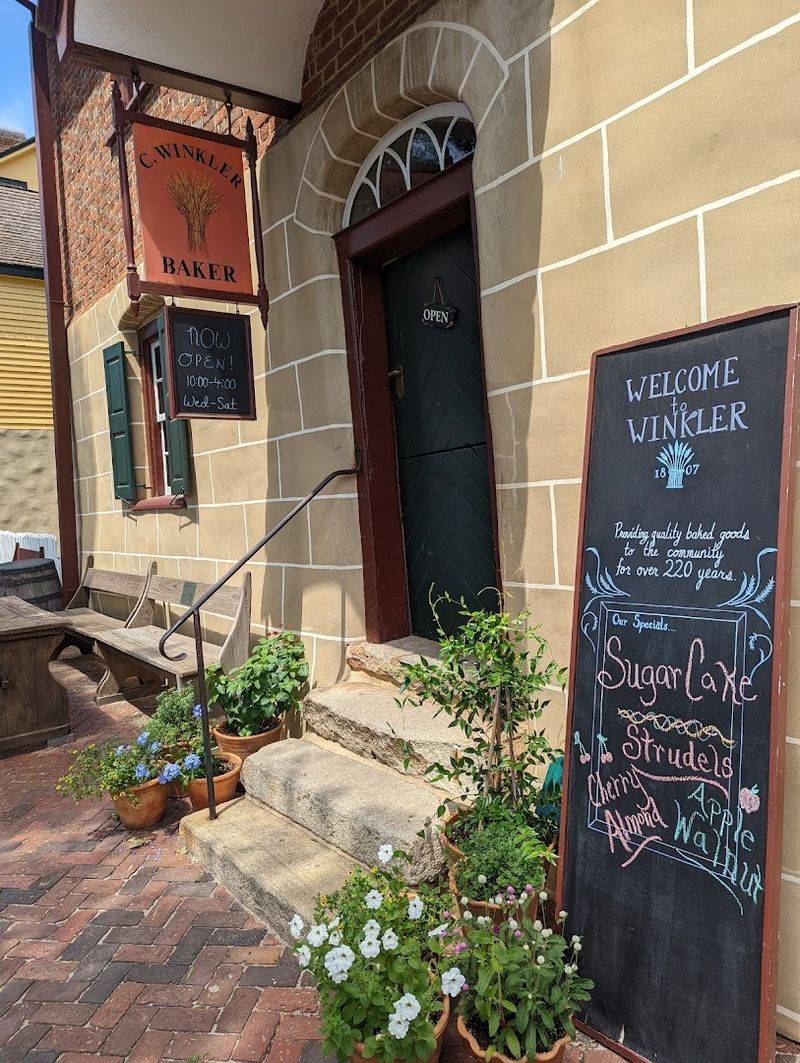
There are very few places in the United States where you can eat food baked in the same oven, using the same recipes, in the same building where it has been done for over two hundred years. Winkler Bakery is one of them, and that fact alone makes it worth seeking out.
The combination of genuine history, living craft, and a welcoming atmosphere creates an experience that goes well beyond what most bakeries or even most museums can offer. You are not reading about history here.
You are tasting it, smelling it, and watching it happen in real time in front of a fire that has been burning longer than most countries have existed.
Winston-Salem is a city with a lot going for it, and Old Salem is one of its most distinctive and underappreciated assets. Winkler Bakery sits at the heart of that district as its most sensory and most immediate attraction.
Whether you are a history enthusiast, a food lover, or simply someone who appreciates places with real stories behind them, this bakery earns its visit and then some. The wood smoke and the warm spice will follow you home in the best possible way.
Share this story