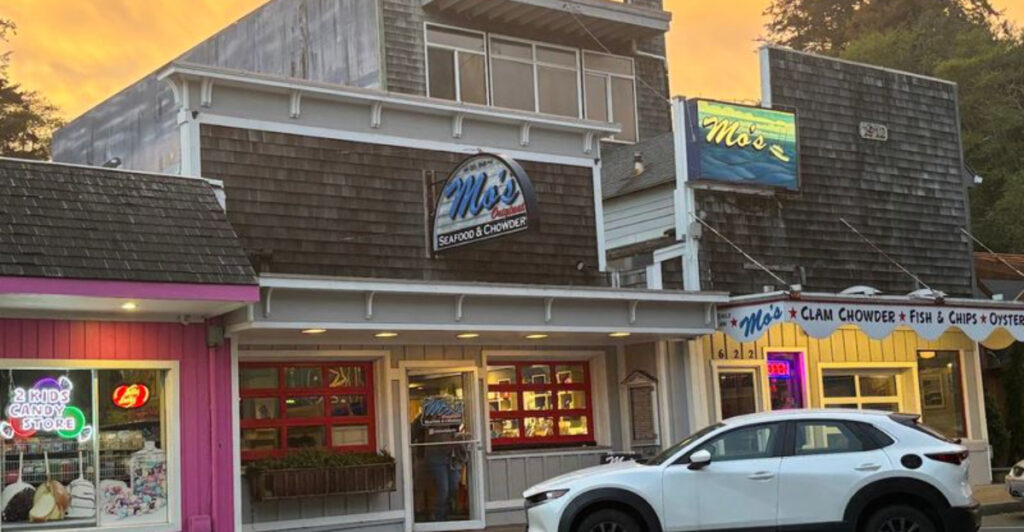
There is a small seafood restaurant on the Oregon coast that has been quietly earning its legendary status since 1942. Its clam chowder became so famous that Robert F.
Kennedy once had it packed up and brought along during a campaign trip, which is not the kind of endorsement most restaurants can claim. The place sits right on Newport’s bayfront, wooden and weathered, smelling of the sea and fresh bread.
I finally made the drive out to see what all the fuss was about, and what I found was a restaurant that earns every bit of its reputation one creamy bowl at a time.
The Original Location on Newport’s Historic Bayfront
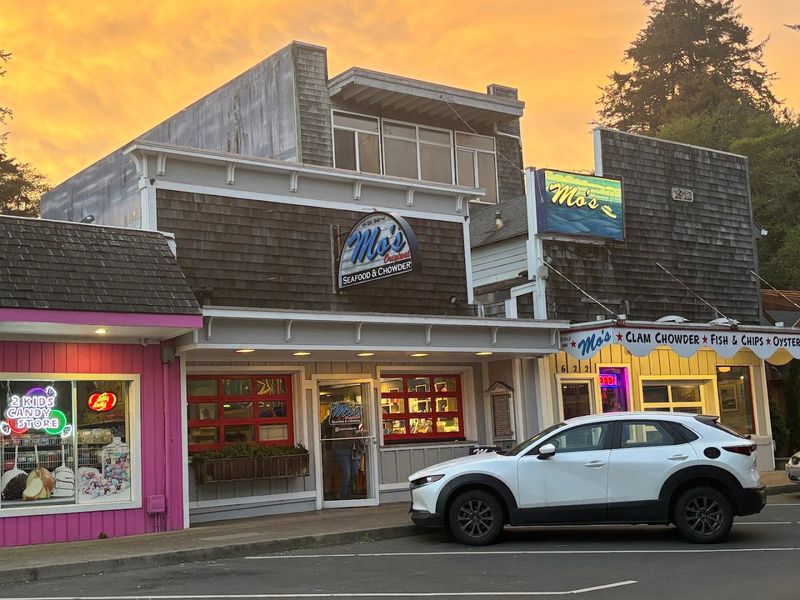
Right at 622 SW Bay Blvd., Newport, OR 97365, the original Mo’s sits close enough to the water that you can hear the seagulls negotiating over scraps outside. The bayfront here has a lived-in character that no amount of renovation could erase, and Mo’s fits right into that texture like it was always meant to be here.
Newport’s bayfront has been a working waterfront for well over a century, and this stretch of SW Bay Boulevard still carries that salt-soaked energy. Fishing boats dock nearby, and the smell of the ocean drifts through the door every time someone walks in.
The building itself has been updated in recent years, giving it a cleaner and more modern interior while keeping the warm, home-style feeling that regulars have always loved. The harbor view from the windows is the kind of thing you stop mid-bite to appreciate.
Getting here is straightforward, though parking can be a short adventure, but free spots are available nearby if you circle the block with a little patience.
The Woman Behind the Legend: Mohava Marie Niemi
Mo’s did not get its name from a mascot or a marketing team. It came from a real woman, Mohava Marie Niemi, who everyone simply called Mo.
She opened the original restaurant in 1942 with a fierce work ethic and a recipe for clam chowder that would eventually outgrow the small building she started in.
Mo was known for feeding people who could not afford to pay, running tabs for fishermen between seasons, and treating her bayfront diner less like a business and more like a community kitchen. That spirit of generosity became baked into the restaurant’s identity just as much as the chowder recipe itself.
Her family has continued to operate Mo’s for decades after her passing, keeping the recipes and the ethos intact. There is something genuinely moving about eating in a place that still reflects the personality of the person who built it from scratch.
Mo’s story is not just a restaurant origin tale; it is a piece of Oregon coastal history that happens to come with a very good bowl of soup.
The Clam Chowder That Traveled with Robert Kennedy
Not many restaurants can say a presidential candidate liked their food enough to bring it on the campaign trail, but Mo’s can. Robert F.
Kennedy reportedly had Mo’s clam chowder packed up and taken along during his 1968 Oregon campaign stops, which says a lot about how seriously he took his soup.
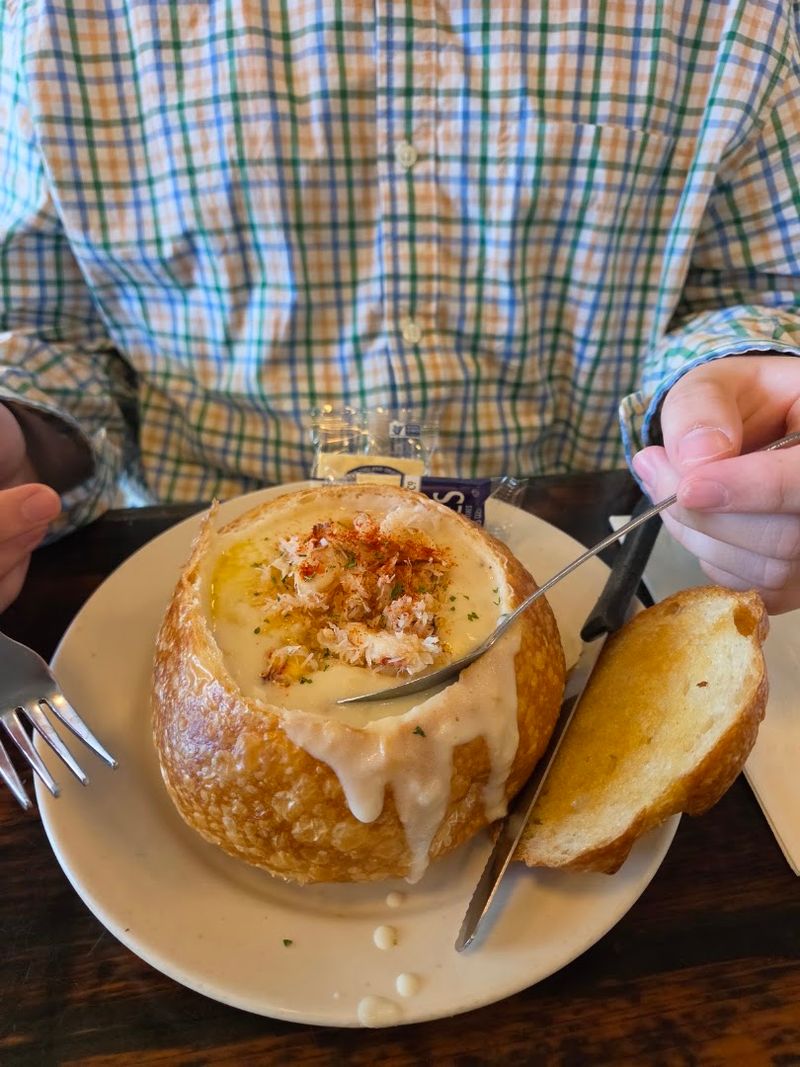
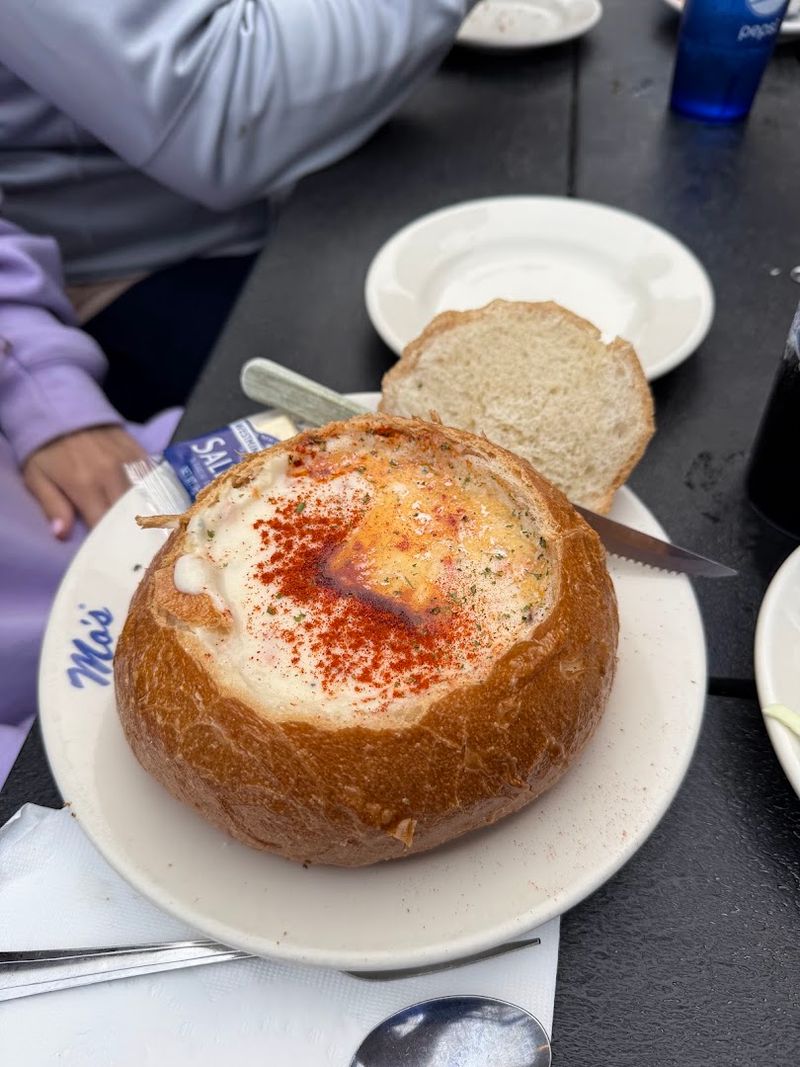
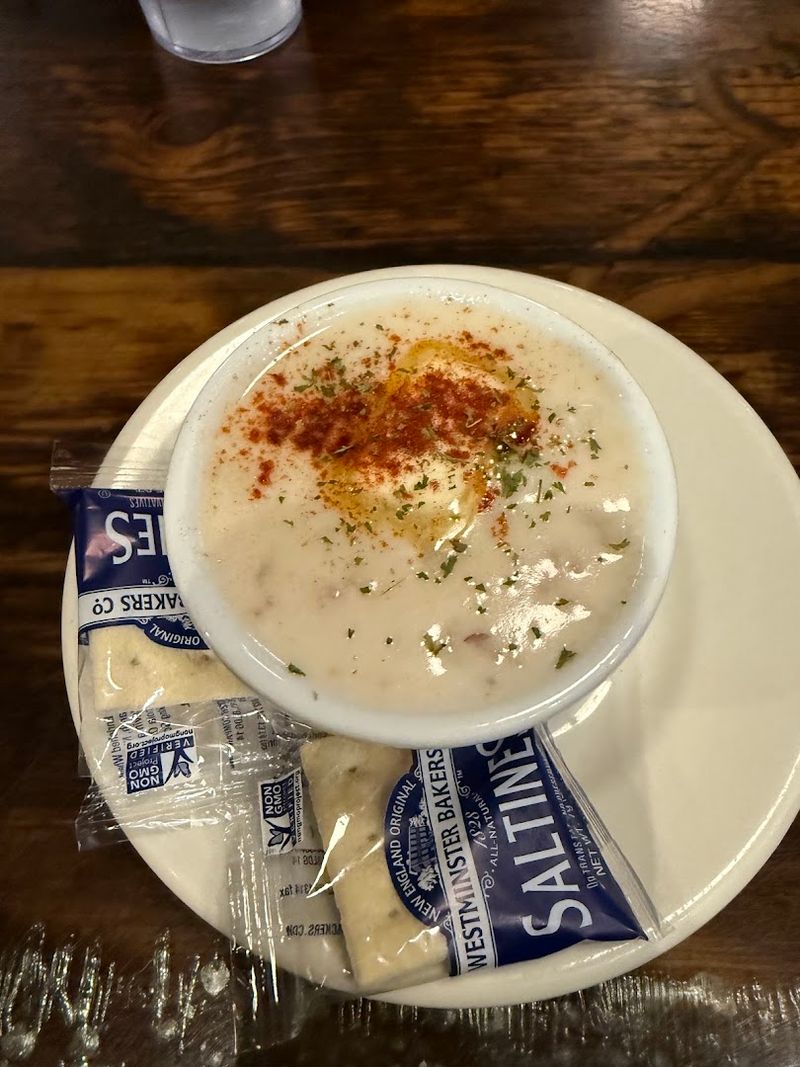
The chowder itself is a New England style, thick and creamy with a generous amount of clam and potato. It is the kind of bowl that silences a table for a few minutes while everyone works through that first warm taste.
Some visitors arrive expecting something more intensely briny, but the flavor is rich and balanced rather than overpowering.
A few guests from outside the Pacific Northwest have compared it to baked potato soup, which is actually a fair description of its hearty, comfort-food quality. The chowder is served in cups, bowls, and sourdough bread bowls, so you can calibrate your commitment level accordingly.
Ordering the bread bowl is the correct decision, and most people at the tables around you will confirm this without being asked.
The Full Menu Beyond the Famous Chowder
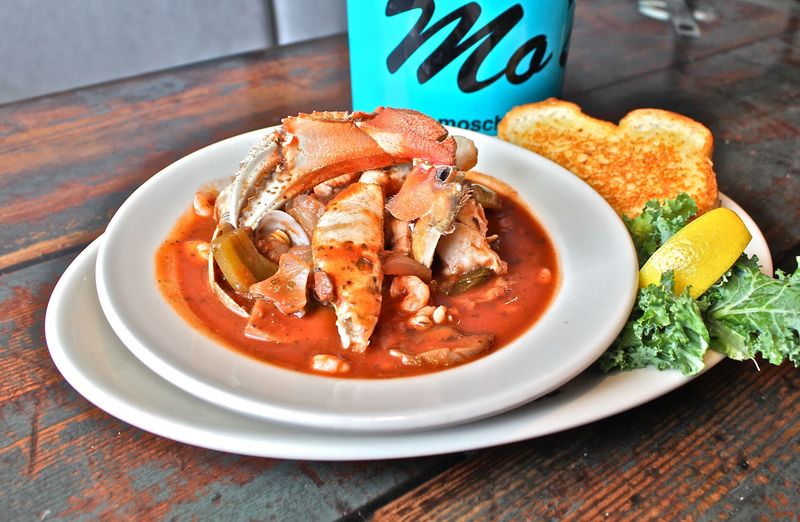
Mo’s is famous for its chowder, but the menu extends well beyond that one dish, and several other items deserve serious attention. The cioppino, a tomato-based seafood stew loaded with fresh Pacific Northwest catch, has earned its own devoted following among people who make the trip specifically for it.
Fish and chips are a reliable order here, with halibut being the preferred choice for most regulars. The fish arrives firm and well-cooked inside a crispy batter, and the fries hold their own as a side rather than just an afterthought.
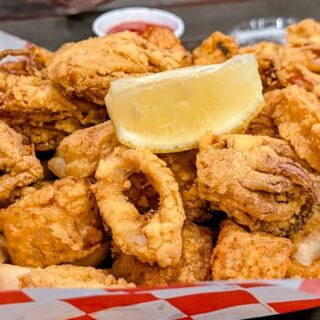
Calamari, oyster stew, shrimp skewers, and seafood noodles round out the options for anyone who wants to build a proper seafood spread across the table.
The menu also includes burgers and pasta for anyone in the group who does not share the seafood enthusiasm, which makes Mo’s a practical choice for mixed-preference families. Gluten-free options are available and handled with genuine care by the staff, who tend to be knowledgeable about the specifics.
The Marionberry cobbler has been known to produce very strong emotional reactions in people who order it for dessert.
The Atmosphere Inside the Restaurant
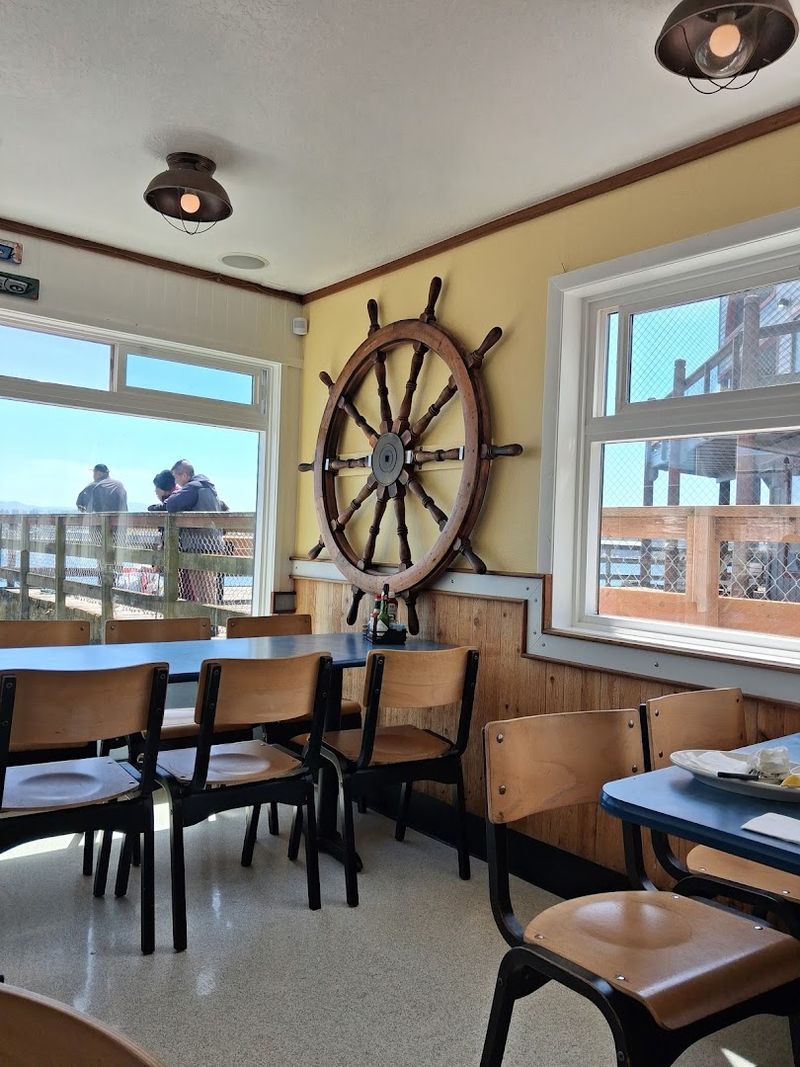
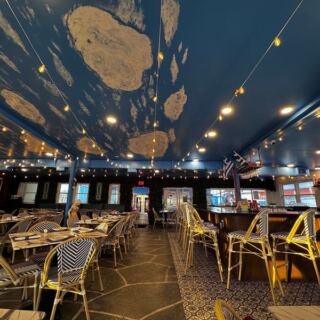
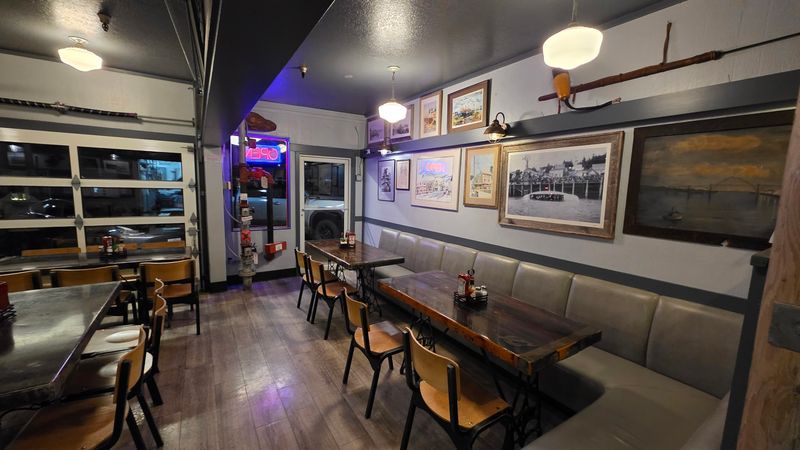
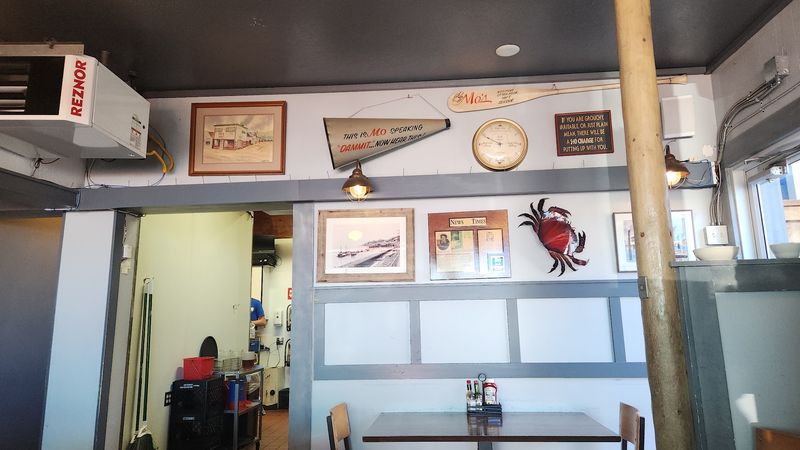
The inside of Mo’s has been refreshed in recent years, and the update strikes a good balance between cleaner aesthetics and preserved character. The walls and layout still feel grounded in the restaurant’s long history rather than chasing a trendy coastal look that would feel out of place here.
It gets noisy during peak hours, which is the natural consequence of a popular waterfront spot with hard surfaces and enthusiastic diners. The energy is lively rather than chaotic, and the buzz of conversation around you adds to the sense that this is a place people genuinely enjoy being in.
Tables fill up quickly on weekends, and a short wait is common, but the restaurant sends text alerts when your table is ready so you can explore the bayfront shops in the meantime.
The harbor view from certain seats is worth angling for when you arrive. Watching the boats and the water while a bowl of chowder cools just enough to eat is one of those small, satisfying combinations that a place like this makes easy.
The lighting is a touch dim, which some visitors note, but it contributes to the relaxed, unhurried mood that Mo’s has always been known for.
Service and Staff Culture at Mo’s
The staff at Mo’s tend to be the kind of people who make you feel like a regular even on your first visit. Servers are consistently described as friendly, knowledgeable, and attentive without hovering, which is a balance that is harder to strike than it sounds in a busy waterfront restaurant.
The team handles the menu questions with real confidence, particularly around seafood preparations and dietary accommodations. If you have specific needs around gluten or allergies, the staff here are practiced at walking you through the options without making it feel like a complicated negotiation.
That attentiveness extends to families with young children, who are welcomed without any of the subtle impatience that can creep into service at more upscale spots.
On busy evenings, servers can be managing several tables at once, and the kitchen moves fast enough that food arrives while conversation is still warm. The occasional off-service experience does happen, as it does anywhere, but the overall culture of the place leans genuinely hospitable.
Mo herself reportedly set that tone from the beginning, and the people who work here seem to carry it forward without needing to be reminded.
Mo’s Place in Oregon’s Coastal Food Culture
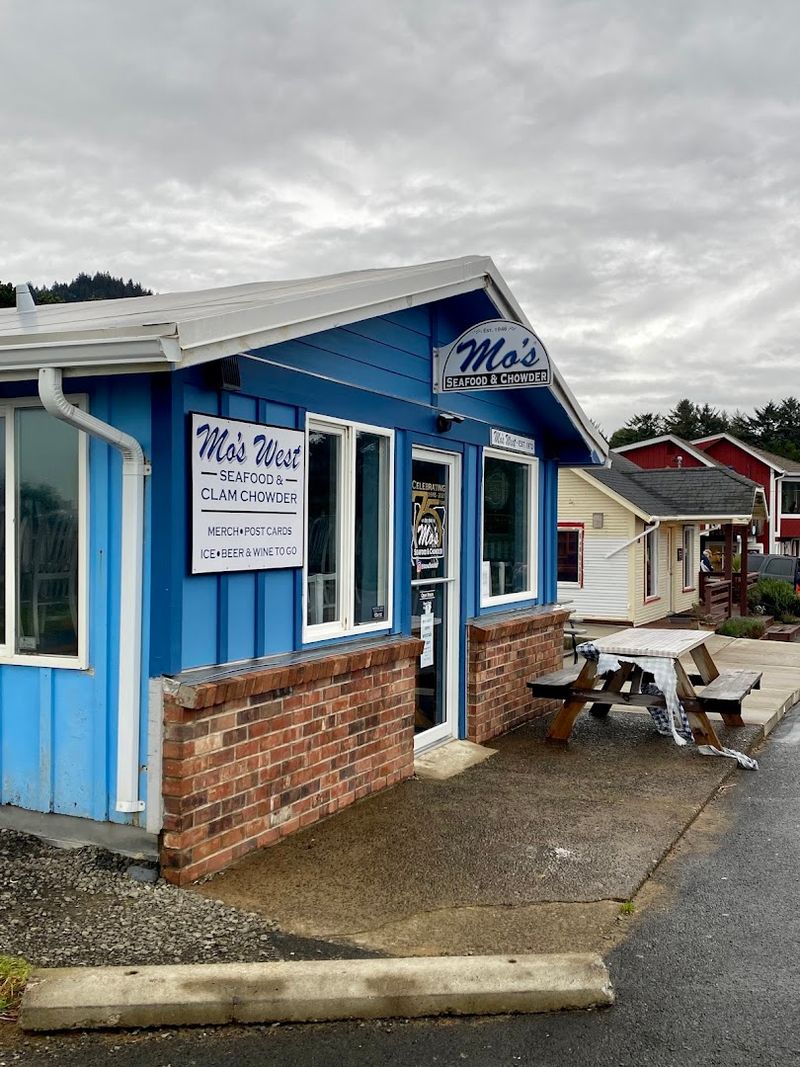
Along the Oregon coast, Mo’s has grown into something bigger than a single restaurant. With multiple locations stretching from Newport to Cannon Beach and beyond, it has become a coastal institution that many Oregon families have been visiting for generations.
The Newport original remains the anchor of that identity.
Oregon’s coastal food culture leans heavily on fresh Pacific seafood, and Mo’s has been part of shaping what visitors expect when they make the drive out to the shore. The chowder in particular has set a kind of benchmark that other restaurants in the region are quietly measured against.
That is a significant cultural position for a place that started as a small bayfront diner run by one determined woman.
Travelers coming from outside the Pacific Northwest often use Mo’s as their first real introduction to Oregon coastal cooking, and for many of them it becomes the meal they talk about long after the trip ends. The restaurant carries that responsibility without making a fuss about it, which is part of what keeps it feeling authentic rather than touristy.
Newport’s bayfront would feel noticeably different without Mo’s anchoring one end of it.
Practical Tips for Your Visit
Mo’s is open every day of the week from 11 AM to 8 PM, which makes it a flexible option whether you are arriving after a morning on the beach or wrapping up a full day of exploring the coast. The consistent hours across all seven days are genuinely convenient for trip planning.
Parking on the bayfront is free but limited, especially on summer weekends when Newport fills up with visitors. Arriving before noon or after 2 PM on busy days tends to give you a better shot at a spot without too much circling.
The restaurant does get a wait during peak dinner hours, but the text notification system means you are not stuck standing at the door.
The phone number for the original location is (541) 265-2979, and the website at moschowder.com has menu details and location information if you want to plan ahead. If you are visiting with a group that has mixed seafood enthusiasm, it helps to check the full menu online before you go so everyone arrives with a game plan.
Showing up hungry and curious is genuinely the best approach, and the chowder will handle the rest.
The Oyster Stew and Other Underrated Menu Stars
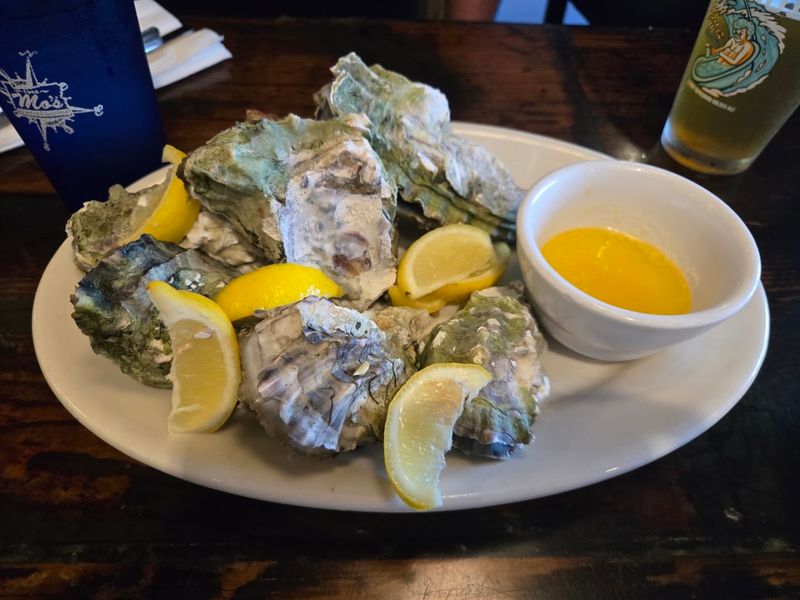
Most people walk into Mo’s with clam chowder on their mind, and they leave having confirmed that instinct was correct. But a few other dishes quietly earn their moment in the spotlight once you start working through the menu on return visits.
The oyster stew is one of those underrated options that regular visitors tend to mention with real affection. It is a simpler preparation than the chowder, letting the oysters carry the flavor without competing additions, and it works beautifully for anyone who wants something a little lighter in texture.
The cod fish tacos have also built a quiet following among people who arrive expecting to order chowder and then get distracted by the specials board.
Shrimp dishes at Mo’s tend to arrive with more generosity than you might expect, and the shrimp skewers in particular have a crunch and seasoning that makes them easy to recommend as a starter or a side. The onion rings are better than they need to be for a seafood restaurant, which is a small but meaningful detail.
A place that takes its onion rings seriously is a place that takes its cooking seriously across the board.
Why Mo’s Has Lasted More Than Eight Decades
Eight decades is a long time for any restaurant to stay relevant, and Mo’s has managed it by staying true to the things that made it work in the first place. The recipes have not been dramatically reinvented to chase trends, the location has not moved from the bayfront that gave it its character, and the family ownership has kept a personal investment in the place that corporate management rarely replicates.
The chowder recipe that Robert Kennedy liked enough to travel with is still essentially the chowder being served today. That kind of consistency is its own form of quality control, and it builds a trust with returning visitors that is hard to manufacture through marketing alone.
People who ate here as children bring their own children, and that cycle of return visits is what keeps the dining room full on a Tuesday in November.
Mo’s also benefits from being genuinely woven into the fabric of Newport rather than sitting apart from it as a tourist attraction. The local community connection, the family ownership, and the bayfront setting all reinforce each other in a way that makes the restaurant feel like it belongs here.
That sense of belonging is something most restaurants spend years trying to earn, and Mo’s was born with it.
Share this story