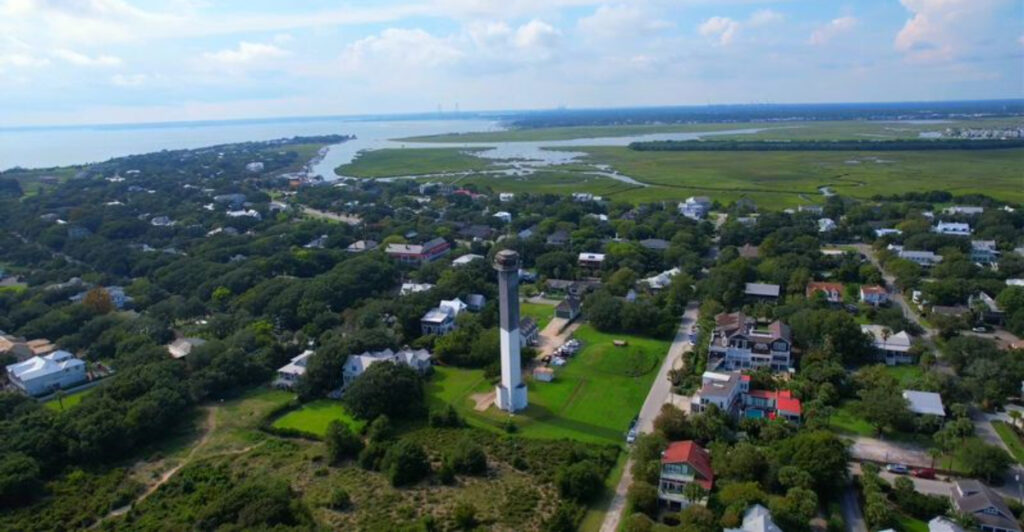
Most lighthouses follow a familiar script: round towers, candy-stripe paint, and a romantic silhouette against the sky. This one tore up that script entirely.
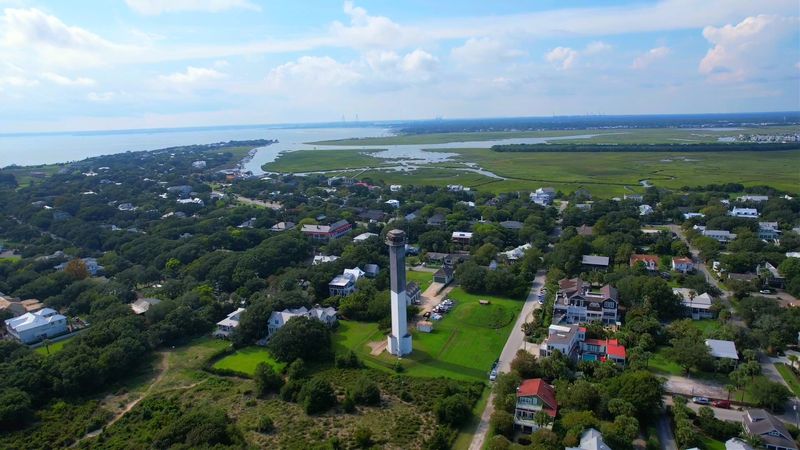
Tucked on a barrier island just outside Charleston, South Carolina, there stands a lighthouse that looks more like a sleek, modern office building than a seafaring beacon, and yet it has been guiding ships safely into Charleston Harbor since 1962. Its triangular shape, black-and-white panels, and built-in elevator set it apart from every other lighthouse in the United States.
I made the trip out to see it for myself, and I can honestly say nothing quite prepares you for the moment it comes into view. Keep reading, because this lighthouse has a story worth knowing.
Where Exactly You Will Find This One-of-a-Kind Beacon
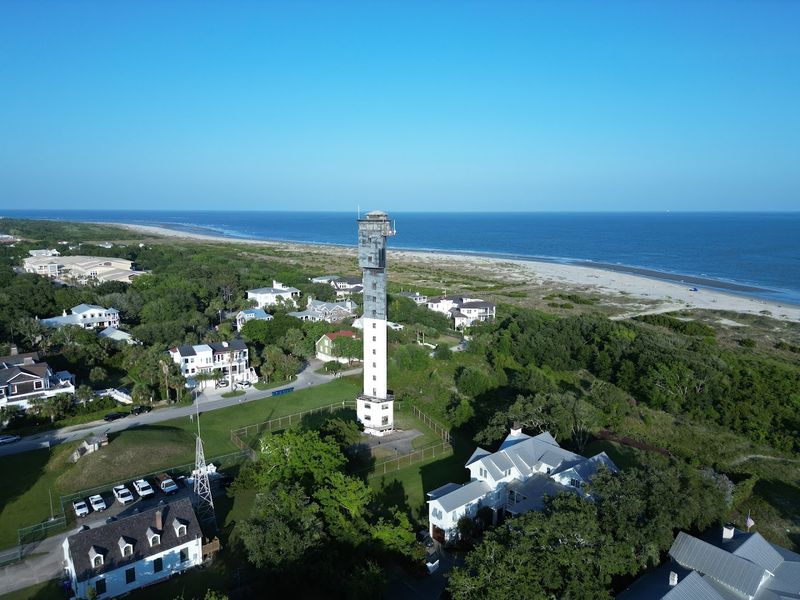
The address is 1815 Ion Ave, Sullivan’s Island, and getting there is half the fun. Sullivan’s Island sits just northeast of Charleston, connected to the mainland by a short bridge that feels like a portal into a quieter, saltier world.
The island is small and residential, lined with beach houses and swaying palms, and the lighthouse rises above the tree line in a way that genuinely surprises you. You do not expect something so angular and modern in a setting this coastal and unhurried.
The lighthouse is part of the Fort Moultrie unit of Fort Sumter National Monument, managed by the National Park Service. The surrounding grounds are open around the clock, every day of the week, which means you can swing by at sunrise or linger at golden hour without worrying about closing time.
The Striking Design That Sets It Apart From Every Other Lighthouse in the Country
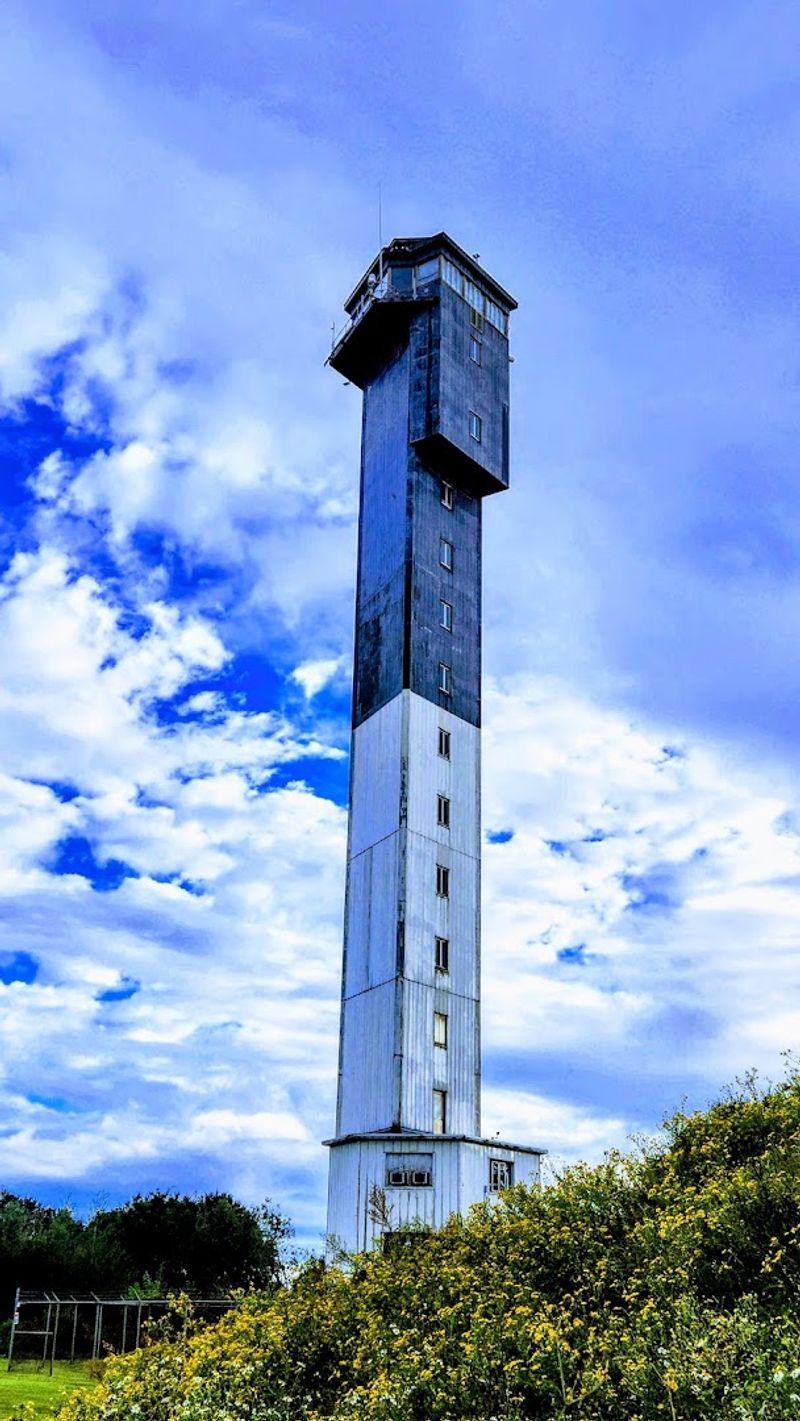
No other lighthouse in the United States looks quite like this one, and that is not an exaggeration. The structure is triangular in cross-section, clad in alternating black-and-white vertical aluminum panels, and rises about 140 feet into the South Carolina sky.
Most people who visit are caught off guard by how industrial it looks up close. There are no graceful curves or romantic stonework here.
Instead, you get clean lines, sharp angles, and a design that belongs more to mid-century modernism than to maritime tradition.
The shape was actually a deliberate engineering choice. The triangular form provides exceptional resistance to hurricane-force winds, which are a very real concern along the South Carolina coast.
So what looks like bold architectural style also happens to be smart structural thinking. Form and function rarely shake hands this neatly, and that combination is a big part of what makes this lighthouse genuinely fascinating.
A Brief History of Why This Lighthouse Was Built
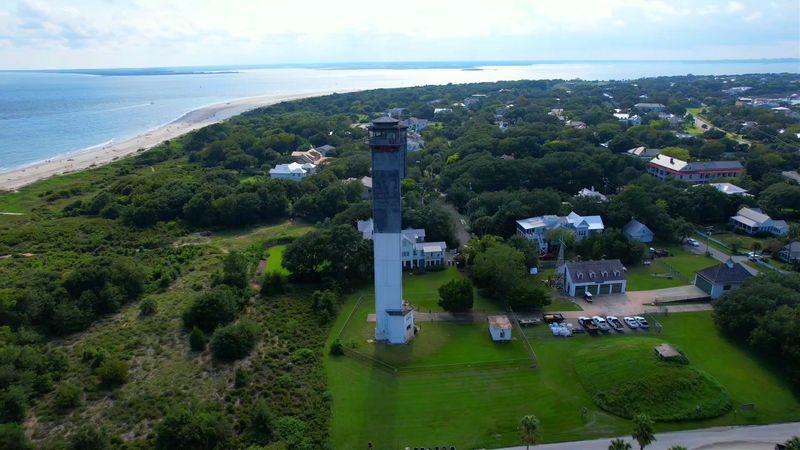
Before this lighthouse existed, ships entering Charleston Harbor relied on the old Morris Island Lighthouse, a handsome 19th-century tower that had been doing its job for decades. By the mid-20th century, though, the Morris Island structure was deteriorating and increasingly hard to maintain.
The decision was made to build a replacement, and in 1962 the Sullivan’s Island Lighthouse officially took over navigational duties. It was one of the last lighthouses built by the United States Coast Guard, and it came loaded with modern features that older towers could never offer.
The construction reflected the era’s confidence in technology and efficiency over tradition. Engineers prioritized durability, automation, and long-term low maintenance rather than the picturesque qualities that earlier lighthouse builders had valued.
The result was a structure that felt completely out of step with its surroundings, which is precisely why people are still talking about it more than sixty years later.
The Only Lighthouse in the United States With an Elevator
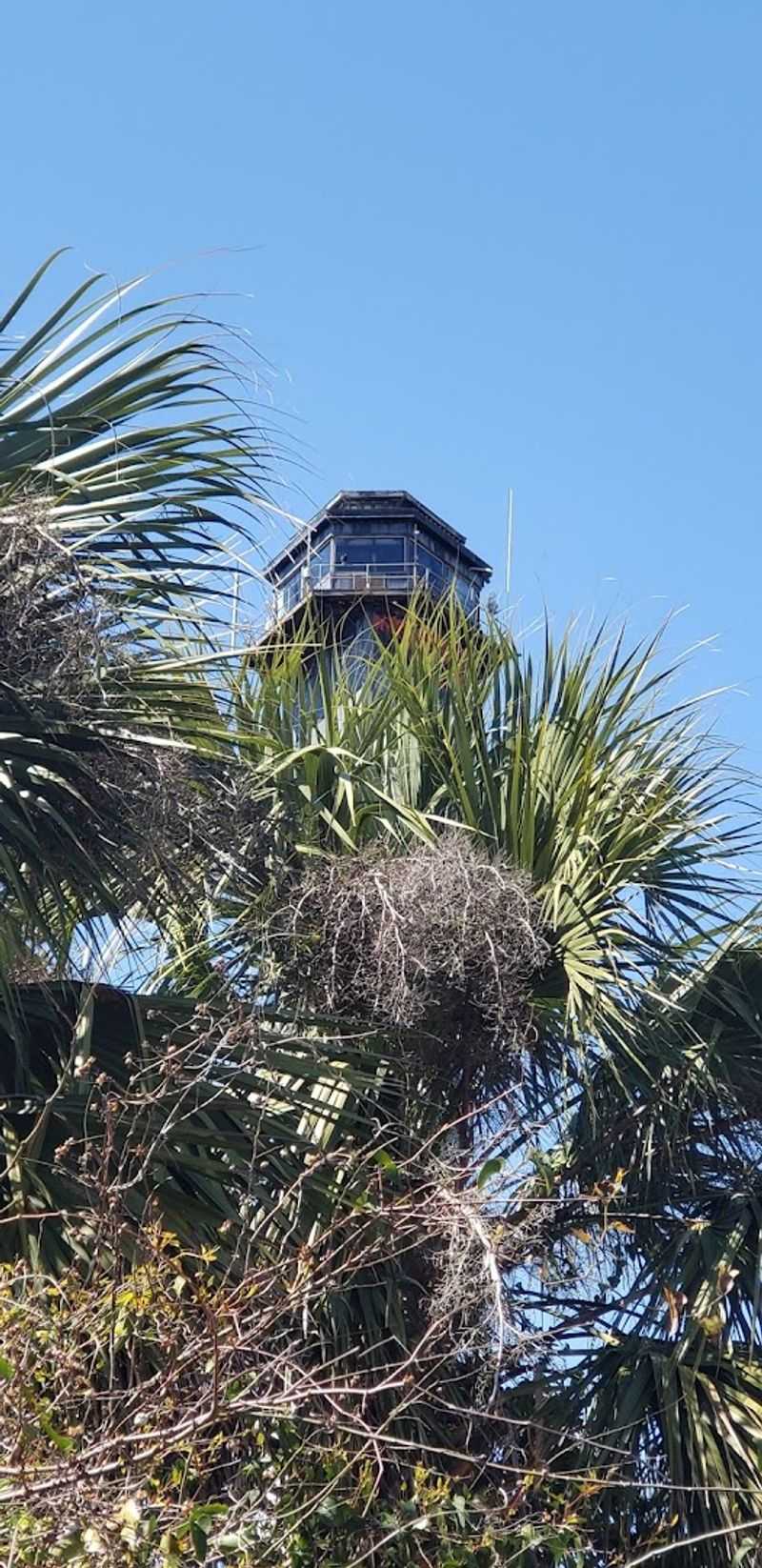
Here is a detail that tends to make people do a double-take: this is the only lighthouse in the entire United States that has an elevator inside it. While lighthouse keepers at other towers were climbing hundreds of spiral steps to reach the light, the crew at Sullivan’s Island simply pressed a button.
That elevator was not installed for comfort alone. The lighthouse was designed to be as efficient and low-maintenance as possible, and a mechanical lift made it far easier to transport equipment and supplies to the upper levels without the physical strain of repeated stair climbing.
Today the lighthouse is fully automated, so no keeper climbs those levels anymore. But the elevator remains a quirky footnote in American lighthouse history, the kind of small detail that turns a sightseeing stop into a genuine conversation starter.
It is a reminder that even practical engineering decisions can become the stuff of lasting curiosity.
The Lighthouse’s Role in Guiding Ships Into Charleston Harbor
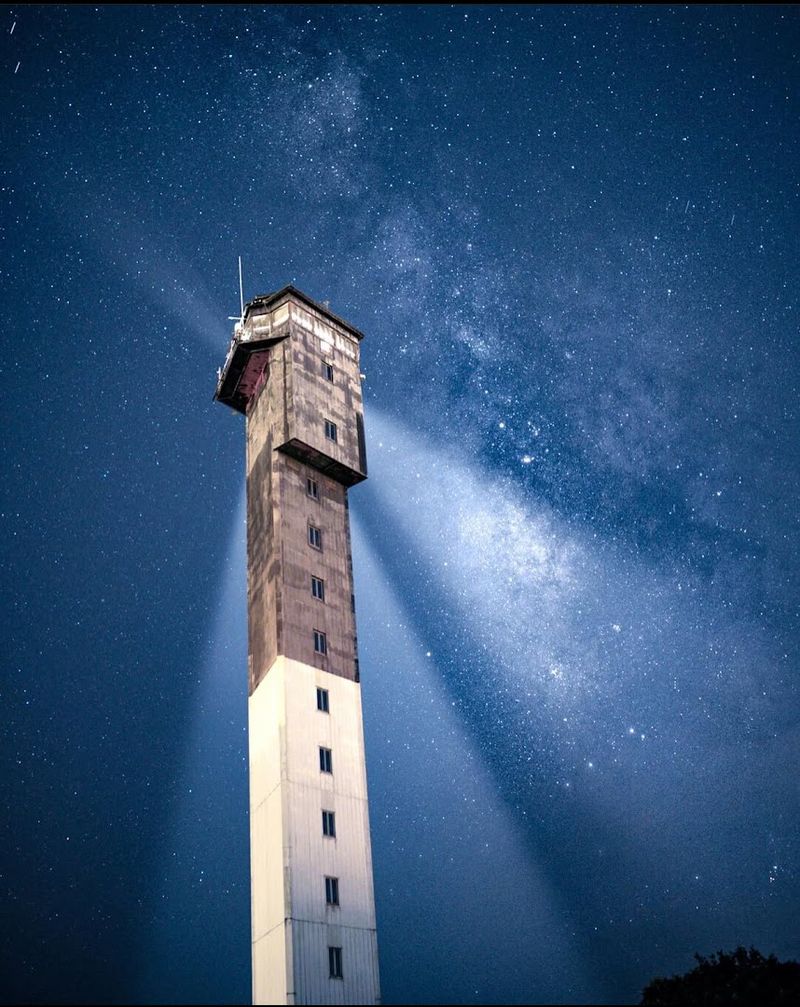
Even today, the Sullivan’s Island Lighthouse is not just a historic curiosity. It is a working navigational aid, actively helping vessels find their way into and out of Charleston Harbor, one of the busiest ports on the entire East Coast of the United States.
Charleston Harbor handles enormous volumes of container ships, tankers, and commercial vessels every year. The lighthouse’s powerful beam cuts through fog and darkness, offering a fixed reference point for mariners navigating the tricky approach to the harbor entrance.
Standing near the lighthouse at dusk, you can watch the steady parade of ships moving along the horizon, and it becomes easy to understand why this beacon still matters. The romance of old lighthouse lore may be tied to candlelit oil lamps and hand-wound mechanisms, but the work this structure does today is just as serious and just as vital as anything its predecessors accomplished.
What the Grounds Around the Lighthouse Actually Look Like
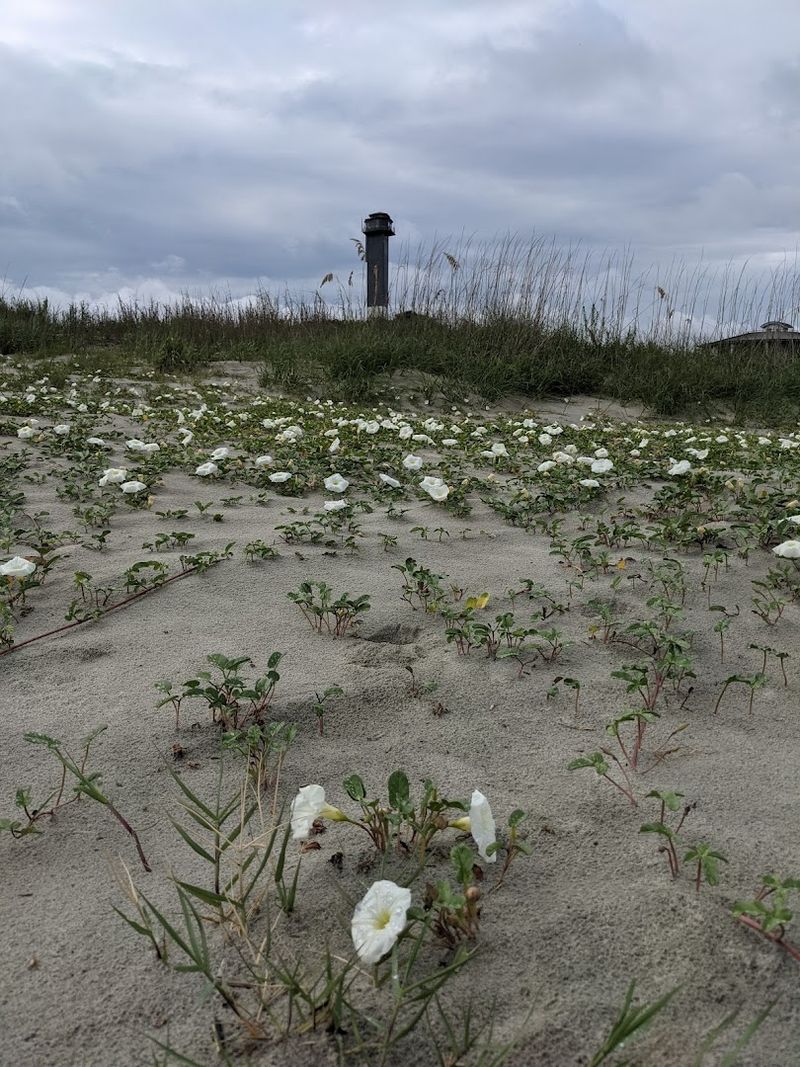
The lighthouse itself is fenced off and not accessible to visitors, but the surrounding grounds are worth more than a quick glance from the road. A network of sandy paths winds through low coastal vegetation, and several informational signs are posted around the perimeter with detailed facts about the lighthouse’s construction and history.
Those signs are genuinely worth reading. They cover the engineering decisions behind the triangular design, the transition from the Morris Island Lighthouse, and the Coast Guard’s role in building and operating the structure.
It is a self-guided history lesson that takes about ten minutes and leaves you with a much richer appreciation for what you are looking at.
The grounds have a quiet, unhurried atmosphere that encourages you to slow down. Coastal birds drift overhead, the breeze carries a steady salt smell, and the lighthouse towers above everything in a way that feels oddly calming once you stop expecting it to look like a traditional tower.
The Beautiful Beach That Sits Right Next to the Lighthouse
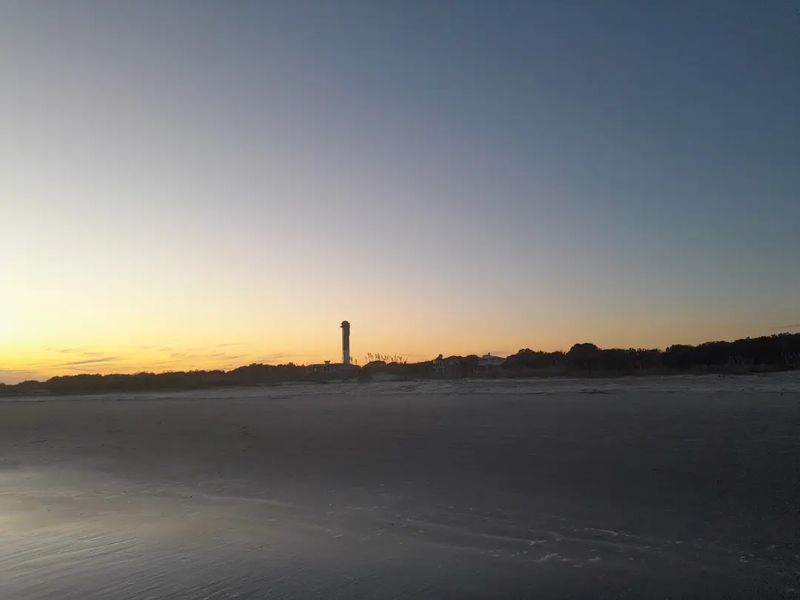
One of the best-kept secrets about visiting this lighthouse is that a lovely beach sits practically at its doorstep. After you have walked the grounds and read the historical signs, you can step right onto a stretch of clean, relatively uncrowded sand that faces the Atlantic Ocean and offers a clear view back toward the lighthouse.
That view from the beach is genuinely the best angle for taking in the full height and unusual shape of the structure. From the water’s edge, the lighthouse rises dramatically above the dune line, and the contrast between the angular modern tower and the natural coastal setting is striking in a way that photographs barely capture.
The beach here tends to be quieter than the more popular stretches further along the island, which makes it a good choice if you prefer a relaxed outing. At low tide, the hard-packed sand stretches wide and flat, perfect for a long, easy walk.
The Lighthouse’s Connection to Fort Moultrie and Fort Sumter National Monument
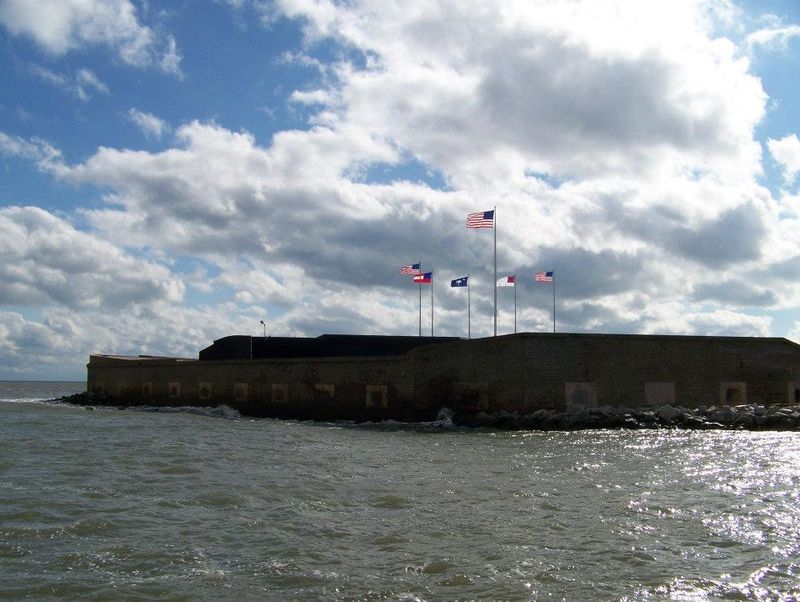
The Sullivan’s Island Lighthouse does not stand alone in a historical sense. It is officially part of the Fort Moultrie unit of Fort Sumter National Monument, which links it to one of the most significant military sites in American history.
Fort Moultrie, located nearby on the same island, played a major role in the American Revolution and the Civil War. The fort and the lighthouse together create a layered historical landscape that covers centuries of American coastal defense and maritime activity in one compact area.
Visiting the lighthouse becomes a richer experience when you factor in the broader Fort Moultrie site. The National Park Service manages both, and spending a few hours exploring the fort before or after your lighthouse stop gives the whole trip a much deeper context.
Sullivan’s Island turns out to be one of those rare places where military history, architectural curiosity, and natural beauty all occupy the same small patch of ground.
The Color Scheme Controversy That Locals Still Talk About
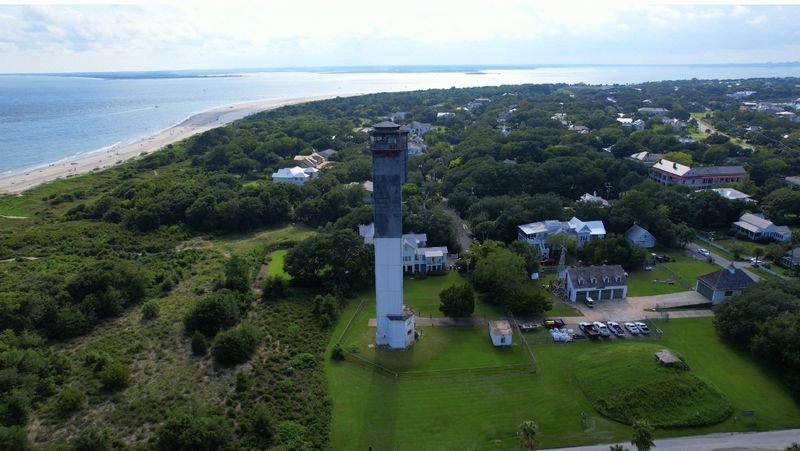
The lighthouse’s current black-and-white color scheme has a surprisingly contentious backstory. The original design featured a bold red-and-white pattern, which would have made the structure even more visually striking against the pale coastal sky.
Local residents on Sullivan’s Island reportedly pushed back against that color combination, and the palette was changed to the black-and-white scheme you see today.
Some visitors feel the current look gives the lighthouse a piano-key quality that suits its angular design perfectly well. Others wish the original red-and-white had been kept, arguing it would have given the structure a stronger visual identity and a warmer character.
The debate is a small but telling reminder that lighthouses are not just navigational tools. They are landmarks that communities develop genuine feelings about, and the people who live alongside them often care deeply about how they look.
This one sparked that kind of local passion before it was even fully painted.
Practical Tips for Parking and Getting Around
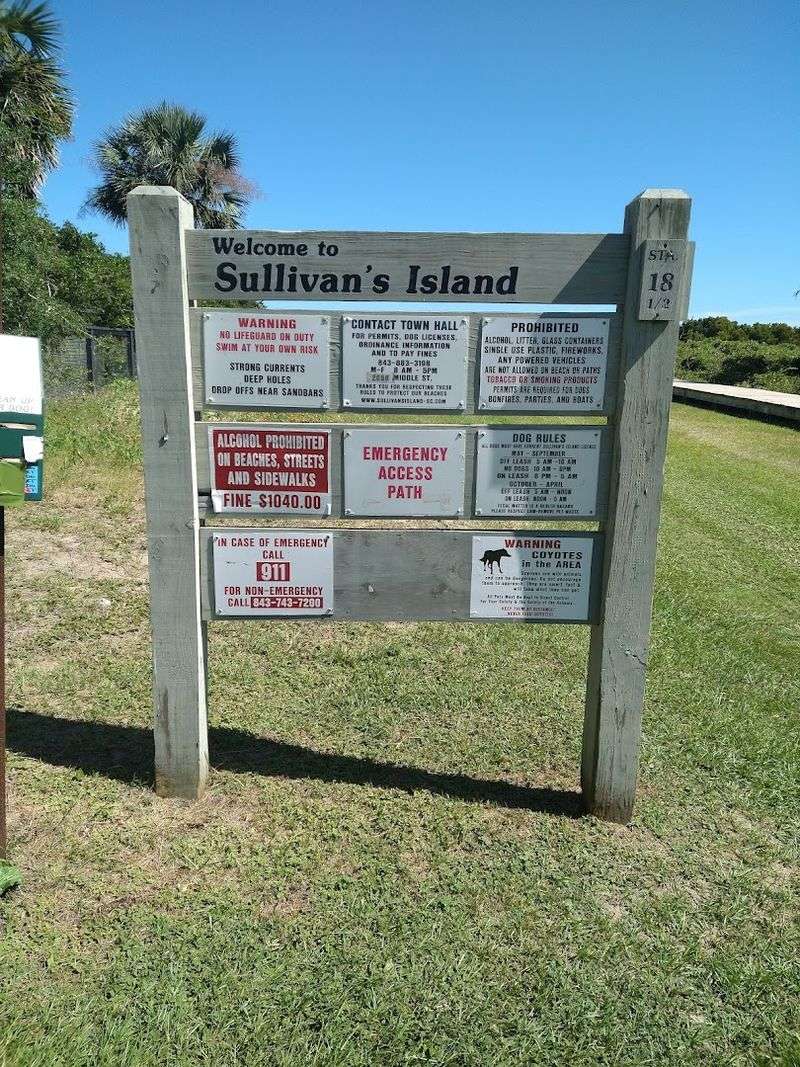
Parking near the lighthouse is one of those things worth knowing about before you arrive, because it can catch first-time visitors off guard. There is no dedicated parking lot at the site.
Your best option is street parking along Ion Avenue and the surrounding residential streets, which fills up quickly on weekends and during warmer months.
Arriving early in the morning tends to solve the problem. The grounds are open around the clock, so an early visit gives you the best chance of finding a spot without circling the block repeatedly.
Weekday visits are generally easier than weekends if your schedule allows.
Once you park, the walk to the lighthouse and beach is short and straightforward. Comfortable shoes are all you need, though the sandy paths near the beach make flip-flops or sneakers a smarter choice than anything with a heel.
Pack light, bring water, and plan to spend at least an hour exploring properly.
The Best Times of Day and Year to Visit
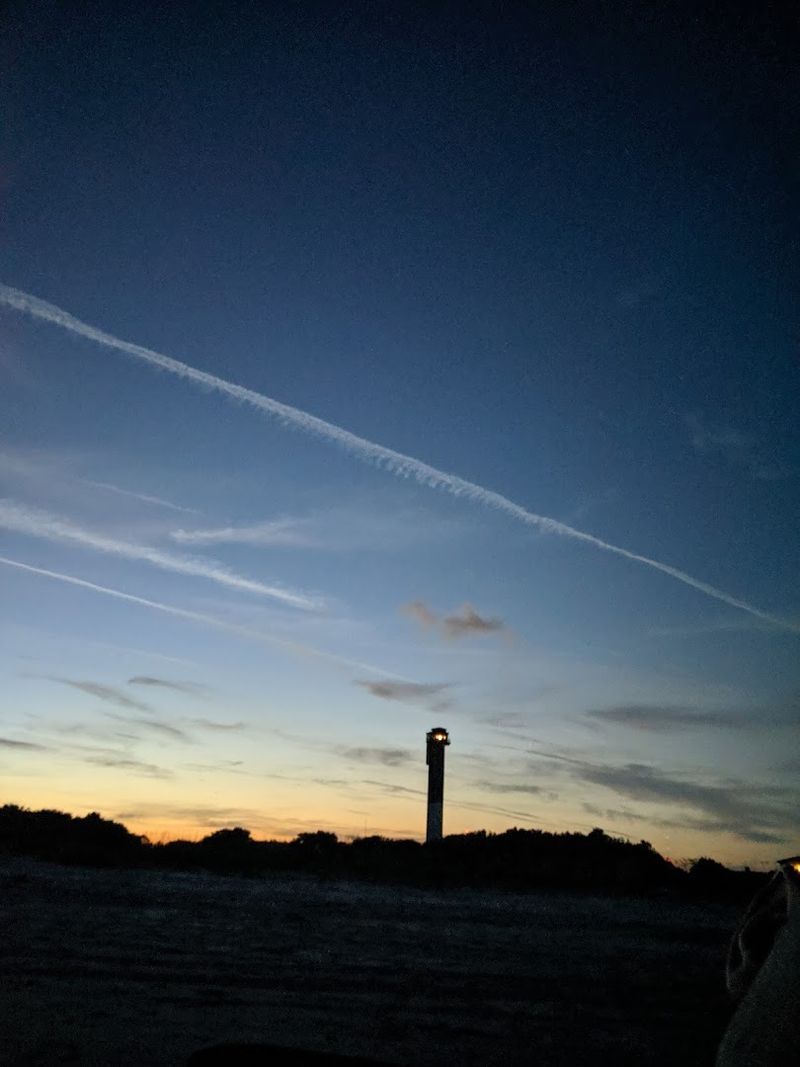
Timing your visit makes a real difference at this lighthouse. Golden hour, the hour after sunrise and the hour before sunset, transforms the aluminum panels into something genuinely luminous.
The shifting light catches the black-and-white surfaces at different angles throughout the day, and the effect at dusk is particularly worth lingering for.
Spring and fall are the most comfortable seasons to visit. Summer in South Carolina brings intense heat and humidity that can make even a short outdoor walk feel draining, while winter stays mild enough for a pleasant stroll most days.
Late September through early November tends to offer the best combination of comfortable temperatures and thinner crowds.
Early November visits come with the added bonus of butterflies migrating through the area, a detail that surprises most visitors and turns a standard sightseeing stop into something unexpectedly lovely. The beach at that time of year is quiet, the light is soft, and the whole island feels like it is exhaling after the busy summer season.
Why This Lighthouse Deserves a Spot on Your Charleston Itinerary
Charleston draws visitors for its pastel architecture, its history, and its food, but Sullivan’s Island offers something the city proper cannot: a coastal perspective that feels genuinely removed from the tourist circuit. The lighthouse is the anchor of that experience, a structure so visually unexpected that it resets your assumptions about what a historic landmark is supposed to look like.
The round trip from downtown Charleston takes less than thirty minutes by car, which means you can fold this stop into almost any itinerary without sacrificing much time. Pair it with a visit to Fort Moultrie, walk the beach, read the historical signs, and let the whole island slow your pace for a few hours.
There is something quietly satisfying about finding a place that refuses to meet your expectations and then exceeds them anyway. Sullivan’s Island Lighthouse is exactly that kind of place, and the drive across the bridge to reach it is the first sign that something worth seeing is waiting on the other side.
Share this story