There is a room in a Virginia inn where the floorboards still carry faint stains from the Civil War, and the staff will tell you the story without flinching. The building has stood for nearly two centuries, and within those walls, soldiers were treated, lives changed, and at least one ghost is said to have never left.
Most travelers pass through Abingdon without realizing that one of the most historically layered places in the entire South is right on Main Street. Once you know what happened inside this grand old building, you will want to book a room just to see it for yourself.
A Building That Has Witnessed Nearly Two Centuries of American History
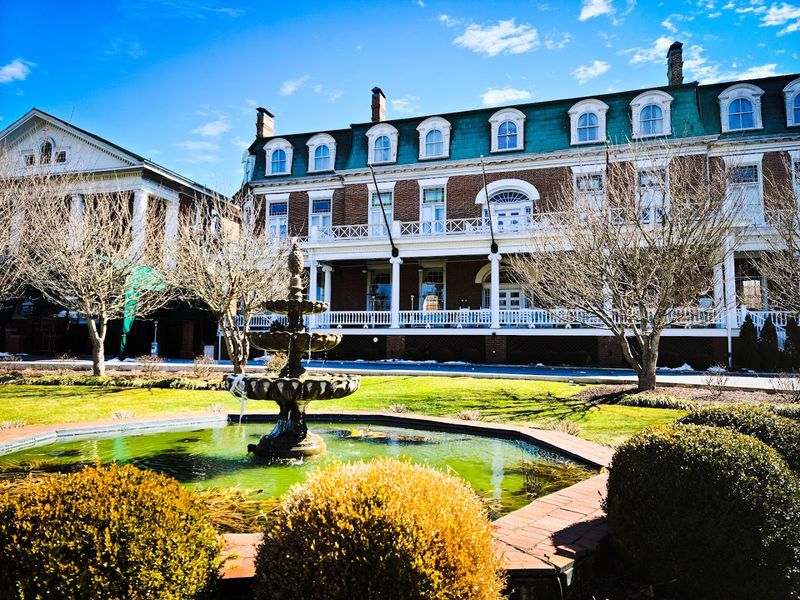
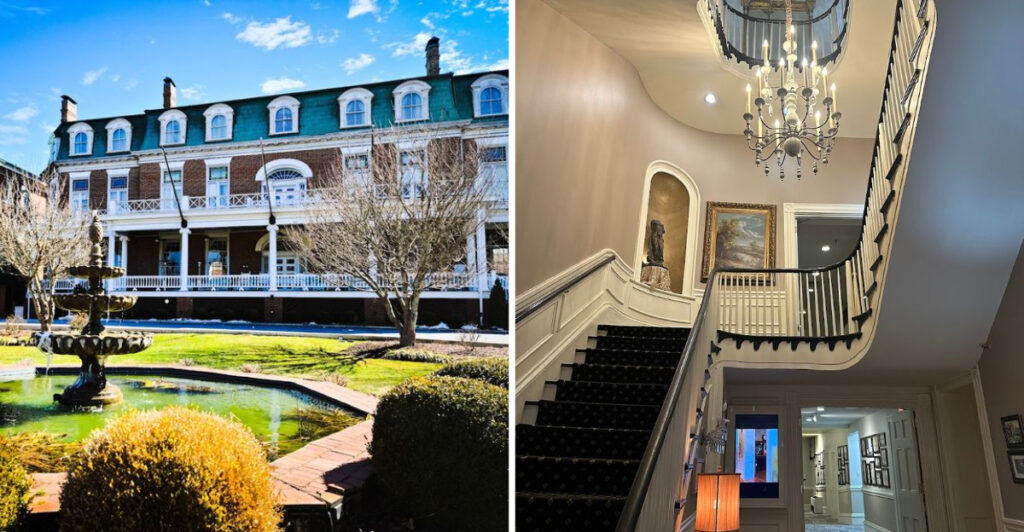
Few buildings in Virginia carry the kind of layered past that The Martha Washington Inn and Spa holds within its walls. Built in 1832 as a private residence for General Francis Preston, the structure started life as one of the most distinguished homes in Southwest Virginia.
Over the decades it transformed from a private estate into a women’s college, then served as a hospital during the Civil War, and eventually became the elegant inn it is today. Each chapter of that story left something behind, whether in the architecture, the layout of the rooms, or the legends that still circulate among longtime staff members.
Located at 150 W Main St, Abingdon, VA 24210, The Martha Washington Inn and Spa sits at the heart of a town that takes its history seriously. The building is not just old.
It is genuinely storied in ways that most hotels simply cannot claim.
The Room Where Civil War Bloodstains Still Mark the Floor
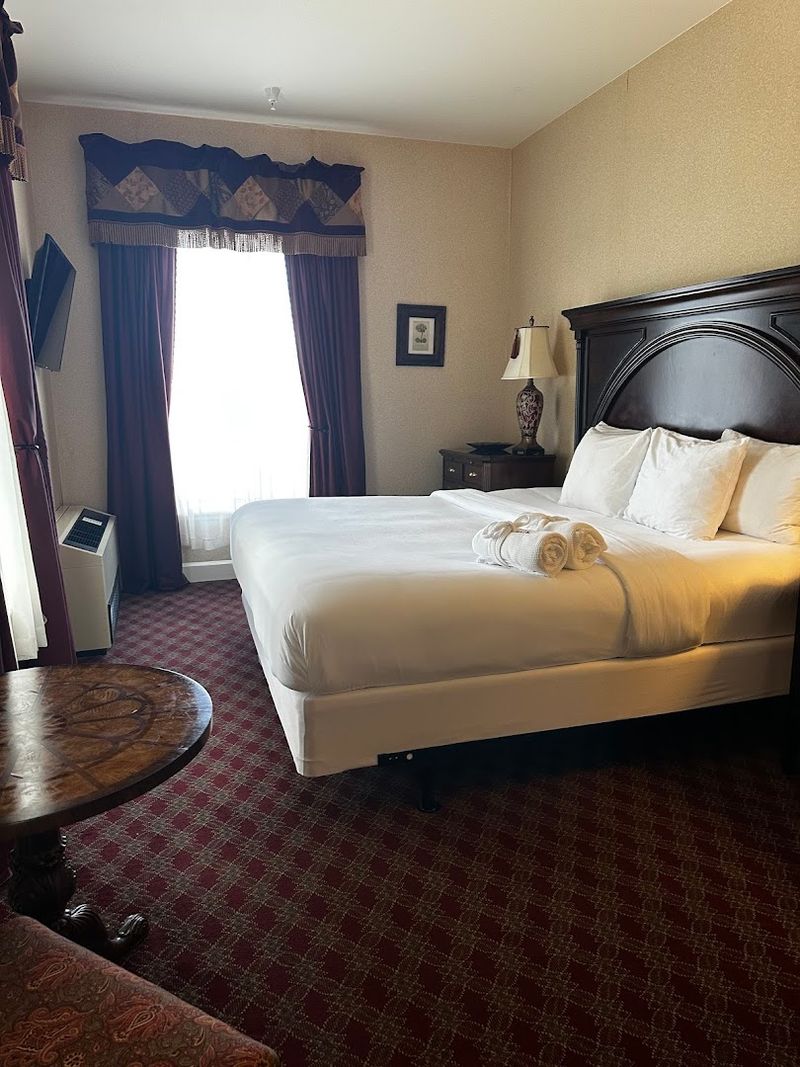
The most talked-about detail at this inn is not the chandeliers or the carved staircase. It is the bloodstains.
During the Civil War, the building served as a hospital for wounded soldiers, and the floors absorbed more than just history.
Room 403 is the most frequently mentioned spot, where a faint stain on the floor has become one of the inn’s most curious features. Whether you believe the stories or approach it purely as history, standing in that room creates a strange, quiet feeling that is hard to shake.
Some guests seek out that room specifically. Others stumble upon the story after checking in and find themselves making a detour.
The inn does not dramatize the detail, which somehow makes it more powerful. The stain is simply there, part of the floor, part of the building, part of what happened here long before it became a luxury destination.
The Ghost of Captain John Stoves and the Legend That Will Not Fade
Every old building has its ghost stories, but the ones attached to this inn carry a specific weight because they come with names and dates. Captain John Stoves is among the most frequently mentioned figures in the inn’s supernatural lore.
According to the legend, he was a Confederate soldier who was treated here during the war and died within these walls. His presence is said to have lingered, with guests and staff over the years reporting unexplained sounds and cold spots in certain corridors.
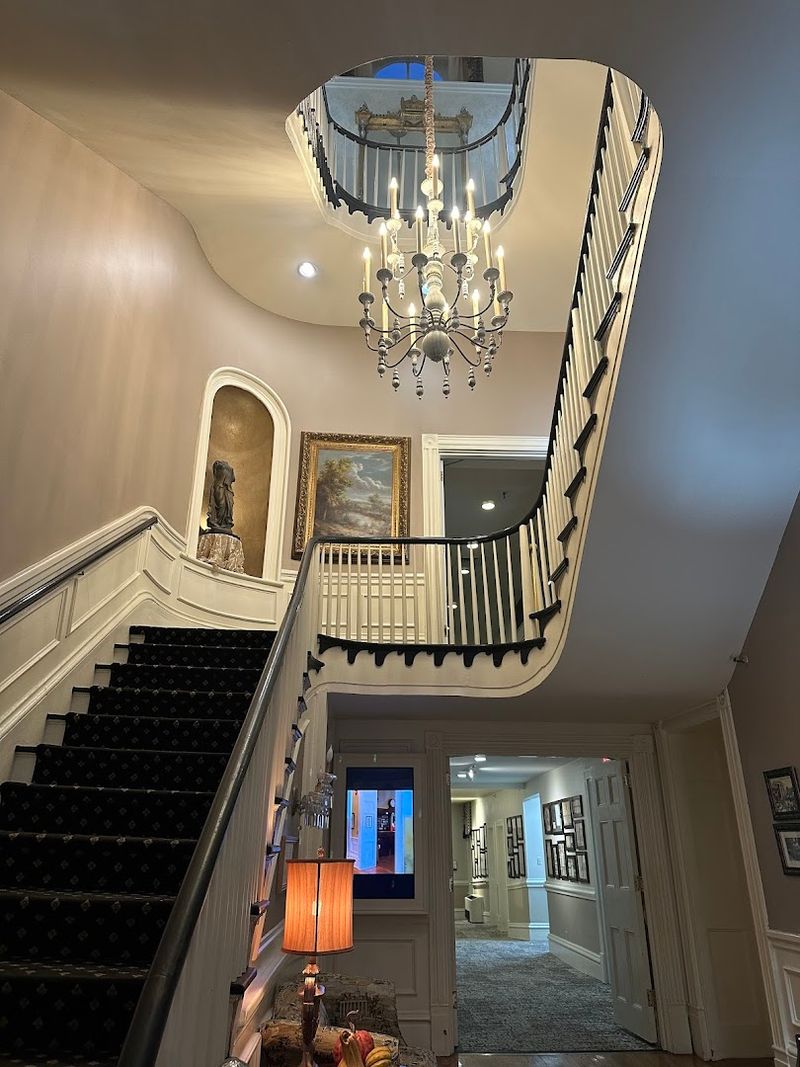
There is also the story of Beth, a young woman who reportedly played violin for wounded soldiers and whose spirit is said to return to the same staircase where she once performed. Whether you are a firm believer or a cheerful skeptic, these stories add a dimension to the inn that no renovation can remove.
They are as much a part of the building as the brickwork itself.
From Women’s College to Wartime Hospital: The Full Transformation
After serving as a private home, the building became Martha Washington College, a school for women that operated for decades and gave the inn its name. That chapter of the building’s life shaped its layout in ways you can still notice today, particularly in the long corridors and the generous room sizes.
When the Civil War arrived, the college suspended its normal operations and the building became a place of treatment for soldiers from both sides of the conflict. That decision to care for the wounded regardless of uniform says something about the community that surrounded this building.
After the war ended, the college resumed until it eventually closed, and the building was later converted into the hotel it remains today. Walking through the halls, you get a real sense of how many different lives have moved through this space.
The architecture holds all of those chapters together without trying to erase any of them.
The Grand Architecture That Has Survived Every Chapter
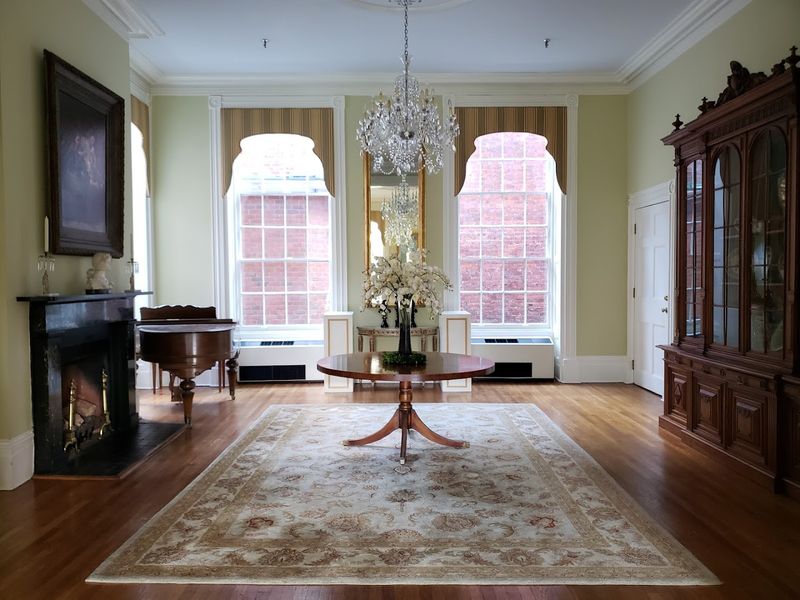
The bones of this building are extraordinary. The central staircase alone is worth the visit, sweeping upward in a way that makes you slow your pace without even deciding to.
The ceilings are high, the proportions generous, and the original craftsmanship visible in ways that newer construction simply cannot replicate.
Throughout the halls, the inn has documented its own history with photographs and written accounts mounted at various points, so you can walk through the building and piece together its story as you go. The parlors retain a formal elegance that feels earned rather than performed.
What strikes most visitors is how the building manages to feel both grand and approachable at the same time. It does not feel like a museum, even though it easily could.
It feels lived in, which makes sense given that people have been living and working within these walls for close to two hundred years.
Sisters Restaurant and the Dining Experience Inside a Historic Setting
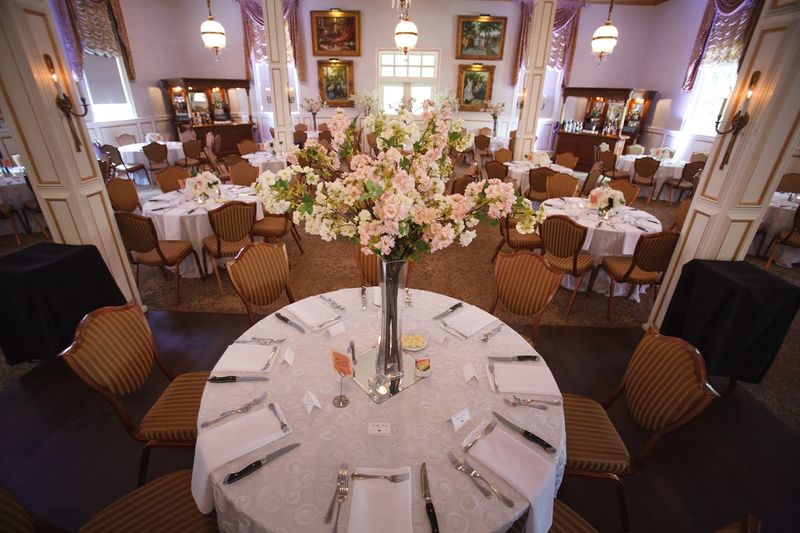
Eating at Sisters Restaurant inside the inn is a different experience from a standard hotel dining room. The setting carries real weight, and the menu takes advantage of that by offering dishes that feel appropriate to the surroundings without being stiff or overly formal.
Breakfast is included for guests and changes daily, which keeps the morning meal from feeling routine. The kitchen puts out a rotating selection of entrees that reflect both Southern cooking traditions and more contemporary touches.
Dinner at Sisters draws visitors who are not staying at the inn, which tells you something about its reputation in the local community. The burger has earned its own loyal following, and the overall dining room atmosphere manages to feel special without making guests feel underdressed for simply wanting a good meal.
Few hotel restaurants in Southwest Virginia carry this combination of history and genuine culinary effort.
High Tea in a Setting That Actually Earns the Tradition
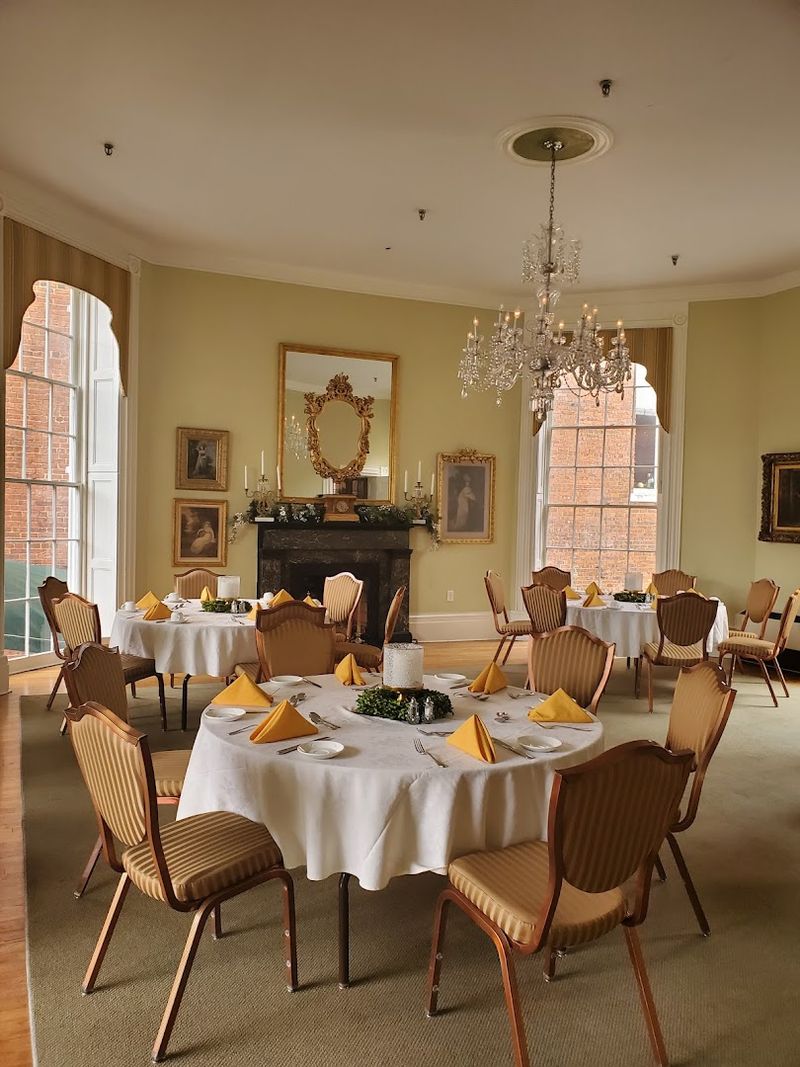
High tea at The Martha Washington Inn is one of those experiences that sounds old-fashioned until you are actually sitting in a room that genuinely belongs to the tradition. The parlors were built for exactly this kind of gathering, and the inn leans into that history rather than treating it as a novelty.
The Valentine’s High Tea event draws guests from well beyond Abingdon, with live piano adding to an atmosphere that feels genuinely transported rather than staged. The food presentation matches the setting, with careful attention paid to the details that make afternoon tea feel like an occasion rather than just a snack.
Reservations fill up quickly for seasonal tea events, so planning ahead is strongly recommended. For guests who appreciate the slower pace of a well-executed afternoon tea service, this is one of the most satisfying ways to spend a few hours inside a building with this much history behind it.
The Spa That Balances Old-World Atmosphere With Modern Treatments
The spa at this inn operates in a space that feels genuinely removed from the outside world, which is partly because of the building itself. The thick walls and quiet corridors create a natural buffer that newer spa facilities spend a lot of money trying to replicate artificially.
Treatment options cover the full range of what a well-regarded spa should offer, and the infrared sauna has become a particular draw for guests looking for something beyond a standard steam room experience. Booking ahead is essential, especially on weekends and during seasonal events when the inn fills up quickly.
The outdoor hot tub extends the spa experience into the open air, which pairs especially well with cooler evenings in the Virginia mountains. Many guests describe the spa visit as the moment the trip fully shifts into relaxation mode.
For a building that once served as a wartime hospital, it has done a remarkable job of becoming a place of genuine restoration.
The Indoor Saltwater Pool and the Amenities That Keep Guests Returning
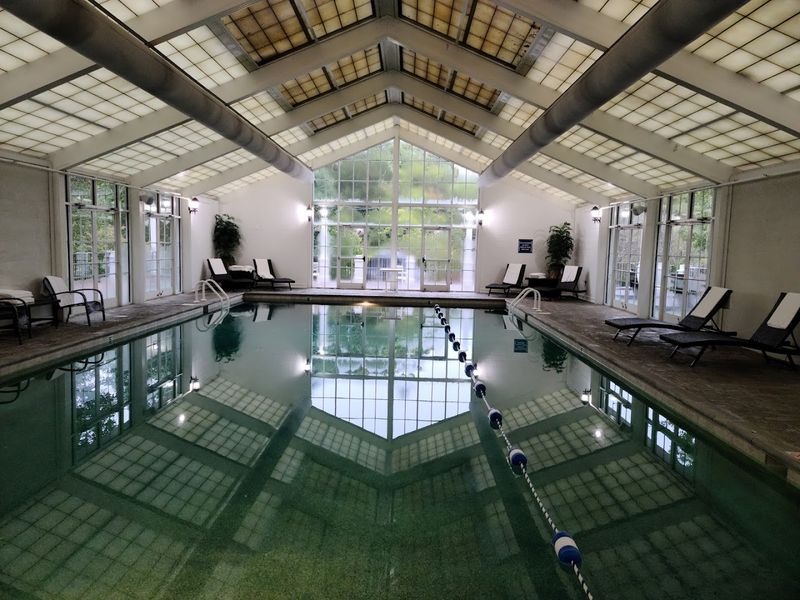
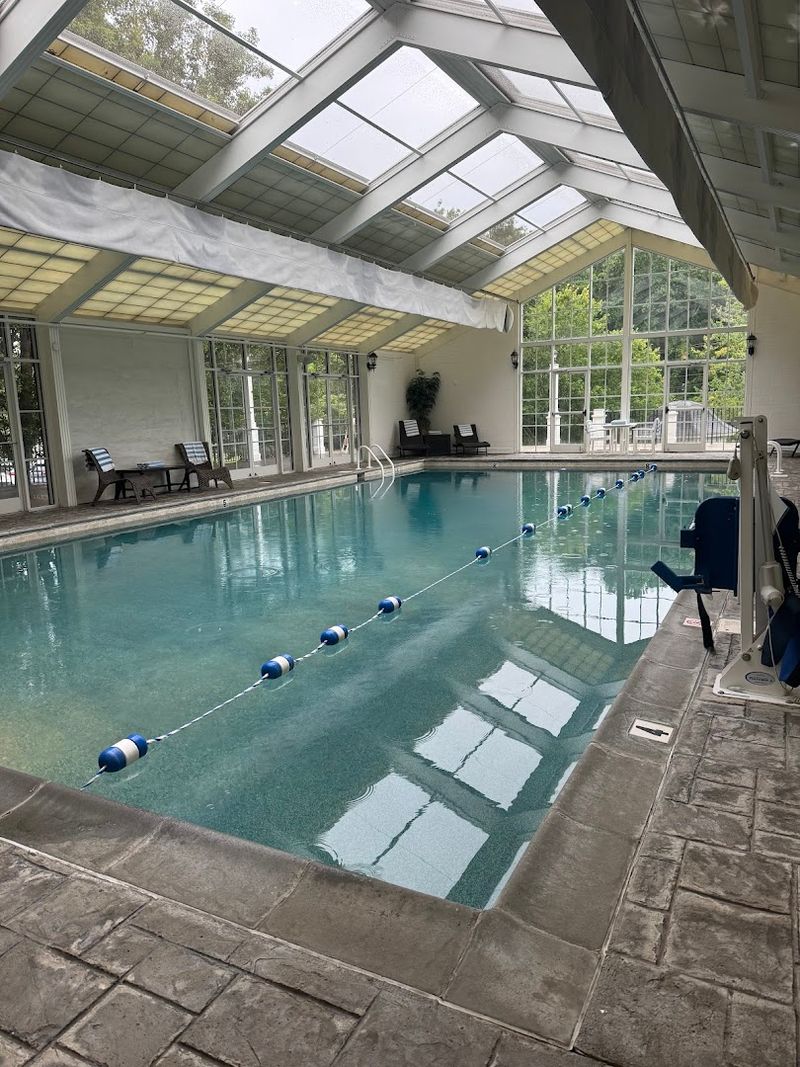
The indoor saltwater pool is one of those amenities that surprises guests who come primarily for the history. A heated pool inside a building that dates to 1832 feels like an unexpected bonus, and the saltwater system makes it noticeably gentler on skin than a standard chlorinated pool.
Access to the pool and hot tub is included with the resort fee, which also covers morning coffee and evening port, loaner bikes, fitness center access, and airport shuttle service. That combination of inclusions makes the resort fee feel like a genuine value rather than an irritating add-on.
The 18-hole miniature golf course on the grounds adds a playful element that works well for families and for guests who simply want something lighthearted between spa appointments and history tours. Few historic properties in Virginia manage to balance serious heritage with this range of recreational options without one undermining the other.
Evening Port in the Library and the Ritual That Sets This Inn Apart
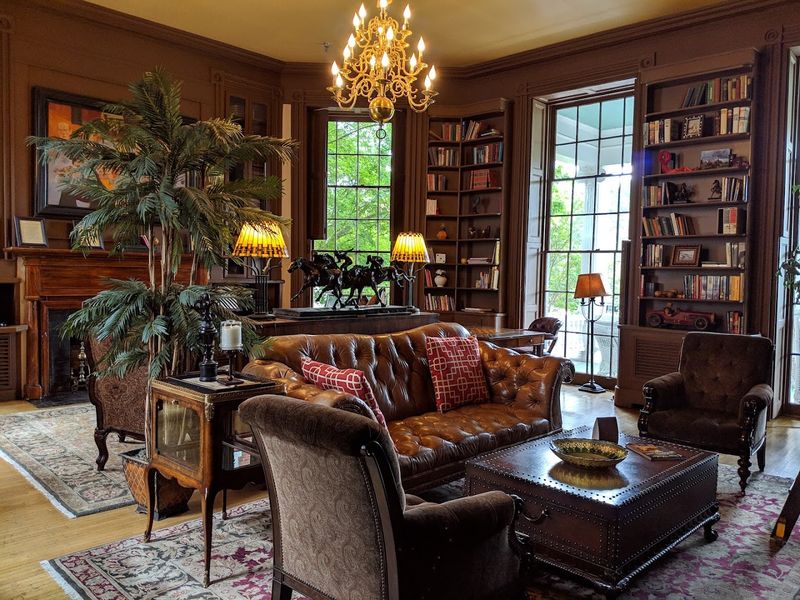
Each evening, guests are invited to collect a complimentary glass of port from the front desk and take it into the library. That single ritual does more to establish the atmosphere of this inn than almost any other detail.
The library itself is the kind of room that stops you mid-step. Bookshelves line the walls, the furniture invites you to settle in, and the lighting is warm enough to make the outside world feel genuinely distant.
Sitting there with a glass of port after dinner, surrounded by a building that has absorbed nearly two hundred years of American life, is a specific pleasure that is difficult to find anywhere else in the region.
It is also a wonderful place to talk to other guests, who often turn out to be people who discovered the inn through its history and returned because of everything else it offers. The library has a way of turning strangers into good conversation partners.
The Governor’s Suite and What It Feels Like to Sleep Inside History
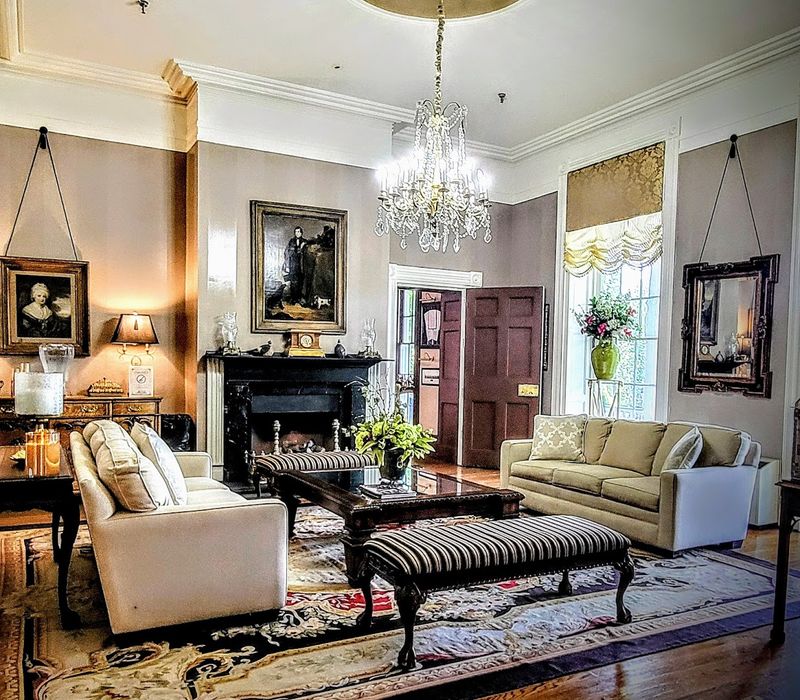
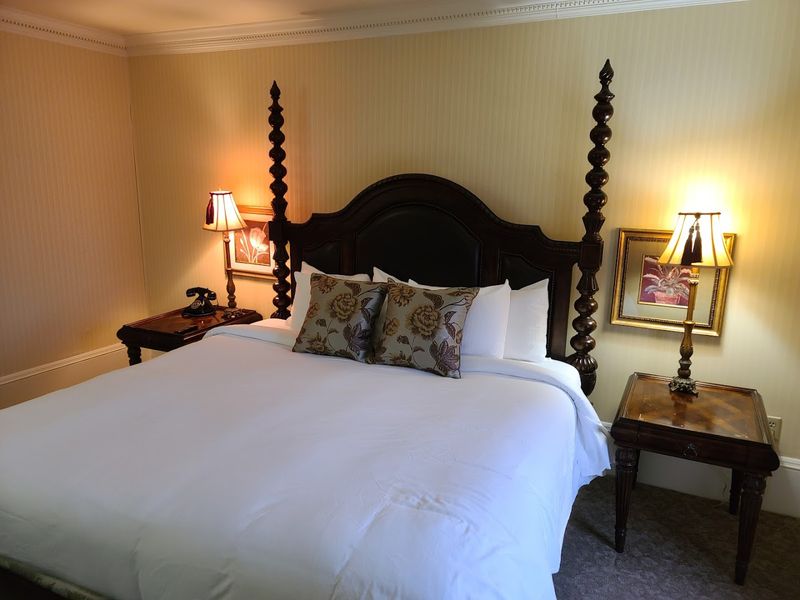
Room 300, known as the Governor’s Suite, is one of those accommodations that reframes what a hotel room can be. Two gas fireplaces, multiple seating areas, and a layout generous enough to feel like a private apartment all come together in a space that has clearly been designed with both comfort and history in mind.
Modern touches like a large flat-screen television, a wet bar, and a contemporary bathroom with a bidet sit alongside period-appropriate furnishings without any of it feeling like a contradiction. The suite manages to feel rooted in its era while remaining fully functional for a contemporary stay.
Guests who book the Governor’s Suite consistently describe it as a transformative experience rather than simply a nice room. That reaction makes sense when you consider the building’s age and the care that has gone into preserving its character.
Staying here feels less like checking into a hotel and more like being granted temporary custody of something genuinely irreplaceable.
Barter Theatre Across the Street and the Cultural Life of Abingdon
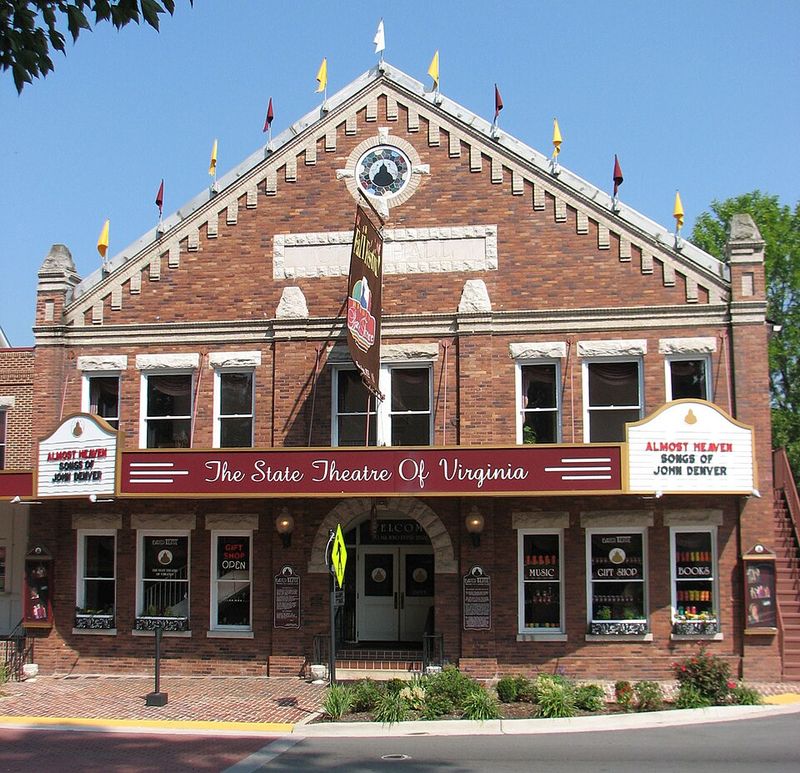
One of the quiet advantages of staying at this inn is the proximity to Barter Theatre, which sits directly across the street. Barter is one of the oldest and most respected regional theaters in the United States, and pairing an evening performance with a night at the inn creates a cultural experience that feels genuinely complete.
The theater’s history intertwines with the inn’s in ways that reflect the broader character of Abingdon as a town that has always taken arts and history seriously. Walking from the inn to the theater takes about thirty seconds, which means there is no logistical friction between a good dinner and a good show.
The surrounding streets hold additional shops, galleries, and restaurants within comfortable walking distance. For guests who want to extend their stay beyond the inn’s own considerable offerings, Abingdon rewards slow exploration on foot far more than a quick drive-through ever would.
The Virginia Creeper Trail and the Natural Beauty Just Steps Away
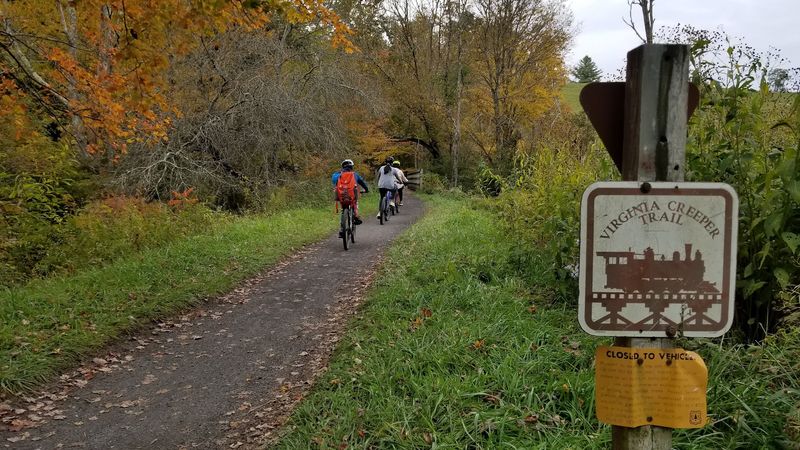
The Virginia Creeper Trail is one of the most celebrated rail-trail conversions in the eastern United States, and the Martha Washington Inn sits within walking distance of its Abingdon trailhead. That proximity alone makes the inn a practical base for anyone planning to ride or walk any portion of the trail.
The inn offers loaner bikes as part of its resort fee package, which removes one logistical hurdle for guests who want to explore the trail without hauling their own equipment. The trail winds through some genuinely beautiful Southwest Virginia landscape, passing through forests and over wooden trestle bridges that have become iconic to anyone familiar with the region.
Returning to the inn after a morning on the trail and heading straight to the spa or the heated pool is the kind of day that sounds almost too good to be real. The combination works because the inn and the trail complement each other in pace and character.
What the Halls and Photographs Tell You About the People Who Came Before
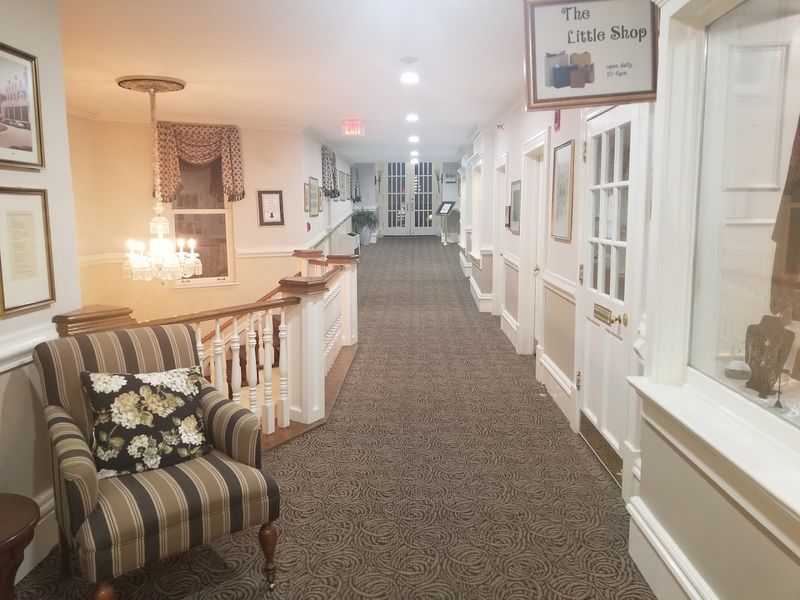
Throughout the corridors of the inn, framed photographs and written historical accounts are mounted at various points along the walls. It is the kind of self-documentation that rewards slow walking and genuine curiosity rather than a quick check-in and a dash to the room.
The building’s history as Martha Washington College means that generations of young women passed through these same hallways, and the photographs capture some of that era with a specificity that feels moving when you are standing in the actual space. The Civil War period is documented alongside the college years, creating a layered timeline that you can follow from one end of the building to the other.
Staff members who have worked at the inn for many years carry additional stories that never make it onto the wall displays. Spending a morning at breakfast with one of those longtime employees, as some guests have discovered, can turn a pleasant stay into something that feels genuinely memorable long after checkout.
Why This Inn Stays With You Long After You Have Checked Out
The Martha Washington Inn is the kind of place that keeps surfacing in your memory weeks after the visit. Not because of any single spectacular feature, but because of the way so many layers exist in the same building at the same time.
You can swim in a heated saltwater pool, eat a thoughtful breakfast, walk across the street to a world-class theater, ride a bike on a legendary trail, and then come back to a room where the floors remember the Civil War. That combination of the deeply historical and the genuinely comfortable is rare enough to be worth traveling for.
Abingdon itself rewards the kind of traveler who slows down and pays attention, and the inn functions as the ideal anchor for that kind of trip. Once you have spent a night inside a building this old and this layered, ordinary hotel rooms have a way of feeling a little thin by comparison.
Share this story