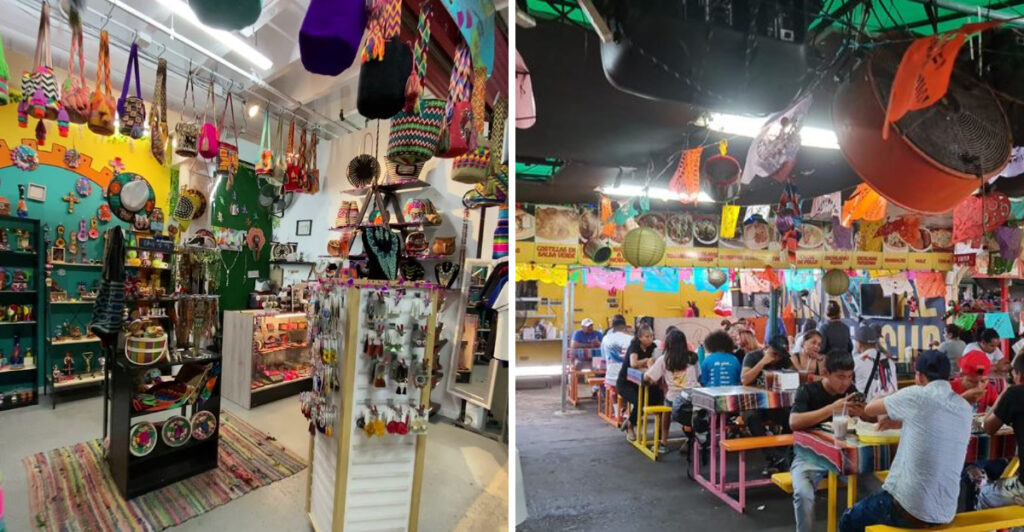
There is a place in South Florida where the smell of fresh herbs, sizzling tacos, and ripe tropical fruit all hit you at once, and it is honestly one of the best sensory experiences you can have on a weekend morning. I had heard about this sprawling outdoor market from a friend who kept insisting I make the drive south, and after finally going, I completely understood the obsession.
The vendors are friendly, the energy is festive, and the variety of things to see, eat, and buy is genuinely surprising. Whether you are a longtime local or just passing through the Homestead area, this market has a way of pulling you in and keeping you there for hours.
Finding the Place: Address, Location, and What to Expect on Arrival
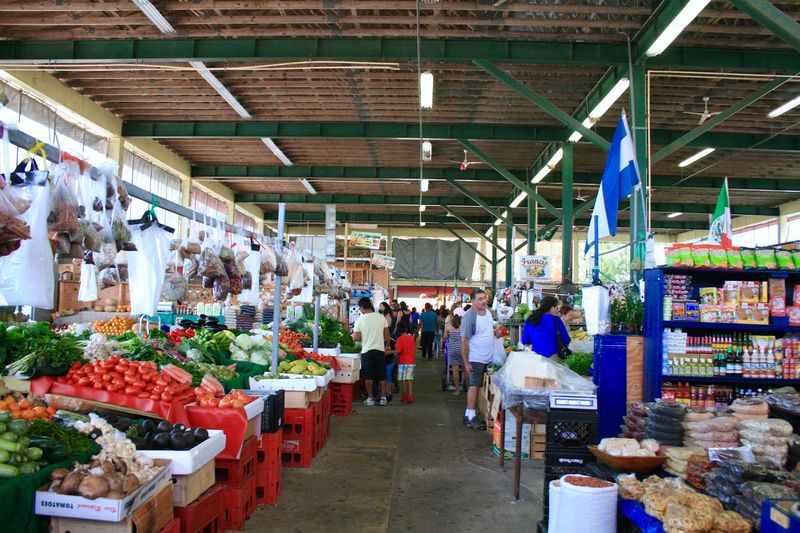
The first time I pulled up to Redland Market Village at 24420 S Dixie Hwy, Homestead, I honestly did not know what I was walking into. The parking lot was already buzzing, and vendors were setting up their colorful stalls along every path.
The market sits in the heart of Miami-Dade’s agricultural belt, surrounded by farmland and nurseries, which gives it a very different feel from any urban flea market you might have visited before. The address is easy to find off US-1, and there is plenty of parking available on the grounds.
One important tip before you go: the market runs Thursday through Sunday, but Saturday and Sunday are when it truly comes alive with the full range of vendors, food stands, and live music. Plan your visit on a weekend morning and bring cash, since most vendors do not accept cards.
The Story Behind the Market and Its Central American Roots
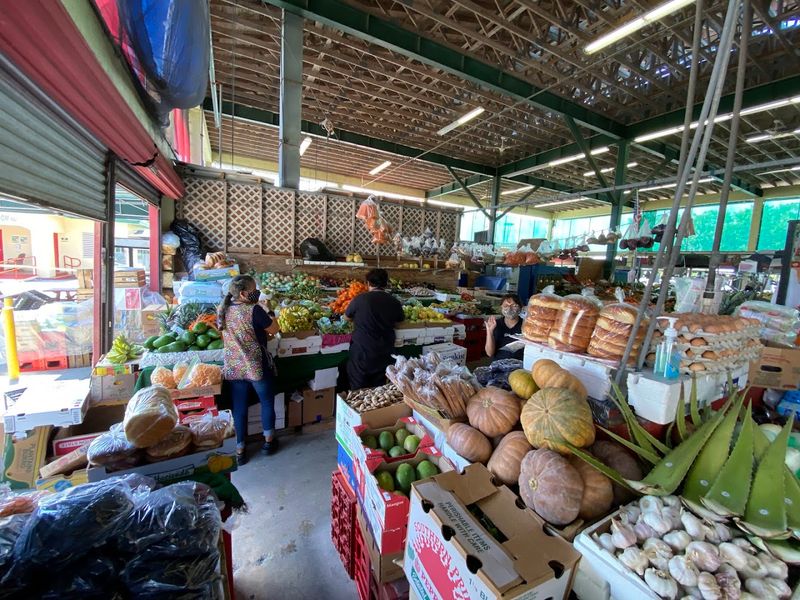
Redland Market Village did not just appear overnight. It grew organically from the agricultural community that has long called the Redland area of Homestead home, a region famous for its fertile soil and diverse immigrant farming families.
Over the years, the market developed a strong Central American identity, shaped largely by the vendors and families who set up shop here. Walking through the rows of stalls, you can feel that cultural heartbeat in everything from the music playing overhead to the food being cooked right in front of you.
The market has become a gathering point for the local Latino community, and that authenticity is one of the things that keeps people coming back year after year. It is not a curated tourist experience.
It is a real, living marketplace that reflects the people who built it, and that is exactly what makes it so worth visiting.
Fresh Produce That Goes Way Beyond the Grocery Store
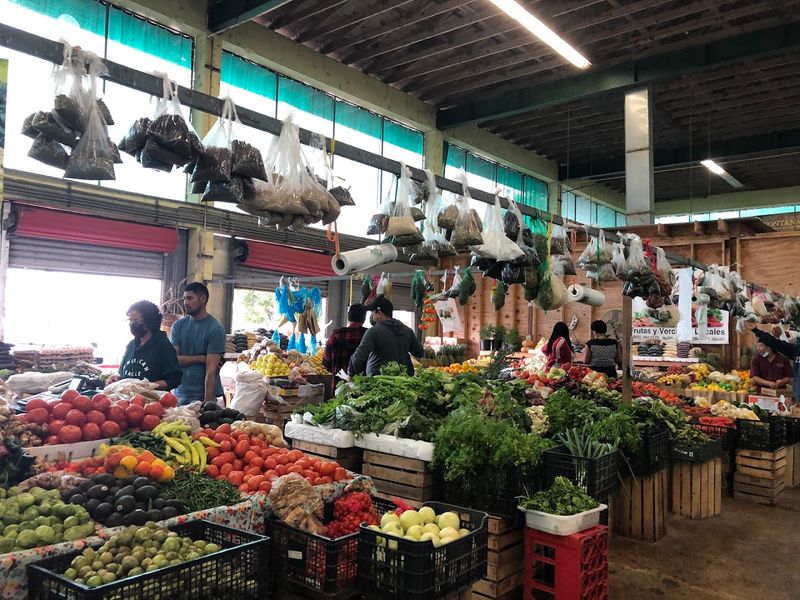
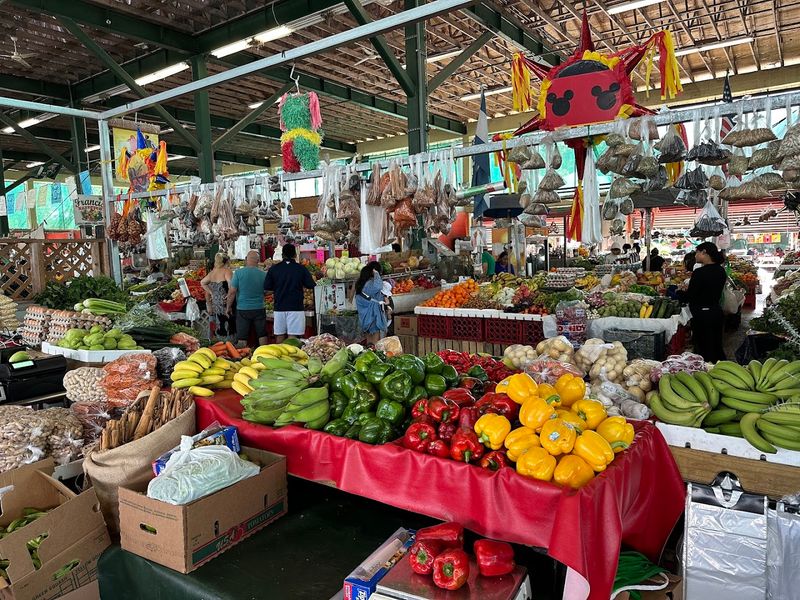
The produce section at this market is where I spent most of my time on my first visit, and for good reason. The variety is extraordinary, with fruits and vegetables that most grocery stores simply do not carry.
Fresh turmeric root, whole ginger, purple yams, bitter melon, chayote, and a dozen varieties of chili peppers were all piled up in colorful displays. The vendors clearly take pride in their stock, and many of them grow or source their products locally from the surrounding Redland farmland.
Prices are generally fair, though they can vary from stall to stall, so it is worth walking the full loop before you buy. The aroma in the produce area is genuinely incredible, a mix of earth, citrus, and fresh herbs that makes every step feel like a small discovery.
This is the kind of shopping experience that turns a routine errand into something you actually look forward to.
Authentic Latin Food Stands That Will Make You Skip Lunch Plans
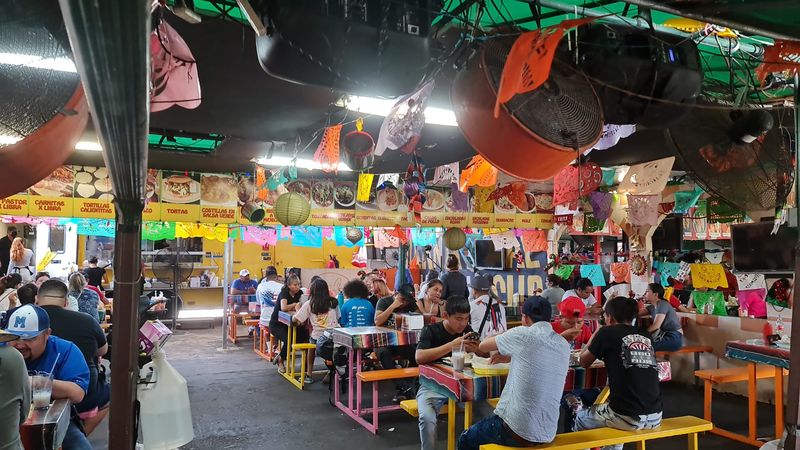
The food at Redland Market Village is the kind of thing people drive an hour for, and after tasting the birria tacos at one of the open-air stands, I completely understood why. The tortillas were fresh, the broth was rich, and the whole experience felt nothing like a chain restaurant.
There are multiple food vendors scattered throughout the market, each specializing in something slightly different. You can find tacos, arepas, ceviche, rice and beans, steak plates with plantains, and fresh-squeezed natural juices that taste like they were made from fruit picked that same morning.
A few stands also serve mango cups topped with Tajin and chili lime seasoning, which is the perfect snack to carry around as you browse the rest of the market. The food prices are mostly reasonable, though it is smart to check for posted menus before ordering to avoid any surprises on the bill.
The Flea Market Side: Used Goods, Bargains, and Unexpected Finds
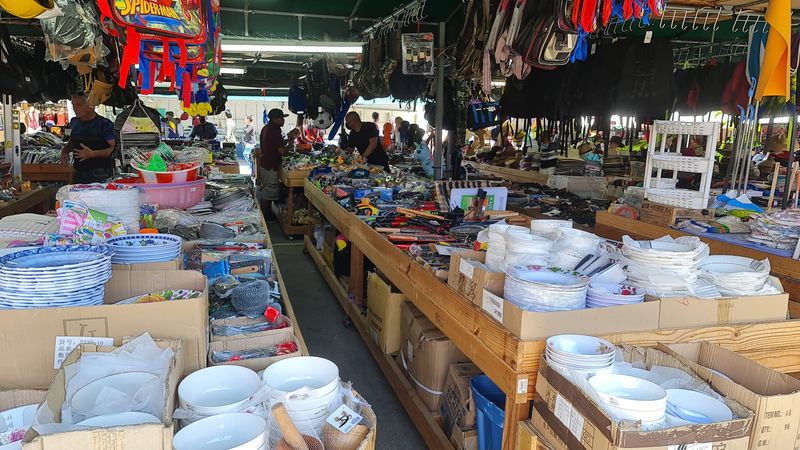
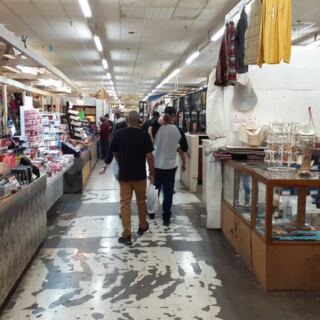
Beyond the food and produce, there is an entire section of the market dedicated to the classic flea market experience, and it is a proper treasure hunt if you have the patience for it. Tables stretch out in long rows loaded with used tools, clothing, electronics, toys, kitchen items, and things that defy easy categorization.
I found a vintage hand-crank coffee grinder at one table and a set of barely-used cast iron pans at another, both for prices that would make any thrift store jealous. The key is to slow down and actually look, because the good stuff is often buried under layers of less exciting items.
Not every stall has a gem waiting, but the sheer volume of vendors means the odds are in your favor. Bargaining is generally welcome here, especially if you are buying multiple items from the same vendor, so do not be shy about making an offer.
Activities for Kids: Pony Rides, Bumper Cars, and Play Areas
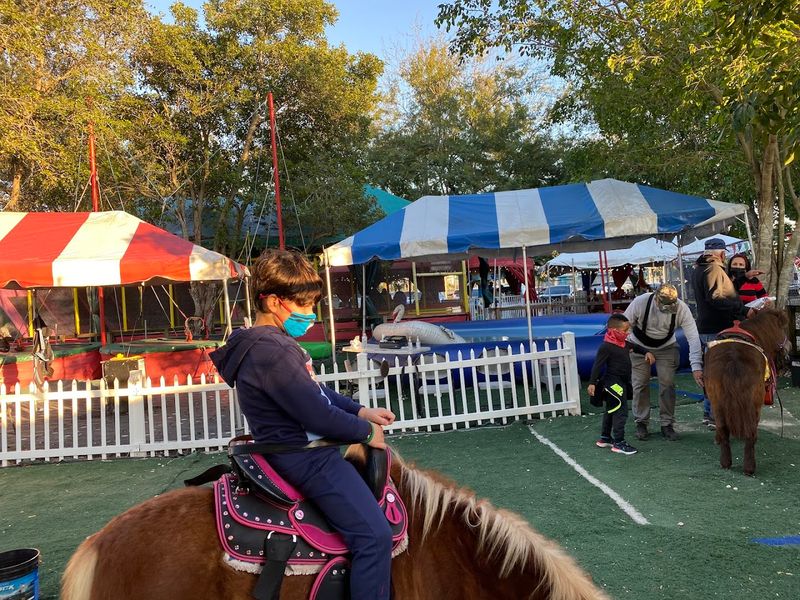
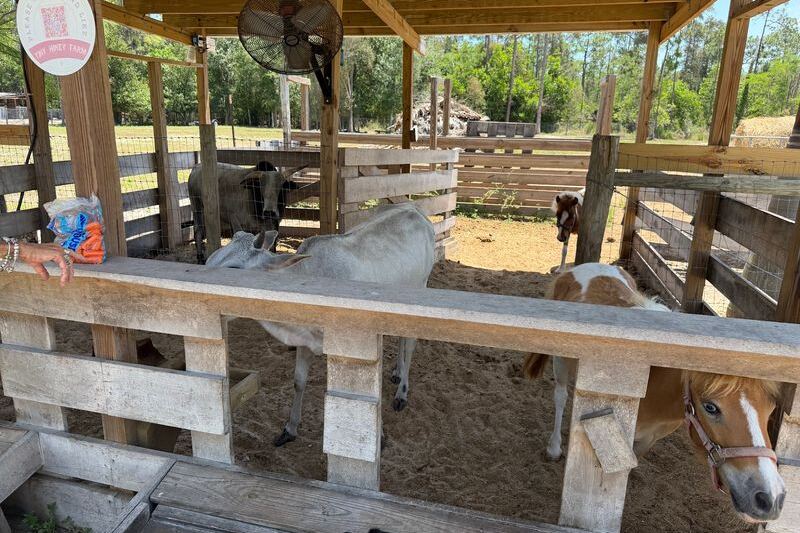
Bringing kids to this market turned out to be a genuinely great call, because there is a dedicated area with activities that kept them entertained while I browsed at my own pace. Pony rides are available for around six dollars for five turns, which my niece declared the highlight of her entire month.
There are also bumper cars that run for about ten minutes per session, plus a covered play area where younger kids can burn off energy safely. The pricing for the play area tends to run around fifteen to thirty dollars depending on the package, which is reasonable for an extended visit.
Having these options available means the market works well as a full family outing rather than just a quick shopping stop. Parents can take turns watching the kids and exploring the stalls, and nobody ends up bored or restless.
It is one of those places that genuinely has something for every age group without feeling like it is trying too hard.
Fresh Seafood Market: A Hidden Section Worth Seeking Out
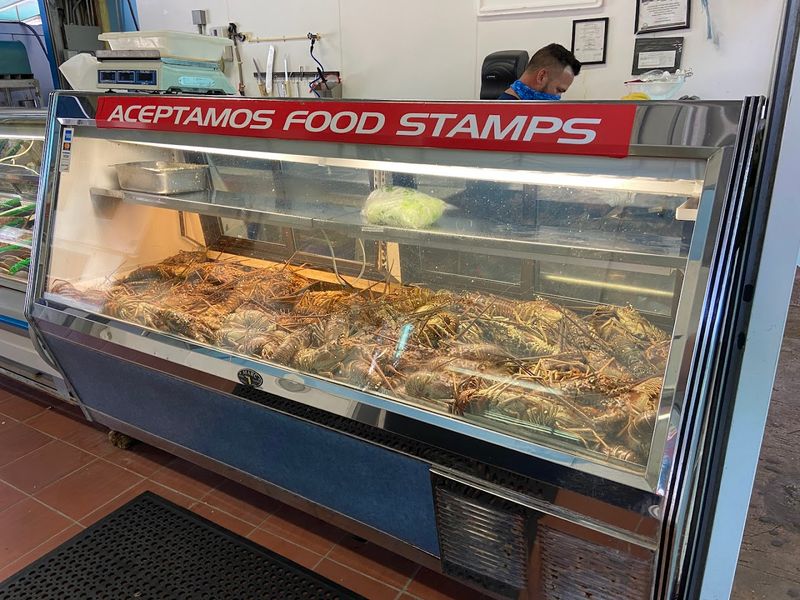
Tucked into one corner of the market is a fresh seafood section that many first-time visitors walk right past without realizing it is there. The stall is stocked with whole fish, shrimp, and shellfish that look like they came straight off a boat, because in many cases, they essentially did.
The quality here is noticeably high, and the prices reflect the fact that you are buying from a direct source rather than paying retail markup at a supermarket. I picked up a pound of large shrimp that made for an excellent dinner that same evening.
Finding fresh seafood at a flea market sounds unusual, but in the context of South Florida’s fishing culture and the market’s agricultural roots, it makes complete sense. If fresh fish is on your shopping list, this is one of the better spots in the Homestead area to find it without making a separate trip to a specialty store.
Exotic Spices, Seeds, and Natural Supplements
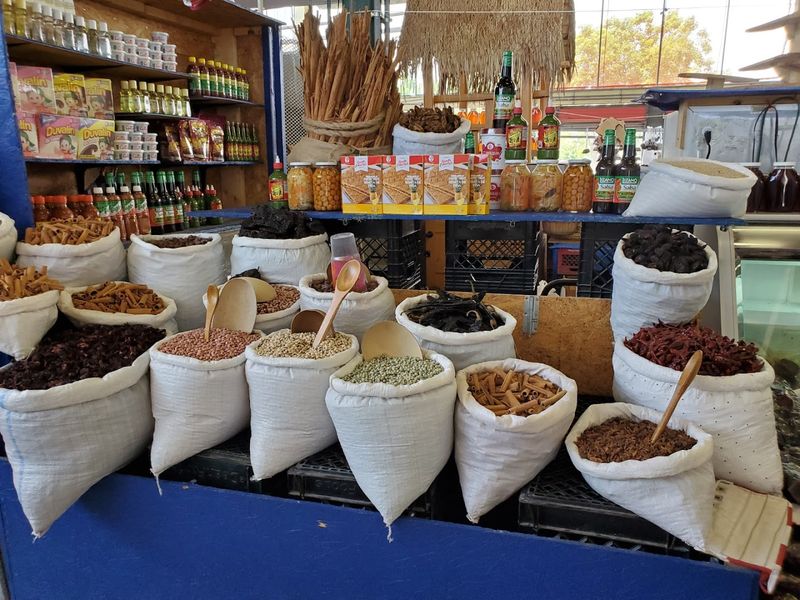
One stall that stopped me in my tracks on my second visit was a small vendor selling an impressive range of dried spices, seeds, and natural supplements in sample-sized bags. The setup felt like a tiny neighborhood pharmacy crossed with an old-world apothecary, and the owner was eager to explain each product.
Annatto seeds, dried hibiscus flowers, various medicinal herbs, and spice blends I had never seen before were all available in small portions so you could try them before committing to a larger quantity. That approach made it easy to experiment without spending a lot of money.
For anyone interested in cooking with bold flavors or exploring natural health remedies from Central and South American traditions, this type of vendor is a rare find outside of specialty stores. The prices were fair, the selection rotates regularly, and the conversations with the vendors themselves were honestly part of the fun.
The Best Times to Visit and Tips for First-Timers
After a few visits, I have figured out the rhythm of this market, and sharing that knowledge can save you a frustrating trip. The market is open Thursday through Sunday, but Thursday and Friday see only a partial lineup of vendors, with many stalls still closed.
Saturday and Sunday are the days to go, with the full range of food, produce, flea market goods, plants, and entertainment all running at once. Sunday tends to draw the biggest crowds and the liveliest atmosphere, while Saturday mornings offer slightly shorter lines and a more relaxed pace if you prefer to browse without the rush.
Arriving early, around 7 or 8 in the morning on a weekend, means you get first pick of the freshest produce and avoid the midday heat. Bring cash in small bills, wear comfortable shoes, and leave room in your bag for things you did not plan to buy, because you almost certainly will.
Unique Snacks and Street Food You Will Not Find at the Mall
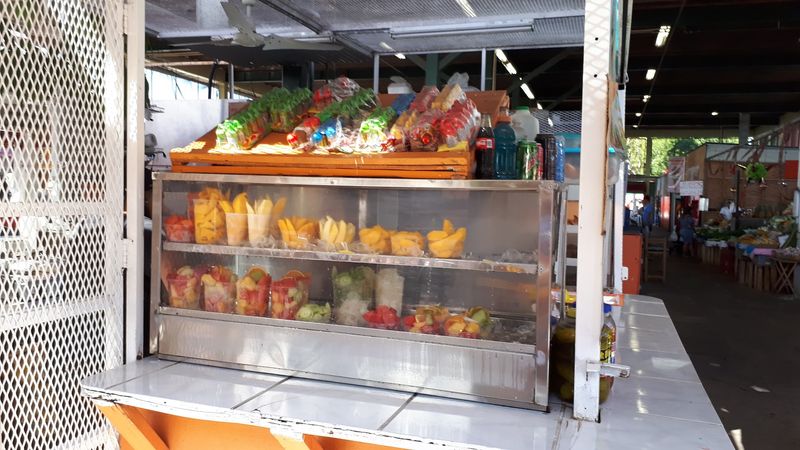
Some of the most fun eating at this market happens between meals, thanks to the creative snack vendors scattered throughout the grounds. Mango cups loaded with Tajin and lime juice are everywhere, and they are exactly as good as they sound on a warm South Florida afternoon.
One vendor sells what is essentially corn kernels tossed into a bag of chips with seasoning, a snack that sounds odd but turns out to be completely addictive. Fresh fruit ice creams made with real fruit rather than artificial flavoring are another highlight, especially on hot days when the sun is doing its best to remind you that this is Miami-Dade County.
Agua fresca in flavors like hibiscus, tamarind, and horchata rounds out the snack options nicely. These are not fancy, Instagram-polished foods.
They are honest, flavorful street snacks made by people who have been perfecting their recipes for years, and that comes through in every bite.
The Cultural Experience: Feeling Transported Without Leaving Florida
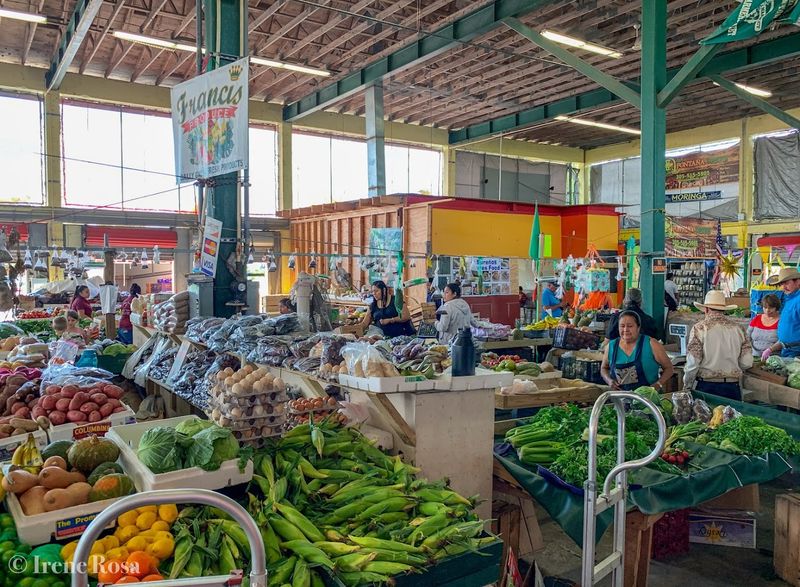
More than a few people have said that walking through this market feels like being transported to another country, and after spending a full morning there myself, I understand exactly what they mean. The sights, sounds, and smells create an environment that feels genuinely different from anything else in the Miami area.
Spanish is the primary language at most stalls, the music leans into cumbia and regional Mexican styles, and the food reflects traditions that go back generations. That cultural immersion is not performed for tourists.
It is simply the natural result of a community building a space that reflects who they are.
For visitors who may not have traveled extensively in Latin America, the market offers a small but meaningful window into that world. For those who have, it serves as a warm reminder of home.
Either way, the cultural texture of this place is one of its most valuable and irreplaceable qualities.
Clothing, Jewelry, and Everyday Goods at Vendor Stalls
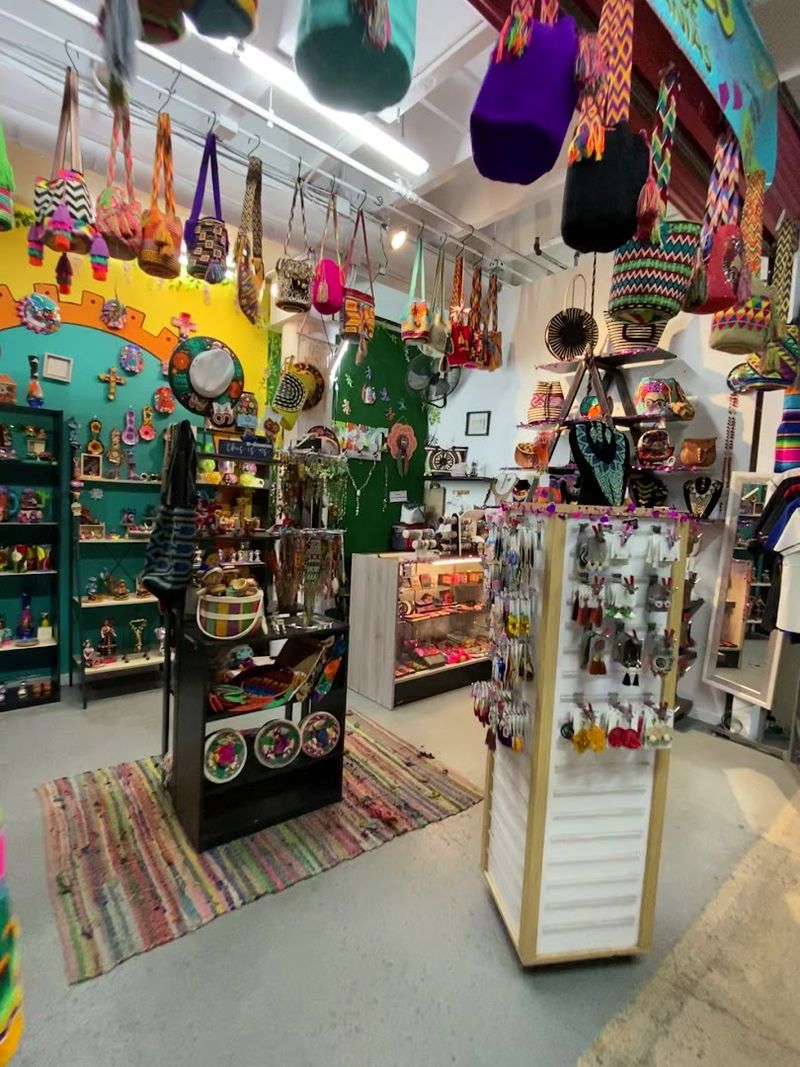
Not everything at this market is edible, and the non-food stalls cover a surprisingly broad range of categories. Clothing vendors carry everything from casual everyday wear to traditional embroidered pieces that reflect Central American craft traditions, and the prices tend to be significantly lower than retail.
Jewelry stalls offer handmade pieces alongside more commercial options, and it is worth slowing down at each one because the quality varies considerably. I found a pair of handmade earrings at one stall that the vendor had crafted herself, and they cost less than a cup of coffee at a downtown Miami cafe.
Household goods, small electronics, phone accessories, and personal care items round out the non-food offerings. Some of it is standard flea market fare, but occasionally you come across something genuinely unique that you would not find anywhere else.
That unpredictability is part of what keeps repeat visitors coming back with fresh curiosity each time.
Why This Market Deserves a Spot on Your South Florida Weekend List
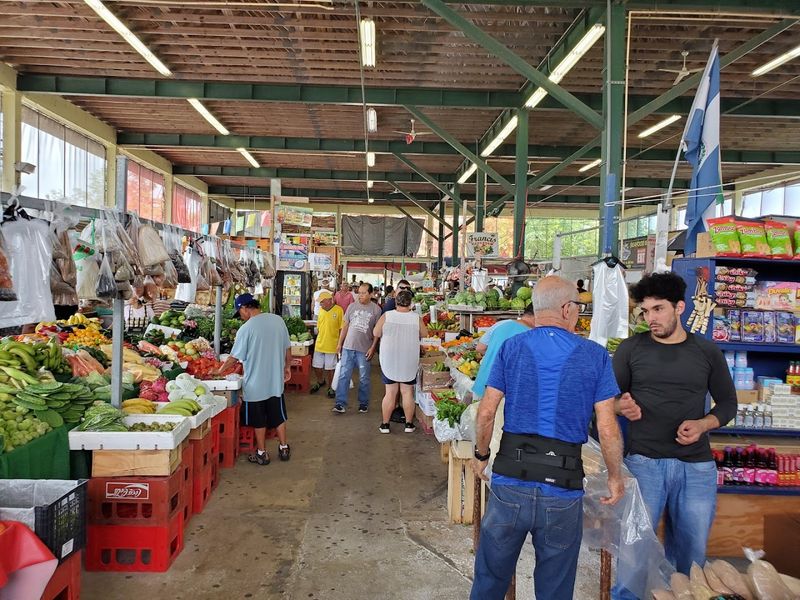
After multiple visits to Redland Market Village, I can say with confidence that it occupies a unique space in South Florida’s weekend landscape. It is not trying to be a polished farmers market or a trendy pop-up event.
It is something older and more honest than that.
The combination of fresh produce, authentic Latin food, live music, family activities, plant nurseries, and flea market bargains creates an experience that is hard to replicate anywhere else in the region. Each visit feels a little different depending on who shows up and what they bring, which means the market rewards return visits generously.
The drive down to Homestead is worth making at least once, and for many people, once turns quickly into a regular habit. Bring an open mind, a bit of cash, and a reusable bag with some extra room in it.
You will almost certainly need that space for something delicious or unexpected that you did not plan to bring home.
Share this story