Some stores are quick stops, and some become entire afternoon plans. This one belongs to the second category, with aisles that reward patience, curiosity, and a willingness to flip through one more row.
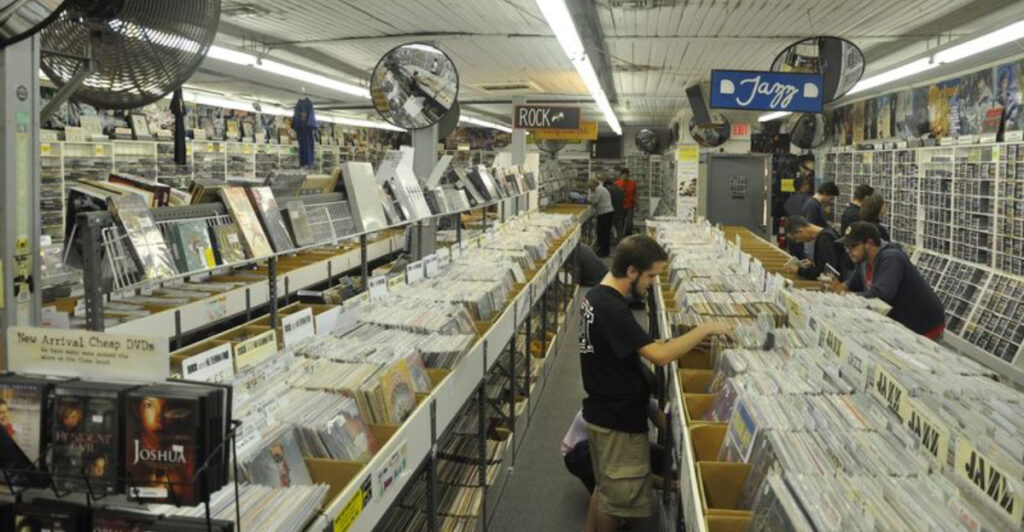
More than 100,000 records, CDs, DVDs, and other media make it a serious destination for collectors, students, day-trippers, and anyone who still enjoys finding music by hand. In a downtown known for brainy energy and walkable charm, this shop gives visitors a very good reason to slow down.
The Address Collectors Know
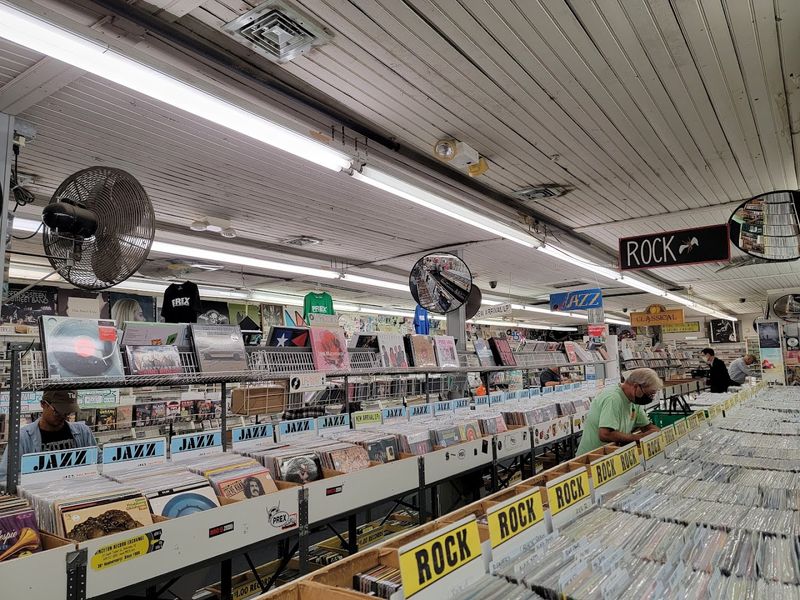
Princeton Record Exchange stands at 20 S Tulane St, Princeton, NJ 08542, United States, placing it right in the downtown orbit where errands, campus walks, and day trips easily overlap. The shop is a record store first, but its appeal stretches beyond one format or generation.
Its public profile points to a large inventory of more than 100,000 records, CDs, DVDs, and related media, which explains why casual browsing can quickly become a serious mission. Visitors do not need to arrive with a precise wish list, though collectors often do.
The location makes it especially convenient for anyone already exploring central Princeton, but the store has enough pull to justify a dedicated stop. Hours vary by day, with later closing times on Thursday, Friday, and Saturday, so checking the current schedule before traveling is smart.
The experience works best when time is left open, because a quick peek rarely stays quick.
Why The Number Matters
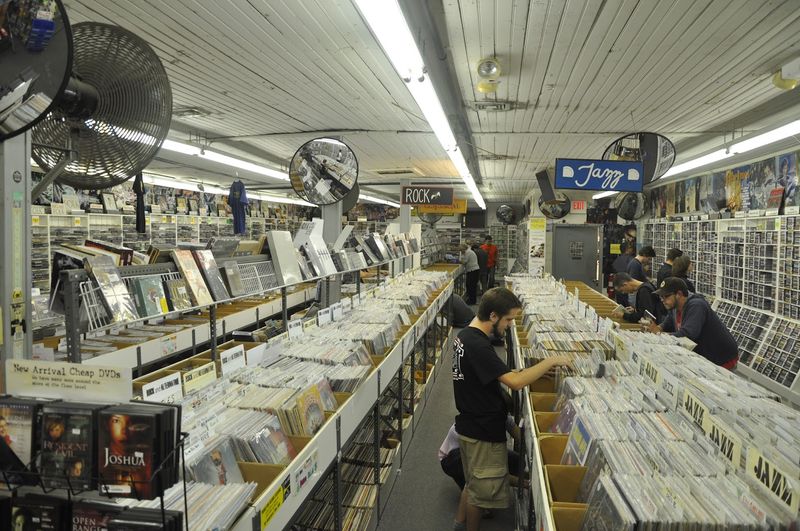
The headline number is not just a bragging point. A stock of more than 100,000 items changes the way people move through Princeton Record Exchange, because the visit becomes less about grabbing one product and more about exploring a living archive.
That scale supports different kinds of shoppers at once. Someone hunting a familiar classic can scan the organized sections, while another person can lose an hour in new arrivals, bargain bins, or formats that rarely appear in ordinary retail spaces.
The volume also creates suspense without needing theatrics. Inventory in stores like this shifts as items are bought, sold, and traded, so repeat visits can feel meaningfully different.
For travelers, that means the store is not a static landmark but a place with changing possibilities. The number matters because it suggests depth, but the real appeal is practical: more rows mean more chances to find something worth carrying home.
A Downtown Detour With Purpose
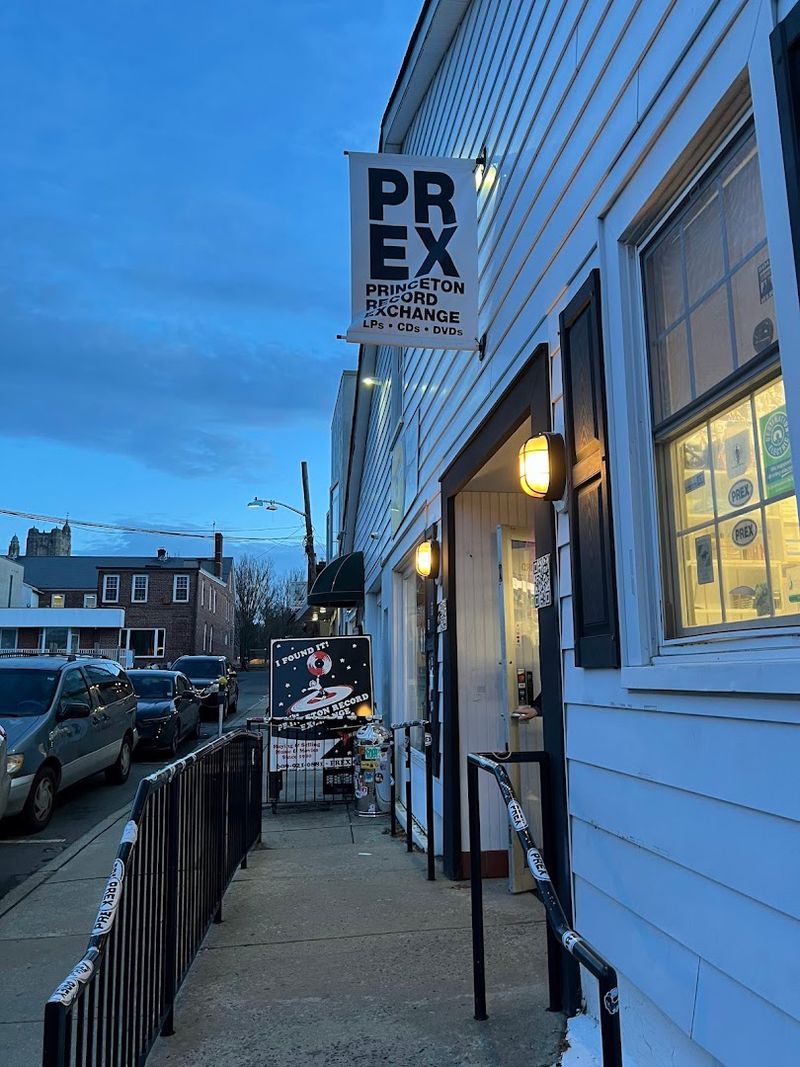
Downtown Princeton has no shortage of reasons to walk slowly, yet this shop gives the stroll a sharper purpose. Princeton Record Exchange fits the area’s compact rhythm, where visitors can park once, wander between storefronts, and turn a short shopping stop into part of a wider afternoon.
The store’s South Tulane Street address keeps it close to the kind of foot traffic that includes students, locals, visiting families, and collectors who came prepared. That mix helps explain why the aisles can feel busy, especially during peak times.
Parking in central Princeton can require patience, so planning ahead improves the visit. Nearby public parking options may be useful, and arriving earlier in the day can make the whole outing feel easier.
The reward is a destination that does not need elaborate planning once visitors arrive. Step inside, choose a section, and the downtown schedule immediately becomes more flexible.
Vinyl Still Leads The Hunt
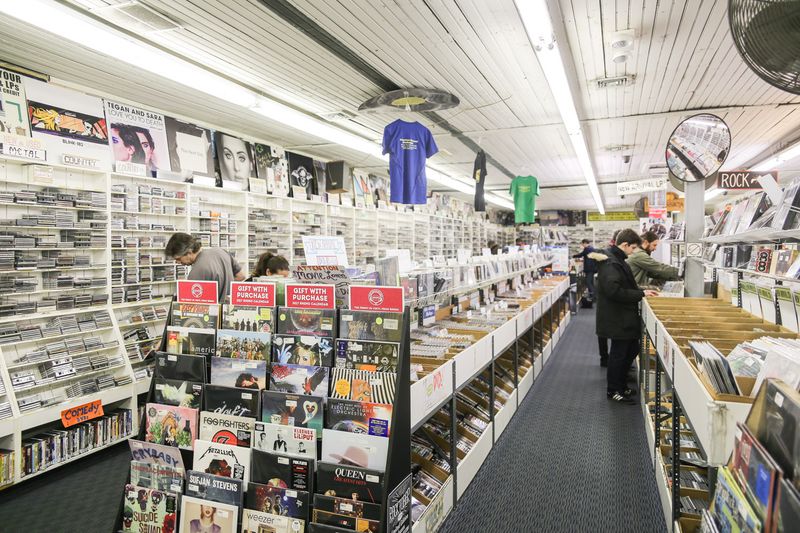
Vinyl is a major reason people make the trip, and Princeton Record Exchange serves both the focused collector and the casual browser. New, used, collectible, and bargain records give the format a broad presence rather than treating it as a decorative trend.
The shop is known for sections that invite digging, including lower-priced bins that can reward patient hands and open minds. Visitors who expect every discovery to appear immediately may miss the point, because part of the value is in searching carefully.
Genre organization helps keep the scale manageable, though not every corner will feel equally quick to navigate. That is common in a high-volume store where inventory constantly moves through the system.
For vinyl fans, the best approach is simple: bring time, bring a short list, and stay willing to be surprised. The record that makes the visit memorable might not be the one originally expected.
CDs Get Their Due
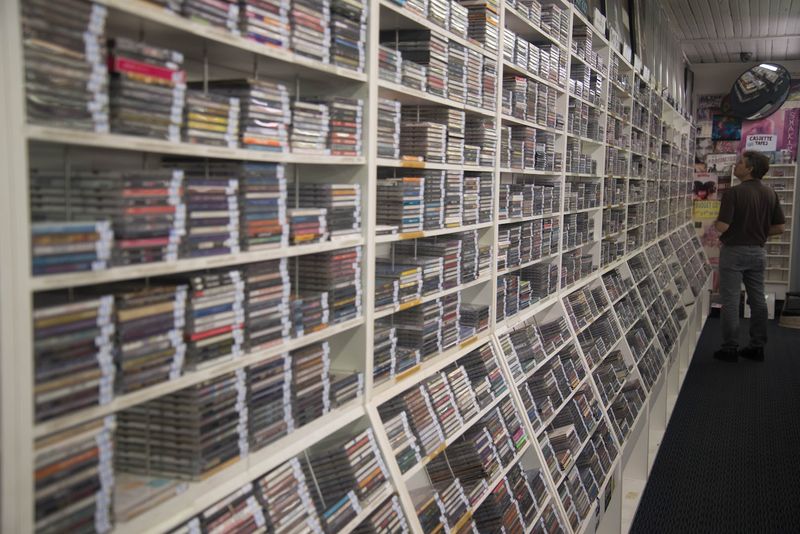
While vinyl earns plenty of attention, CDs remain central to the store’s identity. Princeton Record Exchange gives the format serious shelf space, which matters to collectors who know that many albums, editions, and artists are still easier to find on disc.
The CD selection is often cited by visitors as one of the shop’s strengths, especially for people filling gaps in long-running collections. New sealed copies, used finds, and less common titles can sit within the same broader hunt.
This makes the store especially useful for shoppers who are not chasing nostalgia alone. CDs remain practical, durable, and collectible, and the pricing can make browsing feel approachable.
The layout rewards people who enjoy alphabetized searching, but the real advantage is variety across eras and styles. Anyone who has watched CD sections shrink elsewhere may appreciate that this store treats the format as alive, not leftover.
More Than Music On Shelves
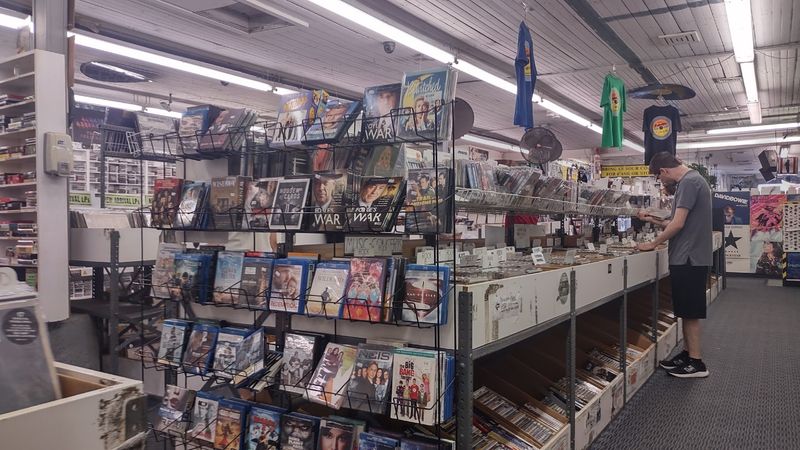
The store’s name points to records, but the shelves reach wider than that. Princeton Record Exchange also carries DVDs and other media, giving visitors more ways to browse than a single-format shop would allow.
That broader inventory is part of the appeal for groups. One person might head straight for vinyl, another might scan CDs, and someone else can look through films or older formats while still sharing the same destination.
The extra categories also help the store feel like a media exchange rather than a narrow boutique. It is useful for travelers who enjoy physical collections in general, not only records.
Since stock changes as items come and go, the movie and media sections can be worth checking even for visitors who arrived mainly for music. The smartest browsing route is not always linear.
Letting the shop pull attention across sections can lead to better finds.
The Bargain Bin Pull
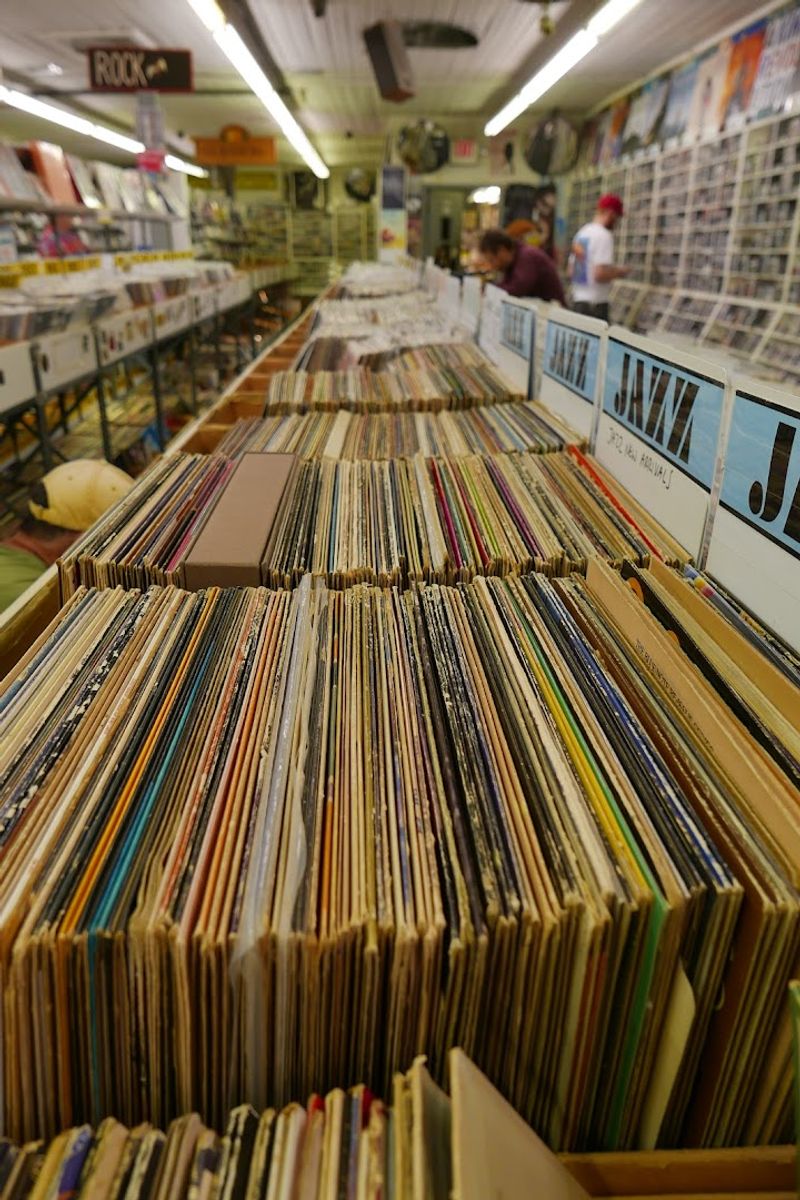
Part of the shop’s staying power comes from its bargain-bin culture. Lower-priced records give visitors permission to experiment, take chances, and leave with more than one item without treating every choice like a major purchase.
Those sections can take effort, and that is exactly why they remain popular with dedicated diggers. The best finds are not guaranteed, but the process suits people who enjoy sorting, comparing, and noticing titles others might pass by.
For travelers, the bargain areas are also a practical entry point. A first-time visitor does not need deep collector knowledge to participate.
Choosing a few inexpensive records can become a souvenir of the trip, especially when the selection reflects the randomness that makes secondhand shopping engaging. It is wise to move carefully during busy periods, since floor-level or crowded bins may require patience.
The payoff comes from treating the hunt as part of the visit.
A Place For Serious Diggers
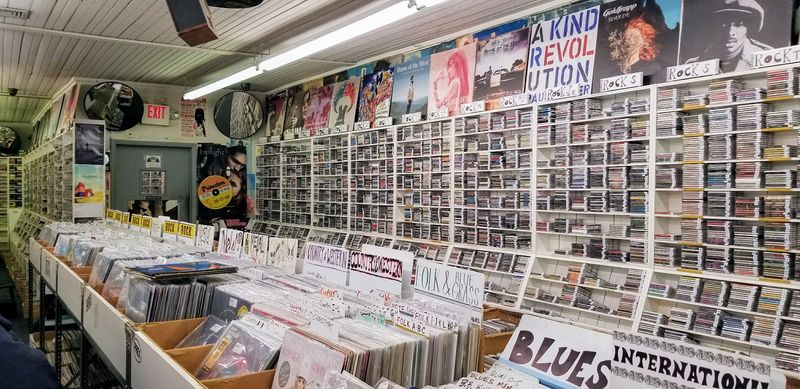
Collectors tend to notice details quickly, and Princeton Record Exchange gives them plenty to assess. The store’s scale, mix of formats, and shifting secondhand inventory create the conditions for a proper dig rather than a simple retail pass.
New arrivals can be especially tempting because they suggest movement in the stock. Regulars and return visitors often understand that timing matters, and that a section overlooked on one visit may feel entirely different later.
Serious diggers should arrive with realistic expectations. A huge inventory improves the odds of finding something interesting, but it also demands focus, patience, and a willingness to cover ground.
Checking multiple sections can help, especially when artists or styles cross categories. The staff can be a useful resource when questions come up, though part of the pleasure is independent discovery.
This is not a place designed only for quick transactions. It rewards attention in a way collectors understand immediately.
Organization Meets Treasure Hunt
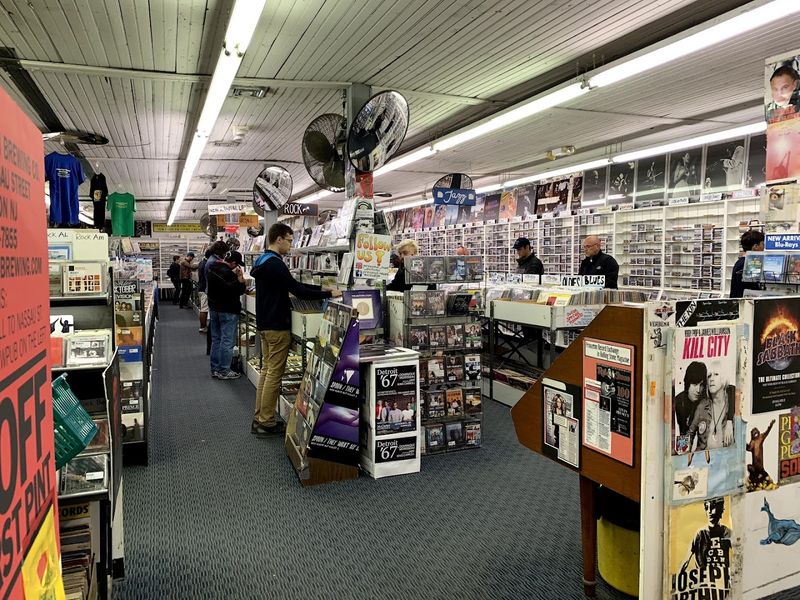
A store with this much inventory needs structure, and Princeton Record Exchange balances organization with the unpredictability that keeps browsing interesting. Many sections are arranged by genre and alphabet, which helps visitors avoid feeling lost the moment they enter.
At the same time, not every part of the shop will behave like a perfectly tidy catalog. High-volume secondhand retail is active by nature, and some areas may require more sorting than others.
That combination is part of the character. Shoppers who prefer efficiency can target specific categories, while more patient visitors can work through less polished sections for unexpected finds.
The layout encourages a rhythm: scan the organized rows, pause at new arrivals, then decide if the bargain areas deserve more time. It is helpful to dress for comfortable browsing and avoid carrying unnecessary bulk.
The store is full enough that moving lightly makes the search easier for everyone.
Staff Who Know The Stock
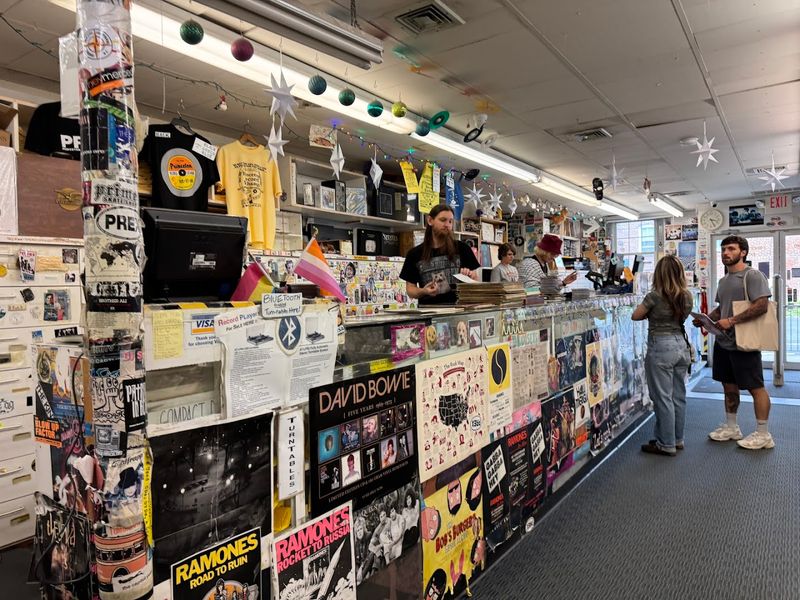
Knowledgeable staff can make a large store feel less intimidating, and that matters at Princeton Record Exchange. Visitors often arrive with broad questions, half-remembered titles, or genre interests that need a little direction.
In a shop this dense, employees who understand the inventory help bridge the gap between curiosity and success. They may point shoppers toward a section, explain how buying or trading works, or help confirm whether a format is worth checking.
The best interactions usually happen when visitors ask clear, respectful questions and understand that busy periods can pull staff in many directions. This is a working record store, not a guided museum, so independence is still part of the experience.
Still, human knowledge remains one of the reasons physical music retail continues to matter. Search engines can locate titles, but a good shop employee can help someone think through what to try next.
Trading Adds Another Layer
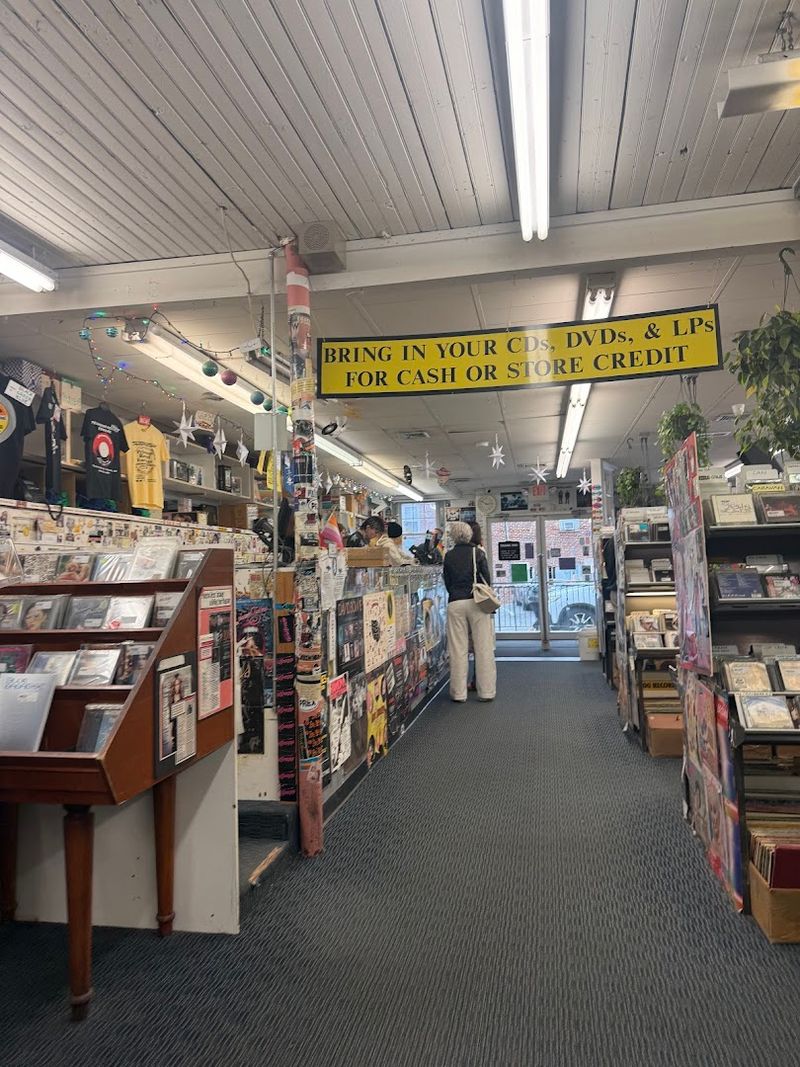
The word “Exchange” is not decorative. Princeton Record Exchange is connected to the buy-sell-trade tradition that keeps physical media circulating, and that system is one reason the inventory can remain so deep and changeable.
People interested in selling items should not assume they can simply arrive at any time with boxes and be done quickly. The store’s own current policies should be checked before bringing material, especially because appointments or specific procedures may apply.
For travelers, trading may not be the main reason to visit, but it adds context to the browsing experience. Many items on the shelves have had previous owners, which makes the store feel different from a standard new-product retailer.
The exchange model also supports discovery, since collections entering the shop can introduce unusual titles, older pressings, and out-of-print media. Anyone considering selling should review the store website first, then plan the visit around the stated process.
Timing The Visit Right
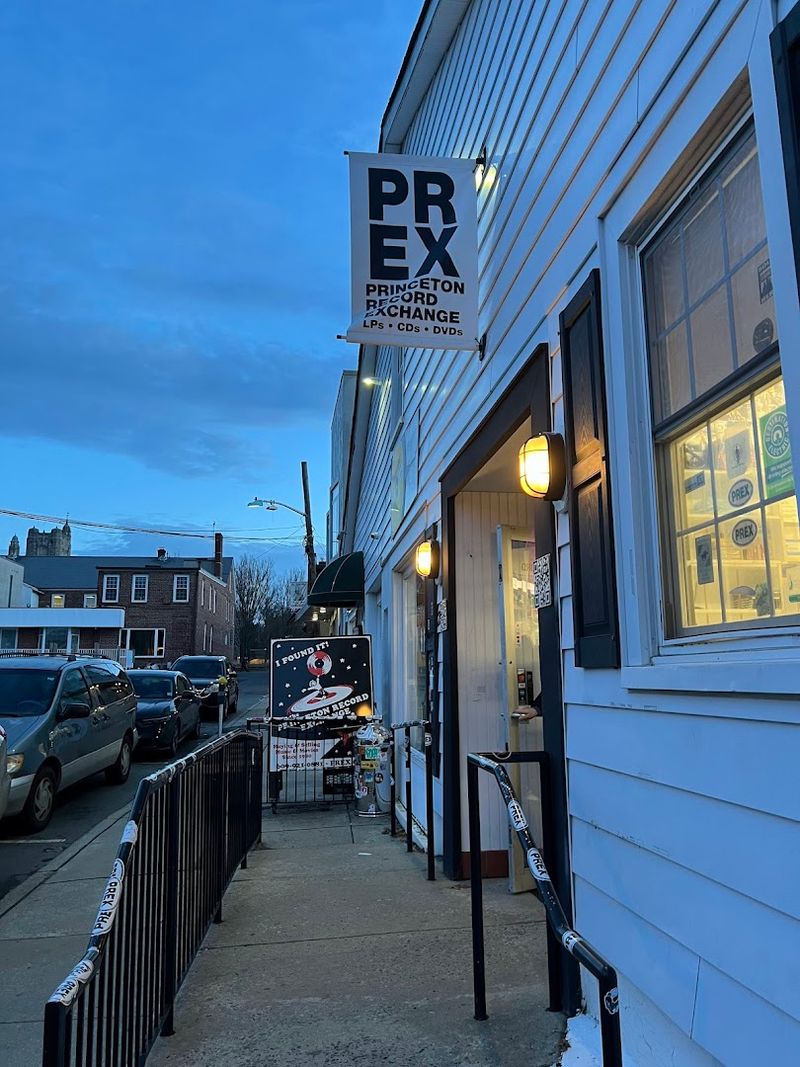
Timing can shape the entire visit. Princeton Record Exchange opens at 11 AM on Sunday and at 10 AM Monday through Saturday, with closing at 6 PM most early-week days and 8 PM on Thursday, Friday, and Saturday.
Those later evening hours can be useful for visitors who want to pair the shop with other downtown plans. Weekends may bring more energy and more people, while weekdays can offer a calmer browsing pace for anyone with schedule flexibility.
Checking the store’s current hours before setting out remains the safest move, since public schedules can change. A serious visit deserves more than a few spare minutes, especially for anyone interested in vinyl, CDs, and DVDs.
If the goal is to search deeply, arriving earlier can reduce pressure and leave room for second passes through promising sections. The shop is best enjoyed when the clock is not constantly interrupting the hunt.
Why It Fits Princeton
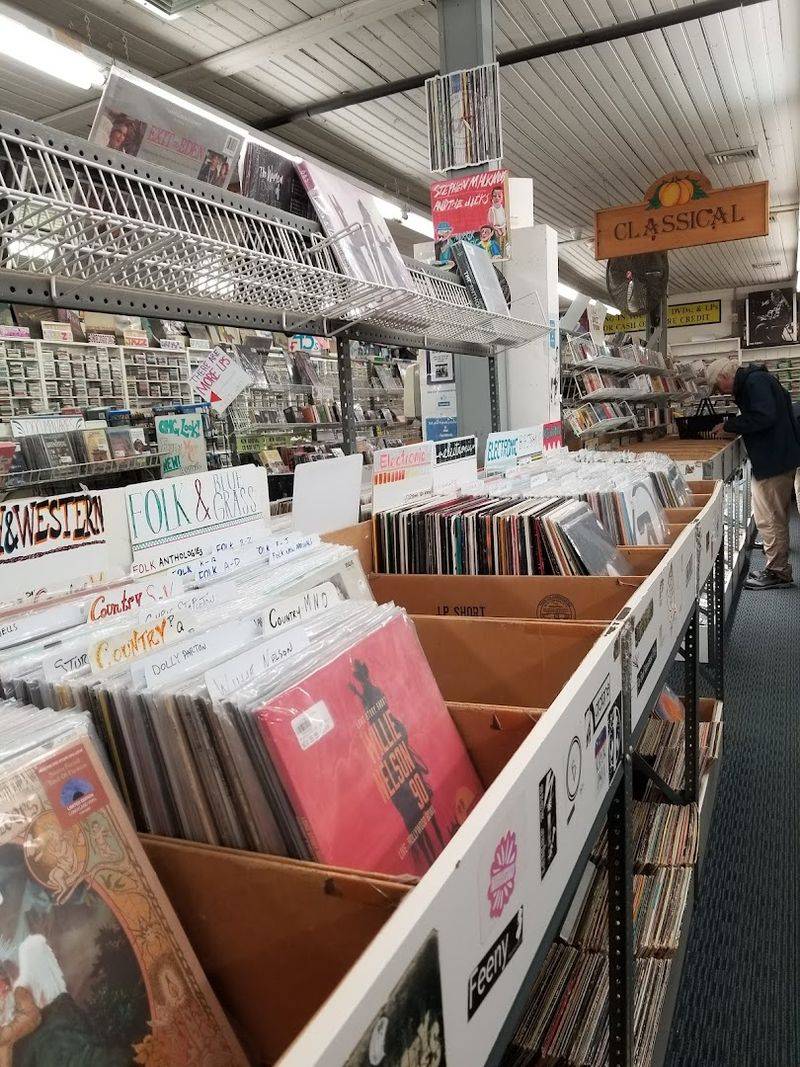
Princeton’s identity gives the store an interesting backdrop. The town draws students, faculty, visiting families, commuters, and culture-minded day-trippers, creating a customer mix that suits a record store with broad and sometimes specialized inventory.
Princeton Record Exchange fits that environment because it encourages curiosity without requiring expertise. A college student can browse affordable CDs, a longtime collector can dig for harder-to-find records, and an out-of-town visitor can simply enjoy the scale.
The store also provides a contrast to polished chain retail. Its value lies in density, personality, and the practical joy of sorting through physical media.
In a place associated with ideas and close reading, there is something fitting about a shop that rewards close looking. It asks visitors to slow down and pay attention to labels, editions, sections, and possibilities.
That makes it feel less like an errand and more like a Princeton kind of pursuit.
The Reason To Go Now
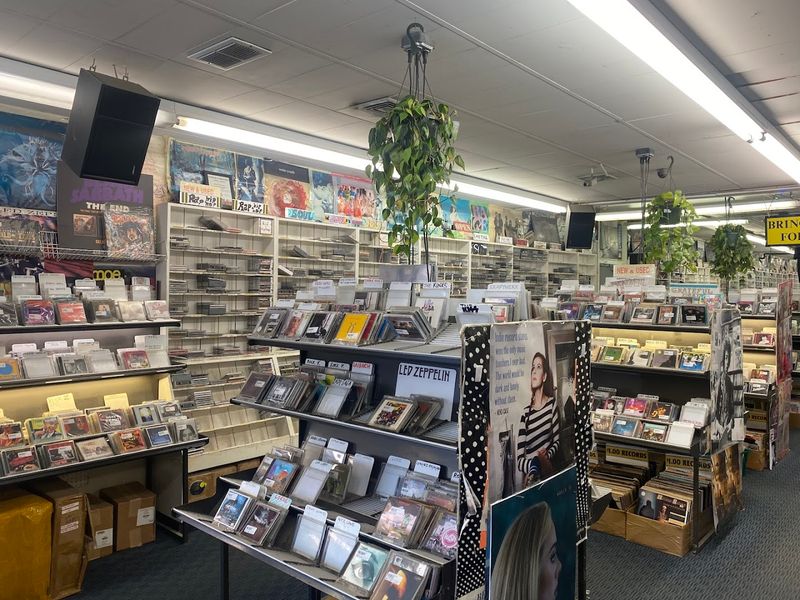
Princeton Record Exchange matters because it still makes physical browsing feel worthwhile. In an era when almost any title can be searched online, the store offers something different: scale, chance, staff knowledge, and the pleasure of making choices in person.
The more than 100,000-item inventory gives visitors a concrete reason to go, but the experience is not only about quantity. It is about what happens when quantity meets a downtown setting, shifting stock, fair-minded hunting, and a community that keeps showing up.
A good visit ends with more than a bag of media. It leaves visitors with the sense that stores like this remain useful, social, and surprisingly current.
For collectors, it is a serious stop. For casual travelers, it is an easy way to add character to a Princeton outing.
For anyone who thought record stores belonged to another time, this one makes a persuasive case otherwise.
Share this story