There is a place just north of Chicago where 385 acres of carefully tended land hold millions of plants, winding paths, and quiet island retreats that feel completely removed from city life. Tulips burst open in spring, orchids steal the spotlight indoors, and a traditional Japanese garden sits peacefully on its own island.
This is not a weekend detour you squeeze in between errands. It is the kind of place that earns repeat visits, memberships, and genuinely fond memories.
Whether you are a plant lover, a casual walker, or someone who just needs a few hours away from screens and noise, this northern Illinois destination has something real to offer. Read on to find out exactly what makes it so special.
A Living Museum at 1000 Lake Cook Road
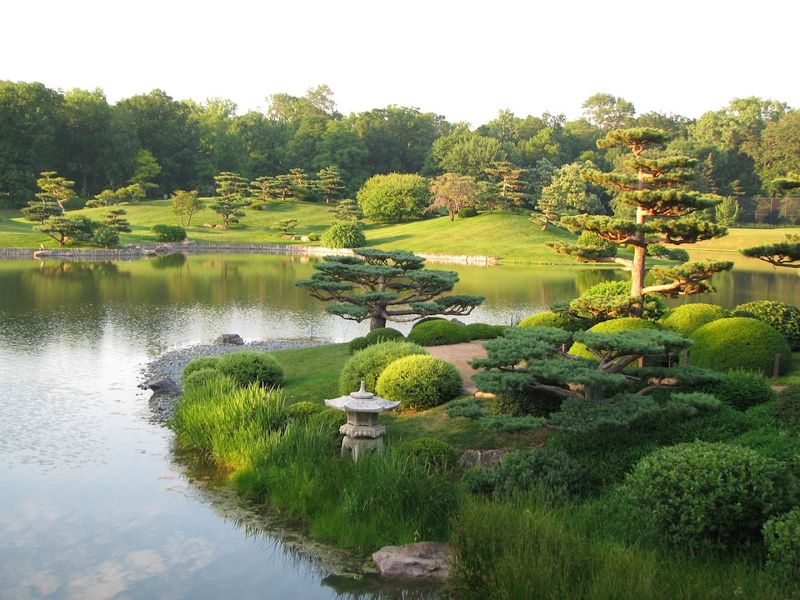
Right on the border of Lake County and Cook County, the Chicago Botanic Garden sits at 1000 Lake Cook Rd, Glencoe, IL 60022, and it has been welcoming visitors since 1972. The garden is owned by the Forest Preserves of Cook County and managed by the Chicago Horticultural Society, which gives it a unique civic identity that few botanical gardens in the country share.
The 385-acre property is not just a collection of flower beds. It is a fully functioning living museum, home to more than 2.7 million plants spread across 26 distinct gardens and four natural areas.
Nine islands connected by bridges create a landscape that feels both grand and surprisingly intimate.
Admission requires a parking fee, currently around $25 on weekdays and $30 on weekends, plus a per-person entry fee. Buying tickets and parking online in advance saves a lot of time, especially on busy spring weekends.
The garden is open daily and reachable by the Metra Union Pacific North line, which stops right at the garden’s entrance.
The Japanese Garden That Stops Visitors in Their Tracks
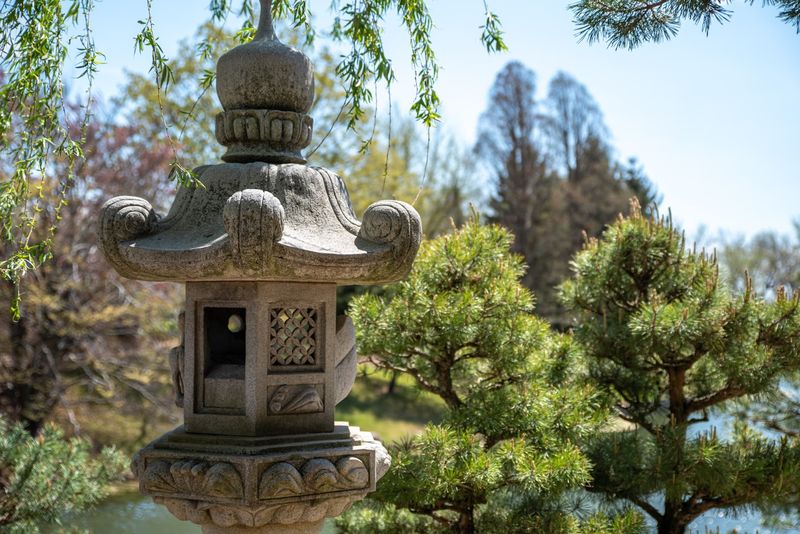
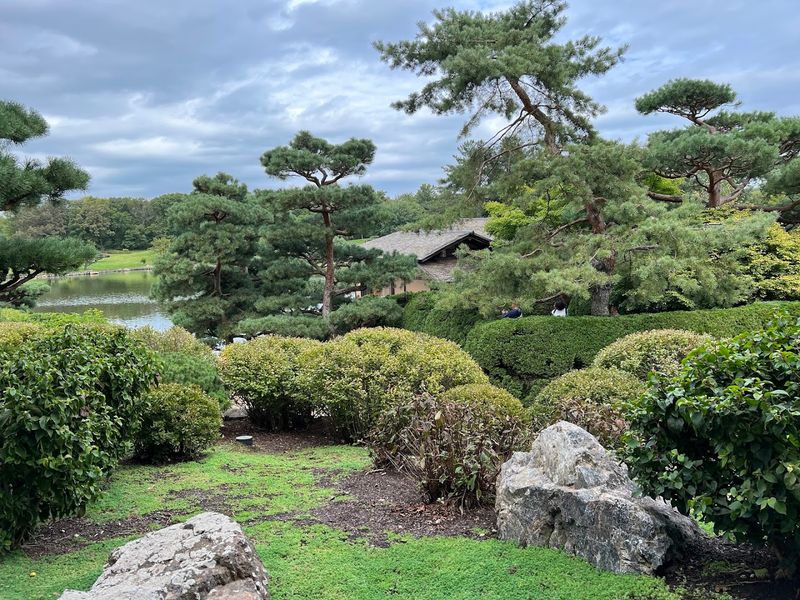
Few places in the entire garden generate as much quiet awe as the Elizabeth Hubert Malott Japanese Garden. Spread across three islands, it was designed in the shoin style, one of the most formal traditions in Japanese landscape design, and it opened in 1982 after years of planning with Japanese garden experts.
Stone lanterns, a wooden viewing pavilion, raked gravel, and carefully pruned pine trees create a visual language that feels deliberate and calm. The reflection of the trees in the surrounding lagoon adds a layer of stillness that is hard to find anywhere else on the property.
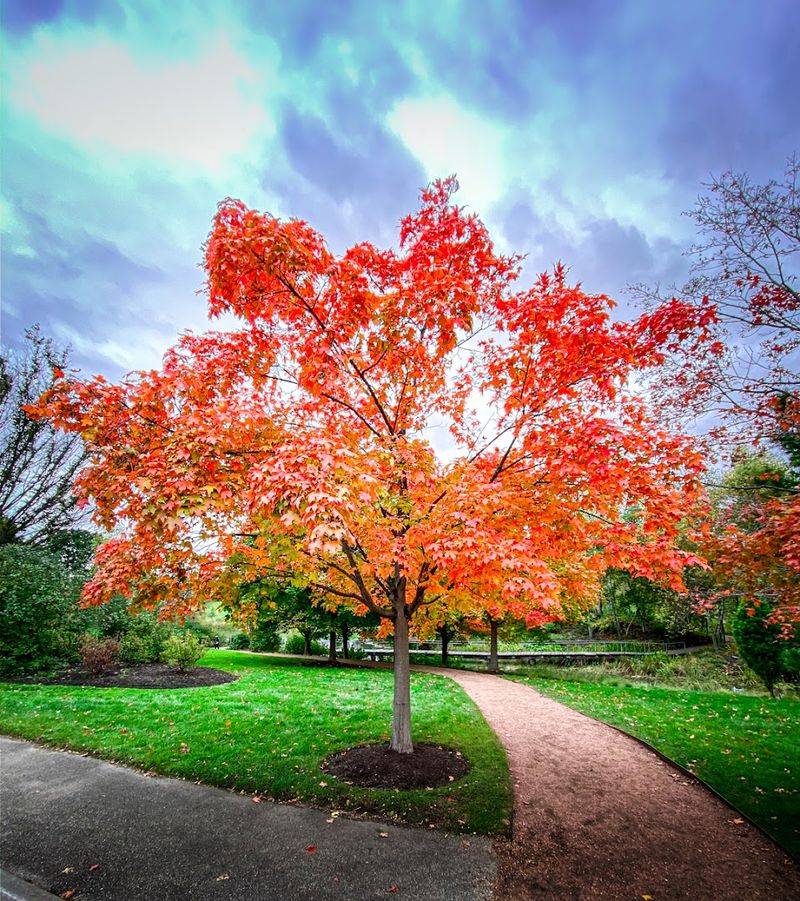
Spring brings an especially striking moment when the cherry trees around the Japanese garden bloom in soft pink clusters. Autumn transforms the scene again with warm red and orange foliage.
The garden is intentionally designed to look beautiful in every season, which means there is never really a wrong time to visit it. Many regular visitors say this is the section of the garden they always return to first.
Spring Blooms That Make the Whole Trip Worth It
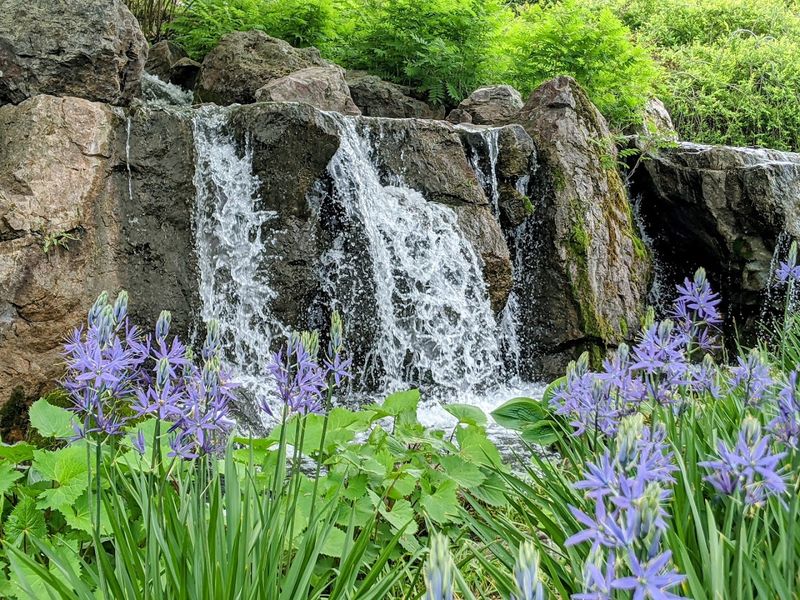
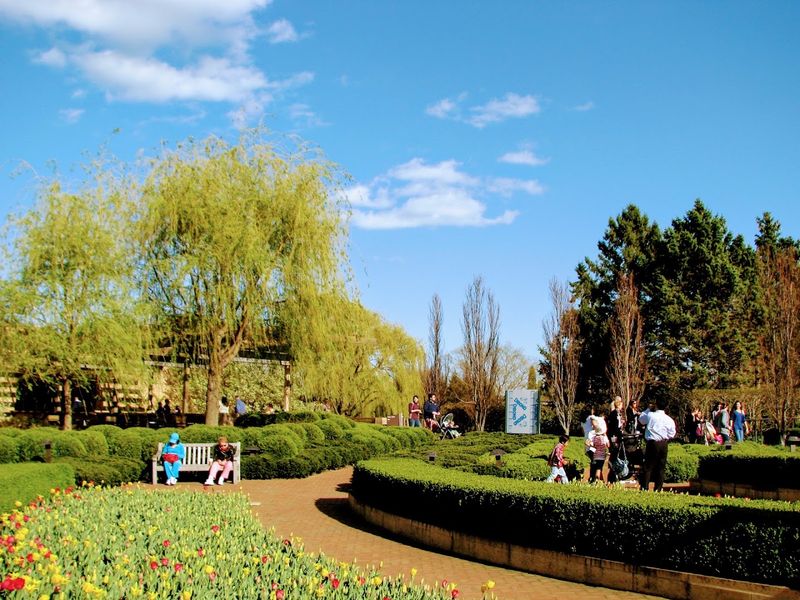
Spring at this garden operates on a scale that is genuinely hard to prepare for. Millions of bulbs planted across the property burst open between March and May, covering hillsides and garden beds in waves of daffodils, tulips, hyacinths, and crabapple blossoms.
The tulip displays alone draw visitors from across the Midwest every year.
The Bulb Garden is one of the most photographed spots during this season, with thousands of tulips arranged in bold color patterns that shift and change as different varieties reach their peak. Crabapple trees bloom along several garden paths, creating canopies of white and pink that feel almost theatrical.
Timing a visit for mid-April through early May usually captures the peak of spring color, though the exact dates shift depending on the year’s weather. The garden’s website posts bloom updates regularly, which makes it easy to plan around what is currently at its best.
Spring weekends do get crowded, so arriving early in the morning or on a weekday gives you much more space to enjoy the displays at a relaxed pace.
The Orchid Show: An Indoor Spectacle Worth Braving Winter For
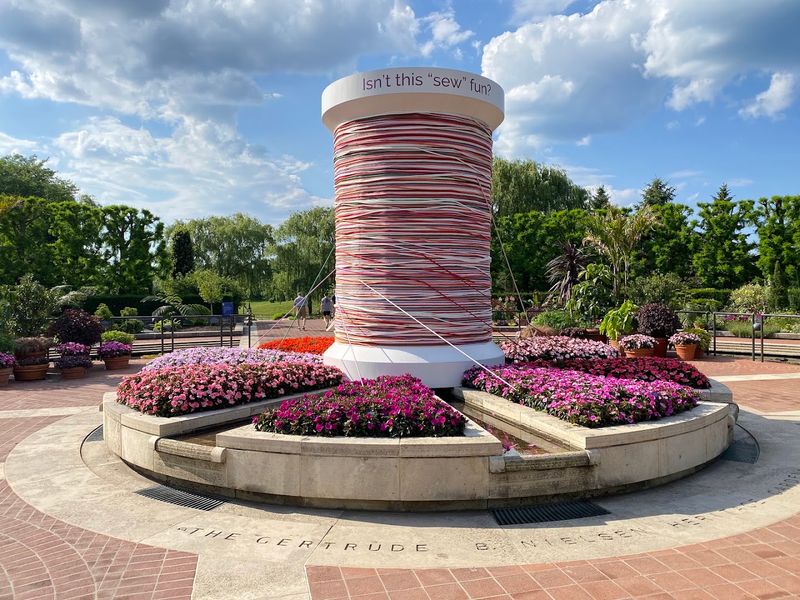
Every winter, the Chicago Botanic Garden transforms its Regenstein Center into something that feels closer to art installation than horticulture exhibit. The annual Orchid Show has become one of the most anticipated events on the garden’s calendar, drawing thousands of visitors during the cold months when outdoor blooms are largely dormant.
Thousands of orchid plants in every color imaginable are arranged into elaborate themed displays that change each year. Past shows have featured cascading walls of blooms, sculptural arrangements, and immersive environments that use the orchids as the main design material.
The variety of species on display is impressive, ranging from familiar phalaenopsis to rare and unusual tropical varieties.
The show typically runs from late January through mid-March, making it a genuinely compelling reason to visit during a season when most outdoor gardens offer very little. Tickets for the Orchid Show are separate from general admission, so it is worth checking the garden’s website for pricing and dates before planning a trip.
The warm, humid greenhouse air is also a welcome contrast to a Chicago winter.
Lightscape: When the Garden Glows After Dark

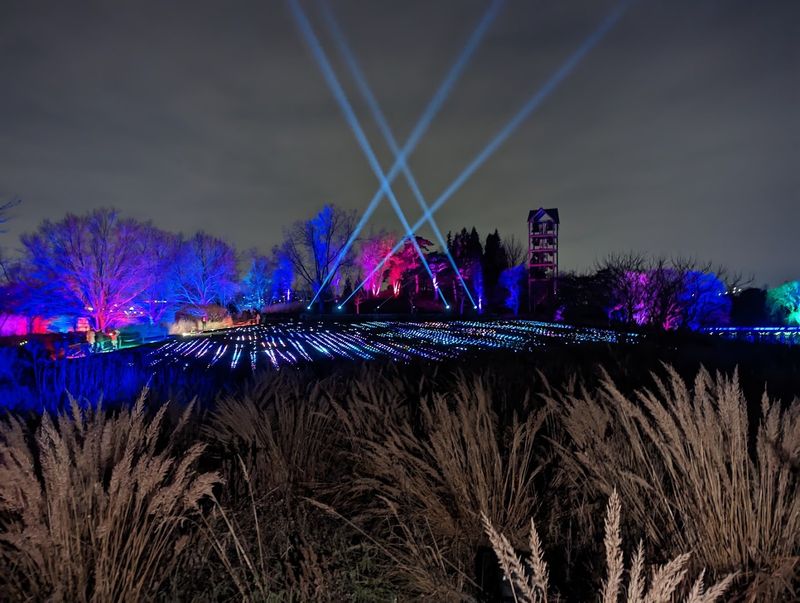
Once the sun goes down in late November, the Chicago Botanic Garden becomes an entirely different place. Lightscape is the garden’s signature winter evening event, transforming the landscape with large-scale light installations, illuminated trees, and a 1.3-mile trail that winds through the darkened gardens in a way that feels genuinely magical.
The event has run for several years and gets more elaborate with each season. New installations are added annually while returning favorites receive updates and redesigns.
One of the most enjoyable aspects of the trail is how it offers glimpses of upcoming displays before you reach them, building a sense of anticipation as you walk.
Background music plays throughout the trail, setting a festive atmosphere that works equally well for families with young children and groups of adults. Pre-purchased tickets are strongly recommended since the event sells out on many nights.
Parking should also be reserved in advance. The garden’s gift shop stays open during Lightscape and stocks a solid selection of ornaments, art pieces, and garden-themed souvenirs that make good gifts for people who appreciate thoughtful design.
The Tram Tour: A Guided Way to See Everything
With 385 acres to cover, even enthusiastic walkers can find the garden a bit overwhelming on a first visit. The tram tour solves that problem neatly by offering a guided loop around the main sections of the property, with a knowledgeable driver providing commentary on what you are seeing along the way.
The tram ride is included with general admission, which makes it an easy addition to any visit rather than an extra expense to weigh. It covers parts of the garden that can be harder to reach on foot, especially for visitors who have limited time or mobility concerns.
The tour lasts about 30 to 40 minutes and gives a solid overview of the garden’s layout before you head out to explore on your own.
First-time visitors who take the tram before walking the gardens tend to feel much more oriented and get more out of their self-guided time afterward. The drivers are friendly and genuinely enthusiastic about the garden, which comes through in how they describe the different sections.
It is a practical and enjoyable way to start any visit, and the views from the tram across the lagoons are worth it on their own.
Bonsai and the Regenstein Center Collections
Tucked within the garden’s broader collection is a bonsai display that consistently draws visitors back for a second and third look. The trees are displayed outdoors during warm months and moved inside during winter, and the collection includes specimens that are decades old, shaped over years of patient, methodical pruning.
There is something oddly compelling about a tree that fits in a ceramic pot but looks like it has survived a century of wind and weather. The bonsai collection at this garden has that quality.
Each tree has its own distinct character, and reading the small labels that describe the species and approximate age adds another layer of appreciation to the experience.
The Regenstein Center, which houses the indoor collections and rotating exhibits, is also the venue for the Orchid Show and other seasonal displays. It connects seamlessly to the outdoor gardens, making it easy to move between inside and outside depending on the weather or your interests.
The butterfly exhibit, which runs seasonally, is another highlight housed within the center, where live butterflies fly freely among flowering plants in a warm enclosure that visitors walk through slowly and quietly.
Gardens Beyond Flowers: Fruits, Vegetables, and Prairie Landscapes
Most people arrive at this garden expecting flowers, and the flowers absolutely deliver. But the property holds several sections that go well beyond ornamental blooms and into territory that feels both educational and surprisingly personal.
The Regenstein Fruit and Vegetable Garden is one of the most engaging of these, with raised beds and trellised plants growing tomatoes, peppers, herbs, squash, and dozens of other edible varieties throughout the growing season.
Seeing food plants arranged with the same care and intentionality as a formal flower garden changes how you think about both gardening and food. The layout is approachable and well-labeled, making it a genuinely useful visit for anyone curious about growing their own produce.
Children tend to respond well to this section because the plants are recognizable and tangible in a way that ornamental gardens sometimes are not.
The McDonald Woods, a 100-acre oak woodland and natural area within the garden’s boundaries, offers a quieter and more naturalistic experience. Prairie restoration areas show what the Illinois landscape looked like before European settlement, with native grasses and wildflowers that attract significant numbers of birds and pollinators throughout the summer months.
Membership, Pricing, and Planning Your Visit
A single visit to the Chicago Botanic Garden costs around $17.95 per adult for general admission, with parking adding $25 on weekdays and $30 on weekends. For families or anyone planning more than two visits a year, the membership program offers significant savings and a noticeably faster entry process through dedicated member lanes.
Members also receive guest benefits, meaning each cardholder can bring one additional person in for free on each visit. Family memberships can be shared with relatives, which makes group visits more affordable and easier to coordinate.
Given that the garden hosts multiple major seasonal events throughout the year, including the Orchid Show and Lightscape, a membership pays for itself quickly if you plan to attend more than one of them.
Pre-purchasing tickets and parking online is strongly recommended for any visit, especially on spring and summer weekends when the garden draws large crowds. The garden is also accessible by Metra train, which eliminates the parking question entirely and drops you right at the entrance.
The garden’s website keeps an updated events calendar and bloom reports, which makes it easy to time a visit around whatever is currently at its peak.
A Year-Round Destination With Something New Each Season
One of the things that separates this garden from many other outdoor attractions is that it genuinely rewards visits in every season rather than peaking once and going quiet. Spring brings the bulb displays and cherry blossoms.
Summer fills the Rose Garden with hundreds of varieties in full color, and the Fruit and Vegetable Garden reaches its most productive and visually interesting phase.
Autumn shifts the mood entirely, with the woodland areas and Japanese garden taking on warm amber and red tones that feel completely different from the bright spring palette. The garden’s natural areas attract migratory birds during this season, adding a wildlife-watching dimension that surprises many first-time fall visitors.
Winter is far from a dead season here. The Orchid Show fills the indoor spaces with color and warmth, and Lightscape turns the dark evenings into something worth planning a trip around.
The garden has clearly put thought into making every month feel like a worthwhile time to visit, and that effort shows in how loyal its regular visitors tend to be. Many families and couples have been returning for a decade or more, and it is easy to understand why.
Share this story