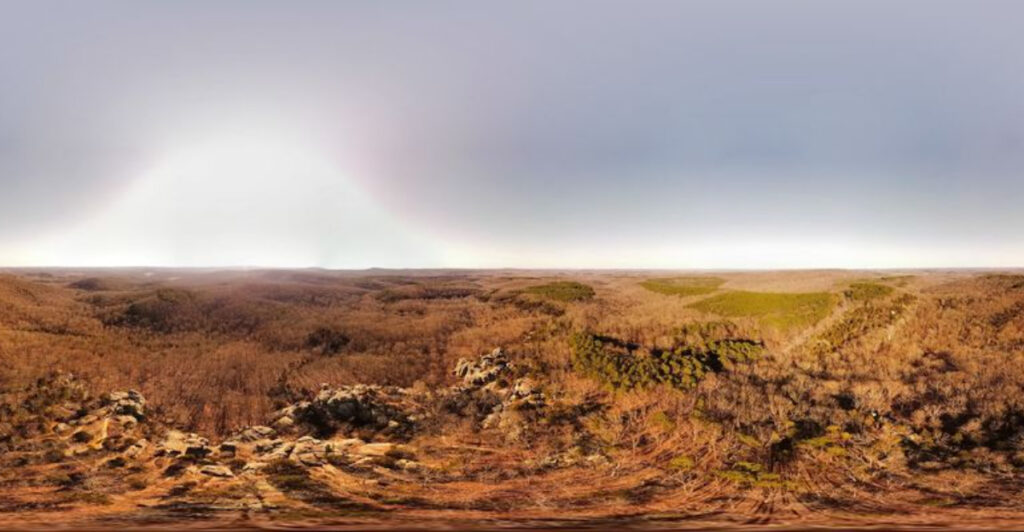
Most people think of Illinois as flat cornfields and city skylines, but tucked away in the far southern tip of the state is a landscape that will genuinely surprise you. Near the dramatic rock formations of Garden of the Gods, a tiny unincorporated community called Herod sits quietly at the edge of Shawnee National Forest, and the views from this area look nothing like what you would expect from the Midwest.
Rugged ridgelines, sandstone bluffs, and sweeping forest panoramas give this corner of Illinois a personality that feels more like the American West than the Prairie State. If you have never heard of this place, keep reading, because it deserves a spot on your travel list.
Where Exactly Herod Is and How to Find It
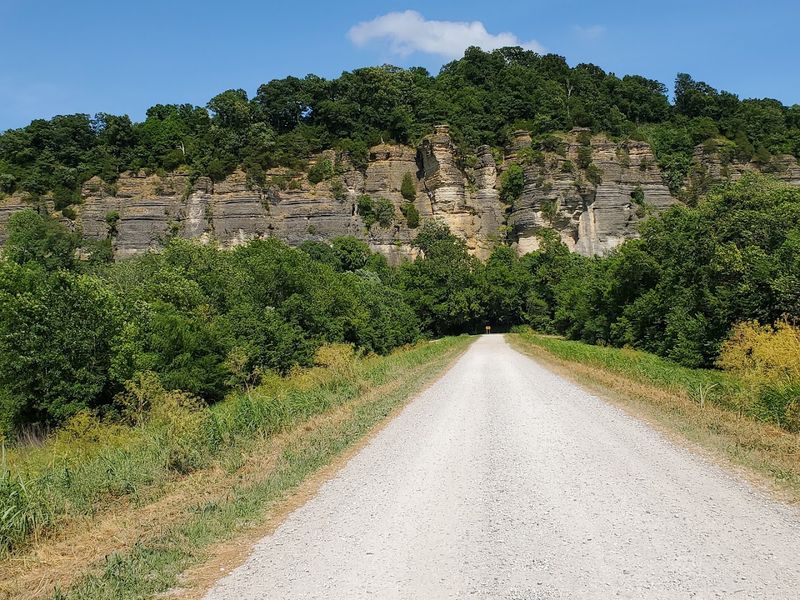
Herod is an unincorporated community in Pope County, Illinois, United States, sitting along Illinois Route 34 at the edge of Shawnee National Forest. The mailing address associated with the area is Golconda No. 2, IL 62947, which gives you a sense of just how rural and off-the-beaten-path this spot truly is.
Pope County is one of the least populated counties in the entire state, which means traffic jams and tourist crowds are basically nonexistent here. That kind of quiet is actually part of the appeal.
Getting here requires some intentional planning. You will be driving through winding forest roads with minimal cell service, so downloading an offline map before you leave is a smart move.
The nearest larger town is Golconda, which sits along the Ohio River to the southeast.
First-timers often underestimate how remote this area feels once they leave the main highway. The surrounding Shawnee National Forest covers over 280,000 acres, and Herod sits right at its edge, making it a natural gateway into some of the most rugged terrain in Illinois.
The Wild, Rocky Landscape That Surprises Every Visitor
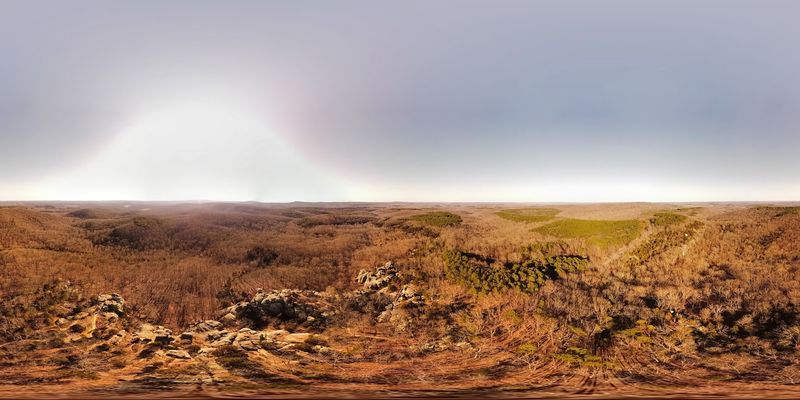
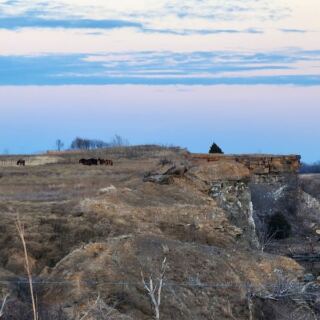
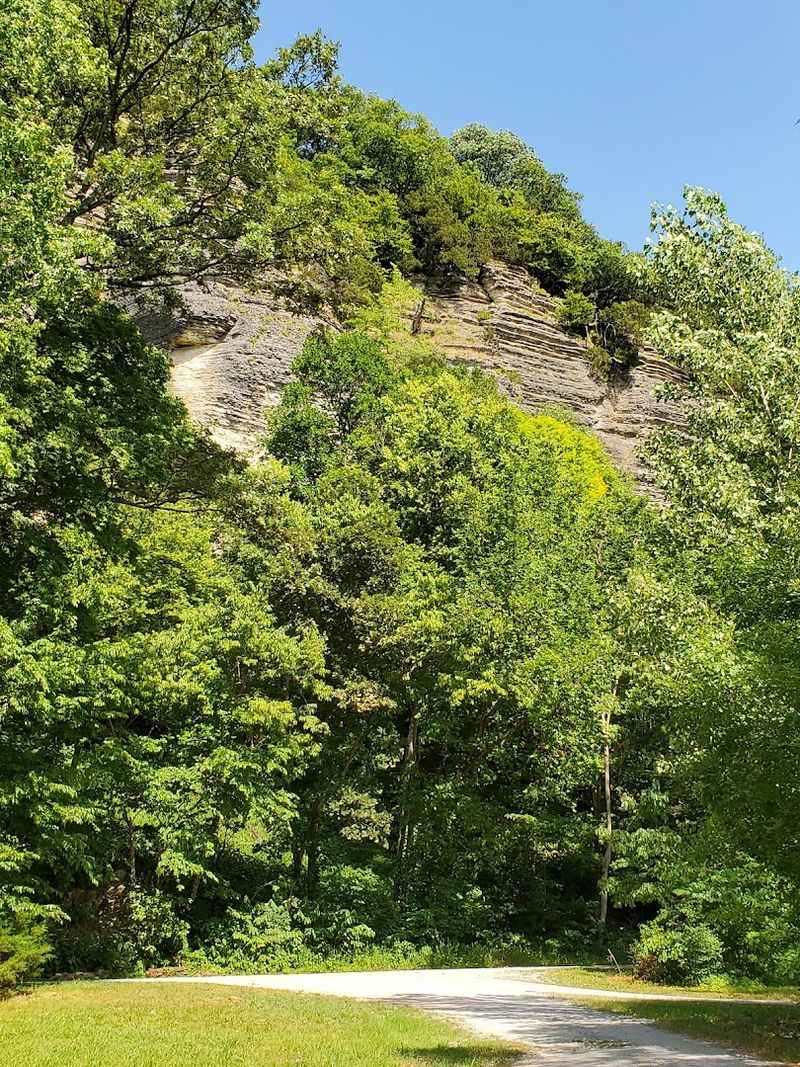
The terrain around Herod is genuinely unlike anything most people associate with Illinois. Exposed sandstone bluffs rise above the forest canopy, and the ridgelines create horizon lines that feel more at home in Utah or New Mexico than in the Midwest.
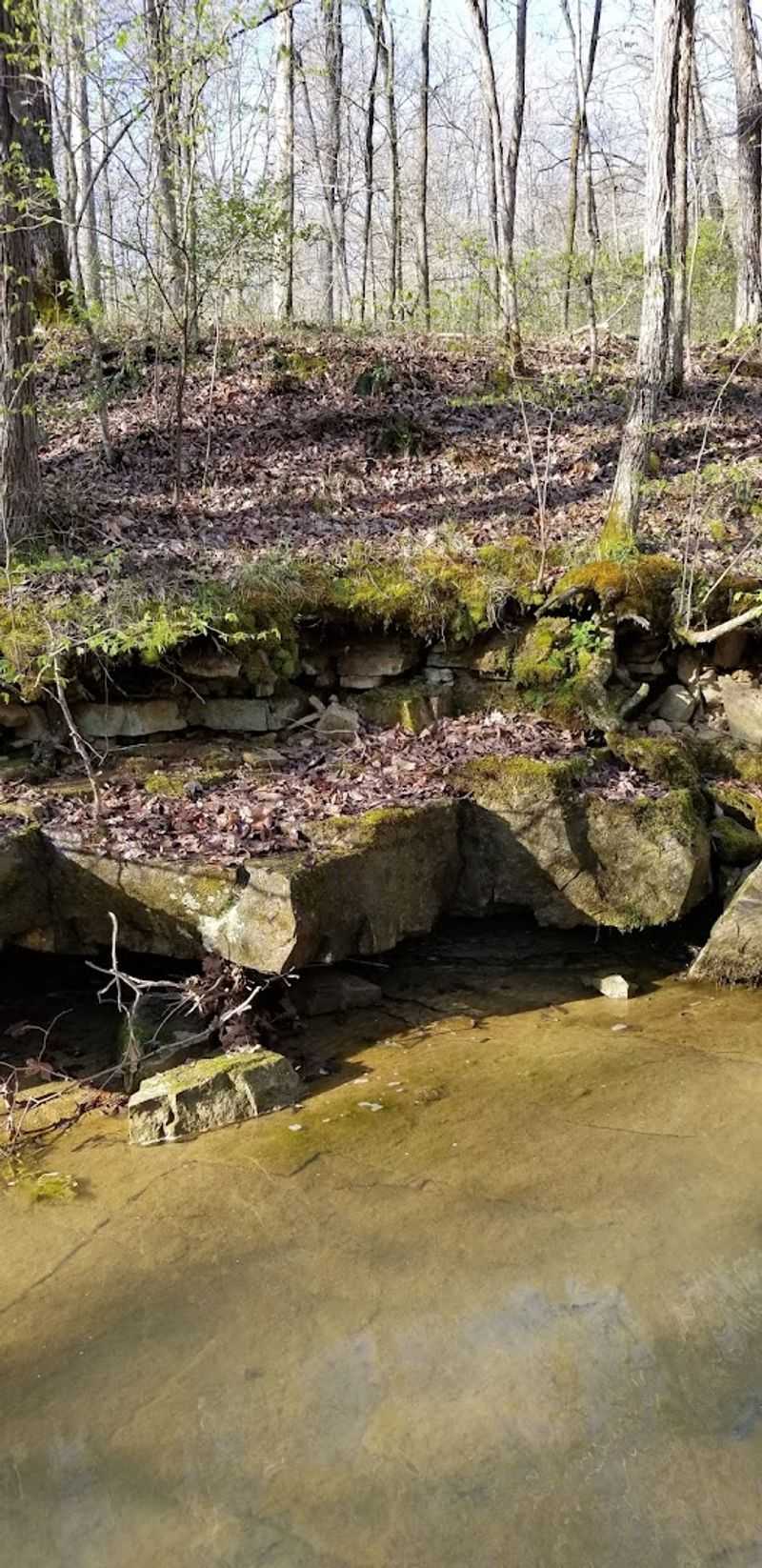
The rock formations in this part of southern Illinois were shaped over millions of years by erosion, and the results are striking. Layered stone walls, narrow canyons, and boulder-strewn hillsides give the landscape a texture and drama that catches you off guard the first time you see it.
Garden of the Gods, just a short drive from Herod, is the most famous example of this geology, but the rugged character of the land extends well beyond that single overlook. The whole region has this raw, untamed quality that makes you slow down and actually look around.
Photographers tend to go a little overboard here, and honestly, that is completely understandable. The light in the late afternoon hits the sandstone in a way that turns the whole forest gold, and that is a sight worth driving hours to see.
Garden of the Gods and Its Connection to Herod
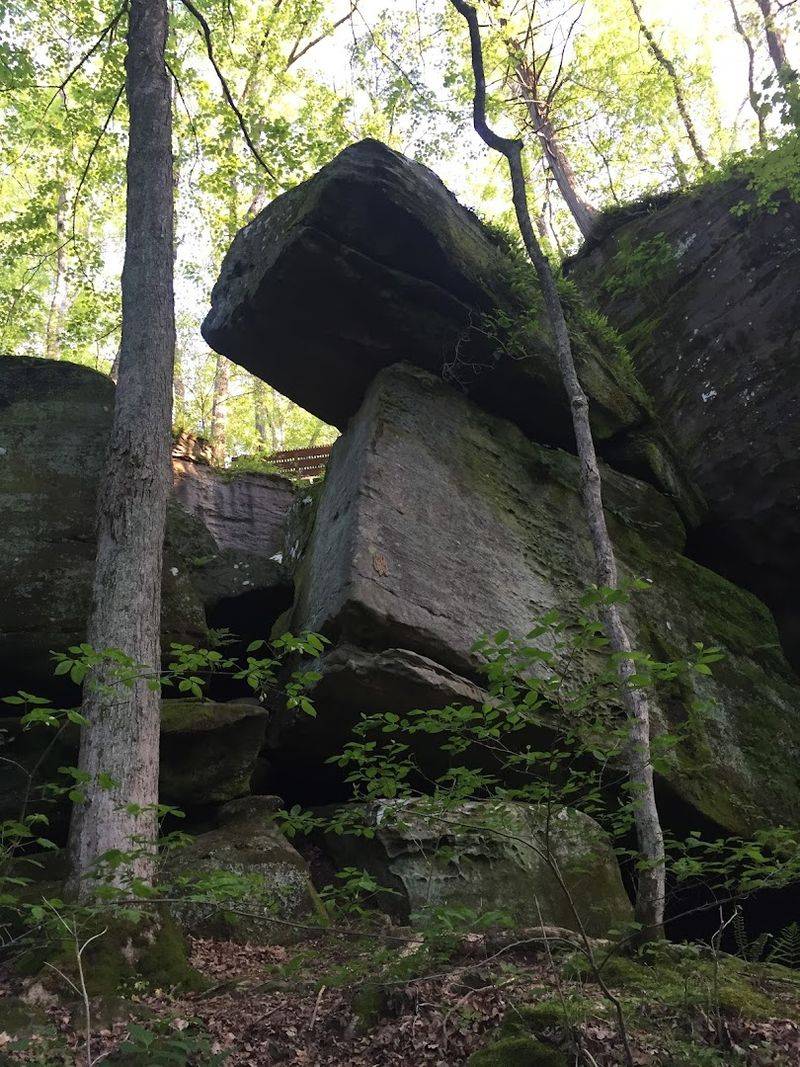
Garden of the Gods Recreation Area is the crown jewel of this part of Shawnee National Forest, and Herod sits just a few miles away, making it the closest community to this spectacular destination. The overlook at Garden of the Gods offers views across forested valleys that stretch as far as the eye can reach on a clear day.
The rock formations here have names like Camel Rock, Devil’s Smokestack, and Anvil Rock, each one carved by centuries of wind and water into shapes that feel almost theatrical. You walk along a paved trail at the top and suddenly the forest drops away beneath you, revealing a sweeping panorama that stops most visitors mid-sentence.
The area is managed by the U.S. Forest Service and is open year-round, though spring and fall bring the most dramatic colors.
Summer visits are popular but can get warm, so early morning arrivals are worth the effort.
Herod itself benefits from being this close to such a well-known natural landmark, drawing hikers, campers, and nature lovers who use the community as a quiet base for their adventures in the surrounding forest.
The Vinyard Indian Settlement and Its Cultural Roots
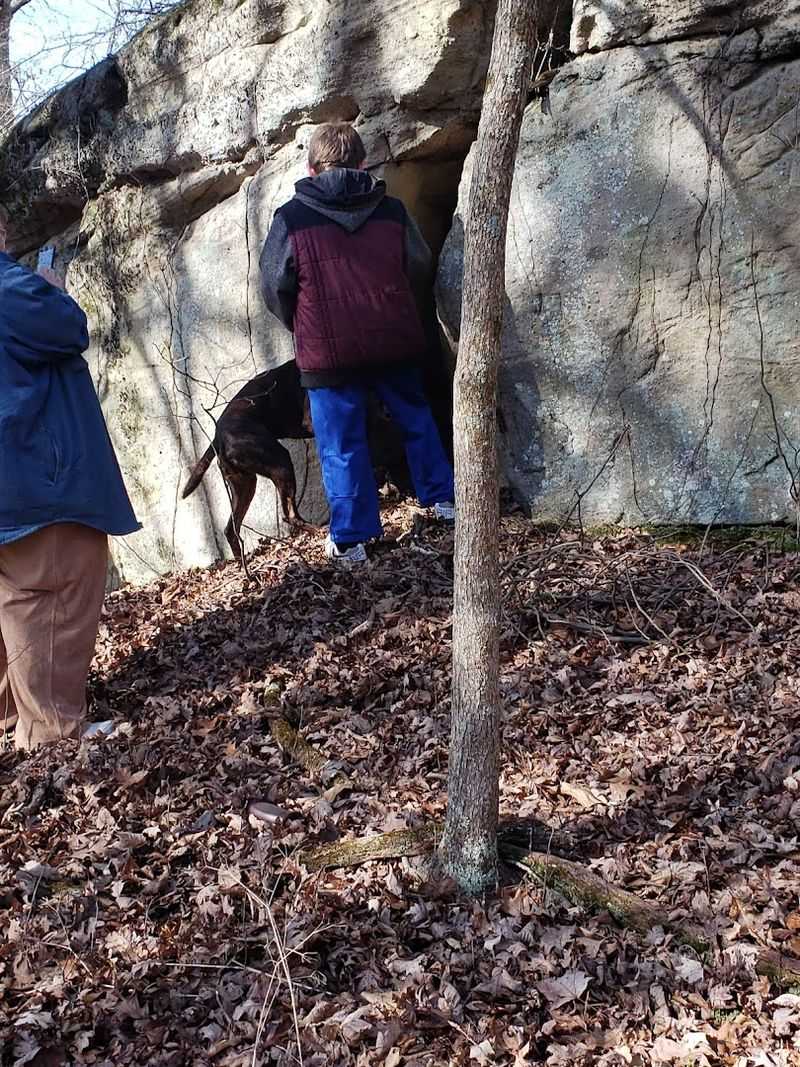
One of the most meaningful and lesser-known facts about Herod is that it is home to the Vinyard Indian Settlement, a cultural heritage group and nonprofit organization that operates right in this small community. This organization works to preserve and honor the Indigenous heritage of the people connected to this part of southern Illinois.
The presence of the Vinyard Indian Settlement adds a layer of historical and cultural depth to Herod that many casual visitors never discover. This part of Illinois has a rich Indigenous history, and the forest landscape around it has been a meaningful place for people long before it became a national forest.
Learning about the settlement before your visit gives the whole trip a richer context. The land you are hiking across and the ridgelines you are admiring carry stories that go back generations, and that is worth pausing to appreciate.
Organizations like the Vinyard Indian Settlement do important work in keeping those stories alive, connecting present-day visitors to a past that shaped this region in ways that go far deeper than the geology, as remarkable as that geology clearly is.
Hiking Trails That Reward Every Step
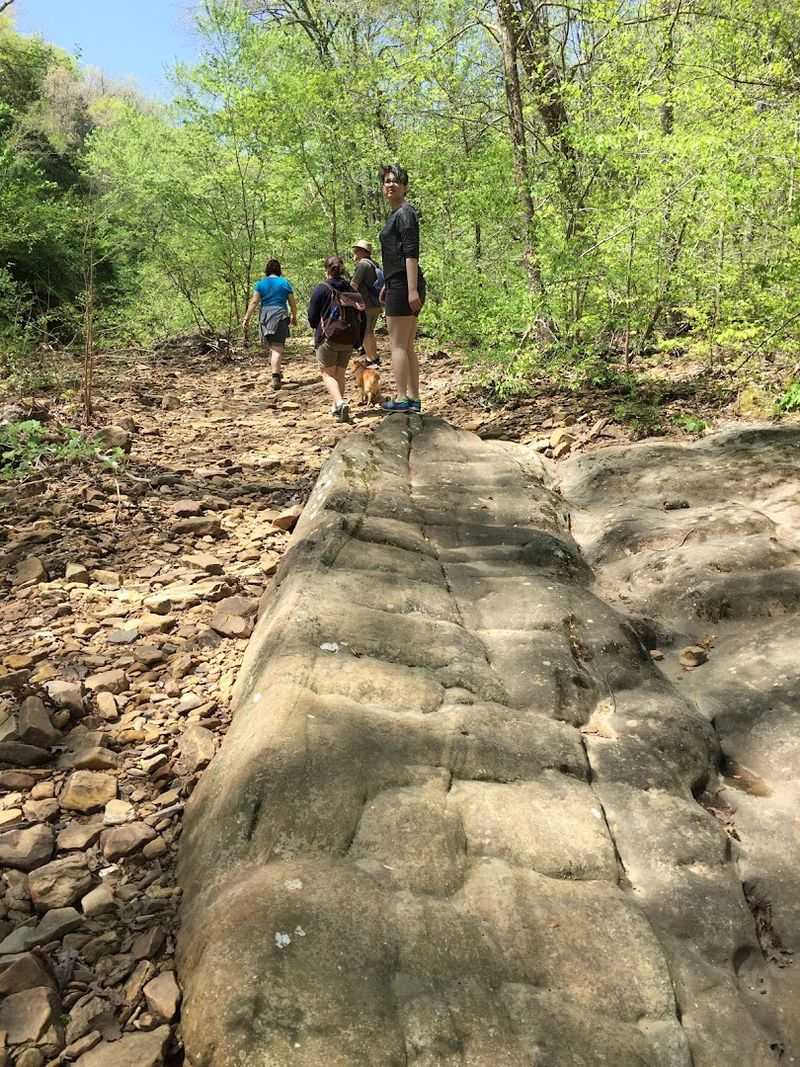
The trail system around Herod and the broader Shawnee National Forest is genuinely impressive, with options ranging from short scenic loops to multi-day backcountry routes. The River to River Trail, which cuts across the entire southern tip of Illinois, passes through this region and gives serious hikers a long-distance challenge worth tackling.
Day hikers will find plenty to love as well. The trails near Garden of the Gods are well-maintained and accessible, with the main overlook trail being short enough for families with kids but scenic enough to satisfy experienced hikers looking for a quick but rewarding walk.
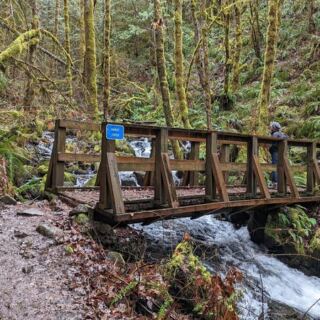
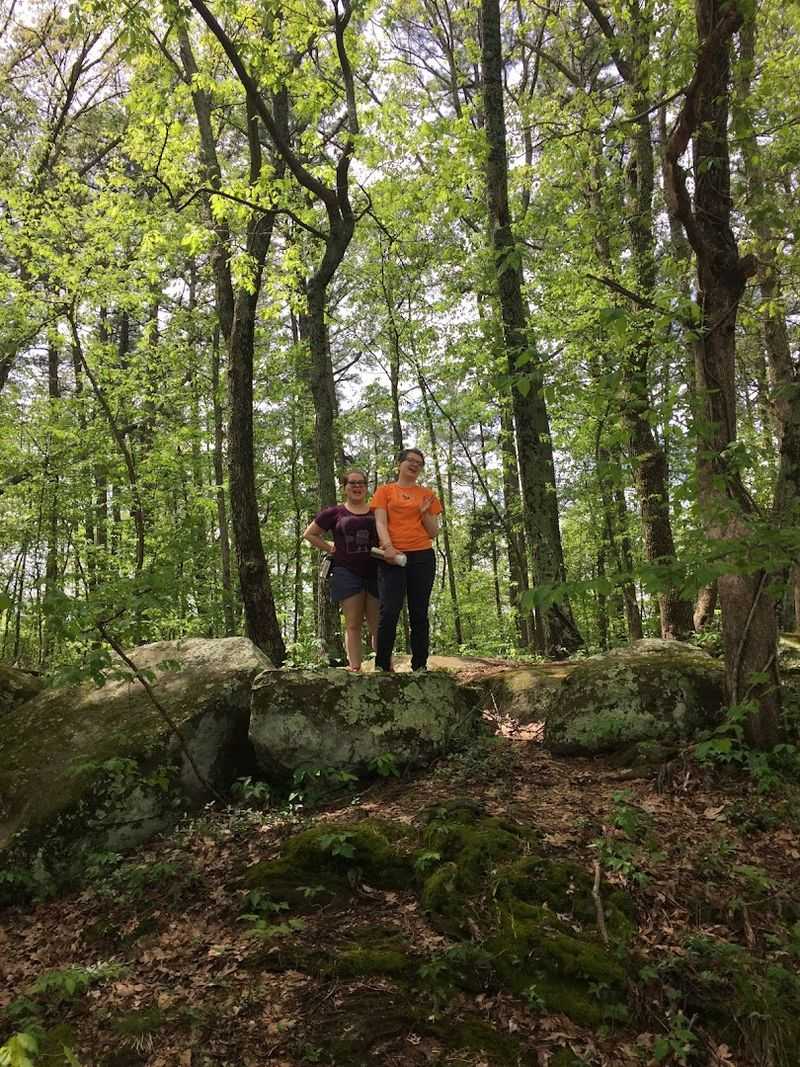
The forest floor in this area has a certain texture to it, with exposed roots, mossy boulders, and creek crossings that make every trail feel like a small adventure. Trekking poles are genuinely useful on some of the steeper sections.
Wildlife sightings are common along these trails, including white-tailed deer, wild turkey, and a wide variety of songbirds. The forest in this corner of Illinois is surprisingly biodiverse, and slowing your pace a little almost always results in a memorable encounter with local wildlife.
What the Seasons Look Like in This Part of Illinois
Southern Illinois has a climate that surprises people who assume the whole state behaves like Chicago. Summers here are warm and humid, winters are relatively mild compared to the northern part of the state, and the transitional seasons are absolutely stunning.
Fall is widely considered the best time to visit Herod and the surrounding forest. The hardwood trees, which include oaks, maples, and hickories, put on a color show from mid-October through early November that rivals anything you would see in New England.
The sandstone bluffs glow a deep amber against the red and orange canopy, and the light on those autumn afternoons is almost unfairly beautiful.
Spring brings wildflowers along the forest floor, including trillium, wild phlox, and redbud trees that bloom in brilliant pink across the hillsides. Birding is especially rewarding in April and May when migratory species pass through the region.
Winter visits are quiet and underrated. The bare trees open up long views through the forest, the rock formations are easier to spot, and you often have the trails entirely to yourself, which is a rare and peaceful kind of luxury.
Camping Options for Those Who Want to Stay Overnight
Staying overnight near Herod transforms the experience from a day trip into something much more immersive. The Shawnee National Forest offers several campgrounds within reasonable driving distance, including the Pharaoh Campground near Garden of the Gods, which is one of the most scenic camping spots in the state.
Pharaoh Campground has basic amenities including restrooms and fire rings, and it fills up quickly on fall weekends, so reservations through Recreation.gov are strongly recommended if you are visiting during peak season. The campground sits close enough to the overlook that an early morning walk to catch the sunrise over the forest is entirely doable.
Dispersed camping is also permitted in certain areas of the national forest, which means experienced campers can set up further from the crowds and really lean into the backcountry feel of this region. Always check current regulations with the U.S.
Forest Service before heading out.
Nights here are dark and quiet in the best possible way. The sky fills with stars once the sun goes down, and the sounds of the forest, including owls, frogs, and rustling leaves, create a natural soundtrack that no playlist can replicate.
The Quiet, Small-Town Character of Herod Itself
Herod is not a destination with restaurants, souvenir shops, or visitor centers. It is a quiet, unincorporated community where people actually live, and that distinction matters when you are planning your trip.
The community has a post office with ZIP code 62947, and that is about the extent of its formal infrastructure.
That simplicity is part of what makes a visit here feel so refreshing. There is no commercial layer between you and the landscape.
You arrive, you explore the forest, and you leave with a clearer head than when you came.
The locals who live in and around Herod tend to be deeply connected to the land. Many families have been in Pope County for generations, and there is a quiet pride in this community that you can feel even on a short visit.
Respecting the community means driving slowly on local roads, not trespassing on private property, and leaving the natural areas exactly as you found them. These small courtesies go a long way in communities like Herod, where the land is not just a backdrop but a way of life that deserves genuine respect from every visitor.
Tips for Making the Most of Your Visit to This Area
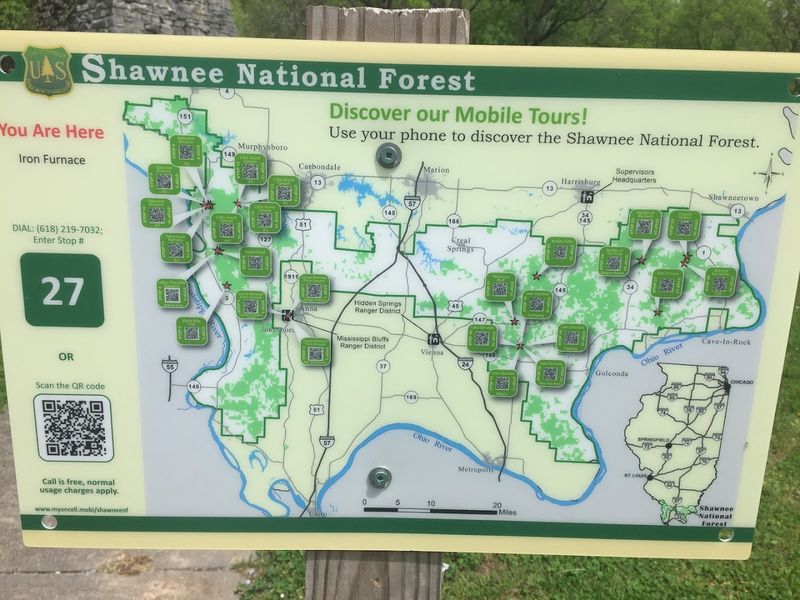
A few practical notes can make the difference between a smooth trip and a frustrating one. Cell service in and around Herod is extremely limited, so downloading offline maps, trail guides, and campground information before you leave home is not optional, it is essential.
Bring more water than you think you need, especially in warmer months. The trails in the Shawnee National Forest can be more demanding than they look on a map, and the heat in July and August is real.
A hat, sunscreen, and sturdy footwear are worth packing even for short walks.
Gas stations and grocery stores are sparse in this part of Pope County, so fill your tank and stock up on supplies before heading into the forest. Golconda, about 20 miles to the southeast, is your best bet for last-minute supplies before making the drive to Herod.
The best travel approach is to treat this area as a slow, deliberate adventure rather than a quick stop. The landscape rewards patience, and the more time you give yourself to wander, rest, and simply observe, the more this quietly spectacular corner of Illinois will reveal itself to you.
Share this story