There is a restaurant in downtown Chicago that has been feeding the city since before the Wright Brothers ever left the ground. It has survived two world wars, Prohibition, and every food trend that has swept through Illinois in the past 127 years.
The warm golden glow of its dining room, the hand-carved woodwork, and the smell of bratwurst and fresh rye bread greet you the moment you walk through the door. This place holds a piece of Chicago history that most people have never heard of, and once you learn about it, you will want to book a table as soon as possible.
A Historic Address in the Heart of Downtown Chicago
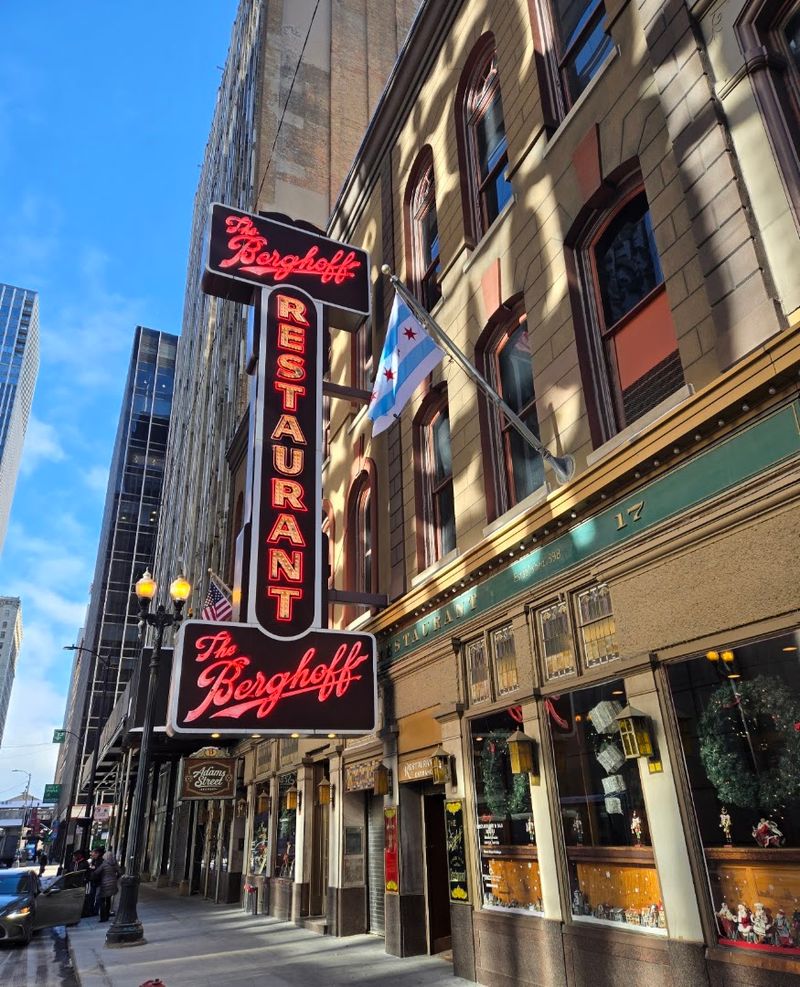
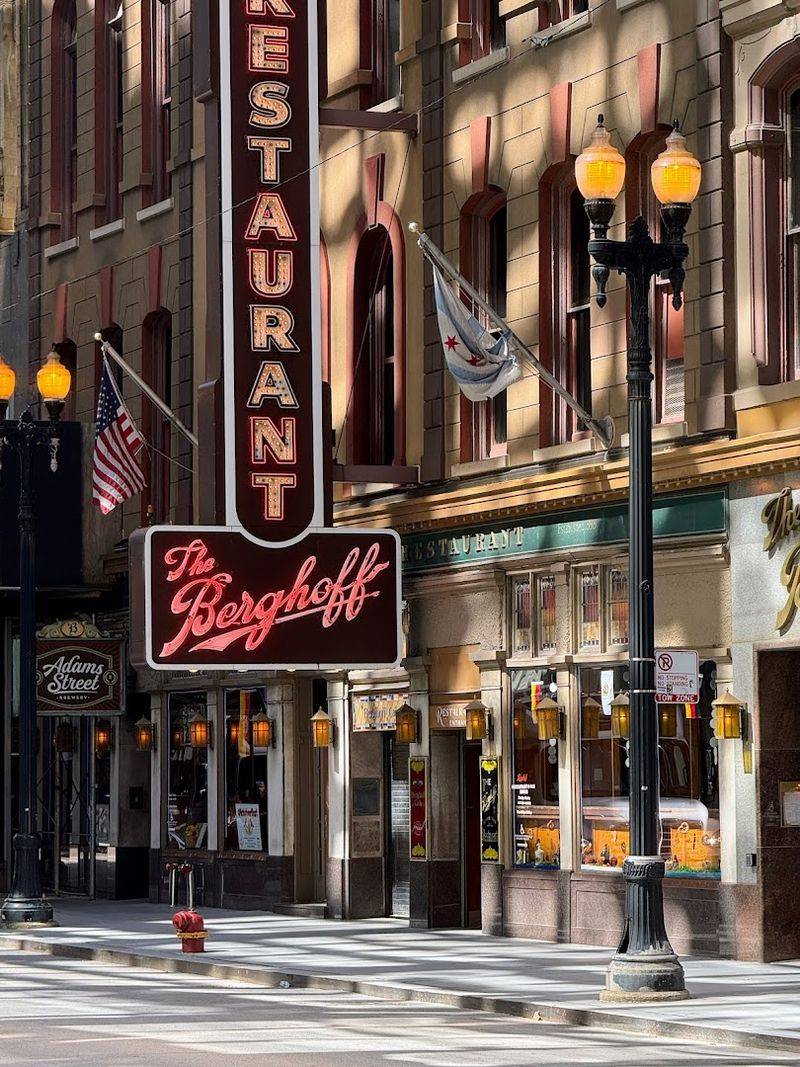
Right in the middle of downtown Chicago, at 17 W Adams St, Chicago, IL 60603, The Berghoff Restaurant has anchored itself to the same block since 1898. That is not a typo.
The same restaurant, on the same street, for well over a century.
The building sits a short walk from Millennium Park, the Art Institute of Chicago, and the bustling Loop business district. For visitors exploring the city, the location is almost too convenient to pass up.
You can spend a morning at the museum, stroll a few blocks, and find yourself at one of the oldest continuously operating restaurants in the entire country.
The exterior still carries that old-world charm, with classic signage and a facade that feels like it belongs to a different era. Chicago has changed dramatically around it, with glass towers and modern storefronts rising on every side, yet The Berghoff stands firm.
The restaurant is open every day of the week from 11:30 AM to 8 PM, and reservations are strongly recommended, especially on weekends when the dining room fills up fast. You can reach them at 312-427-3170 or visit theberghoff.com to plan your visit.
The Founding Story That Started It All in 1898
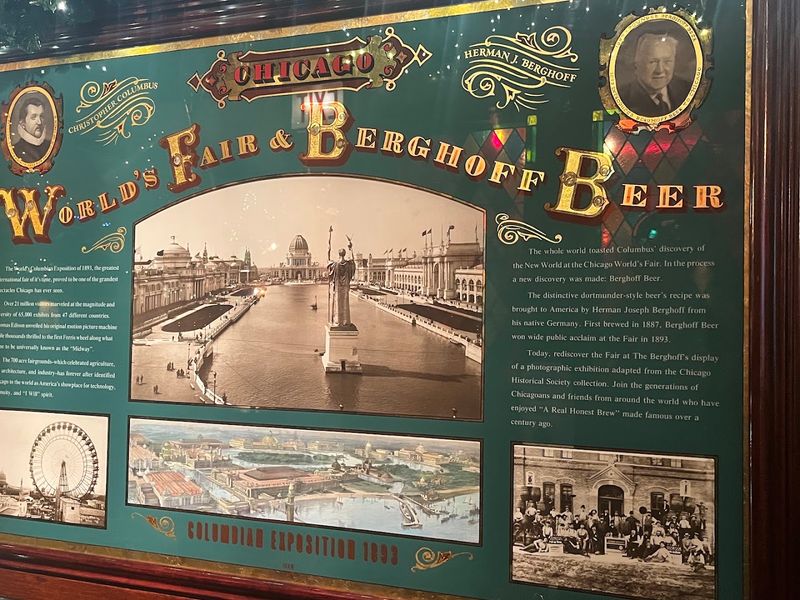
Herman Joseph Berghoff arrived in the United States from Dortmund, Germany, with a recipe, a work ethic, and a vision. In 1898, the same year the Spanish-American War began, he opened a small food stand at the World’s Columbian Exposition grounds in Chicago, selling his family’s German food and homemade root beer.
The response was strong enough that he decided to open a permanent restaurant on Adams Street, and that decision turned into a generational legacy. For most of its early history, the restaurant operated as a men-only establishment, a common practice at the time, before eventually welcoming all guests.
What makes the founding story even more remarkable is that the Berghoff family kept ownership through wars, economic crashes, and cultural shifts that closed thousands of other restaurants across the country. The original paintings from the 1893 World’s Columbian Exposition still hang on the walls today, a direct visual thread connecting the present dining room to the very moment this story began.
Few restaurants anywhere in America can point to their walls and say the artwork predates the 20th century, but The Berghoff absolutely can.
Chicago’s First Post-Prohibition Liquor License and Why It Still Matters
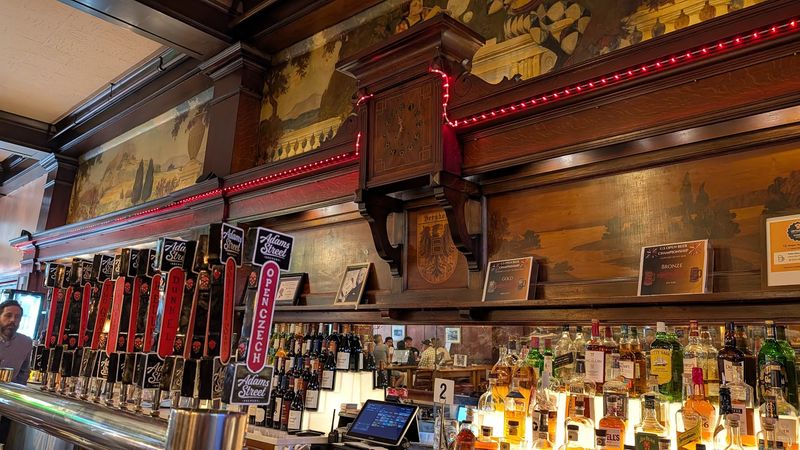
When Prohibition ended on December 5, 1933, Chicago bars and restaurants scrambled to obtain the newly available liquor licenses. The Berghoff was ready.
The restaurant secured license number one, making it the holder of Chicago’s very first post-Prohibition liquor license, and that original document is still displayed on the restaurant’s wall today.
That framed license is more than a piece of paper. It is a physical record of a pivotal moment in American history, hanging in the same building where it was earned.
Guests regularly stop to look at it, and it sparks conversations about what Chicago must have felt like the day Prohibition ended after 13 long, dry years.
The fact that The Berghoff moved quickly enough to claim license number one says a lot about how well-established and respected the restaurant already was by 1933. It had been operating for 35 years at that point, and the city clearly recognized it as a serious institution.
Owning that license has become one of the most talked-about details in the restaurant’s identity, and it draws history enthusiasts and curious diners in equal measure every single year.
The Old-World Atmosphere That Stops You in Your Tracks
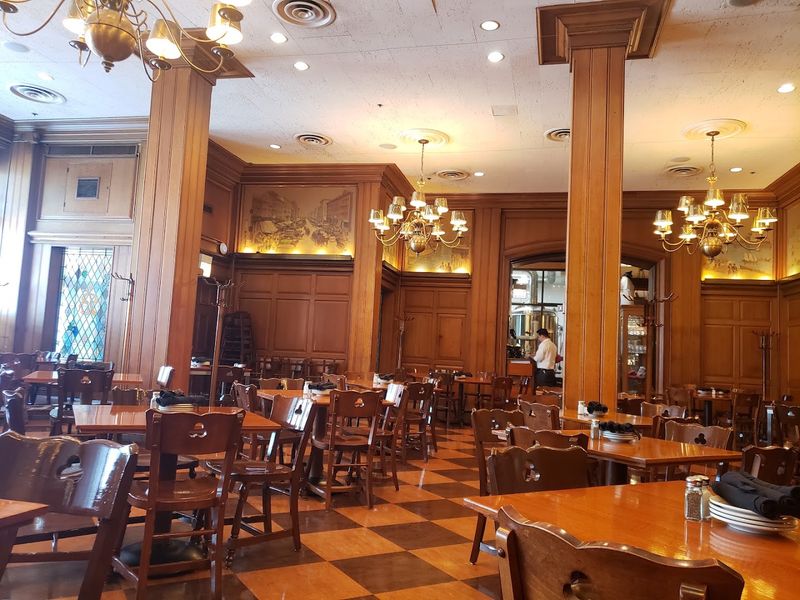
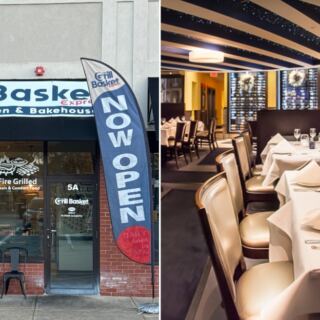
The moment you cross the threshold at The Berghoff, the outside world fades away. The dining room is dressed in dark, hand-carved woodwork, warm golden lighting, and original oil paintings that have been hanging in place for generations.
The ceiling fixtures cast a soft amber glow across white tablecloths and polished wood furniture.
The artwork is worth pausing over. Several paintings depict scenes from the 1893 World’s Columbian Exposition, the same event where Herman Berghoff first introduced his food to Chicago.
Other pieces celebrate the city itself, its skyline, its streets, and its character. The overall effect is a room that feels simultaneously museum-like and genuinely welcoming.
Unlike restaurants that manufacture a retro aesthetic with intentional distressing and prop decorations, everything at The Berghoff is simply old because it is old. The woodwork has not been replaced with a replica.
The paintings have not been swapped for reproductions. There is a particular kind of warmth that only comes from a place that has genuinely been lived in for over a century, and The Berghoff has it in full.
First-time visitors often describe the feeling as being transported to another era entirely.
The German Menu That Has Kept Chicagoans Coming Back for Generations
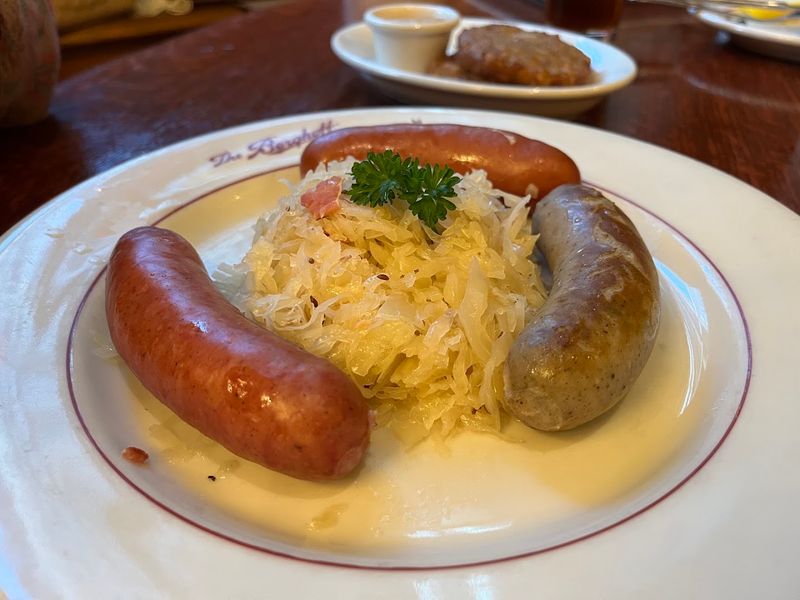
The menu at The Berghoff reads like a love letter to German culinary tradition, and it delivers on almost every front. The sausage trio, featuring bratwurst, knockwurst, and smoked Thuringer, arrives with warm potato salad and sauerkraut that is neither too sweet nor too sharp.
The bratwurst in particular has a satisfying snap and a clean, savory flavor that grocery store versions simply cannot replicate.
The Wiener Schnitzel, a pan-fried veal cutlet served with creamed spinach over spaetzle, is one of the most popular dishes on the menu, and it earns that reputation. The spaetzle alone is worth the trip, soft and buttery with just enough chew to feel substantial.
The German-style gnocchi, filled with cheese and sausage, surprises first-timers with its richness.
Beyond the savory plates, the Viennese apple strudel is a genuine standout. The pastry is thin and crispy, the apple filling is generous, and it arrives with a scoop of ice cream.
At around $11, it is one of the best dessert values in downtown Chicago. Asking your server to warm it up first is a tip worth following every single time.
The Adams Street Brewery Connection and House-Made Root Beer
Herman Berghoff did not just open a restaurant in 1898. He built his business around his family’s brewing tradition, and that connection to craft beverages has never gone away.
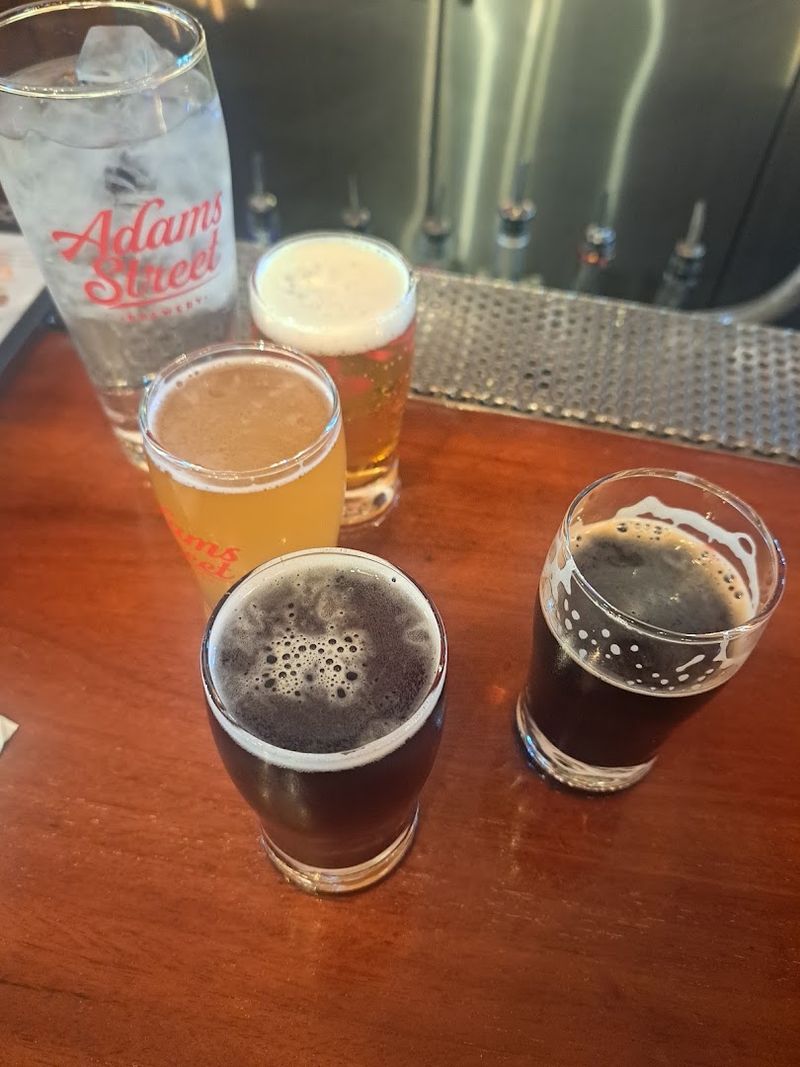
Today, The Berghoff operates the Adams Street Brewery right next door, producing house-made beers that pair naturally with the German-focused menu.
For those who prefer something non-carbonated or simply want to skip the hops, the restaurant’s homemade root beer is a genuinely special offering. It has been a Berghoff signature since the very beginning, and it remains one of the most refreshing non-alcoholic options you can order in the entire building.
The flavor is rich, slightly sweet, and completely different from anything that comes out of a soda fountain.
The brewery space has its own distinct energy, a bit more casual than the main dining room, and it draws a lively crowd on weekend afternoons. The beer flight, featuring four six-ounce pours, gives curious visitors a solid tour of what the brewery produces.
Whether you are there for the history, the food, or the craft beverages, the Adams Street Brewery adds a layer to the experience that makes The Berghoff feel like more than just a restaurant.
Service, Staff, and the Feeling of Being a Regular on Your First Visit
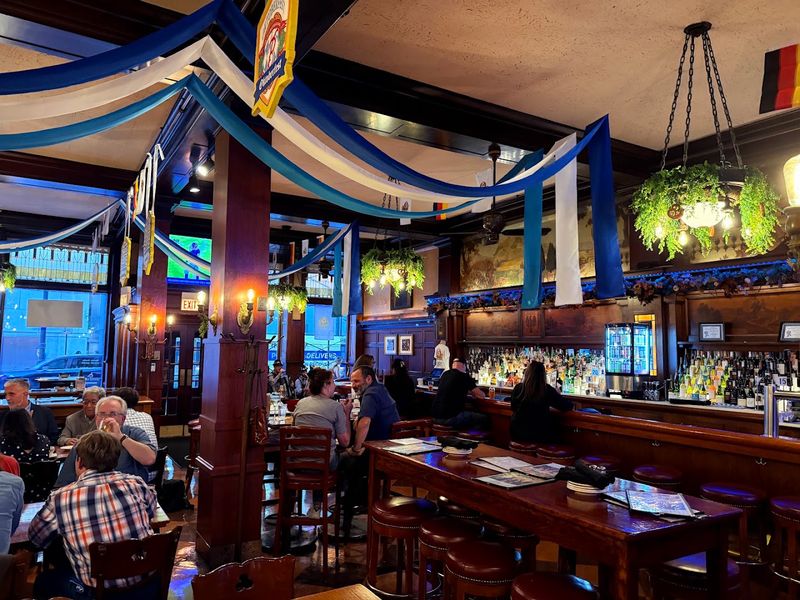
One of the most consistent things guests mention about The Berghoff is the service. The staff carries a warmth that feels earned rather than performed.
Servers remember details, move efficiently through a full dining room, and have a way of making first-time visitors feel like they have been coming in for years.
The restaurant seats a significant number of guests across its different rooms, including a main dining room that fills up quickly on weekends and a separate space that can be closed off for private parties. Despite the volume of covers the kitchen handles each day, the attentiveness rarely slips.
Reservations help considerably, with waits dropping to under ten minutes for those who book ahead.
There are occasional hiccups, as any honest account would acknowledge. A busy kitchen on a packed Friday evening can stretch wait times, and a few guests have noted that their server did not check back mid-meal.
Those experiences are the exception rather than the rule, and the management is clearly responsive, addressing feedback directly and working to correct issues. For a restaurant serving this many people with this much history behind it, the overall consistency of the hospitality is genuinely impressive.
Visiting During the Holiday Season and Special Occasions
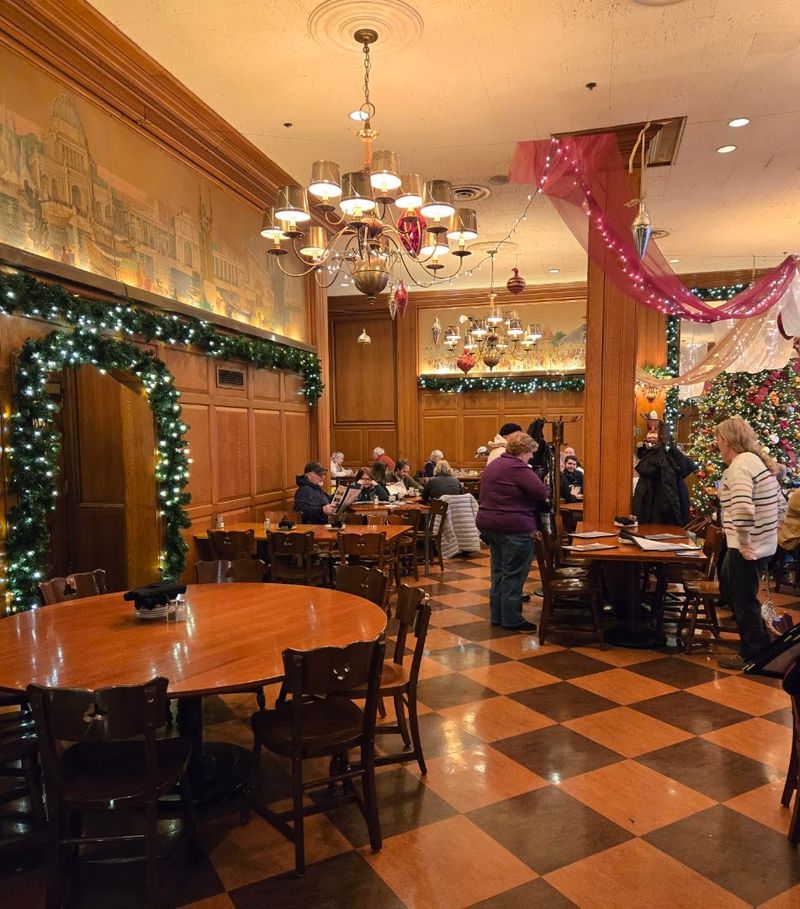
The Berghoff during the Christmas season is a different experience entirely. The already warm dining room gets layered with holiday decorations that complement the golden artwork and dark woodwork rather than competing with it.
The effect is genuinely beautiful, and guests who time their visit to coincide with the holiday period often describe it as one of the most atmospheric restaurants they have ever visited.
The restaurant has become a natural gathering spot for celebrations of all kinds. Date nights, family reunions, pre-theater dinners, and solo meals all happen here with equal regularity.
The proximity to the CIBC Theater and other downtown venues makes it a popular stop before evening shows, though diners heading to a performance should factor in some buffer time and communicate their timeline to the server at the start of the meal.
For visitors who want the full experience, arriving at Christmas with a reservation is the golden combination. The parking garage on Adams Street offers validated parking through the restaurant, running roughly $17 for about 90 minutes, which takes one more logistical headache off the table.
The Berghoff handles special occasions with a kind of practiced grace that only comes from doing it for 127 years.
Why The Berghoff Remains a True Chicago Institution After 127 Years
Some restaurants stay open for a long time because they are famous. The Berghoff stays open because it is good, and that distinction matters.
The food is consistent, the room is genuinely beautiful, the history is real, and the prices are reasonable for downtown Chicago. A full German meal with an appetizer and dessert rarely feels like an overpriced tourist trap, which is a genuine achievement on Adams Street.
The restaurant came close to closing in the mid-2000s when the Berghoff family briefly considered ending operations. The public response was immediate and emotional, with longtime guests rallying around a place that had been part of their lives for decades.
The family ultimately decided to keep it open, a decision that has been celebrated every year since.
The Berghoff is the kind of place that earns a spot in a city’s identity not through marketing but through longevity and genuine quality. It has fed business lunches, anniversary dinners, solo travelers, and multi-generational family gatherings without losing its character.
Chicago has thousands of restaurants, but only one that has been holding down the same corner since 1898 with the city’s first post-Prohibition liquor license on the wall to prove it.
Share this story