Tucked into the southern tip of Illinois, Shawnee National Forest is a jaw-dropping surprise that most people outside the state never see coming. Stretching across nearly 280,000 acres, it packs in sandstone cliffs, ancient swamps, roaring waterfalls, and some of the best hiking trails in the Midwest.
Whether you love a tough trail challenge or just want a peaceful picnic by a lake, this forest has something for everyone. Pack your boots and your sense of adventure because these ten spots inside Shawnee National Forest are absolutely worth the trip.
Garden of the Gods Recreation Area
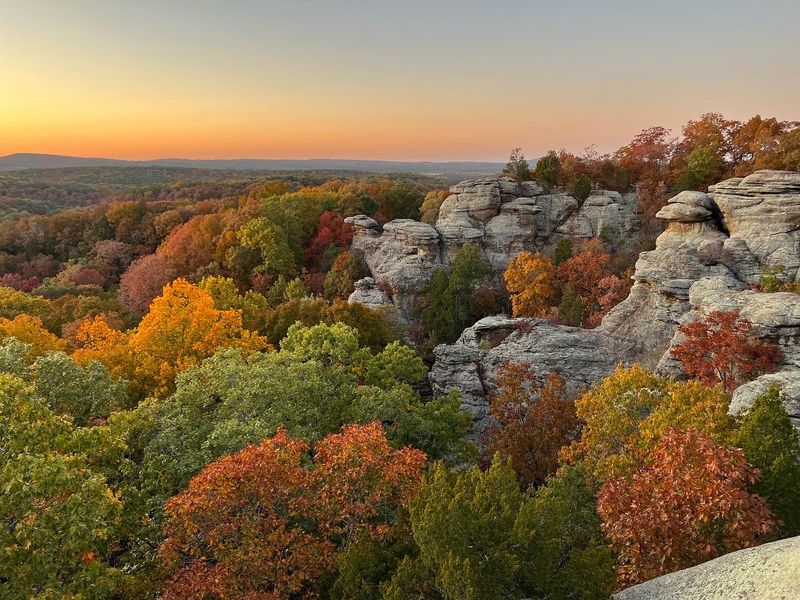
Standing on the edge of Camel Rock and staring out at miles of forested hills feels like stumbling onto a movie set. Garden of the Gods is the crown jewel of Shawnee National Forest, and it earns that title every single day.
The sandstone formations here have been sculpted by wind and water for hundreds of millions of years, and the results are genuinely mind-blowing.
The Observation Trail is short and easy, making it a great option for families with younger kids or anyone who just wants the views without a brutal climb. Camel Rock, Anvil Rock, and Mushroom Rock are the stars of the show, and every angle offers a new photo opportunity.
Fall foliage turns this place into something almost unreal, with fiery reds and oranges stretching as far as the eye can see.
Sunrise visits are highly recommended because the golden light hits the sandstone in a way that looks almost painted. The area gets busy on weekends, so arriving early is a smart move.
Camping is available nearby, so you can wake up right in the middle of all this natural beauty. This is the spot that converts non-hikers into hikers.
Bell Smith Springs Recreation Area
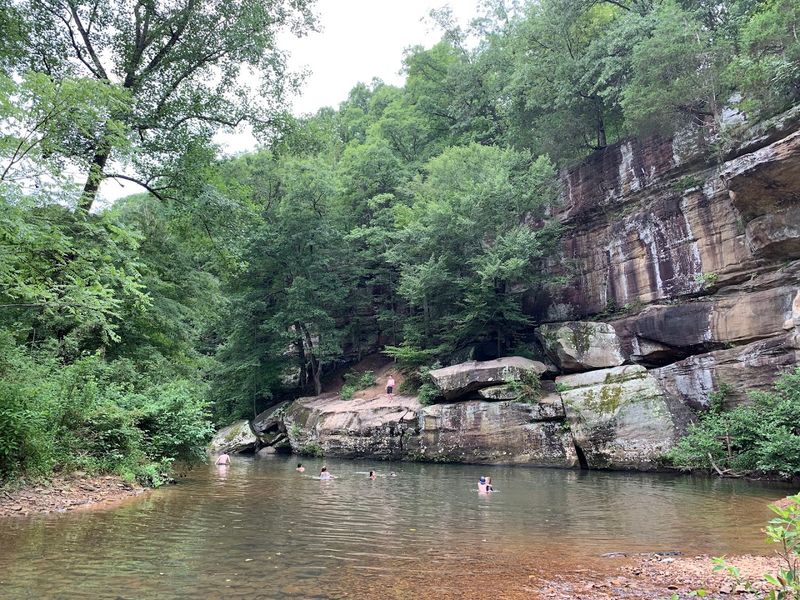
Somewhere between a swimming hole and a geology textbook, Bell Smith Springs manages to be both wildly fun and genuinely fascinating. Hidden in the hills near Ozark, Illinois, this recreation area features crystal-clear streams, sandstone canyons, and one of the largest natural stone arches found anywhere in the forest.
The water is so clear you can watch fish darting between the rocks below your feet.
Trails here range from casual strolls along the creek to more demanding routes that take you up canyon walls and through narrow passages. The swimming holes are a massive draw during summer, and the cool water is a welcome reward after a warm hike.
Waterfalls pop up throughout the area, especially after a good rain, turning the whole landscape into something from a nature documentary.
The natural bridge is the undisputed highlight, a massive sandstone span that arches gracefully over the forest floor. Getting there requires a short hike, but the payoff is absolutely worth the effort.
Bird watchers will also have a field day here, as the varied terrain attracts an impressive range of species. Pack a lunch, wear sturdy shoes, and plan to spend the whole day exploring every corner.
Little Grand Canyon Trail
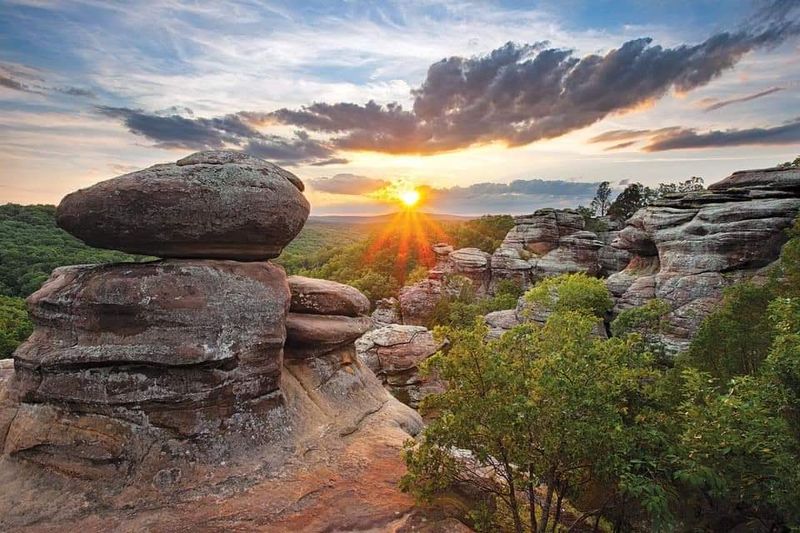
Calling it the “Little” Grand Canyon is a bit of an understatement once you are actually standing inside it. This trail near Pomona, Illinois is widely considered the most challenging hike in Shawnee National Forest, and experienced hikers treat it like a badge of honor.
The loop descends sharply into a deep canyon carved by centuries of erosion, and the scale of it genuinely catches first-timers off guard.
Towering sandstone walls rise on both sides of the trail, creating a dramatic corridor that feels remote and ancient. Seasonal waterfalls appear after heavy rain, tumbling down the rock faces and filling the canyon with a satisfying roar.
The overlooks at the top of the loop offer sweeping views across miles of forested southern Illinois, and during fall foliage season, the colors are absolutely spectacular.
The trail is about three miles long with significant elevation changes, so trekking poles and proper footwear are a smart investment. Muddy conditions after rain can make sections tricky, so checking the weather beforehand is always a good idea.
The effort pays off tenfold, especially for those chasing views that feel genuinely earned. This trail has a way of making you feel very small in the best possible way.
Pomona Natural Bridge
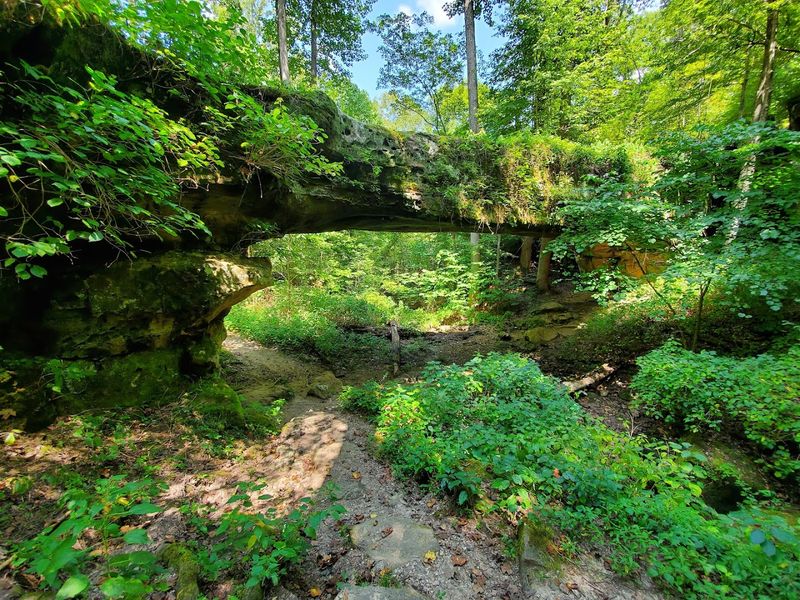
Ninety feet of solid sandstone arching through the air sounds like something you would find out west, not in southern Illinois. Pomona Natural Bridge is one of the most impressive geological features in the entire state, and the best part is that reaching it requires only a short, relatively easy hike.
Even casual walkers can experience this ancient wonder without too much sweat involved.
The bridge was formed over thousands of years as softer rock eroded away beneath a more resistant sandstone layer. The result is a graceful natural arch that frames the forest behind it like a living picture.
Standing underneath and looking up gives you a sense of just how powerful and patient nature really is.
The trail to the bridge is well-marked and family-friendly, making it a popular stop for visitors exploring the Pomona area. Combining this hike with the Little Grand Canyon Trail nearby makes for a full and rewarding day outdoors.
Photography enthusiasts will want to visit during morning hours when soft light filters through the trees and highlights the warm tones of the sandstone. There is no entrance fee, which makes this one of the best free natural attractions in all of Illinois.
Bring water and enjoy the quiet.
Burden Falls Wilderness
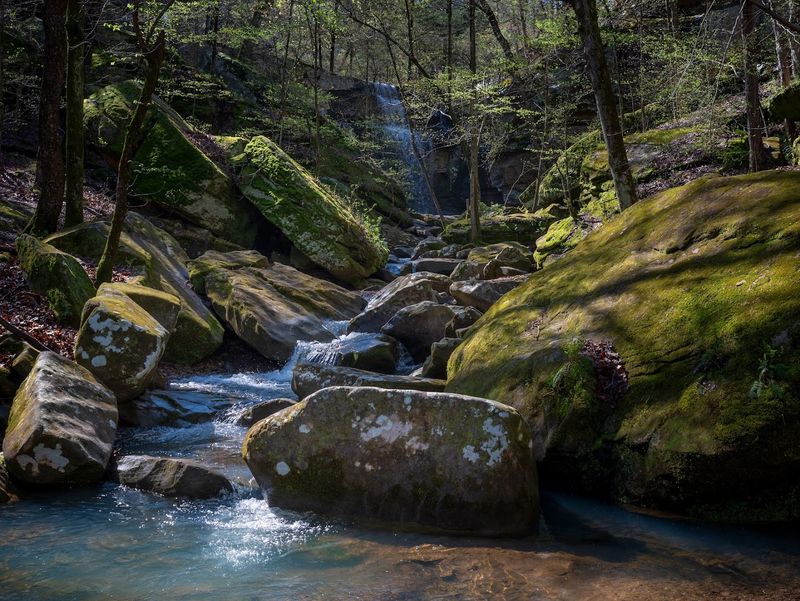
After a heavy rain, Burden Falls becomes one of the loudest and most dramatic sights in all of southern Illinois. Tucked inside the Burden Falls Wilderness in Pope County, this waterfall drops over a wide sandstone ledge and fills the surrounding forest with a steady roar that you can hear well before you see it.
Rainy seasons are genuinely the best time to visit if you want the full experience.
The wilderness area surrounding the falls is rugged and largely undeveloped, which means the trails here feel more like backcountry adventures than casual nature walks. Hikers who enjoy solitude will absolutely love the fact that crowds are much smaller here compared to more famous spots like Garden of the Gods.
Wildlife sightings, including deer, wild turkey, and various bird species, are common throughout the area.
Getting to the falls involves a short but somewhat uneven hike, so solid footwear is a must. The overlooks above the falls offer a great perspective on the surrounding wilderness, especially when the canopy is full and green in late spring.
Autumn visits reveal a completely different kind of beauty, with the waterfall framed by brilliant fall colors. Burden Falls is the kind of hidden gem that rewards those willing to venture slightly off the beaten path.
Rim Rock National Recreation Trail
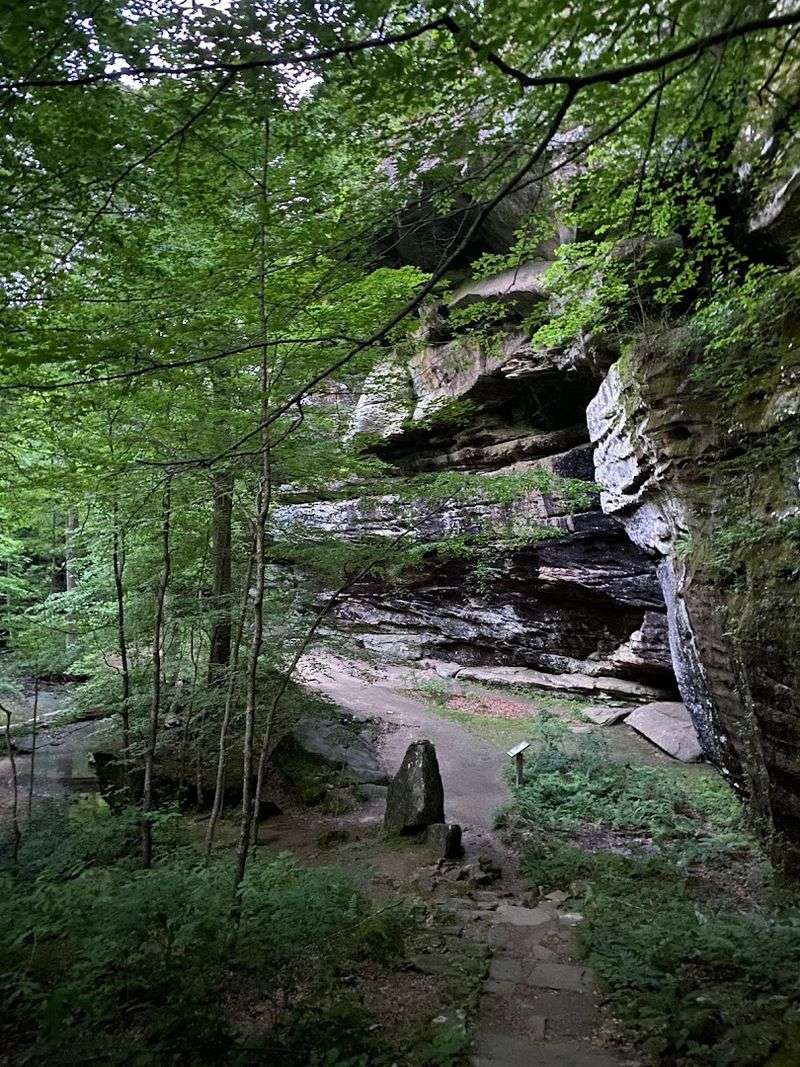
Few trails in Illinois pack as much visual drama into such a short distance as the Rim Rock National Recreation Trail. Located near Harrisburg, this path winds beneath massive sandstone cliffs, squeezes through narrow rock passages, and opens up onto overlooks with sweeping views of the surrounding forest.
The whole loop is only about a mile long, but it feels like a journey through a completely different world.
History adds an extra layer of interest here. The trail passes through areas developed by the Civilian Conservation Corps during the 1930s, and remnants of their stonework can still be spotted along the route.
Knowing that workers during the Great Depression helped shape this landscape gives the hike a meaningful and grounding context that most outdoor trails simply do not offer.
The sandstone cliffs that tower above the trail are genuinely impressive, with layers of rock that tell a geological story stretching back hundreds of millions of years. Spring wildflowers bloom along the path in April and May, adding bursts of color to an already beautiful setting.
The trail is accessible for most fitness levels, and the short distance makes it easy to combine with nearby attractions. Rim Rock is proof that sometimes the best adventures come in small packages.
Pounds Hollow Recreation Area
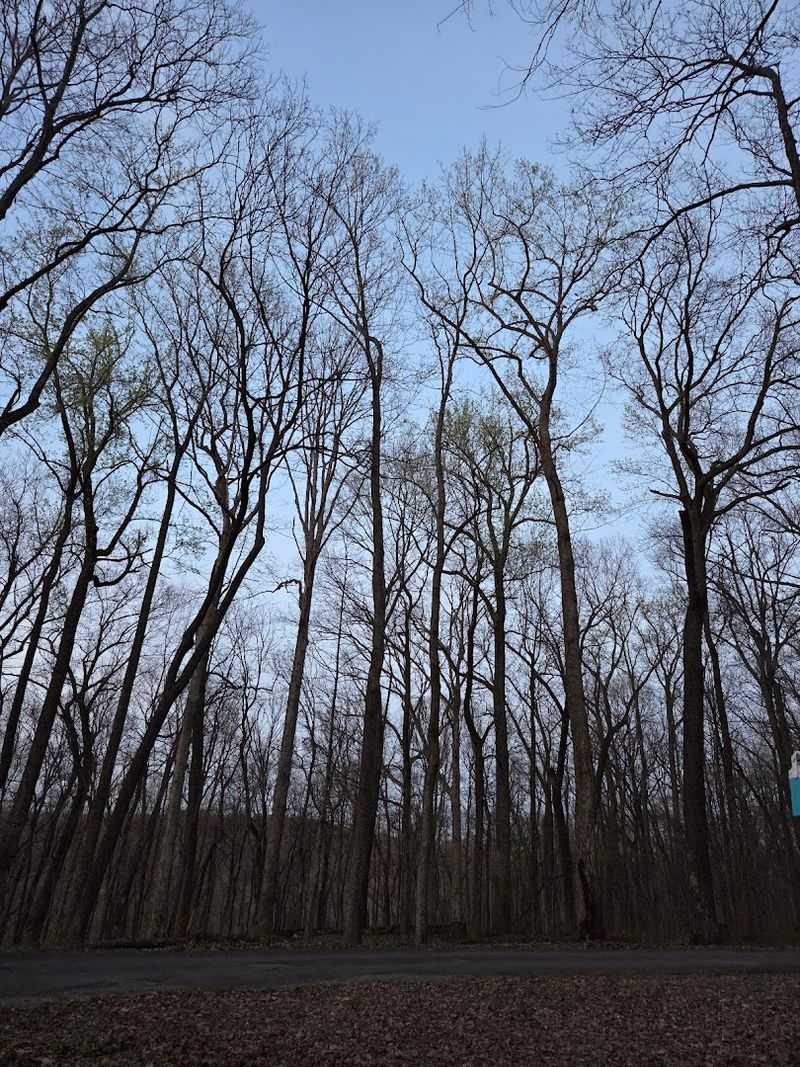
Not every great outdoor experience has to involve steep climbs and rugged terrain. Pounds Hollow Recreation Area near Harrisburg is the kind of place that reminds you how good it feels to simply sit by the water and breathe.
The centerpiece is a peaceful lake tucked into the forest, perfect for swimming, fishing, kayaking, and just floating around without a care in the world.
The campground here is well-maintained and popular with families, offering a comfortable base for exploring nearby attractions like Garden of the Gods, which is just a short drive away. Picnic tables are scattered throughout the area, and the shaded spots near the water fill up fast on warm summer weekends.
Arriving early or booking ahead is a solid strategy during peak season.
Fishing enthusiasts will find the lake stocked and ready, while paddlers can rent kayaks and canoes to explore the calm water at their own pace. The surrounding forest trails are gentle and great for morning walks before the day heats up.
Kids love the sandy beach area near the swimming zone, and parents love how easy it is to keep an eye on everyone. Pounds Hollow is genuinely one of the most complete and relaxing family destinations in the entire Shawnee National Forest.
Jackson Falls
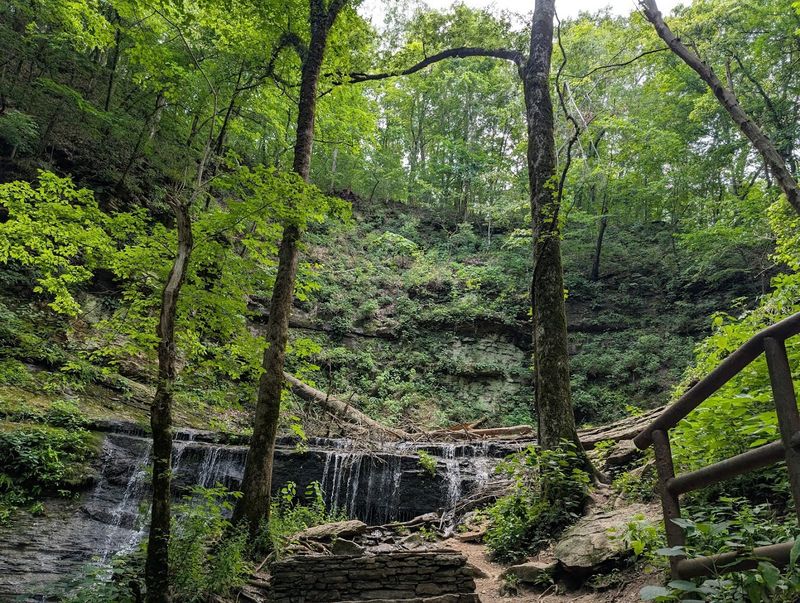
Rock climbers from across the Midwest have quietly known about Jackson Falls for years, treating it like a well-guarded secret worth protecting. Located near Simpson, Illinois, this spot features some of the most impressive sandstone cliffs in the entire forest, with overhanging walls that attract serious climbers of all skill levels.
The cliffs rise dramatically above a canyon floor threaded with quiet hiking trails.
Even if climbing is nowhere near your skill set, Jackson Falls is absolutely worth a visit just for the scenery. A waterfall drops gracefully through the canyon, and the sound of it echoing off the sandstone walls creates an atmosphere that feels genuinely magical.
The hiking trails are manageable and lead you right alongside the water, offering up-close views of the falls at various points.
Wildlife is abundant in the canyon, and patient visitors sometimes spot herons wading in the shallow stream below the falls. The area is less crowded than Garden of the Gods, which means you often get the whole place practically to yourself on weekdays.
Autumn is a spectacular time to visit, when the canyon walls are framed by brilliant fall color. Whether you come to climb, hike, or simply sit and listen to the waterfall, Jackson Falls delivers something genuinely special every single time.
Cache River State Natural Area
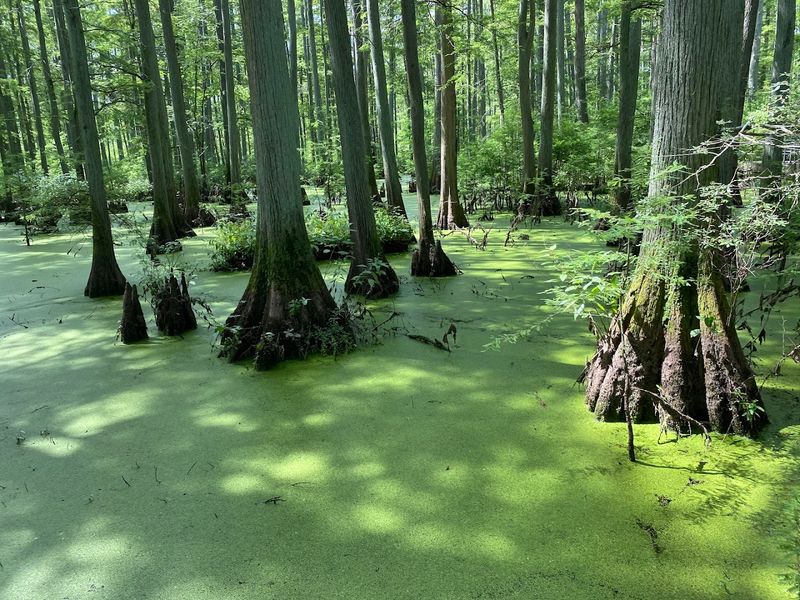
Some trees standing in the Cache River swamps were already ancient when the pyramids of Egypt were being built. Cache River State Natural Area, located just outside the main boundaries of Shawnee National Forest near Cypress, Illinois, protects one of the oldest ecosystems in North America.
Walking the boardwalks here feels less like a nature hike and more like stepping into a prehistoric world.
Bald cypress and tupelo trees rise from the dark, still water, their massive trunks flaring out at the base in dramatic fashion. Some of these trees are estimated to be over 1,000 years old, which puts even the oldest human-made structures in the region to shame.
The whole area has a moody, atmospheric quality that photographers absolutely cannot resist.
The boardwalk trails are accessible and well-maintained, making this a great option for visitors who want a memorable experience without demanding physical effort. Birds are everywhere, and the area is recognized as an important stopover for migratory species, making it a dream destination for birding enthusiasts.
Dawn visits in spring are particularly rewarding when the swamp comes alive with bird calls and mist rising off the water. Cache River is the kind of place that makes you feel genuinely lucky to live on the same planet as these ancient trees.
River to River Trail
Connecting two of America’s greatest rivers with 160 miles of trail sounds ambitious, and that is exactly what the River to River Trail delivers. Stretching across the full width of southern Illinois, this iconic long-distance route links the Mississippi River to the Ohio River while passing through some of the most varied and stunning landscapes in the entire state.
Thru-hikers, section hikers, and weekend warriors all find something to love here.
The trail winds through many of Shawnee National Forest’s best-known areas, including Garden of the Gods, Bell Smith Springs, and the Burden Falls Wilderness. Along the way, hikers cross creeks, climb sandstone bluffs, pass through quiet hardwood forests, and stumble onto overlooks that stop you mid-stride.
The variety of terrain keeps the experience fresh even over multiple days of hiking.
Completing the entire trail is a serious multi-day undertaking that requires solid planning, resupply stops, and reliable navigation skills. However, shorter sections are easily accessible for day hikers who want a taste of the experience without committing to the full journey.
Trail conditions vary by season, with spring and fall generally offering the most pleasant weather. The River to River Trail is a genuine adventure that showcases southern Illinois at its absolute finest, mile after memorable mile.
Share this story