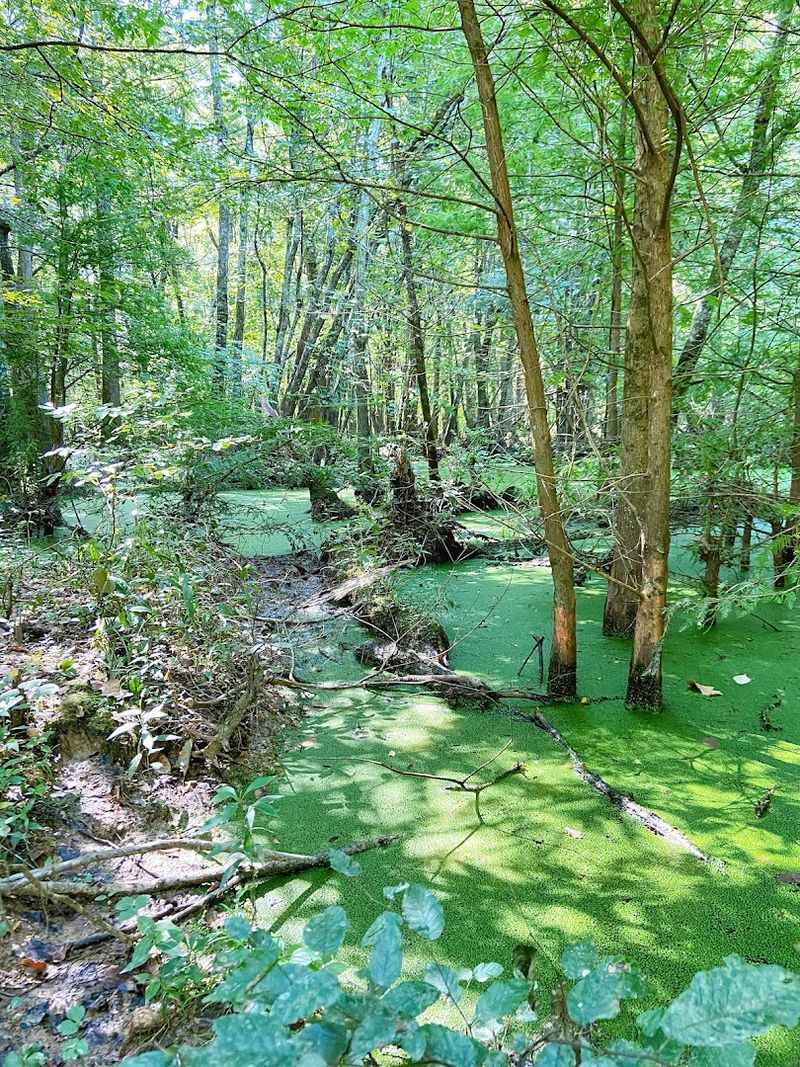
Deep in the southernmost tip of Illinois, there is a place that most people have never heard of, and that is exactly what makes it so extraordinary. Ancient bald cypress trees rise from dark, still water, their knobby roots poking up from the surface like something out of a prehistoric world.
A wooden boardwalk winds through a flooded forest that feels more like Louisiana bayou country than the American Midwest. I had no idea a place like this existed in Illinois, and after visiting Cache River State Natural Area, I can honestly say it is one of the most jaw-dropping natural spots I have ever set foot in.
This article covers everything you need to know before you go, from the ancient trees and wildlife to trail tips and the best times to visit.
Where Exactly You Will Find This Hidden Swamp
Cache River State Natural Area sits at 930 Sunflower Lane, Belknap, Illinois 62908, tucked into Johnson County in the far southern tip of the state. This is not the kind of place you stumble across on a road trip, and honestly, that is part of its charm.
The preserve is managed by the Illinois Department of Natural Resources and can be reached by calling +1 618-657-2064 or by visiting the official site at dnr.illinois.gov. The visitor center is open Wednesday through Saturday from 9 AM to 4 PM, and also on Sundays from 9 AM to 4 PM.
It is closed on Mondays and Tuesdays, so plan your trip around those hours.
One important tip before heading out: do not rely solely on the main Google Maps pin for the parking area closest to the boardwalk. Instead, search specifically for the Todd Fink Heron Pond Trail to get to the right starting point.
The surrounding landscape, with its winding country roads and dense tree canopy, makes the drive itself feel like the beginning of a real adventure.
The Ancient Cypress Trees That Started It All
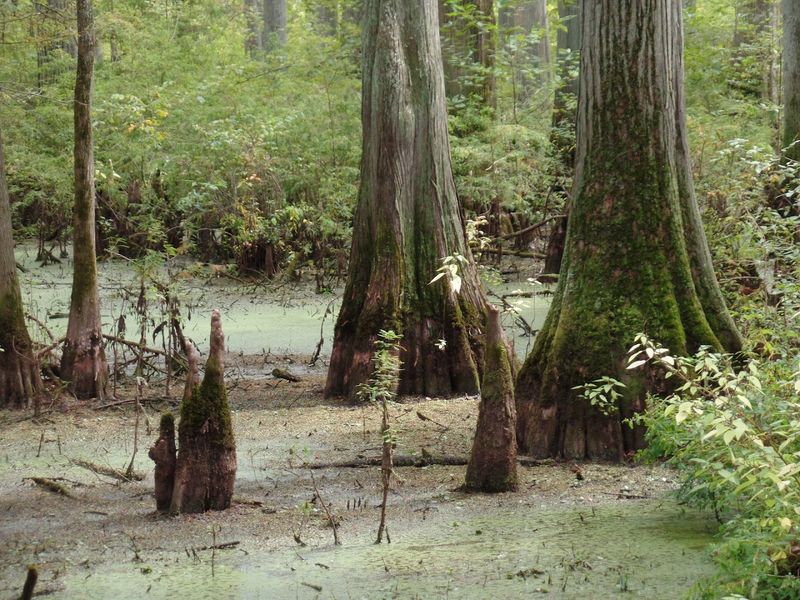
Some of the bald cypress trees standing in this preserve are believed to be over 1,000 years old, making them among the oldest living trees in the entire eastern United States. That is not a typo.
These trees were already centuries old when European explorers first set foot on American soil.
The bald cypress is a remarkable species. Unlike most conifers, it sheds its needles each fall, earning its name.
Its root structures, called cypress knees, jut up from the waterlogged ground in all directions, creating a surreal, otherworldly forest floor that looks like it belongs in a fantasy novel.
One certified state champion tree within the preserve measures over 22.5 feet in circumference, with a canopy stretching roughly 100 feet wide. The sheer scale of these trees is something photographs simply cannot capture.
You have to stand next to one, look up, and feel genuinely small to understand what 1,000 years of growth actually looks like. These trees were here long before Illinois was even a thought.
The Boardwalk at Heron Pond and Why It Feels Magical
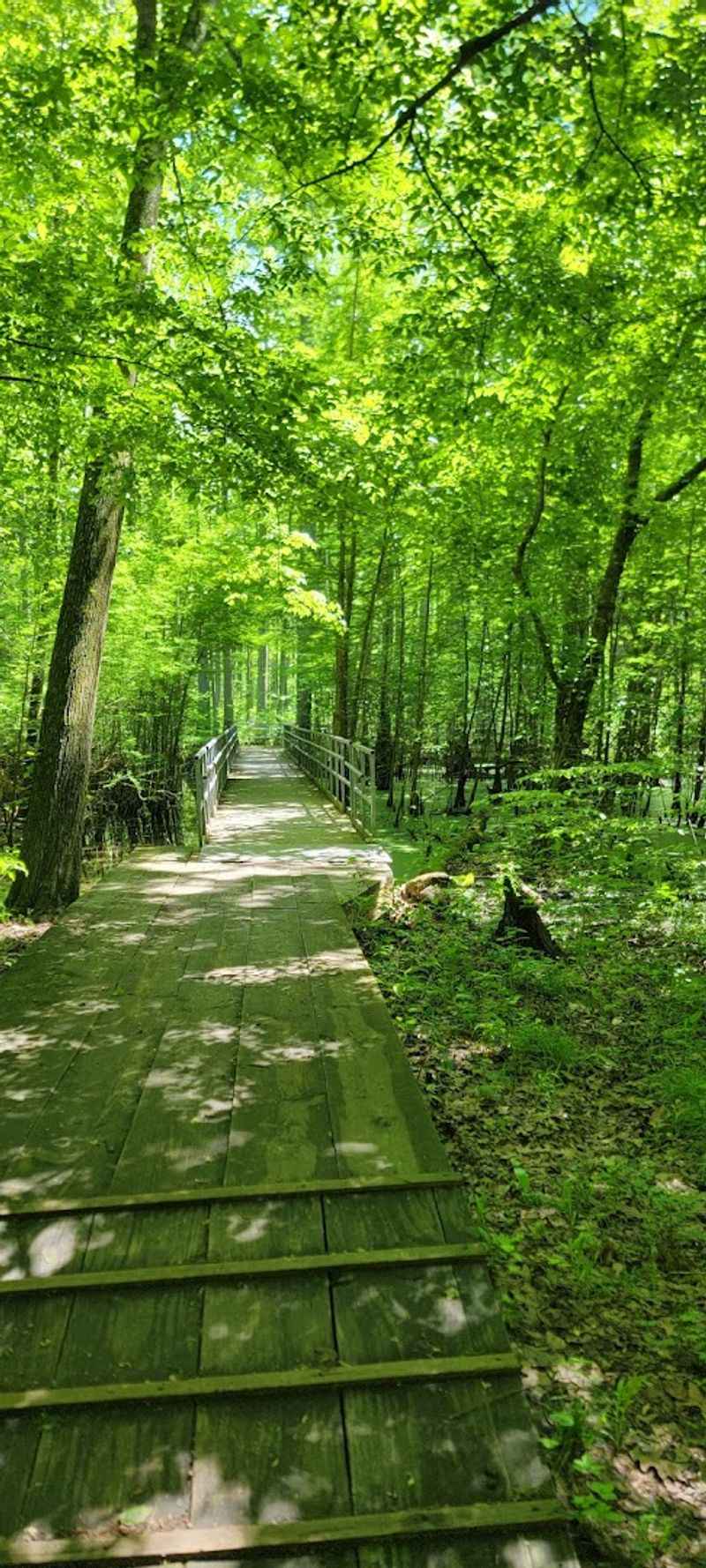
Heron Pond is the crown jewel of Cache River State Natural Area, and the boardwalk that crosses it is unlike anything else in the state. The wooden planks stretch out over still, dark water, weaving between cypress trunks that rise like ancient columns from the surface below.
The boardwalk is well-maintained and easy to walk, even for people who are not regular hikers. Benches are placed at key scenic points, giving you a reason to pause, breathe, and actually absorb what you are seeing.
The stillness out there is the kind that makes you forget your phone exists.
Early mornings are particularly special on the boardwalk. The mist sits low over the water, the herons glide silently between the trees, and the only sounds are frogs, birds, and the occasional splash of something slipping beneath the surface.
The whole experience has a quiet, almost dreamlike quality to it. A half-mile extension past the boardwalk leads to the champion cypress tree, so keep walking after you cross and you will be well rewarded for the extra effort.
The Northernmost Bayou in the Americas
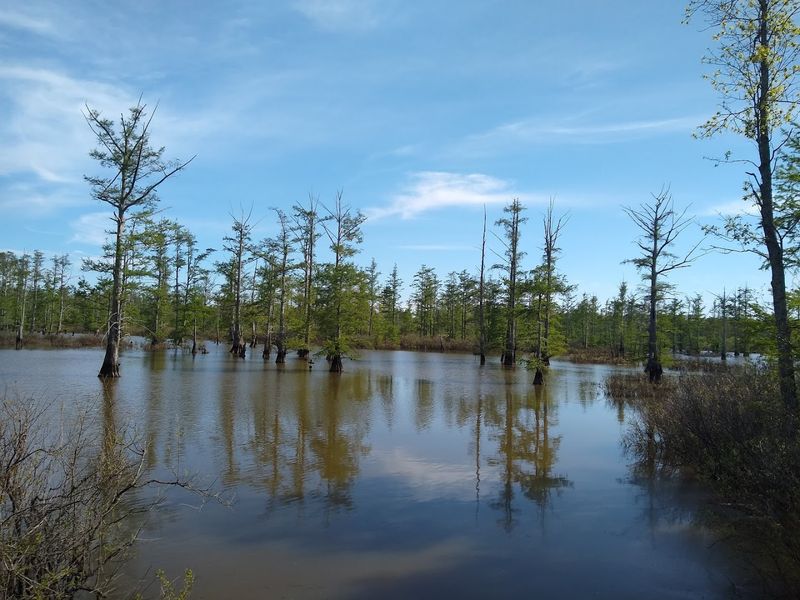
One of the most surprising facts about this preserve is that it contains what is recognized as the northernmost bayou in the entire Western Hemisphere. Yes, you read that correctly.
A genuine bayou ecosystem, complete with bald cypress, tupelo gum trees, and swamp-adapted wildlife, exists in southern Illinois.
The Cache River watershed was designated a Wetland of International Importance under the Ramsar Convention, a global treaty focused on conserving wetland ecosystems. That designation puts this Illinois swamp in the same category as wetlands found across the world, which says a great deal about just how ecologically significant this place really is.
The visitor center does a wonderful job of explaining how this unique landscape came to be so far north of typical bayou territory. The combination of geography, hydrology, and climate created conditions that allowed a Southern-style ecosystem to thrive well above the Mason-Dixon line.
Spending time here genuinely feels like crossing into another region of the country entirely, and that contrast with the surrounding Illinois farmland makes it all the more striking.
Wildlife You Can Expect to Encounter on the Trails
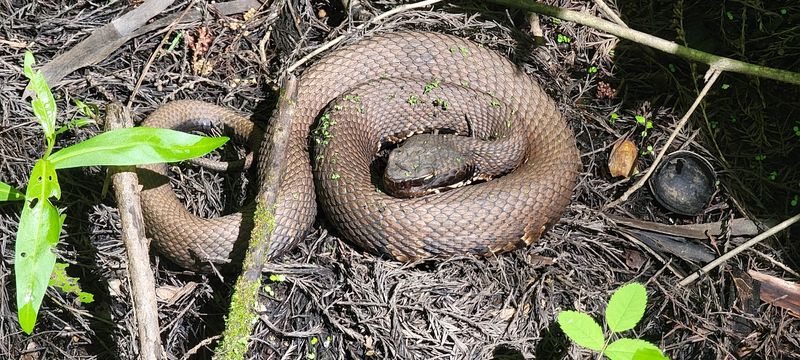
Cache River State Natural Area is a wildlife enthusiast’s playground. The trails pass through multiple distinct ecosystems, which means the variety of animals you might spot is genuinely impressive.
Great blue herons are practically a given, and the preserve’s name pays tribute to just how common these elegant birds are in the area.
Turtles bask on cypress knees and fallen logs. Salamanders hide beneath the leaf litter along the trail edges.
Various snake species patrol the paths, and while that might sound alarming, they are simply part of the ecosystem and will move along if you give them space. The rule here is simple: look, appreciate, and leave everything exactly as you found it.
Frogs are everywhere during the warmer months, filling the air with a constant, layered chorus that becomes the unofficial soundtrack of your hike. Waterfowl pass through during migration seasons, and birdwatchers regularly add new species to their lists here.
The biodiversity packed into this relatively compact preserve is staggering, and every trail section seems to offer something new to observe if you slow down and pay attention.
The Trail System and How to Navigate It
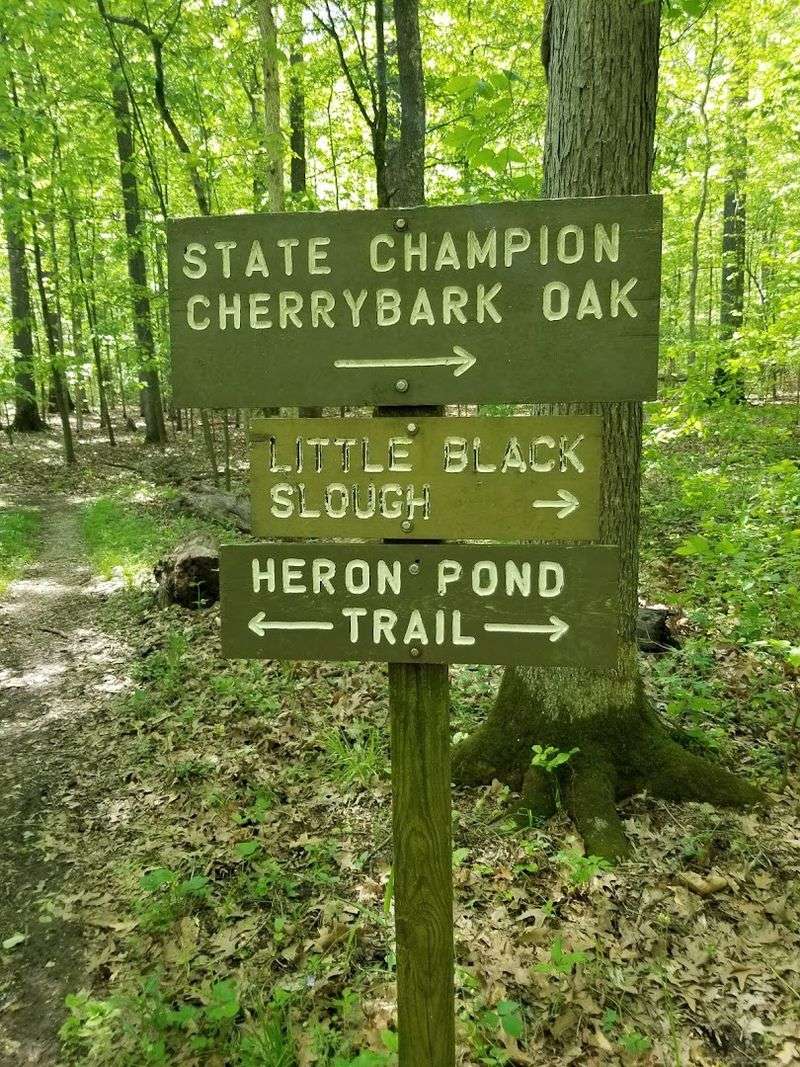
The trail network at Cache River State Natural Area covers a range of distances and terrain types, which means there is genuinely something for every fitness level. The Heron Pond Trail is the most popular and most visited, and it rewards hikers with the boardwalk experience and the champion cypress tree relatively early in the walk.
Beyond Heron Pond, the preserve branches into several other named trails, including the Little Black Slough Trail, Boss Island Trail, and Tupelo Trail. Each one passes through a noticeably different landscape.
The Tupelo Trail, for example, starts out looking like an ordinary woodland walk before opening dramatically onto a view of moss-covered rocks and a gorgeous tupelo slough that feels entirely unexpected.
Trail signage can be inconsistent in some sections, and a handful of visitors have reported difficulty finding the boardwalk when starting from the wrong parking area. The key is to use the Todd Fink Heron Pond Trail as your search term when navigating, and to download a trail map from the Illinois DNR website before you arrive.
Cell service in this area is not always reliable, so having that map saved offline is a genuinely smart move.
The Visitor Center and What You Will Learn There
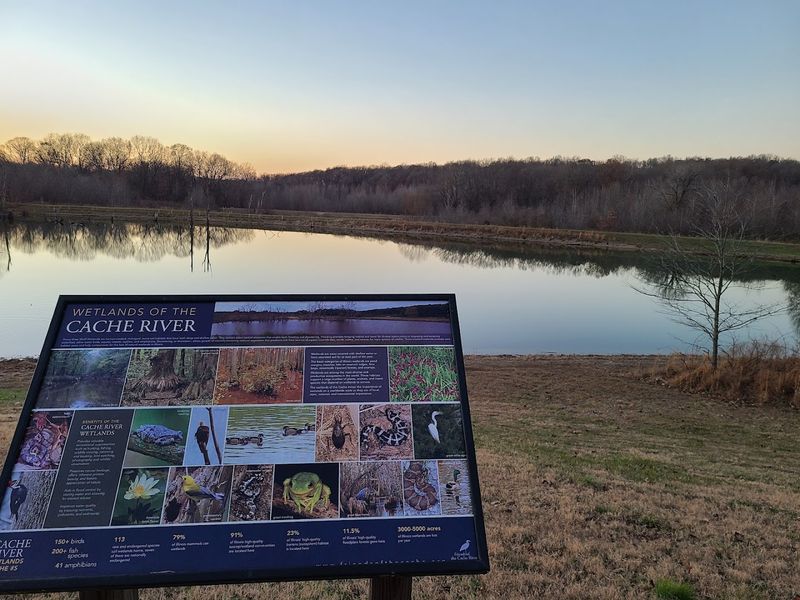
The visitor center at Cache River State Natural Area is a genuinely worthwhile stop before you head out on the trails. The staff there are knowledgeable, friendly, and clearly passionate about this ecosystem, and they can point you toward the best spots based on the current season and trail conditions.
Inside, educational displays cover the history of the Cache River watershed, the significance of the Ramsar wetland designation, and the ecology of bald cypress and tupelo swamps. There are exhibits on local wildlife, the geology of the region, and the conservation efforts that have helped restore and protect this remarkable landscape over the decades.
The center is open Wednesday through Sunday from 9 AM to 4 PM, so timing your arrival to include a stop there makes a lot of sense, especially if it is your first visit. Picking up a printed trail map at the desk can save you a lot of confusion once you are out among the trees.
The staff can also let you know about any trail closures or seasonal conditions that might affect your plans, which is exactly the kind of local knowledge that no app can fully replace.
Best Times of Year to Visit and What Each Season Offers
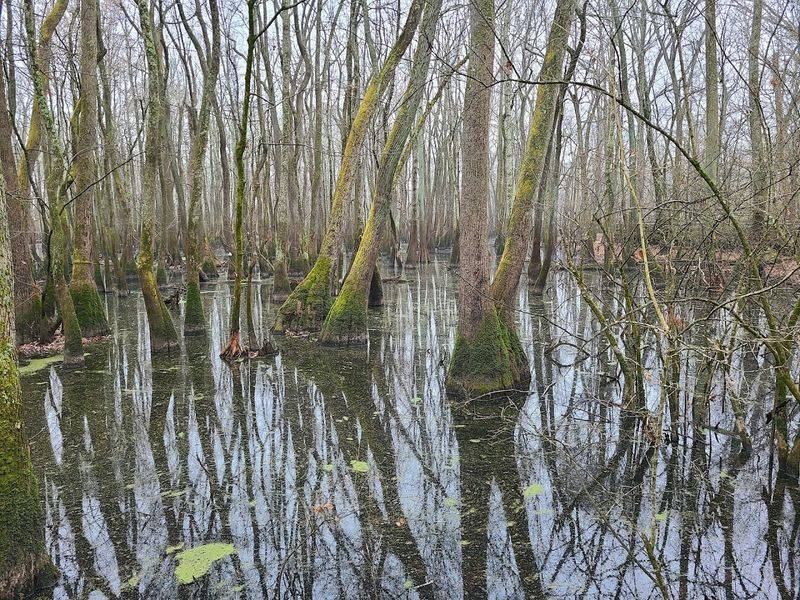
Every season at Cache River State Natural Area brings a completely different experience, and each one has its own appeal depending on what you are looking for. Spring is arguably the most lively, with migratory birds passing through, wildflowers blooming along the trail edges, and the swamp water levels often at their most dramatic and scenic.
Fall is a favorite for many visitors because the bald cypress trees turn a stunning burnt-orange color before dropping their needles, transforming the entire swamp into something that looks like a painting. The light in October and November hits the water at angles that make the whole preserve glow, and the mosquito population has mercifully thinned out by then.
Summer visits are absolutely possible but come with a trade-off: the greenery is at its most lush and the wildlife is incredibly active, but the mosquitoes are genuinely relentless. Bug spray is not optional in the warmer months, it is essentially required gear.
Winter visits offer a stripped-back, skeletal beauty, with bare cypress trunks reflected in glassy water and a silence that feels almost sacred. Whichever season you choose, this place will not disappoint if you come prepared.
Practical Tips That Will Save Your Visit
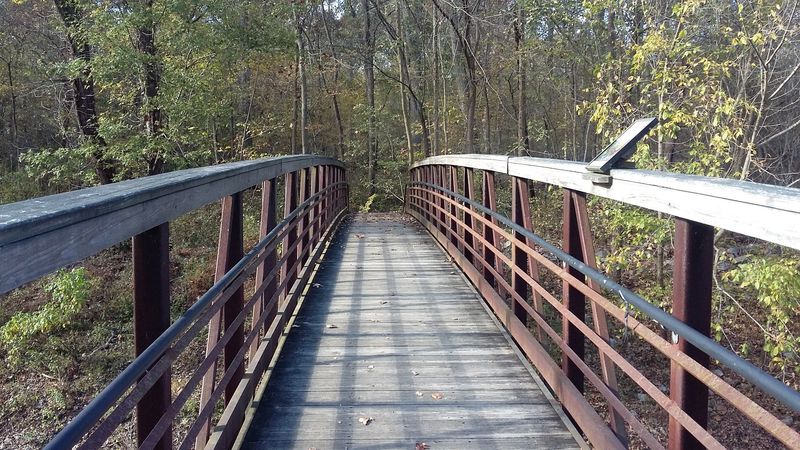
A few practical details can make the difference between a frustrating visit and an unforgettable one at Cache River State Natural Area. The most important tip, repeated by nearly every experienced visitor, is to bring bug spray.
In spring and summer, the mosquitoes here are not a minor inconvenience, they are a serious presence that will absolutely affect your enjoyment if you arrive unprepared.
Wear comfortable, closed-toe shoes with good grip. Parts of the trail can be muddy or wet, particularly near the boardwalk and along the lower-lying sections of the Heron Pond Trail.
Light, breathable clothing in warm months is a good call, and layers are helpful in spring and fall when morning temperatures can be significantly cooler than the afternoon.
Bring water and a snack, because the nearest town with services is not exactly around the corner. Download your trail map before leaving cell coverage, and give yourself more time than you think you will need.
Most visitors find that once they are out on the boardwalk, they want to linger far longer than originally planned. Also, arrive early to enjoy the trails before the midday heat sets in and the light is at its most beautiful on the water.
The Surrounding Landscape and How It Adds to the Experience
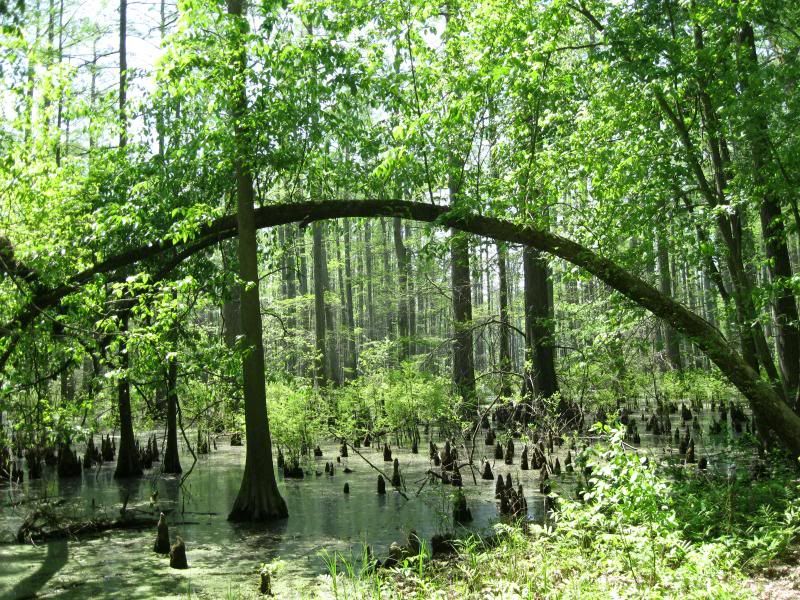
The drive to Cache River State Natural Area is part of the experience, and not in a frustrating way. The roads that wind through southern Illinois toward the preserve pass through small towns, rolling farmland, and stretches of dense forest that gradually deepen the further south you travel.
By the time you reach the preserve, the scenery has already shifted noticeably from the flat agricultural landscape of central Illinois.
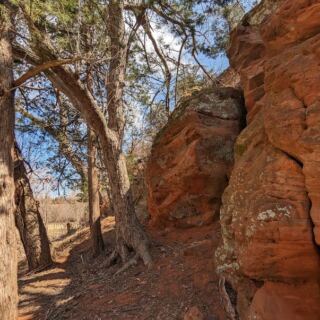
The region sits within the Shawnee Hills, a distinctive geological area sometimes called the Illinois Ozarks, known for its rugged terrain and high biodiversity. The Cache River itself meanders through a broad floodplain that has been shaped by thousands of years of seasonal flooding, creating the conditions that allow the cypress and tupelo forests to thrive.
This broader landscape context matters because it helps explain why the preserve feels so different from other Illinois state parks. The combination of Ozark uplands, cypress swamps, open sloughs, and bottomland forest within a single area creates a richness that is genuinely rare.
The Rails to Trails corridor from Harrisburg also connects to the preserve, giving cyclists and long-distance trail users another way to arrive and explore the region around it.
Why This Place Deserves Far More Visitors Than It Gets
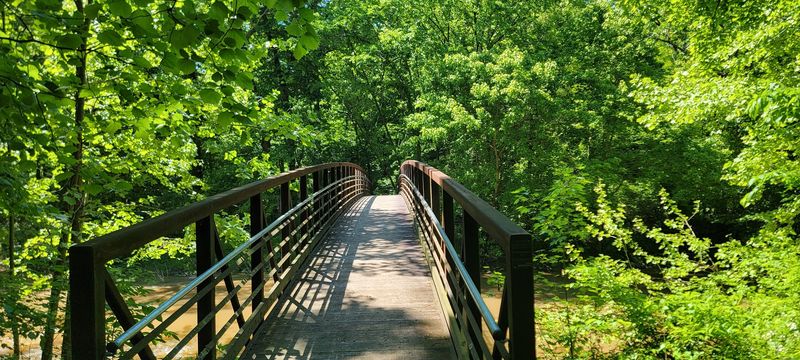
Cache River State Natural Area consistently earns five-star praise from the people who visit it, yet it remains far less crowded than other well-known natural areas in southern Illinois like Garden of the Gods or Giant City State Park. That gap between quality and recognition is genuinely puzzling once you have seen the place for yourself.
The trails are well-maintained and fully shaded, there are benches at the most scenic spots, and the overall experience is peaceful in a way that crowded parks simply cannot replicate. The absence of large crowds means you can stand on the boardwalk in near silence, listening to the frogs and birds without another hiker in sight.
Part of the low visitor count comes down to the preserve’s remote location and the occasional confusion around navigation, both of which are easily solved with a bit of preparation. Once you know where to park and which trail to follow, the experience is smooth and deeply rewarding.
This is the kind of place that earns a return visit, and then another after that. The fact that most people have never heard of it is both the preserve’s best-kept secret and its most underserved quality.
A Final Thought on What Makes This Place So Unforgettable
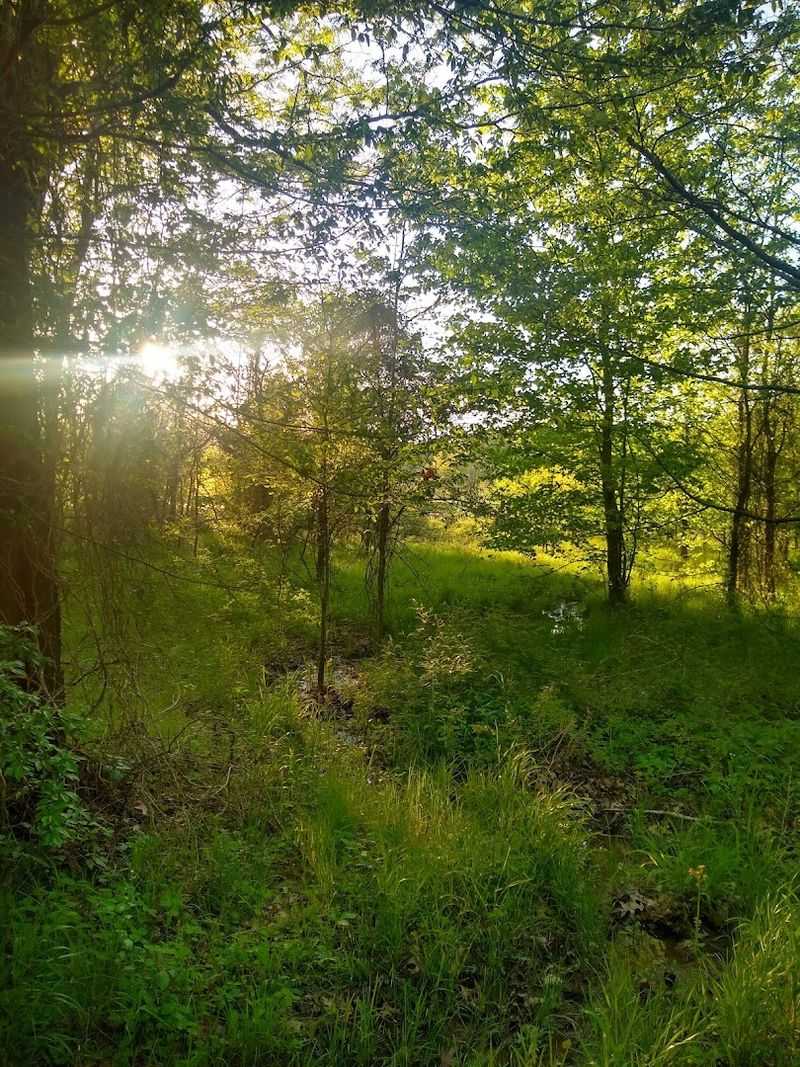
There is something about Cache River State Natural Area that stays with you long after you have driven back home. It is not just the ancient trees or the boardwalk or the wildlife, it is the cumulative effect of all of it together in one quiet, unhurried place that most of the world has never heard of.
Standing on that boardwalk, surrounded by trees that have been alive for a thousand years, with herons gliding overhead and frogs calling from every direction, you feel a rare kind of stillness. It is the kind of moment that reminds you why natural spaces matter and why protecting them is worth every effort.
Southern Illinois has a way of surprising people who assume the state is nothing but flat cornfields and city skylines. Cache River is the most convincing argument against that assumption I have ever personally encountered.
Whether you are a serious naturalist, a casual weekend hiker, or someone who simply wants to see something genuinely extraordinary without a crowd, this preserve delivers completely. Pack your bug spray, charge your camera, and give yourself a full day.
You will not regret a single step of it.
Share this story