 Unearth The Voyage
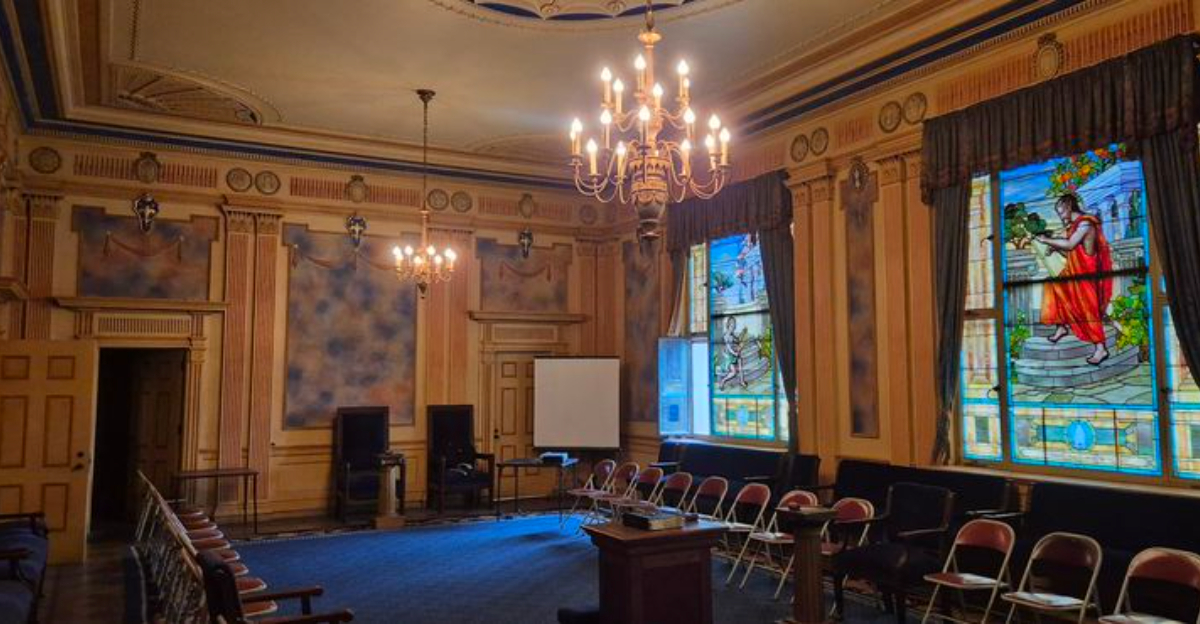
There is a building in a small Oklahoma town that most people drive right past without realizing what is hiding behind those stone walls. It holds over 300 rooms filled with marble, stained glass, rare artifacts, and nearly a century of fascinating stories.
The Temple of the Scottish Rite of Freemasonry in Guthrie is not just a historic landmark, it is one of the most awe-inspiring structures in the entire state, and it genuinely earns every bit of that reputation. I visited on a clear weekday morning and left with my jaw still somewhere on the floor, so keep reading because this place is worth every word.
The Address and Setting That Sets the Stage
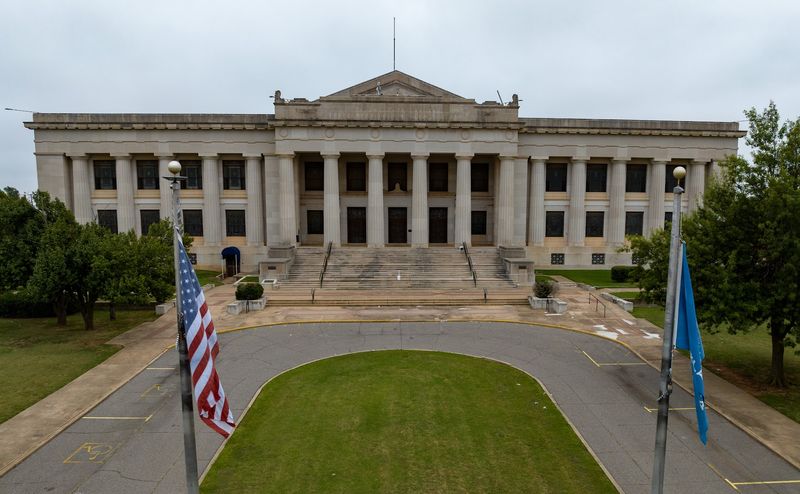
Right at 900 E Oklahoma Ave in Guthrie, OK 73044, this towering neoclassical structure announces itself with the kind of quiet confidence that only century-old stone can pull off. The building sits on a generous lot, framed by small gardens and wide open skies that make the whole scene feel almost theatrical.
Guthrie itself is a town with serious historical weight, having once served as the first capital of Oklahoma. That context matters when you approach this temple, because the city and the building share the same DNA of ambition and permanence.
The grounds are open to walkers in the mornings and evenings, and plenty of locals take advantage of that. I arrived just as the sun was climbing, and the light hitting the stone facade was the kind of thing that makes you reach for your phone before you even reach the front door.
The address is easy to find, and parking is straightforward. From the moment you pull your car into the lot, you get the distinct sense that whatever is inside is going to be worth the trip.
A Building Bigger Than Washington’s House of the Temple
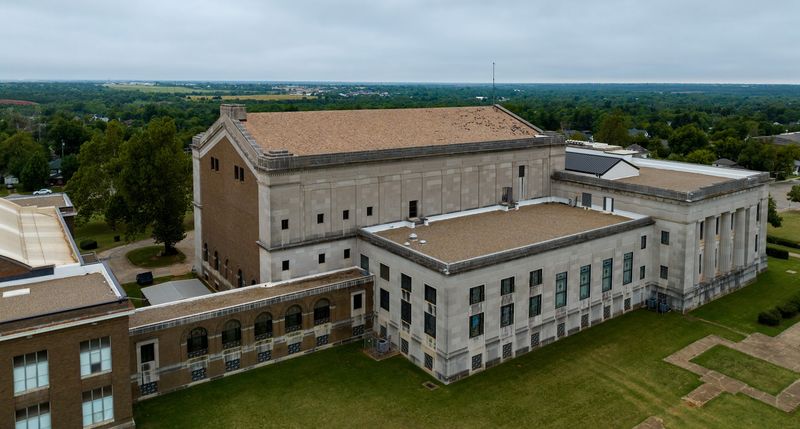
Most people assume that the most impressive Scottish Rite temple in the United States must be in a major city. The surprise is that the Guthrie temple is actually larger than the House of the Temple in Washington, D.C., which is saying something genuinely remarkable.
The building contains over 300 rooms, and each one has its own character, its own decor, and often its own purpose. You could spend an entire day exploring and still feel like you missed half of it.
The sheer scale is hard to process until you are standing inside a corridor that seems to stretch forever, with carved details at every turn. There is no single moment where the building feels repetitive or tired.
Construction began in the 1920s, and the craftsmanship reflects an era when builders took their time and used materials that were meant to last centuries. That commitment to quality is visible in every room, every ceiling, and every inch of flooring you walk across.
Stained Glass That Stops You Mid-Step
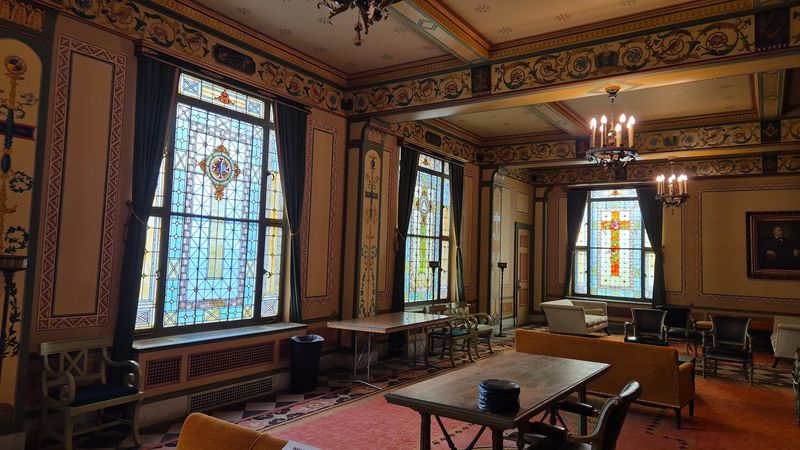
The stained glass windows in this temple are not decorative afterthoughts. They are full compositions, rich with color and symbolic detail, and they transform ordinary daylight into something that feels almost ceremonial.
Each window tells a story or represents a concept connected to Scottish Rite traditions. The craftsmanship is precise enough that you can stand in front of a single window for several minutes and keep finding new details you missed the first time.
I found myself stopping mid-stride more than once, simply because the light coming through a particular panel landed on the marble floor in a way that felt deliberate and almost planned. The effect is genuinely stunning.
For photography enthusiasts, the windows alone justify the visit. Morning light tends to bring out the warmest tones, so arriving early on a Tuesday, Wednesday, or Thursday when the temple is open from 9 AM to 3 PM gives you the best conditions.
These windows are the kind of thing you remember long after the rest of the details start to blur.
Marble From Around the World Underfoot
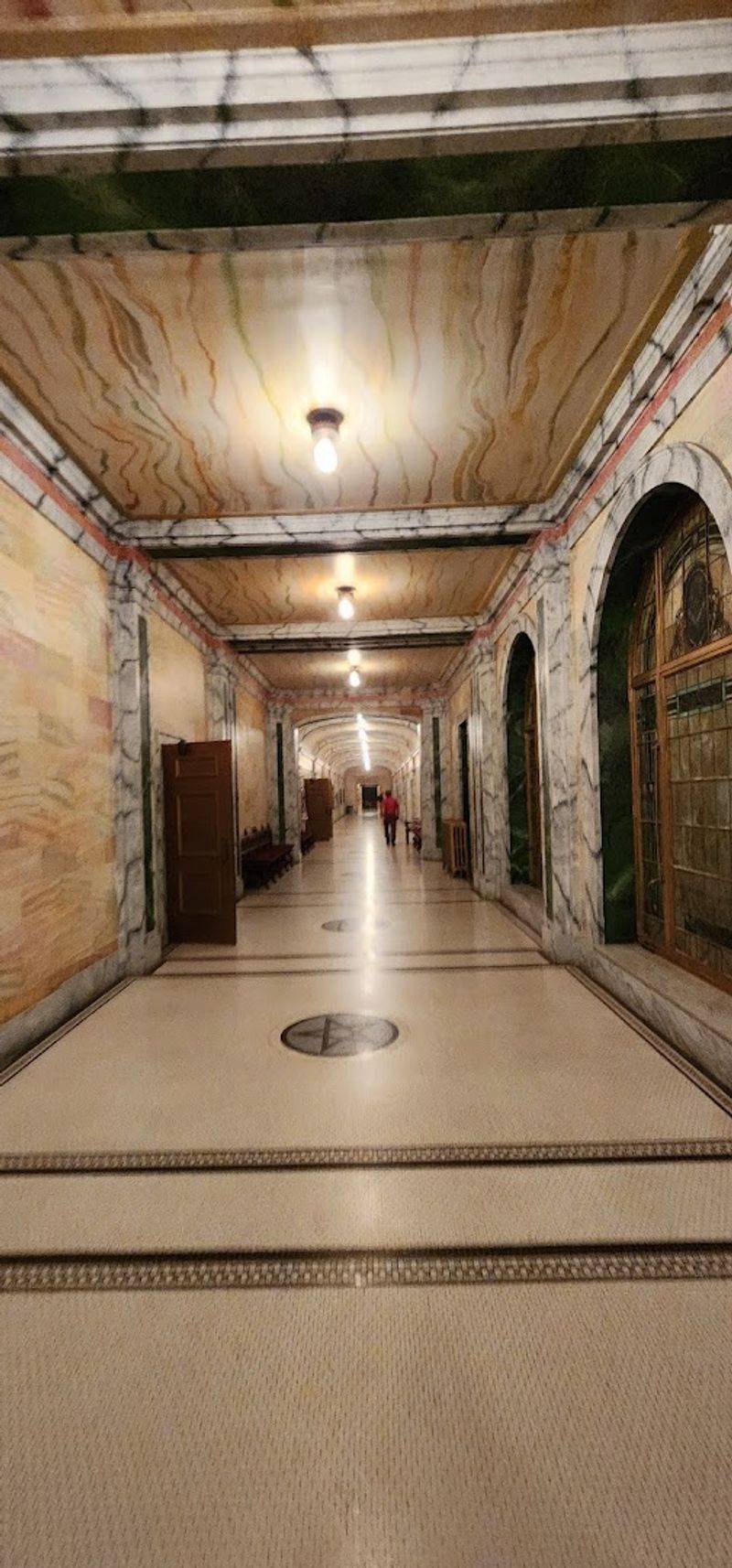
The marble inside this temple did not come from one quarry or one country. Materials were sourced from locations across the globe, and the variety in color, texture, and veining reflects that international scope in a way that feels genuinely luxurious.
Walking through the main corridors, you notice that the floors shift in tone and pattern depending on which section of the building you are in. Some areas feature deep green marble, others lean toward cream and gold, and certain ceremonial spaces use combinations that feel almost painterly.
The columns are particularly worth pausing to appreciate. Their scale and finish give the interior a gravitas that photographs struggle to fully capture.
You need to stand next to one to understand how the proportions work.
Beyond the visual appeal, the marble also affects the acoustics of the space. Sound moves differently through rooms lined with stone, and there is a hushed quality to certain hallways that feels intentional.
The builders clearly understood that a great building speaks through all the senses, not just the visual ones.
The Museum and Library Hidden Inside
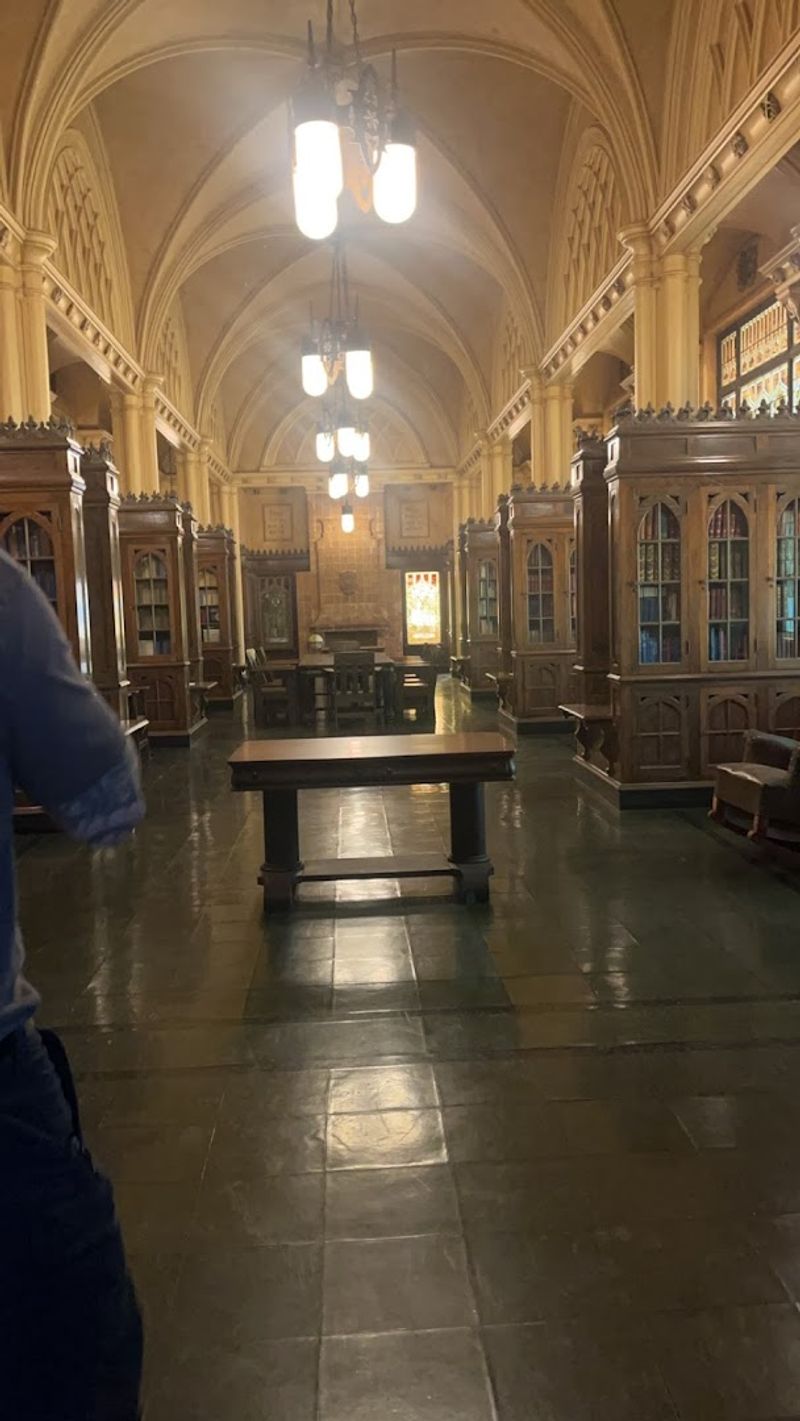
Behind one of the many heavy wooden doors in this building, there is a museum that holds artifacts connected to Masonic history, Oklahoma history, and the broader Scottish Rite tradition. It is the kind of collection that rewards curiosity and patience in equal measure.
The library is another quiet highlight. Shelves of carefully preserved volumes line the walls, and the room itself has the atmosphere of a place where serious study has happened for decades.
Even if you are not a reader, the visual weight of that many old books in one space is impressive.
These rooms are available to general visitors during tour hours, and the guides who lead tours through the building are knowledgeable and genuinely enthusiastic about sharing what they know. Questions are welcomed, and the answers tend to be more interesting than you expect.
Oklahoma has a rich and sometimes underappreciated history, and the collections inside this temple connect local stories to national and even international threads. The museum and library together function as a kind of archive for ideas and traditions that have shaped this part of the country in quiet but lasting ways.
The Inn Where You Sleep in a Senator’s Former Office
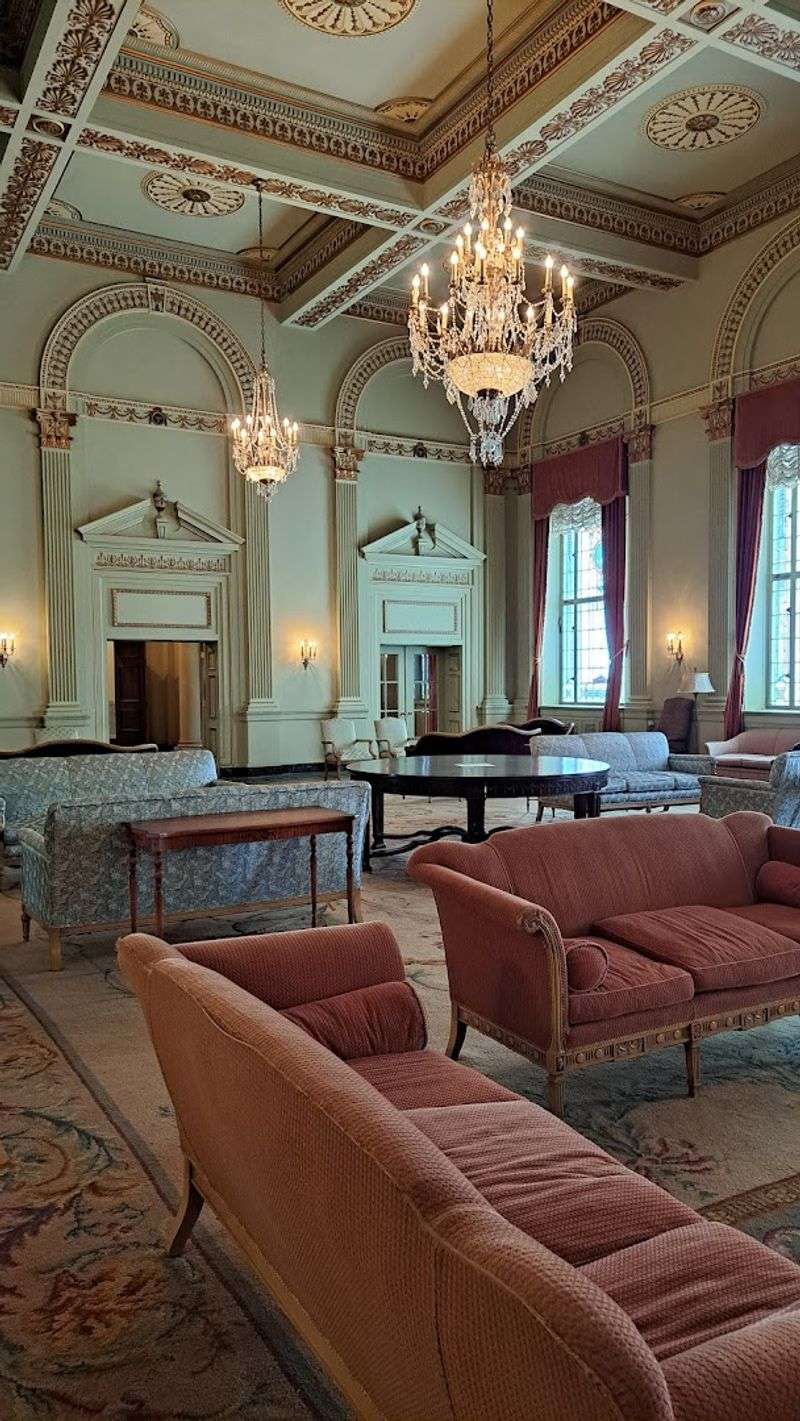
There is an inn operating inside this temple, and the rooms were once the offices of Oklahoma senators. That detail alone makes it one of the more unusual places to spend a night in the entire state.
The rooms carry the character of their original purpose. Dark wood, period details, and a sense of history that you genuinely feel rather than just read about on a placard.
Staying overnight transforms the visit from a day trip into something much more immersive.
Waking up inside a building this old and this grand is a different kind of experience. The hallways are quiet at night, the architecture is all around you, and there is a stillness that daytime tours simply cannot replicate.
Availability is limited, and some areas of the facility are reserved for Master Masons, but the inn itself is accessible to guests who are not members. Booking in advance is a smart move, especially if you want a room with particularly distinctive original features.
It is the kind of overnight stay that becomes a story you tell for years after you return home.
Touring the Ceremonial Rooms and Themed Spaces
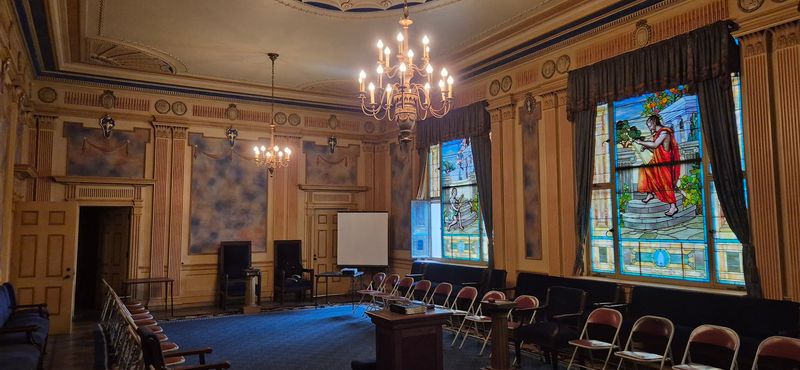
Each ceremonial room inside this temple has its own theme, its own color palette, and its own set of symbolic details. Moving from one to the next feels less like walking through a building and more like flipping through the chapters of a very elaborate book.
Some rooms are designed with specific degrees of Scottish Rite Freemasonry in mind, and the visual language shifts accordingly. Egyptian motifs appear in one space, Renaissance-inspired work in another, and certain rooms carry a theatrical quality that reflects their use in degree ceremonies.
The craftsmanship in these spaces is extraordinary. Carved woodwork, painted ceilings, custom furnishings, and layered symbolism combine to create environments that feel both ancient and intentional.
Nothing here feels accidental or rushed.
Guided tours do the best job of explaining what you are looking at, because many of the symbols and design choices have specific meanings that are not obvious without context. The guides walk you through the logic of each room, and by the end of the tour you have a working understanding of why this building was designed the way it was.
That context makes the whole experience significantly richer.
The Coffee Shop Inside a Historic Temple
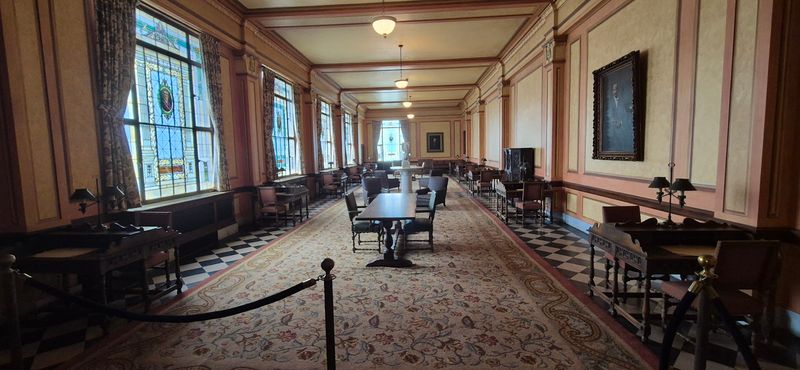
Not many historic temples have a coffee shop tucked inside them, but this one does, and it fits the surroundings better than you might expect. The contrast between the grandeur of the architecture and the casual comfort of a good cup of coffee is actually part of what makes this place feel welcoming rather than intimidating.
The coffee shop gives visitors a place to pause, gather their thoughts, and talk through what they have just seen on the tour. After walking through dozens of rooms packed with history and detail, a quiet seat and something warm to drink is genuinely appreciated.
It also makes the temple feel like a living, breathing community space rather than a preserved relic behind velvet ropes. People come here not just to observe but to actually spend time in the building, and the coffee shop supports that kind of relaxed, extended visit.
The staff throughout the facility, including in the coffee shop, are consistently friendly and approachable. The atmosphere is welcoming to first-time visitors who might feel uncertain about entering a Masonic temple, and that warmth makes a real difference in how comfortable the whole experience feels from start to finish.
Events, Weddings, and the Building’s Living Legacy
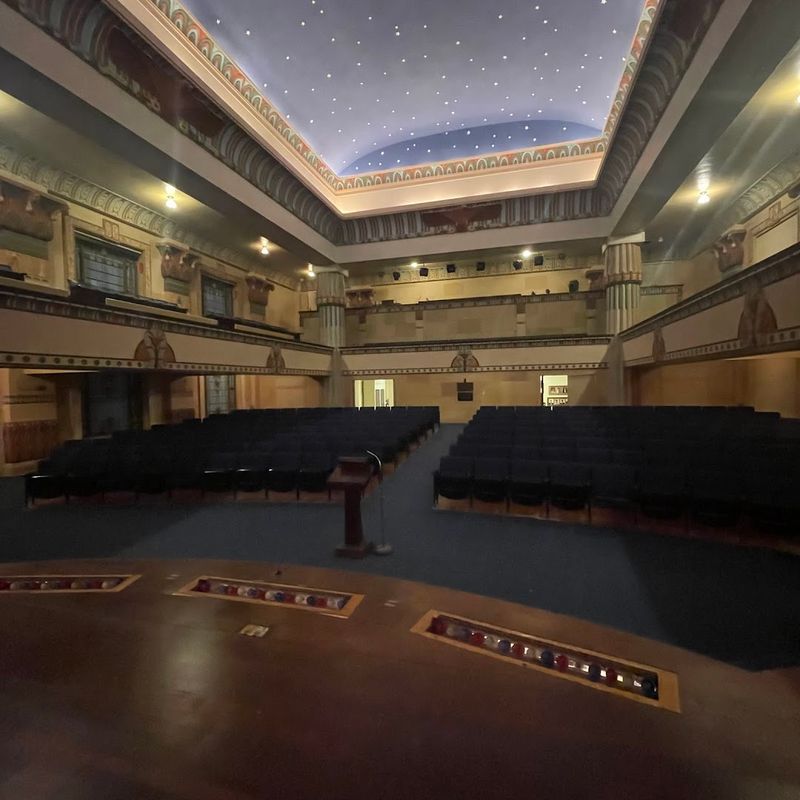
The temple is not frozen in time. It hosts weddings, concerts, competitions, and community events throughout the year, which means the building continues to collect new memories on top of its century of existing ones.
Weddings held here benefit from one of the most dramatic backdrops available anywhere in Oklahoma. The marble, the stained glass, and the scale of the rooms create photographs that need very little additional decoration to look extraordinary.
Music events held inside the building take on a special quality because of the acoustics. The stone and marble interact with sound in ways that give live performances a natural resonance that purpose-built concert halls sometimes struggle to achieve.
The Order of the Eastern Star and DeMolay also hold events here regularly, keeping the building connected to active fraternal traditions rather than serving purely as a museum piece. That ongoing activity gives the temple an energy that purely preserved historic sites often lack.
Every event adds another layer to the story of a building that was always meant to be used, experienced, and shared with the community around it.
Planning Your Visit and What to Expect
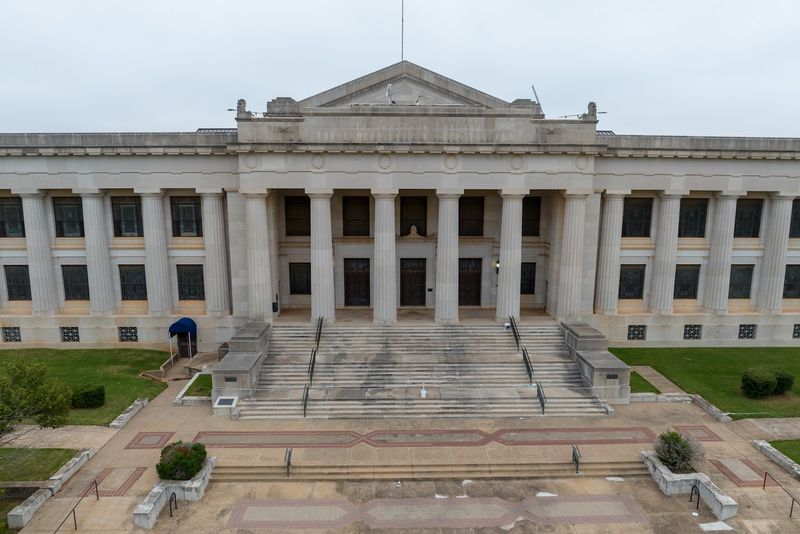
The temple is open Monday through Thursday from 9 AM to 3 PM, and it is closed on Fridays, Saturdays, and Sundays, so planning ahead is essential. Tours are available during those hours, and the experience is well worth scheduling your day around.
The phone number for the temple is 405-282-1281, and the official website at guthriescottishrite.org has additional information about tours, events, and the inn. Reaching out before your visit is a good idea if you want to confirm tour availability or ask about specific areas of the building.
Comfortable shoes are a practical necessity here. You will be walking a significant amount, and the marble floors, while beautiful, are hard underfoot during a long tour.
Bring a camera or make sure your phone is charged, because photo opportunities appear around every corner.
Oklahoma has no shortage of historic sites, but this temple stands apart in terms of scale, preservation, and sheer visual impact. First-time visitors consistently leave surprised by how much the building exceeded their expectations, and that reaction makes perfect sense once you are standing inside it for the first time.



