
There is a place in north-central Indiana where you can do something most aviation fans only dream about: climb into the cockpit of a real military jet. No ropes blocking you off, no glass cases between you and history.
Just you, a legendary aircraft, and a story that stretches back decades. This museum in Peru, Indiana sits on the grounds of a former Strategic Air Command base, and it holds a collection of rare warplanes that would turn any aviation enthusiast into a kid again.
From a supersonic bomber to a Navy F-14 Tomcat hanging from the ceiling, the variety here is genuinely hard to beat. Whether you have two hours or a whole afternoon, this museum delivers the kind of up-close military history that is hard to find anywhere else in the Midwest.
The Story Behind the Name
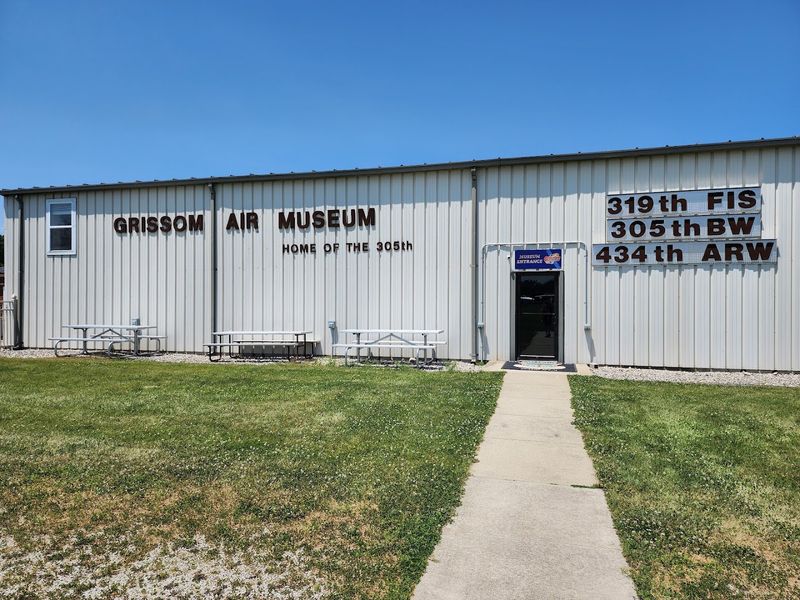
Not every museum is named after someone worth knowing about, but this one carries a name with real weight. Grissom Air Reserve Base, and by extension the museum, honors Virgil “Gus” Grissom, one of the original Mercury Seven astronauts and a proud Indiana native.
Gus Grissom was born in Mitchell, Indiana, and went on to become the second American in space. He later flew the first crewed Gemini mission, making him one of the most accomplished figures in early American space history.
The museum does not shy away from telling his full story. Exhibits inside cover his military service, his aviation career, and his contributions to NASA before his passing during the Apollo 1 training accident in 1967.
For younger visitors, especially those who have studied Grissom in school, seeing the artifacts and photographs connected to his life in person hits differently than any textbook page ever could.
Sit in a Real Phantom Cockpit
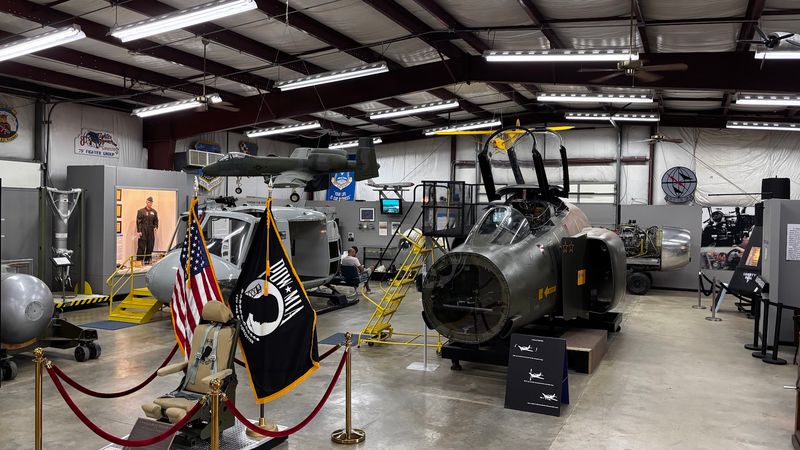
One of the most talked-about features at Grissom Air Museum is the opportunity to actually sit inside a real aircraft cockpit. The F-4 Phantom cutaway on display inside the museum lets guests climb in and get a feel for what fighter pilots experienced during the Vietnam War era.
The Phantom was one of the most versatile jets of its time, used by the Air Force, Navy, and Marine Corps across multiple decades of service. Sitting in that seat, surrounded by actual instrumentation, makes the history feel tangible in a way no documentary can replicate.
Staff members are known for going out of their way to make the experience memorable, often offering to take photos of guests seated in the cockpit. That personal touch turns a simple museum stop into something people talk about long after they leave.
It is one of those rare hands-on moments that earns its place at the top of any aviation bucket list.
The Huey That You Can Actually Board
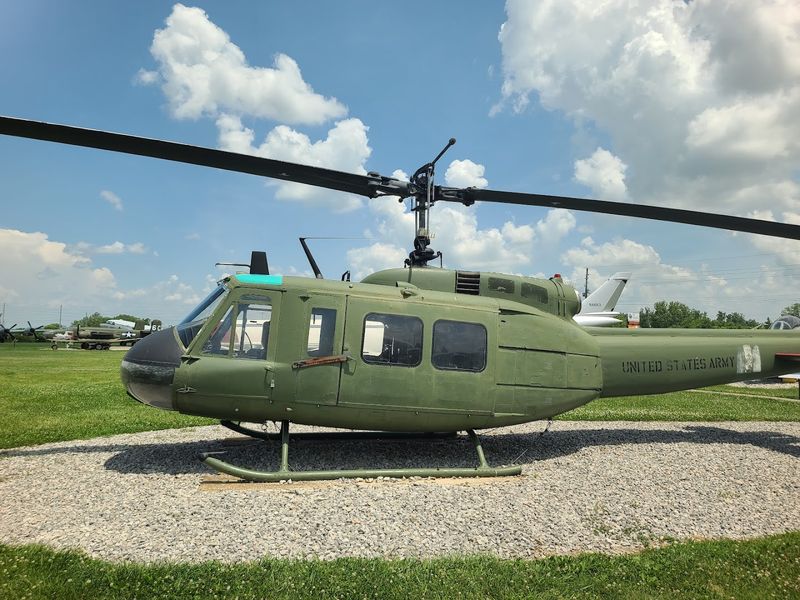
The UH-1 Iroquois, universally known as the Huey, is one of the most iconic helicopters in American military history. At Grissom Air Museum, the Huey is not just something to look at from a distance.
Guests can step inside the helicopter and sit where crew members once sat during real missions. For anyone with a connection to the Vietnam War era, either personally or through family history, that moment carries a quiet kind of power.
The Huey served in roles ranging from troop transport to medical evacuation, and its silhouette became one of the defining images of the 1960s and 70s. Having access to the interior gives visitors a much better understanding of just how compact and functional the aircraft actually was.
Museum staff are happy to share background information about the helicopter’s history and service record, making the experience educational as well as memorable for all age groups who step aboard.
The TB-58A Hustler: A Supersonic Legend
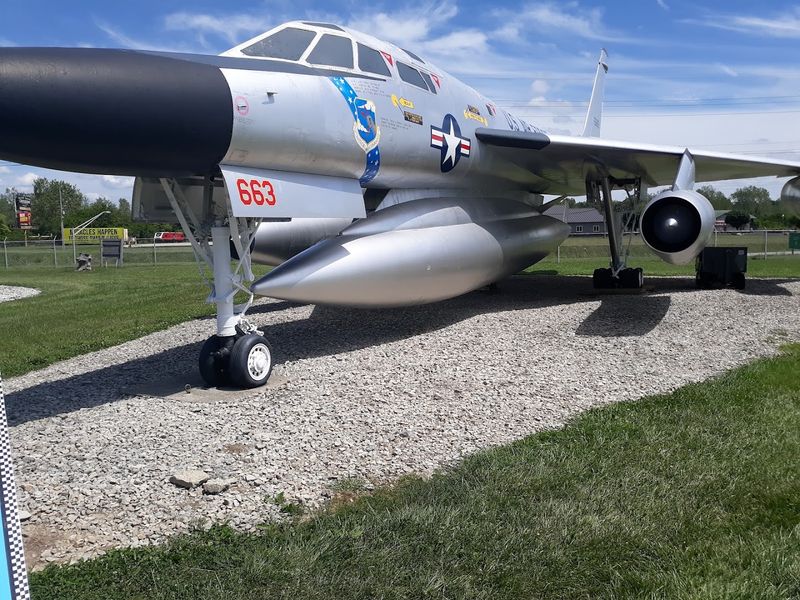
Among all the aircraft in the collection, the TB-58A Hustler stands out as the crown jewel. This sleek, delta-winged supersonic bomber was one of the fastest aircraft ever built for the U.S.
Air Force, capable of reaching speeds exceeding Mach 2.
Grissom Air Museum is one of the few places in the country where you can walk right up to a Hustler and study it up close. The aircraft was actually based at Grissom Air Force Base during its operational years, which gives its presence here an extra layer of historical significance.
The museum has been working toward building a new enclosed exhibit hall specifically to house and protect the Hustler, recognizing just how irreplaceable this aircraft is. Only a handful of TB-58s survive anywhere in the world.
Aviation historians and casual visitors alike tend to stop and stare at this one for a while, and it is easy to understand why once you are standing next to it.
The Outdoor Aircraft Garden

The outdoor display area at Grissom Air Museum is where the collection really opens up. With around 30 aircraft arranged across a well-kept yard, the outdoor section functions almost like a walk-through timeline of American military aviation history.
Each aircraft comes with an informational plaque that explains its role, service history, and technical specifications. The plaques are written clearly enough that kids can follow along, while still offering enough detail to satisfy more serious aviation readers.
Highlights in the yard include the B-47 Stratojet, the A-10 Warthog, and the MiG-23, which adds a Cold War counterpoint to the predominantly American collection. Having a Soviet-era aircraft alongside U.S. jets gives the display a broader historical context that is worth pausing over.
The layout encourages a relaxed, self-paced walk where there is always something new around the next corner. Most people find themselves spending more time outside than they originally planned, which is a good sign for any collection.
Climb the Observation Tower

One of the more unexpected features of the museum grounds is the observation tower, which visitors can climb for a bird’s-eye view of the entire collection and the adjacent airfield. From the top, the scale of the outdoor display becomes much clearer.
On a clear day, the active runway of Grissom Air Reserve Base is visible from the tower platform, and if timing is right, KC-135 Stratotankers can be seen performing touch-and-go landings. That combination of historical display and live military aviation activity is genuinely hard to find at any other museum in Indiana.
The tower climb is manageable for most visitors, including older children and adults. It adds a physical dimension to the visit that breaks up the walking tour of the grounds in a satisfying way.
Getting that elevated perspective also helps visitors appreciate how the aircraft are arranged and understand the sheer number of machines packed into the outdoor yard below.
Indoor Exhibits and Artifacts
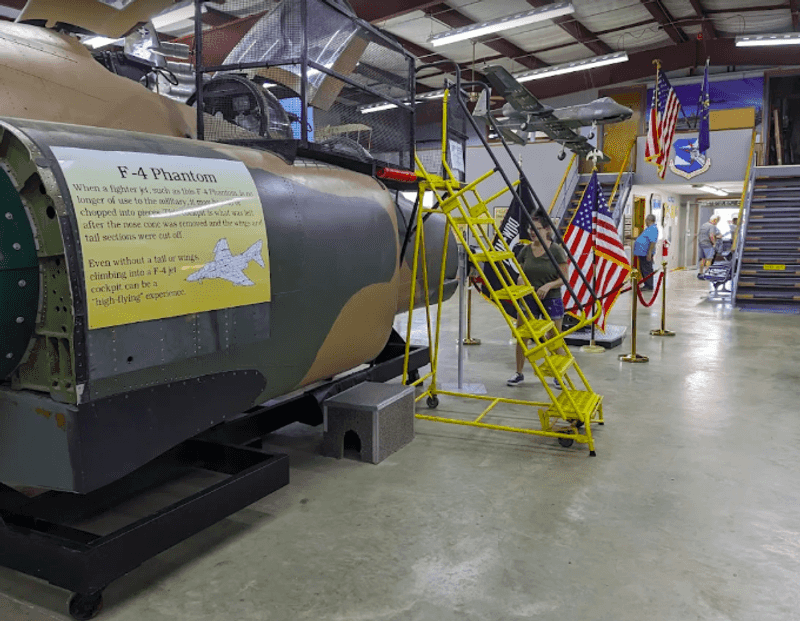
Beyond the aircraft themselves, the indoor section of Grissom Air Museum holds a solid collection of artifacts, photographs, and historical materials connected to the base and the broader history of American military aviation. The exhibit space is organized and easy to navigate.
Film screenings are available for visitors who want to go deeper into specific topics, offering additional context for the aircraft and the eras they represent. Reading the plaques and watching the films together can easily fill a couple of hours for anyone with a genuine interest in aviation history.
A detailed cross-section of a jet engine is one of the standout indoor displays, giving visitors a clear look at the internal mechanics that power these aircraft. It is the kind of exhibit that makes technical information visually accessible without requiring any prior engineering knowledge.
The indoor space also features base history materials that document Grissom’s evolution from a World War II training facility into a Cold War-era Strategic Air Command installation.
A Welcoming Spot for Families
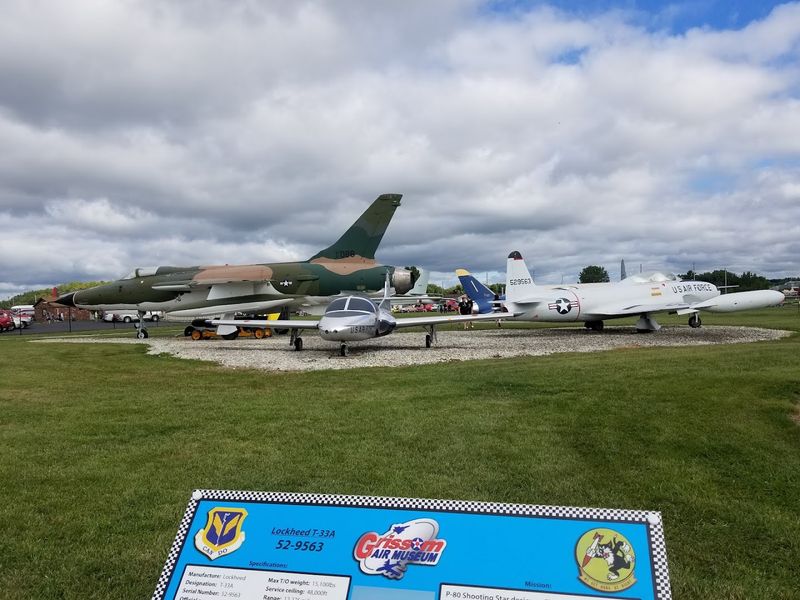
Grissom Air Museum works well as a family outing because it keeps multiple age groups engaged without overwhelming anyone. The outdoor yard is spacious enough for kids to move around freely, and the aircraft are large enough to hold attention for extended stretches.
The museum can typically be covered in two to three hours, which is a practical length for families with younger children who may not sustain interest through a full-day museum experience. It is long enough to feel worthwhile but short enough to avoid fatigue.
Staff members are consistently described as friendly and willing to help, often going out of their way to make younger visitors feel included in the experience. Having knowledgeable people on hand who actually enjoy talking about aviation history makes a real difference in how the visit feels.
The reasonable admission price also makes this a low-pressure choice for families looking for an educational outing that does not require a significant financial commitment to enjoy.
Dog-Friendly Grounds
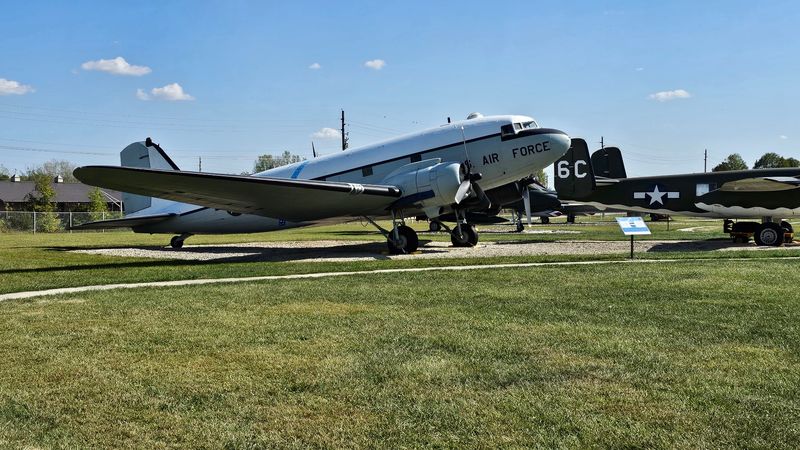
Not many museums can honestly say that four-legged family members are welcome on the grounds, but Grissom Air Museum is one of them. The outdoor aircraft garden is dog-friendly, which makes it a genuinely inclusive destination for visitors who travel with pets.
The wide, open pathways between the aircraft give dogs plenty of room to move around comfortably while their owners take in the displays. It is a practical detail that removes a common barrier for pet owners who otherwise have to leave animals behind during day trips.
The grounds are well-maintained and offer enough shade and space to make a visit comfortable for both dogs and their humans. There is also a large picnic pavilion on the property, which provides a natural stopping point for a break during the outdoor portion of the visit.
That combination of pet-friendly policy and outdoor space makes Grissom a practical choice for road-trippers who are exploring Indiana with their animals in tow.
Harvest Hosts RV Overnight Stays

Grissom Air Museum participates in the Harvest Hosts program, which allows RV travelers to park overnight in the museum’s lot. For anyone doing a road trip through Indiana in a motorhome or camper, this is a genuinely useful perk that combines convenience with a memorable setting.
Waking up in the morning with a direct view of historic military aircraft just outside the window is the kind of experience that travel stories are made of. The parking lot offers enough space for standard RV setups, and the location is quiet enough for a comfortable overnight stay.
The Harvest Hosts arrangement reflects the museum’s broader commitment to welcoming a wide range of visitors, from day-trippers to long-distance travelers passing through north-central Indiana. It also helps support the museum’s non-profit mission by bringing in guests who might otherwise drive past without stopping.
For RV travelers, it is worth checking availability and membership requirements through the Harvest Hosts platform before planning an overnight stop here.
Veteran Volunteers and Living History
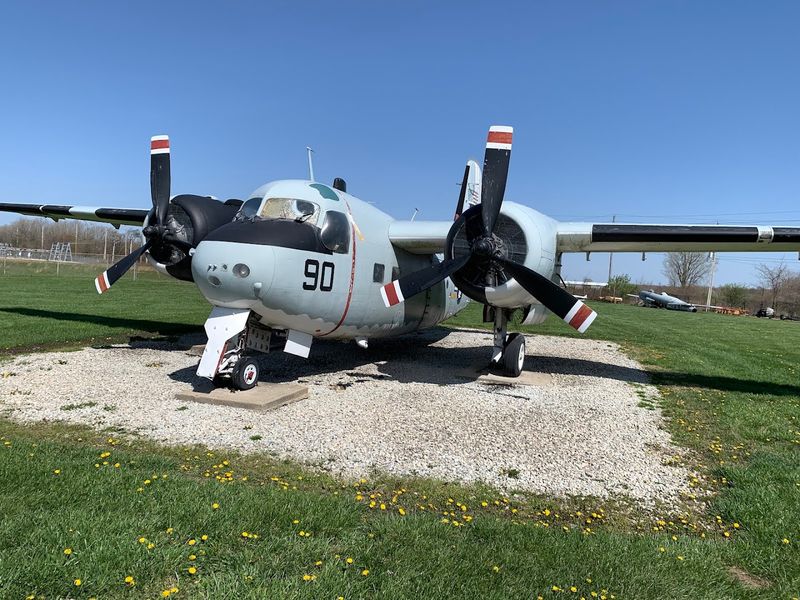
Some of the most valuable parts of a visit to Grissom Air Museum cannot be found in any exhibit case. The museum relies heavily on veteran volunteers who bring firsthand knowledge of the aircraft and the base’s history to every interaction.
Talking with a volunteer who actually worked on or flew some of these aircraft transforms a standard museum walkthrough into something much closer to a living history lesson. The depth of knowledge these individuals carry is the kind that comes only from direct experience, not research.
Several volunteers have personal connections to Grissom Air Reserve Base, having been stationed there during its operational years as a Strategic Air Command installation. That institutional memory is increasingly rare and genuinely worth seeking out during a visit.
The museum’s non-profit, volunteer-driven model means that every admission ticket and gift shop purchase directly supports the people and programs that keep this kind of living history accessible to the public for future generations.
Planning Your Visit to Peru, Indiana
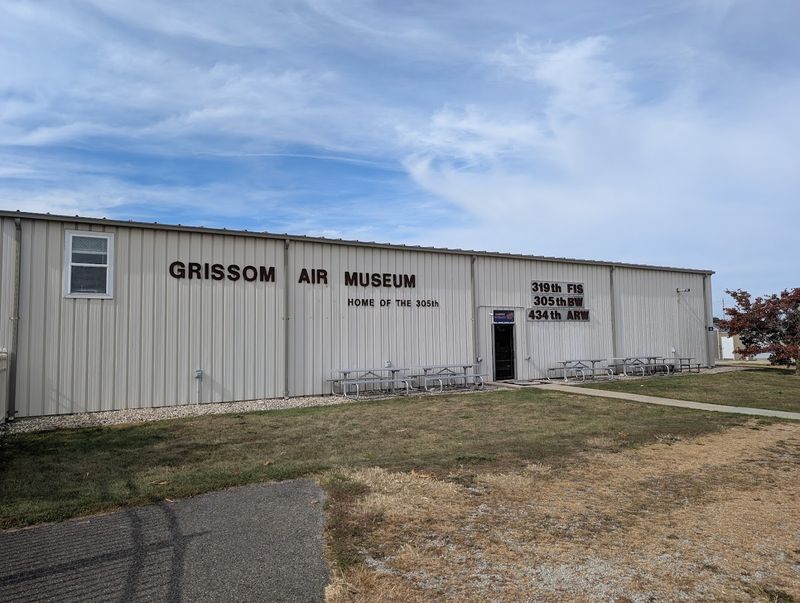
Peru, Indiana sits in Miami County, roughly 75 miles north of Indianapolis and about 40 minutes from Carmel. The drive through north-central Indiana is straightforward, making Grissom Air Museum a practical day trip from a wide range of surrounding communities.
The museum is open Tuesday through Sunday from 10 AM to 4 PM, with Monday hours also listed as 10 AM to 4 PM on current schedules. Checking the official website at grissomairmuseum.com before visiting is always a good idea, as hours and special events can change seasonally.
Admission is affordable, and the museum is small enough that even a two-hour visit covers the full collection comfortably. That makes it a strong candidate for a spontaneous stop on a longer road trip through Indiana rather than requiring a dedicated travel day.
The combination of hands-on aircraft access, outdoor displays, a dog-friendly yard, and RV parking options makes Grissom one of the more versatile and visitor-friendly museums in the entire state.
Where History Meets the Runway

Right off West Hoosier Boulevard in Peru, Indiana, Grissom Air Museum sits at 1000 W Hoosier Blvd, Peru, IN 46970, on the edge of Grissom Air Reserve Base. The location alone adds a layer of authenticity that most museums cannot match.
Active KC-135 tankers still use the runway next door, so on any given visit, there is a real chance of watching a working military aircraft take off just beyond the fence. That kind of live context is rare.
The museum is open Tuesday through Sunday from 10 AM to 4 PM, giving families and solo travelers a solid window to explore without feeling rushed. Admission is reasonably priced, making it an accessible outing for most budgets.
The grounds are well-maintained, with clear signage and wide pathways between the outdoor aircraft. The whole setup feels organized and welcoming from the moment you arrive at the parking area.
Share this story