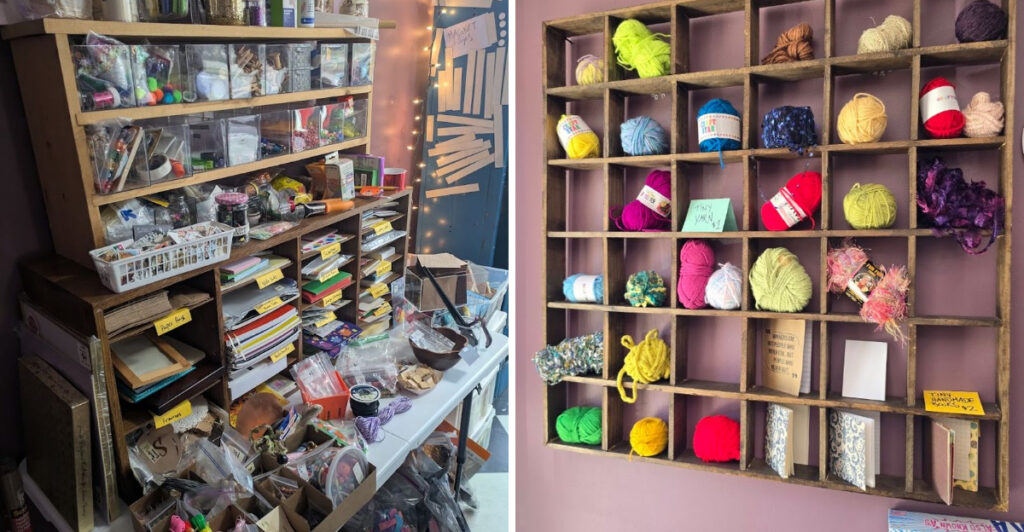
There is a small shop tucked into the east side of Indianapolis that has quietly become one of the most talked-about spots in the crafting community. Every shelf is packed with donated art supplies, fabrics, yarns, and tools that have been given a second chance instead of ending up in the trash.
The prices are low, the inventory changes constantly, and no two visits ever look the same. This place has turned the simple act of donating and shopping into something that feels more like a treasure hunt than a routine errand, and the people who have discovered it are not keeping quiet about it.
The Concept Behind the Shop
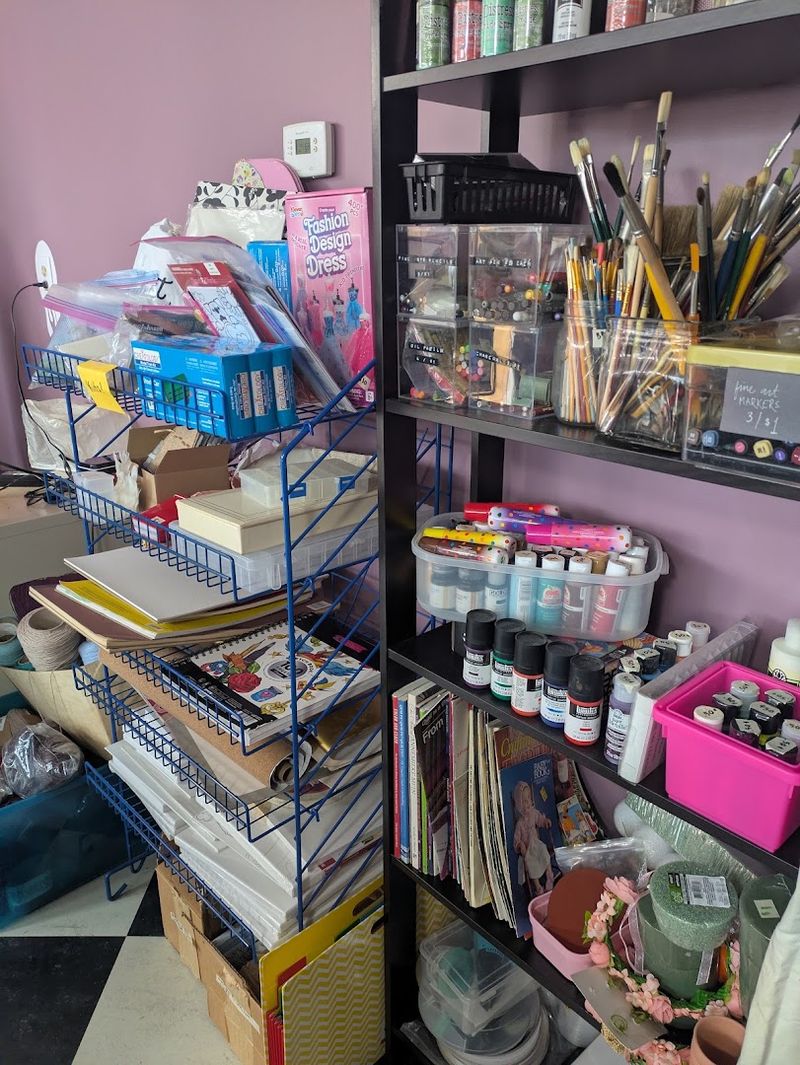
The idea driving Good Job Creative Reuse is straightforward but genuinely clever. People donate their unused or leftover craft supplies, and the shop resells those items at low prices to artists, teachers, hobbyists, and curious beginners.
It addresses a real problem that a lot of crafters quietly deal with: the guilt of buying supplies for a project that never gets finished, and then not knowing what to do with everything that is left over. Instead of those supplies collecting dust or ending up in a landfill, they get a second life in someone else’s hands.
The model also makes crafting more accessible. Not everyone can afford to stock up at a big-box retailer, and this shop offers a genuine alternative that does not feel like a compromise.
The quality of donated items varies, but that unpredictability is part of what makes browsing here feel more like an adventure than a shopping trip.
A Donation System That Actually Rewards You
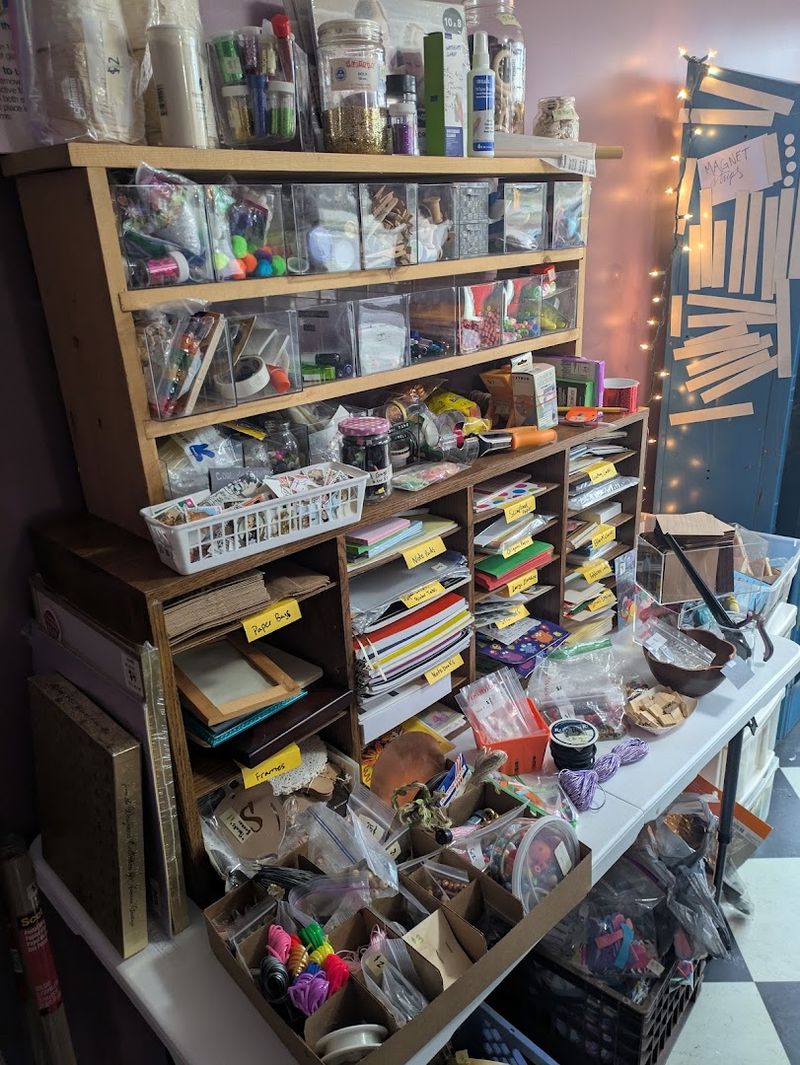
One of the smartest features of Good Job Creative Reuse is its donation incentive program. When someone brings in craft supplies to donate, they receive a discount on their purchase that day.
This creates a loop that benefits everyone involved. Donors clear out space at home, the shop gains more inventory, and the shopper leaves with a discount.
It is a system that encourages people to keep coming back, and it has built a genuinely loyal community around the store in a short amount of time.
The types of items accepted for donation cover a wide range, from yarn and fabric to paints, markers, and sewing notions. Hobby hoppers, which is anyone who picks up a new craft and then moves on to the next one, have found this especially freeing.
There is no longer any reason to hold onto supplies that are not being used when dropping them off actually saves money on the next haul.
What the Inventory Actually Looks Like
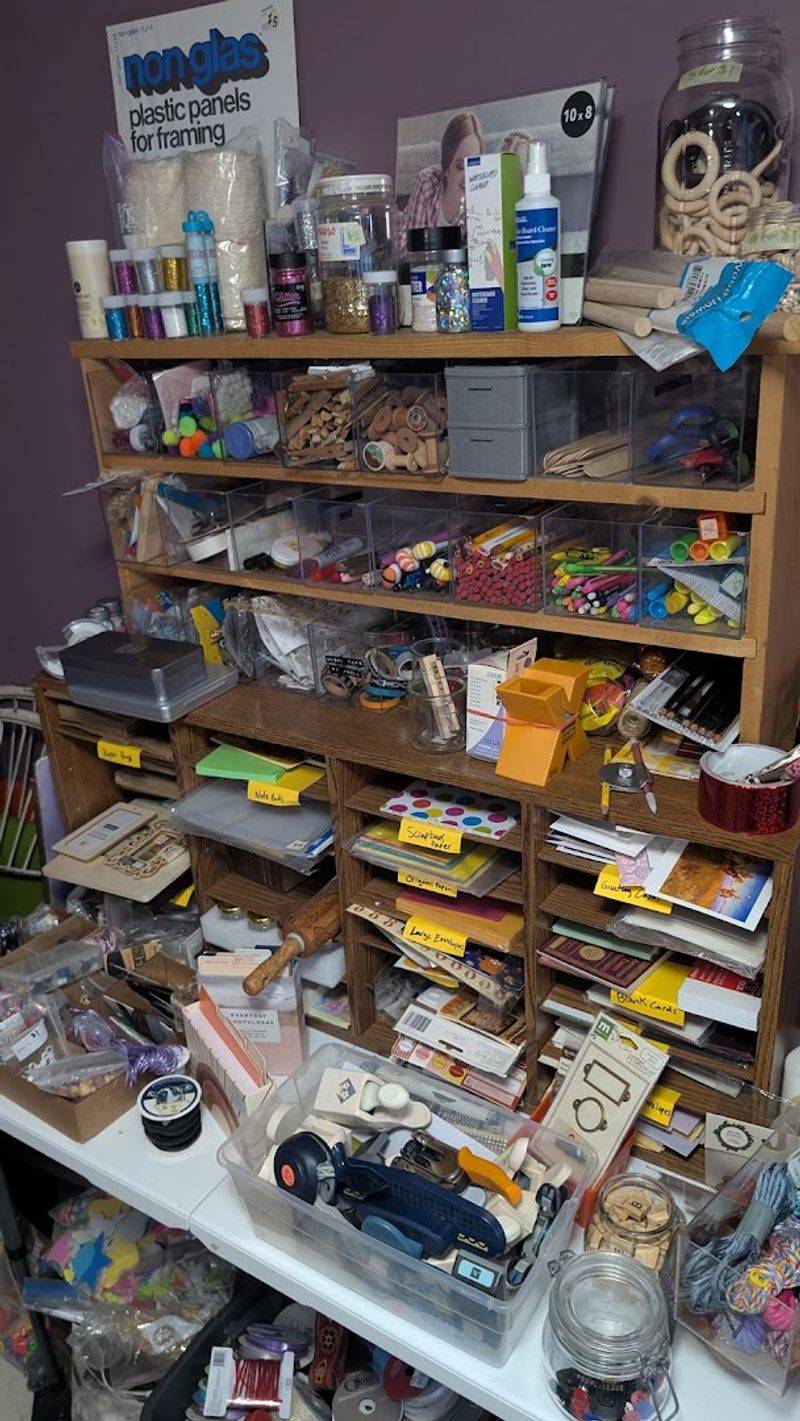
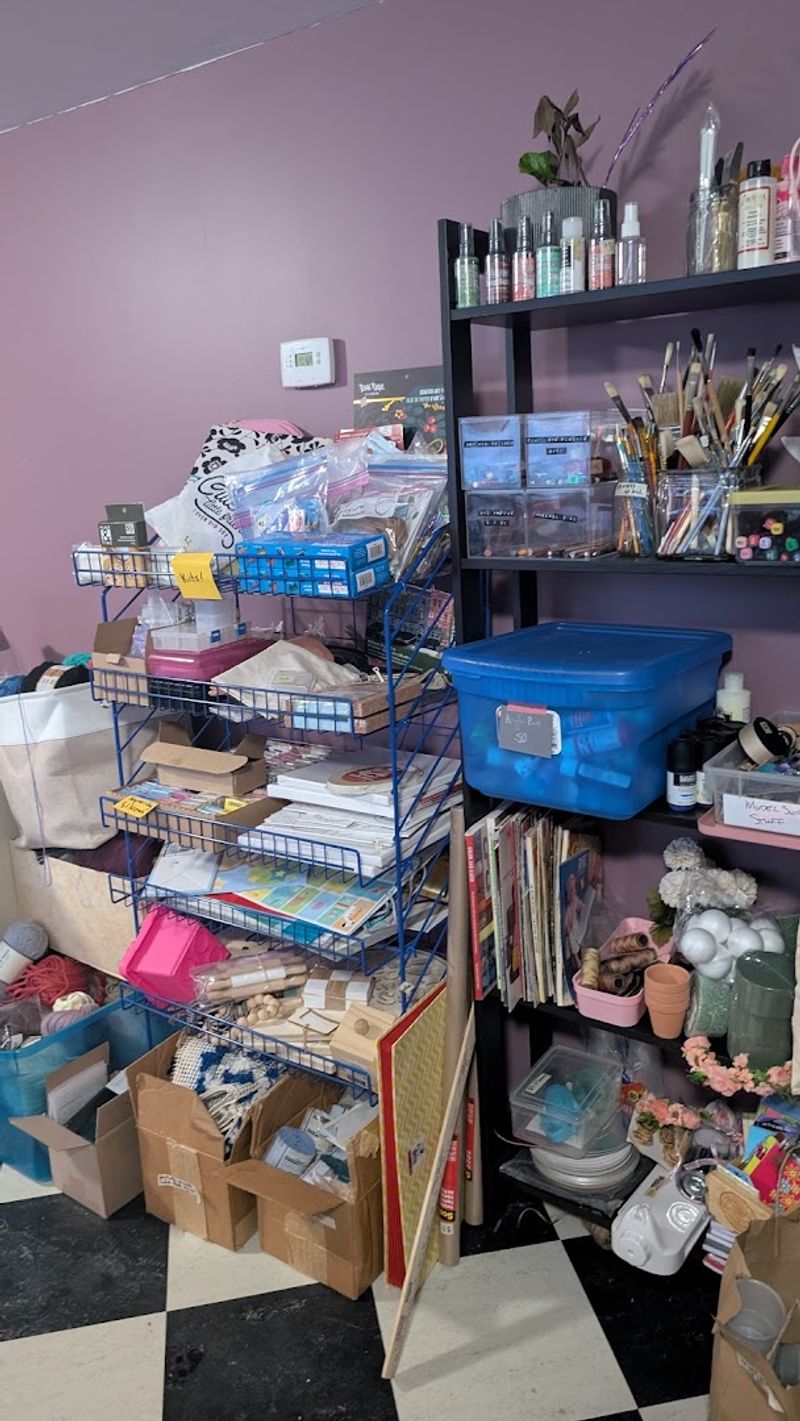
The inventory at Good Job Creative Reuse is genuinely hard to predict, and that is the whole point. Because everything comes from donations, the shelves shift constantly and no two visits are identical.
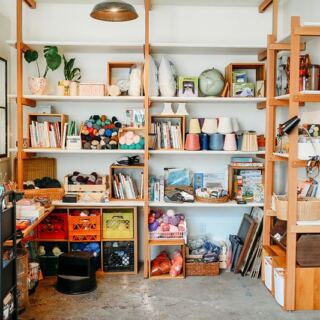
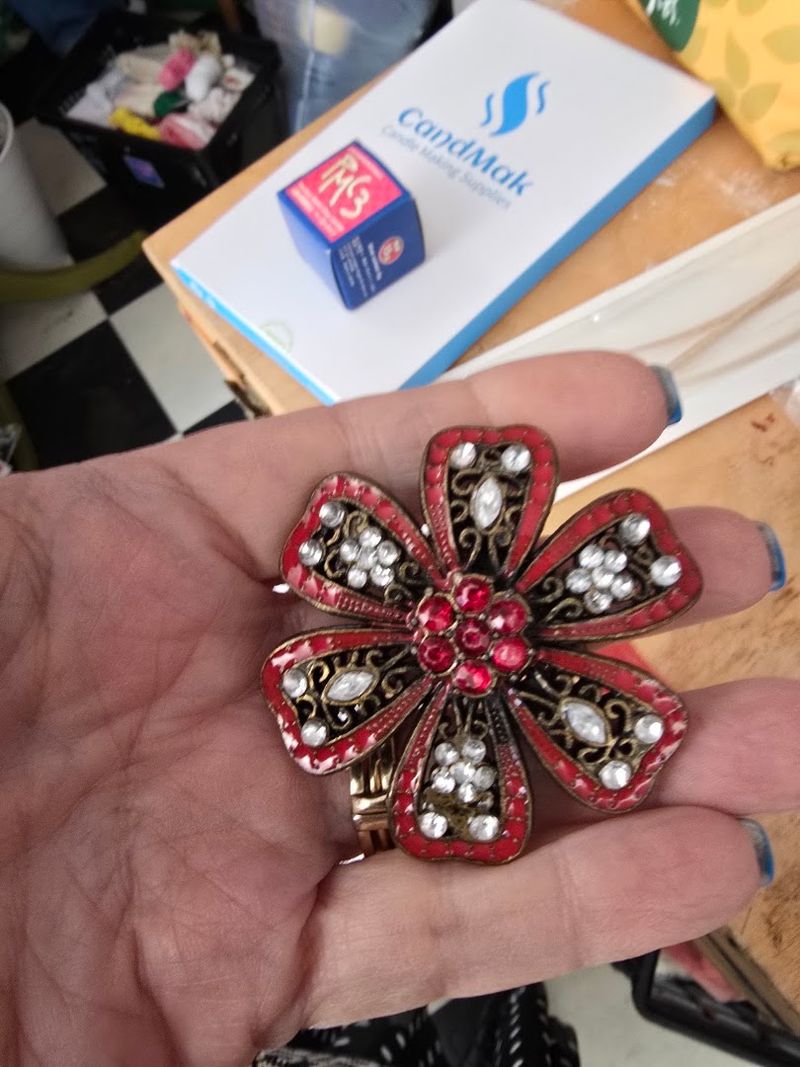
On any given day, a shopper might find yarn in a dozen different colors, stacks of fabric remnants, acrylic paints, watercolors, markers, thread, brooches, magazines, and craft kits that someone else never got around to opening. There are items suited for kids and adults, for serious artists and total beginners.
The store is physically small, which means the inventory is packed in tightly and efficiently. Every corner holds something worth looking at, and the layout rewards patience.
Shoppers who take their time tend to walk out with things they never expected to find.
There is a $5 minimum purchase when paying by card, which is worth knowing ahead of time. That said, hitting five dollars in a shop this affordable is rarely a challenge.
Prices That Make Crafting Accessible
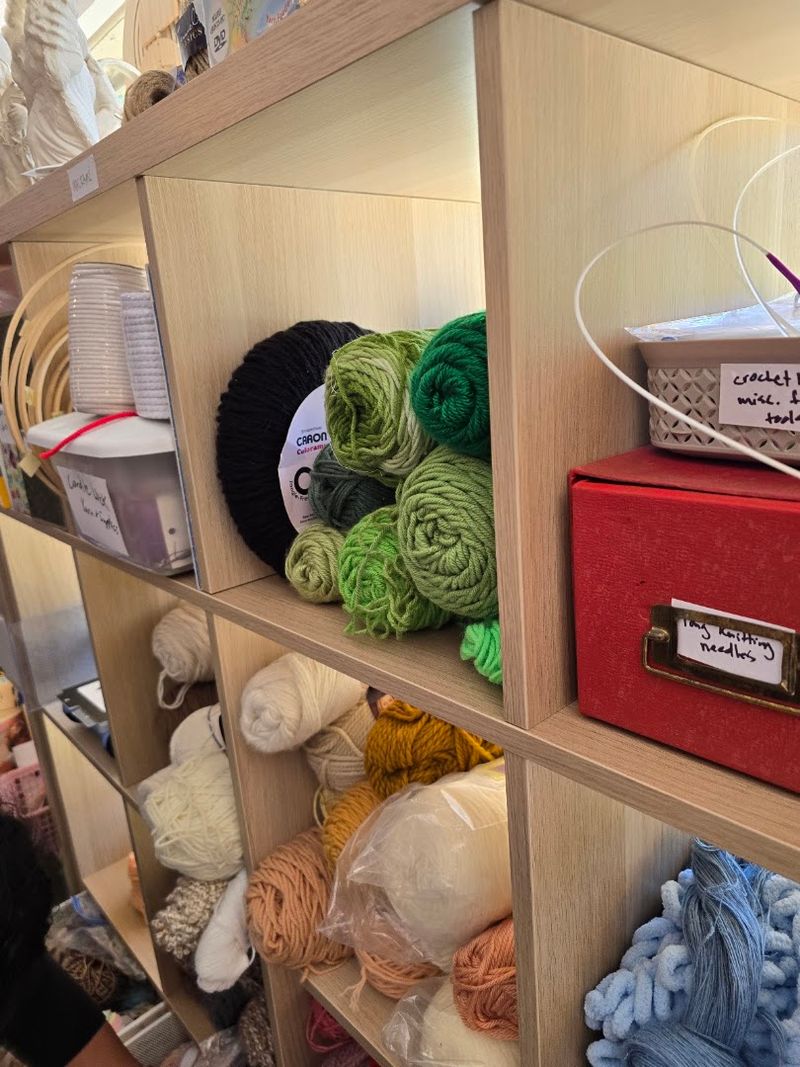
Affordability is one of the most consistent things people point out about Good Job Creative Reuse, and it is not an accident. The entire model is built around making creative materials available to people who might not be able to spend freely at larger retailers.
Because the inventory is donated rather than purchased wholesale, the shop can price items at a fraction of what a big-box store would charge. A skein of yarn, a set of brushes, or a collection of fabric pieces can cost just a dollar or two, making it easy to experiment without financial pressure.
This pricing structure matters especially for new crafters who are not sure whether a hobby will stick. Buying a small amount of supplies at low cost to try something new is a much easier commitment than spending thirty dollars on a kit that might end up unused.
The accessibility of the prices has helped attract a wide range of shoppers, from seasoned artists to parents looking for affordable creative materials for their children.
Workshops and Classes on the Calendar
Good Job Creative Reuse does more than sell supplies. The shop also hosts workshops and classes that cover a range of crafts, from sewing machine sessions to crochet and knitting introductions.
These events have drawn strong interest from the community, which has occasionally led to more attendees than the small space can comfortably hold. The shop owners have been transparent about learning from those situations and adjusting how events are structured going forward.
For anyone wanting to try a new hobby without committing to a full course elsewhere, these workshops offer a low-pressure entry point. The atmosphere is community-focused rather than formal, and the classes tend to attract people at all skill levels.
Checking the shop’s social media or website before visiting on a class day is a smart move. The space is cozy, and knowing what is happening on any given afternoon helps set expectations.
The shop’s website at goodjobcreativereuse.com keeps the event calendar updated.
The Irvington Community Connection
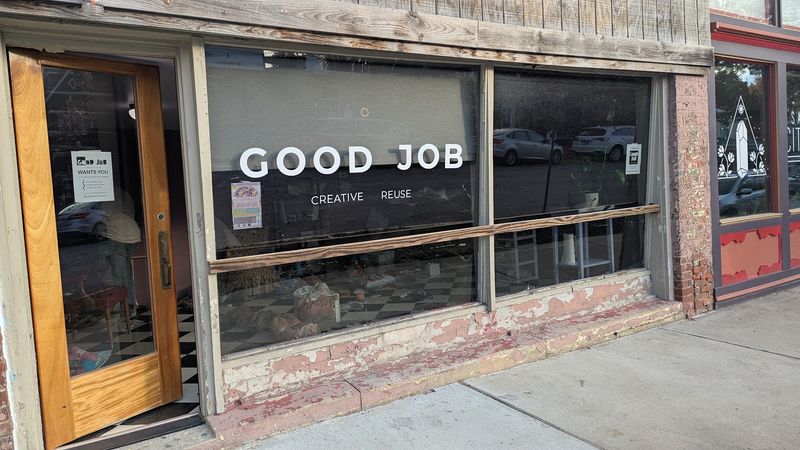
The Irvington neighborhood has welcomed Good Job Creative Reuse with real enthusiasm. The shop has quickly become a fixture in the community, drawing regulars who stop in on a weekly basis to see what has arrived since their last visit.
Irvington has a history of supporting independent, locally owned businesses, and a creative reuse shop fits naturally into that culture. The area attracts artists, makers, teachers, and families who value sustainability and community investment over chain retail.
The owners have leaned into that connection by creating a space that feels like it belongs to the neighborhood rather than simply existing within it. Community craft nights and group gatherings have become part of what the shop offers, turning it into a social hub as much as a retail destination.
For anyone who has spent time in Irvington and appreciates its independent spirit, finding a shop like this one on South Audubon Road feels less like a surprise and more like something the neighborhood had been waiting for.
Why Sustainability Matters Here
The environmental angle of Good Job Creative Reuse is not just a marketing point. The shop genuinely diverts craft supplies from the waste stream, keeping usable materials out of landfills and in the hands of people who will actually use them.
Craft hobbies generate a surprising amount of waste. Supplies get purchased for projects that never happen, kits get opened and abandoned, and partial materials sit in storage until someone eventually tosses them.
This shop interrupts that cycle at multiple points.
For shoppers who care about making sustainable choices, this is one of the few places in Indianapolis where buying art supplies and making an environmentally responsible decision are the same action. That combination is not easy to find.
The shop also serves as a reminder that sustainability does not have to be expensive or complicated. Bringing in old supplies, picking up what is needed for a current project, and leaving without the guilt of wasteful spending is a straightforward win that keeps bringing people back.
A Shop That Welcomes Total Beginners
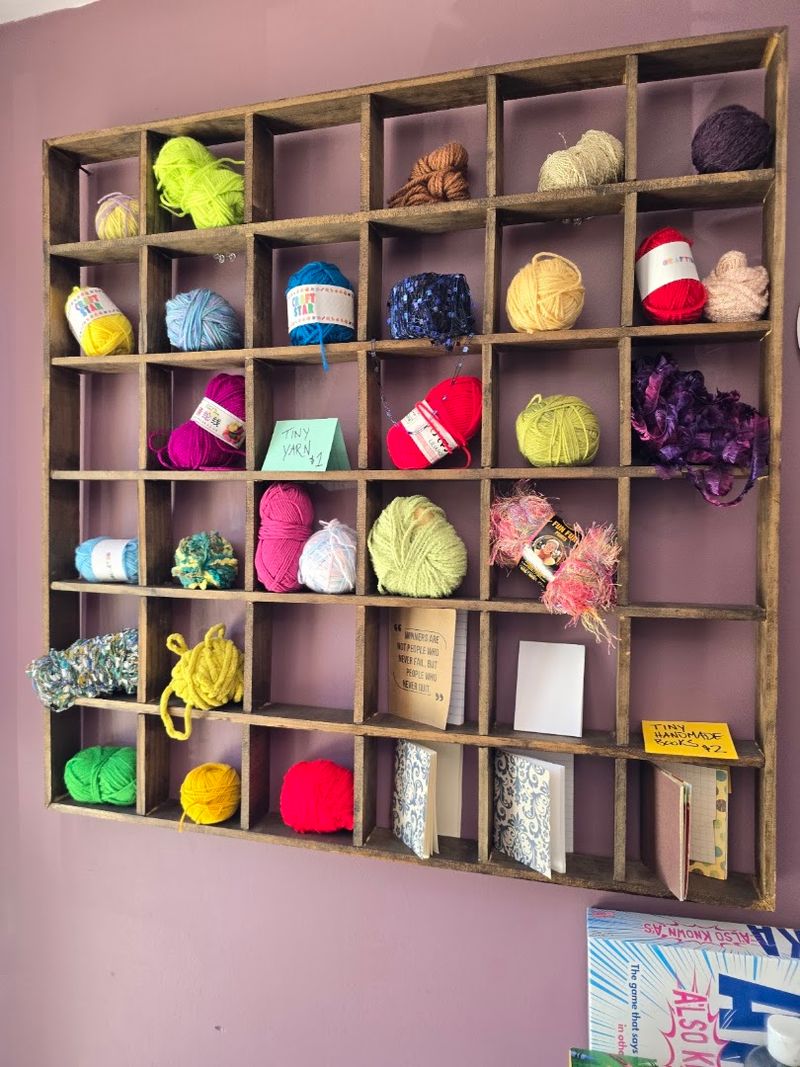
Not everyone who walks through the door at Good Job Creative Reuse is an experienced artist. A large part of the shop’s appeal is how welcoming it feels to people who have never picked up a crochet hook or held a paintbrush with any real intention.
The low prices remove the financial risk that often keeps beginners away from trying new things. Picking up a small amount of yarn to attempt crochet for the first time, or grabbing a few tubes of paint to see if painting is actually enjoyable, costs very little here.
If the hobby does not click, nothing much is lost.
The staff has been described as friendly and helpful, which matters a lot in a space where some shoppers may feel unsure of what they are looking for. There is no pressure to know exactly what a supply is used for before picking it up.
That openness toward experimentation is woven into the shop’s identity, and it shows in who shows up to browse.
Hobby Hoppers Have Found Their Place
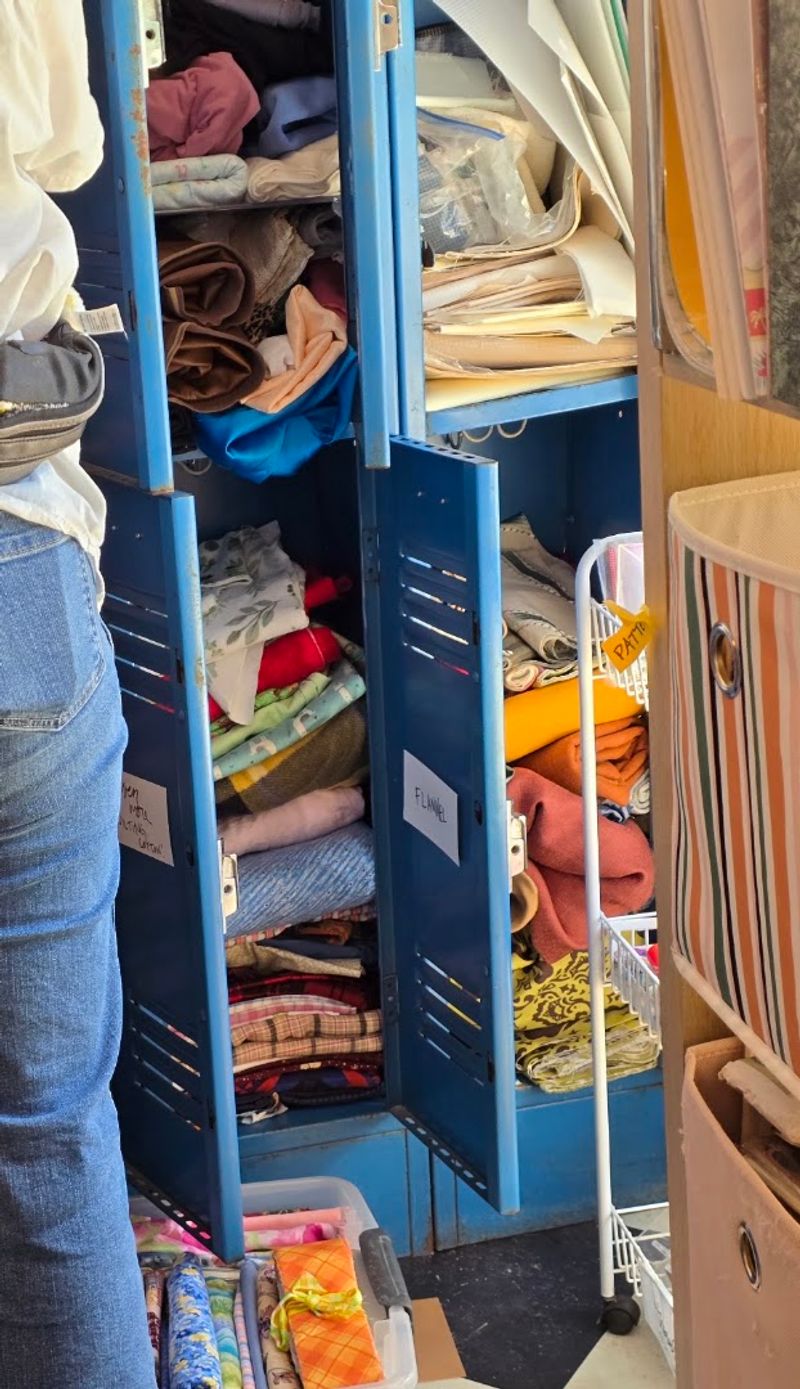
There is a particular type of crafter who cycles through hobbies with enthusiasm: candle making one month, watercolor the next, then embroidery, then resin work. These hobby hoppers have found Good Job Creative Reuse to be a near-perfect solution to their particular kind of creative restlessness.
At a big-box store, trying a new hobby means buying a full starter kit, often at a price that feels like a commitment. Here, a shopper can pick up just enough to experiment without the pressure of having spent a significant amount of money on something they might abandon in three weeks.
The donation system also closes the loop nicely. Once a hobby phase has passed, the leftover supplies can come right back to the shop in exchange for a discount on whatever the next obsession requires.
It is a cycle that rewards curiosity rather than punishing it.
For anyone who collects hobbies the way others collect books, this shop functions less like a store and more like a creative recycling program designed specifically for them.
Teachers and Educators Take Notice
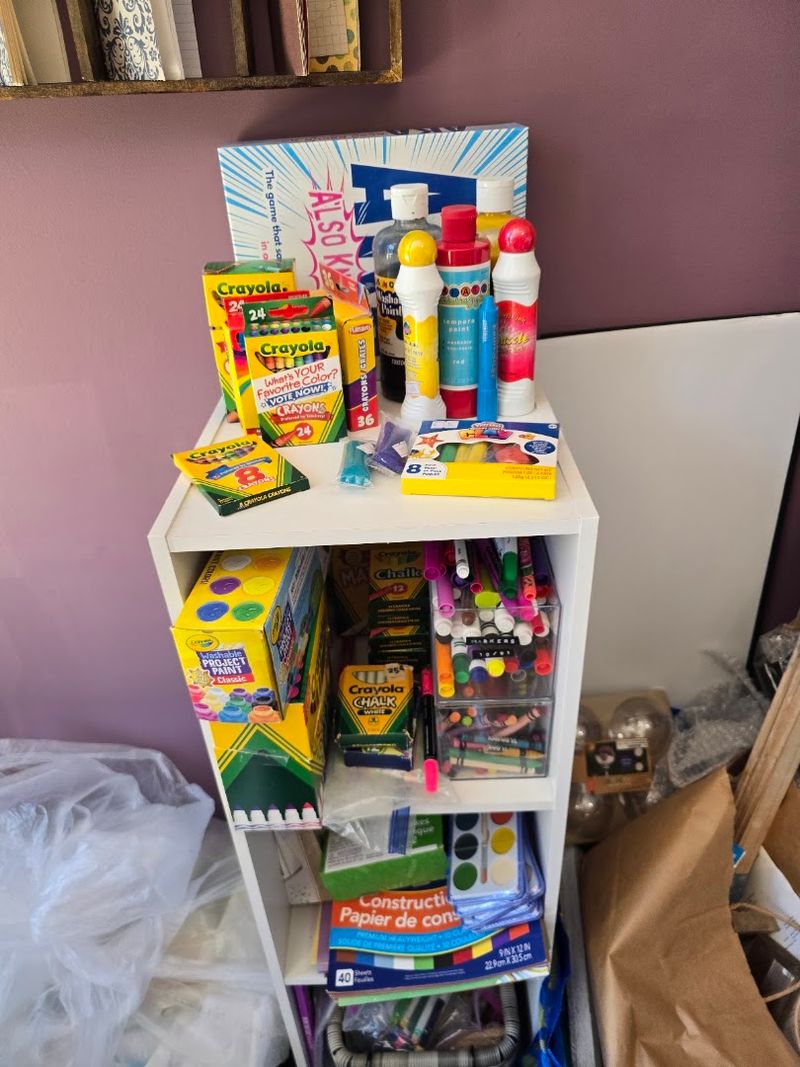
Teachers are among the most enthusiastic regulars at Good Job Creative Reuse, and it is not hard to understand why. Classroom art supplies are expensive, school budgets are tight, and finding quality materials at low cost is a constant challenge for educators who want to give students hands-on creative experiences.
A shop that sells donated paints, markers, construction materials, and craft kits at a fraction of retail price is practically designed for someone managing a classroom budget. Teachers can stock up on a wide variety of supplies without having to choose between quantity and variety.
The unpredictable inventory actually works in an educator’s favor. Coming in regularly to see what is available means there is always something new to bring back to the classroom, and the variety keeps student projects from feeling repetitive.
The shop has become a go-to stop for Indianapolis-area educators looking to stretch their resources further while still giving students access to quality creative materials throughout the school year.
Why This Shop Has Earned Its Following
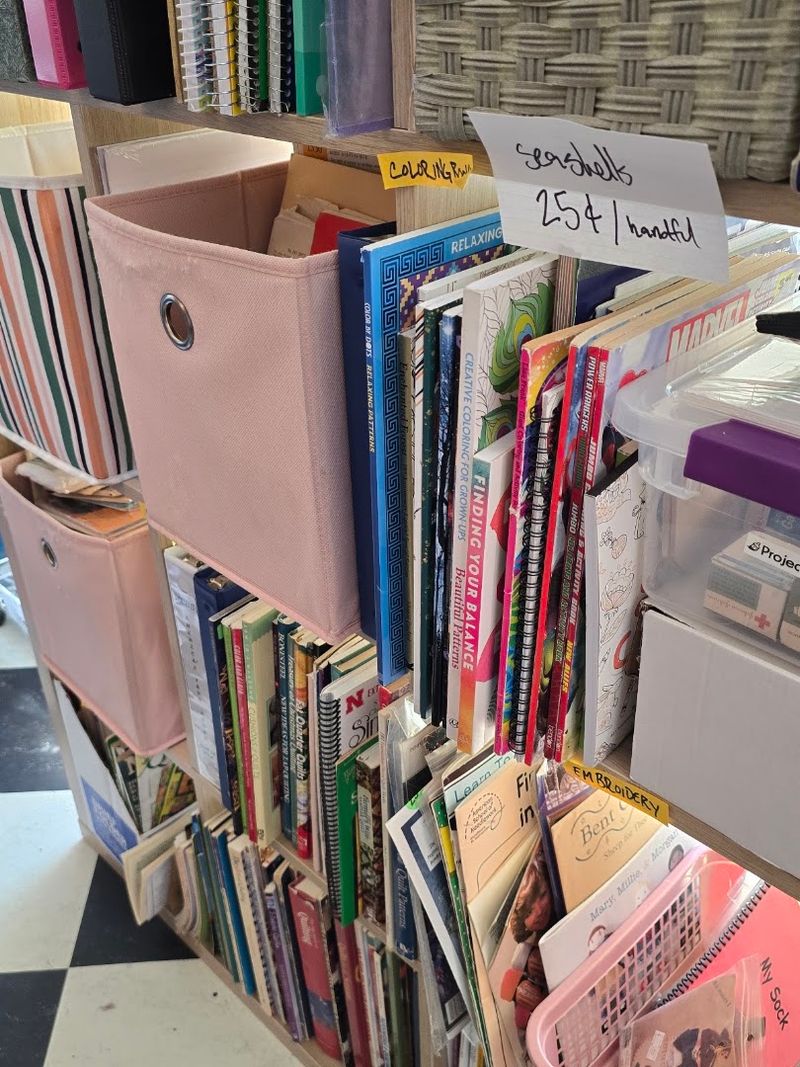
Good Job Creative Reuse has built a following that is genuinely passionate about what the shop represents. It fills a gap that many Indianapolis crafters did not fully recognize until the shop opened, and now that it exists, people are reluctant to go back to paying full retail prices for supplies.
The combination of affordability, sustainability, community programming, and constantly rotating inventory is hard to find anywhere else in the city. Each of those elements on its own would be appealing; together, they make the shop feel essential to a certain kind of creative life in Indianapolis.
The shop also benefits from being the kind of place that people want to tell others about. Word of mouth has driven much of its growth, and the enthusiasm behind those recommendations is easy to understand once a visit has happened.
Good Job Creative Reuse has earned its reputation not through advertising but through consistently delivering something genuinely useful to the people who need it most, and that is a foundation that tends to hold.
Where the Shop Actually Lives
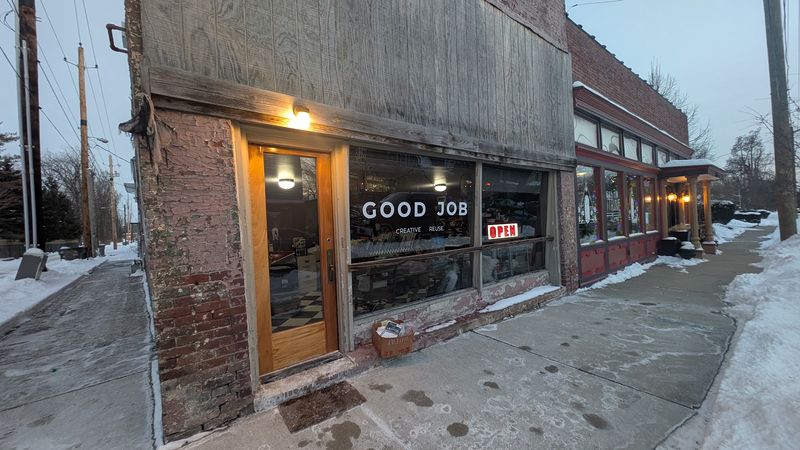
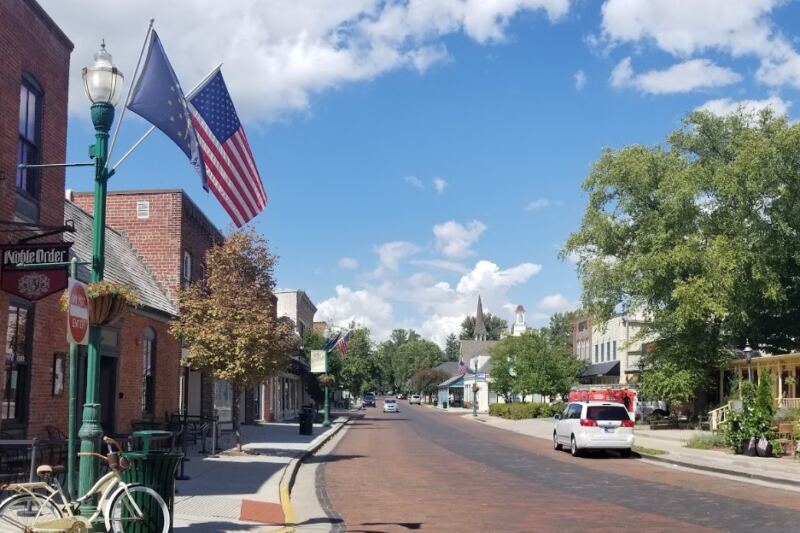
Good Job Creative Reuse is located at 201 S Audubon Rd, Indianapolis, IN 46219, sitting in the Irvington neighborhood on the east side of the city.
Irvington has long had a reputation as one of Indianapolis’s more artistically minded communities, and this shop fits right into that character. The street is quiet and residential in feel, which makes the discovery of a fully stocked craft supply shop feel even more unexpected.
The hours are specific and worth checking before heading over. The shop is open Wednesday from 12 to 4 PM, Thursday through Friday from 12 to 8 PM, Saturday from 12 to 7 PM, and Monday from 12 to 8 PM.
It is closed on Tuesday and Sunday.
More details, including upcoming events and donation information, can be found at goodjobcreativereuse.com. Knowing the schedule ahead of time makes a visit much smoother, especially if a workshop is happening that day.
Share this story