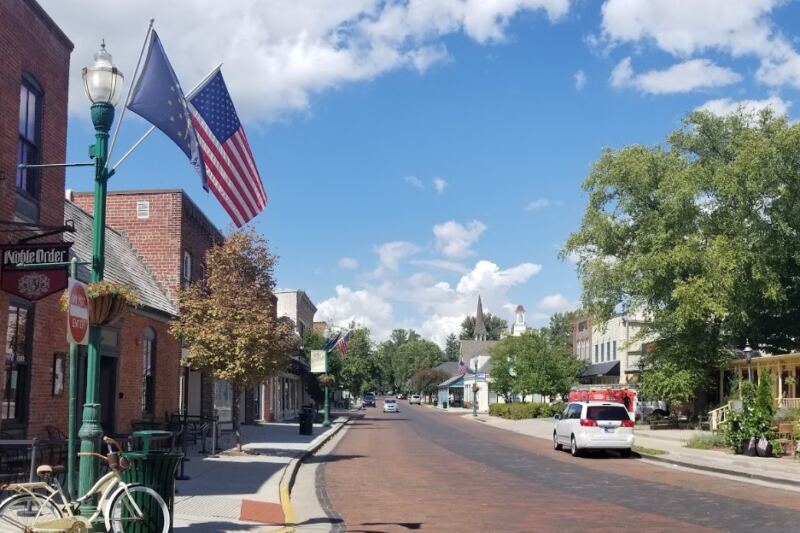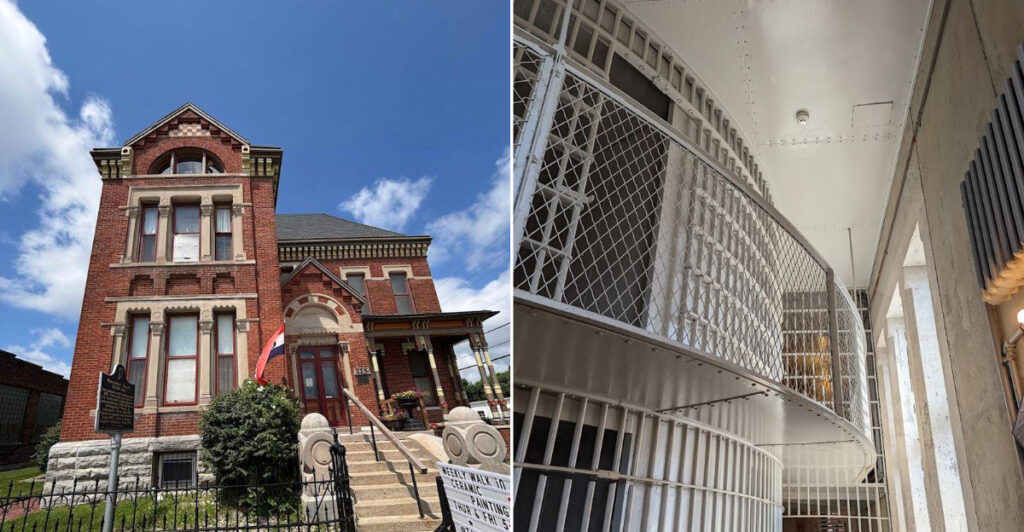
There is a small town in Indiana sitting quietly in Montgomery County, and tucked along one of its streets is a building that stopped the clock on a chapter of American engineering history. Crawfordsville is home to a former jail unlike anything most people have ever heard of, let alone seen, and the story behind it is genuinely hard to believe.
Of the 18 rotary jails ever built in the United States, only three still exist today, and only one of them can still spin. That working jail is right here in Indiana, and it has been drawing curious travelers from across the country who cannot quite wrap their heads around the concept until they watch it turn with their own eyes.
This article covers everything worth knowing before a visit, from the jaw-dropping history to the practical details that will help plan the trip.
The Engineering Idea That Changed Jail Design Forever
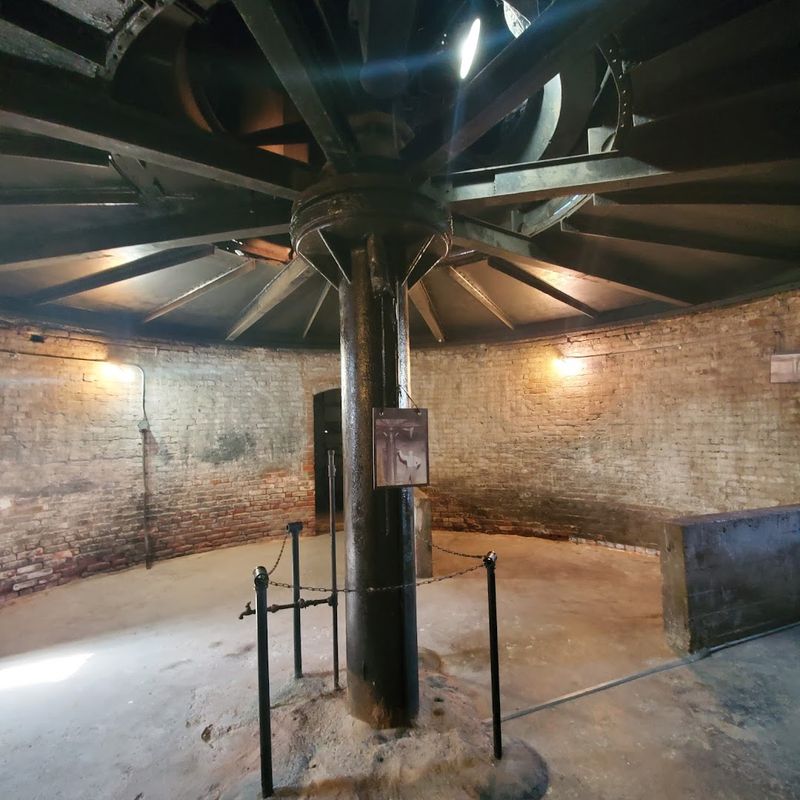
In 1881, an Indianapolis-based company called Haugh, Ketcham and Company designed a jail system that seemed almost futuristic for its time. The concept was a cylindrical cell block that could rotate on a central axis, with only one opening in the outer shell.
The idea was that a single guard could control access to every cell simply by rotating the cylinder to align the correct cell with the single door. No running between corridors, no complicated key systems for multiple doors, and no need for a large staff to manage the facility.
Eighteen of these rotary jails were built across the United States following the patent. The design was considered a marvel of practical engineering at the time, and newspapers covered the concept with genuine enthusiasm.
What seemed like a solution to the challenges of jail management, however, came with serious problems that would only become clear over the following decades of actual use.
Only Three Left Standing, Only One Still Turns
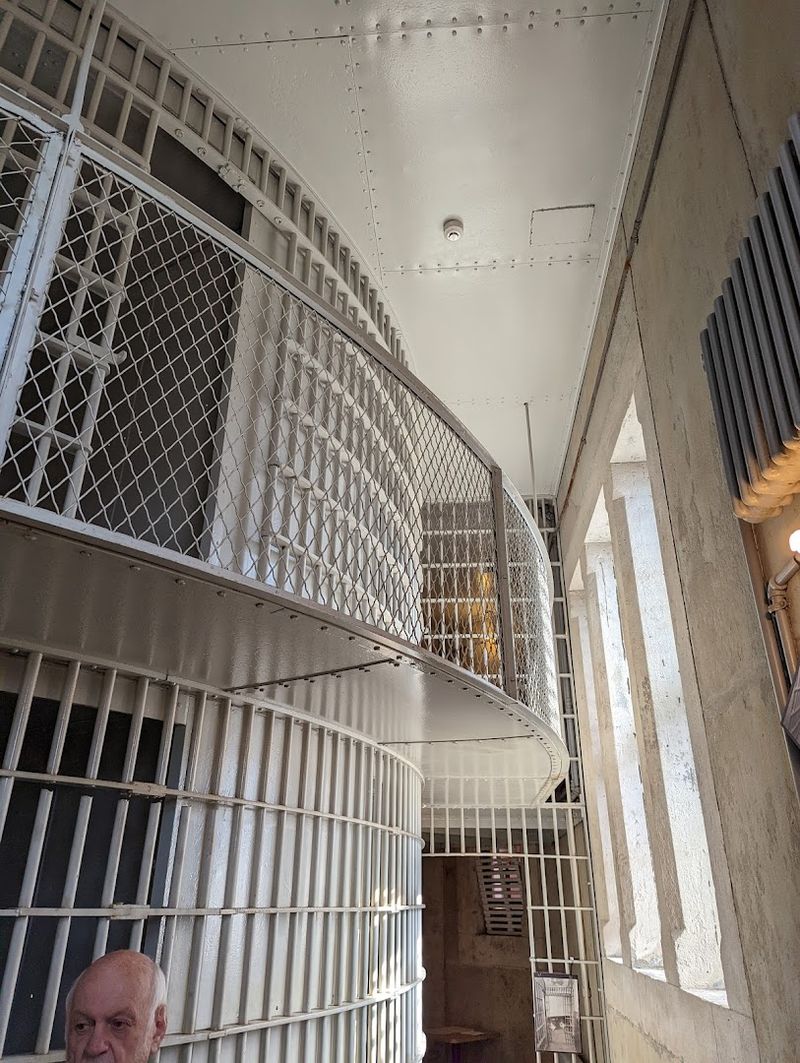
Of the 18 rotary jails constructed across the United States, time has not been kind to most of them. Demolition, neglect, and structural failure have claimed the majority, leaving only three still standing as physical structures today.
Of those three surviving jails, only the one in Crawfordsville retains its ability to actually rotate. The other two exist as static structures, preserved in place but no longer operational in the mechanical sense.
That distinction makes the Crawfordsville jail genuinely one of a kind on the entire planet.
The rotation is powered by a manual crank, which staff members demonstrate during tours. Watching a full cylindrical iron cell block spin around its axis is the kind of thing that stops people mid-sentence.
No amount of reading about it quite prepares a person for the moment the whole structure actually moves, and that moment alone is worth the drive to Crawfordsville for most who make the trip.
Why They Stopped Rotating It in 1933
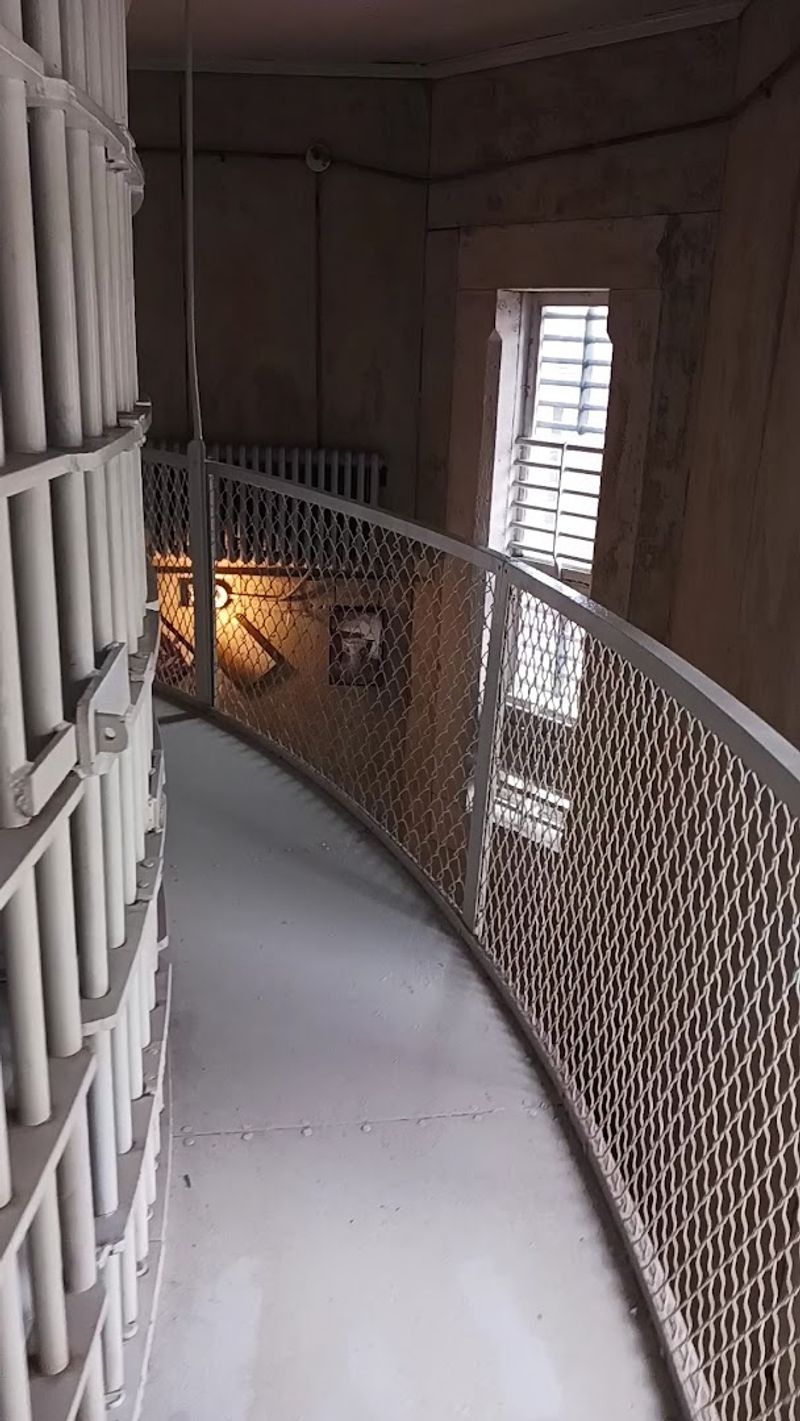
The rotary jail in Crawfordsville operated as an active correctional facility from 1882 all the way through the early twentieth century. During that time, the rotating mechanism was used regularly to control prisoner movement, and the single-door design did exactly what it was built to do in terms of security.
The problem was that the rotation itself turned out to be hazardous for the people inside. Prisoners who had limbs near the edge of a cell when the cylinder began to turn could suffer serious injuries from the movement.
The design, while clever in theory, did not account well for the physical realities of people living inside a constantly accessible rotating structure.
By 1933, officials decided the rotating function would no longer be used for prisoner management. The jail continued to hold inmates in a static configuration until it was eventually decommissioned, and the building later transitioned into the museum that stands today.
The crank still works, but now it serves education rather than incarceration.
Inside the Sheriff’s Home: A Glimpse of Domestic Life
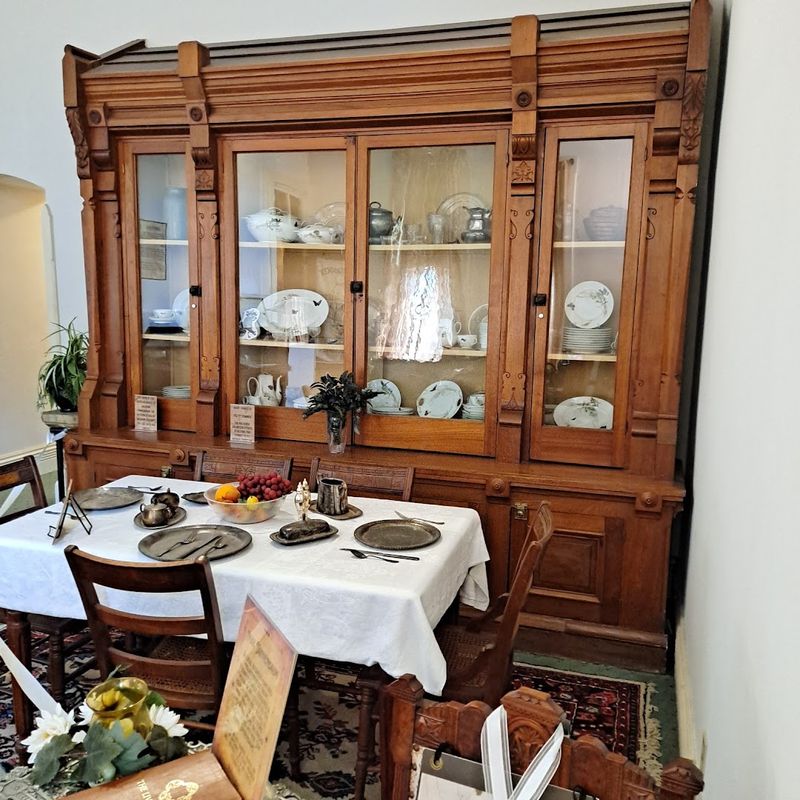
One of the less expected parts of the Rotary Jail Museum experience is the sheriff’s residence that forms the front section of the building. This was a fully functioning family home, built directly attached to the jail, and it was standard practice for the era.
The residence still contains a number of original furnishings and period household items that give a clear picture of what domestic life looked like for a sheriff’s family in late nineteenth-century Indiana. Rooms are set up with authentic pieces that reflect the time period, and informational signage throughout the space adds context to what people are seeing.
The combination of a lived-in family home sitting just steps away from a rotating iron jail cell block creates a contrast that is genuinely striking. It serves as a reminder that the people managing these facilities were not distant figures; they literally lived next door to the inmates, around the clock, every single day of the year.
The Layout of the Jail Itself
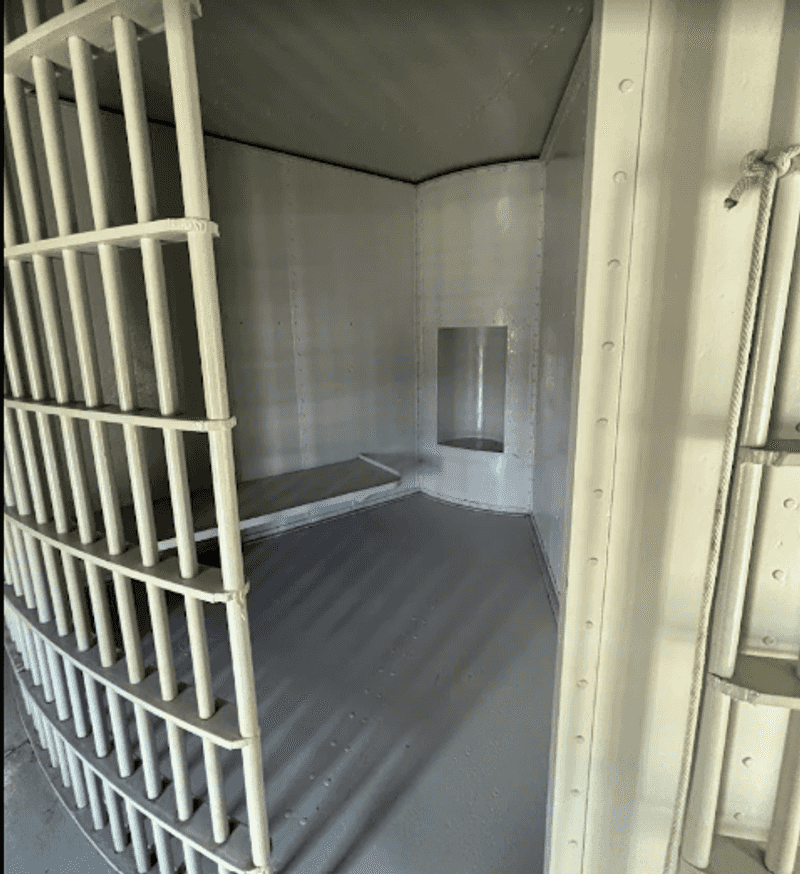
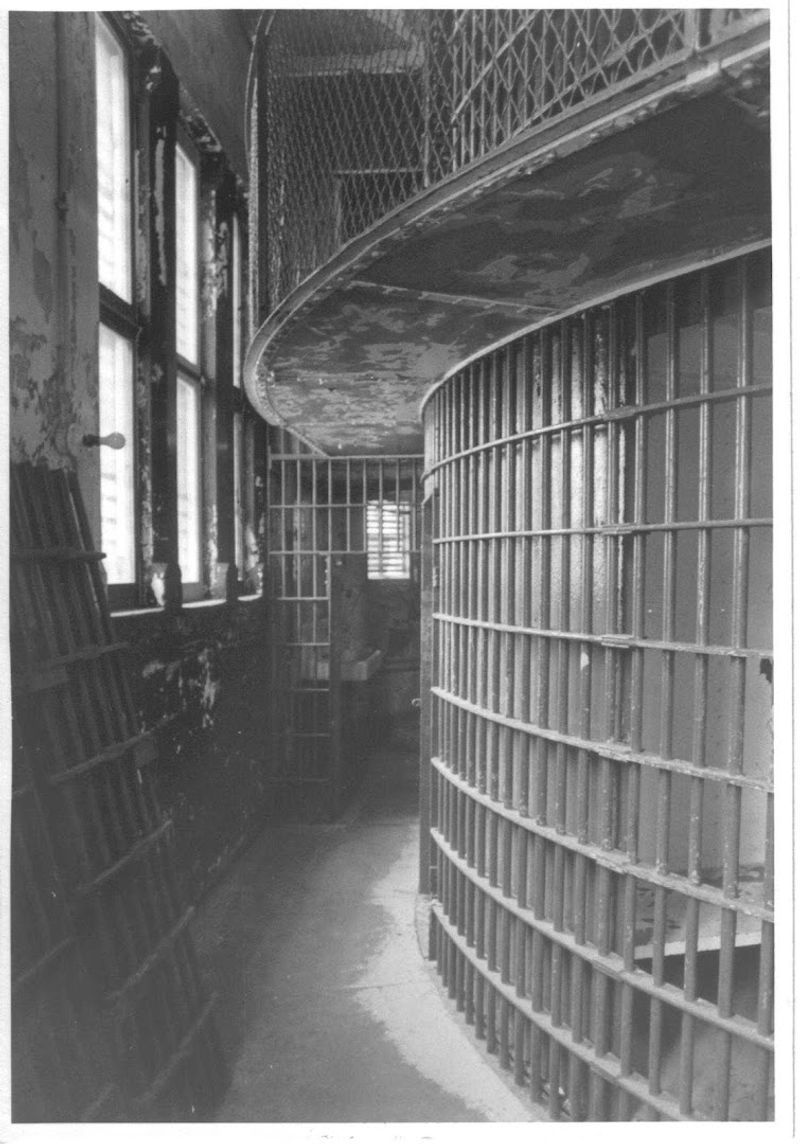
The jail portion of the building is compact but remarkably well organized for the number of people it was designed to hold. The cylindrical cell block contains eight cells spread across two floors, with each cell originally designed to house two prisoners.
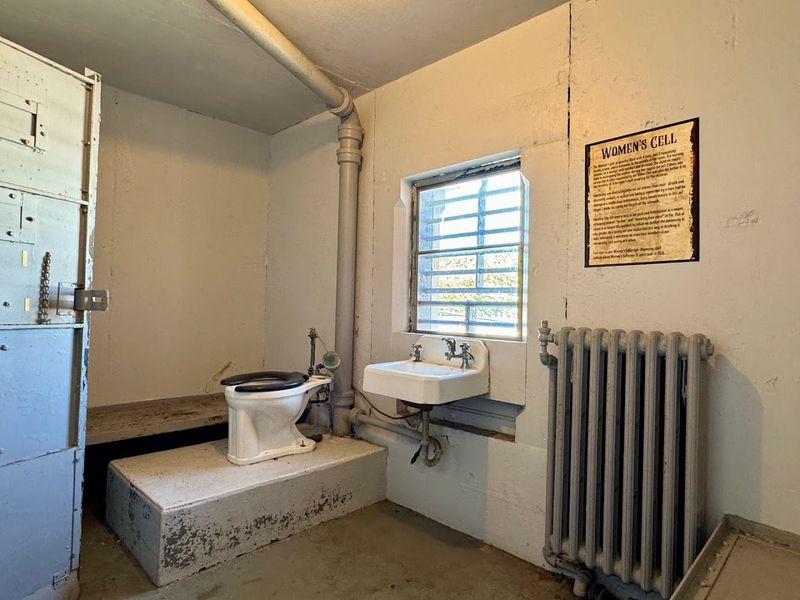
In addition to the standard cells, there is a separate multi-bunk cell designated for women, as well as three infirmary cells located on the upper floor. A solitary confinement cell rounds out the layout, tucked away from the main rotating structure.
The entire facility was designed so that one guard could theoretically manage all of the prisoners without assistance, simply by controlling the rotation of the cylinder. That level of efficiency was the core selling point of the original design.
Touring the actual cells today, with the iron bars up close and the tight dimensions of each space, gives a very real sense of what confinement in this structure would have meant for the people held here.
Self-Guided Freedom in a Place Built for the Opposite
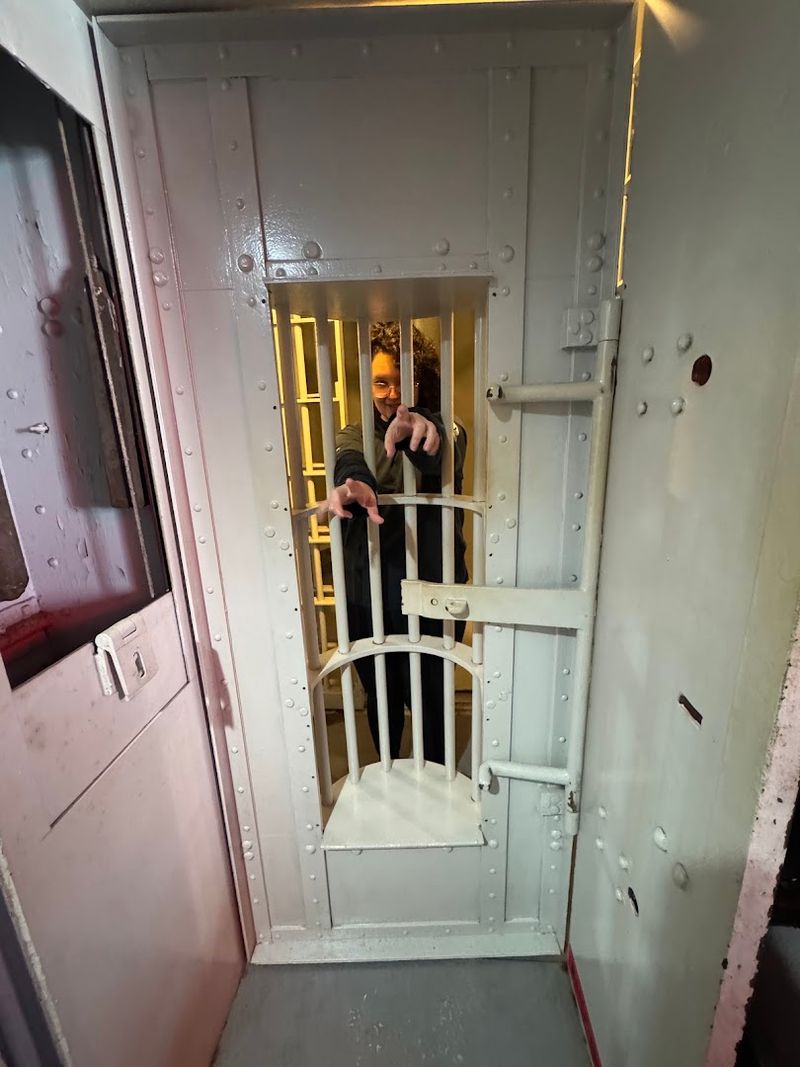
Tours of the Rotary Jail Museum are self-guided, which gives visitors the freedom to move at their own pace through the sheriff’s residence, the jail block, and the various exhibit spaces. That format works particularly well here because there is a lot to read and absorb, and rushing through would mean missing details.
Signage throughout the museum is detailed and well-written, covering everything from the mechanics of the rotating system to the social history of the people who passed through the jail. Exhibits include artifacts from the period, photographs, and contextual displays that fill in the broader story of American correctional history.
Staff members are present and genuinely knowledgeable, available to answer questions and offer additional context when asked. The self-guided format does not mean visitors are left alone to figure things out; it simply means the experience moves at a comfortable pace rather than being tied to a group schedule.
The museum feels well-organized from the moment someone walks through the front door.
What the Admission Price Says About the Place
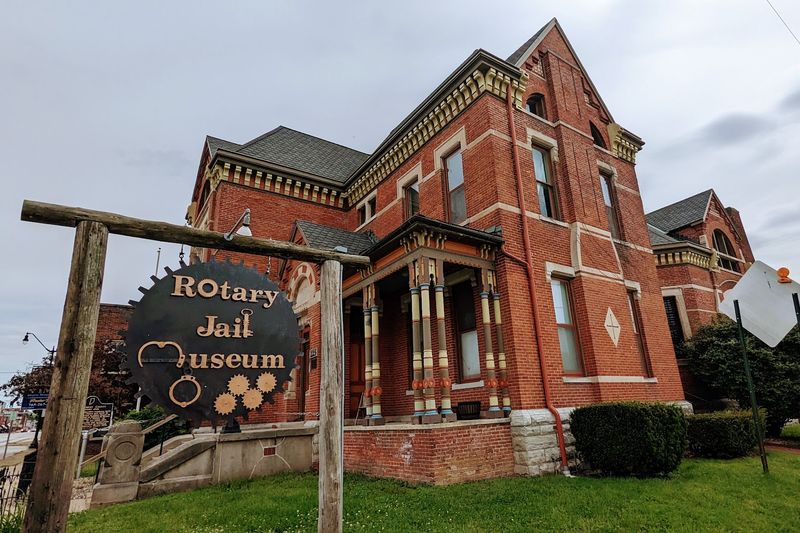
At just five dollars per person, the Rotary Jail Museum offers one of the most straightforward value propositions in Indiana tourism. That entry fee covers access to the full museum, including the jail, the sheriff’s residence, all exhibits, and the live demonstration of the rotating mechanism.
Cash is the preferred method of payment at the door, and bringing exact change or small bills makes the entry process smoother. The museum also accepts donations beyond the admission fee, and those contributions go directly toward the preservation and ongoing maintenance of the historic structure.
A gift shop is available on site, stocked with souvenirs and items related to the museum and its history. Proceeds from the shop also support the preservation mission.
For a destination that costs less than a fast food meal to enter, the depth of what is offered inside is genuinely surprising to most first-time visitors, and many leave wishing they had budgeted more time for the experience.
Hours, Seasons, and Knowing When to Show Up
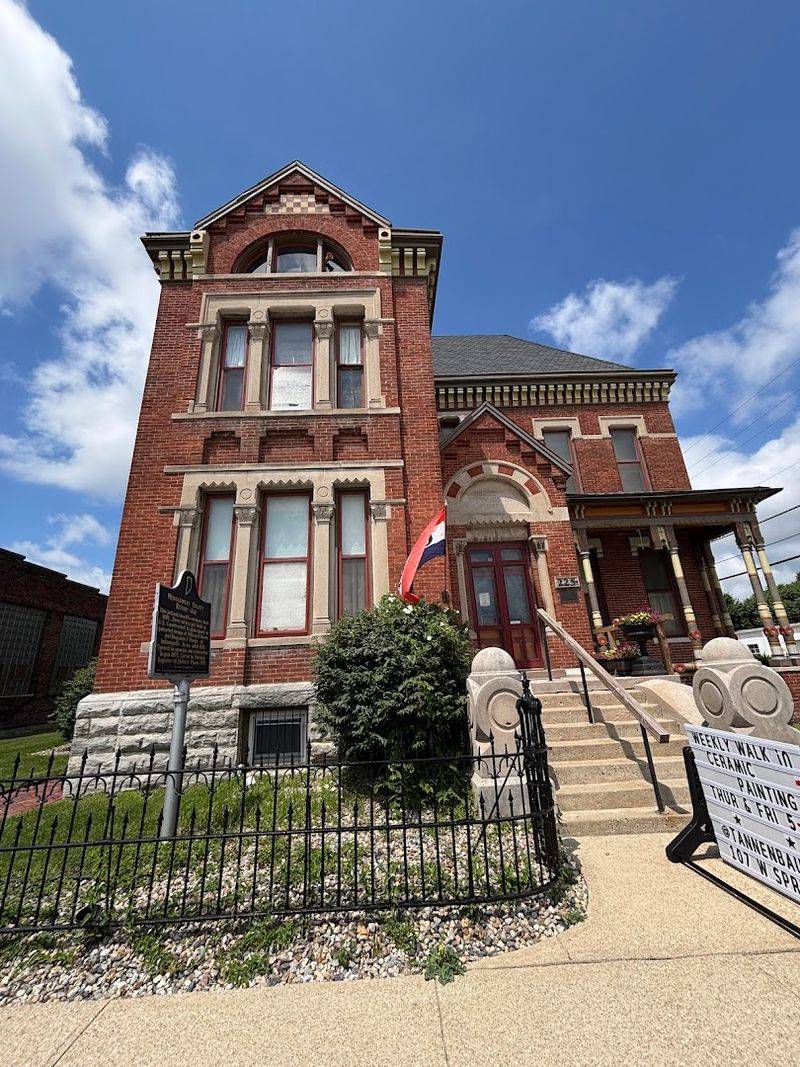
The Rotary Jail Museum keeps a schedule that requires a bit of planning ahead. Current operating hours run Wednesday through Friday and Saturday from 10 AM to 2 PM, with the museum closed on Sunday, Monday, and Tuesday.
Hours can shift slightly by season, so checking the official website before making the drive is always a smart move.
The museum also closes on holidays and occasionally on days surrounding holidays, which is worth factoring in for anyone planning a visit during a long weekend or a holiday week. Arriving right at 10 AM on an open day is the best way to ensure full access and enough time to explore without feeling rushed before closing.
The website at rotaryjailmuseum.org carries current schedule information and any updates about special closures. For a museum with limited hours and a small staff, a little preparation goes a long way toward making sure the trip does not end at a locked front door.
Halloween Events and Special Programming
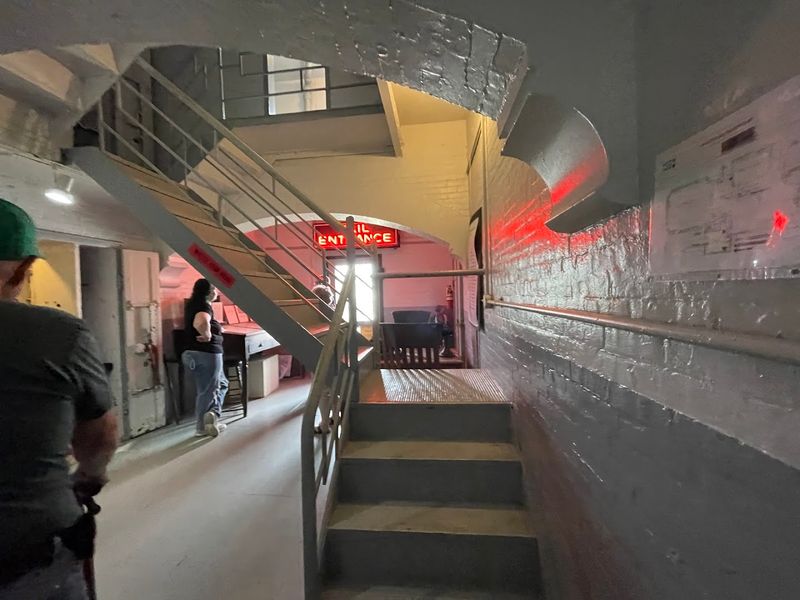
The Rotary Jail Museum leans into its history in a particularly creative way each October, offering Halloween-themed programming that takes advantage of the building’s inherent atmosphere. The events have become a seasonal tradition for visitors who want something more interactive than a standard museum tour.
Details on specific Halloween programming vary by year, so checking the museum’s website or social media pages ahead of October is the best way to get current information about what is being offered. The building’s history and physical design make it a natural fit for events that lean toward the dramatic side of local history.
Beyond Halloween, the museum hosts a rotating calendar of special events throughout the year, including community gatherings and educational programming. The building is also available for event rental, which has helped generate additional revenue for preservation efforts.
A place with this much character does not need much decoration to feel like an event space; the structure itself does most of the work.
Accessibility Considerations Before You Go
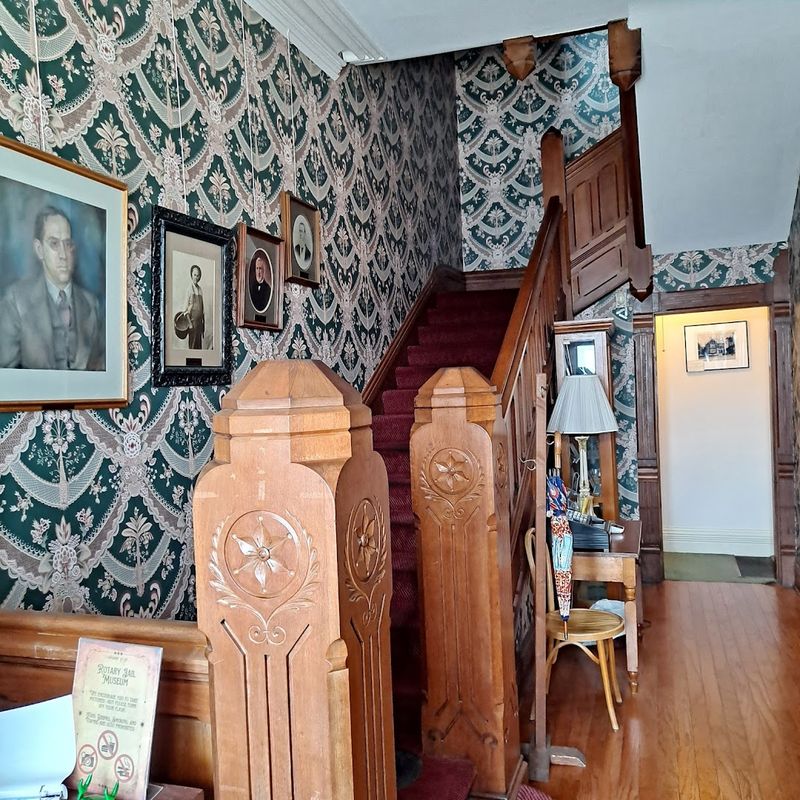
The Rotary Jail Museum is a historic structure, and that means it comes with the physical limitations that older buildings typically carry. Stone steps lead to the entrance, doorways are narrow by modern standards, and the upper levels of the jail are not easily accessible for anyone with mobility challenges.
The main entrance involves a set of steps and a door that opens in a traditional style, which can be difficult to navigate for anyone using a walker, cane, or wheelchair. The lower level of the museum is more accessible than the upper floors, but even the ground level requires navigating some tight spaces that were not designed with modern accessibility standards in mind.
Planning ahead and contacting the museum before visiting is the best approach for anyone who has specific accessibility concerns. The staff is helpful and willing to discuss what is and is not possible within the constraints of the historic building.
Understanding the layout in advance helps set realistic expectations and avoids disappointment on arrival day.
The Connection to The Green Mile
One of the more unexpected threads woven into the Rotary Jail Museum’s story is a reported connection to the Stephen King novel and film The Green Mile. Some accounts suggest there is historical truth behind elements of the story that intersect with the history of this region and this type of facility.
The museum touches on this connection as part of its broader storytelling, giving visitors an additional cultural layer to consider alongside the engineering and social history of the building. Whether someone arrives as a history enthusiast or as a fan of the film, that thread adds an extra dimension to the visit.
It is the kind of detail that tends to stick with people long after they leave, giving them something specific to share when describing the museum to friends and family. The rotary jail already has enough genuine history to stand on its own, but the pop culture connection gives it one more hook that broadens its appeal beyond the typical history museum audience.
Planning a Day Trip Around the Museum
Crawfordsville makes an excellent base for a day trip that combines the Rotary Jail Museum with other nearby attractions. Turkey Run State Park is one of the most popular state parks in Indiana and sits just a short drive from town, making it a natural pairing for visitors who want to balance an indoor museum experience with outdoor activity.
The town itself has a historic downtown area worth walking through, with local shops and landmarks that reflect the same nineteenth-century character that makes the jail museum so compelling. Ben-Hur Museum, dedicated to the author of the famous novel who lived in Crawfordsville, is another stop that fits well into a full-day itinerary.
From Indianapolis, the drive west takes roughly an hour, making it a manageable day trip without requiring an overnight stay. Arriving when the museum opens at 10 AM leaves plenty of time to explore the building thoroughly before moving on to other stops in the area during the afternoon.
Why This Place Deserves a Spot on Any Indiana Itinerary
There are a lot of museums in Indiana, and most of them tell stories worth hearing. The Rotary Jail Museum stands apart not because it tries harder than the others, but because the thing at the center of its story is genuinely unlike anything else that still exists.
A rotating iron jail that was built in 1882, operated for decades, survived while 15 of its siblings were demolished, and can still be cranked around on its axis today is not a common historical artifact. It is an object that required specific decisions by specific people at specific moments to still be here at all, and the museum tells that story with care.
At five dollars a person, with a knowledgeable staff, well-organized exhibits, and the actual demonstration of the rotating mechanism, the Rotary Jail Museum delivers the kind of experience that stays with people. It is the sort of place that gets mentioned at dinner tables and recommended to strangers, and for good reason: there is simply nothing else like it anywhere in the world.
Where History Literally Spins Around You
The Rotary Jail Museum sits at 225 N Washington St, Crawfordsville, Indiana 47933, right in the heart of a town that carries a surprising amount of American history for its size. Montgomery County is the kind of place where the past does not just sit in a display case; it is built into the walls of the buildings themselves.
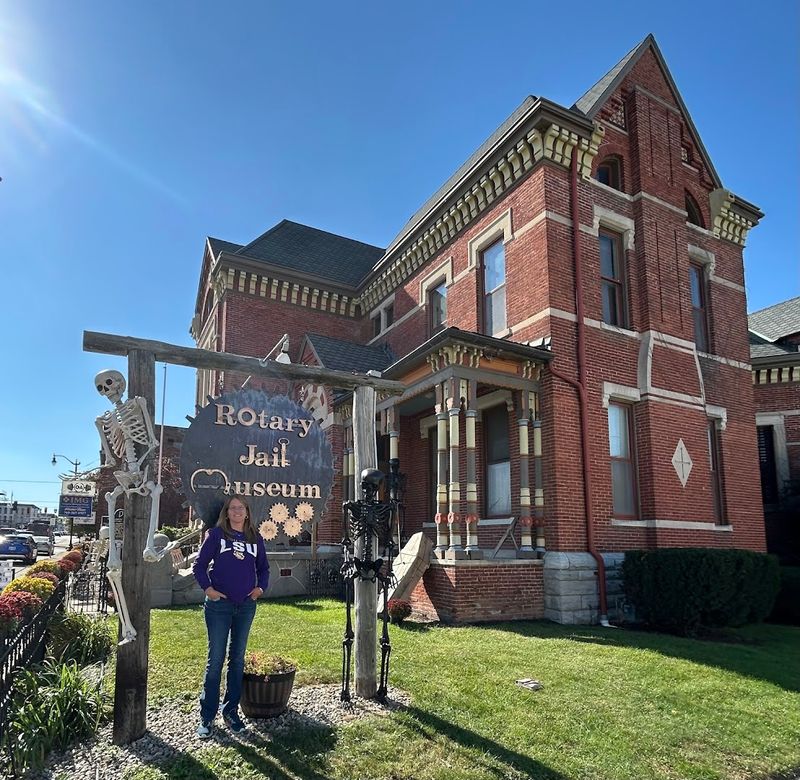
The museum occupies a structure that served as a working jail and sheriff’s residence for decades. The front portion of the building is a two-story brick home where the sheriff and his family actually lived, while the cylindrical jail sits directly behind it.
Getting to Crawfordsville is straightforward from Indianapolis, roughly an hour west on US-231. The building is easy to spot and sits close to the town center, making it simple to combine with a broader visit to the area.
First-time visitors often underestimate just how much history is packed into this compact property.
Share this story