Baltimore has no shortage of waterfront attractions, but tucked along the southern edge of the Inner Harbor sits a museum that plays by entirely different rules. No formal art training required, no stuffy galleries, and definitely no boring white walls.
This museum celebrates art made by people who never attended art school, and the result is one of the most raw, creative, and genuinely surprising cultural spaces in the entire country. The building itself is covered in mosaics, the campus sprawls across multiple structures, and the collection inside ranges from towering sculptures to intricate embroideries stitched by hand over decades.
Whether someone is a lifelong art lover or a first-time museum visitor, this place has a way of stopping people in their tracks. Keep reading to find out what makes this Inner Harbor landmark so hard to forget.
What Visionary Art Actually Means
Not every museum needs a mission statement to explain itself, but this one earns its name in a way that genuinely changes how a visitor thinks about creativity. Visionary art is made by self-taught artists, people who never went to art school and who create entirely from personal drive, lived experience, and imagination.
That distinction matters because it shapes everything about how the collection looks and feels. The work tends to be more personal, more direct, and often more emotionally honest than pieces produced within formal academic traditions.
There are no rules about materials, scale, or technique, which means the results can be wildly unexpected.
The museum was founded on the belief that this kind of raw, unfiltered creativity deserves the same serious attention as any classical masterwork. That founding philosophy shows up in every curatorial decision, from the rotating mega-exhibitions to the permanent collections housed across the campus buildings.
It is a philosophy that clearly resonates with the people who visit.
Two Buildings, Multiple Floors, and a Lot to Discover
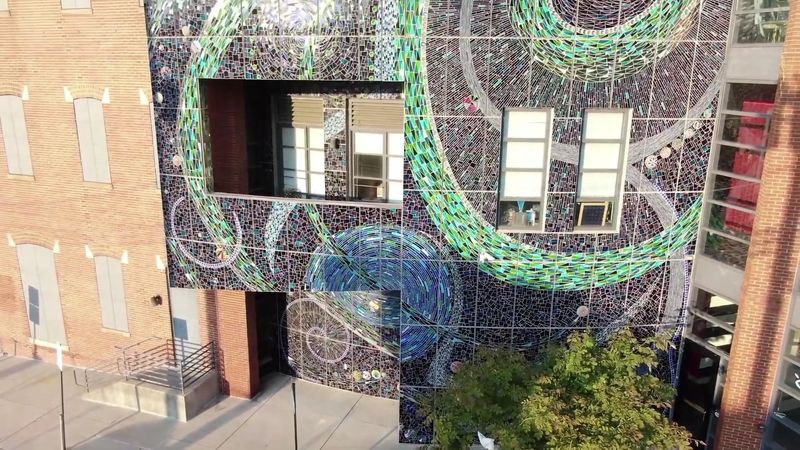
The campus is made up of more than one structure, and first-time visitors sometimes miss entire sections without realizing it. The main building is a round mosaic-covered structure with four floors of rotating and permanent exhibitions.
A second building, connected through an outdoor sculpture garden, holds kinetic art and interactive mechanical displays across three floors.
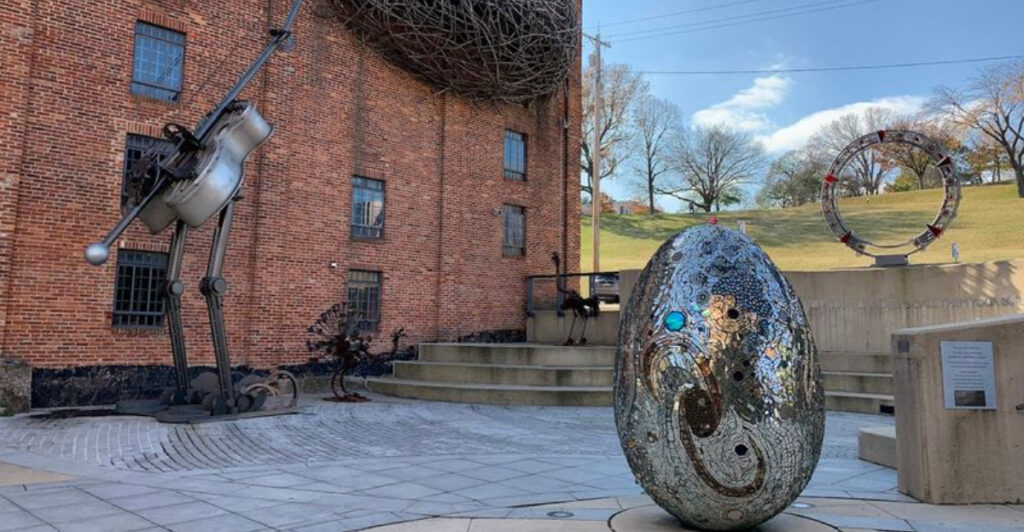
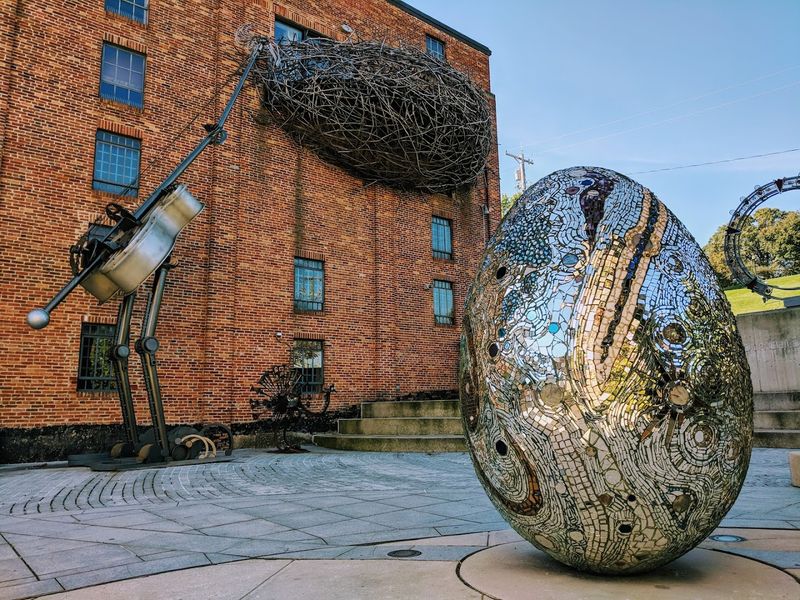
The third floor of the second building opens onto a birds nest balcony, a detail that catches many people off guard in the best possible way. Both buildings reward slow exploration because the art extends into elevators, stairwells, and even bathrooms.
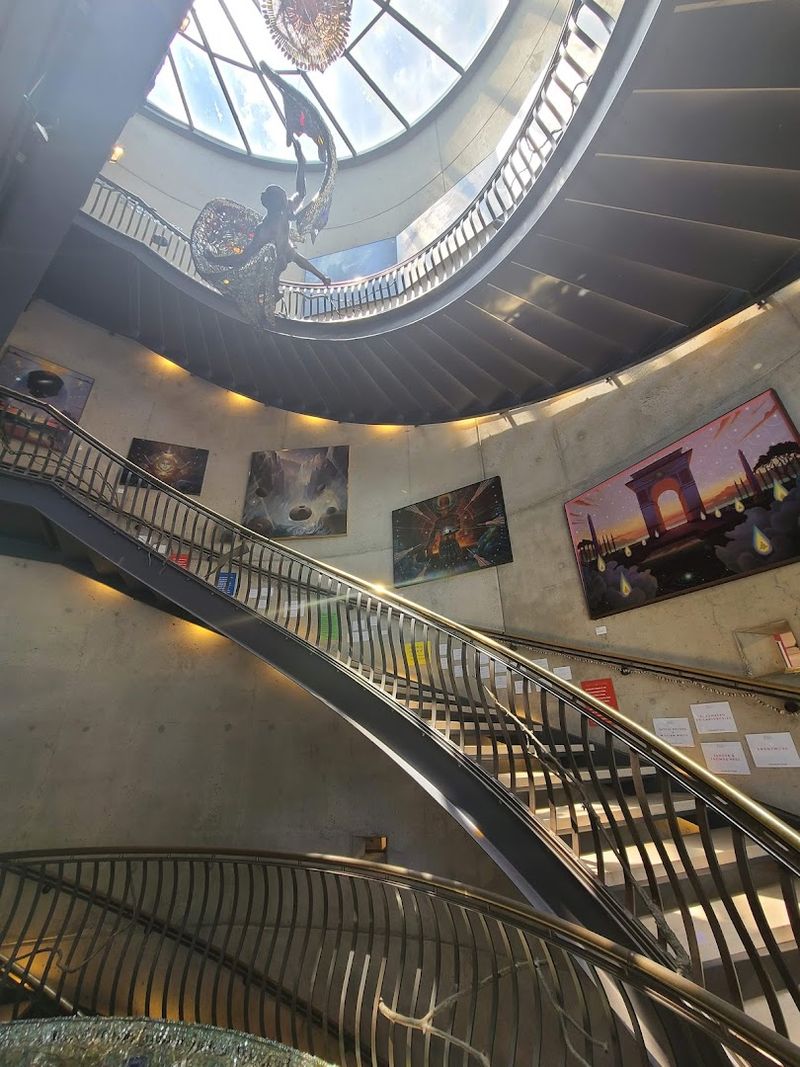
The stair railings incorporate cast metal tree branches, and the same organic design language carries through to benches, door handles, and outdoor sculptures across the campus. That level of cohesion is not accidental.
Every design choice reinforces the idea that art does not have to stop at the frame, and this museum makes that argument convincingly from the ground floor up to the rooftop.
The Sculpture Garden and Treehouse Worth Lingering In
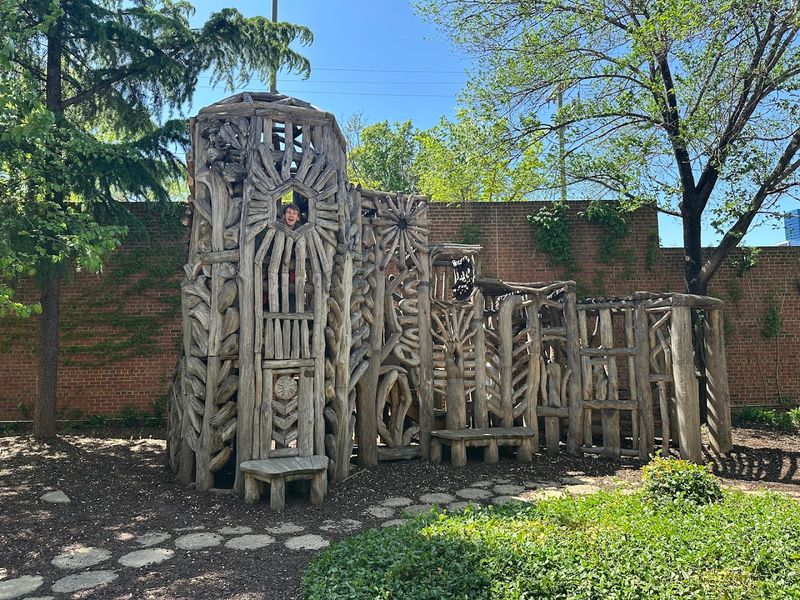
Between the two main buildings, there is an outdoor sculpture garden that connects them and serves as its own destination. Large-scale sculptures fill the space, and the area is accessible even without a paid ticket, making it a genuine gift to the neighborhood and to curious passersby.
A treehouse stands in the garden and can be climbed and explored freely. That kind of open, participatory design is rare in museum settings, and it signals something important about the museum’s overall attitude toward accessibility and community.
The garden works well as a pause point between the two buildings, giving visitors a moment to reset before moving on to the next floor of art. On clear days, the outdoor space connects naturally to the broader landscape of Federal Hill and the harbor beyond.
Even on a quick visit, spending time in the garden rather than rushing through it tends to leave a stronger impression than skipping it entirely.
The Kinetic Art and Mechanical Cabaret Theatre
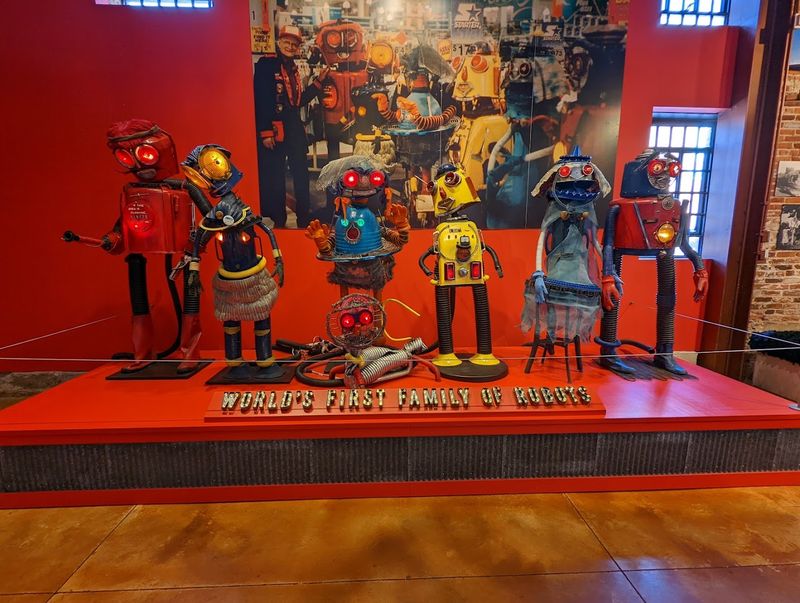
One of the most talked-about features of the second building is its collection of kinetic and mechanical art. These are works that actually move, triggered by buttons or motors, and the experience of watching them operate is genuinely different from standing in front of a static painting.
The Mechanical Cabaret Theatre houses wind-up toys and mechanical contraptions that have become a favorite for visitors of all ages. The interactive nature of the displays means that pressing a button is not just allowed but encouraged, which is a refreshing change from the hands-off rules of most traditional museums.
Children tend to gravitate toward this section and often do not want to leave, but adults find themselves equally absorbed. The craftsmanship behind many of the pieces is extraordinary, with tiny moving parts assembled by hand over years of patient work.
This section of the museum has a way of making time disappear, which is either a warning or a promise depending on how tightly the schedule is packed.
The Mosaic Exterior That Announces Itself From the Street
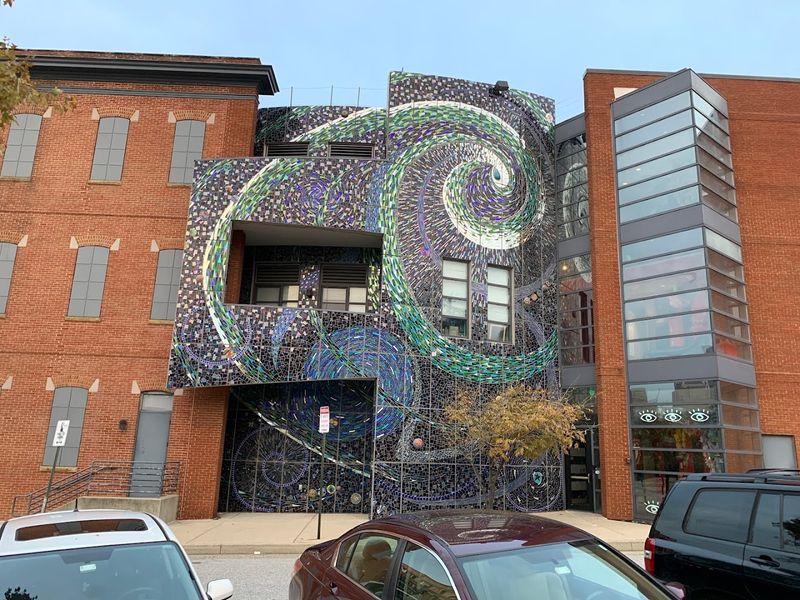
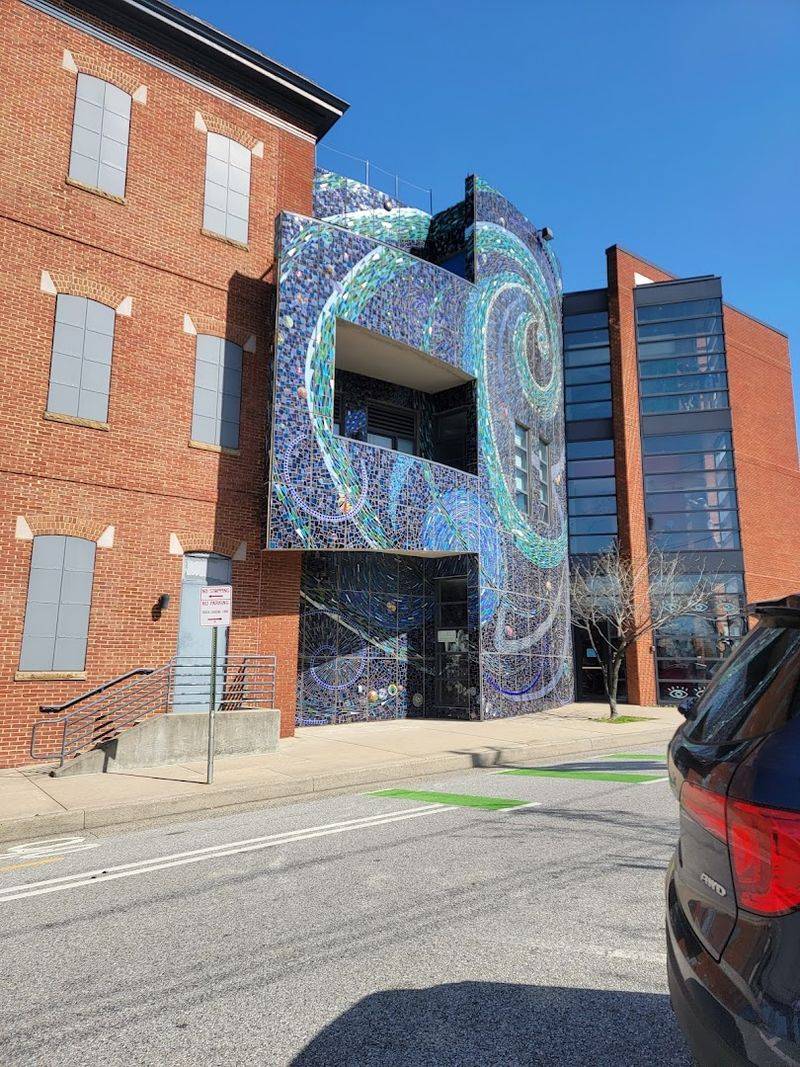
Before a visitor even buys a ticket, the building itself makes a statement. The exterior walls are covered in mosaics, and sculptures are mounted at various points around the structure, turning the entire facade into a work of art that can be appreciated from the sidewalk.
Community involvement played a real role in creating some of these exterior mosaics. Children from the local community contributed to mosaic projects that now adorn the building, which gives the exterior a layer of meaning beyond pure decoration.
That investment in community art education shows up as a recurring theme throughout the museum’s programming and philosophy. The building does not try to look like a conventional museum, and that deliberate choice communicates something important before anyone walks through the door.
It signals that the rules here are different, that creativity is not contained to frames and pedestals, and that the space between art and everyday life is much smaller than most institutions would have you believe.
Rotating Mega-Exhibitions That Keep the Experience Fresh
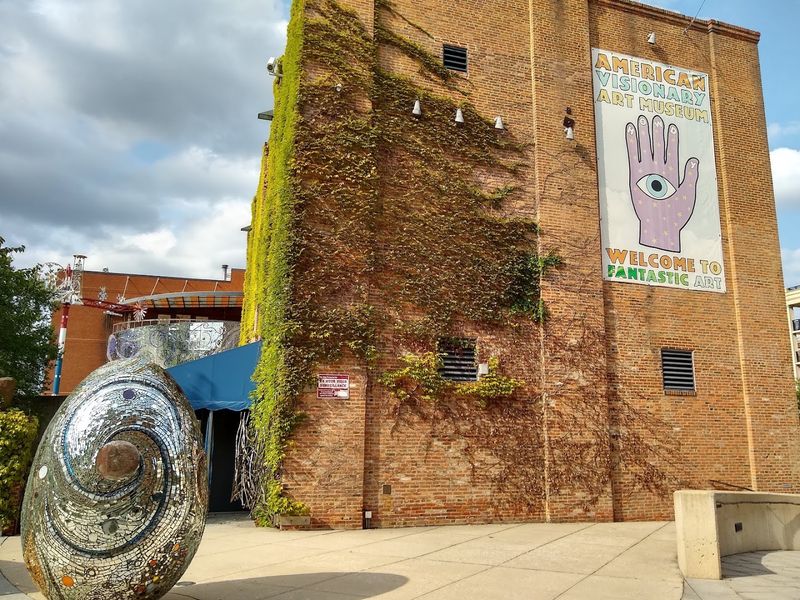
The museum organizes its programming around large thematic exhibitions that rotate over time, which means the experience is genuinely different from one visit to the next. Past mega-exhibitions have explored themes like sports, dreams, and fantastic realities, each one drawing together works from multiple self-taught artists around a central idea.
A current or recent mega-exhibition titled Fantastic Realities has drawn attention for its scope and the range of artists it brings together under one roof. These large exhibitions fill the main building and give the museum a sense of purpose and narrative that goes beyond a simple survey of collected works.
Because the exhibitions change, regular visitors find new reasons to return, and the museum actively encourages that kind of ongoing relationship with its audience. Checking the current exhibition lineup before visiting is worth the extra step, not because any visit would be disappointing, but because knowing the theme in advance helps set expectations and makes the experience feel more intentional from the start.
Permanent Collections That Anchor the Experience
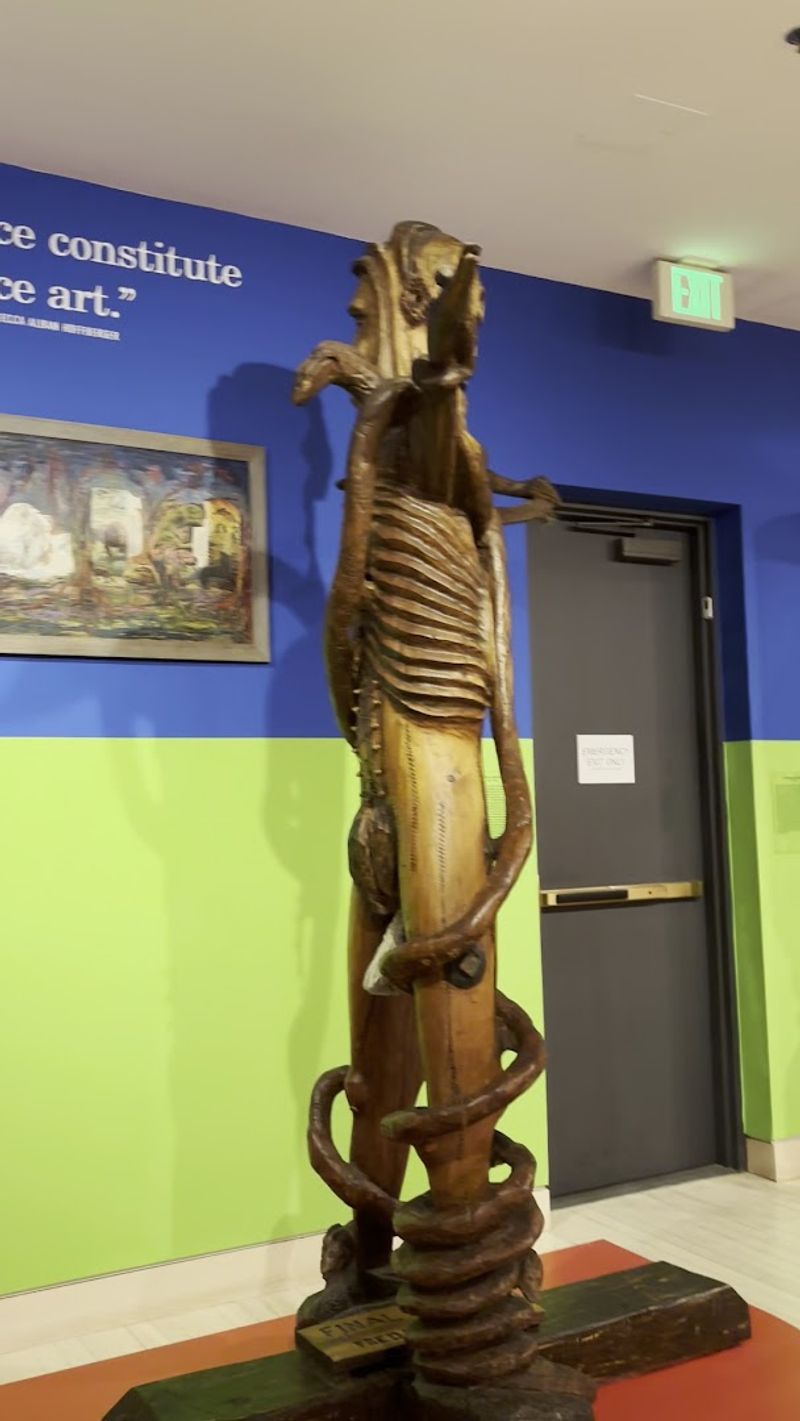
Alongside the rotating exhibitions, the museum maintains permanent collections that give returning visitors something consistent to look forward to. The Matt Sesow collection occupies a dedicated section of the second building and is easy to miss on a first visit if the floor layout is not fully explored.
Sesow’s work is part of what makes the permanent collection feel genuinely curated rather than just stored. The museum’s approach to its permanent holdings reflects the same care and intentionality that goes into the rotating shows, which is not always the case in smaller institutions.
Affordable original art is also available for purchase within the museum space, which is an unusual and welcome feature. The idea that someone can walk out of a museum with an original work by a self-taught artist, at a price that does not require a second mortgage, aligns perfectly with the museum’s broader mission of making visionary art accessible to everyone, not just collectors with deep pockets.
Admission, Hours, and Practical Tips for Planning a Visit
Adult admission is priced at around ten dollars, which makes this one of the more affordable museum experiences in the Baltimore area. Student discounts are available with a valid student ID, and AAA members can access an additional discount by asking for it at the entrance, though it is not always advertised prominently.
The museum is open Wednesday through Sunday from 10 AM to 5 PM and is closed on Mondays and Tuesdays. Tickets can be purchased at the door without advance booking, and wait times are generally minimal even on weekends.
Three hours is a commonly cited minimum for doing the museum justice, and some visitors find that even that is not quite enough. There is no cafe on the premises, so bringing a snack and planning a meal nearby is a practical consideration.
The Rusty Scupper restaurant is located very close to the museum and offers a waterfront dining option for those who want a full sit-down meal after the visit.
Art That Goes All the Way to the Bathroom
Most museums draw a clear line between gallery space and utility space. This one does not.
The bathrooms at the American Visionary Art Museum are decorated with art, which sounds like a minor detail until the moment someone actually encounters it and realizes how committed the institution is to the idea that creativity belongs everywhere.
The same philosophy extends to the elevators and stairwells, where design elements and artwork continue the visual conversation started on the main floors. The cast metal tree branch stair railings are a particularly noted example of how functional architecture and artistic expression are treated as the same thing here.
That consistency of vision throughout the entire building, from the rooftop to the basement, from the gallery walls to the restroom tiles, is what separates this museum from places that treat art as something to be contained and displayed rather than lived with. It is a small detail that ends up saying something large about the whole operation.
Why Families and Children Connect With This Place
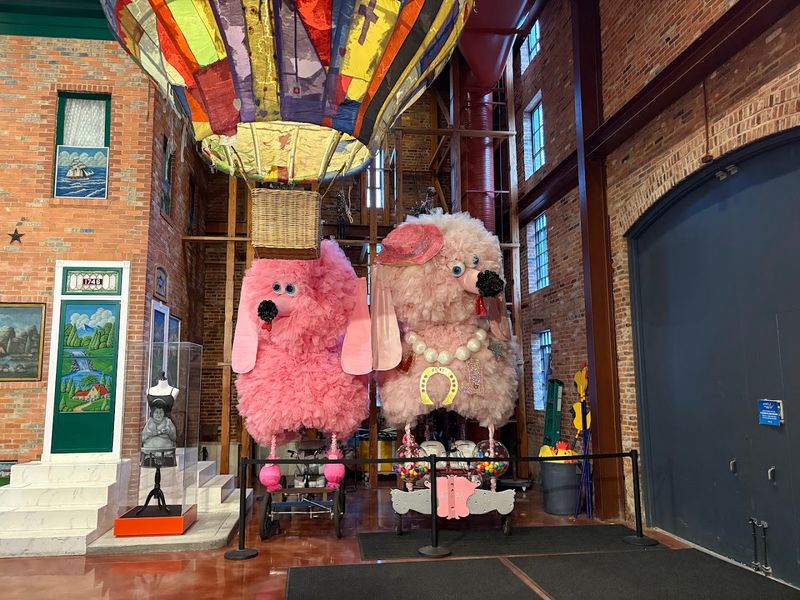
Museums that work equally well for adults and children are rarer than they should be, and this one manages the balance without dumbing anything down. The kinetic and mechanical displays in the second building are a natural draw for younger visitors, and the button-operated contraptions in the Mechanical Cabaret Theatre tend to produce the kind of sustained engagement that parents of restless children deeply appreciate.
The sculpture garden and treehouse add a physical, outdoor dimension to the visit that breaks up the indoor gallery experience in a way that works especially well for families with younger children. The accessible design of the campus, including elevator access for wheelchairs and strollers, means the museum is genuinely usable for a wide range of visitors.
The art itself, with its emphasis on personal stories, found materials, and unconventional techniques, tends to spark questions and conversations between adults and children in a way that more formal collections sometimes do not. That quality of sparking genuine curiosity across age groups is one of the museum’s most underrated strengths.
A Baltimore Landmark That Keeps Drawing People Back
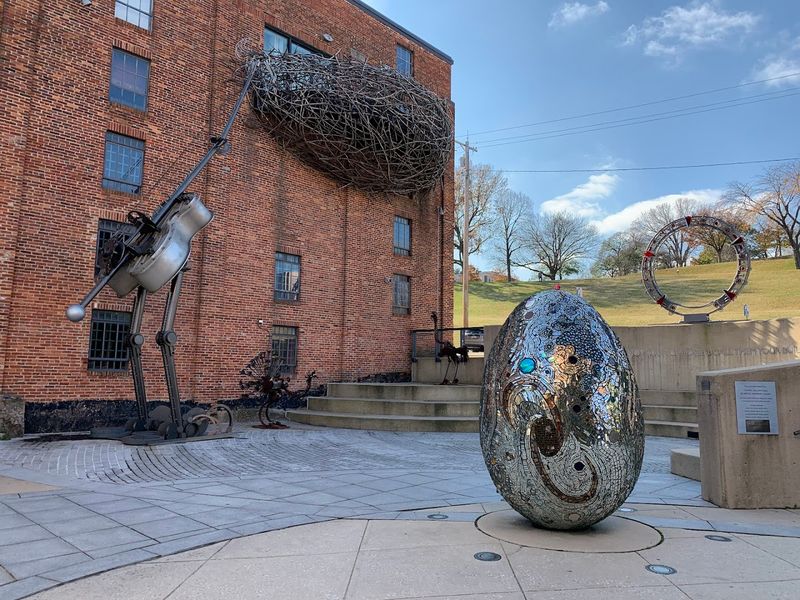
Some places earn the word landmark through age or scale. This one earns it through originality.
The American Visionary Art Museum has built a reputation that extends well beyond Baltimore, with travelers who rank it among the top five museums they have encountered anywhere in the world placing it in genuinely elite company.
The combination of affordable admission, rotating exhibitions, permanent collections, a genuinely excellent gift shop, and a campus that rewards slow exploration gives the museum a depth that punches far above its physical footprint. It is not the largest museum in the city, but it may be the most memorable.
For anyone who has spent time in Baltimore and somehow missed it, the museum has a way of inspiring mild regret followed by immediate plans to return. For first-time visitors, it tends to land near the top of the list of things they wish they had known about sooner.
That is about as strong an endorsement as a place can earn without saying a word.
The Address and Setting That Start the Story
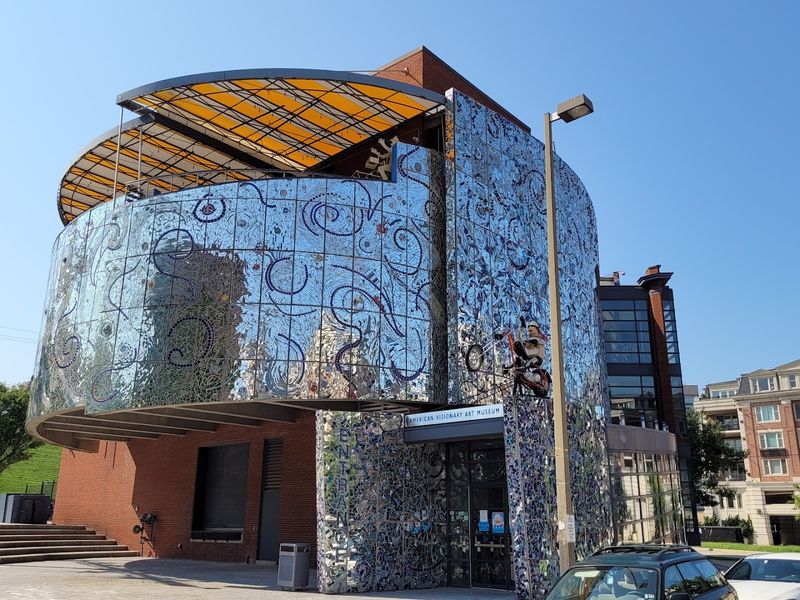
Right at 800 Key Hwy, Baltimore, MD 21230, the American Visionary Art Museum sits on the edge of Federal Hill, just a short walk from the Inner Harbor waterfront. The location alone is worth noting because it places the museum within easy reach of some of Baltimore’s most recognizable landmarks.
Federal Hill Park rises directly behind the museum, offering open green space and sweeping views of the harbor. That combination of urban waterfront, parkland, and a mosaic-covered building creates a setting that feels unlike anything else in the city.
Street parking is available on Sundays at no cost, and a private parking lot near the neighboring Rusty Scupper restaurant provides an option on busier days. There is no dedicated museum parking lot, so planning ahead makes the visit smoother.
The surrounding neighborhood rewards a slow walk, and the building’s exterior alone gives plenty of reasons to pause before even stepping through the front door.
Share this story