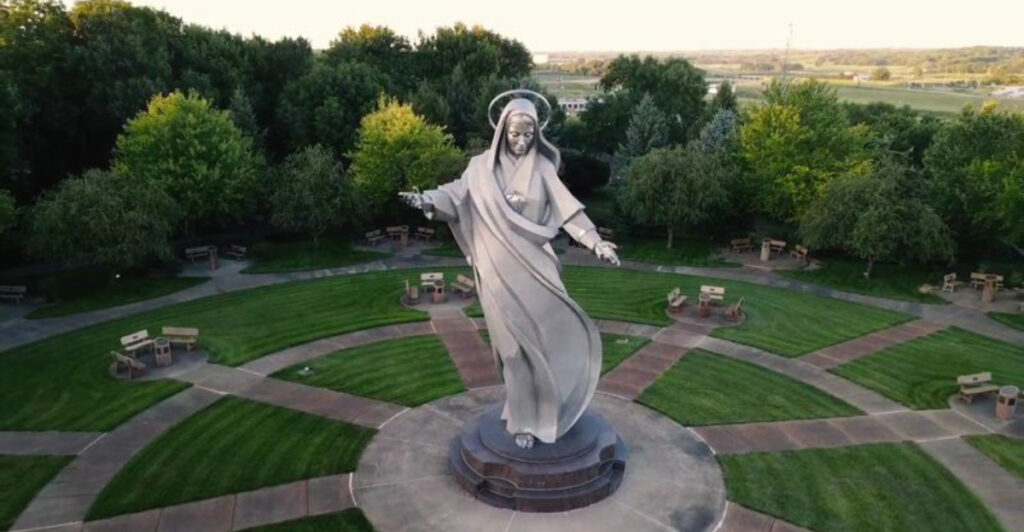
There is a 30-foot-tall statue of the Virgin Mary standing on a quiet hillside in northwestern Iowa, and most people outside the region have never heard of it. This towering figure is part of a remarkable outdoor spiritual sanctuary that draws visitors from across the country, regardless of their faith background.
The grounds also hold a 35-foot statue of Jesus, a life-size wood-carved Last Supper, a chapel filled with reliquaries, and beautifully maintained gardens lined with benches and flowering plants. Once you know this place exists, it is very hard not to start planning a visit.
The World-Record Statue That Started It All
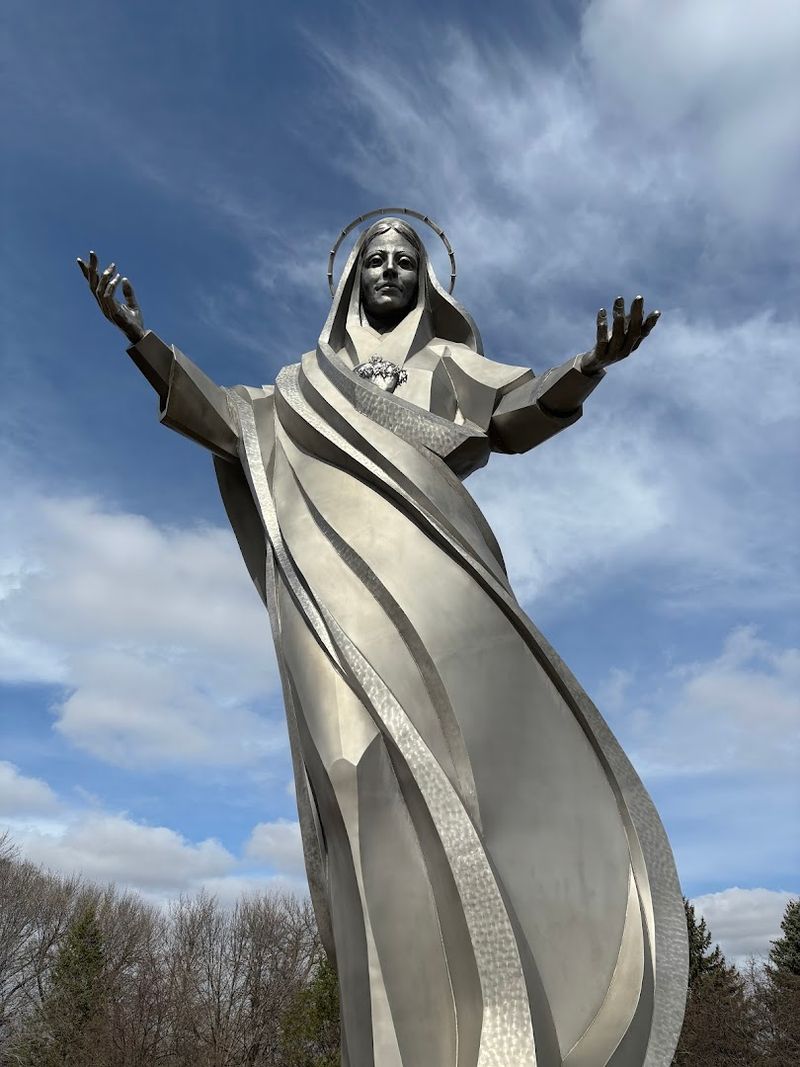
Standing 30 feet tall against the wide Iowa sky, the statue known as the Immaculate Heart of Mary, Queen of Peace is the kind of sight that stops you mid-step. Most visitors say no photograph fully prepares them for the scale of it in person.
The statue is recognized as the world’s largest statue of the Virgin Mary, a claim that gives Trinity Heights, located at 2509 33rd Street in Sioux City, Iowa, United States, a distinction unlike any other religious site in the country.
The craftsmanship is striking. The details carved into the figure, the expression on the face, and the sheer height of the work all point to a level of care and artistry that feels almost impossible to rush past.
Most people end up standing there far longer than they expected.
A 35-Foot Christ the Savior Statue That Commands the Hillside
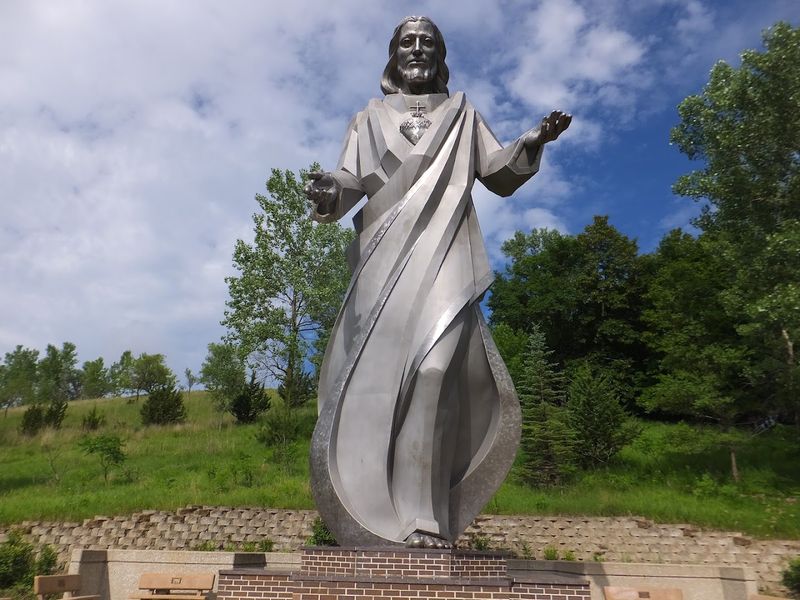
Just beyond the Mary statue, the grounds open up to reveal something even taller. The Christ the Savior statue rises 35 feet and holds a presence on the hillside that is genuinely hard to put into words.
What makes the approach to this statue especially meaningful is the path leading up to it. The Stations of the Cross line the walkway, each one featuring detailed metalwork panels that illustrate a different moment from the Passion narrative.
Reading each station while walking the path turns a simple stroll into something much more reflective.
The statue itself is visible from a considerable distance, which means your first glimpse of it happens long before you actually arrive at the base. That slow reveal builds a kind of anticipation that feels very intentional.
The combination of the path, the panels, and the towering figure at the end creates one of the most quietly powerful walks on the entire property.
One of Only Four Life-Size Wood-Carved Last Suppers in the World

Here is a detail that genuinely surprised me: the wood-carved Last Supper at Trinity Heights is one of only four of its kind in the entire world. That is not a regional claim or a local boast.
It is a verifiable fact that places this piece in extraordinarily rare company.
The carving is life-size and crafted from solid wood, and the level of detail in each figure is remarkable. The expressions, the hands, the folds of fabric, all of it is rendered with the kind of patience that takes years to develop.
The piece is displayed inside a building to the right of the chapel, and stepping into that room feels like walking into a different kind of quiet. Visitors who come primarily to see the outdoor statues often say the Last Supper ends up being the most memorable part of the entire visit.
The Chapel and Its Collection of Reliquaries
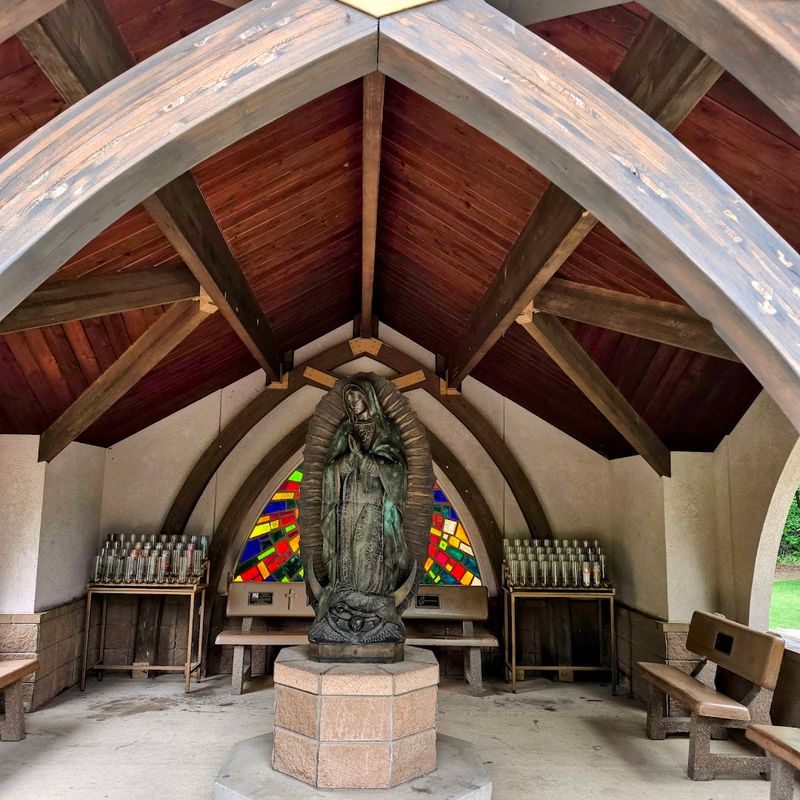
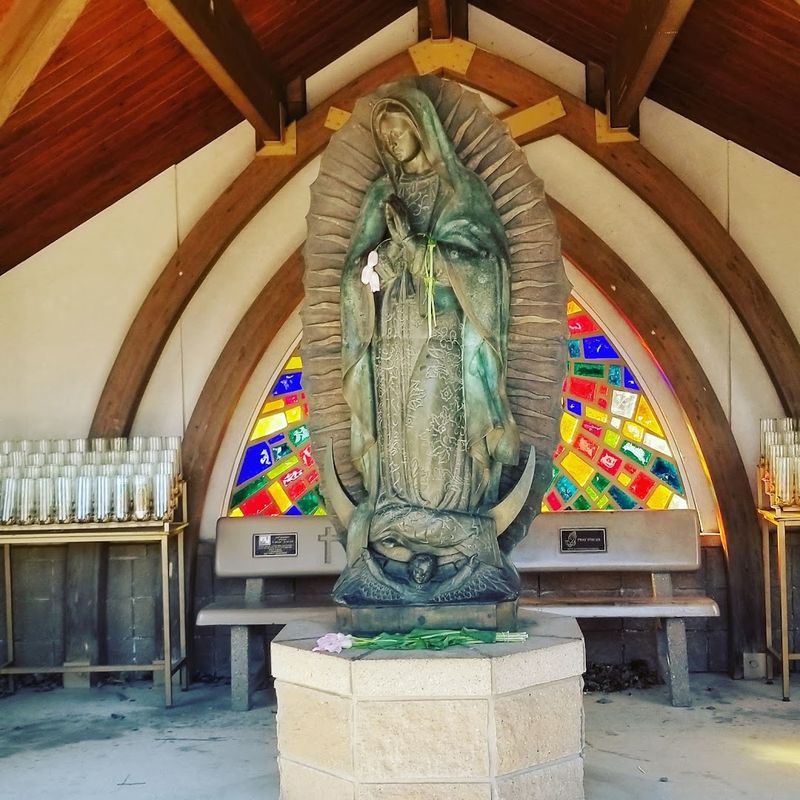
The chapel at Trinity Heights is a compact, carefully arranged space that feels set apart from the busyness of everyday life. Natural light filters in softly, and the atmosphere inside encourages you to slow down almost immediately upon entering.
What makes the chapel particularly interesting for visitors with a curiosity about religious history is the collection of reliquaries. These are ornate containers that hold sacred relics, and seeing them displayed together gives the chapel a depth that goes well beyond simple decoration.
Reliquaries have been part of Catholic devotional practice for centuries, and encountering a genuine collection of them in a small Iowa chapel is the kind of unexpected discovery that makes a trip like this worth taking. The chapel is open to visitors of all backgrounds, and the respectful, welcoming atmosphere makes it easy to spend time there regardless of your personal faith tradition.
Manicured Gardens That Change With Every Season
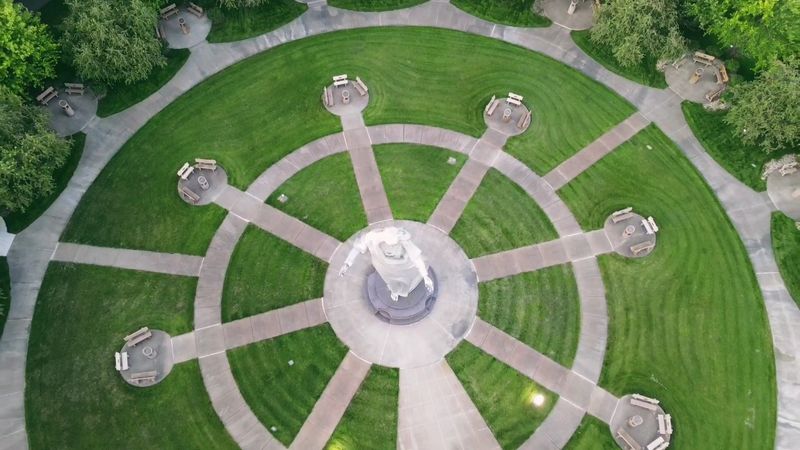
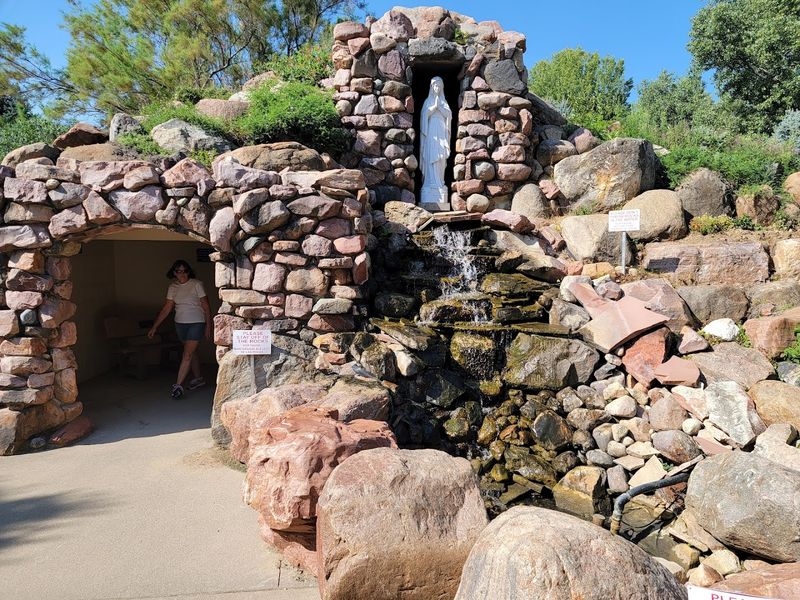
The grounds at Trinity Heights are maintained with a level of care that makes the whole property feel like a living work of art. Green lawns stretch between the statues and shrines, and flowers bloom in carefully tended beds throughout the warmer months.
Visitors who have returned multiple times often mention that the gardens always seem to have something new to notice. A new planting, a freshly placed bench, a small detail that was not there on the last visit.
The property has clearly been growing and evolving over the years, which gives repeat visitors a genuine reason to come back.
Even in winter, the grounds carry a particular kind of beauty. One visitor described the sight of snow resting on the statues and pathways as unexpectedly serene.
The gardens work in every season, which is a harder thing to achieve than it might sound.
Benches Placed Throughout the Property for Quiet Reflection
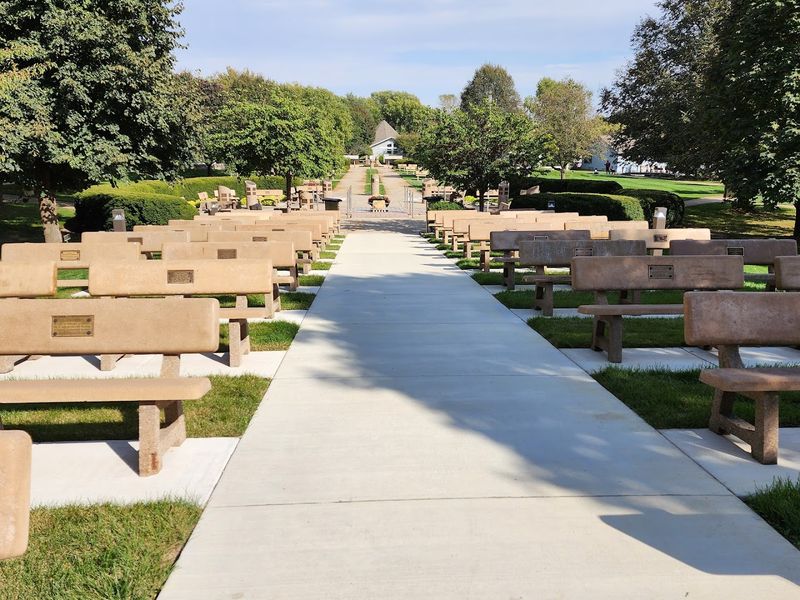
One of the most thoughtful design choices at Trinity Heights is the sheer number of benches placed throughout the grounds. They appear along pathways, near statues, beside gardens, and at quiet corners of the property that seem designed specifically for sitting still.
This matters more than it might seem at first. A place filled with meaningful things to look at is only as good as the opportunity it gives you to actually absorb what you are seeing.
The benches solve that problem completely.
Many visitors arrive with no particular plan and simply wander from bench to bench, pausing wherever something catches their attention. That kind of unhurried pace is exactly what the property seems designed to encourage.
Whether you come to pray, to reflect, or simply to sit quietly in a well-kept outdoor space, the benches make it possible to stay as long as you want without ever feeling rushed.
A Welcoming Space for Visitors of All Faith Backgrounds
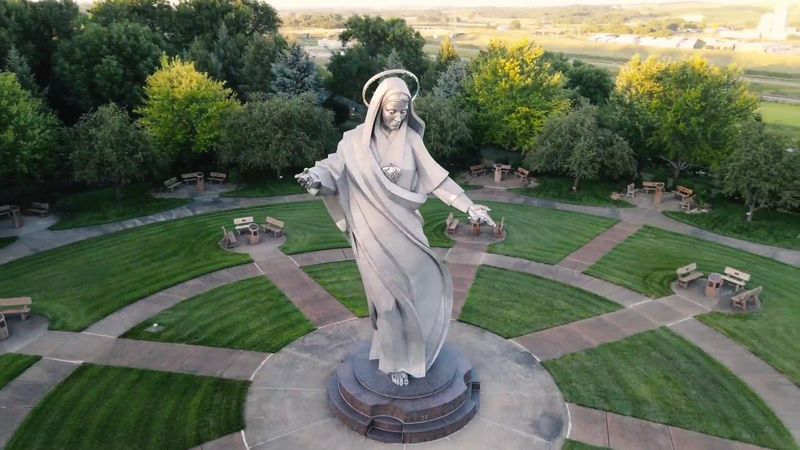
Trinity Heights was built within a Catholic tradition, but the welcome it extends reaches well beyond any single denomination. Non-Catholic Christians, visitors with different beliefs, and people who simply appreciate meaningful spaces all find something genuine here.
That openness is not just a policy. It shows up in the way the grounds are arranged, in the variety of items available in the gift shop, and in the overall atmosphere of the property.
Nothing about the experience feels exclusive or unwelcoming to someone approaching from outside the Catholic faith.
This matters because it expands the audience for a place that genuinely deserves a wide one. A 30-foot statue of the Virgin Mary, a rare wood-carved Last Supper, and a hillside chapel with reliquaries are worth seeing regardless of what you believe.
The property seems to understand that, and the result is a site that feels genuinely open rather than narrowly defined.
The Stations of the Cross Metalwork Panels
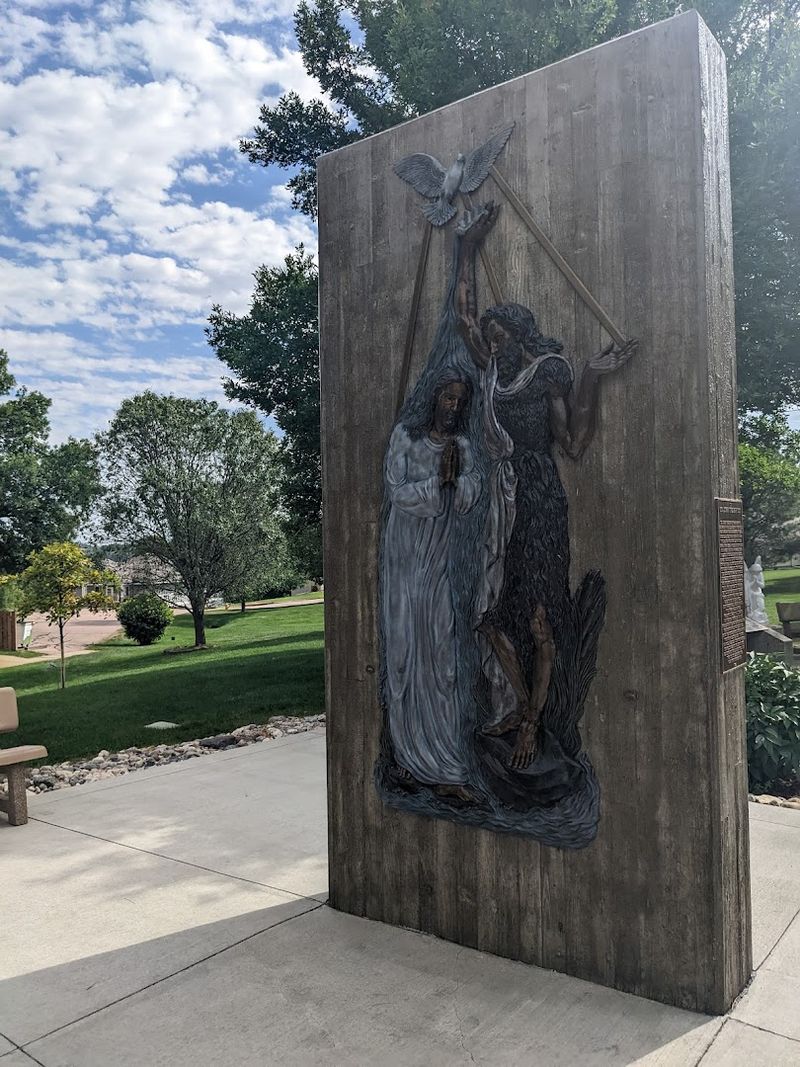
Religious art does not always stop visitors in their tracks, but the Stations of the Cross metalwork panels at Trinity Heights tend to do exactly that. Each panel illustrates a different station with a level of detail that rewards a slow, careful look.
The panels line the pathway leading up to the Christ the Savior statue, which means they function both as artwork and as a kind of guided journey. Reading the accompanying descriptions while moving from station to station gives the walk a meditative quality that is hard to replicate in a more conventional museum setting.
The metalwork itself is crafted with precision, and the contrast between the dark metal panels and the surrounding green gardens creates a visual rhythm that feels very deliberate. For visitors who appreciate religious art, this pathway is easily one of the most rewarding sections of the entire property and well worth taking slowly.
The Story Behind the Sacred Hearts Garden
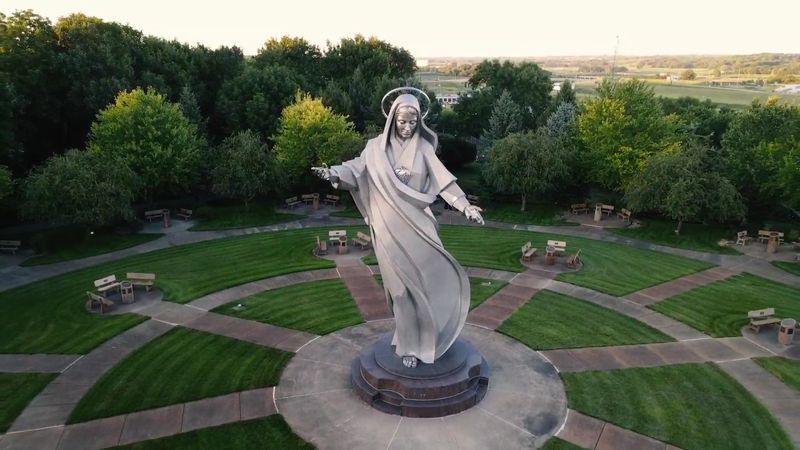
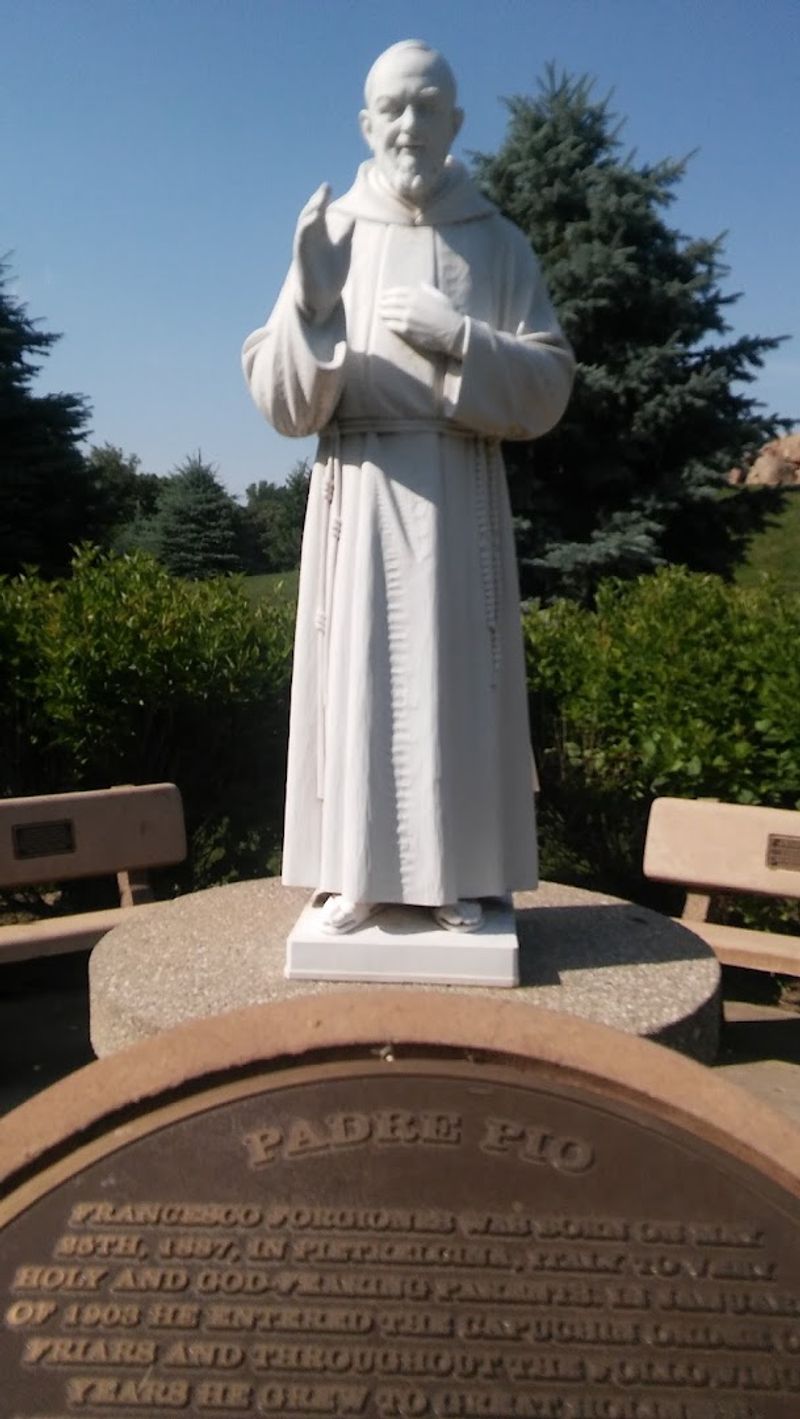
Among the many features spread across the Trinity Heights property, the Sacred Hearts statues hold a particularly central place in the overall design of the grounds. The figures are enormous, and seeing them together in the garden setting gives the space a focal point that draws visitors in from multiple directions.
The Sacred Heart devotion has deep roots in Catholic tradition, and the way these statues are positioned and maintained at Trinity Heights reflects a serious commitment to honoring that tradition at a scale that matches the ambition of the whole site.
For visitors who are less familiar with the theological background, the sheer artistry of the statues is reason enough to spend time with them. The craftsmanship visible in the faces and hands of both figures is the kind of detail that makes you want to walk around the statues slowly and look from multiple angles before moving on to the next section of the grounds.
What the Grounds Look Like in Winter
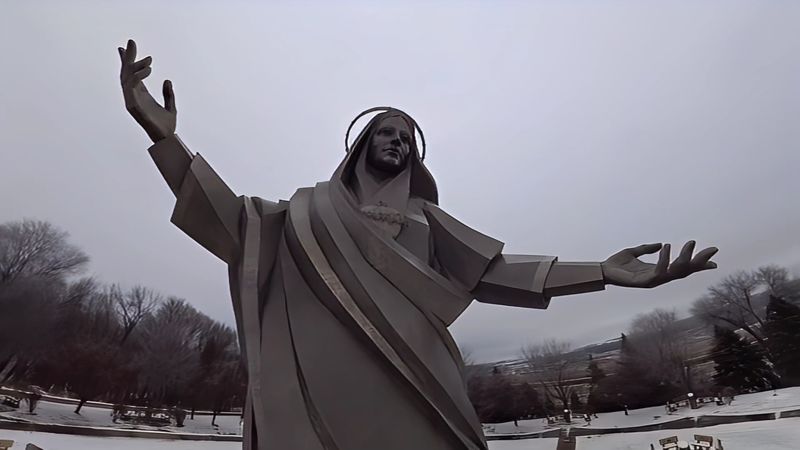
Most people assume a place like Trinity Heights is best visited in summer, when the flowers are blooming and the lawns are their deepest green. That assumption is understandable but not entirely accurate.
Winter visits carry their own particular mood. Snow rests on the statues and softens the edges of the garden beds, and the absence of crowds gives the property a stillness that is harder to find in warmer months.
The towering figures of Mary and Jesus look genuinely striking with a dusting of snow on their shoulders.
One visitor who made the trip on a cold and blustery day described it as still wonderful, which is a good measure of how much the site has to offer regardless of the weather. If a winter trip to Sioux City ever lands on your calendar, the grounds at Trinity Heights are worth bundling up for without hesitation.
Visiting Hours and Practical Tips for Planning Your Trip
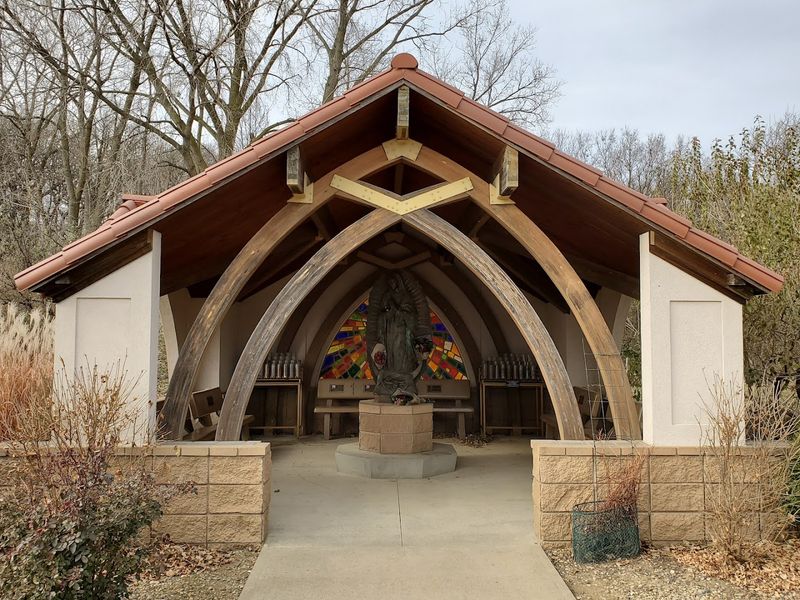
Trinity Heights is open every day of the week, with visiting hours running from 10 AM to 4 PM. That schedule gives most travelers a reasonable window to explore the property without rushing, though arriving closer to the opening time tends to mean a quieter experience overall.
The grounds are large enough that a thorough visit, including the outdoor gardens, the chapel, the Last Supper exhibit, and the gift shop, can comfortably fill two to three hours. Wearing comfortable walking shoes is a practical idea, especially if you plan to take the full Stations of the Cross pathway up the hillside.
The property is located at 2509 33rd Street in Sioux City, and parking is available on site. Visiting on a weekday tends to mean smaller crowds, though the site draws visitors year-round and is rarely described as overwhelmingly busy regardless of the day.
How the Community Keeps Trinity Heights Running
One of the more quietly remarkable things about Trinity Heights is how it stays so well maintained. The grounds are always described by visitors as perfectly manicured, and that level of upkeep does not happen without genuine dedication from the people behind the scenes.
Volunteers play a meaningful role in keeping the property in shape. One visitor mentioned meeting a 96-year-old man who still gave his time to the site, which says something real about the kind of community investment that surrounds this place.
That kind of long-term personal commitment is not something you find at every landmark.
Purchases at the gift shop contribute directly to the funding of the grounds, which gives every visitor a small way to participate in the ongoing effort. Trinity Heights is not supported by a large institution.
It runs on the care of people who genuinely believe in what the site represents, and that shows in every corner of the property.
Why This Site Draws Visitors From Across the Country
A two-hour drive is not nothing. But multiple visitors have mentioned making exactly that kind of trip specifically to see Trinity Heights, and most of them describe it as completely worth the effort.
That kind of voluntary travel tells you something real about what the site offers.
The combination of features here is genuinely unusual. The world’s largest Virgin Mary statue, one of only four life-size wood-carved Last Suppers in existence, a hillside Christ the Savior statue, metalwork Stations of the Cross, a relic chapel, and extensive maintained gardens are not things you typically find together in one location.
Word of mouth drives much of the traffic to Trinity Heights. Many visitors say they had no idea the place existed until someone local pointed them in the right direction.
That pattern of discovery, person to person, recommendation to recommendation, is exactly how a place like this builds the kind of reputation that outlasts any marketing effort.
What to Explore Near Trinity Heights in Sioux City
Sioux City has more going for it than most passing travelers realize. The Missouri River provides a natural backdrop to the city, and the riverfront area offers a different kind of outdoor experience worth exploring after a morning at Trinity Heights.
The Sioux City Lewis and Clark Interpretive Center is one nearby attraction that comes up frequently in conversations about what to see in the area. In fact, at least one visitor mentioned that a staff member there was the one who recommended Trinity Heights in the first place, which suggests the two sites complement each other well as part of a single day of exploration.
Sioux City also has local dining options, parks, and cultural sites that reward a longer stay rather than a quick pass-through. If Trinity Heights is your primary reason for visiting, it is worth building a full day around the trip and seeing what else the city has waiting.
Share this story