 Unearth The Voyage
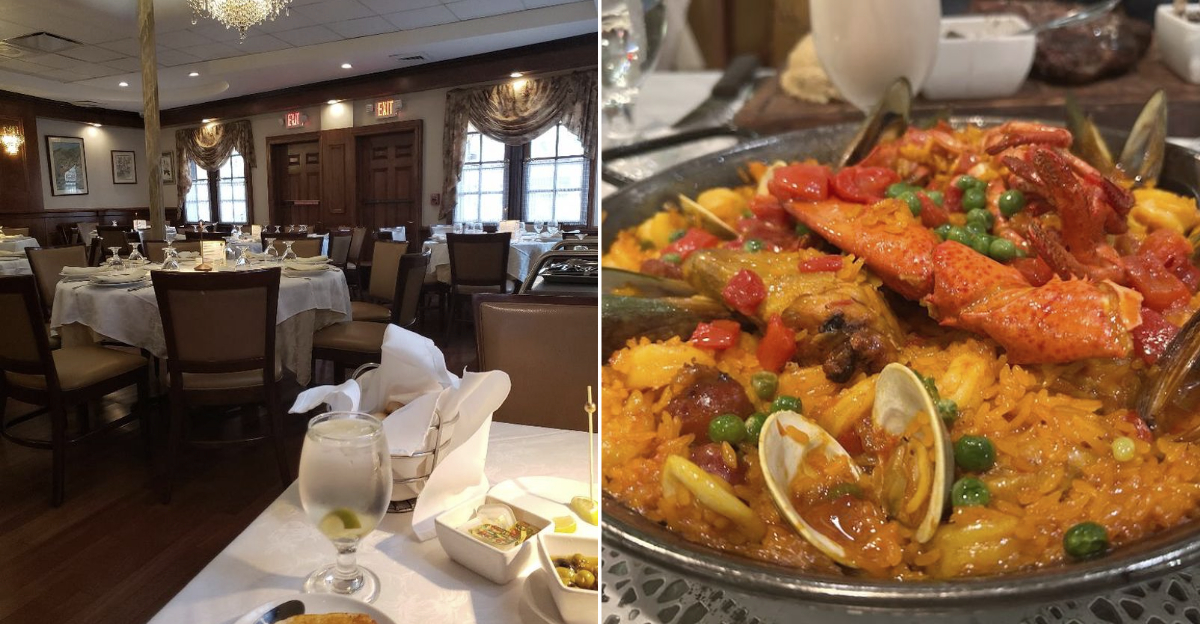
Newark’s Ironbound has no shortage of dinner options, but one address keeps turning a regular night out into something far more complete. This is the kind of place where the room, the pacing, the menu, and the old-school polish all work together, so the meal feels less like a quick stop and more like an occasion with very good timing.
Plenty of restaurants promise atmosphere and generous plates, yet few manage to pair them with the kind of steady professionalism that makes people rearrange their week for a table. Keep reading, because this spot offers more than a list of Spanish classics – it delivers a full restaurant experience shaped by tradition, scale, and the unmistakable rhythm of the Ironbound.
Where the Evening Begins
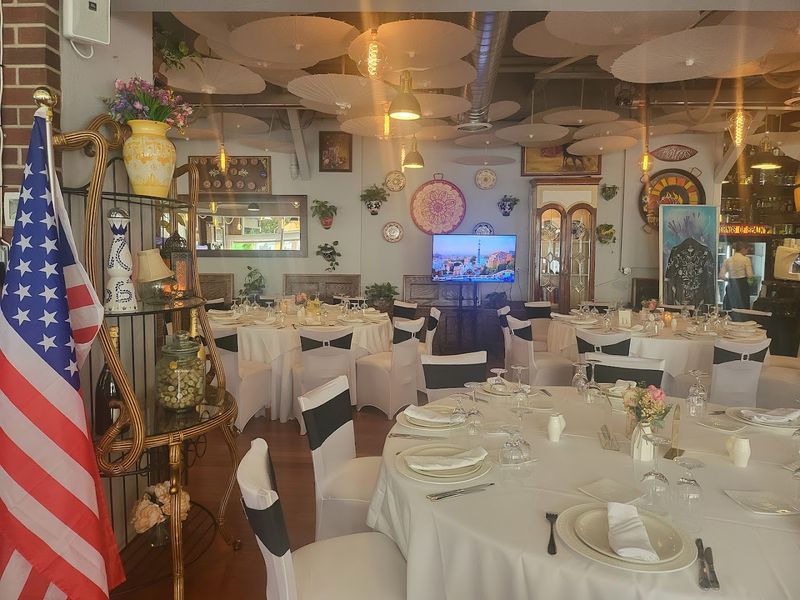
Right in the middle of Newark’s Ironbound, Fornos of Spain sits at 47 Ferry St, Newark, NJ 07105, in New Jersey, giving diners a clear address for one of the area’s best-known Spanish restaurants. That matters because this part of the city is busy, packed with destinations, and shaped by a long dining tradition that rewards people who show up hungry and prepared.
The restaurant’s location places it exactly where a full dinner can turn into a neighborhood outing rather than a simple reservation. Ferry Street carries much of the district’s energy, and Fornos of Spain fits into that setting with the confidence of a place that knows it belongs there.
That address also helps first-timers plan the evening without guesswork, especially when timing, parking, and nearby foot traffic enter the equation. In a neighborhood built for serious dining decisions, this restaurant makes its opening move with a strong one.
A Dining Room With Commitment
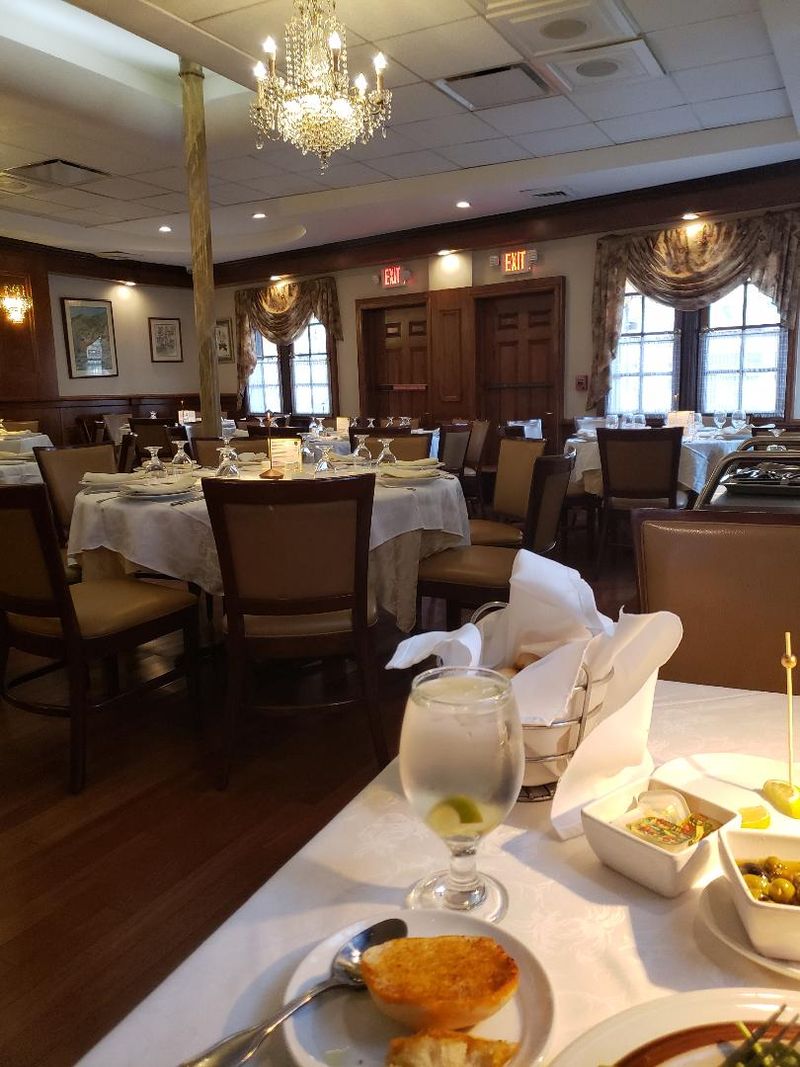
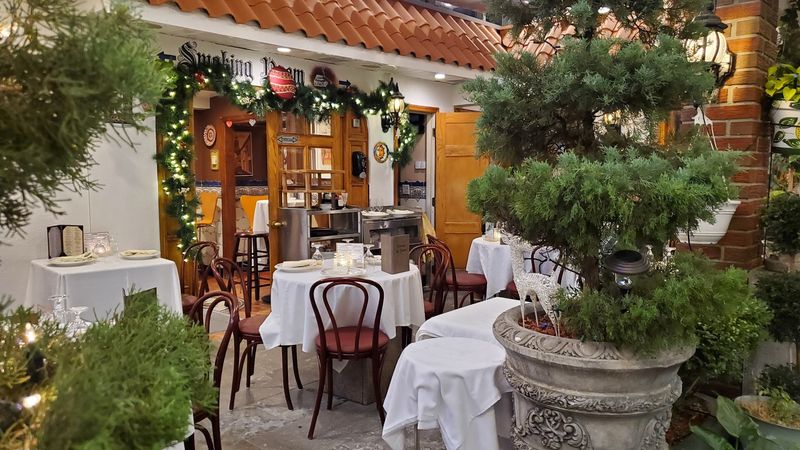
Some restaurants serve dinner, and some build an entire setting around it, and this one clearly chooses the second path. Fornos of Spain is described as Spanish cuisine in an elegant setting, and that wording proves accurate because the room is large, busy, and arranged to feel like a destination, not a pit stop.
The scale matters here. A smaller room can feel exclusive, but a substantial dining space with steady activity creates a different kind of confidence, the kind that tells diners this place is prepared for dates, family gatherings, business meals, and celebrations without losing its composure.
Details in the decor help reinforce that old-world approach the restaurant is known for, giving the experience a sense of structure from the moment guests settle in. Nothing about the setup suggests hurry, and that may be the quiet trick behind its appeal: dinner gets treated like the main event, not an item to cross off.
The Ironbound Fit
Fornos of Spain makes the most sense when viewed as part of the Ironbound’s wider identity, not as a restaurant floating on its own. Newark’s East Ward has long been associated with Iberian dining, and this restaurant plays directly into that tradition while also presenting itself with a slightly more formal, occasion-ready style.
That balance is important because the Ironbound attracts people who care about food but also pay attention to atmosphere, routine, and neighborhood reputation. A place like this succeeds by speaking both languages at once: regional familiarity on one hand, polished dining room energy on the other.
The result is a restaurant that feels rooted rather than staged. It does not need gimmicks because the surrounding neighborhood already supplies context, and the restaurant’s job is to meet that standard with consistency, scale, and a sense that dinner here belongs to Newark specifically, not some generic special-occasion script.
Why the Menu Has Range
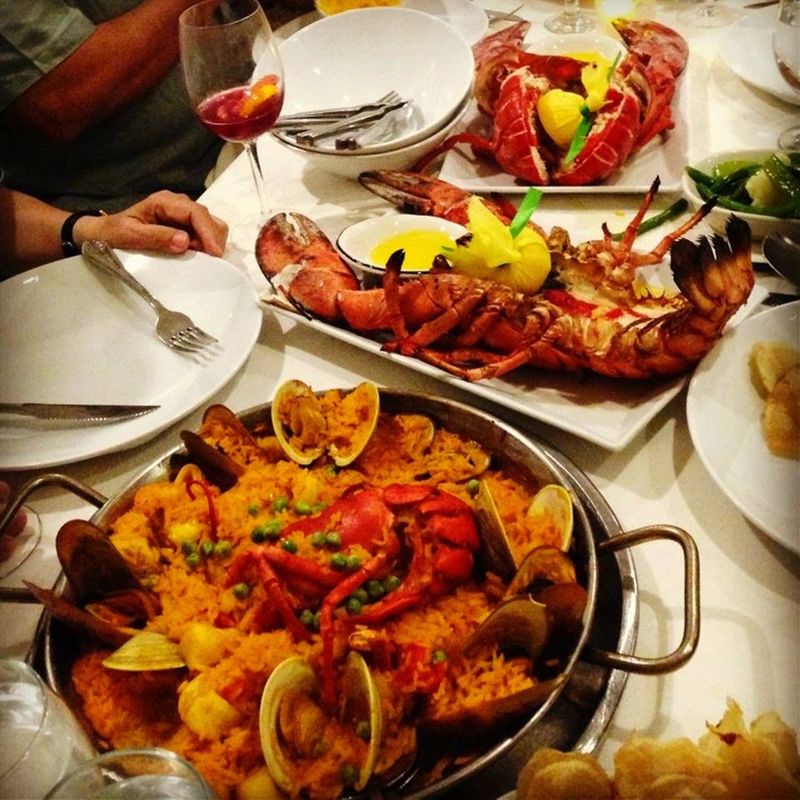
Plenty of places do one thing well, but Fornos of Spain earns attention because the menu appears built for variety without losing focus. The restaurant is known for Spanish surf and turf, and that phrase covers a useful spread of dishes that lets different kinds of diners find their lane without making the meal feel disconnected.
Seafood rice dishes, meat entrees, and house specialties all seem to share the stage here, which helps explain why group dinners work so well in this room. One table can order paella, veal, lamb, steak, or seafood and still look like it understood the assignment.
That breadth also keeps repeat visits interesting. Instead of returning just for one famous plate, many diners can approach the menu as an ongoing project, testing a new section each time and still staying within the same Spanish framework, which is a very convenient excuse for another dinner reservation.
Paella Holds the Spotlight
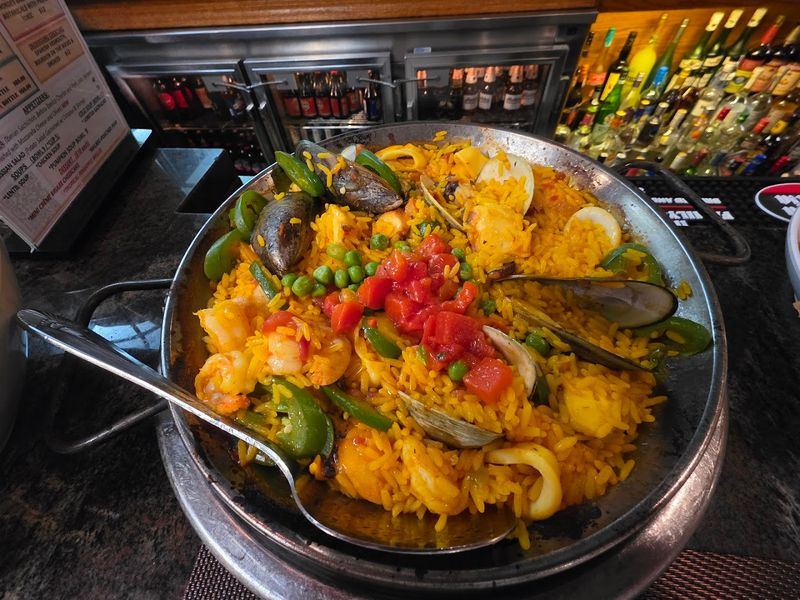
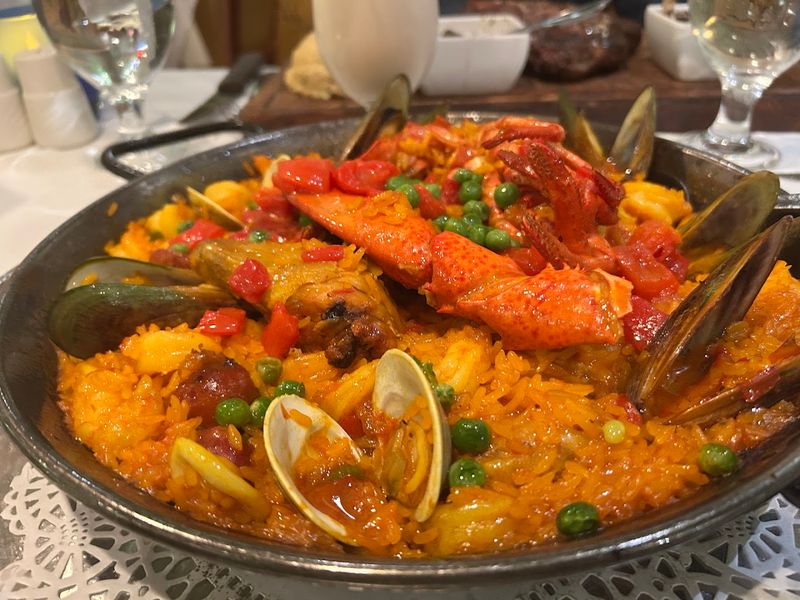
No signature conversation around this restaurant stays away from paella for long, and that is hardly surprising. Multiple accounts point toward paella as one of the restaurant’s defining orders, with seafood versions, chicken versions, black rice options, and even a vegetarian direction adding depth to the category.
That matters because paella can be either a token menu inclusion or a serious house strength, and here it clearly lands in the second camp. The dish also fits the restaurant’s broader identity: generous, structured for sharing or lingering over, and closely tied to the idea of dinner as an event rather than a quick transaction.
A good paella order changes the pace of the table. It invites a longer meal, creates a focal point for conversation, and quietly announces that standard entrees can wait for another day, which is excellent news for anyone willing to let rice do the heavy lifting.
The Extras That Build Value
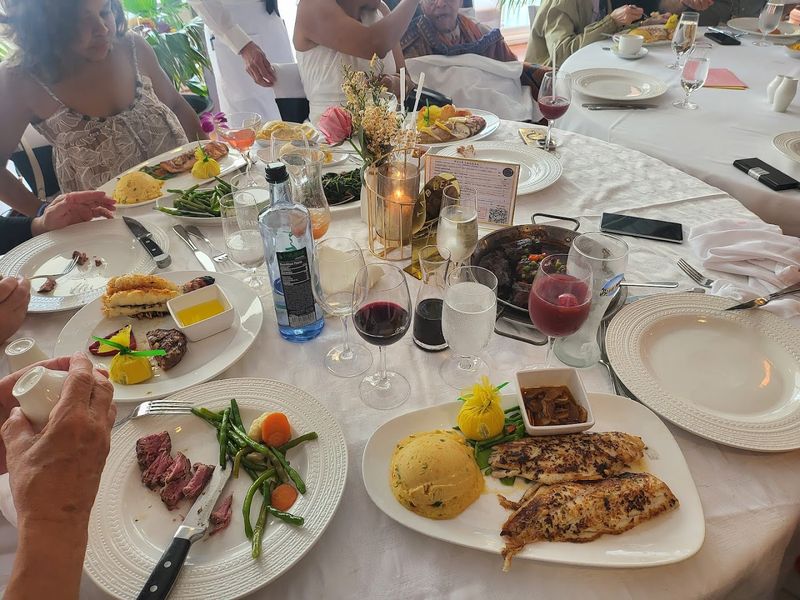
One of the smartest things Fornos of Spain appears to do is make the meal feel generous before the main course fully takes over. Bread, olives, salad, and additional sides are often part of the experience, creating a sense that the restaurant understands how hospitality works in practice, not just on paper.
That approach changes the mood of dinner immediately. Instead of waiting through a long stretch for the first meaningful part of the meal, diners are brought into the rhythm early, and the table starts to look active before anyone debates dessert or a second round of coffee.
Value here does not simply mean lower prices. It means receiving a layered meal that feels intentionally paced, with enough complementary pieces to make the evening feel substantial even before the featured entree arrives, which is a very effective way to make a restaurant memorable without resorting to cheap tricks.
Designed for Big Nights Out
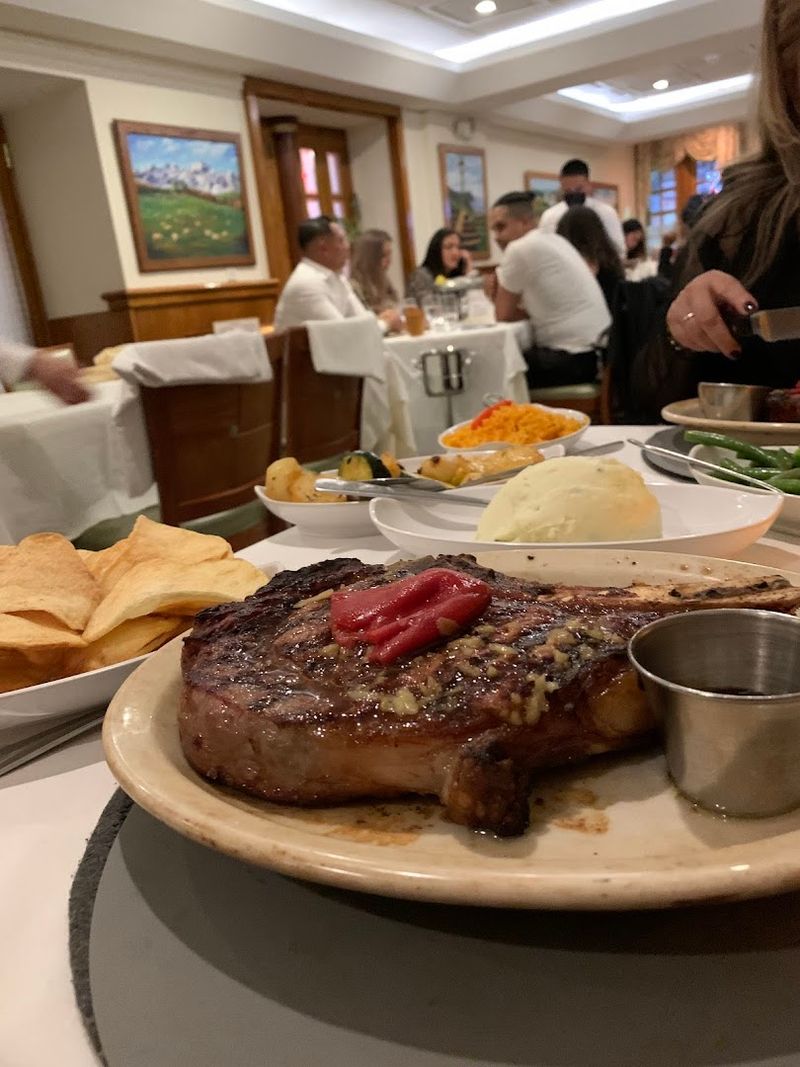
Celebration restaurants often reveal themselves quickly, and this one clearly understands that assignment. The size of the dining room, the formal presentation, the generous portions, and the wide menu all point toward a place built for birthdays, family dinners, work gatherings, and those long meals that start with one excuse and end with coffee.
That does not mean it works only for milestone events. In fact, one reason the restaurant seems to stand out is its ability to make an ordinary dinner feel a little upgraded without pushing into stiff or overly theatrical territory.
There is a practical side to that appeal too. When a restaurant can comfortably handle groups and still maintain a composed service style, it becomes an easy default choice for people who do not want to gamble on an important evening, and that kind of reliability is often worth more than any flashy trend chasing nearby.
What Makes It Feel Spanish
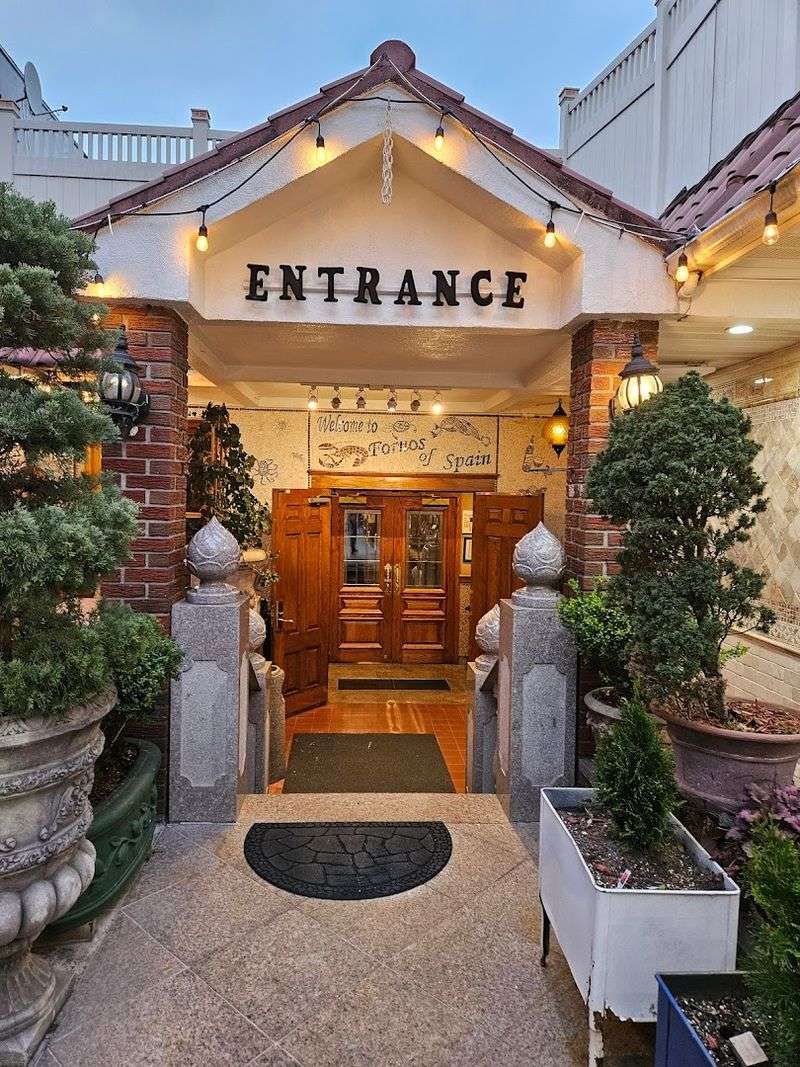
Spanish identity at Fornos of Spain is not limited to a few menu labels. The old-world decor, the scale of the room, the emphasis on shared classics, and even the pacing of the meal work together to frame dinner as a cultural experience with structure and continuity.
That matters in a neighborhood where diners can easily tell the difference between a restaurant using a theme and a restaurant building a full point of view. Here, the setting appears designed to support the cuisine rather than distract from it, creating consistency between what arrives at the table and the environment surrounding it.
Even small details help reinforce that impression. A traditional menu, formal service, and decorative choices associated with Iberian dining create a restaurant that feels committed to its identity from start to finish, and commitment counts for a lot when half the battle in dining is convincing people the place means what it says.
A Smart Pick for Lunch or Dinner
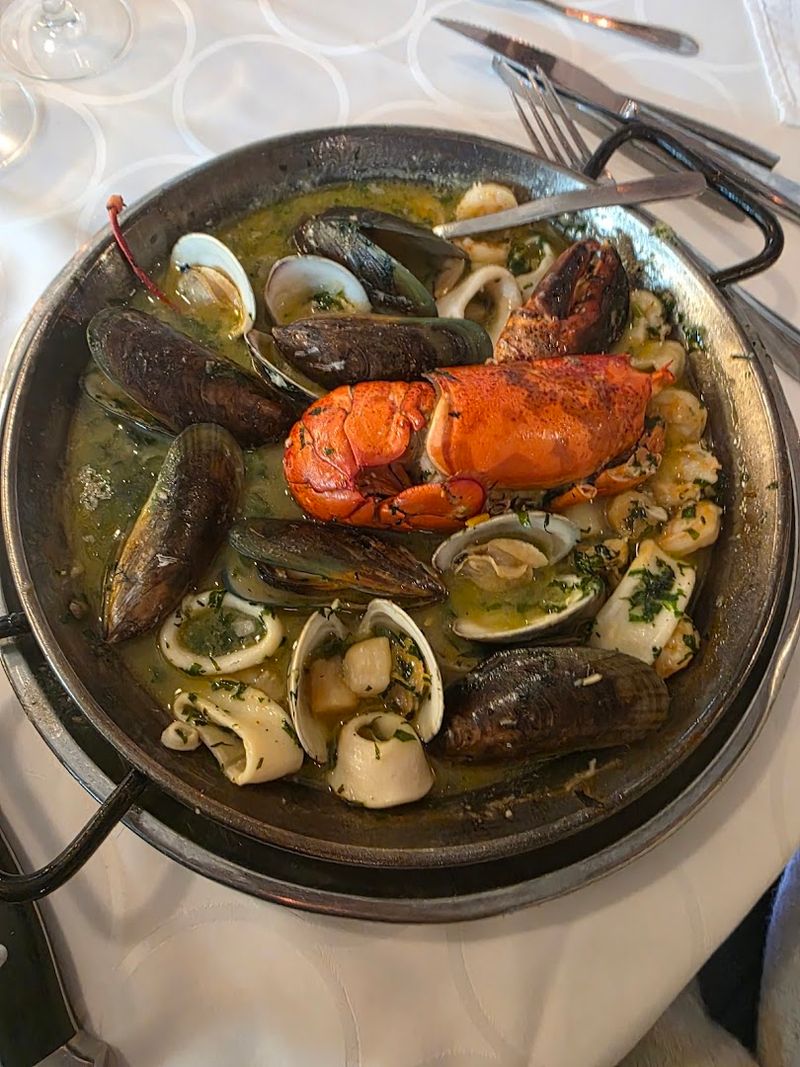
Not every upscale restaurant works equally well across the day, but Fornos of Spain appears flexible enough to handle both lunch and dinner with ease. Its weekday opening hours begin before noon on several days, which gives locals and travelers an option beyond the classic evening reservation rush.
Lunch in a place like this can be a strategic move. The setting still delivers polish, the menu still carries substantial options, and the overall experience can feel more relaxed for anyone trying to enjoy the restaurant without the full peak-hour momentum that often shapes dinner service.
Dinner, of course, remains the star turn. Yet the broader schedule makes this restaurant more useful than a once-in-a-while splurge spot, because it opens the door to business meals, midday meetups, and early starts to special occasions, all without forcing everyone into the same narrow window of time.
Portion Size Without the Gimmick
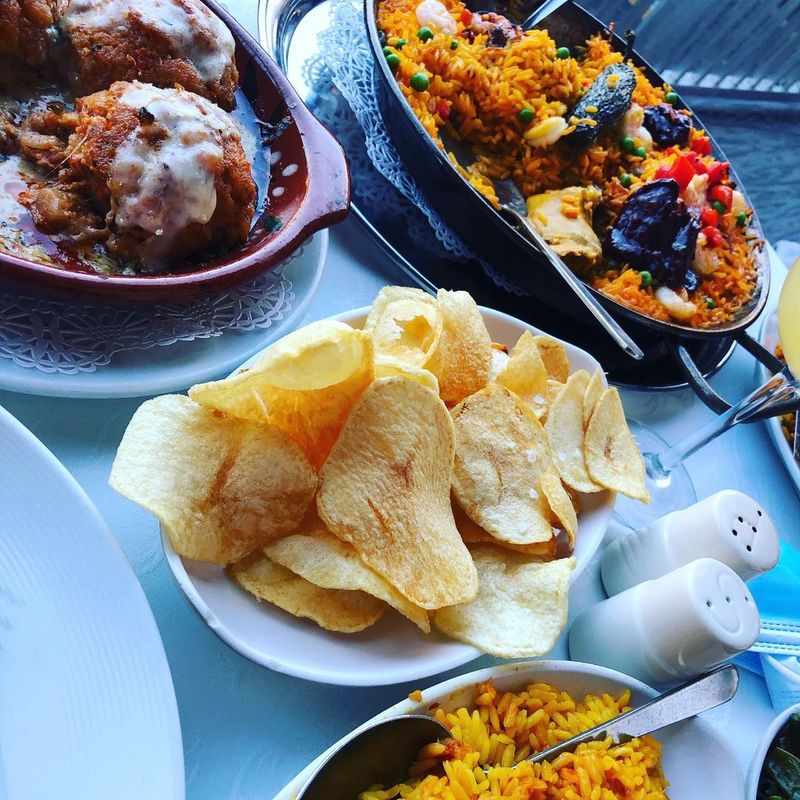
Generous portions are common bragging rights in restaurant talk, but at Fornos of Spain they seem tied to the overall structure of the meal rather than used as a stunt. Between starters brought to the table, substantial entrees, and added sides, dinner reads as complete without slipping into novelty-sized excess.
That distinction matters because abundance alone does not create satisfaction. What works better is a sense that the restaurant understands progression, giving diners enough variety and enough quantity to make the meal feel fully built out, not just physically large.
The result is especially useful for groups and celebrations, where a meal should feel ample without turning into a logistical challenge. Plenty on the table, enough range to keep everyone interested, and portions that support leftovers when needed form a practical kind of luxury, the type that wins loyalty because it respects both appetite and occasion.
Dessert as the Final Nudge
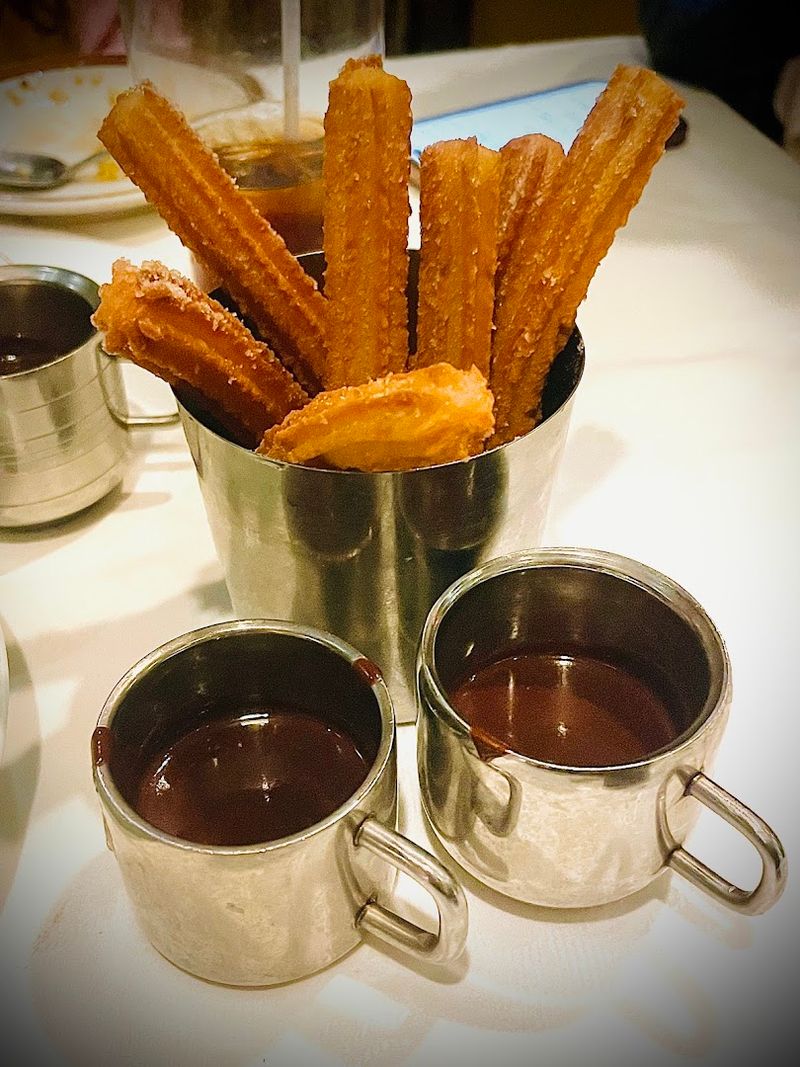
Just when the meal could reasonably call it a day, Fornos of Spain appears to add another nudge toward staying longer. Desserts already play a role on the menu, but the added gesture of churros at the end has become part of the restaurant’s identity, giving the finish a sense of ritual rather than simple closure.
That kind of ending matters because it changes how the whole dinner is remembered. Guests are not simply paying for an entree and leaving; they are moving through a sequence that keeps extending the evening in small but effective ways.
A strong dessert finish also reinforces the restaurant’s broader style. It supports celebrations, encourages conversation to continue, and gives the table one more shared moment before coats are collected and plans resume, which is a remarkably efficient way to make people say yes when someone suggests coming back next month.
Best Time to Go
Timing can shape the entire experience here, and the restaurant’s posted hours make planning fairly straightforward. Fornos of Spain stays open later on Friday and Saturday, closes a bit earlier on Sunday, and runs steady lunch-to-dinner service through much of the week, which gives diners room to choose their pace.
That flexibility creates a useful strategy. A midday meal may offer a calmer rhythm, while prime dinner hours likely bring the restaurant’s full bustling personality into view, making the evening feel more event-driven and socially charged in the best possible way.
The smart move depends on the goal. Go earlier for a more measured experience, or lean into the busier windows if the point is to catch the room at full strength and let the restaurant show off its range as both a neighborhood fixture and a polished special-occasion standby.
Why It Stays in the Conversation
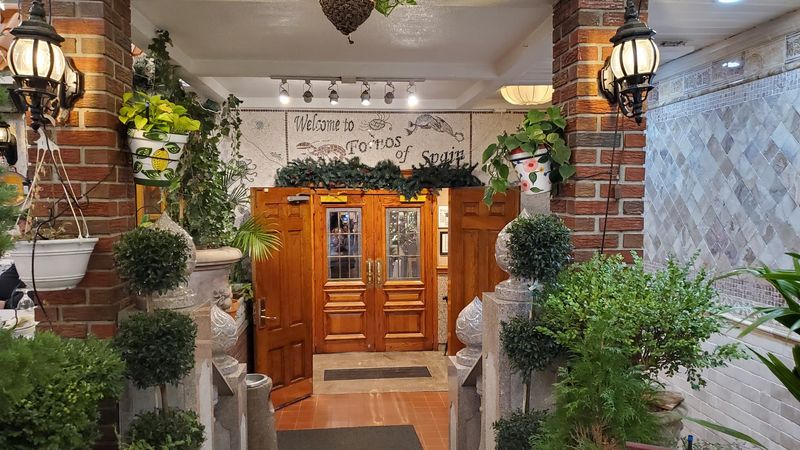
Some restaurants become regular recommendations because they are trendy for a season, and others stay in circulation because they deliver a full package year after year. Fornos of Spain lands in the second group, combining an established Ironbound location, a formal setting, broad Spanish menu, strong service reputation, and practical conveniences into one dependable destination.
That combination is what turns dinner here into more than a reservation. The restaurant offers context, structure, and a sense of occasion without drifting away from the neighborhood that gives it meaning, which is a difficult balance and one worth noticing.
In the end, that is the real story of this Newark standby. It does not need stunts, and it does not rely on a single famous dish to carry the room, because the experience works as a whole, and that kind of completeness is what keeps a restaurant firmly on the city’s shortlist.



